


Login
Get Instant Pricing On 23,000+ Aircraft

>
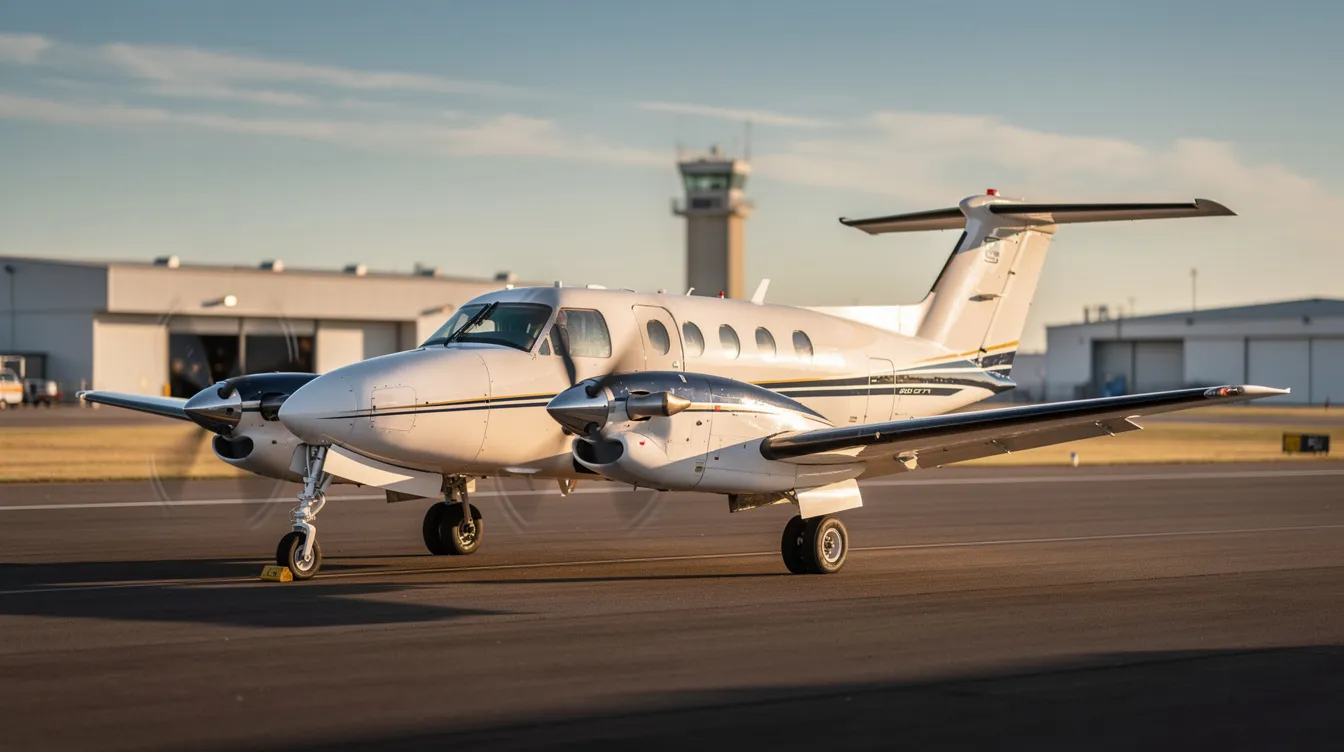
The King Air C90GT is a twin-engine turboprop introduced by Beechcraft in 2005, built for cost-effective regional travel with a cruise speed of about 270 knots, a service ceiling of 30,000 feet, and a typical range of 750 nautical miles. It has earned a strong reputation for versatility by giving private travelers access to smaller airports and lower operating costs than many light jets.
For frequent flyers—especially corporate executives, high-net-worth individuals, and families who want flexible private charter without ownership commitments—this guide explains what to expect from the King Air C90GT, including its performance, cabin comfort, operating costs, safety, variants, charter availability, and how to book one through Jettly’s digital on-demand marketplace.
The King Air C90GT is a twin-engine turboprop in the Beechcraft King Air 90 family, introduced in 2005 as a higher-performance upgrade over the C90B. It cruises at up to 270 KTAS, reaches a service ceiling of 30,000 feet, covers a normal range of about 750 nautical miles, and carries five to seven passengers. A total of 97 King Air C90GT aircraft were built between 2005 and 2007.
Its PT6A-135A engines, efficient fuel burn, and ability to operate from short runways make it a cost-effective alternative to many light jets for regional business and family trips. The C90GT provides a balance of low operating costs and short-runway flexibility that few competitors match.
Jettly offers on-demand access to King Air C90, C90GT, C90GTi, and C90GTx aircraft through a global charter marketplace with instant pricing. Travelers can compare variants, review equipment, and book directly on the platform.
To explore flight options or request a quote, visit https://www.jettly.com.
The King Air C90GT is a Hawker Beechcraft (now Textron Aviation) twin-engine turboprop and part of the Beechcraft King Air 90 production line. Produced between 2005 and 2007, roughly 97 airframes rolled off the production line before the model transitioned to the C90GTi and later the C90GTx.
Key specs at a glance:
Engines: Two Pratt & Whitney PT6A-135A engines, each flat-rated to 550 shp
Max cruise: Approximately 270 KTAS
Range: 700–750 nm typical (IFR with reserves); maximum range approximately 1,260 nautical miles depending on payload
Service ceiling: 30,000 ft
Seating: 5–7 passengers plus crew (the aircraft can accommodate a maximum of seven people in some configurations)
Takeoff distance: As short as roughly 2,000 feet at sea level under favorable conditions
Compared with the earlier King Air C90 and original King Air 90, the C90GT delivers a noticeably higher cruise speed, better climb rate, and improved hot-and-high performance thanks to its upgraded engines and four-bladed propellers replacing the older three-bladed propellers. It sits just below the later C90GTi (which added Collins ProLine 21 avionics) and the C90GTx (which gained factory winglets and a higher maximum takeoff weight).
This positions the King Air aircraft as a bridge between traditional turboprop private jets and very light jets—attractive on Jettly for short- to medium-haul private charter.
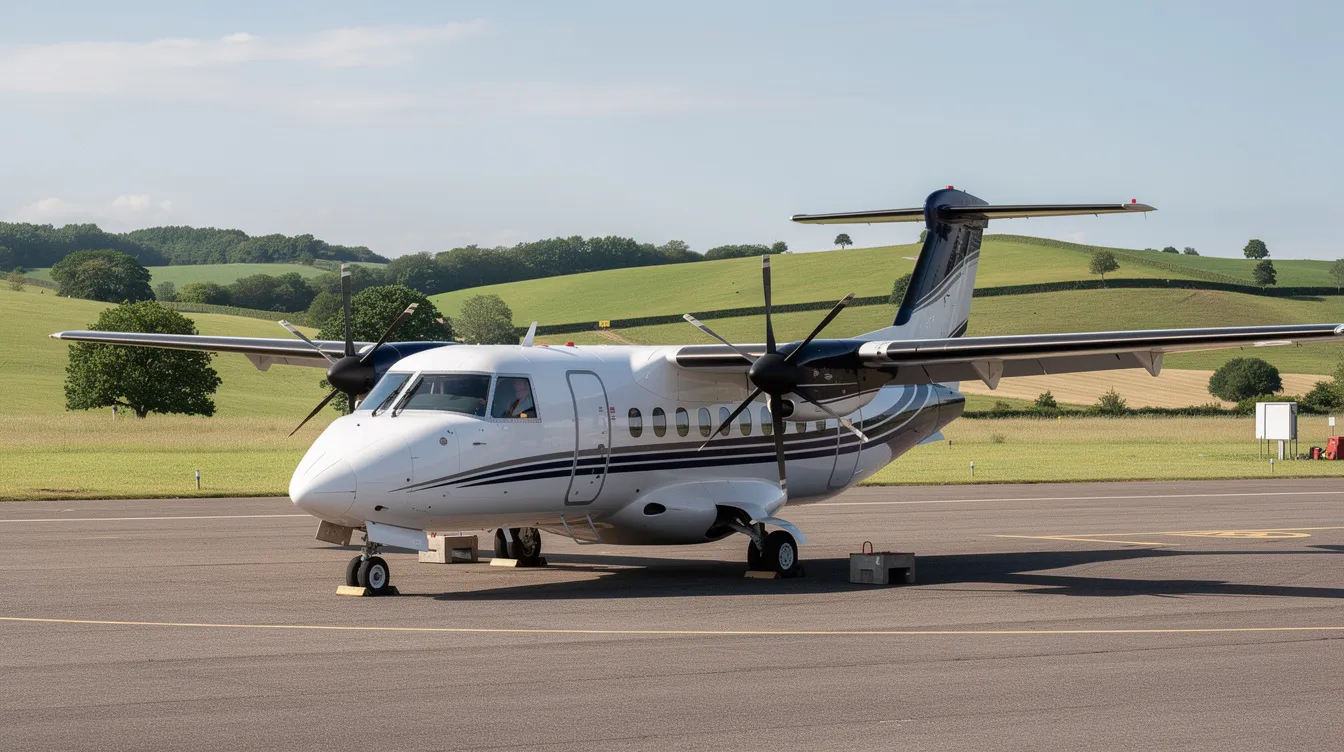
The Beechcraft King Air line dates back to 1964. Over the decades, more than 3,100 King Air 90/100-series aircraft have been delivered, and over 20 variants of the King Air 90 have been produced under Beechcraft, Hawker Beechcraft, and now Textron Aviation.
The original King Air 90 evolved through the C90, C90A, and C90B. By the early 2000s, Hawker Beechcraft sought to compete with emerging very light jets, and Beechcraft introduced the C90GT in 2005 at the Oshkosh Airshow. The airplane was certified to fly at 30,000 feet and 270 KTAS—a major step up in cruise performance and climb versus the C90B. It featured new Pratt & Whitney PT6A-135A engines, redesigned engine cowlings, and four-bladed propellers that replaced the earlier three-bladed propellers.
The King Air models continued to evolve:
C90GTi (2007 onward): The C90GTi features Collins ProLine 21 avionics, a refined interior, and reduced pilot workload through more automated systems.
C90GTx (circa 2010): The C90GTx includes winglets for improved performance (BLR-style, factory standard), a higher MTOW of about 10,485 lb for better full-fuel payload flexibility, and options like Frakes exhaust stacks. C90GTx prices range between $2.6 million and $3.7 million on the used market as of the mid-2020s. Used King Air C90GT prices, by contrast, start from around $1.4 million.
All these King Air models—C90, C90GT, C90GTi, and C90GTx—serve in private, corporate, air-taxi, and government roles. Many are regularly available in Jettly's charter inventory.
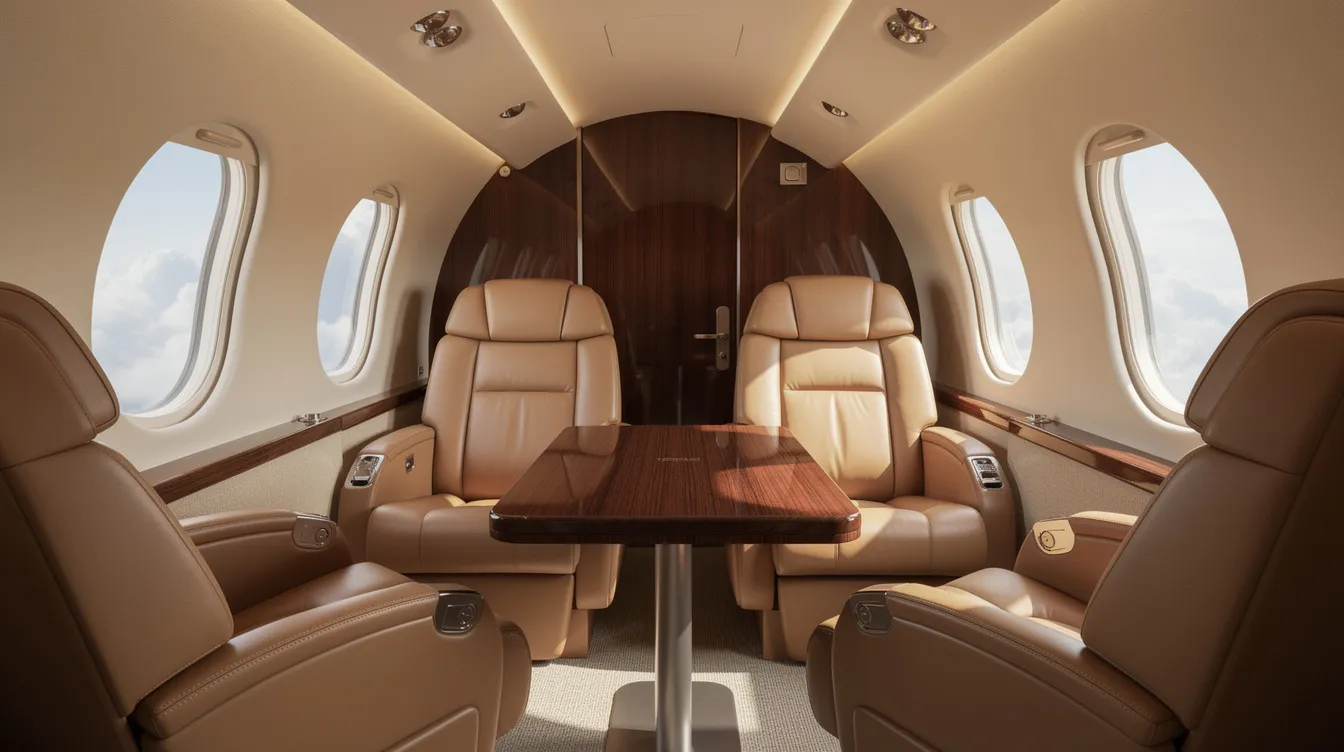
The King Air C90GT is often described as one of the most family-friendly and business-friendly turboprops in its class, and for good reason. The cabin is pressurized, enhancing passenger comfort during flights at altitude, and features a square-oval design offering superior headroom compared with many competing turboprops.
Concrete cabin dimensions:
Length: Approximately 12 ft 4 in
Width: About 4 ft 6 in
Height: Roughly 4 ft 9 in
Volume: Around 218–220 cu ft
Standard seating arrangements include four club seats plus one or two forward-facing seats, with the aircraft having a typical passenger capacity of 4 to 6 in a club layout. Some configurations add a belted lavatory seat for a total of seven people. Removable tables make room for both executive meetings and family activities in flight.
Comfort features found on many charter-configured C90GTs include sound insulation designed to reduce cabin noise, individual reading lights, personal air vents, and optional headsets. While there is no full galley, basic in-flight refreshments and catering can be arranged, often coordinated through services like Jettly Eats in-flight catering. Efforts to reduce cabin noise through insulation and redesigned engine cowlings make the cabin noticeably quieter than older King Air variants.
For Jettly customers, this translates to practical use cases: families of up to six travelers heading to a vacation destination, small executive teams visiting regional offices, or medical trips where a pressurized cabin and access to smaller airports matter. The aircraft is designed for comfort and operational versatility across these missions, aligning well with broader evaluations of the best private planes for families.
The King Air C90GT delivers strong cruise performance for its class. Here is a concise comparison across key variants:
|
Spec |
King Air C90 |
C90GT |
C90GTx |
|---|---|---|---|
|
Max cruise speed |
~234 KTAS |
~270 KTAS |
~272 KTAS |
|
Typical range (IFR) |
~600 nm |
~700–750 nm |
~750–975 nm |
|
Service ceiling |
28,000 ft |
30,000 ft |
30,000 ft |
|
MTOW |
~10,100 lb |
~10,100 lb |
~10,485 lb |
|
Winglets |
No |
No (aftermarket available) |
Yes (factory) |
The C90GT can cruise at speeds up to 270 knots and operate at altitudes up to 30,000 feet. Its maximum range is approximately 1,260 nautical miles depending on payload, though a practical IFR range with full passengers and reserves sits closer to 700–750 nm. The aircraft requires roughly 2,000 feet for takeoff at sea level under ideal conditions and is capable of landing on unpaved or unimproved runways—a real advantage for accessing airports inaccessible to many business jets.
The PT6 engine family is known for reliability and durability in business aviation. The PT6A-135A engines deliver an improved climb rate over the older C90B, providing better safety margins in hot-and-high environments and reducing flight time to cruise altitude. The aircraft is well-regarded for its docile handling characteristics, with features like rudder bias systems helping pilots manage asymmetric thrust scenarios.
Turboprops generally consume less fuel than light jets on shorter routes. Typical fuel burn for the C90GT runs roughly 100–120 US gallons per hour combined, which translates to meaningful savings on stage lengths under 700 nm when compared with light jet aircraft. This fuel efficiency advantage, combined with lower maintenance costs compared to many light jets, is one reason the C90GT holds its ground in the charter market.
Regarding avionics, the C90GT shipped with basic electronic flight instruments—a step up from analog panels on earlier King Air models but not yet the glass cockpit experience of the C90GTi. Many C90GTs in today's charter fleets have been upgraded to Pro Line 21 or equivalent suites, improving situational awareness and IFR capability. Features like heated windshields and toggle switches for various systems remain part of the standard cockpit configuration. A well-equipped C90GT with modern avionics feels like an airplane flying straight into the next generation of turboprop operations.
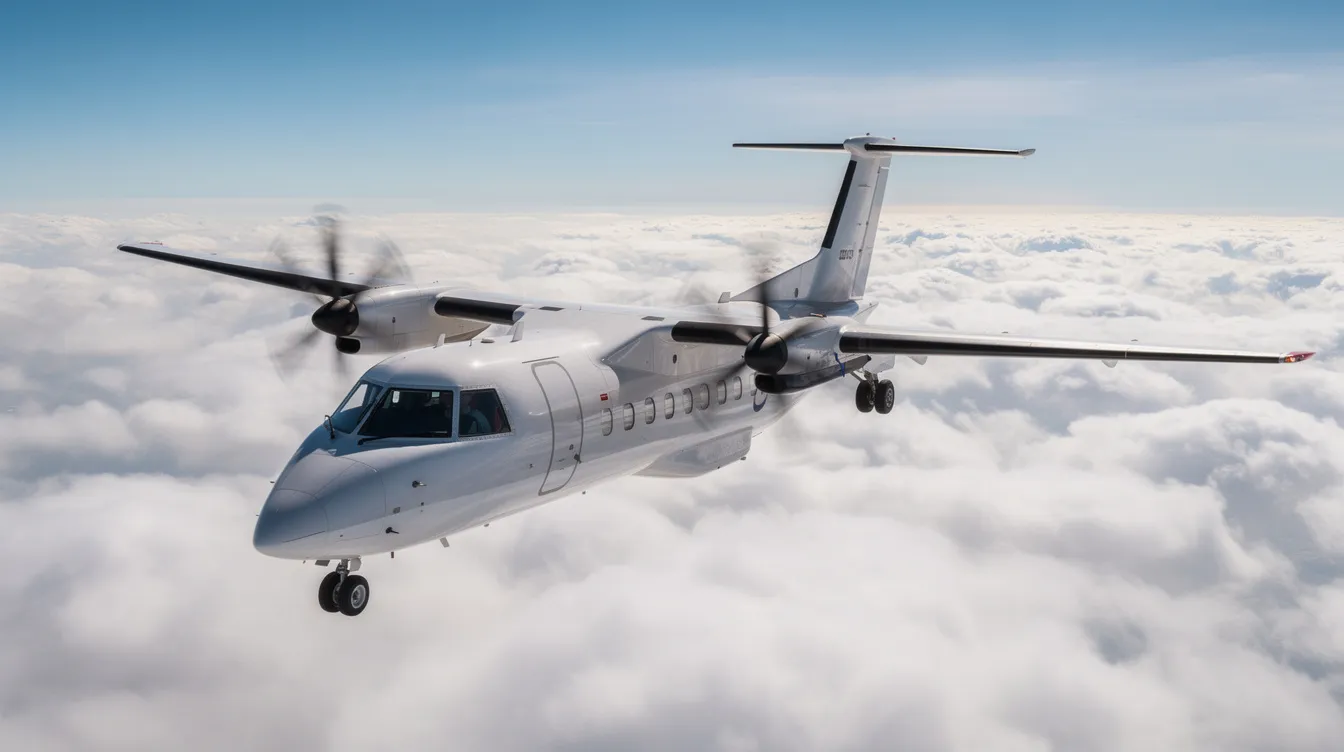
Operating costs for the King Air C90GT depend on aircraft condition, region, and annual utilization. The numbers below give a realistic picture of what owners and operators face.
Annual operating cost for King Air C90GT is approximately $941,231. This breaks down roughly as follows:
Fixed costs (crew salaries, hangar, insurance, training, inspections) represent a significant portion—typically in the $250,000–$300,000 per year range.
Variable costs (fuel, maintenance, engine reserves, parts) contribute significantly to the annual operating cost, driven largely by fuel consumption of roughly 100+ gallons per hour and engine reserve programs for the PT6A-135A with its 3,600-hour TBO.
Hourly operating cost for the King Air C90GT is approximately $1,200 when operating at reasonable annual utilization.
For travelers who fly fewer than 200–300 hours per year, ownership economics often don't make sense. On-demand charter via Jettly lets customers avoid capital investment, depreciation risk, and the long-term commitments of fractional ownership or jet cards. Jettly's private jet charter cost estimator can help compare the math.
Charter rates for a King Air C90GT-type aircraft typically fall in the $2,000–$3,000 per hour range, though charter rates vary by journey length and airports. Charter rates also depend on aircraft age and lease terms. Jettly's platform provides instant, transparent pricing—not opaque quotes that require days of back-and-forth. For those watching their money closely, the C90GT is regarded as a budget-friendly choice for short- to medium-range trips, and affordable charter options are worth exploring, especially when comparing Jettly to NetJets and fractional ownership.
The civilian King Air C90GT shares DNA with aircraft that have served militaries and governments for decades. The broader King Air 90 series has a distinguished record in uniform.
The Japan Maritime Self-Defence Force (JMSDF) has operated approximately 40 C90/C90A King Air aircraft since the early 1970s. These include 34 TC-90 trainers, 5 LC-90 transports, and 1 UC-90 for aerial surveys, all based at Tokushima. Their safety record underscores the type's reliability.
In the U.S., the King Air 90 line has served as the T-44 Pegasus trainer for Navy pilots, as well as in liaison and VIP roles under designations like VC-6A and U-21 Ute. These aircraft powered military training programs for decades—a testament to the wingspan, structural integrity, and maintainability of the Beechcraft King design.
King Air 90 and 100 Series aircraft, including C90GT airframes, are frequently converted for special missions: air ambulance, aerial survey, cargo, and maritime patrol. The C90GT operates effectively for regional business aviation and air ambulance missions, with modifications like extended nose baggage compartments, cargo doors, sensor mounts, and reinforced wing spars.
On Jettly's platform, medically configured or cargo-capable King Airs may be available for urgent medical evacuation, organ transport, or time-critical cargo when appropriately certified operators list them, and some operators also use crowdsourcing tools to share empty seats on private flights to improve affordability and utilization.
Many Beechcraft King Air C90, C90GT, and C90GTi aircraft in today's charter fleets have been upgraded well beyond their original factory configurations. Understanding what's been modified helps charter customers pick the right airplane.
Engine upgrades: Older 90 Series aircraft can receive Blackhawk XP135A engine conversions, effectively bringing them to GT-class performance with PT6A-135A engines. These changes improve hot-and-high performance, fuel efficiency, and climb.
Airframe modifications: BLR winglets (standard on C90GTx but retrofitted on some C90GTs) improve aerodynamic efficiency and increase the useful load margin. Other common mods include Frakes exhaust stacks, ventral strakes, wing spar reinforcements, extended-nose baggage compartments to add room for luggage, and crew hatches. The CargoLiner modification adds a large cargo door to the C90, enhancing cargo capacity.
Avionics upgrades: Retrofits from older toggle switches-and-gauges panels to Pro Line 21 or other glass cockpit suites are common. ADS-B Out compliance, WAAS-capable GPS, and enhanced terrain awareness systems are increasingly standard among charter operators. These upgrades transform the cockpit into a modern workspace for pilots operating in complex IFR environments.
When booking through Jettly, customers can review specific aircraft equipment—winglets, ADS-B, upgraded interiors—to choose the best-equipped King Air C90GT or related variant for their mission.
Jettly operates a digital private aviation platform and charter broker with access to over 20,000 unique aircraft worldwide, and the King Air C90GT and C90GTx families are well represented in that private charter aircraft inventory.
Jettly sources King Air aircraft from vetted operators, with emphasis on regulatory compliance, safety audits, and maintenance standards. This is particularly important for workhorse types like the Beechcraft King Air 90 series, where maintenance history and avionics condition directly affect safety and passenger experience.
Key charter use cases for the C90GT on Jettly include:
Regional business routes (Dallas–Houston, New York–Boston)
Family trips to remote vacation destinations accessible only by smaller airports
Last-minute flights when airlines are full, or schedules don't align
Access to airports with shorter or unpaved runways, where the aircraft excels in accessing smaller regional airports inaccessible to light jets
The platform's value proposition for this aircraft type: instant digital pricing, side-by-side comparison against light jets and other turboprops, transparent cost breakdowns, and optional membership plans vs. pure on-demand booking. Additional services like ground transportation, catering, and carbon offset options can be integrated for King Air trips through Jettly.
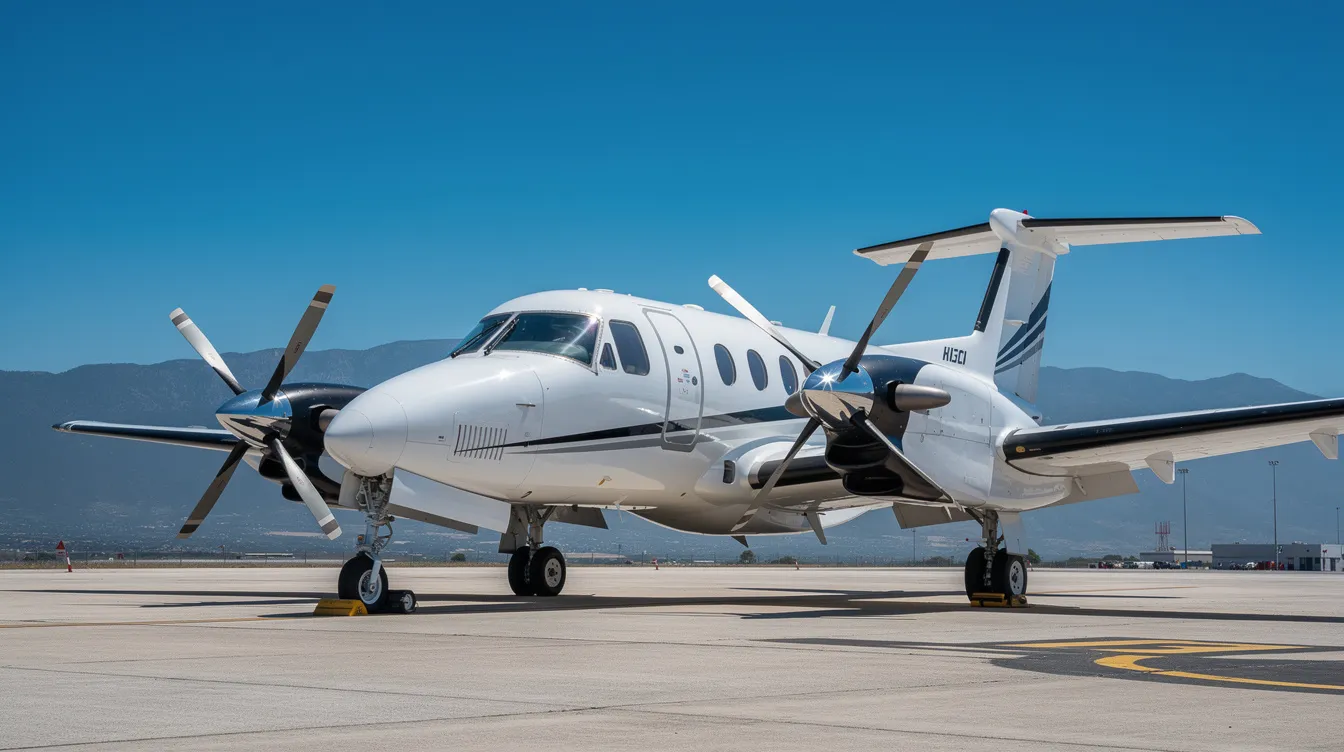
Many travelers search generically for "king air" when what they really need is help choosing among several related variants. On Jettly, passengers can often select between these models depending on range, runway conditions, budget, and avionics preferences.
Here's a simple decision framework:
King Air C90: A durable, versatile option for short hops with a lower charter cost. Slightly slower and less capable in hot-and-high conditions than the C90GT, but perfectly serviceable for flights under 500 nm. For more on this model, see the Beech C90 King Air guide.
C90GT: The performance-focused choice within the early 2000s generation. Ideal when time savings, higher cruise speed, and better climb are priorities without moving up to a jet. The C90GT offers lower maintenance costs compared to many light jets and is a strong fit for two families traveling together on regional trips. Travelers considering ownership or longer-term access can weigh it against fractional jet ownership options and providers, or compare it with other turboprops in the fleet, such as Jettly-listed King Air 200 private jet rentals.
C90GTi: Adds modern Pro Line 21 avionics and a more refined cabin. Worth the slightly higher rate for longer legs or complex IFR operations where pilot workload reduction matters.
C90GTx: The most capable variant, equipped with factory winglets, higher MTOW, and the best full-fuel payload flexibility. Justifies a premium when range, payload, and fuel efficiency are all critical.
For cost-focused regional flights up to about 700 nm, the C90 or C90GT will typically sell the value proposition. For longer legs or when up-to-date avionics and page-turning performance matter, the GTi or GTx makes more sense. Either way, Jettly makes it easy to compare options on its website before you fly.
Experience private travel tailored to your needs. Discover flight options or request a quote at https://www.jettly.com.
On very short legs of 200–300 nm, the C90GT's shorter taxi times and ability to use smaller airports can narrow the total flight time gap with small jets. However, most light jets still cruise faster in a straight line. The C90GT's real value lies in its balance of speed, fuel efficiency, and lower charter cost—not in outrunning jets. Watch for the total door-to-door time rather than just cruise speed when comparing.
Most C90GTs are configured for five to seven passengers plus one or two pilots. A common layout includes four club seats, one or two forward-facing seats, and sometimes a belted lavatory seat. Payload and runway limits may occasionally reduce usable seating on specific routes—Jettly's booking tools will flag this during trip planning.
The aircraft is designed for regional airports and can typically operate from paved runways around 4,000–4,500 feet. The C90GT requires roughly 2,000 feet for takeoff at sea level in ideal conditions, and it is capable of landing on unpaved or unimproved runways with appropriate operator approval. Jettly's flight planning tools help match aircraft to specific airports and runway lengths.
Safety depends on operator standards rather than the aircraft alone. The King Air family has a long, well-documented service record across corporate, military, and medical roles spanning over 60 years. Jettly works only with licensed operators that comply with applicable safety regulations and maintenance requirements. Learn more about how to book a private jet through vetted operators.
Visit https://www.jettly.com, enter your trip details—origin, destination, dates, and passenger count—and review available aircraft, including King Air C90, C90GT, C90GTi, and C90GTx options. Compare pricing and features side by side, then complete your booking or request assistance from Jettly's support team. It takes minutes, not days.
The King Air C90GT stands out as a reliable, efficient, and versatile turboprop option for regional private travel. Its combination of strong performance, low operating costs, and the ability to access smaller airports makes it an excellent choice for business executives, families, and special mission operators alike. Whether prioritizing time savings, comfort, or budget, the C90GT offers a compelling alternative to light jets on short- to medium-haul routes.
Jettly’s digital private jet charter platform simplifies access to the King Air C90GT and its variants, providing instant pricing, transparent comparisons, and easy booking. Travelers can enjoy the convenience of on-demand private flights without ownership commitments, along with access to a large network of vetted operators and aircraft worldwide.
Ready to experience private travel on your terms? Explore King Air C90GT flight options or request a quote athttps://www.jettly.com.
Share this post:
Jay Franco Serevilla
Jul 1, 2026
|
5
min read
Discover tips and trends in the industry.
5
min read
Volare Aviation and Modern Private Aviation: How Jettly Helps You Charter Smarter
Volare Aviation offers boutique private aviation services at Oxford Airport, specializing in aircraft ownership, management, and charter. With the rise of digital platforms like Jettly, private jet and helicopter travel has become more accessible, allowing travelers to choose flexible options without the need for ownership. This article explores the advantages of private aviation, including reduced travel time and personalized service.
Read More
5
min read
Why So Many Plane Crashes? Causes, Trends, and How Modern Aviation Stays Safe
Plane crashes are often the result of a combination of factors, including human error, mechanical failures, and weather conditions. Despite media coverage suggesting otherwise, air travel remains statistically safe, with improvements in aviation safety over the decades. Understanding the causes and trends can help travelers make informed decisions about their flying options.
Read MoreStay updated with our latest insights and tips to elevate your journey with us.
MEMBERSHIPS AND ASSOCIATIONS



Disclaimer: Jettly operates as a charter broker, offering access to a global digital jet charter marketplace. Jettly is not a direct air carrier and does not own or operate aircraft. All advertised flights are conducted by third-party air carriers that are fully licensed and hold the appropriate Part 135 or Part 121 certifications issued by the Federal Aviation Administration (FAA) or equivalent regulatory authorities under U.S. or foreign law. Jettly complies fully with the U.S. Department of Transportation's Part 295 and Part 298 Charter Broker regulations. Jettly does not carry additional liability insurance. Passengers are covered by aircraft operator insurance. TICO: 50023770


