


Login
Get Instant Pricing On 23,000+ Aircraft

>
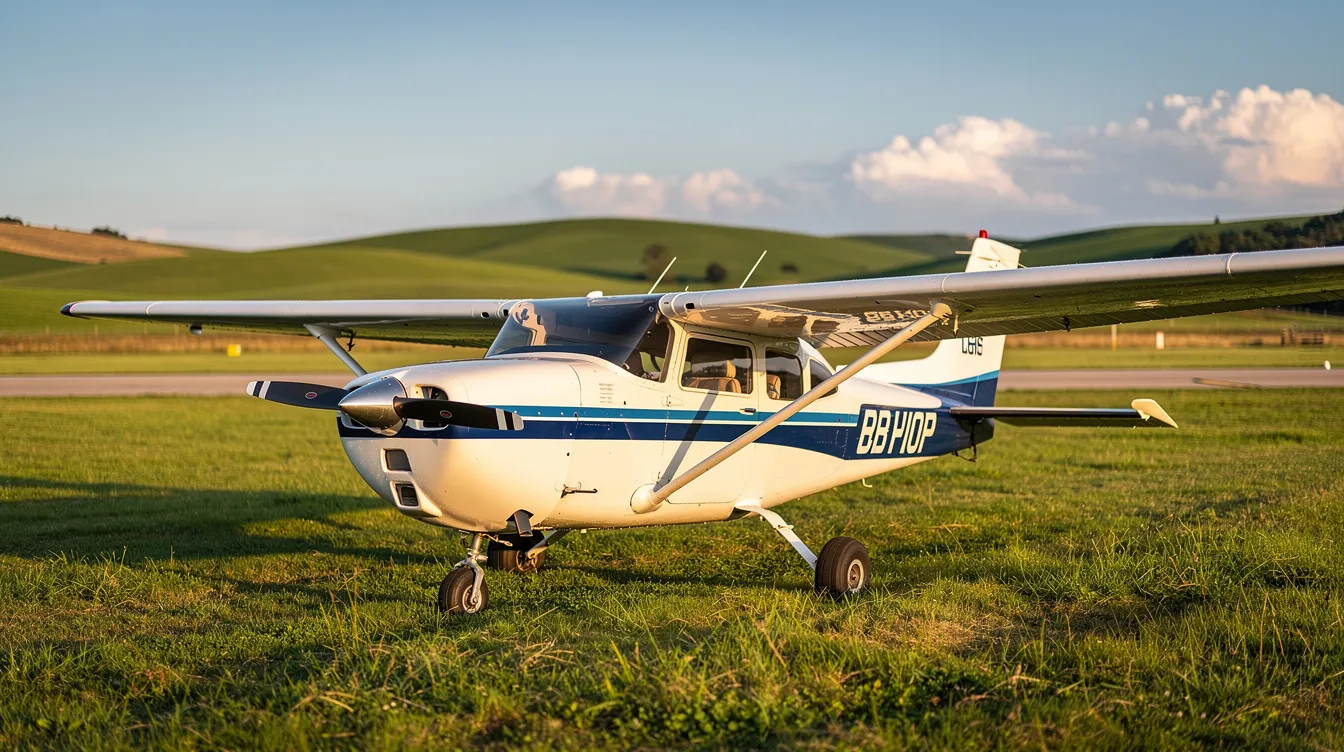
Choosing to lease a Cessna-from a 172 trainer to a Citation jet-lets pilots, flight schools, and businesses fly without the capital outlay of buying a new plane. Leasing typically requires a much lower initial cash commitment than purchasing, and it generally features fixed monthly payments resulting in predictable budgeting.
Jettly is a digital private aviation platform focused on on-demand charter and membership options. While it does not arrange long-term aircraft leases, it provides a practical alternative for travelers who need flexible access to Cessna models and Citation jets without a multi-month contract.
Common lease scenarios in 2024–2026 include training aircraft for flight schools, seasonal Caravan leases for tourism operators, and business access to Citation jets. Leasing provides a lower upfront cost but does not build equity, so operators should weigh cost savings against long-term ownership value. Many customers combine strategies: leasing a Cessna 172 locally for training while using Jettly for longer jet missions.
To lease a Cessna basically means securing short- or long-term access to aircraft like the Cessna 172, 182, Caravan, or Citation jet family without full ownership. Many operators-flight schools, tour companies, government contractors, and private owner-pilots-use leases to manage cost and fleet flexibility, and can structure an agreement around the aircraft type, location, and time frame needed.
In 2024–2026, a new plane like a Cessna 172S can exceed USD $500,000. Leasing spreads that cost into monthly or hourly payments, keeping money available for operations instead of tied up in a depreciating asset. Renting an aircraft for short-term use is also facilitated through direct booking platforms like Jettly, which offers on-demand charter access to a wide range of Cessna aircraft and Citation jets. The rest of this article walks through lease types, costs, example terms, and when chartering through Jettly may be the better fit.
Three main lease structures apply to Cessna aircraft: dry lease, wet lease, and leaseback. Selecting the right lease type is critical based on mission and usage requirements.
Dry lease. Dry leases involve renting only the aircraft while maintaining operational control. Most general aviation leases are dry leases. Operational control generally shifts to the lessee under a dry lease, meaning the lessee provides crew, fuel, insurance, and handles maintenance. This kind of arrangement is common for flight schools and owner-pilots flying Cessna 172, 182, or 206 models.
Wet lease. Wet leases include the aircraft and crew provided by the lessor. They suit tour operators and businesses needing turnkey services-think Caravan floatplane operations in Alaska or a Citation CJ3 corporate shuttle where the lessor supplies pilots and maintenance.
Leaseback. In a leaseback, an owner buys an airplane-say a 2024 Cessna 172S-and leases it back to a flight school or charter operator. At 70 hours per month and a wet rate of USD $195/hour, gross revenue reaches roughly $13,650/month before the school's management fee and expenses. Leasebacks help offset financing, but the owner keeps the thing on their balance sheet for equity.
Finance lease. A finance lease acts more like a loan, allowing for equity build-up over the term. It suits buyers who love the idea of eventual ownership but need structured payments.
Cessna categories commonly leased include:
Cessna 172/182/206 - pilot training, personal travel, survey work
Cessna Caravan 208 - regional cargo, adventure tourism, skydiving
Cessna Citation Mustang, M2, CJ3, Citation V - private jet missions, executive shuttles
Leases often require compliance with FAA Truth-in-Leasing regulations, and the federal government has specific requirements for documenting aircraft leases. In Europe, EASA rules impose additional certification requirements. Whether a leased Cessna can be used for charter (Part 135) or flight training (Part 141/61) depends on the contract and local regulations.
Exact pricing varies by aircraft age, engine time since overhaul, avionics (G1000 vs. analog), and region. Here are realistic ranges to keep in mind.
U.S. Cessna 172 dry lease rates. Cessna 172 dry lease rates range from $65 to $99 per hour. A 1961 Cessna 172B is listed at $65/hour dry, while a 2000 Cessna 172SP is available for $99/hour. U.S. Cessna 172 leases often require a 40–50-hour monthly minimum. Leasing typically includes strict annual or monthly flight hour caps, and lessees typically face strict contract limitations regarding aircraft modifications.
Europe. Cessna 172s are available for lease in Europe, and a 1973 Reims Cessna FR 172 J Rocket is listed for EUR 95,000 (lease-purchase). Diesel Cessna 172s are used for flight training in Europe, where Jet-A availability and lower fuel cost make them a practical model for school operations.
Cessna 182/206 contracts. Cessna 182 or 206 leases are sought for 10–20 hours per month, often on 90-day government or survey contracts. Cessna 182 or 206 leases are sought in Northern Utah and similar regions for wildfire mapping or environmental monitoring, with ferry costs, hull insurance, and return condition clauses specified in the contract.
Maintenance reserves are common in dry leases to cover future inspections and repairs-typically billed per tach hour and held in escrow for engine overhauls and prop work.
Caravan and Citation leases:
|
Aircraft |
Typical Role |
Lease Type |
Approx. Cost Range |
Ideal User |
|---|---|---|---|---|
|
Cessna 172S |
Training, personal |
Dry lease |
$65–$99/hr; ~$4,800–$5,400/mo |
Flight schools, owner-pilots |
|
Cessna 182/206 |
Survey, utility |
Dry lease |
15–30% premium over C172 |
Government, survey ops |
|
Cessna Caravan 208 |
Cargo, tourism |
Wet/operating |
Tens of thousands/mo + per-hr reserves |
Skydiving, commuter ops |
|
Executive travel |
Multi-year operating |
$75,000–$150,000+/mo |
Corporate flight depts |
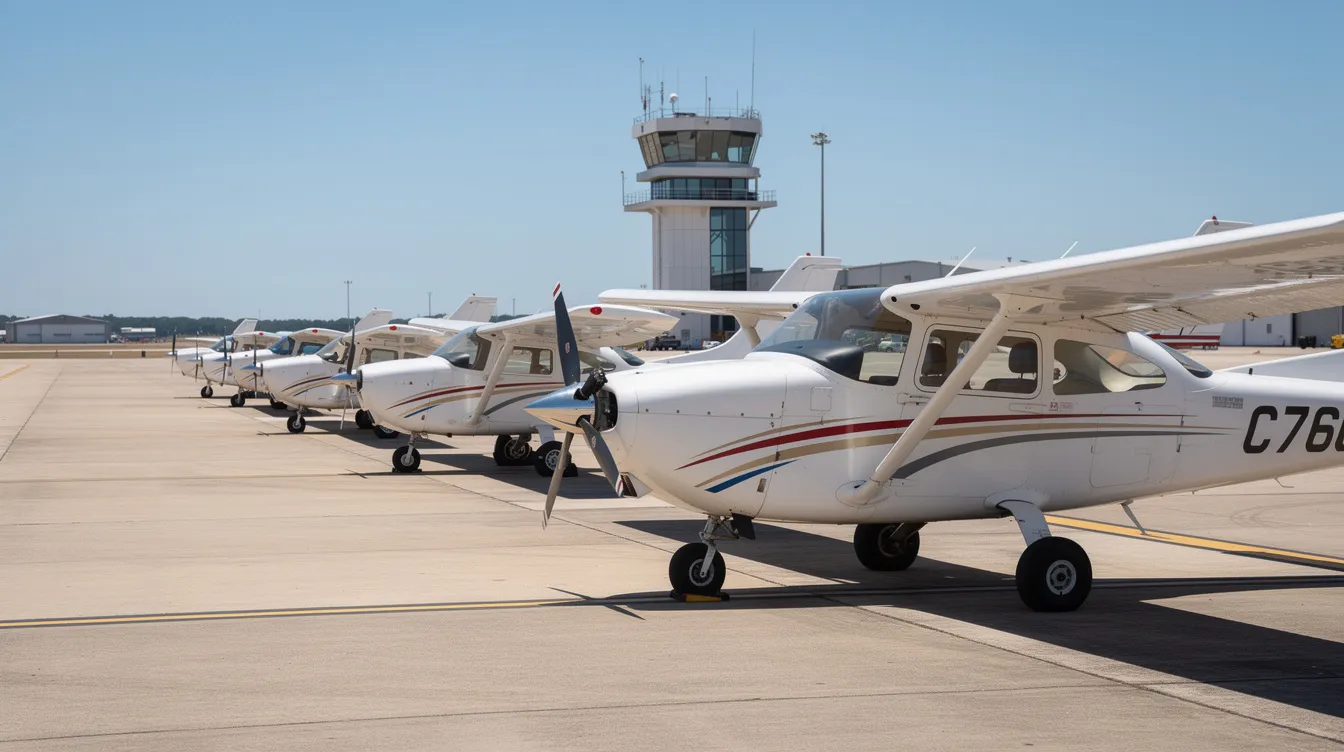
For travelers or small teams flying only a few times per month, on-demand charter via Jettly can be cheaper overall than signing a multi-year lease plus handling crew, hangar, and maintenance, and tools like Jettly's private jet charter cost estimator make it easier to compare scenarios. Check Cessna charter flight options for current availability.
Cessna aircraft-especially the 172 and 182-are backbone airplanes for flight schools and time-building. Citation jets support time-critical business travel. Here is how leasing serves each group.
Flight schools use dry leases or leasebacks to expand fleets quickly without buying a new plane outright. A Part 141 program might lease a 1980s C172P for 12 months while another aircraft is in overhaul, or a school could add a Cessna Turbo 206H for mountain flying training. Purchasing an aircraft incurs liability for all maintenance costs, which makes leasing attractive when a school needs to seek predictable operating expenses.
Owner-pilots may rent or lease a Cessna 172 or 182 instead of buying while finishing a private or instrument rating. Leasing allows upgrading to a newer model at the end of the term. Later, they can transition to chartering jets via Jettly for longer-range family or business trips, whether by buying a single seat on a private jet or using strategies for easily accessing private jet seats.
Small businesses might lease a Caravan 208 or Citation V Ultra for scheduled corporate shuttles-but those same missions can be covered using Jettly's on-demand network without long-term lease obligations.
Use cases at a glance:
Government/survey contracts: 90-day wildfire mapping using a Cessna 206
Seasonal tourism: Caravan floatplane leases for summer operations in Alaska or Canada
Executive travel: leasing a Citation M2 vs. chartering similar jets per trip through Jettly
Pros of leasing for schools/businesses:
Leasing payments may be 100% tax-deductible for business use
Leasing an aircraft can improve short-term cash flow for businesses
Predictable monthly budgeting without large capital outlay
Cons:
No equity building (purchasing an aircraft allows for equity building and asset ownership)
Inspections, insurance, and day-to-day maintenance still fall on the lessee in a dry lease
Hour caps can limit operations during peak demand
Committing to a long-term Cessna lease makes sense when utilization is high, and the mission is repetitive. But for many private travelers and businesses, on-demand charter via a platform like Jettly offers better economics and zero operational headaches.
When a lease makes sense:
Flight schools flying 80–200 hours per month on a single aircraft
Operators needing branding and full-time availability (e.g., corporate shuttle on a Citation CJ3)
Pilots seeking constant access to the same airframe for training or specialized work
When Jettly's charter approach is more efficient:
Private travelers flying under 150–200 hours per year total across multiple routes, including those considering international private jet flights and requirements
Companies with varying schedules that need flexibility to change aircraft size
Travelers who prefer not dealing with maintenance, crew hiring, hangar, or regulatory oversight
A pre-lease inspection is essential to verify airworthiness before signing any lease. Aviation insurance must meet the lessee's and lessor's requirements in lease agreements. Leases typically dictate return conditions for aircraft at the end of the term. All of this adds complexity that charter avoids entirely.
Jettly's main benefits:
Access to 23,000+ aircraft, including many Cessna models and Citation jets, through a single digital platform and a broad catalog of private charter aircraft
Instant pricing, no long-term contract, and transparent cost per trip, supported by tools like an airport locator and booking platform
Membership options, jet card flight cost estimators, world-class jet card programs, and crowdsourced empty-seat sharing for cost savings
|
Factor |
Lease a Cessna |
Charter with Jettly |
|---|---|---|
|
Upfront cost |
Security deposit + first/last month |
None or membership fee |
|
Commitment length |
6–36 months typical |
Per-trip or jet card |
|
Operational control |
Lessee manages crew, maintenance |
Platform handles everything |
|
Best for |
High-utilization, fixed-mission ops |
Flexible, occasional travel |
Many customers find the smartest path is combining strategies: leasing a training airplane like a C172 locally while using Jettly for business or family jet travel on routes such as New York–Miami or Toronto–Vancouver.

Most lessors require at least a 6–12 month term and minimum monthly hours, often 40–50 hours per month, with penalties if the lessee flies less than the committed amount. Very short-term leases (60–90 days) are sometimes available for bridging engine overhauls or seasonal needs, when extra lift is needed for a defined period, but typically come at higher hourly rates.
It depends on the lease contract and local regulations. In the U.S., operations for hire usually require Part 135 certification for charter or Part 141/61 for training, plus appropriate insurance. For broader context on how the private charter market is structured, review an overview of private and charter airlines. Confirm that the owner and insurer explicitly allow commercial operations and consult an aviation attorney before using a leased aircraft for revenue flights.
In a dry lease, the lessee typically provides liability and hull insurance, naming the owner as an additional insured and loss payee, with coverage limits specified in the contract. Wet lease or leaseback structures may shift more insurance responsibility to the operator, with premiums effectively built into the hourly or monthly rate.
For high annual utilization (300+ hours per year on the same aircraft type), a lease can deliver a lower cost per hour. For occasional private trips, chartering via Jettly is usually more economical because it avoids fixed costs, maintenance risk, and long-term commitments while offering access to a broader range of aircraft sizes; a guide to affordable private jet charter pricing can help benchmark typical trip costs.
Leasing a new plane like a 2024 Cessna 172S offers modern avionics and warranty coverage, while choosing to buy a used Cessna can lower upfront costs but still shapes the same lease decision around budget and reliability. Older 1970s–1990s airframes can be cheaper but may require more maintenance downtime and more frequent inspections. Evaluate your mission profile, expected annual hours, and local maintenance support-and consider using Jettly for missions that demand newer or more capable aircraft than your leased Cessna can provide.
Ready to explore private flight options on your terms? Request a quote or browse available aircraft at https://www.jettly.com. Travelers can also enhance trips with in-flight catering for private jets via Jettly Eats and explore local charter solutions in key markets such as Atlanta, Georgia private jet charter, Chennai, Tamil Nadu private jet charter, Kolkata, West Bengal private jet charter, Lagos, Nigeria private jet charter, Mumbai, Maharashtra private jet charter, and New Delhi, Delhi private jet charter.
Leasing a Cessna offers a practical, cost-effective way to access reliable aircraft without the financial burden of ownership. It suits flight schools, owner-pilots, and businesses that require predictable costs, operational flexibility, and the ability to upgrade or change aircraft as needs evolve. However, leasing comes with commitments like minimum flight hours, maintenance responsibilities, and limited equity building.
For travelers and companies seeking maximum convenience and flexibility without long-term obligations, chartering through platforms like Jettly presents a compelling alternative. Jettly’s extensive network, instant pricing, and digital booking tools simplify access to Cessna models and Citation jets, eliminating concerns about maintenance, crew, and lease contracts.
Ultimately, the decision to lease a Cessna or use charter depends on your flight hours, mission consistency, and preference for operational control. Many find combining leasing for training or specialized missions with Jettly’s on-demand charter for business or leisure flights offers the best balance.
Share this post:
Jay Franco Serevilla
Oct 1, 2026
|
5
min read
Discover tips and trends in the industry.

5
min read
Best Time to Buy Flights to Europe: Complete Timing Guide for 2026
This comprehensive guide reveals the best times to buy flights to Europe in 2026, highlighting key booking windows and seasonal trends. By understanding fare patterns and utilizing strategic airport choices, travelers can save significantly on their tickets. Additionally, it discusses when private charters through Jettly may offer better value compared to commercial flights.
Read More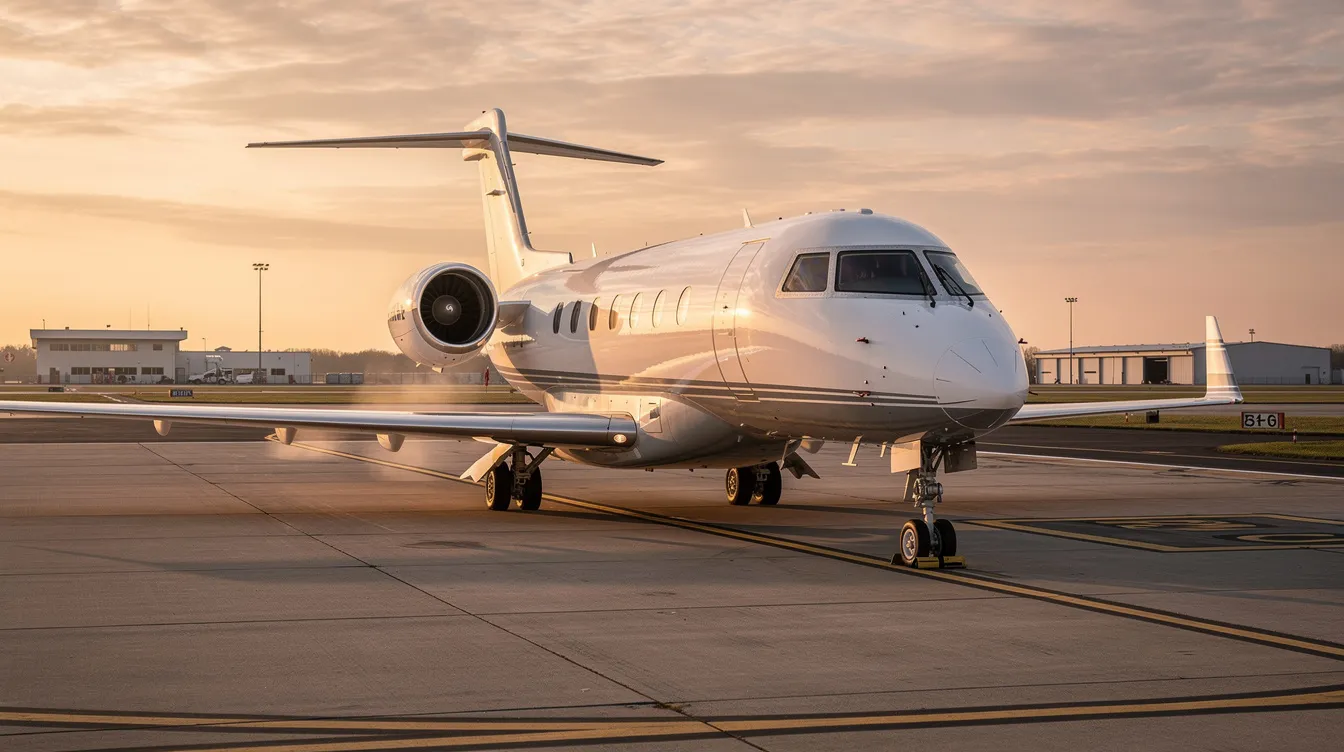
5
min read
Citation 7 Jet: Performance, Costs, and Charter Insights
The Cessna Citation VII is a high-performance midsize business jet that offers a comfortable cabin for up to 7 passengers and impressive cruise capabilities. Despite its production ending in 2000, it remains a popular choice for charter services due to its reliability and cost-effectiveness. With a maximum range of 2,220 nautical miles and the ability to fly at altitudes up to 51,000 feet, it provides excellent performance for various travel needs.
Read MoreStay updated with our latest insights and tips to elevate your journey with us.
MEMBERSHIPS AND ASSOCIATIONS



Disclaimer: Jettly operates as a charter broker, offering access to a global digital jet charter marketplace. Jettly is not a direct air carrier and does not own or operate aircraft. All advertised flights are conducted by third-party air carriers that are fully licensed and hold the appropriate Part 135 or Part 121 certifications issued by the Federal Aviation Administration (FAA) or equivalent regulatory authorities under U.S. or foreign law. Jettly complies fully with the U.S. Department of Transportation's Part 295 and Part 298 Charter Broker regulations. Jettly does not carry additional liability insurance. Passengers are covered by aircraft operator insurance. TICO: 50023770


