


Login
Get Instant Pricing On 23,000+ Aircraft

>
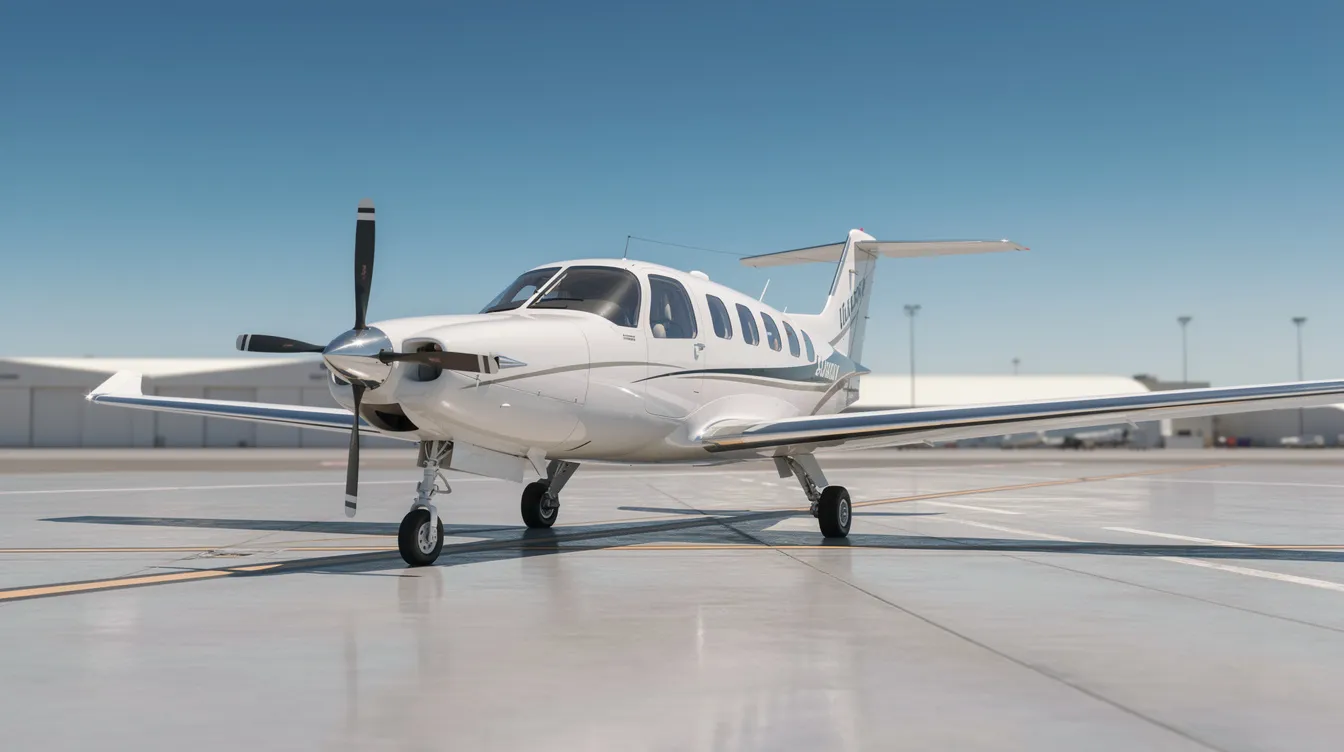
Cessna is synonymous with high wings and flight training. But not every Cessna fits that mold. The company's low-wing models represent a performance-focused line of aircraft built for speed, efficiency, and business travel. From composite pistons to swept-wing jets, the low-wing Cessna lineup has quietly shaped private aviation for decades. Here's what makes these planes stand out and why they matter for today's charter market.
A low-wing Cessna places the wings beneath the fuselage, improving aerodynamic efficiency and cruise speed compared to traditional high-wing trainers like the Cessna 172.
While most single-engine Cessna aircraft feature a high-wing design, performance models like the Cessna 400/TTx (first flight June 2000) and the Citation jet family (first flight 1969) are low-wing outliers built for speed.
Low-wing configuration affects handling, visibility, and ground effect behavior during landing, giving these aircraft a distinctly sporty character.
Citation jets, nearly all low-wing designs, form the backbone of light and midsize business jet charter worldwide.
Platforms like Jettly source low-wing Cessna jets and comparable aircraft for on-demand private flights, offering instant pricing and broad inventory access.
A low-wing aircraft has its wings attached at or near the bottom of the fuselage, rather than above the cabin, which also changes how the fuel system is arranged on the aircraft. This stands in contrast to Cessna's classic high-wing training aircraft like the Cessna 172 Skyhawk, which is designed for instructors and students and places the wing on top for stability and downward visibility.
Low-wing Cessna models focus on a different mission. They prioritize:
Higher cruise speed through cleaner airflow over the wing root
Retractable or streamlined fixed gear for drag reduction
Cabin comfort with a lower floor height, making boarding easier
A sporty, responsive feel in flight that most pilots notice immediately
Familiar names like "Skyhawk" and "Caravan" sit firmly in the high wing camp. Performance lines such as the Cessna 400 (later TTx) and most Citation business jets are low-wing designs intended for faster, longer-range travel.
The placement of the wing affects visibility and stability in flight. Low-wing aircraft offer better upward visibility than high wings, giving pilots an incredible view of the sky and terrain above. However, downward visibility is more limited since the wing blocks part of the view below. High-wing configurations offer excellent downward visibility, which is why they remain popular for survey and bush flying.
Cessna built its reputation on high-wing pistons, but the company recognized early that speed and business travel demanded a different configuration. The shift toward low-wing designs marked a new era in Cessna's development as the company used those changes to create aircraft better suited to speed and business travel.
The Cessna 310, a twin-engine low-wing aircraft, had its first flight on January 3, 1953. It was Cessna's first serious move beyond trainers into the business and travel market. Production ran through 1980, with thousands of units sold.
Cessna has produced notable low-wing models like the Cessna 177 Cardinal, a single-engine piston aircraft that offered a different flight experience from the standard high-wing lineup.
The original Citation (Model 500) took its first flight on September 15, 1969, beginning Cessna's long history in low-wing business jet production. This was the beginning of a jet family that now numbers over 8,000 deliveries.
In the 1990s and 2000s, Cessna acquired Columbia Aircraft and evolved the Columbia 300/400 into the Cessna 350 and 400. These composite construction models targeted the high-performance owner-pilot market.
Economic cycles, including the 2008–2010 financial crisis, shaped production decisions. The Cessna 400/TTx line was finally discontinued in February 2018, though aircraft remain active on the secondary market.
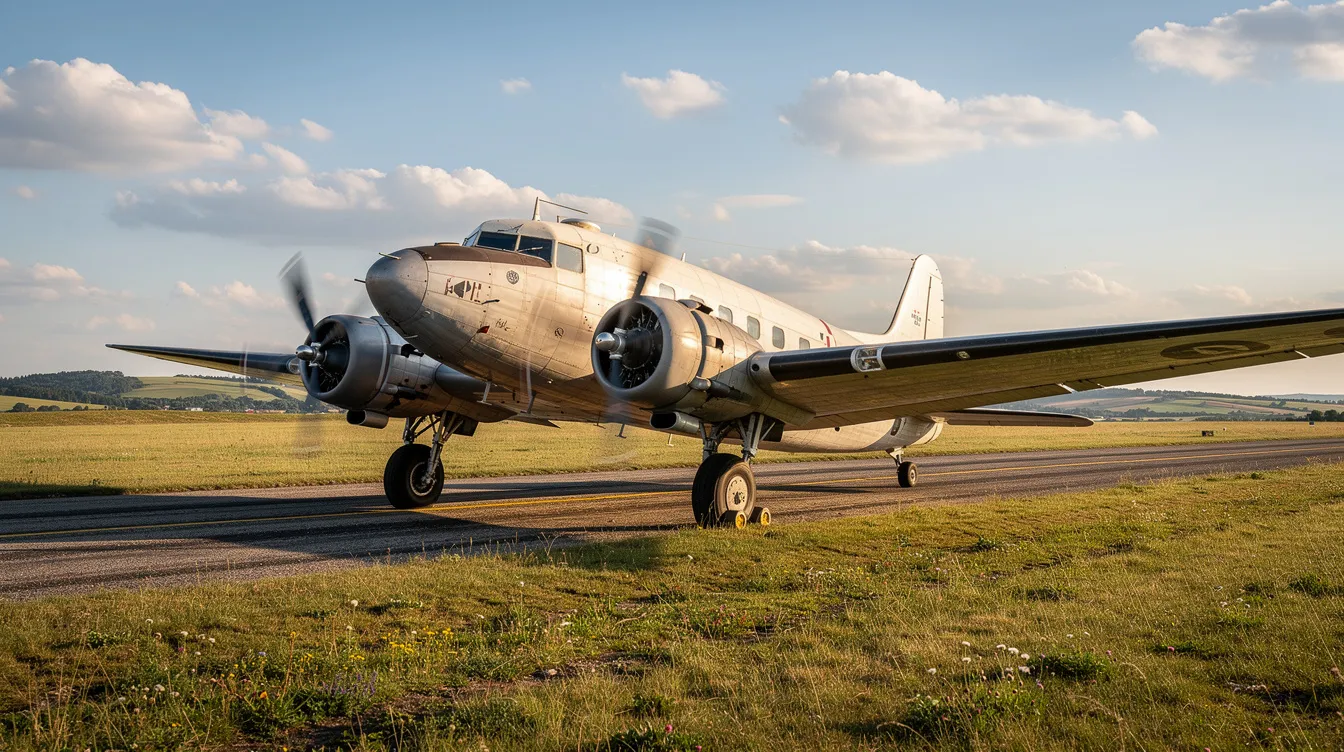
For anyone comparing aircraft for charter or ownership, wing placement creates meaningful differences in how planes handle, perform, and feel.
A low wing configuration can provide better aerodynamic efficiency. The wing sits in cleaner airflow beneath the fuselage, allowing for improved roll response and generally higher cruise speed at equivalent power. Low-wing aircraft often require more active coordination in turns, which is why low-wing planes generally feel more sporty and responsive than high-wing planes.
Key design contrasts include:
Landing gear: Many low-wing Cessna models use retractable gear to reduce drag, while high-wing trainers generally rely on fixed gear for simplicity and lower cost. Some low-wing pistons, like the Cessna 400, keep fixed gear for reliability.
Fuel systems: The low-wing configuration allows for simpler wing fueling access. However, fuel tanks sit lower than the engine in low-wing aircraft, requiring pumps to deliver fuel-unlike gravity-fed high-wing systems.
Ground effect: Low wings produce a stronger ground effect during landings than high wings. This creates a more pronounced cushion of air during the landing flare. High-wing aircraft experience atmospheric ground effect later in the landing flare, resulting in a different visual experience during landing.
Stability: Low-wing aircraft generally feature an upward tilt of the wings (dihedral) for stability, while high wings with their naturally stable configuration sometimes use less dihedral.
Boarding and cabin: A low-wing cabin floor sits closer to the ground, which can simplify boarding through doors without tall stairs. The canopy and window arrangement also differ, affecting the sun exposure and cabin feel.
For all-weather charter missions, low wings can make de-icing operations easier at busy FBO ramps, and protection systems like heated leading edges are straightforward to service, with some equipped aircraft extending that protection to the tail surfaces as well.
The Cessna 400 stands out as one of the best-known low-wing, fixed-gear Cessna aircraft. It was engineered for speed and equipped with advanced avionics that made it a favorite among owner-pilots and small businesses.
The model originated from the Columbia 400 (first flight June 2000) and was originally certified on April 8, 2004. Its composite construction set it apart from aluminum competitors like Piper models, offering a clean, low-drag airframe powered by a turbocharged Continental TSIO-550-C engine producing 310 horsepower at 2600 rpm.
Key specs for the Cessna 400:
Maximum cruise speed of 199 knots (with higher true airspeed figures at altitude, reaching roughly 235 knots)
Maximum take-off weight of 3600 lbs and maximum landing weight of 3420 lbs
Certified airframe maximum life of 25,200 flight hours
Service ceiling around 25,000 ft
Range up to approximately 1,250 nautical miles in economy cruise
Despite its high performance, the Cessna 400 retains fixed gear. This is a deliberate trade-off: fixed gear means less mechanical complexity, improved reliability, and lower maintenance costs compared to retractable systems. Lean-of-peak fuel management further improved efficiency, making the aircraft practical for fast regional trips.
The glass cockpit (Garmin G1000), optional ice protection systems (FIKI certified in 2014), and a four-seat interior made the 400 a capable cross-country machine.
Almost all Cessna Citation models are swept low-wing business jets. This configuration is no accident-it supports the higher Mach numbers and cabin pressurization that corporate and charter travelers expect.
The Citation family traces back to the Model 500, whose first flight in 1969 marked a turning point in general aviation. Key families in the current lineup include:
Citation CJ series (CJ3+, CJ4 Gen2/Gen3) for light jet missions
Citation XLS+ and Latitude for midsize routes
Citation Longitude for super-midsize range
Cruise speed ranges from roughly Mach 0.72 to 0.82, translating to 400–480 knots true airspeed depending on the model. Typical seating runs 6–9 passengers, with sales and marketing positioning these jets as the workhorse of business aviation.
Platforms like Jettly frequently list private charter aircraft such as Citation low-wing jets as core options for trips between cities such as New York–Miami or London–Geneva.

Performance-focused pilots and charter customers care about cruise speed, climb rate, and range, but they also weigh the overall cost of operating or accessing a private jet. Low-wing Cessna aircraft deliver on all three.
Low wing placement, combined with retractable gear on jets, reduces parasitic drag. The result: higher cruise speed at a given power setting compared with similar-power high-wing aircraft. For context, the Cessna Skyhawk (high wing) cruises at 124 knots true airspeed with a range of 640 nautical miles. The Cessna 400 (low wing) nearly doubles that speed. A Citation CJ4 reaches 451 knots-a different class entirely.
Wing design also affects fuel management. In low-wing pistons, wing-mounted fuel tanks keep weight close to the center of gravity. In Citation jets, large fuel loads balanced across the wingspan and configuration help maintain stable flight characteristics across the aircraft's range envelope.
Modern avionics and power management-lean-of-peak operations in pistons, FADEC in jets-combine with low-wing aerodynamics to squeeze more nautical miles per gallon from each flight. For charter customers using Jettly, this translates to more city pairs in a single day and same-day turnarounds that save real time over commercial alternatives.
Wing placement affects flying characteristics, but safety outcomes depend far more on certification standards, maintenance, and crew training.
The General Aviation Manufacturers Association (GAMA) represents manufacturers like Textron Aviation (Cessna's parent company) and supports safety data collection and advocacy. In recent reporting, GAMA noted over 28.6 million flight hours in U.S. general aviation, with roughly two-thirds serving business purposes.
Certification matters at every level:
Piston models like the Cessna 400 are certified under FAA Part 23, covering stall speed, structural loads, and flight handling.
Citation jets meet Part 25 or equivalent transport category standards.
Both fixed-gear and retractable low-wing designs must pass rigorous testing before entering service.
Charter marketplaces such as Jettly work only with licensed Part 135 operators who maintain fleets to regulatory standards. Modern avionics-TAWS, TCAS, and synthetic vision systems-add further layers of protection across low-wing Cessna models used for charter.
Low-wing Cessna jets, especially Citations, are positioned squarely in the private charter market for fast point-to-point travel. Their speed, cabin comfort, and airport flexibility make them a natural fit for on-demand service.
Jettly's digital marketplace gives travelers access to many low-wing Citation options worldwide, with instant pricing, integrated tools like an airport locator, and on-demand booking. Typical mission profiles include:
Regional hops: Light low-wing jets like the CJ3+ for routes such as Toronto–New York
Cross-country flights: Midsize Citations for Los Angeles–Chicago or similar corridors
Multi-leg business days: Where speed and schedule flexibility drive aircraft selection
Jettly's model avoids traditional fractional ownership or jet cards, though some travelers still opt for structured solutions like jet card programs or broader private jet memberships depending on their flying frequency, while others compare these options with fractional jet ownership structures, including niche models like fractional ownership of a Cessna 172, and broader analyses of fractional private jet ownership pros and cons and guides to the best fractional jet ownership companies.
Customers who value low-wing Cessna performance can charter only when needed, with transparent per-trip cost and no long-term commitment. Operational details like airport access to smaller fields, ground transportation, night arrivals, and tailored in-flight catering through services such as Jettly Eats round out the experience.
Cessna competes with manufacturers like Embraer, Bombardier, and Gulfstream in jets, and with Pilatus and Beechcraft in turboprops. Travelers often compare these side by side when booking, drawing on broader guides to private and charter airlines to understand how different operators and aircraft families stack up.
|
Feature |
Citation CJ4 |
Embraer Phenom 300E |
|---|---|---|
|
Wing configuration |
Low wing |
Low wing |
|
Cruise speed |
~451 KTAS |
~453 KTAS |
|
Range |
~2,165 nm |
~2,010 nm |
|
Cabin height |
~4.8 ft |
~4.9 ft |
|
Typical seating |
7–10 |
7–9 |
High-wing turboprops like the Cessna Caravan or Pilatus PC-12 handle short, rough-field trips where wingspan clearance and ground operations matter. Low-wing jets shine on paved-runway business routes where speed is the priority.
Jettly's inventory of 20,000+ aircraft lets customers filter by aircraft class-light jet, midsize, heavy, turboprop-and configuration. The right choice depends on mission profile: distance, passenger count, runway length, and luggage, as well as how you plan to access the aircraft—whether through affordable aeroplane rental options or more structured plane rental arrangements. Low-wing Cessna models are generally preferred when speed and schedule flexibility are the top priorities, while competitors in the same class offer alternative cabin layouts and features.
Aviation emissions are a growing concern, and efficient airframes help reduce impact. Many low-wing Cessna jets operate most efficiently at higher altitudes, where better cruise speed and lower fuel burn per mile can cut overall trip emissions compared with slow, low-altitude alternatives.
Practices that further improve efficiency include:
Optimized climb profiles and continuous-descent approaches
Payload and fuel planning to avoid carrying unnecessary weight
Replacing older engines with manufactured improvements that meet current standards
Some charter operators available through Jettly offer carbon offset programs and help travelers understand how private jet charter pricing works when comparing efficient low-wing options to older types. Customers can also choose newer low-wing Cessna models with modern engines and avionics for better operational efficiency. While private flying will always carry an environmental footprint, informed aircraft selection is one practical way to balance time savings with responsible travel choices.
No. Many of Cessna's most famous models-the 172 Skyhawk, 182 Skylane, and 208 Caravan-use high wings. Most single-engine Cessna aircraft feature a high wing design optimized for training and utility. Performance-oriented piston aircraft like the Cessna 400 and nearly all Citation business jets are low-wing. Cessna uses both configurations, matching wing placement to the intended mission: training and utility fly high wing, while high-speed business travel flies low wing.
Passengers often notice better visibility of the sky and horizon from a low wing cabin, plus a slightly different sensation during landing due to stronger ground effect. Most pilots find low-wing planes feel more sporty and responsive. For passengers, cabin comfort depends more on interior design, noise levels, and seating than on wing placement. Most travelers adjust within minutes regardless of configuration.
Jettly allows customers to filter by aircraft category and typically shows aircraft make and model, and some flyers use strategies for getting a seat on a private jet easily by remaining flexible on timing, routing, and aircraft type or by choosing platforms positioned as a flexible alternative to providers like NetJets. Travelers can request a Citation or similar low-wing jet where available or even tap into crowdsourced and shared private flights when appropriate. The platform's support team can also help match customers with suitable low-wing options based on route, passenger count, and budget-whether the proposed trip calls for a light CJ3+ or a midsize Latitude.
For passengers, the main difference is performance. Retractable gear on low-wing jets like Citations improves cruise speed and reduces drag, while fixed gear on models like the Cessna 400 simplifies maintenance and improves reliability. Both configurations meet strict FAA certification and safety standards. Fixed pitch propellers are common on simpler trainers, while performance pistons and jets use constant-speed or turbine systems for better efficiency.
It depends on the model. Some low-wing jets require longer paved runways-the Citation CJ4 needs roughly 3,410 feet for takeoff. High-wing turboprops with fixed gear are generally better for short or unpaved strips. Jettly or the operating carrier will assess runway length, surface conditions, and performance data to recommend the safest and most efficient aircraft for each destination, whether that points to a versatile Cessna 207 for short or semi-prepared fields or a pressurized Cessna 340 for faster business trips.
Low-wing Cessna aircraft combine higher cruise speed, efficient design, and a strong presence in the business jet market. From the composite Cessna 400 to the Citation Longitude, these models are built to move people quickly between paved airfields.
A low-wing Cessna makes the most sense for time-sensitive business travel, multi-city itineraries in a single day, or routes that need jet performance without the cost of ultra-long-range heavy jets. Whether you're a general manager coordinating a sales meeting or a family heading to the sun for a long weekend, these aircraft deliver the mission flexibility that matters.
Ready to experience private travel on your terms? Explore flight options or request instant pricing at https://www.jettly.com.
Share this post:
Jay Franco Serevilla
Sep 21, 2026
|
5
min read
Discover tips and trends in the industry.
5
min read
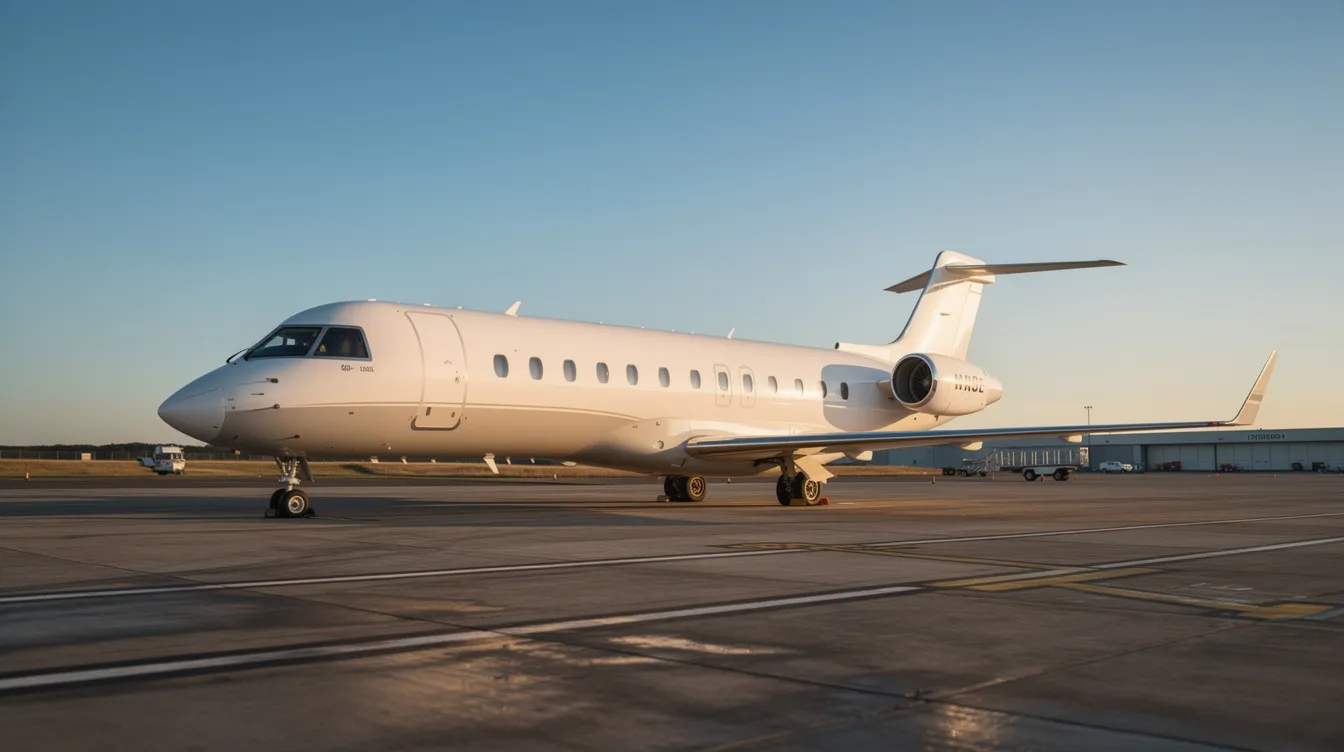
Gulfstream G700 Price: Ownership Costs vs. Charter with Jettly
The Gulfstream G700 is a premier ultra-long-range private jet with a list price ranging from $75 million to $81 million, often exceeding $90 million due to customization and demand. For high-net-worth individuals and corporations, understanding the ownership costs versus chartering options through Jettly is crucial for making informed decisions about private aviation.
Read More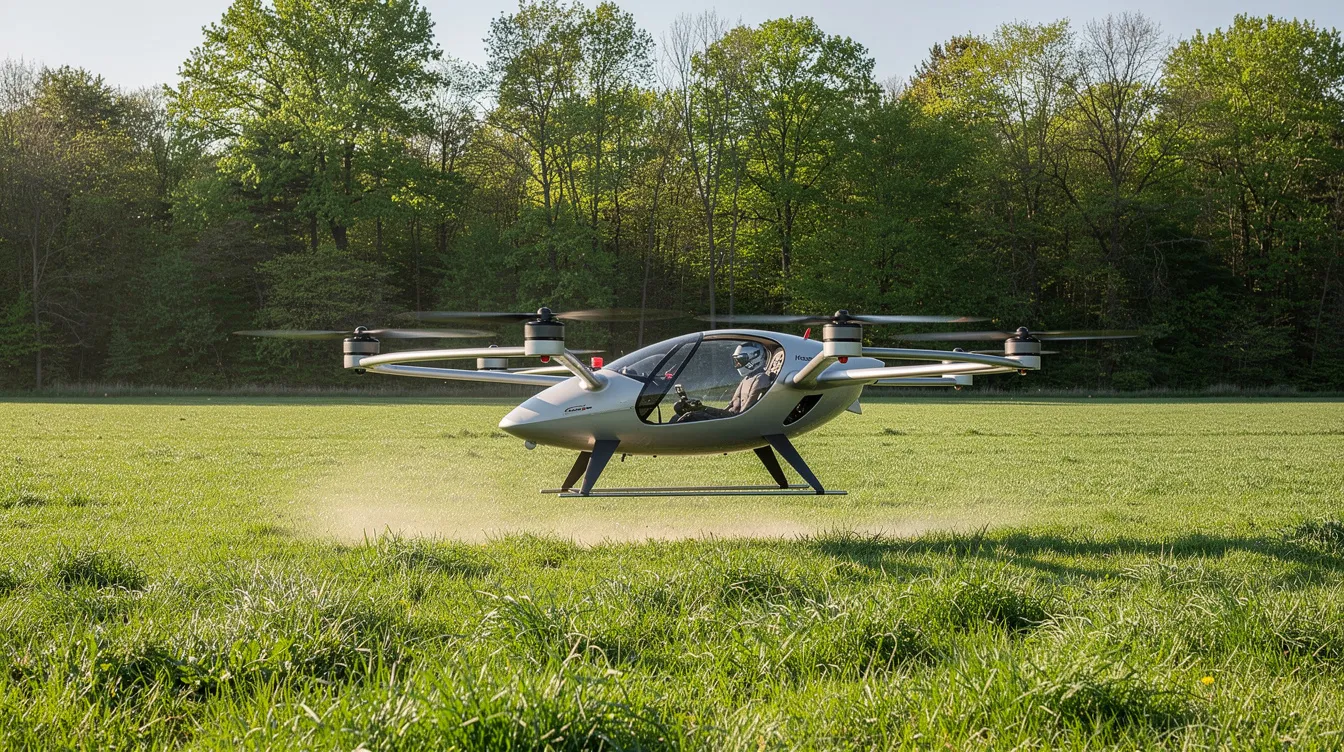
5
min read
VTOL Personal Aircraft: How eVTOLs Will Connect to Private Jet Travel
VTOL personal aircraft, or eVTOLs, are revolutionizing air mobility by providing vertical takeoff and landing capabilities without the need for runways. These electric aircraft bridge the gap between ground transportation and private jet travel, offering a new category of personal aviation for short hops. As technology matures, eVTOLs are expected to integrate seamlessly with private jet operations, enhancing travel efficiency.
Read MoreStay updated with our latest insights and tips to elevate your journey with us.
MEMBERSHIPS AND ASSOCIATIONS



Disclaimer: Jettly operates as a charter broker, offering access to a global digital jet charter marketplace. Jettly is not a direct air carrier and does not own or operate aircraft. All advertised flights are conducted by third-party air carriers that are fully licensed and hold the appropriate Part 135 or Part 121 certifications issued by the Federal Aviation Administration (FAA) or equivalent regulatory authorities under U.S. or foreign law. Jettly complies fully with the U.S. Department of Transportation's Part 295 and Part 298 Charter Broker regulations. Jettly does not carry additional liability insurance. Passengers are covered by aircraft operator insurance. TICO: 50023770


