


Login
Get Instant Pricing On 23,000+ Aircraft

>
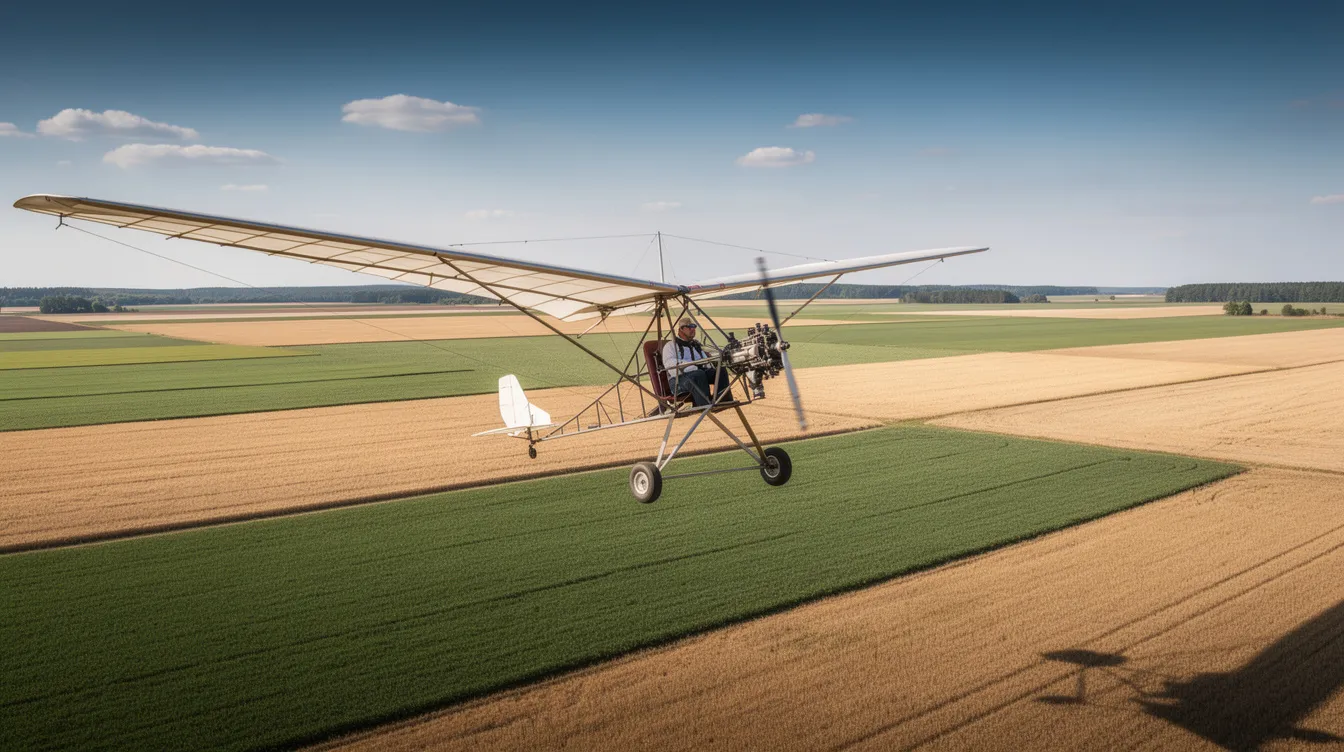
The microlight sales market in 2026 is more accessible, more varied, and better regulated than at any point in aviation history. Whether you're drawn to a bare-bones single-seat ultralight aircraft or a fully equipped two-seat light sport aircraft with glass-panel avionics, the options are wide and the entry barriers are lower than most people expect. The global ultralight and light aircraft market is now valued at over $12 billion, and the microlight market is projected to continue growing through the late 2020s. The Asia-Pacific region is experiencing the fastest growth in the ultralight market, while North America and Europe continue to dominate global sales. Many buyers combine ownership of a microlight for weekend flying with on-demand private jet charter from platforms like Jettly for longer business or family trips.
This guide is for aspiring aircraft owners, recreational pilots, and anyone interested in entering the microlight market. With new regulations and a rapidly evolving market, making an informed purchase is more crucial than ever.
This guide walks you through every step of the process, from definitions and regulations to pricing, inspections, and long-term ownership costs.
Before browsing aircraft sales listings or visiting your local airfield, you need to answer a few fundamental questions. These early decisions will narrow the search dramatically and save you from wasting time on aircraft that don't fit your mission, budget, or regulatory environment.
Rising interest in affordable personal aviation is supporting demand for ultralight aircraft across North America, Europe, and the Asia-Pacific region. Buyers are looking for low fuel consumption and simple maintenance in ultralight aircraft, which often use two-stroke or four-stroke engines. Electric and hybrid innovations are leading sales in the ultralight segment, with electric propulsion appealing due to lower power demands.
Here's what to decide before you start shopping:
Budget range. Used Part 103 ultralights range from $6,000 to $20,000. New ultralight kits typically cost between $20,000 and $40,000. Factory-built microlights and light sport aircraft run from $150,000 to over $350,000.
Mission profile. Are you flying local circuits for fun, taking lessons at a nearby strip, or planning 200 nm cross-country hops with a passenger?
New vs used. New aircraft offer warranty and the latest technology. Buyers increasingly prefer ready-to-fly factory-built models over DIY kits. Used aircraft offer immediate availability and lower upfront cost.
Seating. Single-seat ultralight or two-seat microlight/LSA? In Europe, microlights can include two-seat aircraft.
Powerplant preference. Two-stroke simplicity, four-stroke Rotax reliability, or emerging electric options?
Base airport. Grass strip, paved regional field, or trailering home to your hangar?
Once these are settled, the rest of the process becomes practical rather than overwhelming.
Terminology in this market is notoriously confusing. The same plane can be called a microlight in the UK, an ultralight in Australia, and a light sport aircraft in the US. Here's what the labels actually mean.
=
US Part 103 Ultralight. Single-seat only. True ultralights must weigh under 254 pounds empty (excluding floats and safety systems). Ultralights cannot exceed a top speed of 63 mph. Maximum fuel capacity is 5 gallons. No pilot license is required for single-seat ultralights, and they are limited to daytime VFR operations only. The Kolb Firefly 103 is a true ultralight example that fits squarely within these limits.
US Light Sport Aircraft (LSA). Two seats maximum, single non-turbine engine, fixed landing gear. Light sport aircraft can weigh up to 1,320 pounds MTOW. Light sport aircraft require at least a Sport Pilot certificate. The FAA's MOSAIC rule, effective July 24, 2026, restructures how LSA design criteria relate to pilot privileges.
UK Microlight. Since August 2021, the UK definition expanded to 600 kg MTWA for two-seat landplanes (650 kg for amphibians), with stall speed up to 45 knots. In Europe, microlights can include two-seat aircraft under similar EASA criteria.
European/EASA Light Sport Aeroplane. Maximum 600 kg MTOM, stall speed no more than 45 knots, two seats, single engine, unpressurized. Microlights in Europe can include two-seat planes under national or EASA frameworks.
When you see terms like "experimental," "homebuilt," or "permit to fly" in aircraft sales listings, those refer to the build and certification route rather than the aircraft category. Always confirm which regulatory category an aircraft falls into before buying, because it directly affects licensing, registration, and insurance.
Microlights are outstanding for what they do well: local recreational flying, flight training, aerial photography, and short VFR hops on clear days. They are not designed for multi-passenger business trips, weather-dependent schedules, or transcontinental legs.
That's where a hybrid strategy makes sense. Consider these use cases:
A pilot who flies a TL Ultralight Sting S4 on weekends for recreation but charters a light jet from New York to Miami for business travel through Jettly.
A Canadian owner of a BRM Aero Bristell B8 who uses the aircraft for 100 nm hops but relies on Jettly's global aircraft inventory for meetings in Vancouver or Orlando that sit beyond microlight range.
A retired couple who fly their Savannah S from a rural grass strip for sightseeing but book a turboprop charter when visiting family across the country.
Jettly's instant pricing, airport locator tool, and digital booking make it a practical complement to microlight ownership, not a competitor. When weather, payload, or distance exceeds what your ultralight can safely handle, on-demand charter fills the gap.
Potentially lower operating costs than traditional aircraft drive microlight sales more than any other single factor. But the advantages go well beyond price.
Purchase cost. A new Cessna 172 runs $400,000 or more. A factory-built light sport aircraft from BRM Aero or TL Ultralight starts around $150,000, and used models or kits cost far less. Microlights have low capital acquisition thresholds compared to certified GA singles.
Fuel burn. Buyers are looking for low fuel consumption and simple maintenance in ultralight aircraft. A Rotax 912 ULS burns 2–4 gallons per hour at cruise versus 8–10 gph for a Lycoming O-320 in a Piper PA-28.
Maintenance. Microlights have minimal maintenance overhead due to simple designs. Modern microlights use carbon-fiber and composite structures for lightweight design, reducing corrosion issues common in older aluminum airframes.
Short-field access. Microlights offer outstanding short field performance, letting pilots operate from grass strips, farm fields, and small regional airfields that larger planes cannot use.
Scheduling freedom. Microlights provide unrivaled personal freedom in scheduling flights. No airline timetables, no lengthy pre-flight bureaucracy for Part 103 aircraft.
Training simplicity. Microlights require fewer flight instruction hours for licensing in most jurisdictions, making them a faster path into the sky for new pilots.
Environmental impact. Microlights emit 70% less CO2 than general aviation singles, supporting environmentally conscious flying.
Not every aircraft suits every pilot. Here are the buyer personas that show up most frequently in the microlight market.
Weekend recreational flyer. Wants a two-seat LSA for local hops and sightseeing. Models like the BRM Aero Bristell B8 or TL Ultralight Sting S4 with a Rotax 912 ULS engine, moderate speed around 100–120 knots, and minimal avionics.
Flight school owner. Needs a durable trainer with dual controls, forgiving handling, and good manufacturer support. Flight schools frequently choose the BRM Aero Bristell B8 or Savannah S for students taking lessons on tight budgets.
Aerial photographer or surveyor. Values excellent visibility, slow-speed stability, and useful payload. Microlights are used for aerial photography and pilot training, and models like the Aeroprakt A-22 with its high wings and wide canopy are popular introductory two seaters in this role.
Farm, forestry, or bush operator. Requires STOL capability, rugged landing gear, and tolerance for rough strips. The Savannah S and Aeroprakt A-22 serve well here.
Cross-country touring couple. Wants range, comfort, and cruise speed. The Bristell TDO 915iS pushes around 155 KTAS and carries two with reasonable baggage. The TL Ultralight Sirius is another touring favorite.
Retired pilot downsizing. Stepping down from a Bonanza or Mooney to reduce cost and complexity while keeping the joy of flying alive.
For business aviation needs or all-weather missions, most of these pilots still rely on charter through platforms like Jettly or structured private jet memberships, even if they own a microlight for recreation.
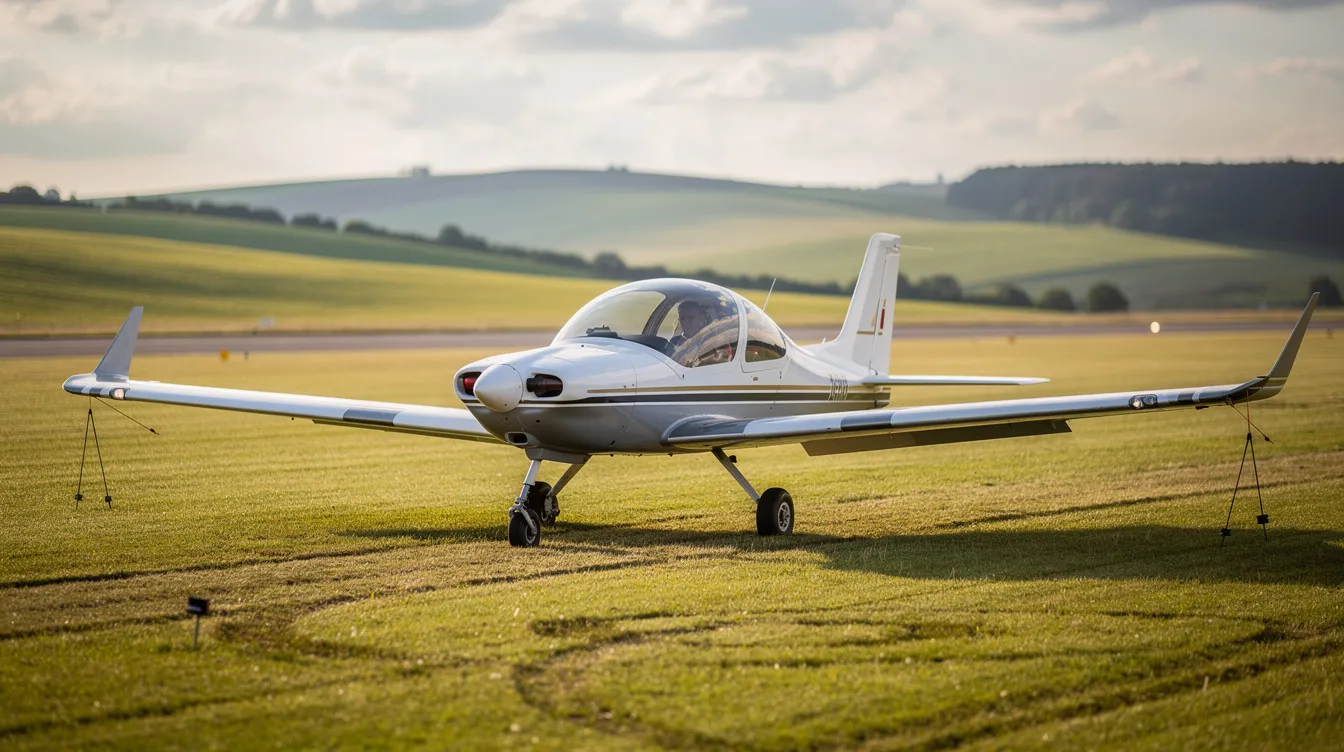
Here are models that appear frequently in microlight sales listings in 2025–2026:
BRM Aero Bristell B23 Classic / Turbo / B8. Known for fit-and-finish quality, cross-country speed, and the availability of a 915iS turbo engine. New prices start around $156,000 for the Classic and climb past $380,000 for turbo models with full avionics. The B8 is a go-to trainer for flight schools across Europe.
TL Ultralight Sting S4. Sleek composite airframe, fast cruise around 145–150 knots, detachable wings for easier storage. New in Europe from approximately €145,800 ex-VAT. Used US examples run $120,000–$160,000 depending on hours and avionics.
Aeroprakt A-22 Foxbat. High-wing, great visibility, bush-capable, float-compatible. Affordable and practical. Flies great in low-speed survey and training roles.
Savannah S. UK-standard microlight trainer and bush plane. Simple, rugged, good condition examples hold value well on the used market.
Super Petrel LS. Amphibian biplane design, popular in Florida and coastal regions. A great opportunity for pilots who want water access without a dedicated seaplane rating in some jurisdictions.
Pipistrel Virus SW. Extremely efficient composite LSA with excellent cruise speeds and low drag. Higher price premium.
Aerospool WT-9 Dynamic. A popular ultralight model in Europe with strong cross-country performance and a loyal following.
Quicksilver ultralights. Budget-friendly, simple, many two-stroke and four-stroke engines available. Designed for the Part 103 recreational flyer seeking affordable entry.
Air Creation Twin. A well-known flex-wing microlight with a loyal community of builders and pilots.
Later sections will guide you through how to compare these models during inspections and demo flights.
Pricing in the ultralight airplane for sale market breaks into clear bands:
Used Part 103 ultralights: $6,000–$20,000 USD depending on condition, age, and engine hours. Operating costs for single-seat ultralights are about $1,000 to $2,000 annually.
New ultralight / quick-build kits: $20,000–$40,000 for the airframe and engine package. Assembly time and workspace add to the real cost.
Factory-built microlights and LSA: $150,000–$350,000+ for aircraft from the manufacturer like BRM Aero, TL Ultralight, or Pipistrel, fully equipped with modern avionics and Rotax 912 iS or 915iS engines.
Key price drivers include:
Engine choice. A Rotax 503 two-stroke is far cheaper than a fuel-injected 912 iS or turbocharged 915 iS, but the latter offers better fuel efficiency, higher service ceiling, and a 2,000-hour TBO.
Avionics. Steam gauges versus Garmin G3X or Dynon glass panels can swing the price by $15,000–$40,000.
Brand and build quality. Premium European builders command higher prices but typically hold resale value better.
Airframe and engine hours. Low-hour aircraft in perfect condition sell at a premium. High-hour engines approaching overhaul should be priced accordingly.
Don't forget additional costs: sales tax or VAT, pre-buy inspections, ferry flights or shipping, registration fees, and import duties if buying cross-border. Buyers interested in what's available at the lowest end should explore the cheapest ultralights currently on the market.
US Part 103. No license, no registration, no medical certificate needed, provided the aircraft stays within the 254-pound, 63 mph, single-seat limits and only flies during daytime VFR.
US Sport Pilot. Required for any LSA beyond Part 103 limits. Minimum 20 hours of flight training including 15 hours with an instructor and 5 hours solo. A valid driver's license can substitute for a medical certificate under BasicMed rules.
UK. Pilots need a National Private Pilot Licence (NPPL) with a microlight rating. The 2021 expansion to 600 kg MTWA means more capable aircraft now qualify as microlights.
Europe (EASA). Varies by member state, but generally requires a national microlight license or LSA certificate. The EASA 600 kg alignment with UK standards is making cross-border sales and operations simpler.
Canada. Ultra-light aeroplane pilot permit for basic ultralights; Recreational Pilot Permit or Private Pilot Licence for advanced models.
Even where no license is legally required, structured flight training and adequate insurance are strongly recommended. Insurance premiums depend on pilot hours, aircraft type, engine, hull value, and claims history. Third-party liability is the minimum; hull coverage adds cost but protects your investment.
Advantages of buying new:
Full factory warranty and support from the manufacturer
Current avionics (Garmin G3X Touch, Dynon SkyView)
Latest Rotax engines (912 iS, 915iS) with full TBO ahead
Known build quality from TL Ultralight or BRM Aero dealers
Ability to customize avionics, paint, and interior during assembly
Advantages of buying used:
Lower purchase price, often 30–50% less than new for aircraft built between 2015 and 2022
Immediate availability, no 6–12 month factory lead time
Chance to find well-equipped aircraft with low hours and comprehensive logbooks
Depreciation already absorbed by the previous seller
Factor in parts availability, ongoing support from the manufacturer, and how long you plan to own the aircraft. A well-maintained five-year-old Bristell with 300 hours frequently represents better value than a new build at full list price for buyers who don't need the latest spec.
The main channels for microlight sales in 2026:
Specialist online classifieds. Dedicated aviation marketplaces where you can search by model, year, country, and price. These are the broadest market.
Manufacturer and dealer networks. TL Ultralight, BRM Aero, and Pipistrel distributors often maintain resale boards or can source used aircraft from their customer base.
Aeroclub and airfield notice boards. Local postings at grass strips and regional GA airports frequently surface aircraft that never make it to online listings.
Social media groups. Facebook groups and forums for specific models or regions are active and often yield private sales at competitive prices.
Brokers. Specialist light sport and microlight brokers handle sourcing, negotiation, and paperwork for higher-value aircraft.
Jettly is an on-demand charter platform rather than an aircraft sales marketplace, but it can be useful logistically. If a target aircraft is based at a remote airfield in Florida or across the country, chartering a small plane to get there for a viewing saves time and hassle.
A specialized microlight or light sport aircraft broker serves as a full-service resource for sourcing, negotiation, inspections, and paperwork that most individual buyers lack the experience or network to handle efficiently:
Sourcing aircraft matching your spec from their dealer and private-seller contacts
Negotiating price based on comparable sales data
Arranging pre-buy inspections with qualified A&P mechanics or manufacturer-approved inspectors
Managing export/import paperwork for cross-border purchases
For higher-value aircraft above $150,000, using a broker typically makes financial sense. The fee (often 5–10% of the transaction) is offset by better pricing, fewer surprises, and smoother paperwork.
Tips for vetting a broker:
Proven experience with the specific brand (BRM Aero, TL Ultralight, etc.)
References from recent 2024–2026 buyers
Transparent fee structure disclosed before engagement
Knowledge of both the seller's and buyer's regulatory categories
Some buyers visit multiple aircraft across different states or countries. A private charter aircraft through Jettly can turn three separate viewing trips into a single efficient day.
Inspecting the airframe is crucial when purchasing a microlight. Here's a practical checklist:
Airframe:
Structural integrity at spar roots, wing attach points, and landing gear mounts
Signs of corrosion on metal components or delamination on composite panels
Condition of fabric covering, if applicable
Control surface alignment and free movement
Canopy or windscreen condition (cracks, crazing, UV damage)
Whether wings are removable or foldable for trailering
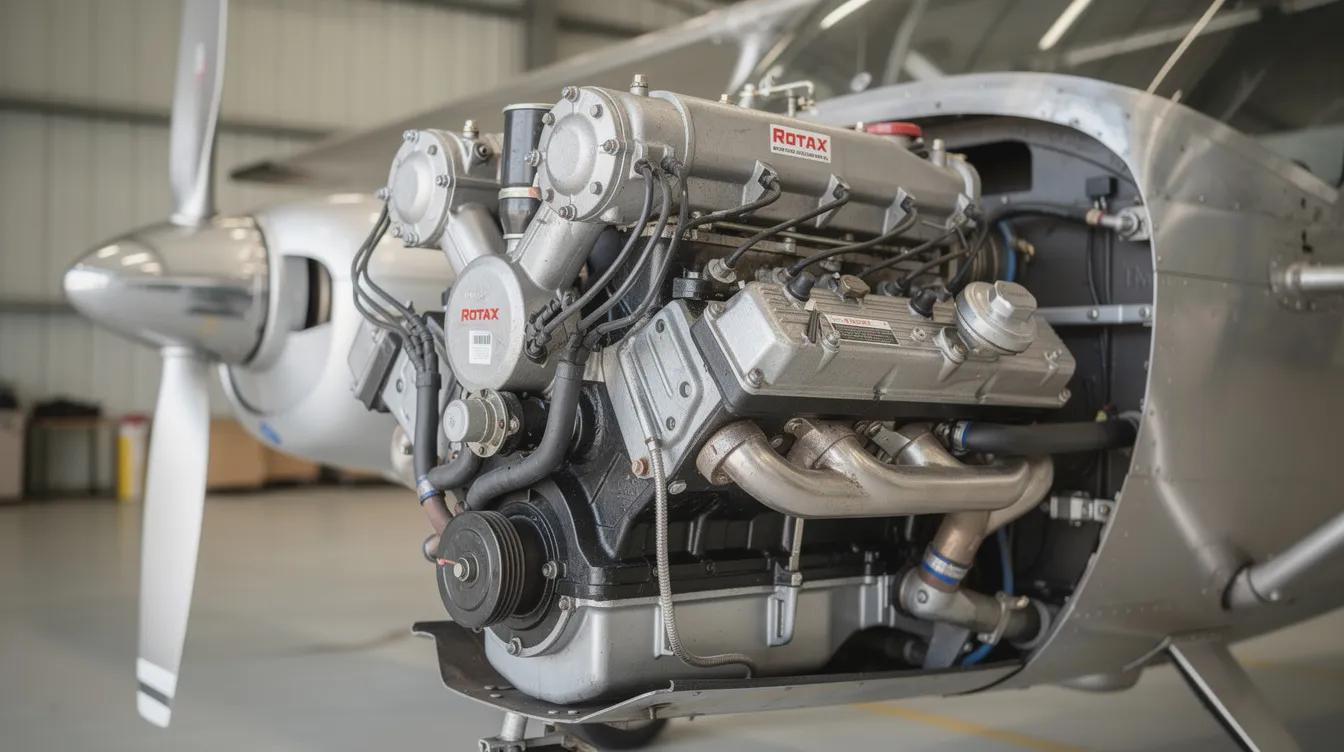
Engine: Many microlights use two-stroke or four-stroke engines, with the Rotax family dominating the market. For Rotax 447/503/582 two-strokes and 912/915 four-strokes, check:
Hours since last overhaul versus TBO (e.g., Rotax 915 iS TBO is approximately 2,000 hours)
Compliance with all Rotax service bulletins to date
Carburetor or fuel injection condition
Coolant system, oil condition, and propeller state
Fuel burn at cruise (a healthy 912 ULS burns 2–4 gph; a 915iS around 5–6 gph at 75%)
Avionics:
VHF radio functionality
Mode S transponder / ADS-B Out compliance
Glass panel condition (Garmin G3X, Dynon SkyView) or analog gauge accuracy
ELT or ballistic parachute system inspection status
Documentation: Maintaining meticulous logbooks detailing modifications and maintenance is important. Verify complete build documentation for experimental or homebuilt aircraft, weight and balance data, registration, and certificate of airworthiness or permit to fly. Missing paperwork can make an otherwise good aircraft unsellable or uninsurable.
For factory-built light sport aircraft above $80,000–$100,000, aviation lenders that accept modern LSAs from brands like BRM Aero and TL Ultralight offer financing with terms typically ranging from 10 to 20 years. Interest rates vary but are generally higher than residential mortgage rates.
For sub-$30,000 Part 103 ultralights and small kit aircraft, most buyers pay cash or use personal loans. Dedicated aircraft finance rarely makes sense at this price point.
Total ownership costs for microlights include hangar space and insurance alongside the obvious flying expenses. Here's a typical annual breakdown for a two-seat LSA:
Fuel: 100–200 hours at 3–4 gph and $5–7/gallon = $1,500–$5,600
Oil, filters, consumables: $300–$600
Hangar or tie-down: $2,400–$6,000/year (see next section)
Insurance: $1,500–$4,000 depending on hull value and pilot experience
Inspections and maintenance: $1,000–$3,000 including condition inspections
Engine reserve fund: $10–$20 per flight hour set aside for eventual overhaul
Infrequent flyers logging fewer than 50 hours annually should compare these costs against occasional charter via Jettly. The private jet charter cost estimator can help quantify whether ownership or on-demand booking makes better financial sense for business flying.
Typical microlight wingspans range from 25 to 32 feet, and many designs allow wing removal or folding for trailering home. This versatility is one of the aircraft category's strongest practical advantages.
Monthly hangar fees for ultralights range from $200 to $500 in 2026:
Shared T-hangars at smaller US airports: $200–$350/month
European GA airfield hangars: highly variable, often €150–€400/month
Farm strip or private hangar arrangements: sometimes as low as $100/month in rural areas
When choosing a base, consider:
Grass strip suitability for your aircraft's landing gear
Proximity to a Rotax service center or qualified A&P mechanic
Fuel availability (mogas vs avgas, depending on engine approval)
Airspace restrictions and noise-sensitive neighbors
Some owners base their microlight at a local strip for weekend flying but use private jet charter from larger airports for longer domestic or transcontinental travel. A guide to the best private jet charter companies covers options that bridge the gap between microlights and full-size GA.
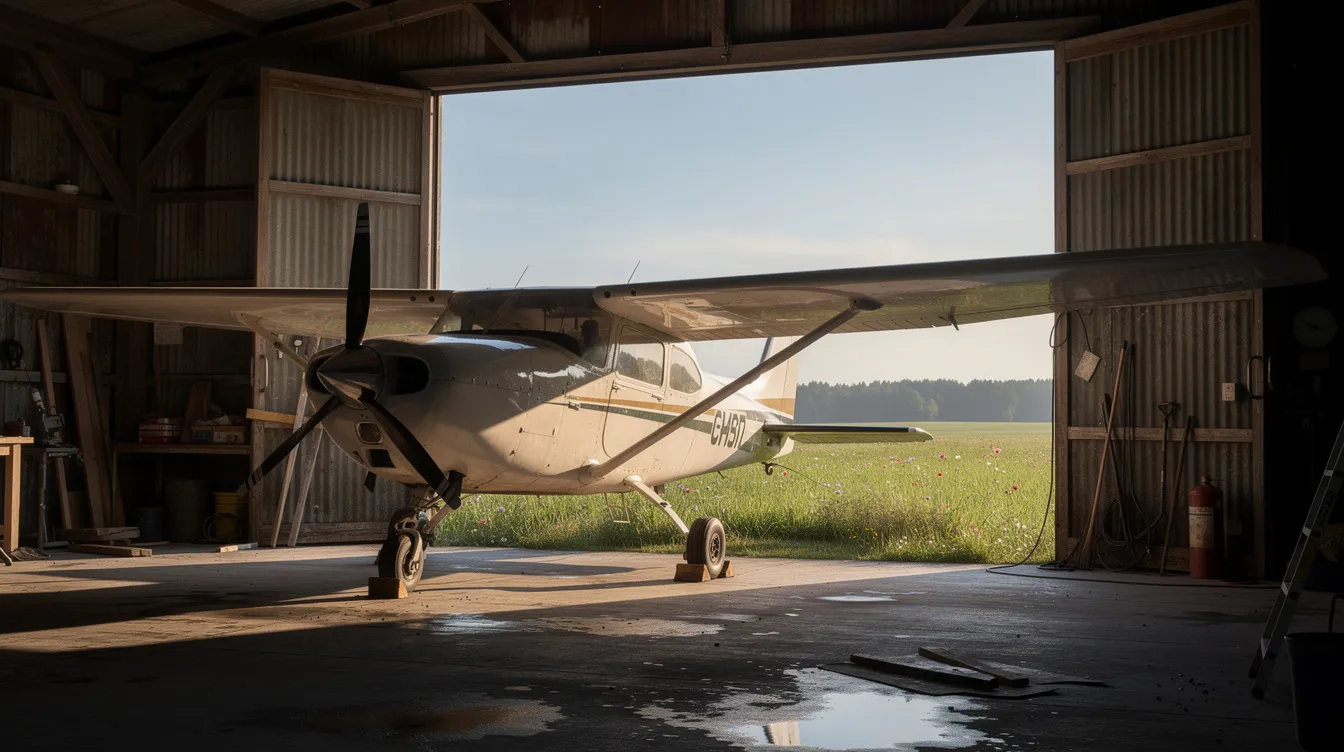
The growing popularity of kit-built microlights and ultralight aircraft is driven by cost savings and the satisfaction of flying something you assembled with your own tools. Examples include Savannah kits, Aeropup packages, and various Part 103 quick-build designs.
Realistic build-time estimates:
Simple ultralight kits (Part 103 class): 200–400 hours
Complex all-metal two-seat microlights: 600–1,000+ hours
Most builders spread the work across 1–2 years of evenings and weekends
Pros of building:
Lower cost (often 30–40% less than factory-built equivalent)
Deep understanding of every system on the aircraft
Ability to customize avionics and interior to your preferences
Cons of building:
Significant time commitment and dedicated workspace
Requirement for inspections and airworthiness approvals before first flight
Potential difficulty obtaining insurance or financing
However, buyers increasingly prefer ready-to-fly factory-built models over DIY kits, particularly for two-seat aircraft where build quality directly affects passenger safety. Building makes the most sense when budget is the primary constraint, you have the workspace and skill, and you genuinely enjoy the process. Otherwise, purchasing a completed aircraft on the used market is typically faster and less risky.
Microlights emit 70% less CO2 than general aviation singles on a per-hour basis. A typical microlight burning 3–4 gph of mogas produces a fraction of the emissions of a Cessna 172 burning 8–10 gph of avgas.
The Rotax 912 iS and 915iS are among the most efficient certified aero engines available, and electric propulsion is appealing for microlights due to lower power demands. While fully electric microlights remain mostly in development as of mid-2026, electric and hybrid innovations are leading sales interest in the ultralight segment, and several prototypes have flown successfully.
Safety best practices that should influence every microlight sales decision:
Invest in recurrent training even if your license doesn't require it
Join a local flying club for shared knowledge and mentorship
Respect weather limits and maintain conservative personal minimums
Follow a rigorous pre-flight inspection routine
Consider a ballistic parachute system, especially for two-seat aircraft
Private jets produce higher per-hour emissions but often carry more passengers per trip and cover distances that would be impractical by microlight. Resources on private jet emissions and cleaner ways to fly highlight how some operators and platforms, including Jettly's partners, offer carbon offset or efficiency-focused routing options for those who want to minimize environmental impact on longer legs.
Do I need a Sport Pilot license for this aircraft? If the aircraft meets US light sport aircraft criteria or falls under the new MOSAIC definitions effective July 24, 2026, then yes, a Sport Pilot certificate is the minimum. If it meets Part 103 ultralight limits (single-seat, under 254 pounds, max speed 63 mph), no pilot license is legally required. Similar distinctions apply in the UK and EASA countries based on whether the aircraft holds a microlight permit or certified LSA status.
What are typical lead times for new BRM Aero or TL Ultralight orders? Expect 6 to 12 months for factory-built aircraft with full avionics and custom options. Demand has increased since regulatory expansions, and popular configurations frequently have longer wait lists. Buyers interested in faster delivery should ask dealers about transition stock or cancelled orders.
How do I import a microlight from Europe to North America? Ensure the aircraft meets US regulatory categories (LSA or experimental). Budget for import duties, taxes, and shipping or ferry costs. Documentation must be complete, and modifications may be needed to conform to US avionics or lighting requirements. A pre-buy inspection before shipping is essential.
How long does a pre-buy inspection take? For used factory-built aircraft, typically 1–3 days including a demo flight. For kit-built or homebuilt aircraft, allow up to 1–2 weeks for thorough verification of build quality, logbooks, and component history.
Can I commute in a microlight? Commuting by microlight is possible for short distances in good weather, but ultralights are limited to daytime VFR operations only, and most microlights lack the all-weather capability needed for reliable daily travel. For time-critical commuting, on-demand charter via Jettly's digital platform is a more dependable option.
Does Jettly sell microlights? No. Jettly is a private jet charter marketplace focused on on-demand flights, not aircraft sales. However, Jettly can help with logistics around microlight purchases, such as chartering flights to view aircraft at distant airfields or covering legs that are beyond a microlight's practical range.
What are the resale prospects for a 2018–2024 light sport aircraft? Strong for low-hour, well-maintained aircraft from established brands like Bristell, TL Ultralight, and Pipistrel. Value retention improves with modern engines (912 iS, 915 iS), quality avionics, and alignment with current regulatory definitions. Older aircraft with obscure engines or poor local support depreciate faster.
Microlight sales in 2026 present a great opportunity for anyone ready to own their first aircraft or transition from a heavier, more expensive plane. The steps are straightforward: define your mission and budget, understand the regulatory category your target aircraft falls into (ultralight, microlight, or light sport), decide between new and used, conduct thorough inspections of airframe and engines, and plan honestly for long-term operating costs.
The ultralight aircraft and light sport aircraft market has never offered more choice. From a $10,000 used Quicksilver to a $300,000 Bristell Turbo, there is an aircraft for nearly every pilot and every budget. Explore what's available, invest in proper flight training, and build your personal aviation strategy around what you actually need to fly.
For many microlight owners, the smartest approach combines hands-on ownership for local flying with on-demand charter for the trips that sit beyond an ultralight's capabilities. Whether it's a weekend hop to a neighboring airfield or a last-minute business trip across the country, a complete plan covers both and can even leverage crowdsourced and shared private jet flights to reduce costs on longer legs.
Experience private travel tailored to you. Discover flight options or get a quote at https://www.jettly.com.
Share this post:
Jay Franco Serevilla
Aug 15, 2026
|
5
min read
Discover tips and trends in the industry.
5
min read
White Cloud Aviation & Private Charter Around Lake Havasu
White Cloud Aviation in Lake Havasu City offers specialized flight training and private jet charter services, making it an ideal destination for pilots and leisure travelers. With year-round flying conditions and a focus on cloud aviation skills, students can enhance their training while enjoying seamless travel through platforms like Jettly.
Read More
5
min read
BAJ Jets: How Digital Platforms Like Jettly Are Changing Private Jet Travel
BAJ jets, or Book-A-Jet platforms, are revolutionizing private aviation by providing digital access to over 20,000 aircraft worldwide. Platforms like Jettly offer live pricing, transparent quotes, and flexible booking options, making private jet travel more accessible than ever. This article explores how these platforms work, their pricing models, and the overall booking experience.
Read MoreStay updated with our latest insights and tips to elevate your journey with us.
MEMBERSHIPS AND ASSOCIATIONS



Disclaimer: Jettly operates as a charter broker, offering access to a global digital jet charter marketplace. Jettly is not a direct air carrier and does not own or operate aircraft. All advertised flights are conducted by third-party air carriers that are fully licensed and hold the appropriate Part 135 or Part 121 certifications issued by the Federal Aviation Administration (FAA) or equivalent regulatory authorities under U.S. or foreign law. Jettly complies fully with the U.S. Department of Transportation's Part 295 and Part 298 Charter Broker regulations. Jettly does not carry additional liability insurance. Passengers are covered by aircraft operator insurance. TICO: 50023770


