


Login
Get Instant Pricing On 23,000+ Aircraft

>

High-net-worth individuals targeting summer destinations face predictable cost inflation during peak season. Bookings to desirable locations—like the Hamptons, Martha's Vineyard, or Aspen—impose dynamic pricing premiums that compound across landing fees, repositioning costs, and parking surcharges. Peak-season flights to regional airports multiply baseline costs significantly due to structural constraints and demand-driven pricing. Understanding what drives these premiums is critical for budgeting private aviation spend.
The problem: These oases of tranquility and fresh air are nowhere near a big-city airport. However, the good news is you can fly privately to the nearest regional airport, then reach your destination by car, speedboat, or yacht.
Still, during summer, some of these airports can be expensive even from a wealthy flyer’s perspective. Jettly explored what exactly makes it more expensive to land at smaller airports like East Hampton Town Airport or Martha’s Vineyard Airport.
Let’s make something clear first: It’s not the airports that hike prices. Landing fees are legally fixed and set by the town or county. Also, under Federal Aviation Administration Fair and Reasonable access guidelines (and even under local municipal operations), airports cannot arbitrarily jack up landing fees for any reason.
One of the main reasons why popular summer destinations become more expensive to fly to is dynamic pricing. Private charter providers adjust their rates based on demand, aircraft availability, and seasonal travel patterns.
As it is natural with this pricing strategy, prices rise during peak hours, holidays, or major events. This is done to offset the inconveniences associated with crowded airports. After all, if everyone is boarding their private jet to go to Aspen, there won’t be enough room for everyone to park at the airport.
This is why busy seasons mean asymmetric traffic patterns (empty legs), structural limitations at airports, and aggressive slot/parking restrictions. And this is why prices go sky-high.
On summer weekends, traffic is highly directional because everyone wants to land at the destination on Thursday or Friday and leave on Sunday or Monday.
To make room for everyone to land and move around, charter operators can’t leave their aircraft sitting on the tarmac all weekend, so they are forced to fly the plane back empty to a hub. They’ll fly back when it’s time to pick up their clients.
In this case, the charterer is billed for both legs (the live leg and the repositioning empty leg), which can double flight-hour costs.
Parking fees are usually not something private operators need to worry about, except when they land and park at a structurally constrained airport (like Aspen). Here (and at similar hubs), parking fees are mandatory, nonnegotiable, and strictly weight-based.
Because ramp space is at an absolute premium, these airports have quite steep parking fees just to keep the plane on the tarmac. Of course, everything, including extra fuel consumed, will be added to the final bill.
Securing a slot at a peak location airport is quite a challenging task, and missing it can put any travel plans in jeopardy. Of course, this comes with additional costs, as the crew and the plane will have to spend more time than expected with a single client.
Additionally, peak season means fixed base operators (FBOs) increase handling fees during high-demand windows (e.g., July Fourth weekend, major summer galas).
Now that you know why flying privately to high-end destinations during the summer will cost more, let’s have a look at the most exclusive vacation spots where the wealthy like to spend their weekends.
When New York’s intense summer heat becomes too much, but you don’t want to go too far from Manhattan, a quick flight to the Hamptons is the best solution. Here, you’ll enjoy pristine beaches, elite social galas, luxury estates, and plenty of fun times with or without company.
The area is served by two regional airports (East Hampton Town Airport and Francis S. Gabreski Airport).
Neither airport grants overnight parking clearance during peak weekends (with some exceptions), so charter quotes factor in repositioning legs to Teterboro (TEB) or Long Island MacArthur (ISP), saving the flyer money.
These two islands are quite isolated, as the only means of access is by slow ferries. This naturally limits tourist crowds and opens access to private flyers. Both islands offer pristine beaches and highly private, understated luxury where you can truly relax and recharge.
However, both Nantucket Memorial Airport (ACK) and Martha’s Vineyard Airport (MVY) are small, so ramp space is tightly managed. During peak summer weekends, ACK frequently issues ground delay programs and slot restrictions due to volume.
Overnight parking fees can skyrocket if you can even secure a slot. If forced to "drop and go," operators must reposition the aircraft to mainland hubs like Providence (PVD) or Boston (BOS), billing the client for the extra flight legs.
People usually flock to Aspen during winter for skiing, but due to events like the Aspen Ideas Festival and the Aspen Music Festival, it has become a summer destination as well. Plus, the heat dies down in the mountains, and the landscape is gorgeous.
But it’s exactly the mountains that pose a problem for private flyers. The thin mountain air reduces engine performance, and the environment forces Aspen/Pitkin County Airport to impose a 95-foot wingspan limit. This means that larger private airliners like the Gulfstream G650 or Global 7500 are out of the question.
Due to a lack of available tarmac space, many private jets have to drop passengers off and immediately reposition to Denver International Airport (DEN) or Grand Junction Regional Airport (GJT). If we consider multileg repositioning, mountain crew premiums, and high landing fees, a round-trip midsize jet charter from Chicago or Texas can quickly become expensive.
One of the biggest perks of flying private is the freedom to decide on Thursday evening that you'd rather spend Friday somewhere else, and actually make it happen.
Yet, that kind of flexibility comes with an even heftier price tag than usual if you choose a popular destination during peak season. So, if you truly must spend at least one summer weekend in the Hamptons, make sure to plan ahead and let your charter operator know so they can make the necessary preparations. Otherwise, you might pay double or triple the price.
Share this post:
Jay Franco Serevilla
Aug 8, 2026
|
5
min read
Discover tips and trends in the industry.
5
min read
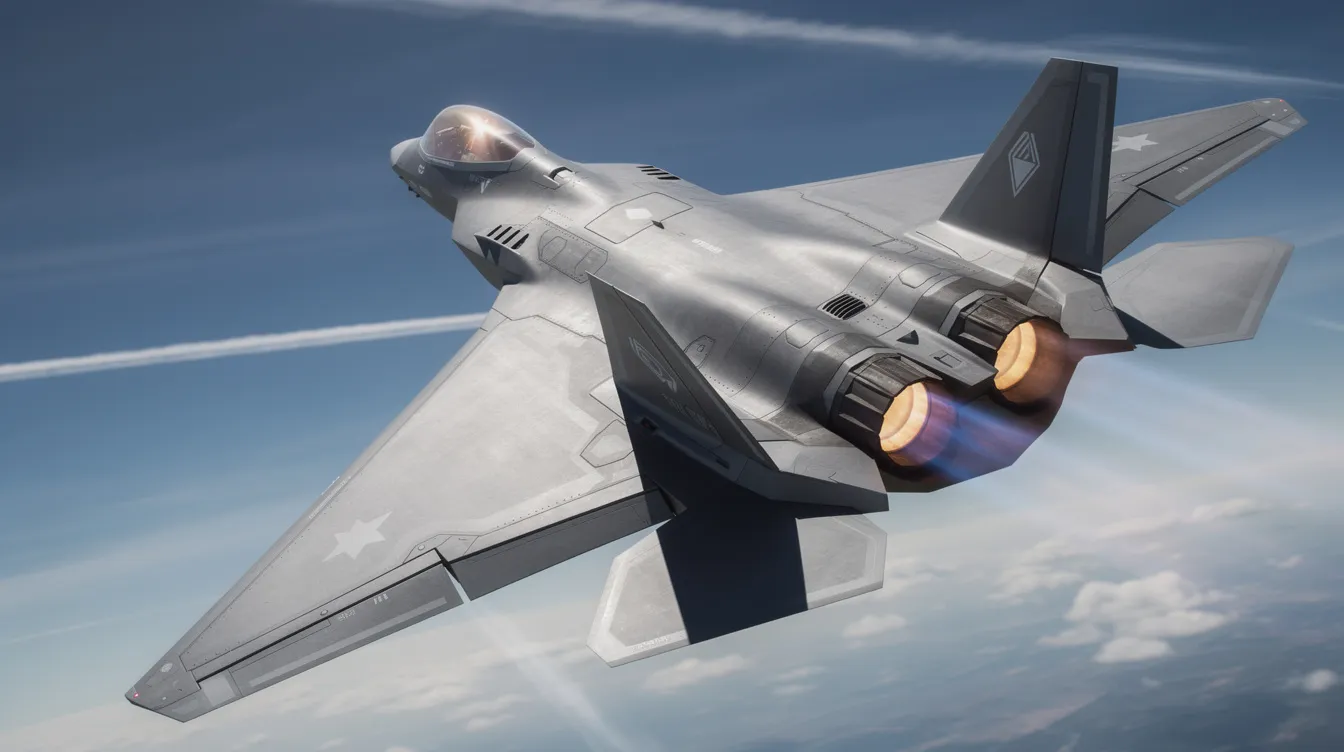
The Most Advanced Fighter Plane in 2026: F-35 Lightning II and the Future of Air Combat
The F-35 Lightning II is recognized as the most advanced fighter jet in 2026, combining cutting-edge stealth technology, sensor fusion, and network-centric warfare capabilities. Its operational maturity and global deployment make it central to modern air combat and international security strategies.
Read More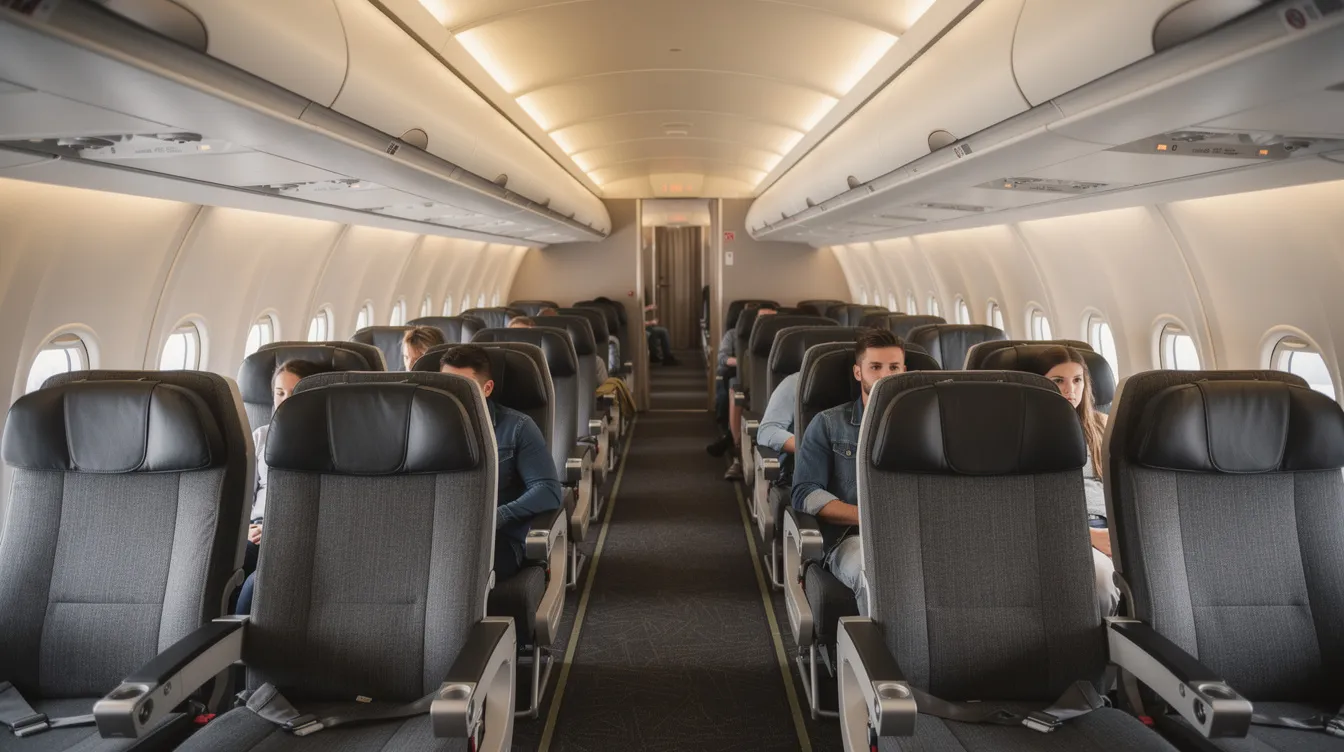
5
min read
Budget Airlines: How Low Cost Flights Really Work (and When Private Charter Makes More Sense)
Budget airlines have transformed air travel by offering low base fares, but hidden fees can quickly inflate the final cost. This guide explores how these airlines operate, the best options for travelers, and when private charters may provide better value. Understanding the true costs associated with budget airlines is crucial for making informed travel decisions.
Read MoreStay updated with our latest insights and tips to elevate your journey with us.
MEMBERSHIPS AND ASSOCIATIONS



Disclaimer: Jettly operates as a charter broker, offering access to a global digital jet charter marketplace. Jettly is not a direct air carrier and does not own or operate aircraft. All advertised flights are conducted by third-party air carriers that are fully licensed and hold the appropriate Part 135 or Part 121 certifications issued by the Federal Aviation Administration (FAA) or equivalent regulatory authorities under U.S. or foreign law. Jettly complies fully with the U.S. Department of Transportation's Part 295 and Part 298 Charter Broker regulations. Jettly does not carry additional liability insurance. Passengers are covered by aircraft operator insurance. TICO: 50023770


