


Login
Get Instant Pricing On 23,000+ Aircraft

>
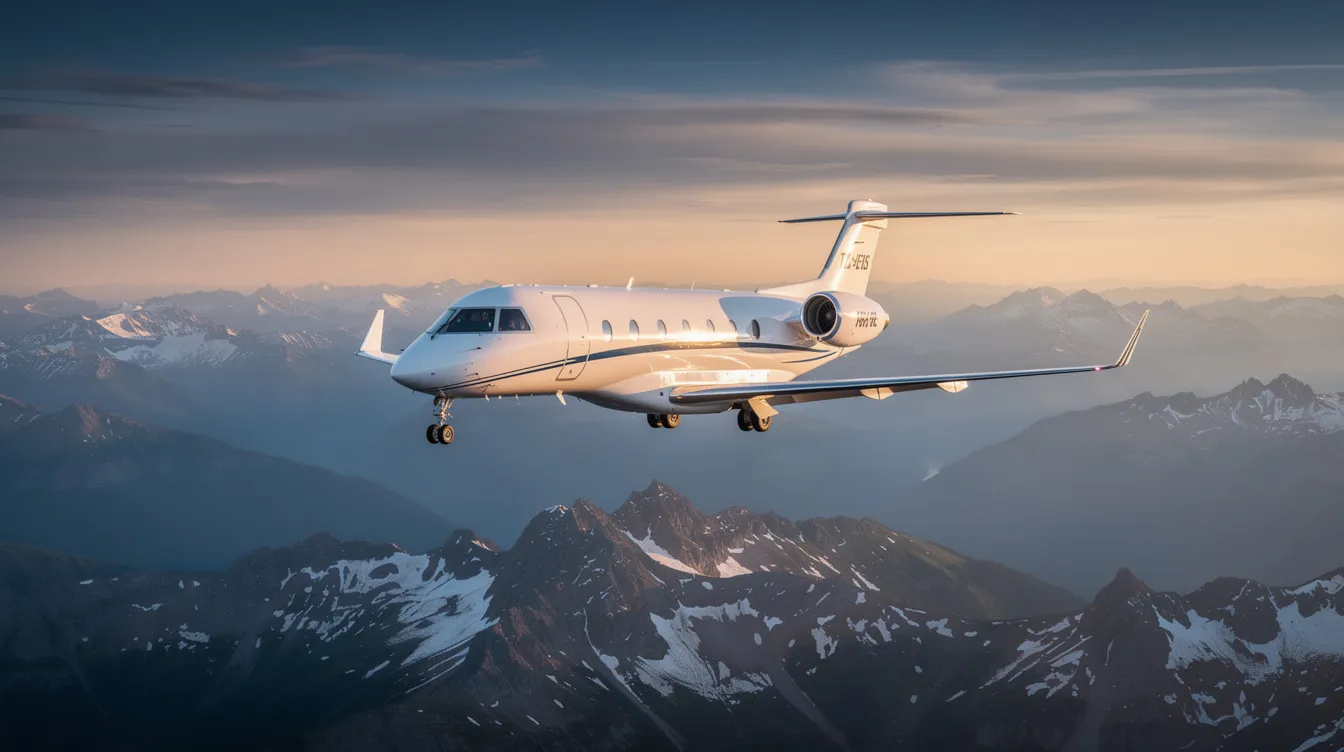
Mountain aviation refers to the specialized practice of flying aircraft in rugged, high-elevation terrain. It involves navigating unique challenges such as reduced aircraft performance due to high density altitude, rapidly changing weather conditions, and complex terrain that demands precise piloting skills. For travelers seeking access to popular mountain resorts and remote alpine locations, private jet charter offers unparalleled convenience and flexibility compared to commercial flights or long, hazardous drives.
With the rise in demand for private travel to mountain destinations like Aspen, Telluride, and Vail, understanding the nuances of mountain aviation has become more important than ever. This article explores how private jet operators and platforms like Jettly provide safe, efficient, and direct access to mountain airports, leveraging floating fleet aircraft operations and expert crews trained specifically for these conditions. Whether for business retreats, family vacations, or urgent travel, mountain aviation is a total private aviation solution that blends technology, expertise, and robust infrastructure to meet the needs of discerning travelers.
Mountain aviation demands specialized crew training, careful aircraft selection (turboprops, light jets, or super-midsize jets like the Citation X), and precise performance planning to handle density altitude, terrain, and weather at airports like Aspen (KASE) or Telluride (KTEX).
Jettly aggregates floating fleet aircraft operations across North America, giving travelers point-to-point access to mountain resorts without paying for unnecessary repositioning legs.
Private jets cut travel time from cities like Denver, Los Angeles, New York, and Dallas by eliminating connections and delivering passengers to smaller airports minutes from the resort, rather than hours away by car.
Mountain weather can produce severe turbulence and rapidly changing conditions; flexible scheduling and alternate airport plans reduce the risk of disruption.
Explore flight options or request a quote for mountain aviation trips at https://www.jettly.com.
Mountain aviation covers private and commercial flight operations into and out of high-elevation, terrain-constrained airports in regions such as the Rockies, Sierra Nevada, and Alps. Aircraft performance deteriorates substantially at high elevations due to density altitude effects; an airport at 7,800 feet on a warm afternoon can behave like one at 10,500 feet or higher, demanding longer takeoff rolls and reducing climb rates.
Demand has grown since 2019. Aspen-Pitkin County Airport recorded roughly 9,655 private jet flights in 2023, making it the busiest rural airport in the U.S. for private aviation. Private aircraft accounted for 76.6% of all flights at Aspen in March 2023, up from 62.4% in March 2020.
The main operational challenges include:
High density altitude reducing engine thrust and lift
Rapidly changing weather, including snow, low ceilings, and wind shear
Terrain-driven approach and departure paths through narrow valleys
Shorter runways compared with major hubs
Many charter operators now use floating fleet aircraft operations, positioning jets across mountain regions based on seasonal demand rather than tying them to a single base. Jettly's digital platform, including its airport locator tool for private jet charter, aggregates these options into one searchable inventory, acting as a bridge between travelers and vetted operators experienced in mountain region flying. This setup benefits time-sensitive domestic and international customers who want to fly directly from cities like London, Toronto, New York, or Mexico City to mountain gateways without layovers.

The airports below represent some of the highest-traffic mountain gateways in North America. Each comes with specific constraints that affect which aircraft can operate there and when.
Aspen is a popular mountain destination accessible by aviation. Aspen-Pitkin County Airport (KASE) sits at roughly 7,820 feet in Colorado, with a single 8,006-foot runway and a 95-foot wingspan limit. Narrow valleys and canyons limit turning radius for pilots, requiring precise navigation on approach. Surrounding peaks reach 14,000 feet. Common city pairs include Denver to Aspen, Los Angeles to Aspen, and New York to Aspen.
Vail is a popular mountain destination accessible by aviation. Eagle County Regional (KEGE) serves as the main gateway for Vail and Beaver Creek, with a 9,000-foot runway at 6,547 feet elevation. The airport handles frequent nonstop private flights from Dallas, Chicago, Miami, and Toronto during ski season. A proposed ILS procedure would lower approach minimums from roughly 1,700 feet AGL to 350 feet AGL, reducing weather diversions.
Telluride is a popular mountain destination accessible by aviation. Telluride Regional Airport (KTEX) sits on a mesa at approximately 9,070 feet, making it one of the highest commercial airports in North America. It operates as VFR day only, with no full instrument approaches. Midsize jets and turboprops are the preferred aircraft here, often with fuel and payload restrictions.
Jackson Hole Airport (KJAC) at roughly 6,451 feet inside Grand Teton National Park draws both winter ski and summer hiking traffic from Salt Lake City, San Francisco, and Houston.
Through Jettly's platform, travelers can see which aircraft types are recommended for each of these airports, from light jets for shorter hops like Denver to Aspen to larger aircraft such as the Citation X or Challenger 300 for coast-to-mountain flights.
Lake Tahoe Airport (KTVL) sits at approximately 6,264 feet on the south shore, minutes from ski resorts like Heavenly and Kirkwood. Typical charter arrivals come from the San Francisco Bay Area and Southern California.
When weather or runway performance at Tahoe is limiting, nearby Reno-Tahoe International (KRNO) serves as an alternate. KRNO handles more airline traffic and has longer runways at a lower elevation.
Mountain aviation into Tahoe often involves winter snow events and summer wildfire smoke. High density altitudes at these airports reduce engine power, propeller efficiency, and lift generation, making experienced crews and precise performance calculations critical. Jettly's marketplace lets travelers compare private charter aircraft across multiple categories suited to these conditions, including high-performance light jets and turboprops with strong short-field capabilities.
Several additional U.S. and Canadian mountain airports serve private aviation:
Bozeman Yellowstone (KBZN): National park access, corporate retreats
Sun Valley/Friedman Memorial (KSUN): Heli-skiing, summer adventure tourism
Durango-La Plata (KDRO): Southwest Colorado outdoor recreation
Banff/Canmore via Calgary (CYYC): Canadian Rockies skiing and hiking
Whistler via Vancouver (CYVR or CYSE): Year-round mountain resort access
International customers often route into major hubs like Denver, Vancouver, or Salt Lake City by airline or long-range private jet, then use a mountain-capable charter aircraft booked through Jettly for the final leg.
Not every aircraft or crew is suited for mountain operations. Density altitude severely degrades aircraft performance in mountainous regions, so matching the right airframe to the right airport is a safety requirement, not a preference. This section outlines key aircraft categories and crew standards.
Turboprops like the Pilatus PC-12 and Beechcraft King Air 350 are highly versatile for shorter mountain runways. Their slower approach speeds and strong climb performance make them effective for regional hops like Denver to Telluride or Calgary to Banff.
Light jets (Citation CJ3, Phenom 300) serve popular city pairs such as Los Angeles to Jackson Hole or San Francisco to Sun Valley. They balance speed, cost, and runway performance for airports with runways above 7,000 feet.
The Citation X stands out for coast-to-mountain flights. With a cruise speed of Mach 0.92 and a range of roughly 3,070 nautical miles, it handles routes like New York to Aspen or Miami to Vail. Its sea-level takeoff distance is approximately 5,140 feet, though that number increases at elevation. Mountain Aviation, later acquired by Wheels Up through a strategic partnership and acquisition deal, added two Citation X Elites to its fleet, reflecting sustained demand for this model on high-altitude routes. The company, headquartered in Morgantown, West Virginia, also utilizes high-altitude-capable regional jets such as the Canadair CRJ-200 for short- to medium-haul operations, maintaining Citation aircraft product lines among the most recognized in the private jet industry.
Jettly's platform shows which aircraft types are allowed for specific airports based on runway length, elevation, and operator restrictions.
Floating fleet aircraft operations mean aircraft move around the network according to demand rather than sitting at a single base. This reduces repositioning costs for the customer.
For mountain aviation, floating fleets follow seasonal patterns: winters around Aspen, Vail, and Jackson Hole; summers near Lake Tahoe, Banff, or Whistler. A domestic customer might book a multi-leg trip (Dallas to Aspen to Santa Fe to Dallas) without paying for empty repositioning legs.
Jettly aggregates availability from multiple operators, including floating fleet providers and smaller regional partners LLC entities such as Dexter Air Taxi private jet services, giving users more options and often more competitive quotes for mountain routes. The company operates across multiple operating locations to serve this demand.
Pilots require specialized training for mountain flying due to unique micro-meteorology and terrain. Mountain-qualified crews train on:
High-altitude airport operations and terrain awareness warning systems (TAWS)
Steep approach and departure procedures at airports like KASE or KTEX
Recognition of optical illusions in mountainous terrain, which can lead to misjudging altitude and ground speed
Managing downdrafts and lee-side sinks that can push an aircraft down faster than it can climb
Communication signals can degrade rapidly in mountainous terrain, affecting navigation and distress calls, so crews plan for reduced radio coverage in valleys and canyons. Terrain navigation in mountains involves selecting routes through specific passes or valleys, often with limited room for course corrections.
Regulatory baselines include FAA Part 135 certification in the U.S. and Transport Canada equivalents. Many charter operators, including marketplace partners like Zenflight instant-book private jet charter, also hold ARGUS Platinum or Wyvern ratings. A company that delivers world-class safety typically sets internal weather and runway minimums stricter than published ones, sometimes diverting to alternates like KEGE or KRNO.
Jettly works only with licensed, insured operators that meet these requirements. Customers can request details on operator safety ratings and pilot qualifications when planning a mountain trip.
New York (KTEB) to Aspen (KASE): A super-midsize jet like the Citation X covers this in roughly 4 hours. Suitable for groups of 6 to 8 passengers on a long weekend ski trip. Morning departures reduce density altitude issues at Aspen.
Los Angeles (KVNY) to Lake Tahoe (KTVL): A light jet handles this 1.5-hour flight for 4 to 6 passengers. If KTVL is weather-limited, the flight diverts to KRNO with ground transport arranged.
Toronto (CYYZ) to Calgary (CYYC): A midsize jet for 6 passengers, with customs cleared at Calgary before a connecting charter leg to Banff or Canmore.
Within Jettly's interface, a customer enters dates and passenger count, sees instant estimates for multiple aircraft, and refines based on budget or cabin preferences. Ground transport coordination (private SUV to the lodge, shuttle to the resort) and in-flight catering through Jettly Eats can be arranged through the operating partner.
The booking flow for domestic and international customers works as follows:
Create an account on Jettly's platform
Enter departure city, destination airport, dates, and passenger count
View instant pricing across multiple aircraft and operators
Compare options by aircraft type, safety rating, and total cost
Confirm the charter contract
For first-time private jet travelers, the process is straightforward. International travelers heading to North American mountain resorts clear customs at gateway airports like Denver or Calgary before continuing on a connecting private leg.
Jettly offers both membership programs and on-demand flights. Customers can pay per flight or choose private jet memberships with wholesale pricing and flexibility for lower fees and priority access, which is valuable for frequent seasonal mountain trips and the rapidly growing membership base of repeat mountain travelers. Pricing is transparent: aircraft, all standard fees, and estimated flight time appear upfront.
Peak seasons drive pricing and availability:
December to March: Ski season. Book early for prime weekends and holidays.
June to September: Hiking, mountain biking, corporate retreats.
Weather in mountainous areas can change rapidly, leading to sudden electrical storms and winds. Aspen's flight completion rate in February 2023 was roughly 88.9% due to weather disruptions. Travelers should build a schedule buffer into arrivals and departures, especially around Christmas, New Year's, and Presidents' Day weekend.
Jettly's support staff can adjust aircraft choices or departure windows when conditions at the primary airport deteriorate; for example, diverting from KASE to KEGE and arranging ground transport to Aspen.
A commercial itinerary from New York to Aspen typically routes through Denver, adding a connection, a second flight, and ground transfer. Total door-to-door time: 8 to 10 hours. A direct private flight from Teterboro (KTEB) to Aspen: roughly 4 hours in the air, plus 20 to 30 minutes of pre-departure time at the FBO. Private jet passengers skip the 90- to 120-minute airline terminal process entirely.
Flying into smaller, closer airports also matters. KASE is 3 to 4 miles from downtown Aspen. Eagle County (KEGE), the next closest option, adds a 70-minute drive. Jettly's platform lets travelers test different departure airports near home (Teterboro, Westchester, or Newark) to find the fastest door-to-door combination. The commercial travel benefits of airlines like Delta Air Lines simply do not match this level of access for mountain destinations.
Private cabins support productivity for corporate teams heading to mountain off-sites. Quiet workspaces, private discussions, and meeting-ready setups keep the business day going in transit.
Families and friends traveling together can load ski gear, snowboards, and oversized equipment in the hold without airline baggage restrictions or lost-luggage risks. In-flight customization (ski-trip catering, kid-friendly snacks) can be arranged through Jettly's coordination with the operating partner.
Predictable, private travel also reduces fatigue for travelers arriving at higher elevations, helping them adjust to altitude and make better use of their first day on the mountain.
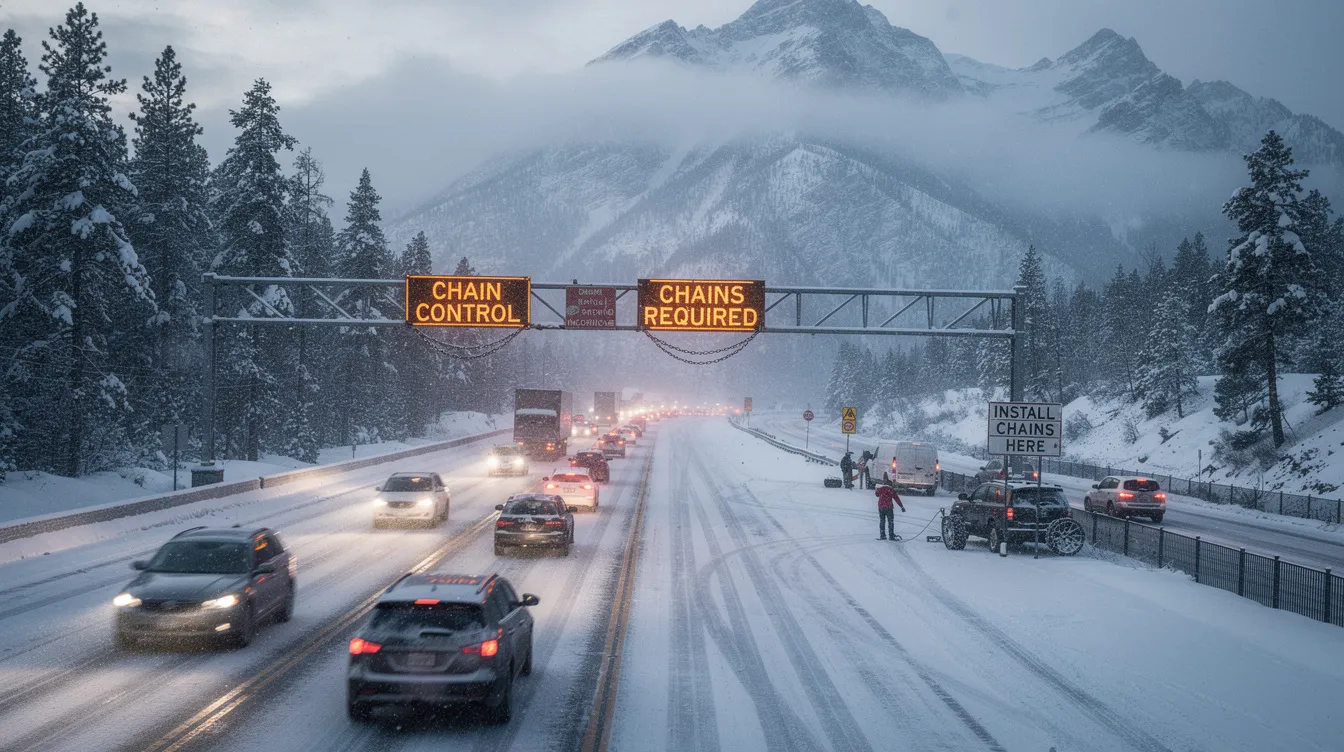
Engine failure over mountainous terrain presents more critical landing challenges compared to flatland; the same principle applies to ground travel. Winter driving on mountain passes carries real risks: black ice, heavy snowfall, and road closures, hazards that for many travelers make long winter mountain drives a thing of the past.
Colorado's I-70 corridor between Denver and the ski resorts is notorious for weekend gridlock and storm closures. California's Highway 50 and I-80 into Tahoe routinely require chain controls during winter storms, adding hours to what should be a 3- to 4-hour drive.
While weather can still affect flights, professional flight crews and dispatchers use sophisticated forecasting, de-icing procedures, and alternate routing. For travelers with tight schedules, family considerations, or the defense of their limited vacation time, reducing exposure to long, stressful drives is a core reason to fly.
|
Aircraft Type |
Typical Use Case |
Runway Performance |
Passenger Capacity |
Range (Nautical Miles) |
Notable Features |
|---|---|---|---|---|---|
|
Pilatus PC-12 |
Short mountain hops, rugged runways |
Excellent short-field |
6-8 |
1,845 |
Turboprop, versatile, strong climb rate |
|
Beechcraft King Air 350 |
Regional mountain airports |
Good short-field |
7-9 |
1,806 |
Reliable turboprop, spacious cabin |
|
Citation CJ3 |
Popular light jet for mountain airports |
Moderate runway required |
6-7 |
2,040 |
Efficient light jet, balanced speed and performance |
|
Phenom 300 |
City pairs to mountain resorts |
Moderate runway required |
6-7 |
2,010 |
Modern light jet, comfortable cabin |
|
Citation X Elite |
Coast-to-mountain, longer routes |
Requires longer runway |
8-12 |
3,070 |
Super-midsize jet, very fast cruise speed |
|
Canadair CRJ-200 |
Short to medium haul mountain routes |
Requires longer runway |
50 |
1,700 |
Regional jet, high altitude capable |
Ballpark hourly rates vary by aircraft category: turboprops run roughly $1,800 to $3,500 per hour, light jets $3,500 to $6,000, and super-midsize jets like the Citation X $6,000 to $9,500. A one-way Denver to Aspen trip on a light jet might cost $5,000 to $8,000; New York to Vail on a super-midsize could range from $25,000 to $40,000. Main cost drivers include aircraft category, distance, airport fees, de-icing charges, and whether repositioning is required or avoided via floating fleet aircraft operations. Use Jettly's private jet charter cost estimator for current, route-specific estimates.
Each aircraft has specific weight and volume limits, which become more restrictive on high-altitude departures due to performance constraints. Share details about ski bags, snowboards, and oversized equipment during the quote process so operators can confirm suitability or suggest a larger aircraft. Jettly's support team can match groups and gear loads to appropriate private charter aircraft options.
Operators routinely file alternate airports. If Aspen closes, flights divert to Eagle County; if Tahoe is socked in, Reno handles arrivals. Ground transportation is arranged to complete the journey. This contingency planning is discussed at the time of booking, and tools that explain how Jettly offers affordable private jet charter can also help travelers understand cost implications of diversions. Travelers should consider travel insurance or flexible lodging during peak winter months.
Non-U.S. or non-Canadian travelers typically enter through designated international airports with customs facilities (Denver, Calgary, Vancouver) before continuing to smaller mountain fields. Some larger regional airports do have U.S. Customs and Border Protection facilities, allowing certain direct international arrivals. For example, travelers heading to the Himalayas might first arrive via private jet charter in Kolkata, West Bengal before connecting onward. Jettly and the operating partner confirm the most efficient gateway and mountain destination combination for each itinerary.
Private aviation has a measurable carbon footprint, and mountain routes can involve higher fuel burn due to terrain and climb requirements. Options include voluntary carbon offset programs, choosing more fuel-efficient aircraft categories, and consolidating groups into a single aircraft instead of multiple smaller trips. The whole aircraft sales and fleet renewal cycle also brings newer, more efficient engines into the market each year, as outlined in detailed private jet operating cost breakdowns. Travelers can ask about offsetting or efficiency-focused choices during booking.
Ready to plan your next mountain trip? Explore flight options or request a quote at https://www.jettly.com.
For frequent or corporate mountain travelers who value predictable rates, tools like Jettly's jet card flight cost estimator and its broader jet card program for world-class corporate travel can help benchmark seasonal budgets. Those comparing providers can review a guide to the best private jet charter companies or evaluate Jettly as a flexible NetJets alternative before committing.
If you're still learning the economics of private aviation, resources covering how much a private jet costs to buy or charter, what it costs to fuel a private jet, and a complete breakdown of private jet operating costs provide deeper context.
Travelers who prefer flexible, pay-as-you-go flying can use Jettly's private jet charter cost estimator alongside its affordable private jet charter guide to structure trips around budget and availability.
Those interested in recurring commissions from referrals to mountain charters can consider joining Jettly's ULTRA high-ticket affiliate program, while readers exploring broader industry options may reference the ultimate list of charter airlines and private flight providers.
Finally, to lock in value for repeated ski seasons and summer retreats, explore Jettly's private jet memberships, which complement on-demand bookings for mountain aviation. Finally, to lock in value for repeated ski seasons and summer retreats, explore Jettly's private jet memberships, which complement on-demand bookings for mountain aviation. These memberships offer corporate solutions and flexible terms that accommodate frequent travelers and members who prioritize convenience and cost efficiency. The company maintains a robust charter marketplace powered by digital platforms that streamline the search and booking process, ensuring access to verified aircraft and experienced operators.
Jettly is recognized as an industry leader and a leading brand in private aviation, providing service on behalf of both individual and government clients. The platform supports aircraft management and aircraft maintenance coordination to guarantee safety and reliability for every flight. Customers benefit from transparent pricing and the ability to tailor their trips around the unique demands of mountain aviation, including weather variability and terrain challenges.
By leveraging Jettly's comprehensive digital ecosystem, travelers can confidently plan mountain aviation trips with the assurance that every detail, from aircraft charter to ground transportation, is managed efficiently. Whether flying for business or leisure, Jettly's platform offers a seamless experience that saves time, reduces stress, and enhances the overall journey.
Ready to experience private travel on your terms? Explore flight options or request a quote at https://www.jettly.com.

Mountain Aviation offers unparalleled access to some of the world’s most stunning and remote destinations, combining the thrill of high-altitude flying with the convenience and flexibility of private jet travel. By understanding the unique challenges of mountain operations—such as density altitude effects, rapidly changing weather, and terrain navigation—travelers can appreciate the importance of specialized aircraft, experienced crews, and careful planning.
Jettly stands out as a leader in mountain aviation by powering digital platforms that connect travelers with a wide selection of floating fleet aircraft, expert operators, and transparent pricing. Whether flying to Aspen, Telluride, Vail, or other alpine resorts, Jettly’s seamless booking experience, membership options, and comprehensive support ensure a safe, efficient, and comfortable journey.
For business travelers, families, and adventurers alike, Jettly helps reduce travel time, avoid long mountain drives, and enjoy personalized in-flight service tailored to mountain destinations. The platform’s robust infrastructure and commitment to safety make it the only company offering such a comprehensive mountain aviation solution.
Explore mountain aviation flight options or request a personalized quote today at https://jettly.com, and discover how private jet travel can transform your next trip to the mountains into a smooth, stress-free experience. Learn more about Jettly’s charter options at https://www.jettly.com.
Share this post:
Jay Franco Serevilla
Aug 24, 2026
|
5
min read
Discover tips and trends in the industry.

5
min read
When Do Plane Tickets Get Cheaper? Timing Your Booking for Better Flight Prices
Understanding when plane tickets get cheaper is essential for travelers looking to save on airfare. Generally, booking domestic flights 1 to 3 months in advance and international flights 2 to 8 months ahead yields the best prices. Factors like travel dates, day of the week, and seasonality significantly impact ticket costs, making it crucial to stay flexible and track fare changes.
Read More
5
min read
Day of Cheap Flights: How to Time Your Booking for the Best Flight Deals
Discover the truth behind the elusive 'Day of Cheap Flights' and learn how to consistently find the best flight deals. This guide highlights seasonal patterns, optimal booking windows, and effective search tools to help travelers save money on both commercial and private flights.
Read MoreStay updated with our latest insights and tips to elevate your journey with us.
MEMBERSHIPS AND ASSOCIATIONS



Disclaimer: Jettly operates as a charter broker, offering access to a global digital jet charter marketplace. Jettly is not a direct air carrier and does not own or operate aircraft. All advertised flights are conducted by third-party air carriers that are fully licensed and hold the appropriate Part 135 or Part 121 certifications issued by the Federal Aviation Administration (FAA) or equivalent regulatory authorities under U.S. or foreign law. Jettly complies fully with the U.S. Department of Transportation's Part 295 and Part 298 Charter Broker regulations. Jettly does not carry additional liability insurance. Passengers are covered by aircraft operator insurance. TICO: 50023770


