


Login
Get Instant Pricing On 23,000+ Aircraft

>
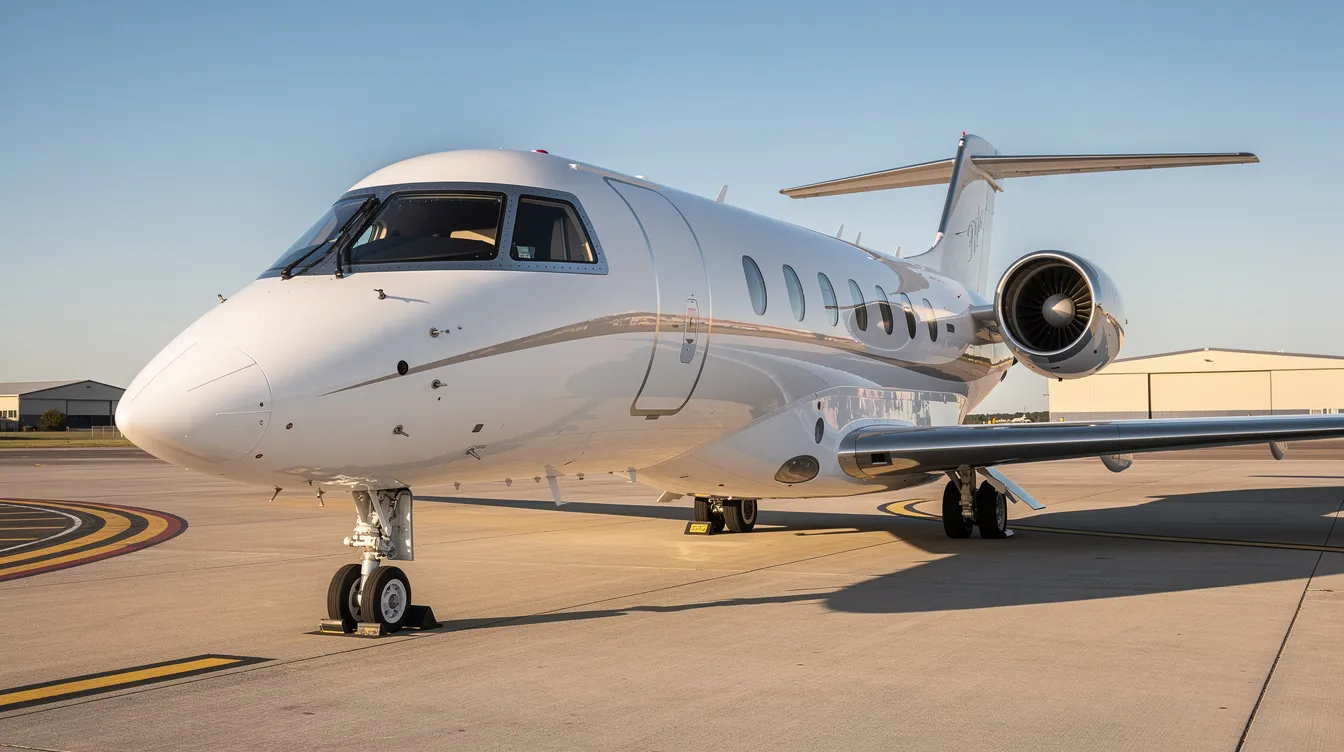
NetJets US stands as one of the most recognized names in private aviation. As a Berkshire Hathaway company operating over 800 aircraft, it offers fractional ownership, leases, and jet cards to individuals and corporations across the United States. But is a structured, commitment-based program the right fit for every traveler? This article breaks down how NetJets US works, what its fleet looks like, and how it compares to flexible on-demand charter options available through digital platforms like Jettly.
This guide is designed for business travelers, corporate decision-makers, and individuals evaluating private jet solutions in the US, helping you understand the pros, cons, and costs of NetJets US compared to flexible charter alternatives. Understanding the differences between NetJets US and its alternatives is crucial for making informed decisions about private jet travel solutions in the US, whether you are seeking predictable access, cost efficiency, or maximum flexibility.
NetJets Inc., a subsidiary of Berkshire Hathaway, operates one of the world's largest private jet fleets with approximately 802 aircraft and around 1,400 flights per day globally.
Its core US offerings include fractional aircraft ownership, leases, and jet card programs, each with different commitment levels, costs, and access guarantees suited to frequent flyers.
The NetJets fleet spans light jets like the Embraer Phenom 300, midsize options like the Cessna Citation Latitude and Citation Ascend, and long-range business jets such as the Bombardier Global 8000.
NetJets Europe extends the company's global reach, allowing US-based owners access to European routes under a coordinated fleet structure.
For travelers who prefer flexibility without ownership or long-term contracts, Jettly offers on-demand charter access to 20,000+ aircraft worldwide with transparent, per-trip pricing.
NetJets Inc. is a Berkshire Hathaway company and a worldwide leader in private aviation. The company traces its roots to Executive Jet Aviation, founded in 1964 in Columbus, Ohio. After decades of growth and a 1998 acquisition by Warren Buffett's Berkshire Hathaway for roughly $725 million, NetJets evolved into the operation it is today.
NetJets Aviation, the US-focused arm, provides fractional ownership, leases, jet cards, and aircraft management to individuals, corporations, and over 40% of Fortune 100 companies. The company operates a fleet of 802 private jets, serves over 700,000 passengers annually, and provides access to more than 5,000 airports worldwide.
When people search for "NetJets US," they're typically looking at these structured programs. Jettly serves as a complementary alternative for those seeking private jet charter without equity stakes or multi-year contracts.
The story of NetJets begins with executive jet aviation in the 1960s. Founded in 1964, the company initially offered charter and aircraft management services under the Executive Jet Aviation name, eventually evolving into the industry-leading NetJets operation known in private aviation today.
The pivotal moment came in 1986 when Richard Santulli introduced the concept of fractional ownership to business jets. This innovation let individuals and companies buy a share of a specific aircraft rather than purchasing a whole jet, opening private aviation to a broader audience. NetJets pioneered fractional ownership in 1986, fundamentally changing how discerning travelers accessed the skies.
In 1998, Berkshire Hathaway acquired the company. Warren Buffett's backing led to rapid fleet growth, enhanced safety infrastructure, and the formation of NetJets Inc. as the parent entity overseeing both NetJets Aviation in the US and NetJets Europe. The company expanded partnerships with manufacturers like Textron Aviation, Embraer, and Bombardier, while adding jet card programs and lease options to its product lineup.
NetJets US is built around structured access models that prioritize predictable pricing and guaranteed access to aircraft. For many travelers, understanding fractional private jet ownership pros and cons is key to deciding whether this commitment-based approach is the right fit. Here's how each program works:
Fractional ownership: Customers purchase a share (such as 1/16 or 1/8) of a specific aircraft type, gaining a set number of flight hours annually. Fractional ownership costs start around $500,000 for a 1/16 share, with monthly management fees ranging from $10,000 to $15,000, plus occupied hourly rates. Contracts typically require a multi-year commitment of 36 months. Owners receive guaranteed aircraft availability with as little as 4–10 hours' notice.
Leases: Similar to ownership but without the upfront capital purchase. Customers pay fixed monthly fees and hourly charges under medium- to long-term agreements. This suits corporations needing stable capacity without purchasing an asset.
Jet card programs: Prepaid blocks of hours on specific aircraft categories. The NetJets 275Card, for example, costs $8,600 per hour for light jets. Jet cards offer prepaid hours with defined pricing and fewer long-term obligations than ownership.
NetJets manages all operational responsibilities for its aircraft programs, including crew, maintenance, and scheduling. Clients can avoid the complexities of whole-aircraft ownership, though they should still consider the full cost breakdown of fractional jet ownership before committing capital. The company also guarantees recovery aircraft deployment to minimize travel disruption.
While NetJets Inc. offers charter-like access through its Executive Jet Management division, the primary US focus remains these commitment-based programs. This contrasts with Jettly's per-trip marketplace model, where travelers book individual flights with no ownership requirement.
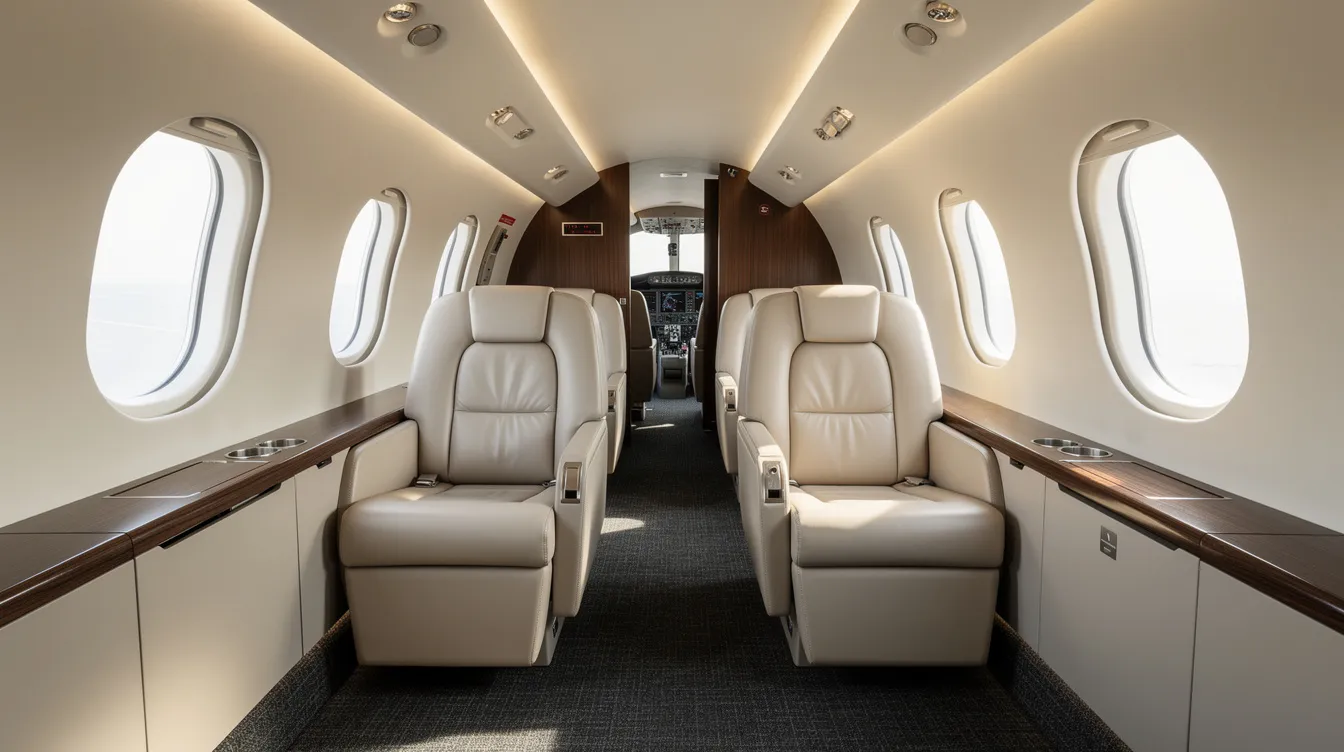
The NetJets fleet in the US includes multiple aircraft types for different travel needs, spanning four main categories, similar in breadth to Jettly's private charter aircraft options available on demand:
|
Category |
Key Models |
Typical Mission |
|---|---|---|
|
Light jets |
Embraer Phenom 300/300E, Cessna Citation XLS |
Regional trips, 2–3 hour flights, smaller airports |
|
Midsize jets |
Citation Latitude, Citation Sovereign, Citation Ascend |
Cross-country US routes, 3–4 hour flights |
|
Super-midsize |
Bombardier Challenger 350/3500, Citation Longitude |
Transcontinental flights, larger passenger groups |
|
Large-cabin/long-range |
Bombardier Global 5500, 6000, 7500, 8000 |
Intercontinental travel, 11–14 passengers |
The Embraer Phenom 300 is a popular light jet model in the fleet, offering roughly 2,000 nm of range for regional business trips. NetJets operates the Bombardier Challenger 350 for super-midsize travel, while NetJets flies the Bombardier Global 8000 for long-range missions crossing continents.
NetJets Fleet Categories and Key Models:
Light jets: Embraer Phenom 300/300E, Cessna Citation XLS, ideal for regional trips
Midsize jets: Citation Latitude, Citation Sovereign, Citation Ascend (cross-country US routes)
Super-midsize: Bombardier Challenger 350/3500, Citation Longitude (transcontinental flights)
Large-cabin/long-range: Bombardier Global 5500, 6000, 7500, 8000 (intercontinental travel)
The Citation Ascend is among the newest additions to the diverse private jet fleet, replacing older XLS models with improved fuel efficiency, updated avionics, and a refreshed cabin layout. NetJets is taking delivery of over 80 new aircraft through 2026 to modernize its private jet fleet. The fleet age averages approximately 8.3 years, reflecting ongoing investment in newer, more efficient business jets.
NetJets Europe operates alongside NetJets US under the NetJets Inc. umbrella, extending the company's global reach across Europe, the Middle East, and surrounding regions. It runs a separate fleet under EASA regulations, offering fractional ownership, leases, and jet cards tailored to European clients.
US-based owners can coordinate with NetJets Europe for flights within Europe or transatlantic routes, creating near-global access under a single provider. Large-cabin jets like the Bombardier Global series handle intercontinental legs between key business destinations-think New York to London or San Francisco to Paris- much like the broader ecosystem of private and charter airlines that serve similar long-haul missions.
This company-owned-fleet model contrasts with Jettly's approach. Jettly's global marketplace connects travelers to 20,000+ aircraft worldwide via on-demand charter, positioning it as a flexible NetJets alternative without requiring regional fleet ownership or cross-region share agreements. Travelers simply book the aircraft they need, wherever they need it.
Executive Jet Management is a NetJets division that serves as both a management company and charter provider, while QS Partners sits within the broader NetJets aircraft sales and advisory offering. It handles crew staffing, maintenance, scheduling, and regulatory compliance for owners who place their aircraft under its operations.
That broader platform can also support whole aircraft sales for clients pursuing full ownership rather than fractional access or charter.
When managed aircraft aren't in use by their owners, Executive Jet Management makes them available for on-demand charter. This lets charter clients access additional private jet capacity while helping owners offset costs through aircraft sales of available flight time.
However, this charter arm plays a supplemental role within NetJets Inc.'s portfolio. The core business remains fractional ownership, leases, and jet cards. For travelers specifically seeking pure on-demand charter-booking individual flights with transparent pricing and no ownership requirement, platforms like Jettly, often highlighted among the best private jet charter companies, offer a digital-first alternative designed around flexibility.
Private aviation through NetJets is significantly more expensive than commercial flying, but the company promotes a predictable pricing structure for its services. Here's a high-level comparison:
|
Factor |
NetJets Fractional/Lease |
NetJets Jet Cards |
On-Demand Charter (Jettly) |
|---|---|---|---|
|
Upfront cost |
~$500,000+ (share purchase) |
Prepaid hour block |
None |
|
Monthly fees |
$10,000–$15,000 |
None |
None |
|
Commitment |
36 months typical |
24 months to use hours |
Per flight |
|
Notice required |
4–10 hours |
~48 hours |
Varies by availability |
|
Hourly rate example |
~$7,200–$10,000+ |
$8,600 (light jet card) |
Varies by aircraft/route |
NetJets' operational scale allows for greater flexibility in scheduling and access, and the company provides flight operations support and 24/7 service for its clients. Prospective clients weighing these benefits against cost can look closely at NetJets card pricing and structures. NetJets also provides personalized service and support for travelers throughout their journey.
With Jettly, there's no upfront aircraft purchase, no equity, and no long-term contract. Each flight is booked individually with transparent per-trip pricing, and tools like Jettly's jet card flight cost estimator can help benchmark one-off trips against membership-style options. This model works well for travelers flying fewer total hours per year or with irregular schedules.

The right choice depends on how you fly. Here are the key considerations:
Flight frequency: NetJets fractional ownership or jet cards suit flyers consistently using 50–100+ hours annually. For occasional travel, on-demand charter offers flexibility without long-term contracts.
Route patterns: If you regularly fly the rest of the same city pairs (e.g., New York to Chicago), NetJets' guaranteed access is valuable. For variable destinations, Jettly's network of aircraft across the world provides broader options.
Capital commitment: Purchasing a share means tying up significant capital, so it's important to understand fractional jet ownership pros, cons, and costs before committing. Jettly requires zero equity or long-term financial obligation.
Aircraft preferences: NetJets owners fly a specific aircraft type. Jettly users can select from a full range of aircraft-from light jets and helicopters to heavy jets-on every trip, or even compare top fractional jet ownership companies if they decide a share-based model fits them better.
Best for NetJets: Corporations with recurring executive travel, customers who hear the value in guaranteed short-notice access, and organizations that sell the idea of standardized fleet experience to their leadership teams.
Best for Jettly: Individuals or families mixing business and leisure, travelers frequently changing routes, and clients who want to compare aircraft and pricing for each mission without contracts.
Safety is non-negotiable in private aviation. NetJets emphasizes safety and operational infrastructure beyond basic regulatory requirements. The company was the first private operator to receive FAA approval for its Advanced Qualification Program (AQP), and it invests in the latest safety technology like FLIGHTKEYS for optimized flight operations. Pilots undergo type-specific training, and every aircraft visits a service hub every 3–4 days for proactive maintenance.
Jettly works with licensed operators meeting FAA Part 135 and equivalent international regulations, with vetting and certification requirements in place for ground and flight operations, while complementary services like Jettly Eats in-flight catering enhance the onboard experience.
Both models offer access to private terminals (FBOs), flexible departure times, in-flight connectivity, catering, and ground transportation coordination. Jettly also enables crowdsourced and shared private jet flights that can increase seat utilization and lower per-passenger emissions. On the environmental front, fleet renewal with more efficient jets like the Citation Ascend helps reduce fuel burn, and travelers using platforms like Jettly can factor aircraft age and efficiency into their booking decisions.
NetJets operates around 1,400 flights daily-a scale that supports dedicated pilots, consistent service delivery, and industry-leading operational standards across every destination.
Not exactly. NetJets US primarily focuses on fractional ownership, leases, and jet cards using its own fleet-structured, commitment-based programs rather than traditional on-demand charter. Executive Jet Management, a NetJets Inc. division, does offer charter-like access using managed aircraft, but the core business remains ownership-based. Digital platforms like Jettly specialize in pure on-demand private jet charter, where travelers book individual flights without purchasing aircraft shares or prepaid hours.
NetJets US (NetJets Aviation) operates mainly under FAA regulations with a US-based fleet, while NetJets Europe operates under EASA rules with aircraft and crews based in Europe. Both offer similar products-fractional ownership, leases, and jet cards-but maintain separate fleets. Many owners leverage both for seamless travel across the US and Europe. Travelers using Jettly can access aircraft globally via a single digital platform without needing separate regional memberships, choosing from flexible private jet membership plans instead of country-specific programs.
Fractional ownership typically makes sense for individuals or companies flying at least 50–100 hours per year on predictable schedules. It offers guaranteed availability and a consistent aircraft type, which corporate flight departments value. On-demand charter via Jettly generally suits travelers with fewer hours, fluctuating itineraries, or those who want access to different aircraft types without locking into long-term contracts, often using tools like an airport locator and charter platform to plan complex routes.
NetJets' primary US offerings-ownership, leases, and jet cards-require commitments and are not designed for single flights. Some access may be available via Executive Jet Management charter, and NetJets also has broader aircraft services through QS Partners, including whole aircraft sales, though those are separate from its main public US programs. Travelers seeking one-off or occasional private flights typically turn to on-demand charter providers like Jettly, where they can browse a wide range of private charter aircraft and compare pricing and aircraft for each trip.
Pick sample routes you commonly fly-such as New York to Miami, Los Angeles to Las Vegas, or Chicago to Dallas-and obtain instant pricing quotes through Jettly. Compare those per-trip costs and aircraft choices against the projected total cost of NetJets fractional ownership, leases, or jet cards over an entire year of flying. If you also refer friends, clients, or colleagues, Jettly's ultra-high-ticket affiliate program can turn those introductions into additional revenue. Ready to see the difference? Explore flight options or request a quote at https://www.jettly.com.
NetJets US remains a leading provider in private aviation, offering structured fractional ownership, lease, and jet card programs backed by the financial strength of Warren Buffett's Berkshire Hathaway. Its extensive and modern fleet, combined with guaranteed aircraft access and premium service, makes it an ideal choice for frequent travelers with predictable schedules and long-term needs.
However, for travelers seeking flexibility without upfront capital commitments or long-term contracts, digital platforms like Jettly provide a compelling alternative. Jettly's on-demand charter model offers instant pricing and access to a global network of over 20,000 aircraft, catering to a broader range of travel patterns and preferences.
Choosing between NetJets US and a platform like Jettly depends on individual travel frequency, budget, and desired flexibility. Understanding these options empowers travelers to select the private aviation solution that best fits their unique needs.
Ready to experience private travel on your terms? Explore flight options or request a quote at https://www.jettly.com.
Share this post:
Jay Franco Serevilla
Oct 1, 2026
|
5
min read
Discover tips and trends in the industry.

5
min read
Fractional Ownership Cirrus: How Shared Cirrus Aircraft Ownership Really Works
Fractional ownership of Cirrus aircraft offers a cost-effective way to access high-performance aviation without the full financial burden of sole ownership. This model allows multiple owners to share the costs and benefits of owning a Cirrus SR22 or Vision Jet, with management companies handling maintenance and scheduling. Ideal for those flying 50-200 hours annually, fractional ownership provides flexibility and access to premium aircraft.
Read More5
min read
NetJets US: Fractional Ownership, Fleet, and How It Compares to On‑Demand Charter
NetJets US, a Berkshire Hathaway company, offers fractional ownership and jet card programs for private aviation, operating over 800 aircraft. This article compares NetJets' structured offerings with flexible on-demand charter options like Jettly, helping travelers make informed decisions based on their needs and preferences.
Read MoreStay updated with our latest insights and tips to elevate your journey with us.
MEMBERSHIPS AND ASSOCIATIONS



Disclaimer: Jettly operates as a charter broker, offering access to a global digital jet charter marketplace. Jettly is not a direct air carrier and does not own or operate aircraft. All advertised flights are conducted by third-party air carriers that are fully licensed and hold the appropriate Part 135 or Part 121 certifications issued by the Federal Aviation Administration (FAA) or equivalent regulatory authorities under U.S. or foreign law. Jettly complies fully with the U.S. Department of Transportation's Part 295 and Part 298 Charter Broker regulations. Jettly does not carry additional liability insurance. Passengers are covered by aircraft operator insurance. TICO: 50023770


