


Login
Get Instant Pricing On 23,000+ Aircraft

>
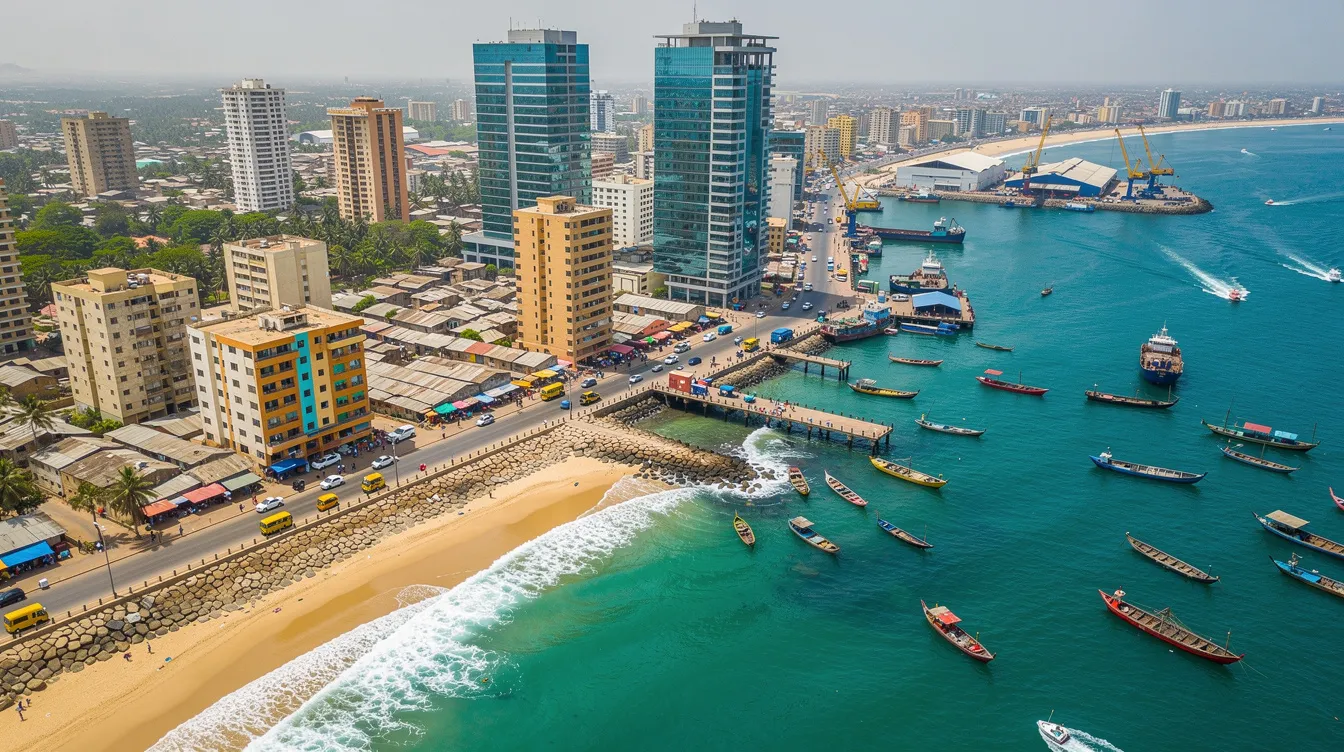
Nigeria is in Africa, specifically in western Africa, on the Gulf of Guinea. It is the most populous country on the African continent, home to over 226 million people as of January 2024, and it carries the official name the Federal Republic of Nigeria. Covering a total area of 923,768 square kilometers, Nigeria combines a broad geographic range, major economic influence, and deep cultural diversity within a single nation.
For travelers, business executives, high-net-worth individuals, and anyone looking to understand Nigeria’s geography, government, culture, economy, environmental pressures, and aviation options, this article explains where Nigeria sits on the map, how its federal system works, what defines its people and national symbols, how it influences Africa regionally, and how its air connectivity—including private jet charter through Jettly—supports faster, more flexible travel across Africa.
Nigeria is located in western Africa on the Gulf of Guinea, sharing borders with Benin, Niger, Chad, and Cameroon. It is the most populous country on the African continent, with a population exceeding 226 million.
Officially, the Federal Republic of Nigeria, the country operates with 36 states and a federal capital territory in Abuja, while Lagos serves as the largest city and main commercial hub.
Nigeria’s three largest ethnic groups—Hausa, Yoruba, and Igbo—along with hundreds of smaller communities, give the country a vibrant culture that shapes music, film, and fashion across Africa and the world.
Nigeria’s economy, supported by oil, agriculture, and services, ranks as the fourth largest in Africa. Petroleum accounts for about 80% of government earnings, while agriculture contributes 23.4% of GDP. Nigeria is the 13th largest oil producer globally and the world’s largest producer of cassava.
Nigeria faces environmental challenges, including the highest deforestation rate recorded globally in 2005, losing 35.7% of its forest cover between 1990 and 2005. Climate change impacts such as drought and desertification are pressing concerns, with plans focusing on agriculture and renewable energy to mitigate effects.
Nigeria’s cultural influence extends through Nollywood, the world’s second-largest film industry by volume, and music genres like Afrobeats that have gained global recognition.
Nigeria sits on the western coast of Africa, facing the Gulf of Guinea in the Atlantic Ocean; its southern coastal areas along the Gulf of Guinea include estuaries and mangrove environments. It occupies a strategic position in western Africa, roughly between latitudes 4° and 14°N and longitudes 2° and 15°E, placing it just above the equator in the tropics.
The country shares borders with four nations and has a long southern coastline:
West: Benin
North: Niger
Northeast: Chad (across Lake Chad)
East and Southeast: Cameroon
South: Gulf of Guinea (Atlantic Ocean coastline)
Nigeria’s coordinates center around 8°N latitude and 10°E longitude. Its highest point is Chappal Waddi, reaching 2,419 meters above sea level in Taraba State, near the border with Cameroon.
This coastal position on the Gulf of Guinea gives Nigeria significant advantages as a regional transport and aviation hub. Lagos, the largest city and a major financial and commercial center in Africa, and Abuja, the federal capital, both serve as key gateways for commercial airlines and private jet operators. Major cities like Port Harcourt, Kano, and Enugu extend the country's airport network across multiple regions, making Nigeria one of the best-connected countries in Africa by air.
For travelers, this geographic position means Nigeria is reachable from Europe in about six hours, from the Middle East in roughly seven, and from other West African capitals in under two. Whether arriving by commercial flight or private charter, the country’s coastal location and spread of airports create multiple entry points.
Nigeria’s official name is the Federal Republic of Nigeria, a designation adopted when the country gained independence from Britain on 1 October 1960. The Nigerian federal republic structure reflects a deliberate choice to manage the country's vast size, ethnic diversity, and regional differences through a system of shared governance between a central authority and local states.
Here is how the federal system is organized:
36 States plus the Federal Capital Territory (FCT): Nigeria consists of 36 states, each with its own elected governor and state legislature. The federal capital territory, where Abuja is located, is administered separately by a minister appointed by the president.
The President: The head of state and head of government is the president, elected by popular vote for up to two four-year terms. This presidential model concentrates executive power at the national level but distributes administrative responsibilities to states.
Bicameral National Assembly: The federal government legislates through a two-chamber parliament—the Senate (109 seats), led by the Senate president, and the House of Representatives (360 seats). Together, they draft and pass federal laws on behalf of the country.
Judiciary: An independent judiciary, headed by the Supreme Court, interprets the constitution and resolves disputes. Nigeria currently operates under a new constitution adopted in 1999, with subsequent amendments, marking the return to civilian democratic rule.
The path to this federal republic was shaped by colonial history. Human settlement in what is now Nigeria dates back to about 9,000 BC, and the Nok civilization emerged around 1,000 BCE. The British formally united Nigeria’s protectorates on 1 January 1914. Nigeria gained independence from the UK on 1 October 1960 and adopted its first republican constitution in 1963. The country endured a civil war from July 1967 to January 1970 and experienced military rule, including a coup in 1983 that brought Major General Muhammadu Buhari to power, after earlier post-independence power struggles shaped in part by the political weight of the northern region. Nigeria transitioned to civilian rule on 29 May 1999, restoring democracy.
This structure has direct implications for infrastructure and aviation. Airports are distributed across the country’s six geopolitical zones, and regulatory authority is divided roughly between federal agencies (handling international flights, customs, immigration) and state-level institutions (managing regional airports). Nigeria’s air force also maintains bases across multiple states. For private jet operators and charter platforms, this means navigating a mix of federal and state-level requirements—but it also means a wide network of landing options that commercial airlines do not always serve.
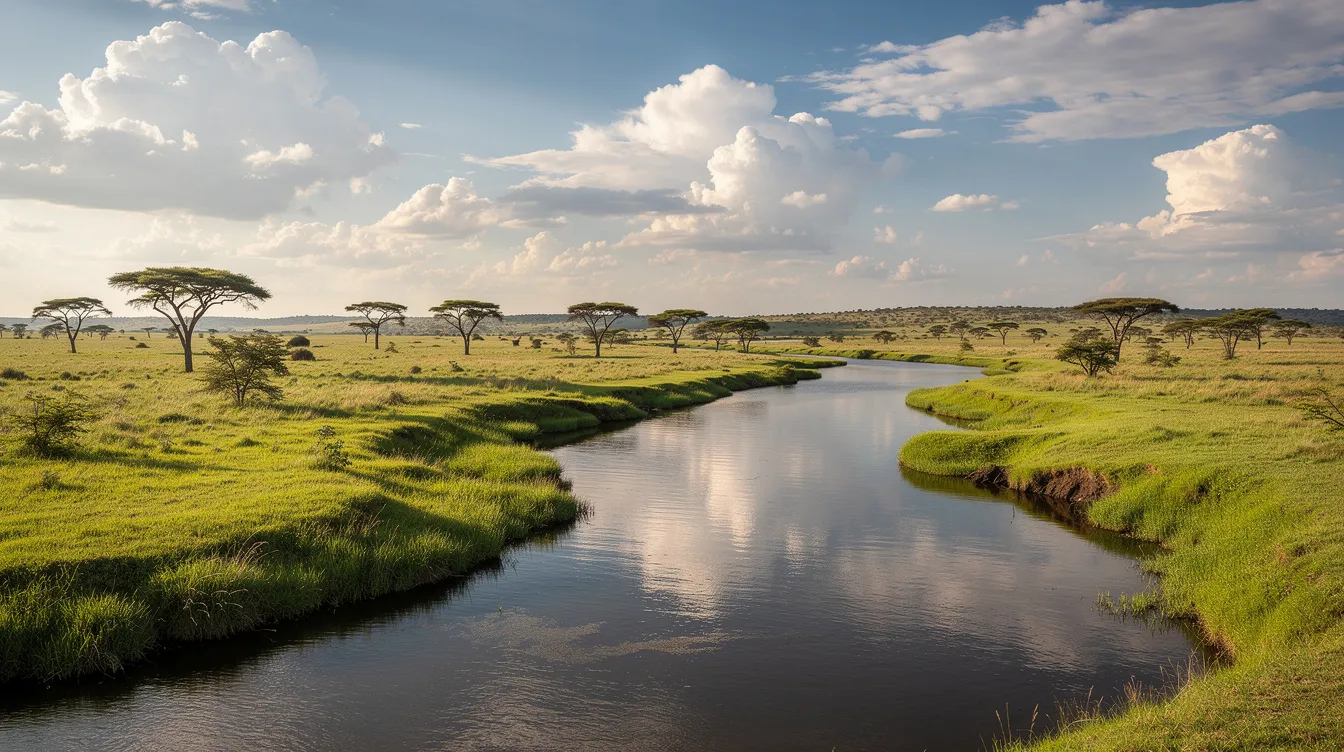
Nigeria’s physical landscape stretches across several climate zones, from the humid tropical coastline in the south to the semi-arid edges of the Sahel in the far north. This diversity makes it one of the most geographically varied countries on the African continent.
Distinct geographic regions include:
Coastal Belt and Niger Delta: The southern part of the country includes the Niger River Delta, one of the world’s largest river deltas, where rivers drain into the Gulf of Guinea, and mangroves and estuaries shape the environment alongside major oil reserves.
Rainforest Belt: Inland from the coast, southern Nigeria features dense tropical rainforest receiving over 2,000 mm of annual rainfall.
Middle Belt (Central Savanna): Characterized by tropical grasslands and open woodland, with moderate rainfall and the cooler Jos Platea,; parts of central Nigeria also face land-use tensions between herders and farming communities.
Northern Plains and Sahel: Drier conditions prevail with a semi-arid climate near Lake Chad, with taller savanna growth farther south and short grasses in the drier far north.
During the rainy season, some secondary roads become difficult to use, while in the dry season, lower river levels can affect transport on waterways such as the Benue.
Nigeria had the highest deforestation rate globally in 2005, losing 35.7% of its forest cover between 1990 and 2005. The country contributes approximately 0.8% of global greenhouse gas emissions. Climate change is causing increased drought and desertification, threatening agriculture and livelihoods. Nigeria’s climate plans focus on agriculture and renewable energy to mitigate these impacts.
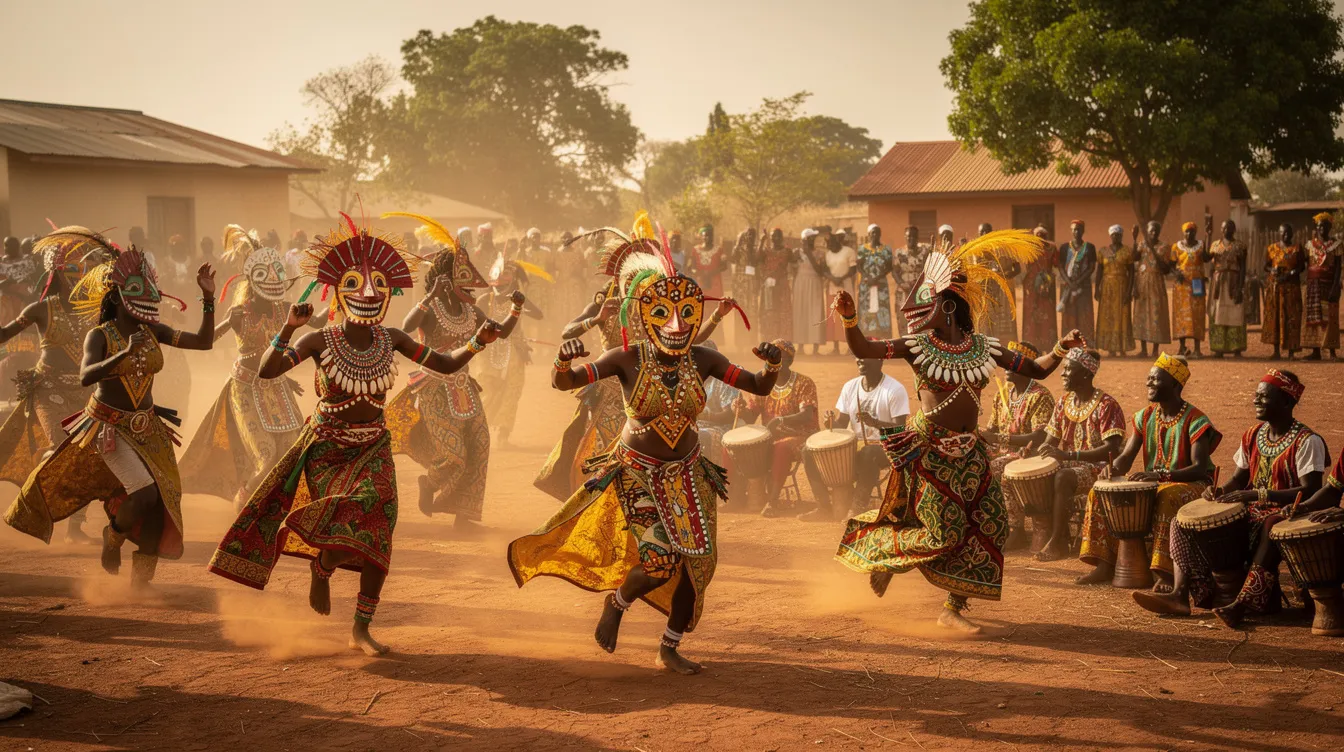
Nigeria is one of the most ethnically diverse countries in Africa, home to over 250 ethnic groups and more than 500 indigenous languages spoken across the nation. The three largest ethnic groups—Hausa, Yoruba, and Igbo—together represent approximately 70% of the population.
Hausa: Predominantly in the north, largely Muslim, and influential in trade and politics.
Yoruba people: Concentrated in the southwest, with a mix of Islam and Christianity, known for rich artistic traditions, music, and a heritage rooted in southwestern Nigeria.
Igbo people: Found mainly in the southeast, predominantly Christian, with a strong entrepreneurial culture, major commercial influence, and deep historical roots.
This diversity shapes Nigeria’s vibrant culture, including its globally influential music genres like Afrobeats, and its film industry, Nollywood, which is the second-largest in the world by production volume.
English serves as the official language to bridge communication across this linguistic diversity and promote linguistic unity across many ethnic communities, while Nigerian Pidgin English acts as a widely spoken lingua franca in urban centers.
Nigeria is often called the “Giant of Africa” due to its large population and economic influence. Nigeria's economy is among the largest in Africa, and it is the fourth largest economy on the continent, with key sectors including:
Oil and Gas: Nigeria ranks as the 13th largest oil producer globally and the 15th largest petroleum producer. Petroleum accounts for about 80% of government revenue. The sector also carries high environmental and safety costs, and illegal refinery explosions caused 125 deaths in 2022.
Agriculture: Contributing 23.4% of GDP, Nigeria is the world’s largest producer of cassava and grows major crops like yams and cocoa. Its wider mineral base also matters, and in 2021, Nigeria produced 8 metric tons of gold.
Services and Creative Industries: Lagos is a major financial and commercial center in Africa. Nollywood and Afrobeats contribute significant cultural exports and economic growth.
Nigeria is a founding member of ECOWAS, playing a key role in regional politics and economic cooperation in support of African unity.
Lagos and Abuja serve as major aviation hubs in Africa. Murtala Muhammed International Airport in Lagos handles the largest volume of international and domestic flights in West Africa. Nnamdi Azikiwe International Airport in Abuja serves the capital and central region.
Popular routes connect Nigeria to Europe, the Middle East, and other African cities. Domestic flights link Lagos, Abuja, Port Harcourt, Kano, and Enugu.
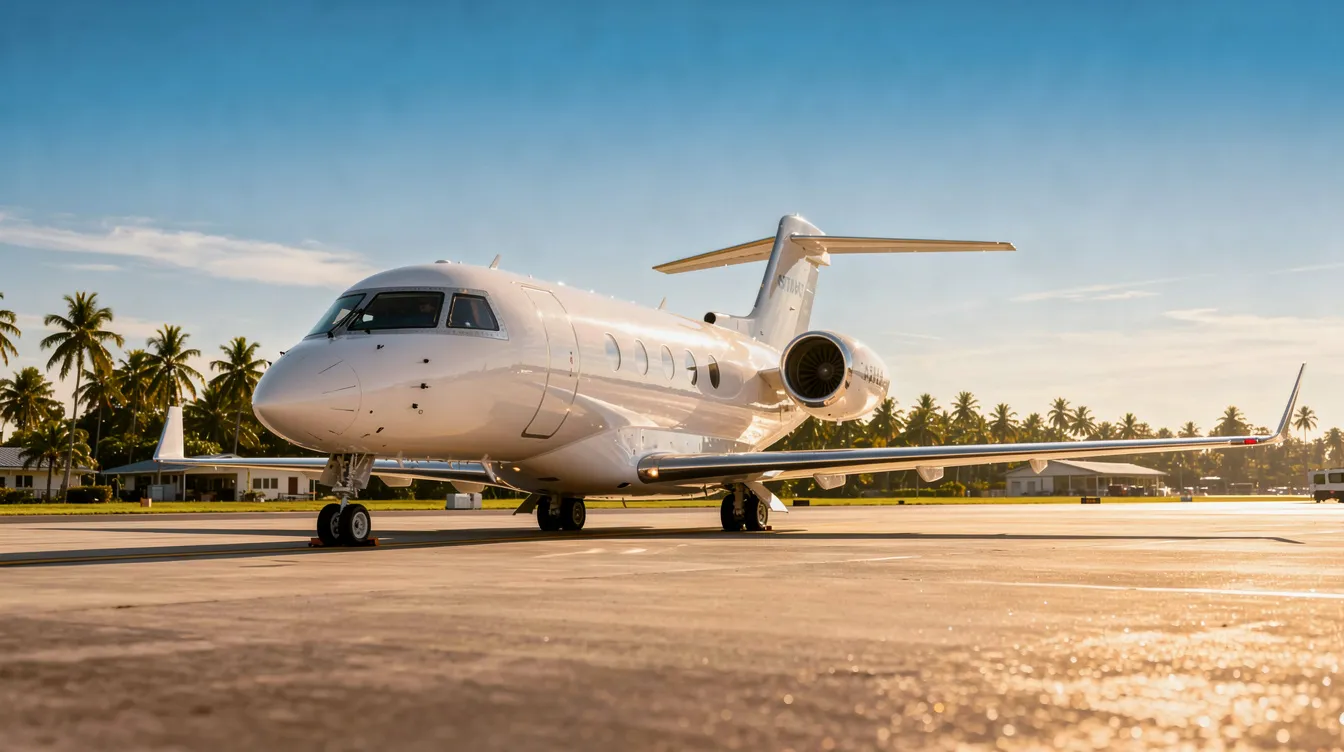
Private aviation platforms like Jettly provide on-demand charter services connecting Nigerian cities with destinations across Africa and beyond, offering flexibility and time savings for business and leisure travelers, supported by an airport locator tool for private jet charter.
Nigeria’s size and economic activity make private jet travel a natural fit. Commercial airline schedules can be limited, and smaller regional airports often lack frequent service.
Jettly is a global private jet charter marketplace serving routes into and out of Nigeria. The platform offers a wide network of private charter aircraft, transparent pricing, and digital booking.
Lagos (Murtala Muhammed International Airport, LOS): Nigeria’s busiest airport and main international gateway, with dedicated FBO facilities.
Abuja (Nnamdi Azikiwe International Airport, ABV): The capital’s airport, centrally located and equipped for charter operations.
Port Harcourt (Port Harcourt International Airport): Serving the Niger Delta oil region.
Kano (Mallam Aminu Kano International Airport): The main airport for northern Nigeria.
Enugu (Akanu Ibiam International Airport): Serving the southeast.
|
Aircraft Type |
Best For |
Example Routes |
|---|---|---|
|
Light Jets |
Short domestic hops (1–2 hours) |
Lagos–Abuja, Abuja–Kano |
|
Midsize Jets |
Regional African routes (2–4 hours) |
Lagos–Accra, Lagos–Douala |
|
Heavy Jets |
Intercontinental flights (5+ hours) |
Lagos–London, Lagos–Dubai by international private jet |
|
Turboprops |
Shorter runways, remote areas |
Abuja–Jos, Lagos–Benin City |
Business Travel: Executives flying between Lagos and Abuja or to other African capitals who rely on charter airlines and private flight options.
Family and Event Travel: Attending weddings, festivals, or cultural events.
Energy Sector: Oil and gas professionals traveling to the Niger Delta often use private jet access to regional and remote airports.
Emergency and Same-Day Trips: When commercial flights are unavailable or inconvenient.
Flexible departure times
Access to regional airports
Transparent digital pricing supported by guides to affordable private jet charter costs
Reduced travel time
For a deeper look at private jet charter, visit Jettly’s guide on how to book a private jet, explore the best private jet charter companies and providers, or use their cost calculator.
Ready to plan a flight to, from, or within Nigeria? Explore aircraft options or request a quote at jettly.com.
Nigeria is officially classified as a West African country. It shares borders with Benin to the west, Niger to the north, Chad to the northeast, and Cameroon to the east, with its southern coastline facing the Gulf of Guinea. Nigeria is a founding and leading member of ECOWAS, the Economic Community of West African States. While some regional classifications overlap near the Cameroon border, Nigeria is firmly West African.
Nigeria has Africa’s largest population, over 226 million people, and one of its biggest economies. Its political influence extends through ECOWAS, the African Union, and the United Nations, and it is widely recognised as one of Sub-Saharan Africa’s strongest military powers. Cultural exports, including Nollywood films, Afrobeats music, and a growing literary tradition, give Nigeria soft power globally. These factors make Nigeria a country that shapes policy, culture, and commerce across the continent.
Nigeria is a presidential federal republic with 36 states and a federal capital territory, operating under a constitution adopted in 1999. The president leads the executive branch, elected for up to two four-year terms. The bicameral National Assembly handles legislation, and the judiciary interprets the constitution. States have governors and legislatures, giving regions autonomy within the federal framework.
Nigeria has over 250 ethnic groups and more than 500 indigenous languages. The three largest ethnic groups are Hausa, Yoruba, and Igbo, representing about 70% of the population. Other sizable groups include Ijaw, Kanuri, Tiv, and Ibibio. English is the official language to bridge communication across this diversity.
Private jets operate regularly to major Nigerian airports like Lagos and Abuja, as well as secondary cities including Port Harcourt, Kano, and Enugu. Standard aviation permits and regulatory requirements apply. Digital charter platforms like Jettly enable travelers to view aircraft options, compare pricing, and book on-demand private flights connecting Nigeria with African and global destinations, with additional flexibility through private jet membership programs. For more details, explore Jettly’s complete guide to private jets in Nigeria.
Nigeria is in Africa—firmly located in western Africa on the Gulf of Guinea—and stands out as the continent’s most populous federal republic, shaped in part by the era when the British defeated many local polities before the modern state emerged. Its ethnic groups, national anthem, hail thee, political system, and economic weight make Nigeria central to Africa’s identity, trade networks, cultural output, and broader African unity. From the Niger Delta oil fields to the tech startups of Lagos, from the tropical grasslands of the Middle Belt to the historic cities of the north, this country commands attention.
As Nigeria’s economy continues to develop and population growth pushes demand for faster, more flexible travel, private aviation will play an increasing role in connecting the country’s major cities and linking Nigeria to the rest of the world.
Ready to experience private travel on your terms? Explore flight options or request a quote at jettly.com.
Share this post:
Jay Franco Serevilla
Jun 28, 2026
|
5
min read
Discover tips and trends in the industry.
5
min read
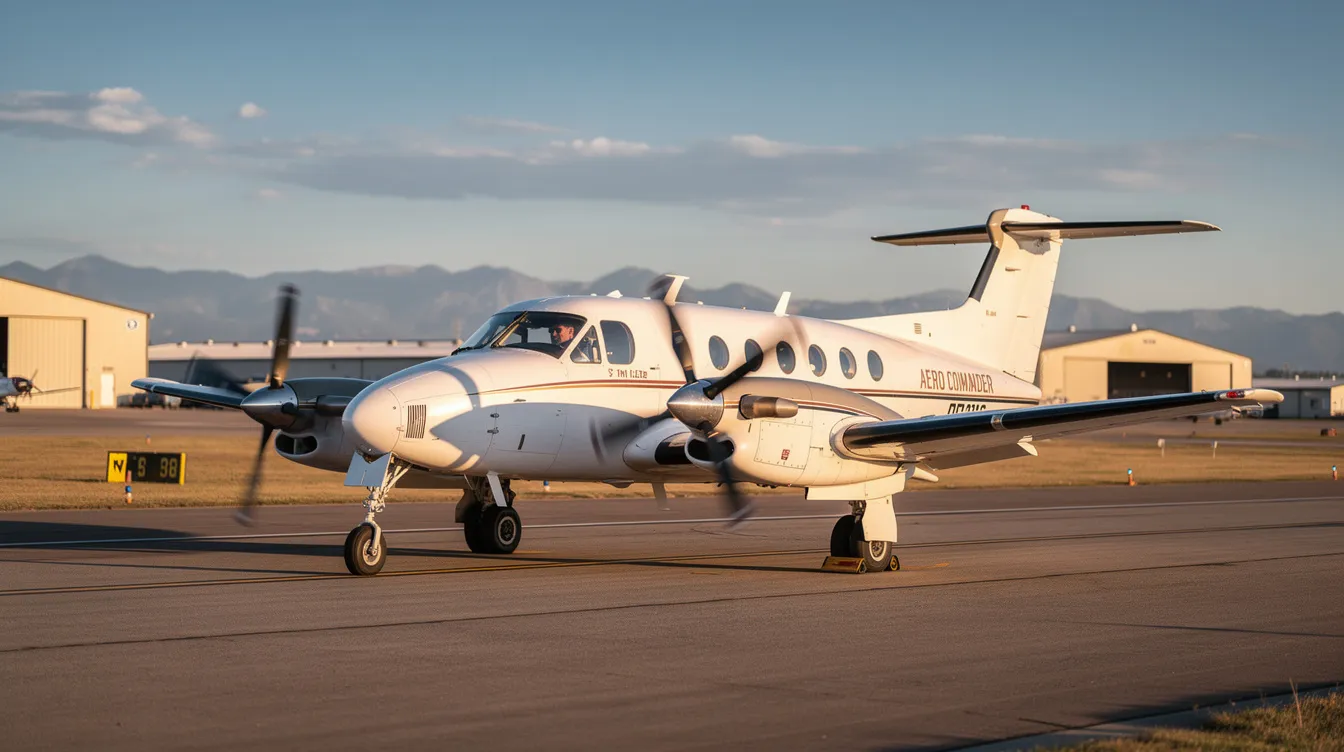
Aero Commander 690: Turboprop Charter Guide
The Aero Commander 690 is a versatile twin-turboprop aircraft ideal for regional charter flights, accommodating 5 to 9 passengers. Known for its short-field capabilities and cost-effectiveness, it offers a practical solution for business and leisure travel. With a range of approximately 1,790 miles and powered by reliable Honeywell engines, it's a popular choice for those seeking efficient air travel.
Read More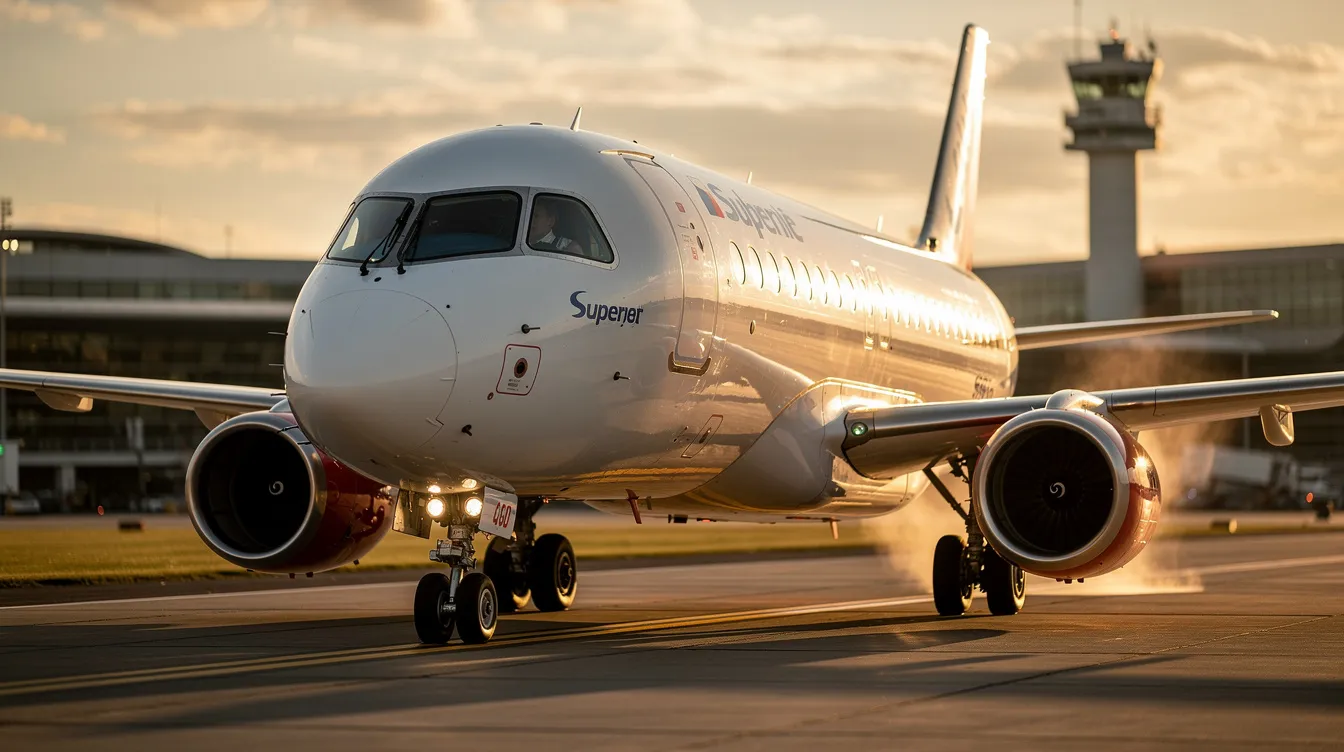
5
min read
Sukhoi Superjet SSJ100: Regional Jet Overview, Variants, and Charter Use
The Sukhoi Superjet SSJ100 is Russia's premier regional jet, designed for short to medium-haul routes with a capacity of 68-103 passengers. Despite its modern design and capabilities, the aircraft faces challenges due to sanctions and limited global support, impacting its international operations. This guide provides insights into its variants, charter use, and operational considerations for aviation enthusiasts and travel planners.
Read MoreStay updated with our latest insights and tips to elevate your journey with us.
MEMBERSHIPS AND ASSOCIATIONS



Disclaimer: Jettly operates as a charter broker, offering access to a global digital jet charter marketplace. Jettly is not a direct air carrier and does not own or operate aircraft. All advertised flights are conducted by third-party air carriers that are fully licensed and hold the appropriate Part 135 or Part 121 certifications issued by the Federal Aviation Administration (FAA) or equivalent regulatory authorities under U.S. or foreign law. Jettly complies fully with the U.S. Department of Transportation's Part 295 and Part 298 Charter Broker regulations. Jettly does not carry additional liability insurance. Passengers are covered by aircraft operator insurance. TICO: 50023770


