



Login
Get Instant Pricing On 23,000+ Aircraft

>
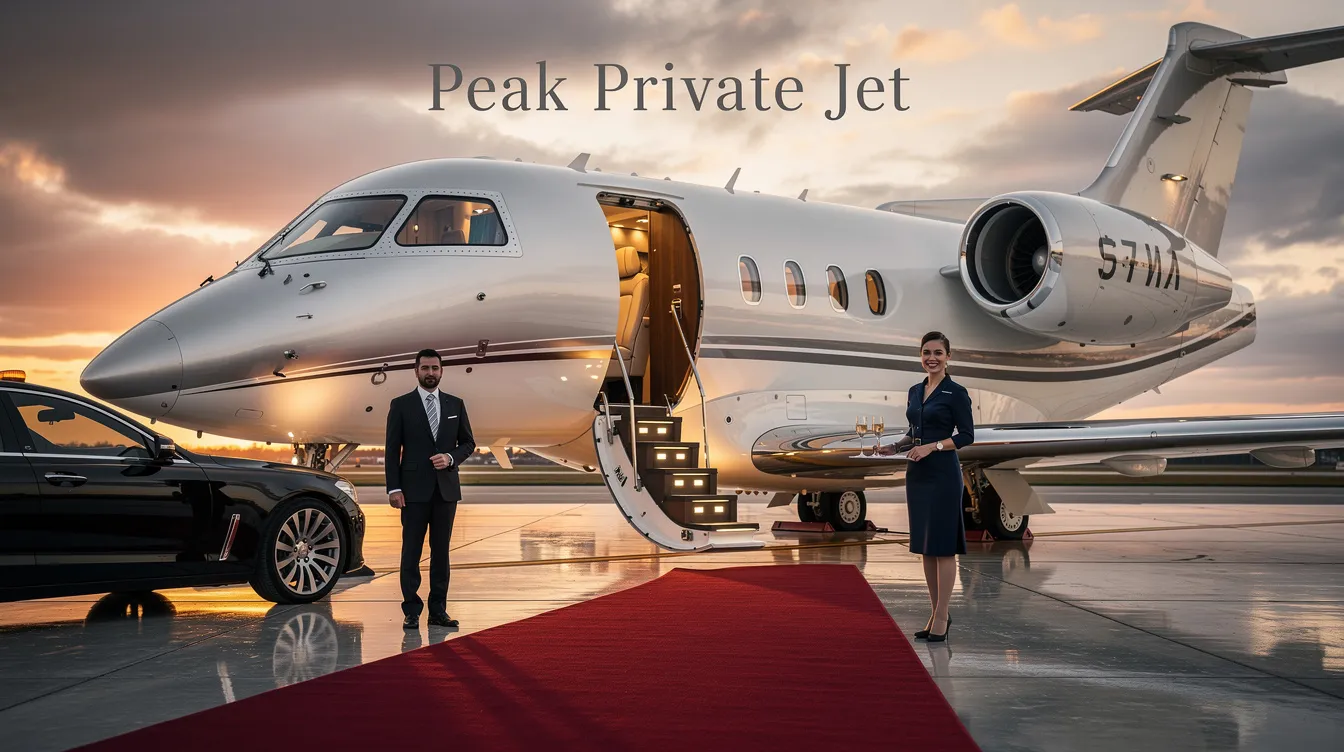
When demand surges and mountain runways get icy, private flying requires more than booking a seat. Understanding peak jets—how peak private jet demand, high-altitude destinations, and aircraft performance intersect—can mean the difference between a seamless trip and a stressful one. This guide is for private jet travelers, brokers, and anyone planning trips during peak travel periods. Knowing how peak demand, challenging destinations, and comfort expectations intersect can help you avoid travel disruptions and maximize value.
Peak jets refers to flying private during peak demand periods (holidays, ski season, major events) into peak destinations like mountain airports, with peak comfort expectations.
The busiest travel time is during the holiday season, with spikes around Thanksgiving, Christmas through New Year, and ski weekends—affecting both pricing and aircraft availability.
Jettly is a digital private aviation platform offering on-demand private jet rentals, with access to over 20,000 unique aircraft and instant pricing to help travelers navigate peak conditions.
Safety at mountain airports depends on operator qualifications, crew experience, weather planning, and regulatory compliance—all of which you should verify before booking.
Booking 90 days in advance is recommended for peak times to lock in the best aircraft and routes.

Peak jets refers to private jet travel during periods of highest demand (such as holidays and major events) and to peak destinations (like mountain airports), where both operational challenges and traveler expectations are at their highest.
Peak Jets sits at the cross-point of three realities: surging demand during holidays and events, challenging mountain airports that limit which aircraft can operate, and travelers who expect flexibility and comfort regardless of conditions. This article breaks down how to handle all three.
Jettly serves business and leisure travelers seeking flexible and transparent private jet travel, including trips to and from Miami. The platform connects users with private jets offering access to over 20,000 unique aircraft globally—an inventory that matters most when peak seasons thin out availability.
What you'll learn:
When and why private jet demand spikes
How mountain airports work and what makes them difficult
Which aircraft fit which missions
How pricing behaves during peak periods
How to plan smarter using Jettly's tools
Private jet usage follows predictable calendar peaks, and travelers who understand how to book the cheapest private jet flights can better time their trips to balance cost and convenience. Peak travel days include the Tuesday before Thanksgiving, the Christmas–New Year window (roughly December 20 through January 3), Presidents' Day weekend, spring break, and major events like the Super Bowl or World Economic Forum in Davos.
Winter months see increased traffic at mountain airports serving ski destinations—Aspen, Vail, Jackson Hole, St. Moritz. Popular mountain airports implement slot programs to manage congestion, and the FAA does the same from December to February. Private jet companies must apply for slot reservations at busy airports during these windows.
Flexible scheduling allows travelers to avoid commercial airline inconveniences. Shifting departure by even one day—Thursday instead of Friday, Sunday instead of Monday—can dramatically improve availability and pricing. On-demand charter costs rise during peaks due to repositioning flights, crew overnight fees, and de-icing expenses. Jettly's instant pricing lets travelers compare options across aircraft types and dates quickly.
Business travel peaks also drive demand. Monday mornings and Thursday evenings on routes like New York–Washington or London–Zurich see heavy private jet traffic as executives skip crowded hubs.
Mountain airports are high-elevation, terrain-confined fields with unique operational requirements. Private jet charter offers access to more airports compared to commercial airlines—private jets can land at over 1,500 airports worldwide, including fields commercial carriers don't serve, and tools like Jettly's airport locator platform help travelers identify suitable fields for their itineraries.

Key mountain airports and their destinations:
|
Airport |
Code |
Elevation |
Serves |
|---|---|---|---|
|
Aspen-Pitkin County |
~7,820 ft |
Aspen |
|
|
Eagle County |
EGE |
~6,540 ft |
Vail, Beaver Creek |
|
Jackson Hole |
~6,451 ft |
Jackson Hole |
|
|
Telluride Regional |
TEX |
~9,078 ft |
Telluride |
These airports are complex: shorter runways, steep approaches, density altitude reducing engine performance, and sudden weather changes that can close a field in minutes. All planes exceed FAA regulations for safety, and aircraft must be safety approved through ARG/US, Wyvern, or IS-BAO before operating through Jettly's private charter aircraft network.
Planning strategies that work:
Fly during daylight when possible
Build weather buffers into itineraries
Have alternate airports ready (Montrose instead of Telluride, Rifle instead of Aspen)
Coordinate ground transfers—car service or helicopter—from airport to resort as part of the itinerary
Choosing the right aircraft for a peak winter flight means balancing runway capability, passenger count, baggage volume, and budget.
|
Aircraft Type |
Best For |
Typical Passengers |
|---|---|---|
|
Short hops to small mountain fields |
4–8 |
|
|
Light jets |
Regional trips, moderate runways |
6–8 |
|
Super midsize |
Cross-country to popular ski airports |
8–10 |
|
Heavy jets |
Long-haul to gateway airports |
10–16 |
Private jet travel allows boarding in under 15 minutes—no security lines, no terminal waits. For frequent travelers, private jets save hundreds of hours annually whether they're flying between major hubs or using regional gateways like private jet charter services in Kolkata, West Bengal. Time is your most precious asset, and private aviation protects it.
Private jet travel provides personalized service and attention to detail. Concierge coordination services can include ground transportation and customized in-flight catering. During peak winter seasons, comfort features that matter include ski and snowboard baggage capacity, cabin layouts for family and multi-generational groups, in-flight Wi-Fi for remote work, and catering tailored to early-morning departure schedules.
Pilots operating into mountain airports need specific training and local terrain familiarity. Jettly connects travelers with crew who understand the unique needs of high-altitude winter operations—from de-icing procedures to runway condition assessments.
Pets fly too. Many private jets are pet-friendly, and peak holiday travel often involves the whole family. Cabin configuration and service expectations should be clarified at booking.
This section is a practical playbook for getting value from your journey during peak periods.
Charter brokers source appropriate aircraft from certified operators rather than owning them. Private aviation companies typically arrange on-demand charter flights without long-term commitments, and private jet charter allows travelers to book flights on an as-needed basis. There is typically no upfront deposit for booking through private aviation brokers like Jettly, which focus on affordable private jet charter by optimizing aircraft and routing.
Booking tips:
Use Jettly's cost estimator to compare live quotes across aircraft classes
Book early—timing matters especially for Christmas and ski weekends
Consider alternate airports to lower costs and avoid congestion
Check empty leg flights—these are repositioning flights offered at reduced prices by charter services, sometimes 25–75% below standard rates
The market is split into on-demand brokers, jet card programs, and fractional ownership programs. Booking models in private aviation include pay-as-you-go and membership programs. Frequent flyers often value services offered by large fractional providers for guaranteed availability. But private jet charter is often more economical than owning an aircraft for infrequent flyers, and brokers like Jettly offer personalized service and flexibility for occasional flyers.
As an exclusive travel solution tailored to people who value both convenience and cost transparency, Jettly also supports environmental considerations—more efficient aircraft choices, route optimization, and carbon offset options are available when providing quotes.
According to Jettly's Private Jet Pricing Index, the average hourly charter rate across U.S. aircraft types was approximately $12,427 per hour as of mid-2026, up about 12.4% year over year, which aligns with broader guidance on how much it costs to rent a private jet for different aircraft sizes and trip profiles.
Ready to enjoy private travel on your own terms? Discover peak private jet options or get a personalized quote at https://www.jettly.com.
Below are answers to common questions about peak jet travel, mountain airports, and booking through Jettly.
Book at least 90 days in advance for major holidays and high-demand ski destinations like Aspen or St. Moritz. Last-minute options may still surface through Jettly's marketplace, but prices tend to be higher and airport choices more limited as peak dates approach.
No. Runway length, terrain clearance requirements, and operator qualifications determine which aircraft can safely operate at specific mountain airports. Jettly filters aircraft and operators based on suitability and local rights, so travelers are matched with jets properly rated for their intended field.
Snow, low visibility, and strong winds can cause delays, diversions, or temporary airport closures. Build schedule flexibility into your itinerary, have alternate airports identified in advance, and rely on Jettly's operators for real-time weather and route adjustments during the flight.
Most private jets accommodate ski equipment, but combined passenger count and aircraft size limit total baggage volume. Share a detailed luggage list with dimensions at the quote stage so Jettly can match you with an aircraft that has appropriate baggage capacity.
Hourly rates stay within typical ranges, but total trip costs may increase due to demand surcharges, limited supply, takeoff positioning legs, and overnight crew costs. Use Jettly's instant pricing to understand the market for specific dates and learn how adjusting airports, times, or aircraft type can help manage the budget. Posts on Jettly's blog cover additional strategies for flying private for less, year-round.
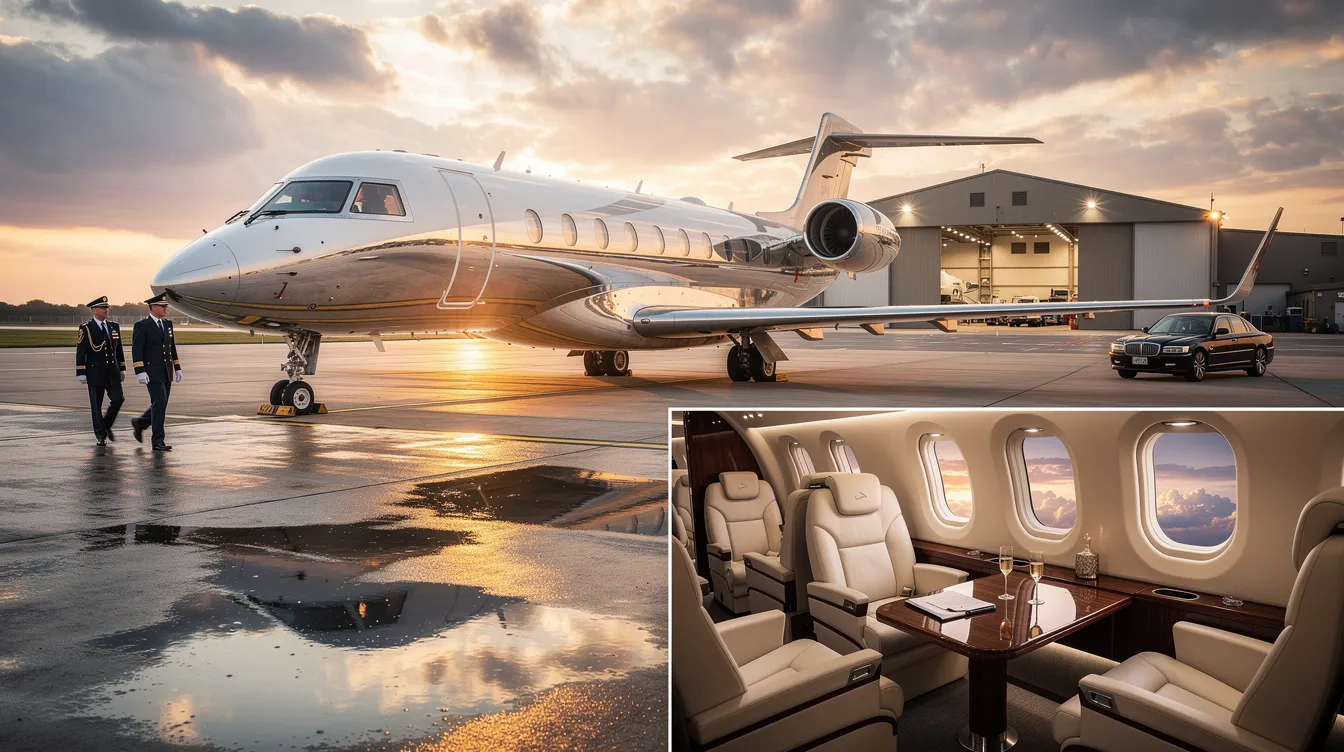
Peak jets represent the intersection of high demand, challenging destinations, and elevated traveler expectations. Understanding when private jet demand peaks, the complexities of mountain airports, and the importance of selecting the right aircraft ensures a seamless and comfortable travel experience. Jettly’s digital platform offers instant pricing and access to over 20,000 aircraft worldwide, empowering travelers to navigate peak seasons with confidence and convenience. By booking early, considering alternate airports, and leveraging Jettly’s tools, private jet travelers can enjoy flexibility, safety, and personalized service even during the busiest travel times.
Ready to experience private travel on your own terms? Explore flight options or request a personalized quote at https://www.jettly.com. Learn more about private jet charter costs, discover our empty leg flights, check out the airport locator platform, explore our jet card programs, and use the charter cost estimator to plan your trip efficiently.
Share this post:
Jay Franco Serevilla
Sep 3, 2026
|
5
min read
Discover tips and trends in the industry.
5
min read
Medevac Flight Cost: What a Medical Evacuation Really Costs in 2026
In 2026, medevac flight costs range from $25,000 for short domestic transfers to over $200,000 for complex international missions. Factors influencing pricing include distance, aircraft type, and patient medical needs. Understanding these costs is crucial for families facing urgent transport decisions, especially when insurance coverage varies significantly.
Read More
5
min read
Havasu Falls Helicopter Price: Costs, Schedule, and How to Book in 2026
Planning a trip to Havasu Falls in 2026? The helicopter service offers a quick alternative to the challenging hike, costing approximately $300 one-way. Flights operate on select days and are first-come, first-served, so early arrival is essential. Remember, a valid permit is required for all visitors to access the falls.
Read MoreStay updated with our latest insights and tips to elevate your journey with us.
MEMBERSHIPS AND ASSOCIATIONS



Disclaimer: Jettly operates as a charter broker, offering access to a global digital jet charter marketplace. Jettly is not a direct air carrier and does not own or operate aircraft. All advertised flights are conducted by third-party air carriers that are fully licensed and hold the appropriate Part 135 or Part 121 certifications issued by the Federal Aviation Administration (FAA) or equivalent regulatory authorities under U.S. or foreign law. Jettly complies fully with the U.S. Department of Transportation's Part 295 and Part 298 Charter Broker regulations. Jettly does not carry additional liability insurance. Passengers are covered by aircraft operator insurance. TICO: 50023770


