


Login
Get Instant Pricing On 23,000+ Aircraft

>
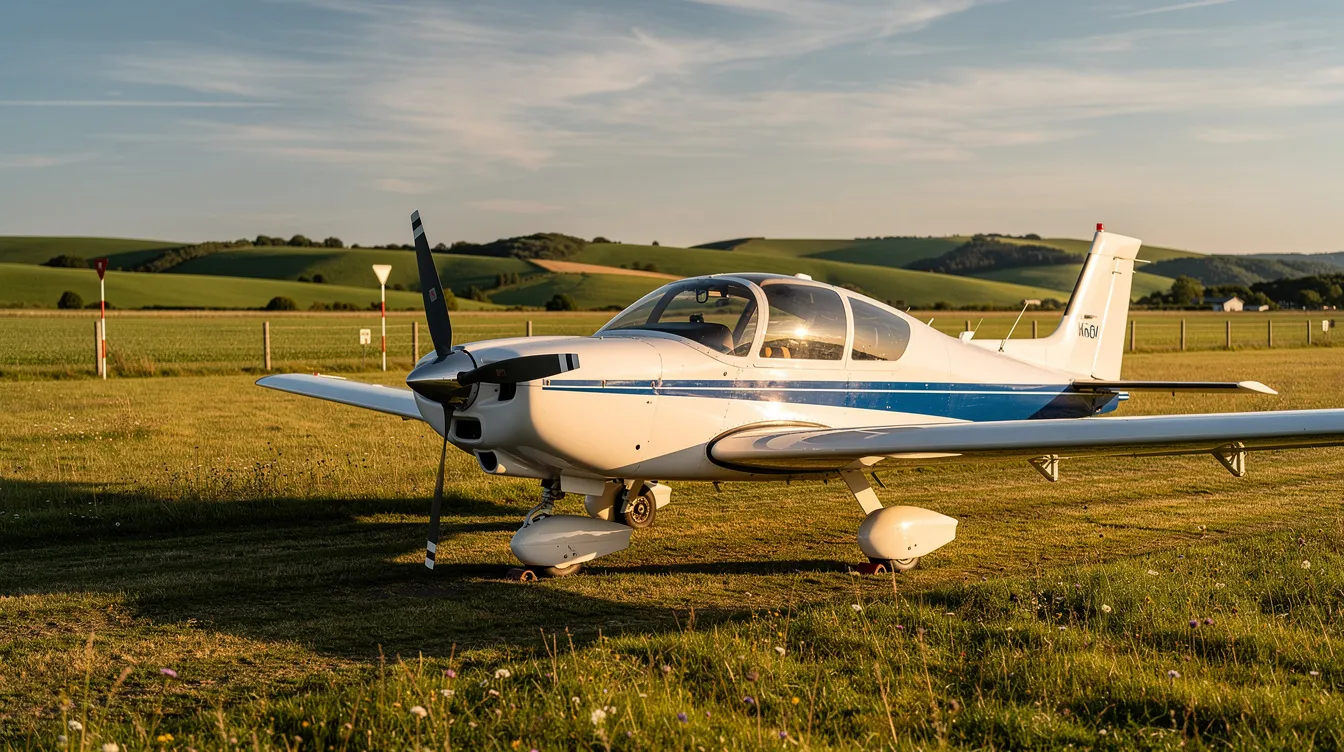
The Piper PA-28 Cherokee is a widely used family of four-seat, single-engine light aircraft introduced by Piper in 1960, best known for flight training and personal flying. Its low-wing, all-metal design helped shape general aviation, making it a familiar aircraft to pilots, prospective flight students, private owners, aviation enthusiasts, and travelers comparing small piston aircraft with larger private charter options.
This guide looks at the PA-28’s history, design evolution, major variants such as the Warrior, Archer, and Arrow, along with its operational roles, flight performance, and key safety and maintenance considerations. It also places the PA-28 in the broader private aviation market by comparing what this aircraft does well for short personal trips and training versus when chartered turboprops and jets available through platforms like Jettly make more sense.
The Piper PA-28 Cherokee series is a family of all-metal, single-engine light aircraft introduced by Piper Aircraft in 1960. Over 32,000 Piper PA-28 aircraft have been delivered, making it a cornerstone of general aviation worldwide.
Early Piper Cherokee models used a constant-chord "Hershey Bar" wing, while later PA-28 variants adopted a semi-tapered wing starting in 1974 to improve climb rate and stall characteristics.
Typical roles for the PA-28 include flight training, personal use transport, and limited air taxi work. These planes complement private jet charter missions on shorter, regional hops.
Jettly does not charter PA-28s as private jets, but many charter pilots and owners started their flying careers in the Piper Cherokee family before transitioning to larger aircraft.
Readers can learn how PA-28 experience connects to chartering larger aircraft and explore options at Jettly.
The Piper PA-28 is a family of four-seat (with some two-seat trainer variants) light aircraft produced by Piper Aircraft since 1960. Designed primarily for flight training and personal flying, the Cherokee series was never intended as a luxury charter platform. Instead, it filled a critical gap in general aviation: an affordable, rugged airplane that almost anyone could learn to fly.
The PA-28 line includes dozens of sub-models sharing a basic layout of low-mounted wings, a single engine, and fixed gear (or retractable landing gear in the Arrow family). Key names in the lineup include the Cherokee 140, 150, 160, and 180, along with later models like the Warrior, Archer, Dakota, and Arrow. Cabin accessibility is enhanced by a signature single cabin door on the right side, and the cabin seats up to four people across front seats and rear positions for rear seat passengers.
The Piper Cherokee sits in the same general aviation category as the Cessna 172, but with a low-wing configuration preferred by many pilots for its handling traits and ground visibility. The aircraft's low-wing design helps to shield from crosswinds during taxiing, and the low-wing configuration provides excellent visibility in turns. Within the broader Piper aircraft lineup, the PA-28 sits below larger models like the PA-32 and PA-46, which are more comparable to aircraft sometimes seen in charter roles. The PA-28 family has become a mainstay of flight training and recreational flying, and the PA-28 series is commonly used for personal transportation and regional trips. It also holds a strong resale market due to its enduring popularity.
Development of the pa 28 began in the late 1950s under the direction of engineers Fred Weick and John Thorp, who shaped the aircraft's straightforward philosophy. The first PA-28 received FAA certification in 1960, and the type certificate was issued as a replacement for Piper's fabric-covered Pacer and Tri-Pacer line. The PA-28-150 was certified on June 2, 1961, marking the start of volume deliveries.
Key milestones unfolded rapidly:
Early 1960s: Introduction of the Cherokee 150 and 160 with modest horsepower for training. Piper began producing the PA-28-180 in 1963, creating the first truly four-seat capable Cherokee.
Late 1960s: The fuselage lengthened slightly on Archer and Challenger variants to increase cabin room. The Arrow (PA-28R) arrived with retractable landing gear and a constant-speed propeller, targeting pilots who needed complex-aircraft experience.
1974: Piper switched to a semi-tapered wing design, first widely seen on the Cherokee Warrior (PA-28-151). This new wing improved climb performance and stall behavior, a meaningful change for training operations.
International production: Brazilian EMB-711/712 Corisco/Tupi derivatives were built by Embraer. Argentine manufacturer Chincul SACAIFI assembled several hundred PA-28s between 1972 and 1995. Chile assembled PA-28-236 Dakotas for the Chilean Air Force.
For over a decade after the 1974 wing change, Piper continued refining the lineup with new interior options and avionics upgrades. Piper's original company declared bankruptcy in 1991, reorganized as New Piper Aircraft in 1995, and renamed back to Piper Aircraft in 2006. Selected PA-28 variants-such as the Archer LX, Archer TX, and the Warrior III-remain in production into the 2020s, and the Piper PA-28 series includes over 32,000 aircraft delivered to date.
The PA-28 is an all-metal, semi-monocoque airframe with a traditional flight control configuration. It uses fixed tricycle landing gear (except the Arrow), which simplifies takeoffs and landings for student and private pilots. Side-by-side seating accommodates two people up front and two in the rear, though some training variants are configured as dedicated two-seat planes.
The original wing design is known as the "Hershey Bar" wing-popularly called that because of its constant chord, rectangular planform. Built around a NACA 65(2)-415 airfoil, this Hershey Bar wing delivers docile stall characteristics with the root stalling first, preserving aileron effectiveness throughout the stall sequence. The PA-28-150 was certified with a gross weight of 2,150 lb using this wing. It served the Cherokee 140, 150, 160, and early 180 models well for over a decade.
When Piper introduced the tapered wing in 1974, the design philosophy shifted. The new wing features a longer span with tapered outer panels and enlarged leading edges, incorporating more cambered airfoil sections along the inboard portion. These cambered airfoil sections, combined with wing twist (washout), help prevent tip stall by ensuring that the inboard sections stall first. Without this feature, a straight tapered wing would risk stall outboard, reducing aileron effectiveness and potentially causing a wing drop.
Tapered wings tend to float more during landing flare, which some pilots find requires more precise speed management. The leading edges on the outer panels are shaped differently from the inboard section to further manage airflow and prevent tip stall at low speeds. The ongoing debate among pilots about handling differences versus the original Hershey bar design remains lively.
The PA-28 features several distinctive control elements:
A stabilator (all-flying horizontal tail) with an anti-servo tab, providing stabilator trim through a trim wheel located between the pilot's side and right seat. The stabilator with an anti-servo tab gives pitch feedback that increases with deflection.
A flap bar system in early aircraft for manual flap deployment. Some later models replaced this with an overhead crank or electric motor. Flaps can extend up to 40 degrees on the PA-28.
Differential toe brakes on the rudder pedals for ground steering, along with a parking brake lever for securing the aircraft.
The throttle quadrant features throttle, mixture, and propeller advance control levers (on constant-speed prop models). A rudder trim knob is typically located near the instrument panel.
Springs acting on the nose gear provide centering force during taxi and takeoff, complementing the rudder pedals for ground handling.
The single door on the right side means the pilot side entry requires sliding across, though this layout is familiar to most Cherokee pilots.
The PA-28 requires manual fuel management as it typically lacks a "BOTH" fuel selector, meaning pilots must actively switch between left and right tanks during flight.
Early 1960s models featured traditional steam gauges on the instrument panel-altimeter, airspeed indicator, and basic engine instruments. Many PA-28s flying today have been retrofitted with GPS navigators, modern autopilots, and glass panel displays. Factory-new Archers come equipped with Garmin G1000 NXi suites, making them capable IFR platforms.
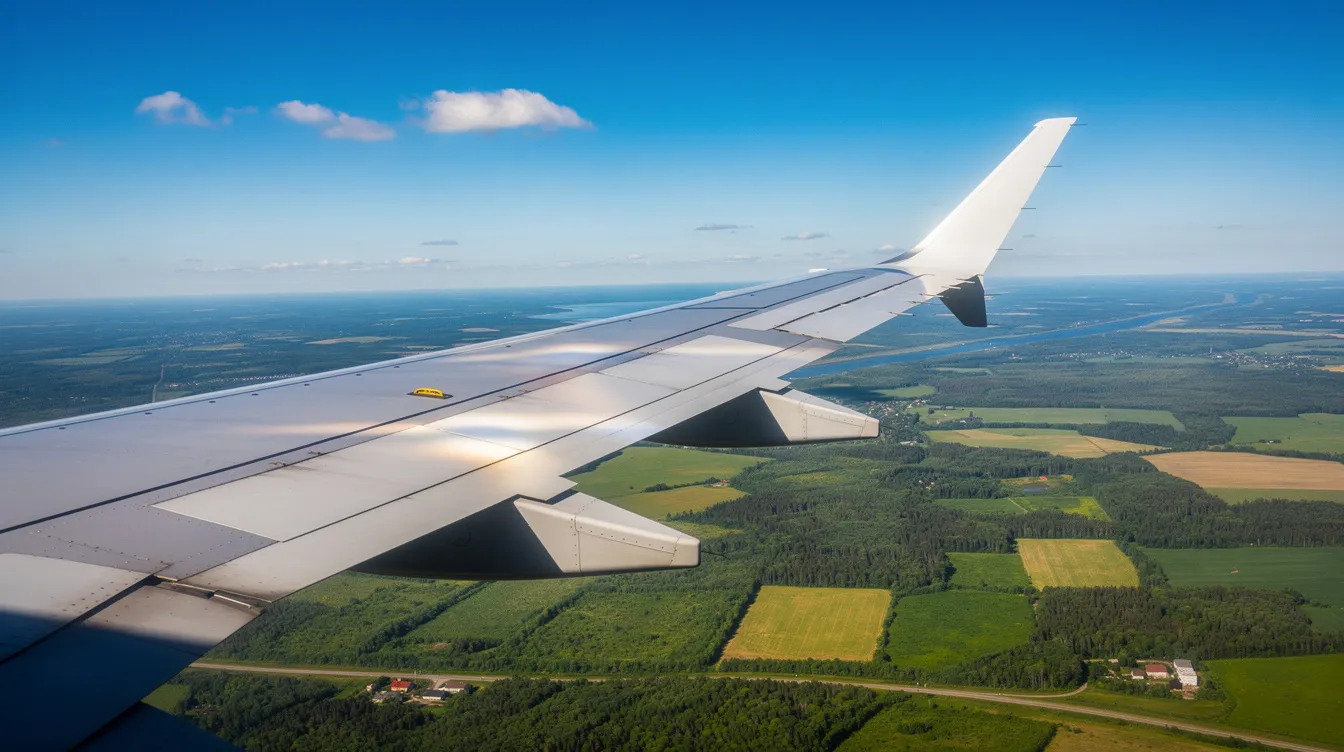
The PA-28 family spans from basic trainers to higher-performance touring aircraft, with Piper installing engines ranging from 140 hp to 235 hp across fixed-gear models. The PA-28 series includes models with engines from 140 to 300 hp when counting turbocharged Arrow variants. Each model number corresponds to a specific combination of engine, wing type, and equipment level.
Notable variants include:
|
Model |
Engine Power |
Wing Type |
Max Takeoff Weight |
Typical Role |
|---|---|---|---|---|
|
Cherokee 140 |
140 hp |
Hershey Bar |
2,150 lb |
Entry-level trainer |
|
Cherokee 150/160 |
150-160 hp |
Hershey Bar |
2,200 lb |
Training, personal use |
|
Cherokee 180 |
180 hp |
Hershey Bar / Semi-Tapered |
2,400 lb |
Four-seat personal transport |
|
Warrior (PA-28-151/161) |
160 hp |
Semi-Tapered |
2,400 lb |
Flight training |
|
Archer (PA-28-181) |
180 hp |
Semi-Tapered |
2,400 lb |
Personal cruiser |
|
Dakota (PA-28-235/236) |
235 hp |
Semi-Tapered |
2,550 lb |
Heavier loads, touring |
|
Arrow (PA-28R) |
200-300 hp |
Semi-Tapered |
2,550 lb |
Complex aircraft training |
Performance reference points for a typical PA-28 with 180 hp: the Piper PA-28 has a cruise speed of 108 knots, a stall speed of 47 knots, and fuel burn in the 8–11 gph range depending on power setting. The PA-28 series is considered economical to operate compared to similar small aircraft, though speed, range, and cabin comfort differ significantly from light jets and larger turboprops commonly accessed through private charter platforms like Jettly.
The Piper PA-28 is one of the most widely used training platforms worldwide. Flight schools select it for the forgiving flight characteristics that make it suitable for training, its durability under high-utilization schedules, and its straightforward systems. The PA-28 has a reputation for smooth, predictable handling and stable instrument performance, qualities that matter during a student's early hours.
Typical training missions include:
Ab initio private pilot training (PPL) in Cherokee 140 or Warrior variants
Instrument training (IFR) when the PA-28 family is equipped with modern avionics—the PA-28 family is frequently used for instrument training in this configuration
Commercial pilot time-building over hundreds of cross-country hours
Complex-aircraft endorsements using the Arrow's retractable gear and constant-speed propeller
Owners frequently use PA-28s for personal use and family trips of 200–500 nautical miles. Weekend flights between regional U.S. cities or staged cross-country trips are common, and pilots weighing rental versus ownership can benefit from understanding affordable aeroplane rental costs and options. The aircraft handles well from smaller general aviation airfields that commercial airlines don't serve.
Some PA-28 models see limited use in Part 135 air taxi operations on very short routes. However, most commercial charter clients looking for speed and comfort prefer turboprops or jets, and many compare different affordable private jet charter options before booking. Regulatory requirements for Part 135—including 100-hour inspections, crew qualifications, and operational oversight—add complexity that most PA-28 operators don't pursue.
Many pilots who now fly charter aircraft listed on Jettly built their experience in PA-28s. And some charter customers are themselves PA-28 owners who turn to charter services—or even crowdsourced private jet flights with shared seats—for longer or international journeys that exceed the Cherokee's practical range.
The Piper PA-28 is not typically presented as a private "jet" charter option. But understanding its capabilities helps travelers see the difference between owner-flown light aircraft and professional chartered flights available through platforms like Jettly.
Cabin size and comfort: The PA-28's narrow four-seat cabin with basic seating and a single door entry contrasts sharply with the stand-up cabins, club seating, and in-flight catering support available on many light jets and midsize jets. A Phenom 300E, for example, offers a pressurized cabin with a lavatory and baggage compartment that no Piper PA variant can match.
Performance: A cruise speed of around 108 knots in a typical PA-28 compares unfavorably with 350–450 knots for popular charter jets. On a business route like New York to Miami (~1,100 nm), a PA-28 would need multiple fuel stops and roughly 10+ hours of flying. A light jet covers the same distance nonstop in under three hours.
Operations: PA-28s are often flown by a single owner-pilot from smaller GA airfields. Aircraft accessed via Jettly are operated by certified commercial operators, flown by professional crews under strict safety and maintenance oversight consistent with charter industry standards.
For readers who have flown in PA-28s or are familiar with general aviation, stepping up to chartered turboprops and jets through Jettly can expand both travel radius and comfort, especially when evaluating a NetJets alternative for flying private. Explore available aircraft at jettly.com.
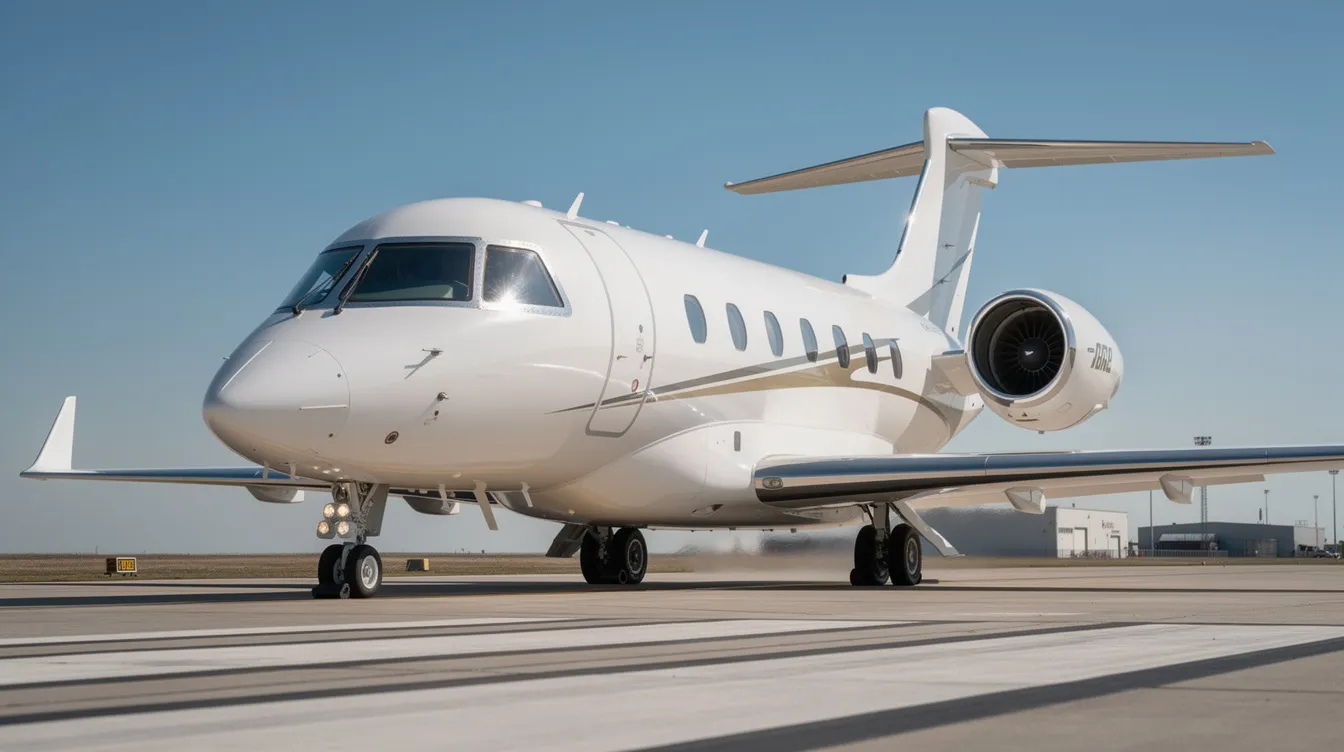
The safety record of the Piper PA-28 reflects its enormous global fleet size and widespread training use. AOPA data from 1982–1999 show fixed-gear PA-28s averaging about six accidents per 100,000 flight hours—comparable to other popular trainers. Proper maintenance, pilot training, and adherence to operating limitations remain critical.
PA-28 maintenance guidelines draw from Piper Aircraft maintenance manuals and decades of service bulletins and airworthiness directives (ADs). The PA-28 features relatively straightforward maintenance due to its all-metal construction, but aging airframes demand attention to corrosion and fatigue.
Key maintenance considerations include:
Annual inspections are required under FAA Part 91. Aircraft used for hire need 100-hour inspections as well.
Engine overhaul intervals: Many Lycoming engines used in PA-28s carry a TBO of approximately 2,000 hours. Complete logbooks and compliance tracking are essential for maintaining airworthiness.
Wing spar ADs: Following a 2018 in-flight wing separation on an Arrow, the FAA issued AD 2020-26-16 requiring eddy current inspections of main wing spar bolt holes on roughly 5,440 U.S.-registered PA-28 and PA-32 aircraft. Additional corrosion-related ADs affect over 11,000 airframes.
Some notable accident investigations have focused on structural fatigue and pilot decision-making. These cases underscore why regulated charter operations and strong safety management systems are valued for private travel. When booking through Jettly’s private charter aircraft network, charter operators must meet regional regulatory standards such as FAA Part 135 in the U.S. or equivalent frameworks elsewhere—an added layer of oversight that individual PA-28 owners don't always have.
Jettly is a digital private aviation platform that complements, rather than replaces, aircraft like the Piper PA-28. When travelers need more seats, range, speed, or business-oriented comfort than a piston-engine Cherokee can deliver, Jettly fills the gap.
The platform provides instant pricing and access to a global fleet of over 20,000 aircraft—including turboprops, light jets, midsize jets, and large-cabin aircraft. These outperform PA-28s on multi-city schedules and long-distance travel by a wide margin.
Common scenarios where a GA pilot or PA-28 owner might opt for charter include:
Urgent same-day business travel across several states
International flights require customs clearance and pressurized cabins
Family holidays need larger cabins, luggage capacity, and onboard amenities
Multi-leg trips where a 108-knot cruise speed simply isn't practical
Jettly emphasizes transparent pricing, on-demand booking without long-term ownership commitments, and the ability to choose an aircraft category that best fits the mission. Travelers who are evaluating ownership versus charter can explore how much a private jet costs in detail. Use the Private Jet Cost Calculator or Jettly’s jet card flight cost estimator to compare options, or learn how to book a private jet through the platform.
Ready to experience private travel on your terms? Explore flight options or request a quote at jettly.com and learn more about Jettly’s charter options at jettly.com.
Share this post:
Jay Franco Serevilla
Jul 1, 2026
|
5
min read
Discover tips and trends in the industry.

5
min read
Planet 9 Aviation: Ultra Long Range Private Air Travel & How Jettly Helps You Charter It
Planet 9 Aviation specializes in ultra-long-range private jet travel, offering a managed fleet for intercontinental charters. Through Jettly, travelers can easily access these services without the need for ownership or jet cards, ensuring flexibility and convenience in booking private flights.
Read More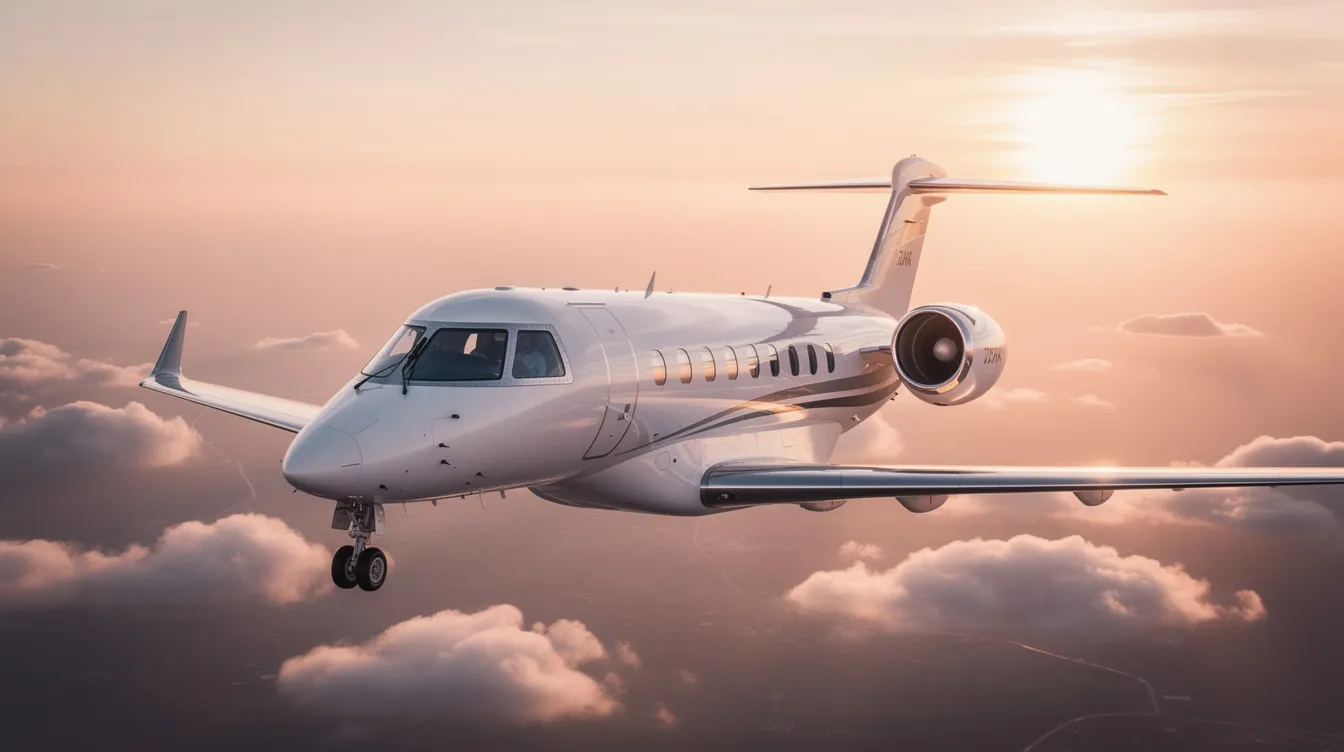
5
min read
Guide to Aviation Blogs: From Student Pilots to Private Jet Travelers
Aviation blogs have evolved into essential resources for student pilots, aviation businesses, and private jet travelers. They provide valuable insights on flight training, market trends, and charter options, helping readers make informed decisions. With contributions from industry professionals, these blogs serve as a bridge between education and practical application in aviation.
Read MoreStay updated with our latest insights and tips to elevate your journey with us.
MEMBERSHIPS AND ASSOCIATIONS



Disclaimer: Jettly operates as a charter broker, offering access to a global digital jet charter marketplace. Jettly is not a direct air carrier and does not own or operate aircraft. All advertised flights are conducted by third-party air carriers that are fully licensed and hold the appropriate Part 135 or Part 121 certifications issued by the Federal Aviation Administration (FAA) or equivalent regulatory authorities under U.S. or foreign law. Jettly complies fully with the U.S. Department of Transportation's Part 295 and Part 298 Charter Broker regulations. Jettly does not carry additional liability insurance. Passengers are covered by aircraft operator insurance. TICO: 50023770


