



Login
Get Instant Pricing On 23,000+ Aircraft

>
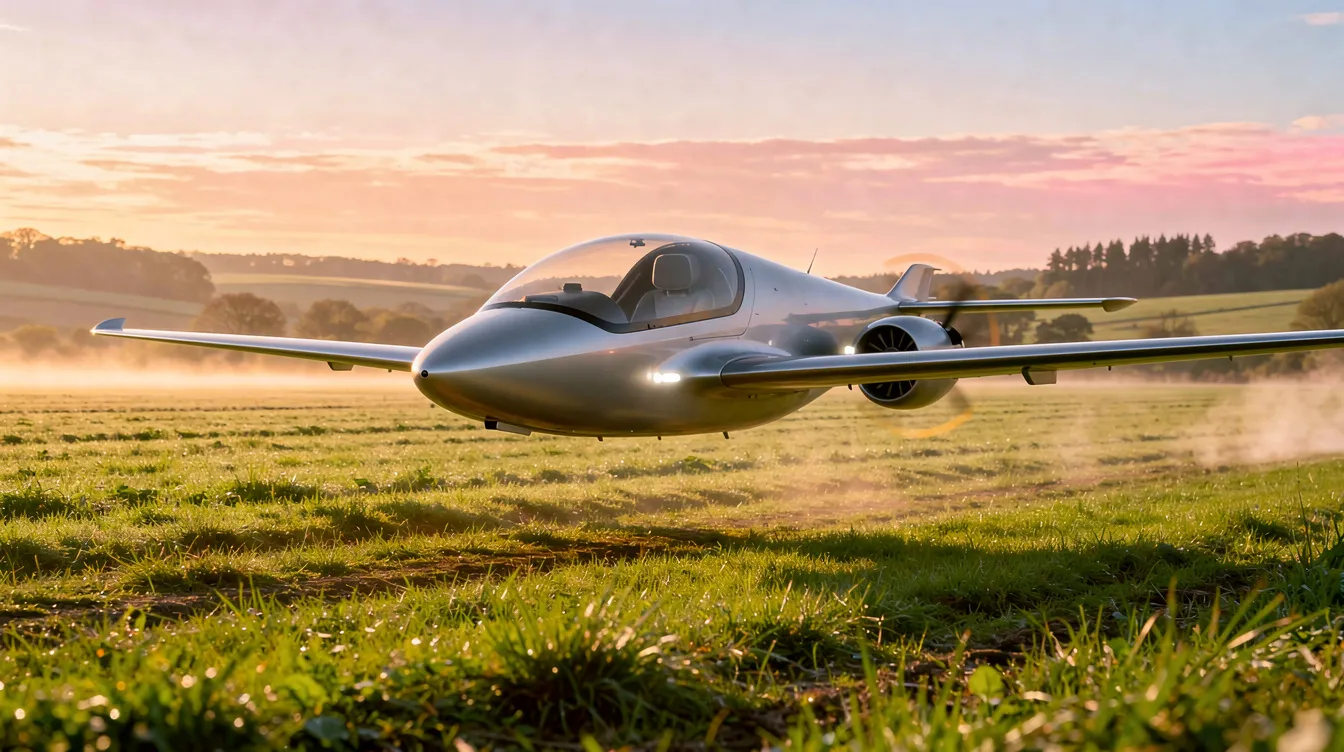
The idea of a plane car for sale used to sound like something pulled straight from a sci-fi film. In 2026, it is real. Several models are accepting deposits, production slots are sold out for years ahead, and a small but growing line of buyers is ready to bring one home. This article breaks down what is actually available, what it costs, and how it compares to chartering a private aircraft through platforms like Jettly.
Flying cars like AeroMobil, Jetson ONE, and Pivotal Helix are already for sale or reservation, with prices starting around $148,000 to $190,000 and delivery timelines stretching into 2028.
A plane car for sale today mostly means an ultralight or experimental vehicle designed for short recreational hops—not a street-legal commuter car that can also fly across the country.
Ownership costs are steep: six-figure acquisition prices, deposits up to $50,000, plus training, storage, insurance, and maintenance. Total cost of ownership is a crucial factor when buying a plane or a car.
The latest version of several flying cars offers electric propulsion, vertical takeoff and landing, and compliance with FAA Part 103 ultralight rules in the U.S.
For flexible private air travel today, platforms like Jettly offer instant-quote access to over 20,000 certified aircraft—no flying car purchase required. Explore Jettly's options.
A flying car is broadly a vehicle designed to operate in the air and, in some cases, drive on roads. Searches for "plane car for sale" surged after announcements from AeroMobil in Europe, Pivotal's Helix in the U.S., and Jetson ONE's eVTOL. But there is an important distinction: true road–air hybrids like AeroMobil can drive and fly, while pure eVTOLs like the Helix and Jetson ONE are airborne-only vehicles often called flying cars even though they never touch a public road.
By late 2026, several models are available for preorder or in limited production runs. All target wealthy early adopters, not everyday commuters hoping to skip the morning drive into town. If you have been browsing Craigslist or niche airplane marketplaces hoping to buy one, know that these are specialized purchases—aircraft purchases require considerably more due diligence than car purchases. Jettly does not sell flying cars, but its marketplace already delivers many of the benefits people dream about: point-to-point speed, flexible scheduling, and the ability to reach thousands of airports that airplanes on commercial routes ignore.
Here are the models buyers can actually reserve or order today.
|
Model |
Type |
Price or reservation |
Flight details |
Availability and key notes |
|---|---|---|---|---|
|
AeroMobil |
Road–air hybrid |
Ultra-high-end; current price and ordering are not available |
Transforms from car to aircraft in under three minutes; over 10,000 hours of flight tests reported |
Program is inactive and no units are currently in active production or sale |
|
Jetson ONE |
Single-seat electric eVTOL |
Around $148,000; $8,000 non-refundable deposit |
About 20 minutes of flight time; speeds up to about 63 mph |
2026 and 2027 production is sold out; new orders target 2028 delivery slots |
|
Pivotal Helix |
Single-seat electric eVTOL |
Starts at $190,000; $50,000 reservation deposit |
About 30 minutes per charge; cruises at roughly 62 mph; vertical takeoff and landing |
Delivery estimates of 9–12 months, with a backlog extending beyond one year |
AeroMobil is positioned as an ultra-high-end flying car. Its road–air hybrid design transforms from car to aircraft in under three minutes. The latest version has undergone over 10,000 hours of flight tests and more than 350,000 hours of engineering development. It was built to carry a pilot between cities on trips of 150–500+ miles, targeting the market in Europe and the U.S. However, the company filed for bankruptcy in 2023, and no units are currently in active production or sale.
Jetson ONE is a single-seat, electric, recreational eVTOL rather than a road car. Full price is around $148,000 with a non-refundable $8,000 deposit. Production for 2026 and 2027 is sold out, with new orders aiming at 2028 delivery slots. Demand is global—buyers from California, Colorado, Washington, Nevada, Oregon, Europe, and Australia have placed orders. Flight time is approximately 20 minutes at speeds up to about 63 mph.
Pivotal Helix is a single-seat, electric flying car derived from the earlier BlackFly design, first flown in 2011 and revealed publicly in 2018. It operates under FAA Part 103 ultralight rules in the U.S., meaning Pivotal's Helix does not require a pilot's license to fly. The Helix flying car takes off and lands vertically without a runway, cruises at about 62 mph, and offers around 30 minutes of flight time per charge. The Helix flying car starts at $190,000, with delivery timelines of 9–12 months and a backlog extending beyond one year.
Each model has strict operating envelopes: low-altitude recreation use, no flight over congested areas, and limited payload and range compared with certified aircraft in Jettly's charter marketplace.
Anyone evaluating a plane car for sale should focus on a clear checklist. The latest version of these vehicles opens up exciting possibilities, but specifications matter more than hype.
Safety and certification. AeroMobil logged over 10,000 flight test hours. Helix has a flawless safety record with over 9,000 flights and only 18 moving parts for safety and reliability. Pre-purchase inspections are essential before buying an aircraft of any type.
Flight performance. Typical cruise speeds sit between 50 and 80 mph for ultralight eVTOLs, suited to 15–40 minute hops. The Helix weighs about 355 pounds and offers 30 minutes of flight time. Payload limits usually mean one person plus a small bag—no room to carry luggage the way you would inside a Cessna or a light jet.
Transition and ease of use. Hybrid models appeal because of rapid transformation—AeroMobil's wings deploy in under three minutes. For eVTOL designs, vertical takeoff and landing on private property plus simplified fly-by-wire controls with pedals and a dashboard-style interface make them accessible to non-career pilots.
Charging and sustainability. Most latest versions are fully electric, charge from a 240-volt outlet, and appeal to buyers interested in lower noise and emissions. This connects to broader aviation trends where operators, including many in Jettly's network, are exploring more efficient aircraft and carbon-offset options.
Digital systems. Onboard sensors, autopilot-style stability systems, and cloud analytics monitor each flight. Contrast this with chartered private jets that offer advanced navigation, real-time weather tools, and cabin Wi-Fi for business travelers.
Experience. Many buyers value the feeling of personal freedom—climbing into the sky from their own property, exploring off-grid views that make them feel airborne in a way no VW Beetle-sized car on a highway ever could. For longer trips, chartering with Jettly unlocks similar freedom but with multi-passenger cabins and global reach.
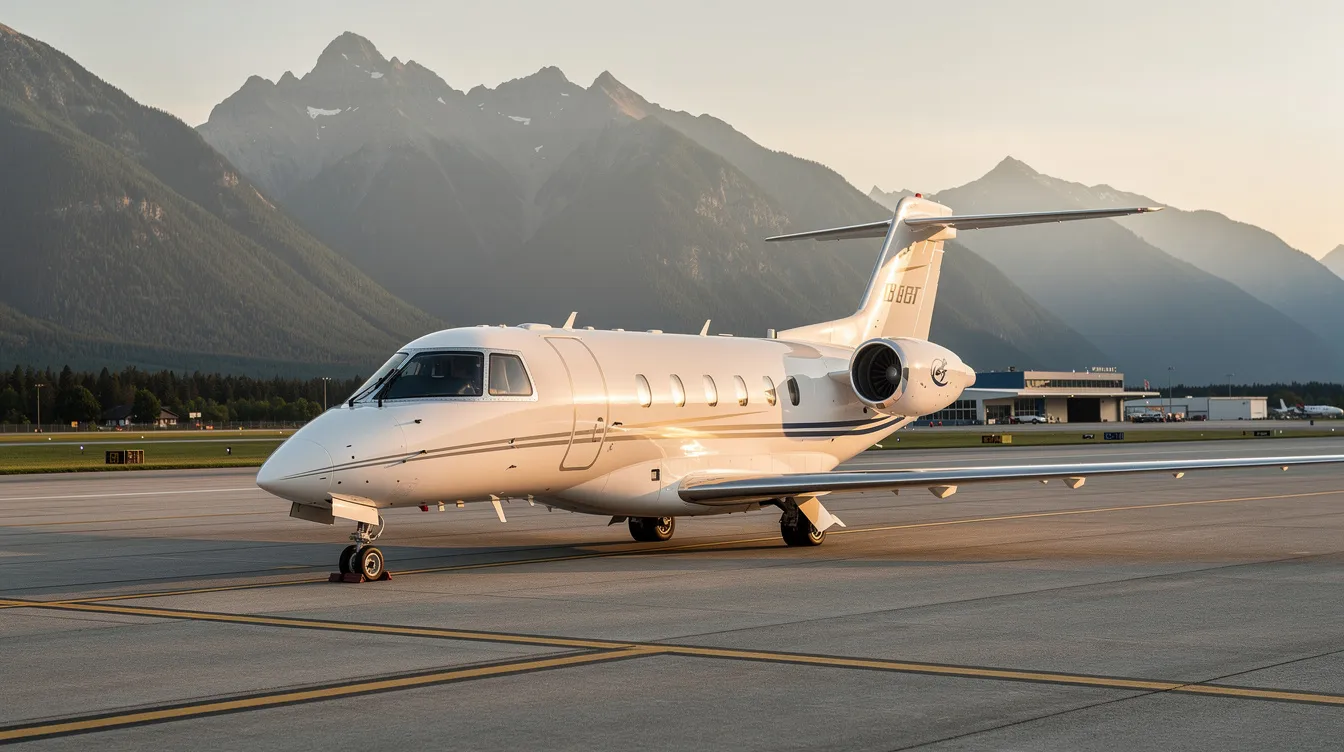
Acquisition price. Most flying cars for sale in 2026 start between $140,000 and $200,000+, excluding taxes and import duties. Customers place a $50,000 deposit to reserve Helix, while Jetson ONE requires $8,000. Many buyers work with dedicated brokers for complex aircraft transactions, and buying an airplane requires specialized marketplaces that provide detailed logbooks.
Operating and maintenance costs. A transport trailer for Helix costs $21,000. A charger for Helix is priced at $1,100. Add hangar or secure storage, insurance, battery replacement cycles, inspections, and software updates. Aircraft insurance is significantly more complex than auto insurance. Annual costs can easily run into tens of thousands of dollars, even before pilot training or travel to suitable flying locations. Aircraft ownership entails high liability compared to car ownership.
Training and compliance. While some ultralights require no formal pilot's license, responsible owners invest in ground school, supervised flights, and safety courses—sometimes up to two weeks of training. Regulations limit where and how often a flying car can operate, especially near populated areas or controlled airspace. Online platforms allow comparison of aircraft by make, model, year, and price, but compliance is the buyer's responsibility.
Charter as an alternative. A short regional turboprop hop starts in the low thousands of dollars. Midsize jet flights for business routes like New York–Miami or Los Angeles–Las Vegas are priced per hour. Charter customers pay per trip—not for storage, maintenance, or depreciation. Learn more about the real cost of flying private.
How Jettly fits. Jettly's digital marketplace aggregates 20,000+ aircraft worldwide, offering instant pricing without committing to jet cards or fractional ownership. Customers can choose turboprops, light jets, midsize jets, heavy jets, or helicopters—far more flexible than a single privately owned flying car.
Private aviation involves stringent regulatory bodies and specialized maintenance. FAA certification and airworthiness requirements are critical for aircraft purchases at any level.
Regulatory frameworks. FAA Part 103 in the U.S. governs electric ultralight flying cars: single-occupant, empty weight under 254 pounds, daylight operations only, maximum speed of 55 knots in level flight, and no flights over congested areas. The Helix can operate in unregulated airspace under FAA Part 103 rules. AeroMobil conforms to existing air and road regulations, though its program is currently inactive. Europe uses different ultralight and experimental categories with specific certification paths.
Flight restrictions. Owners usually fly from private property, small airfields, or rural locations in places like northern Colorado or Nevada, staying below controlled airspace and away from cities. Community concerns about noise and airspace congestion are real, and manufacturers work to keep acoustic footprints comparable to everyday equipment at takeoff. You cannot simply climb above the center of a busy town and cruise straight through.
Training and oversight. Training programs can run up to two weeks for some Helix pilots in California, covering aircraft control, maintenance, defense against disorientation, and emergency procedures—including stall recovery and slow-speed maneuvering. This contrasts with the professional pilot standards required for charter aircraft, where pilots hold full certifications and operate under strict national aviation regulations.
Data-driven safety. The Helix flying car operates under FAA Part 103 regulations for ultralight aircraft and has logged a flawless safety record across over 9,000 flights. Some flying car companies use cloud connectivity to track thousands of flights and refine control algorithms over time.
Charter safety standards. Jettly acts as a charter broker: flights are operated by properly certified third-party carriers who meet regulatory requirements for maintenance, crew training, and operations. For passengers who prioritize proven, regulated safety frameworks, charter makes more sense than early-adopter flying car ownership.
This is a decision guide. Not every man or woman excited about a flying car should buy one—and not every traveler needs to.
Ideal flying car buyers:
High-net-worth enthusiasts with rural or semi-rural properties and access to open flying spaces
Technically inclined early adopters comfortable with experimental development, training commitments, and evolving regulations
Owners who value solo recreation flights and the novelty of being among the first to own a flying car more than pure time savings
Limitations for everyday travel: Current models have one seat, limited range, weather sensitivity, and restrictions around urban areas. Daily commuting from suburban homes to downtown office towers is not yet realistic. The history of aviation tells us these things take time.
Ideal private charter customers:
Executives and teams who want to avoid spending hours in commercial terminals on regional or transcontinental routes
Families planning multi-stop vacations who need luggage capacity, multiple seats, and the ability to depart from smaller airports close to home—85% of U.S. cities are closer to small airports than large ones
Travelers who want flexibility without tying up capital or accepting experimental-category risk
Jettly lets users compare aircraft categories—turboprops for short hops, light jets for up to six or seven passengers, larger jets for long-range missions—based on comfort, baggage, runway length, and cost. Integration options like in-flight catering and ground transportation are available. Frequent flyers value instant digital booking for private jet travel, and Jettly's platform delivers exactly that.

The motivations behind searching for a plane car for sale—avoiding traffic, flexible departure times, and direct routing between smaller cities—are exactly what private jet and helicopter charters already deliver. Think routes like Los Angeles to Las Vegas, New York to Nantucket, or Washington to small regional airports that commercial airlines skip entirely.
Jettly's digital platform lets travelers search routes, see instant quotes across multiple aircraft types, and book directly online. There are no long-term commitments like jet cards or fractional shares. Frequent flyers can choose membership programs for more predictable hourly pricing, while occasional travelers remain purely on-demand users. With access to over 20,000 unique aircraft globally—turboprops, light jets, midsize jets, heavy jets, and helicopters—Jettly offers far more choice than owning a single flying car.
Ready to experience private travel on your terms? Explore flight options or request a quote at Jettly.
Some flying cars and eVTOL ultralights are already legal to fly in the U.S. and other regions under strict rules. In the U.S., FAA Part 103 limits weight, speed, altitude, and prohibits flights over congested areas. Buyers must follow local aviation regulations and often need permission to operate from specific fields or private property. AeroMobil uses existing infrastructure and conforms to air regulations, though its production is paused.
Many ultralight-class flying cars—including certain versions of the Pivotal Helix—are designed so they do not require a traditional pilot's license under Part 103 rules. However, serious training covering landing procedures, emergency protocols, and airspace awareness is strongly recommended by every manufacturer. Road-capable hybrids or larger aircraft may require formal pilot certification depending on jurisdiction.
Current flying cars are not practical replacements for everyday road vehicles or multi-passenger private jets. They carry only one person, have short ranges, and face weather and airspace limitations. For business and family travel, chartering a turboprop or jet via Jettly remains far more versatile. Think of a flying car as a bit like a weekend sports car—exciting but not your daily driver.
Although testing programs and pilot projects are expanding, widespread urban flying car commuting depends on advances in air traffic management, infrastructure, noise control, and regulations. Meaningful mainstream adoption is likely measured in years to decades. Private jet and helicopter charter already provide on-demand air mobility today.
The closest practical alternative is booking a private charter flight on a small aircraft or helicopter to bypass traffic and use smaller airports closer to home or your destination. Use Jettly's platform to compare options, get instant pricing, and book trips that deliver the convenience many people imagine when they search for a plane car for sale.
A plane car for sale can be an exciting option for early adopters, but today’s models are specialized aircraft—not practical replacements for a family car or private jet. Buyers should weigh purchase price, training, maintenance, insurance, range, and operating restrictions before placing a deposit. For longer trips, business travel, or family vacations, chartering offers more seats, baggage capacity, and access to a wider range of destinations without the responsibilities of ownership.
Jettly’s marketplace provides instant quotes across more than 20,000 aircraft, with on-demand booking and membership options for travelers seeking more predictable pricing. Jettly is a charter broker, and flights are operated by properly certified third-party carriers. Ready to compare options? Explore flights or request a quote at https://www.jettly.com.
Share this post:
Jay Franco Serevilla
Nov 2, 2026
|
5
min read
Discover tips and trends in the industry.

5
min read
How Many Miles Per Gallon Does a 737 Get? (Boeing 737 & 737 MAX Fuel Efficiency Explained)
The Boeing 737 typically achieves around 0.5 to 0.7 miles per gallon at the aircraft level, translating to approximately 60 to 110 miles per gallon per passenger when fully loaded. The newer 737 MAX models improve fuel efficiency by 14-20%, reaching about 0.75 to 0.8 MPG. Understanding these figures helps travelers compare commercial jets with private aircraft options.
Read More
5
min read
Light Jet Charter Cost in 2026: Pricing, Examples, and How to Save
In 2026, chartering a light jet typically costs between $3,000 and $6,000 per hour, with total trip costs varying based on route and additional fees. This guide provides insights into pricing, popular routes, and strategies to save on light jet charters, making it an ideal choice for both business and leisure travel. Jettly's platform offers real-time pricing and comparisons for over 20,000 aircraft, ensuring transparency and efficiency in private aviation.
Read MoreStay updated with our latest insights and tips to elevate your journey with us.
MEMBERSHIPS AND ASSOCIATIONS



Disclaimer: Jettly operates as a charter broker, offering access to a global digital jet charter marketplace. Jettly is not a direct air carrier and does not own or operate aircraft. All advertised flights are conducted by third-party air carriers that are fully licensed and hold the appropriate Part 135 or Part 121 certifications issued by the Federal Aviation Administration (FAA) or equivalent regulatory authorities under U.S. or foreign law. Jettly complies fully with the U.S. Department of Transportation's Part 295 and Part 298 Charter Broker regulations. Jettly does not carry additional liability insurance. Passengers are covered by aircraft operator insurance. TICO: 50023770


