


Login
Get Instant Pricing On 23,000+ Aircraft

>
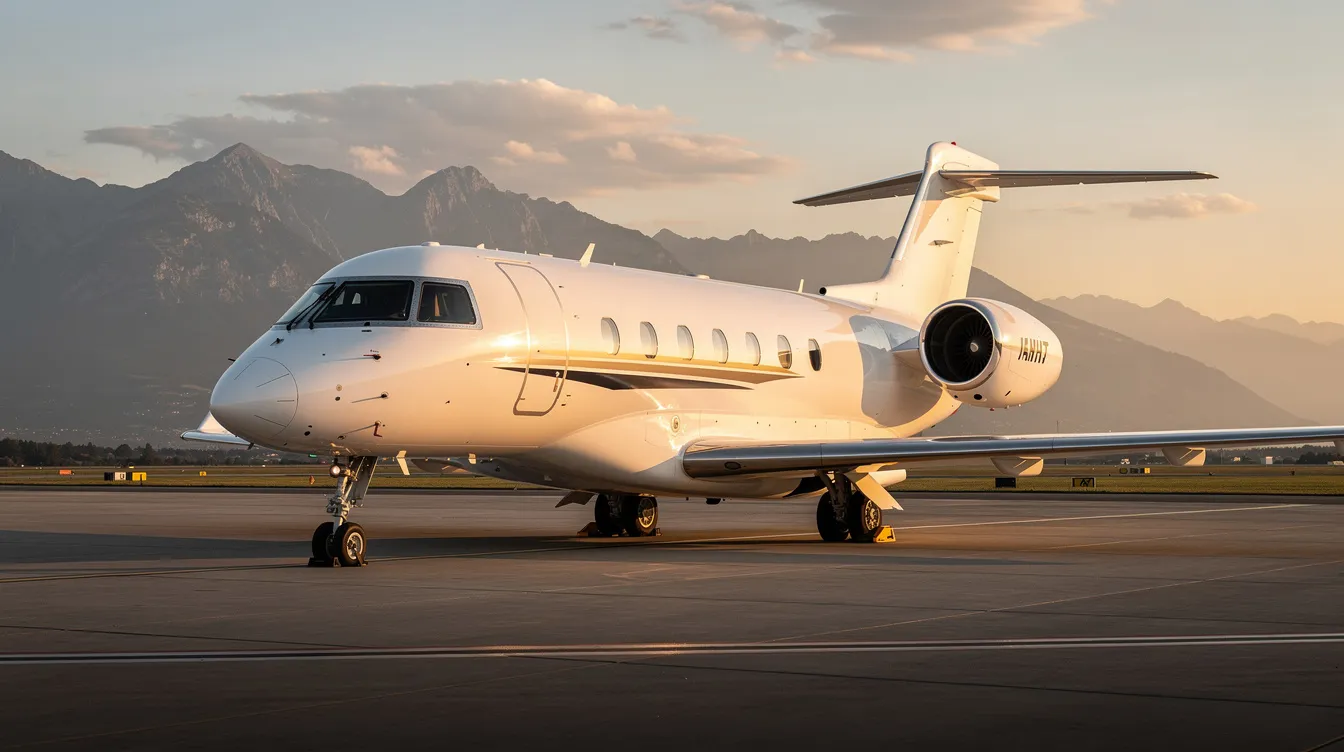
Choosing the right plane company name is one of the most consequential branding decisions a founder can make. For aviation entrepreneurs, airline founders, and charter operators, the process of selecting plane company names goes far beyond creativity—it directly impacts branding, legal compliance, and operational success. Plane company names are the official brand names used by airlines, aircraft manufacturers, charter operators, and business jet companies. The right name shapes how customers, regulators, and partners perceive your operation from day one, influencing trust, safety, and your ability to stand out in a competitive global market.
Whether your goal is launching a scheduled airline, building a regional carrier, or creating a private charter platform, this guide will help you understand the critical factors in choosing and evaluating plane company names. You'll learn from established brands like Alaska Airlines, American Airlines, and Raytheon Technologies, and discover frameworks for brainstorming, legal checks, and branding applications that ensure your aviation business is set up for long-term success.
This guide helps readers create and evaluate plane company names for airlines, charter operators, and business jets, drawing lessons from established brands like Alaska Airlines, American Airlines, and Raytheon Technologies.
Strong plane company names balance trust, safety, and global reach with memorability and brand story. "Alaska Airlines" evokes geography and distance-crossing reliability, while "JetBlue" suggests modern air travel.
Jettly, as a private jet charter marketplace serving frequent flyers including corporate executives and high-net-worth individuals, benefits from clear, aviation-focused naming and serves as a modern naming example in the business aviation space.
The article covers brainstorming frameworks, competitive analysis, legal checks, domain selection, and branding applications across logos, liveries, and marketing channels.
Naming mistakes in aviation carry higher stakes than most industries because of regulatory requirements, radio callsign clarity, and the need to project safety and professionalism on a global scale.
Plane company names refer to the official brand names used by airlines, aircraft manufacturers, charter operators, and business jet companies. Plane company names cover everything from commercial airlines and regional carriers to private and business jet operators. Regardless of category, certain criteria separate forgettable names from lasting ones.
Trust and safety come first. Names that sound solid and reliable, like "United Airlines" or "Raytheon Technologies," signal that the company operates with seriousness. Aviation is an industry where passengers need confidence before they step on board.
Clarity matters next. A name should immediately suggest aviation. Including terms like "air," "jet," or "flight" gives instant recognition, which is critical in both search results and airport signage.
Memorability and pronunciation drive recall. Short, easy-to-say names like Delta, Jettly, or Embraer travel well across languages and regions. Complex names with hard consonant clusters may cause issues in radio communication or confuse international customers.
Emotional positioning is the final layer. Names can suggest adventure (Alaska Airlines), speed (JetBlue), or corporate professionalism (American Airlines). Business jet brands often lean into discretion and efficiency rather than mass-market excitement.
A few naming pitfalls to avoid:
Words associated with accidents, fear, or turbulence-no traveler wants to fly "Turbulent Air."
Unintended meanings in other languages. A name that sounds harmless in English could be offensive or comical in Spanish, Mandarin, or French. Always test across your target markets.
Most successful plane company names fall into recognizable patterns. Understanding these categories helps founders pick the right direction early. The airplane manufacturing market alone is valued over $426 billion in 2024, making differentiation through naming more competitive than ever.
Geographic names tie a brand to a place. Alaska Airlines, Air Canada, and Air Europa use location-based naming to signal home markets and national identity. This approach works well for regional carriers but may require extra brand investment when expanding to a global scale.
Abstract and short names offer maximum flexibility. Delta started as a regional crop-dusting service in the Mississippi Delta but grew into one of the world's largest airlines. Jettly uses a concise, tech-forward structure. Short names fit logos, app icons, and booking engines cleanly.
Descriptive-plus-generic names combine an adjective or region with "Airlines," "Airways," or "Aviation." American Airlines, United Express, and Southwest Airlines all follow this template. The formula builds instant clarity about what the company does.
Technology- or performance-inspired names signal innovation. Raytheon Technologies, formed after the 2020 UTC merger, communicates advanced engineering across the aerospace industry. Gulfstream does the same in business aviation through associations with speed and performance.
Legacy and founder-based names reflect a company's history and heritage. Cessna (founder Clyde Cessna) remains iconic, with Cessna's Citation series renowned in private jet aviation. Embraer, a Brazil-founded company established in 1969 by Ozires Silva, dominates regional aircraft, a focus that shaped its market position. Bombardier acquired Canadair in the 1980s and 1990s, building its position in business jets as a leader in the segment. Beechcraft has been influential in aviation since 1932. These names work when heritage and manufacturing pedigree matter.
|
Category |
Examples |
Key Characteristics |
|---|---|---|
|
Geographic Names |
Alaska Airlines, Air Canada |
Signals home markets and regional identity |
|
Abstract and Short Names |
Delta, Jettly |
Flexible, easy to pronounce, tech-forward |
|
Descriptive-plus-Generic Names |
American Airlines, Southwest Airlines |
Clear about business type, builds instant recognition |
|
Technology/Performance Inspired |
Raytheon Technologies, Gulfstream |
Conveys innovation and high performance |
|
Legacy/Founder-Based Names |
Cessna, Embraer, Bombardier |
Reflects heritage, founder history, manufacturing pedigree |
Examining existing brands like Alaska Airlines, American Airlines, Airbus, and Boeing offers practical naming lessons for new aviation businesses. Boeing and Airbus dominate the large passenger aircraft market, and their names carry decades of brand equity worth studying.
American Airlines conveys national scale and mainstream accessibility. The name works well with alliances, loyalty programs, and codeshare operations because it feels inclusive. However, it's also fiercely protected-a 1956 Supreme Court case forced "North American Airlines" to stop using its name due to substantial public confusion.
Alaska Airlines evolved from a regional carrier into a nationally recognized brand. The name still communicates rugged, distance-crossing reliability, which resonates on West Coast and long-haul routes, even as the company operates far beyond Alaska itself.
Southwest Airlines shows how a descriptive-plus-generic name can scale nationally while staying approachable, and the brand is also closely associated with a point-to-point network model.
Raytheon Technologies illustrates how naming signals strategic direction. By merging "Raytheon" with "Technologies" after the 2020 merger, leadership positioned the brand across defense, security, aeronautics, and space-not just aircraft production. This approach suits companies expanding into satellites, engines, and technology beyond traditional manufacturing.
Boeing was founded in 1916 by William Edward Boeing, and its market cap fell from $248 billion in 2019 to roughly $130 billion-yet the name remains synonymous with aviation. Airbus delivered 766 aircraft in 2024, mostly A320 family planes, leading the market. On the military aircraft side, Lockheed Martin delivered 110 F-35 Lightning II jets in 2024, showing how defense-focused names carry their own weight.
Embraer and Bombardier lead in regional and business aircraft markets. Embraer specializes in regional air travel with its E-Jet family serving regional airlines, while Bombardier focuses on luxury business aviation. Dassault Aviation was founded in 1929 by Marcel Dassault and continues to produce the Falcon series for executive travelers.

Jettly's name takes a different approach. By combining "jet" with a friendly, tech-driven suffix, it fits the role of a digital private jet charter marketplace rather than an airline operating its own fleet.
Generating strong plane company names requires structure. Here is a practical process to help founders produce 50–100 candidate names efficiently.
1. Clarify positioning first. Define whether the venture is a regional airline, on-demand charter operator, or a business jets brokerage like Jettly. Identify target routes (e.g., New York–Miami executives, Washington–based government contractors, or Asia–Pacific corporate shuttles) and customer segments.
2. Create word banks. List terms across four categories:
Aviation: jet, air, sky, aero, flight, wing
Geography: Pacific, Arctic, Atlantic, frontier, summit
Values: swift, trusted, direct, premier
Customer outcomes: time saved, privacy, flexibility
3. Combine and remix. Use templates like [Value + Air], [Region + Jet], [Element + Aviation]. For example: "Pacific Direct Air," "Atlas Jet Charter," or "SkyNorth Aviation." Aim for variety-mix abstract with descriptive, short with compound.
4. Use digital tools thoughtfully. AI-powered name generators can expand ideas, but outputs need customization. Test how names look in a booking app, on a charter plane business website with an airport locator tool for private jet charter, or in search results before committing.
5. Apply shortlist rules. Filter candidates by:
Length: ideally under 12–15 characters
Pronunciation in English and at least one additional key language
How the name sounds in safety announcements or phone greetings
Whether it avoids phonetic overlap with existing airlines in your target airspace

In aviation-where flight safety and operator regulation are critical considerations-name conflicts or unclear registration can become serious issues.
Corporate and trade name search. Search local business registries in the USA as well as international aviation directories. Under 14 CFR § 215.5, the Federal Aviation Administration (FAA) can refuse names identical or confusingly similar to existing certified carriers. Allegiant Air, for instance, operates under a distinct name that avoids overlap with other major carriers.
Trademark screening. Run checks in USPTO, EUIPO, or local IP databases. Alaska Airlines and American Airlines are strongly protected marks. Even adding prefixes or suffixes to established names invites legal challenges and domain disputes.
Domain name and digital presence. Prioritize .com where possible (e.g., jettly.com). If unavailable, consider aviation-related alternatives like .aero. Ensure social media handles are consistent across platforms.
Regulatory clarity. Names must not imply being a government agency or safety authority. They should align with aviation regulator requirements from the FAA, EASA, or Transport Canada to avoid certification delays.
Callsign confusability. In one recent year, NAV CANADA identified 34 safety-related events tied to callsign confusion where operators had similar-sounding names or flight numbers. South African Airways, for example, uses "Springbok" as its callsign to avoid phonetic overlap-a practical reminder that radio clarity can save lives.
Once the name is chosen, it needs to work visually and verbally across every customer touchpoint.
Aircraft liveries and logos. Major airlines like Alaska Airlines and American Airlines visually integrate their names on fuselages and tails. Shorter names give cleaner livery visuals. Smaller charter operators can adapt similar principles at a smaller scale-even a clean tail logo on a hired aircraft builds recognition.
Digital platforms. A name should appear consistently in booking engines, mobile apps, and aggregators. Jettly's concise name fits well in search results, app icons, and URL slugs, which matters when customers are comparing options on their phones. Ground transportation integration can improve the convenience of private jet travel, and a clear brand name makes those handoffs smoother.
Cabin and ground experience. Subtle branding in in-flight materials, digital boarding passes, hangar signage, and catering presentations reinforces identity. In-flight catering options enhance the private travel experience, and branded touches elevate it further.
Voice and tone. A tech-forward name like Jettly suits a conversational, data-driven communication style. A heritage name might lean more formal. The name sets expectations for every email, ad, and customer service call.
Partnerships and alliances. Names like American Airlines participate in the Oneworld alliance. Clarity and prestige in a name help when entering codeshare arrangements or charter partnership agreements.
Naming rules shift for business jets, on-demand charters, and digital marketplaces like Jettly compared with large scheduled airlines.
Different buyer priorities. Corporate flight departments and high-net-worth individuals prioritize privacy, efficiency, and flexibility. Private aviation offers benefits like transparent pricing and easy access to aircraft. Digital booking platforms enable instant pricing for private jet rentals using tools like a private jet charter cost estimator. Names in this space emphasize discretion and performance rather than mass-market accessibility. Luxury travel often focuses on convenience and flexibility for travelers, and the brand name should reflect that.
Examples from business aviation. Bombardier specializes in luxury business aviation with its Challenger and Global series, delivering 146 aircraft in 2024. The Global Series targets long-range travel, while the Challenger line serves midsize missions. Gulfstream and Dassault Falcon use aspirational names to appeal to executive buyers.
Digital charter platforms. Names like Jettly position themselves as technology-enabled services rather than aircraft manufacturers or operating airlines. Private jet charters provide access to a global inventory of aircraft, often marketed through routes that let travelers buy a single seat on a private jet or get a seat on a private flight easily through apps or brokers. Including "jet," "charter," or "aviation" in the name or tagline helps SEO and customer clarity when showcasing private charter aircraft across multiple categories. Learn more about how to book a private jet through digital platforms.
Empty leg and membership messaging. Empty leg flights can provide cost-effective private jet travel options, especially when combined with crowdsourced private jet flight sharing platforms, and naming sub-services like "Jettly Alerts" or "Jettly Connect" reinforces the parent brand while keeping things concise. Travelers who study tips for booking the cheapest private jet flights will also understand how naming, routing, and timing influence perceived value. Private jet memberships also benefit from cohesive naming.
Multi-region operations. If the charter business targets world-based routes like New York–London or Toronto–Vancouver, choose globally neutral names that still feel relevant in markets as diverse as Chennai in Tamil Nadu, Kolkata in West Bengal, or New Delhi in northern India. Avoid local slang that may confuse international customers.
A strong plane company name is validated by data and feedback, not just internal preference.
Customer and stakeholder feedback. Interview prospective passengers, corporate travel managers, and partners. Ask questions like: "What three words come to mind when you hear this name?" Track whether responses align with the brand vision you've established.
Search and SEO checks. Test how the name appears in Google results. Check whether it conflicts with American Airlines, Alaska Airlines, Boeing, or other major brands. Evaluate whether it can rank for terms like "business jets," "private charter," or "private jets flying internationally" without getting buried, especially if your brand story highlights international private jet travel capabilities.
A/B testing in digital ads. Run small ad campaigns with different name variants. Track click-through rates and perception data, particularly for tech-led platforms like Jettly where digital-first impressions drive conversions.
Long-term fit. Imagine the name on an expanding fleet, international headquarters, future product lines (cargo, medical transport, or corporate shuttles), and construction of new facilities. Avoid overly narrow wording that limits the company's future.
Final sign-off checklist:
Available .com domain and social handles
No major trademark conflicts
Positive feedback from target customers
Clear pronunciation across key markets
No phonetic overlap with existing carriers
Private jet travelers value high-end service without ownership burdens-and the name should communicate that promise before a single flight is booked.
These questions address practical concerns not fully covered above, especially for founders new to aviation branding and the broader industry.
Scheduled carriers often benefit from including "Airlines" or "Air," as seen with Alaska Airlines and American Airlines, because it signals scale and scheduled service. Business jet operators, brokers, and tech platforms can use more flexible structures (e.g., Jettly) as long as the aviation link is clear in the tagline, logo, or website copy. Include at least one aviation cue in early marketing materials if the name is abstract.
Place-based names like Alaska Airlines can grow far beyond their original region but may require extra branding work to feel relevant in distant destinations. If the long-term goal is multi-continent service, broader geographic references like "Pacific," "Atlantic," or "Frontier" offer more room. Charter-focused brands operating across country borders often choose neutral names that avoid tying them to a single location.
Names too similar to major brands like American Airlines, Alaska Airlines, Airbus, or Raytheon Technologies risk legal action and passenger confusion. Avoid minor spelling changes or added suffixes when an established brand already holds a strong position in aviation. Check both trademarks and aviation operator databases. The competition for clear, distinctive names is real, especially when you look at the broader list of charter airlines and private aviation brands worldwide and the many Part 135 charter companies operating under strict regulations.
A name does not technically limit fleet choices, but words like "Jet" or "Turboprop" set expectations among travelers and corporate buyers. Platforms like Jettly, which offer access to a wide mix of aircraft including light jets, midsize, heavy jets, helicopters, and turboprops, clarify flexibility through taglines and product pages. Choose an adaptable name if there is any chance of expanding beyond a single aircraft category.
Readers studying plane company names for business jets or charter services should review how digital platforms position their brands-paying attention to naming, messaging, and customer promises, particularly when they present themselves as a NetJets alternative with flexible private jet options. Explore Jettly's charter options, membership models, and route examples to see how a modern, tech-driven aviation name works in practice. Learn more about Jettly's charter options at https://www.jettly.com.
Ready to experience private travel on your terms? Explore flight options or request a quote at https://www.jettly.com.
Choosing the right plane company name is foundational to building a successful aviation business. A well-crafted name balances trust, clarity, and memorability while reflecting the company’s values and market positioning. Whether launching a regional airline, a private jet charter service like Jettly, or an aircraft manufacturing brand, the name sets the tone for customer perception, regulatory compliance, and competitive differentiation. By learning from established industry leaders and applying structured brainstorming, legal checks, and branding strategies, founders can create names that resonate globally and support long-term growth. For those entering private aviation, emphasizing transparency, convenience, and flexibility in the brand name can help capture the evolving needs of today’s travelers. Ready to experience private travel on your terms? Explore private jet charter options or request a quote at https://www.jettly.com.
Share this post:
Jay Franco Serevilla
Aug 5, 2026
|
5
min read
Discover tips and trends in the industry.
5
min read
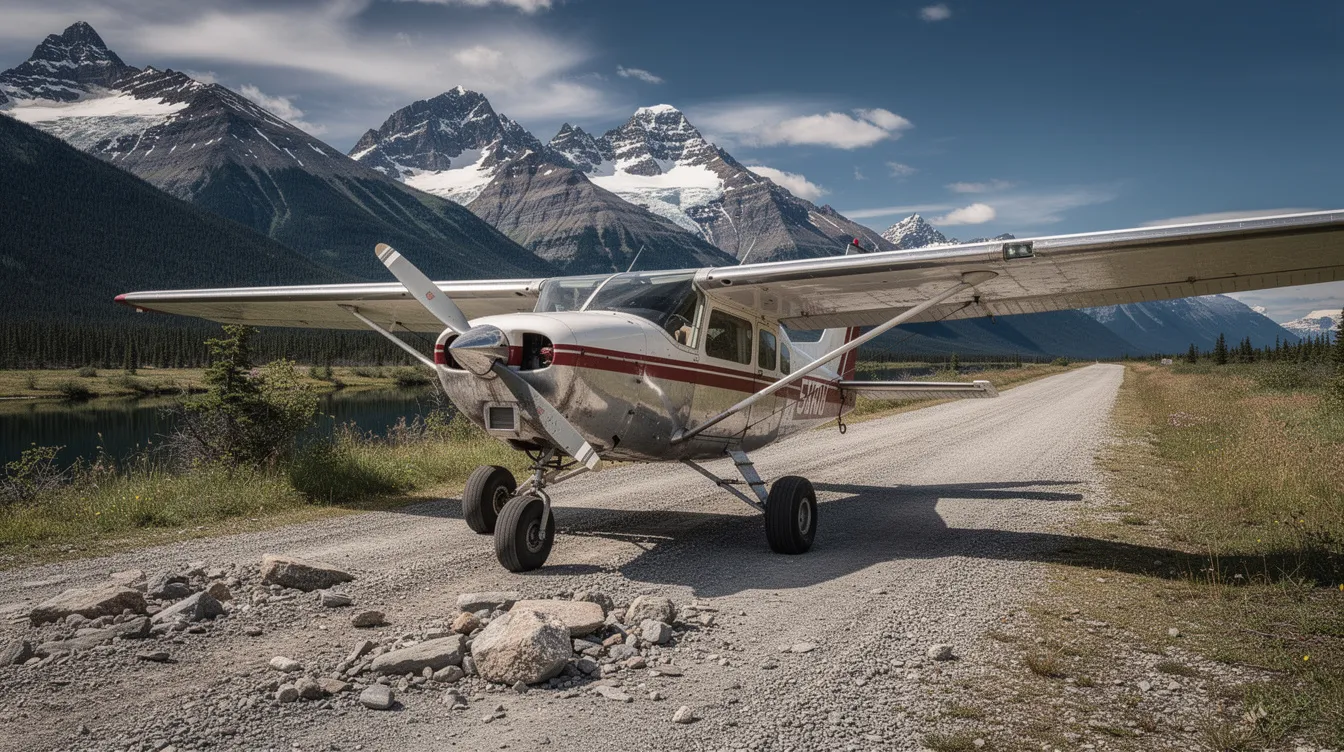
Cessna 185 Takeoff Distance: Performance, Variables, and Real-World Planning
The Cessna 185 Skywagon is a versatile aircraft known for its impressive takeoff capabilities, requiring approximately 1,000 to 1,430 feet to clear a 50-foot obstacle under ideal conditions. Factors such as weight, density altitude, and runway surface can significantly affect these distances, making careful planning essential for safe operations. Understanding these variables is crucial for pilots and charter clients navigating remote airstrips.
Read More
5
min read
Private Plane India: How to Fly Private with Jettly
Flying private in India has become increasingly accessible for both business and leisure travelers. This guide provides insights on chartering private planes, including costs, benefits, and popular routes, making it easier to decide if private aviation suits your travel needs. With Jettly's platform, travelers can enjoy flexibility, luxury, and time savings while exploring over 20,000 aircraft options worldwide.
Read MoreStay updated with our latest insights and tips to elevate your journey with us.
MEMBERSHIPS AND ASSOCIATIONS



Disclaimer: Jettly operates as a charter broker, offering access to a global digital jet charter marketplace. Jettly is not a direct air carrier and does not own or operate aircraft. All advertised flights are conducted by third-party air carriers that are fully licensed and hold the appropriate Part 135 or Part 121 certifications issued by the Federal Aviation Administration (FAA) or equivalent regulatory authorities under U.S. or foreign law. Jettly complies fully with the U.S. Department of Transportation's Part 295 and Part 298 Charter Broker regulations. Jettly does not carry additional liability insurance. Passengers are covered by aircraft operator insurance. TICO: 50023770


