


Login
Get Instant Pricing On 23,000+ Aircraft

>
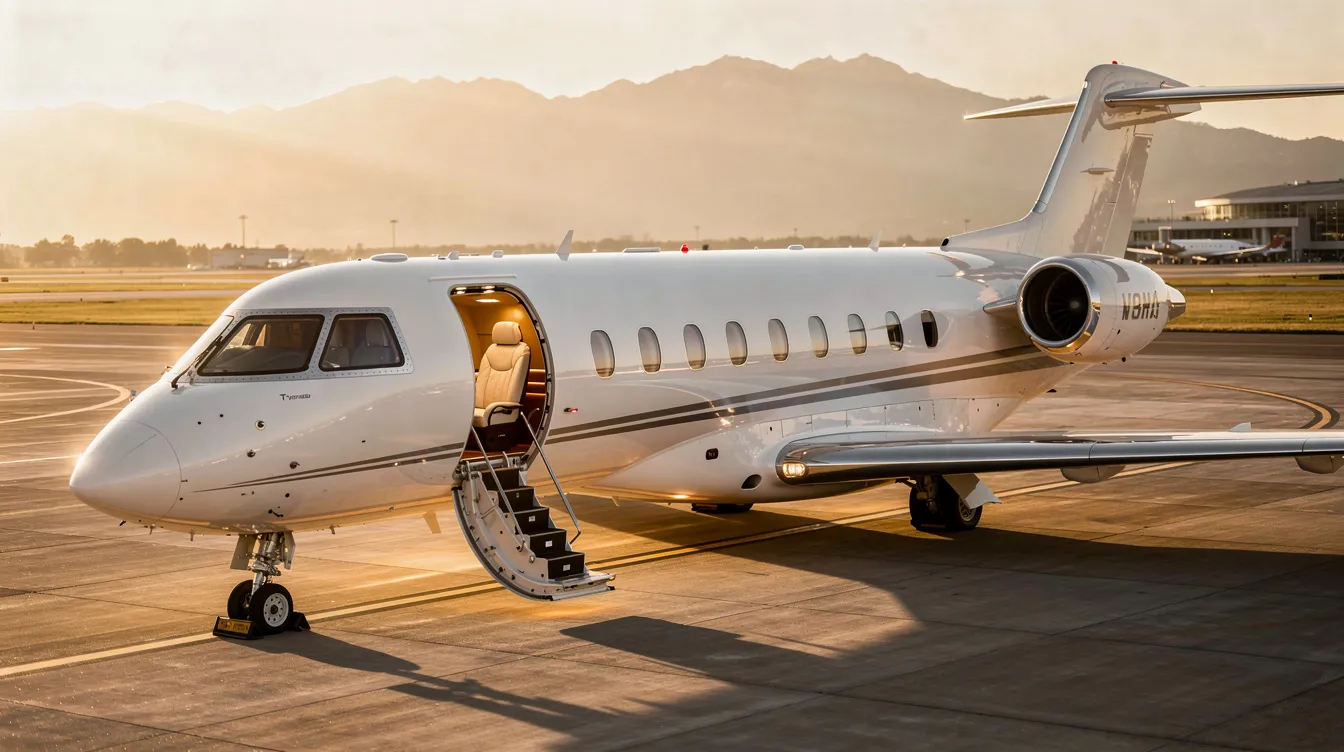
Understanding private jet cost for sale is the starting point for anyone considering aircraft ownership in 2026. This guide is designed for prospective private jet buyers, business owners, and high-net-worth individuals evaluating aircraft ownership in 2026. Whether you're evaluating a pre-owned light jet at $1.5 million or a factory-new ultra-long-range aircraft north of $75 million, acquisition costs range from hundreds of thousands to over $100 million. This comprehensive guide breaks down what drives pricing, what ownership really costs beyond the sticker, and when chartering through a platform like Jettly might be the smarter financial move.
Owning a private jet involves an initial capital investment and substantial ongoing expenses. Before entering the market, buyers should understand the full financial picture.
Private jet acquisition costs range from roughly $800,000 for older light jets to $75M+ for new heavy and ultra-long-range models. Purchase prices vary based on size, range, and condition.
Total cost of ownership goes well beyond the purchase price. Typical annual ownership expenses generally run about 15% to 25% of the aircraft's total value, covering hangar, crew, insurance, and maintenance. Ongoing operational expenses can range from $500,000 to $3 million annually.
Fuel costs typically account for 25% to 35% of hourly operating expenses, making fuel a major variable in overall costs.
Crew salaries for pilots and crew can reach six to seven figures per year for larger jets, contributing significantly to fixed annual expenses.
Hangar expenses can range from $1,000 to $8,000 monthly depending on location and facility quality.
Insurance premiums vary based on aircraft value and pilot experience.
Aircraft management fees can significantly contribute to annual expenses if using a third-party management company.
Variable costs scale with flight hours and can total $1,000 to $5,000+ per flight hour.
Depreciation is a significant economic cost associated with private jet ownership and should be factored into financial planning.
For travellers who fly fewer than 150–200 hours per year, on-demand charter through Jettly is often more cost-effective than buying, with no fixed costs, no crew obligations, and the flexibility to choose a different aircraft for each trip.
Working with an aviation broker, aviation attorneys, and technical experts is essential to avoid overpaying or missing costly mechanical issues during the acquisition process.
Ready to compare charter costs before committing to ownership? Explore flight options at Jettly.
Private jet sales span a wide spectrum. Aircraft size and cabin class affect purchase prices dramatically, and factors affecting aircraft pricing include age, condition, and market demand. Here are the 2026 ranges buyers should expect:
An older light jet like a 2004 Cessna Citation CJ1 typically lists between $1.5M and $2.5M pre-owned. A popular midsize jet such as a 2013 Embraer Legacy 450 falls in the $9M–$14M range. At the top end, a 2019 Gulfstream G650ER is listed around $49.95M.
New aircraft carry significant premiums. Very light jets start around $3M–$7M, light jets like the Phenom 300E run $9M–$13M, midsize jets sit at $14M–$20M, and ultra-long-range flagships such as the Global 7500 or Gulfstream G700 list between $55M and $85M+.
Year of manufacture, total flight hours, engine program enrollment status, and avionics upgrades directly affect the asking price and the negotiation room a buyer has.
Discounts between asking and final sale price typically range from 3% to 10%, depending on market conditions and aircraft type. Medium jet asking prices softened roughly 5.2% year-over-year in early 2026, giving buyers more leverage in that segment as rising inventory helped restore balance in parts of the market.
Quick Reference: 2026 Purchase Price Ranges
|
Category |
New (USD) |
Pre-Owned (USD) |
|---|---|---|
|
Light / VLJ |
$3M–$13M |
$1.5M–$9M |
|
Midsize / Super-Mid |
$14M–$32M |
$7M–$22M |
|
Heavy / Ultra-Long-Range |
$55M–$85M+ |
$35M–$65M |
The jet category is the primary driver of both acquisition cost and mission suitability. Here is how the numbers break down.
Light jets for sale, such as the Embraer Phenom 300E or Citation M2 Gen2, range from $4M–$12M new and $2M–$6M pre-owned. They seat 4–7 passengers with a range of 1,000–1,800 nm—ideal for routes like New York to Boston or Los Angeles to Las Vegas. Buyers in this class also compare engine power alongside range, cabin size, and operating costs, which average $2,500 to $3,500 per flight hour.
Midsize and super-midsize jets, including the Citation Latitude and Challenger 3500, cost roughly $12M–$28M new and $7M–$18M pre-owned. These aircraft handle transcontinental missions such as New York to Los Angeles (about 2,400 nm) with stand-up cabin comfort.
Heavy and ultra-long-range jets like the Bombardier Global 7500, Dassault Falcon 8X, and Gulfstream G700 command $55M–$85M+ new. Range stretches to 7,500+ nm, seating 12–19 passengers. Think New York to London or Los Angeles to Tokyo nonstop. Large cabin jets generally have higher operating costs, with heavy jets costing between $6,000 and $10,000 per hour to operate.
Private jets can access over 5,000 airports in the U.S., and tools like Jettly's airport locator platform help travelers identify convenient departure points, while private terminals reduce boarding delays to roughly 15 minutes—an advantage that scales with frequency regardless of category.
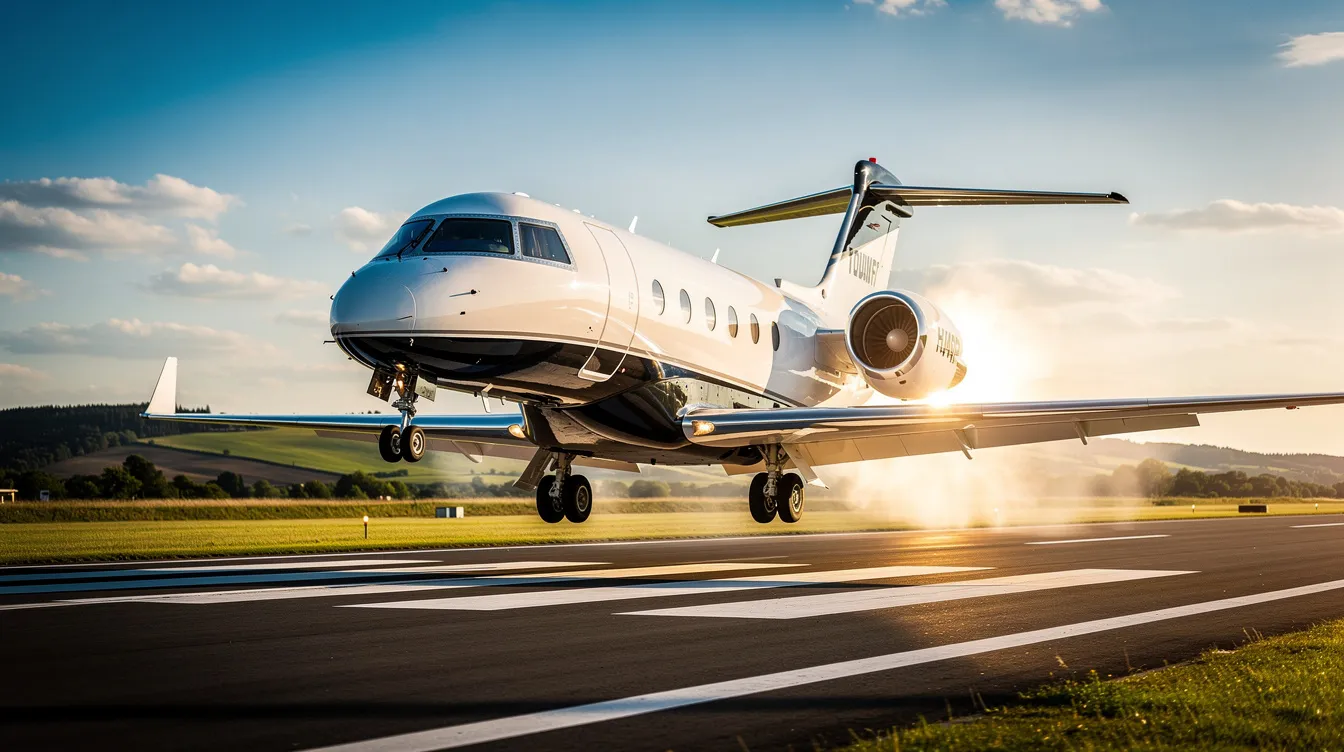
More than 80% of private jet transactions historically are pre-owned, driven by lower entry cost and immediate availability.
New aircraft come with a full factory warranty and support from the manufacturer, the latest avionics suites, and zero-time engines. However, delivery slots for popular models can stretch 12–36 months, and the price premium over a comparable late-model pre-owned jet is often 30% to 60%. For example, a new Gulfstream G700 lists around $75M, while a 2019–2021 G650ER trades in the $45M–$53M range.
Pre-owned advantages include faster transactions—often 60–90 days for clean domestic deals—and the ability to acquire upgraded interiors and Wi-Fi without paying for a full custom build.
Private jet sales require meticulous documentation and preparation. A well-documented aircraft instils confidence in potential buyers, which is why complete logbooks and maintenance records are non-negotiable. Market conditions influence the resale value of private jets, so buyers should verify documentation early.
Serious buyers should budget a post-purchase refurbishment allowance of $250,000 to $2M or more for older private jets, depending on size and interior condition.
Total cost of ownership is where many first-time aircraft owners get surprised, which is why many buyers reference a detailed private jet operating cost breakdown before committing. Annual operating costs typically range from $500,000 for small jets to $4M+ for heavy jets flown 300–400 hours per year.
Major cost components include:
Fuel, which typically accounts for 25% to 35% of hourly operating expenses.
Maintenance costs, including routine inspections and major repairs. Annual maintenance costs are typically 5% to 10% of acquisition value, and they rise when an aircraft has not been properly maintained.
Crew salaries for pilots and crew, which can reach six to seven figures per year for larger jets.
Hangar expenses, ranging from $1,000 to $8,000 monthly. Fixed annual costs include hangar fees, insurance, and crew salaries. Fixed annual costs are expenses that remain constant regardless of flight hours, such as hangar fees, insurance, and crew salaries. Variable costs, such as fuel and maintenance, scale with flight hours and can total $1,000 to $5,000+ per flight hour.
Insurance premiums, which vary based on aircraft value and pilot experience.
Aircraft management fees, which can significantly contribute to annual expenses if using a third-party management company.
Variable costs that scale with flight hours and can total $1,000 to $5,000+ per flight hour.
Depreciation is a significant economic cost associated with private jet ownership. Many owners underestimate maintenance escalation at major inspection intervals such as 96-month or 192-month checks. A 10-year cash-flow plan is essential.
Example budget: A business owner flying a midsize jet 200 hours per year at roughly $3,000/hour in direct operating costs would spend $600,000 on variable costs alone. Add $300,000–$500,000 in fixed costs (hangar, crew, insurance), and total annual ownership expense lands between $900,000 and $1.1M—before any unscheduled maintenance.
Global business jet departures reached approximately 1.95 million in H1 2026, up about 4% year-over-year, reflecting the broader expansion of the global fleet of private jets. Q1 pre-owned transactions increased by 35% year-over-year, and new private jet deliveries increased by 11% year-over-year. The value of aeroplane deliveries reached $5.04 billion in Q1 2025.
About 74% of for-sale inventory in 2026 is older than 16 years, up from 57–60% in prior years. Supply is tightening at the late-model end.
Newer, low-time aircraft (2018–2024 builds) command strong premiums and spend fewer days on market—newer jets transact in roughly 54 days, while older models sit for 100+ days. The average time on market for a Citation CJ3+ increased to 170 days.
Supply-chain delays, tariffs on aviation components, and pilot labor shortages continue to push both aircraft sales prices and maintenance budgets upward.
Buyers in 2026 must act decisively on well-priced aircraft while insisting on full technical due diligence to ensure hidden issues are identified before closing.
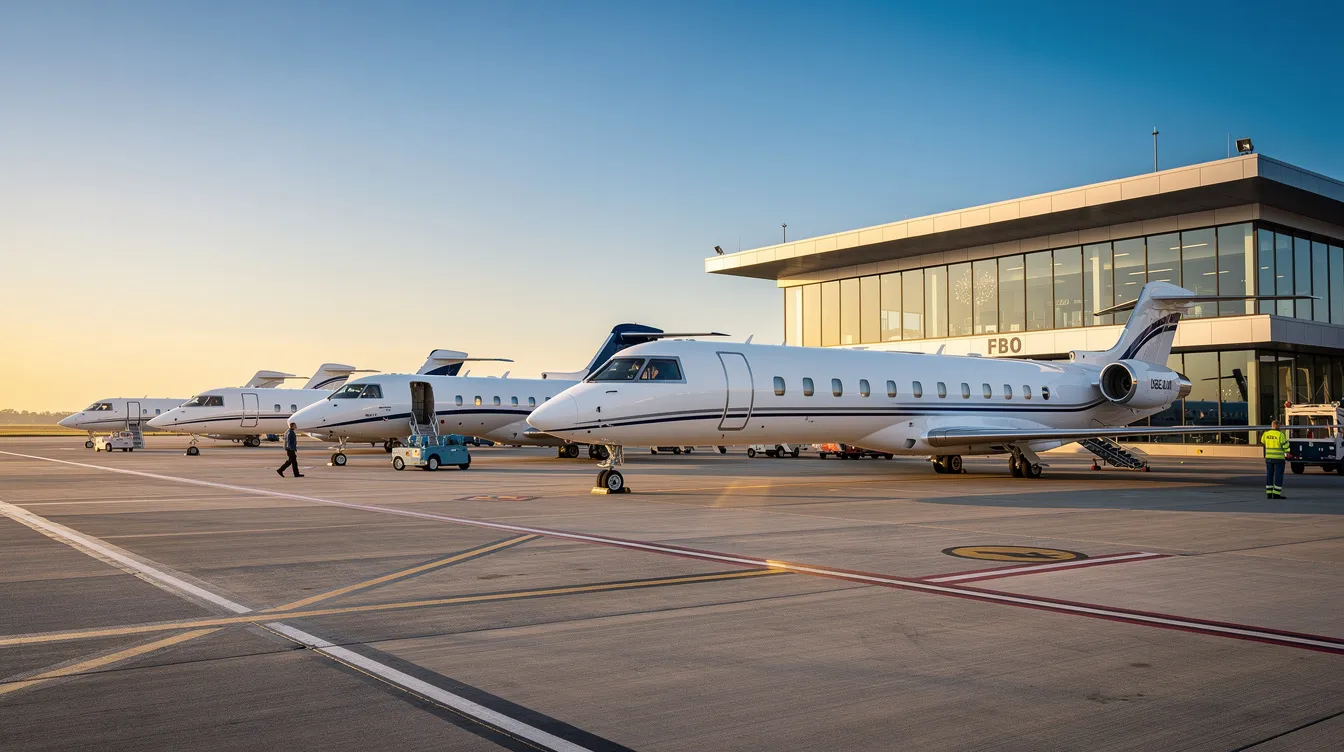
Two jets of the same model and year can differ by millions based on configuration, records, and technical condition, so it helps to understand the full picture of how much a private jet costs across ownership and access models.
Total time on airframe and engines is the starting point. Aircraft valuation takes 3 to 5 business days to complete, but the resulting number anchors negotiations.
Engine program enrollment—such as Rolls-Royce CorporateCare or Honeywell MSP—provides cost predictability. Non-enrolled aircraft are harder to sell and often priced lower.
Compliance with service bulletins and avionics upgrades (ADS-B Out, FANS 1/A+) directly affects both regulatory availability and value.
Interior refurbishment date and damage history matter. Even minor structural repairs or corrosion findings can trigger six-figure price adjustments.
Pre-purchase inspections typically take 1 to 3 weeks to complete, depending on aircraft size. Buyers should compare 2–3 shortlisted aircraft side by side to ensure they meet operational and budget requirements, rather than simply choosing the lowest asking price.
An aviation broker, a technical consultant, and a legal/support team each serve different functions, and together they help protect the buyer's investment.
A qualified aviation broker benchmarks aircraft prices against recent market data, negotiates concessions after inspections, and helps aircraft owners avoid overpaying. They also surface off-market aircraft sales that never hit public listings.
Independent pre-purchase inspections at reputable maintenance facilities typically cost $15,000–$50,000, depending on the jet, but a specialised team can uncover issues worth far more than the inspection cost. In one common scenario, a thorough inspection reveals corrosion or an engine discrepancy that leads to a six-figure price adjustment in the buyer's favor.
Aviation attorneys and tax advisors should be engaged early, especially for clients purchasing across jurisdictions or using bonus depreciation. Closing a private jet sale involves complex legal paperwork, and their guidance helps protect the buyer's interests throughout the process.
For many travelers, using a private jet charter platform like Jettly—starting with a private jet charter cost estimator to benchmark trip pricing—is more cost-effective than purchasing a jet outright. Private jets allow for on-demand travel scheduling, and direct ownership allows complete operational control and scheduling flexibility—but that control comes at a steep fixed cost.
Ownership starts to compete financially with charter at roughly 150–250 hours per year, depending on jet size and financing structure. It makes more sense only when the travel profile and available money support that fixed-cost commitment; below that threshold, charter wins on cost.
Fractional ownership shares costs among multiple owners, and jet card programs offer access without long-term ownership commitments. Both sit between full ownership and on-demand charter in terms of capital commitment.
Private travel enhances privacy for sensitive business discussions, and commercial aviation delays average 117 minutes at airports—frustrations that both ownership and charter eliminate. Some travellers further reduce per-seat expense by opting for shared charter flights instead of full charters on select routes.
Consider a company flying 80 hours per year in a light jet. Ownership would mean paying $300,000–$500,000 in fixed costs plus roughly $200,000 in variable costs—around $700,000 annually. Chartering those same 80 hours through Jettly at market rates would likely cost $280,000–$400,000, with zero fixed overhead and no asset depreciation risk. Compare the options in detail with Jettly's charter vs. ownership comparison.

Jettly is a global digital private jet charter marketplace offering transparent pricing and broad aircraft access for both business and leisure customers, positioning itself as a flexible NetJets alternative for cost-conscious flyers. Even prospective aircraft owners use Jettly to analyze real flight patterns over 12–24 months, helping them determine whether to remain charter clients or move into ownership with confidence.
Key platform features for cost-conscious travelers include instant pricing, no long-term jet card lock-ins, and the ability to compare different jet aircraft sizes and operators on each route by browsing a broad range of private charter aircraft. Jettly's marketplace covers private jets, turboprops, and helicopters, giving its audience insight into which category and platform options best meet their typical mission at the best value.
Ready to explore private travel on your terms? Consider Jettly's private jet memberships for wholesale charter access without long-term contracts, or contact Jettly to discuss whether charter or ownership is the better fit and to choose a trusted partner before entering the aircraft sales market.
The questions below address common cost concerns that go beyond the detail covered above. Each answer is designed to help buyers and prospective flyers start their journey with realistic expectations.
New aircraft owners often underestimate first-year costs, which can reach 10–20% of the aircraft's purchase price. This includes sales tax, legal fees, management setup, crew hiring, insurance, and initial maintenance reserves. For a $20M midsize jet, plan for $2M–$4M in year-one expenses on top of the acquisition.
Dealing directly is possible but risky. An aviation broker provides market intelligence, negotiation leverage, and access to off-market aircraft sales. Experienced experts typically save buyers more than their commission through better purchase terms and inspection-driven price adjustments. For a detail-heavy investment like this, professional representation helps create a smoother buying process and often pays for itself, much like working with a specialist when evaluating affordable aeroplane rental options before stepping into full ownership.
Straightforward domestic pre-owned deals close in 30–45 days. Complex international transactions, new aircraft orders, or deals requiring extensive refurbishment can stretch to 90+ days. Each step in the timeline can take longer if documentation or refurbishment issues arise. The preparation and documentation phase alone—including pre-purchase inspection—can consume 3–4 weeks, and understanding the broader charter airline landscape and private aviation ecosystem can help set realistic expectations.
Many executives flying under about 150–200 hours per year find on-demand charter via Jettly more cost-effective than ownership. The platform eliminates fixed costs, lets users fly different aircraft types per trip, and provides transparency on every booking, while resources on affordable private jet charter pricing help benchmark options. Learn more about how much private flight costs before making the ownership commitment.
Most private jets depreciate steadily. Certain high-demand models and scarce late-model aircraft can hold value well in tight markets, but this is the exception. Buyers should plan based on conservative depreciation rather than expecting appreciation, and they should maximize resale value by maintaining complete records and keeping the aircraft enrolled in engine programs, while also staying informed about top private jet charter companies and industry leaders that influence demand for specific models.
Understanding the private jet cost for sale is crucial for making an informed purchase decision in 2026. Buyers must consider not only the acquisition price but also the significant ongoing expenses such as fuel, maintenance, crew salaries, insurance, and hangar fees. Market trends show a healthy demand for both new and pre-owned jets, with pricing influenced by aircraft age, condition, and operational history.
For travelers flying fewer than 150–200 hours annually, chartering through a platform like Jettly often provides greater flexibility and cost savings without the fixed overhead of ownership. Jettly’s transparent pricing, instant booking, and broad aircraft access empower users to compare options and choose the best fit for each trip.
Whether you are exploring ownership or charter alternatives, Jettly offers valuable tools and services to navigate private aviation costs confidently. Ready to experience private travel on your terms? Explore flight options or request a quote at https://jettly.com/.
Share this post:
Jay Franco Serevilla
Oct 6, 2026
|
5
min read
Discover tips and trends in the industry.
5
min read
Do Travel Agents Get Discounts on Flights? (And How That Compares to Private Jet Booking)
Travel agents do receive discounts on flights, but these are not as significant or universal as many believe. The landscape has changed, with most agents relying on service fees and negotiated rates rather than deep discounts. Private jet booking platforms like Jettly offer transparent pricing and alternatives for travelers seeking flexibility and convenience.
Read More
5
min read
How Long Is a Flight to London, England? (Private & Commercial Travel Times Explained)
Flight times to London vary significantly based on the departure city, ranging from 1 hour for nearby European cities to 14 hours for long-haul flights from Asia. Private jet travel can greatly reduce overall journey time by minimizing airport waiting and offering flexible routing. This guide provides insights into flight durations, airport choices, and the benefits of private versus commercial travel.
Read MoreStay updated with our latest insights and tips to elevate your journey with us.
MEMBERSHIPS AND ASSOCIATIONS



Disclaimer: Jettly operates as a charter broker, offering access to a global digital jet charter marketplace. Jettly is not a direct air carrier and does not own or operate aircraft. All advertised flights are conducted by third-party air carriers that are fully licensed and hold the appropriate Part 135 or Part 121 certifications issued by the Federal Aviation Administration (FAA) or equivalent regulatory authorities under U.S. or foreign law. Jettly complies fully with the U.S. Department of Transportation's Part 295 and Part 298 Charter Broker regulations. Jettly does not carry additional liability insurance. Passengers are covered by aircraft operator insurance. TICO: 50023770


