


Login
Get Instant Pricing On 23,000+ Aircraft

>
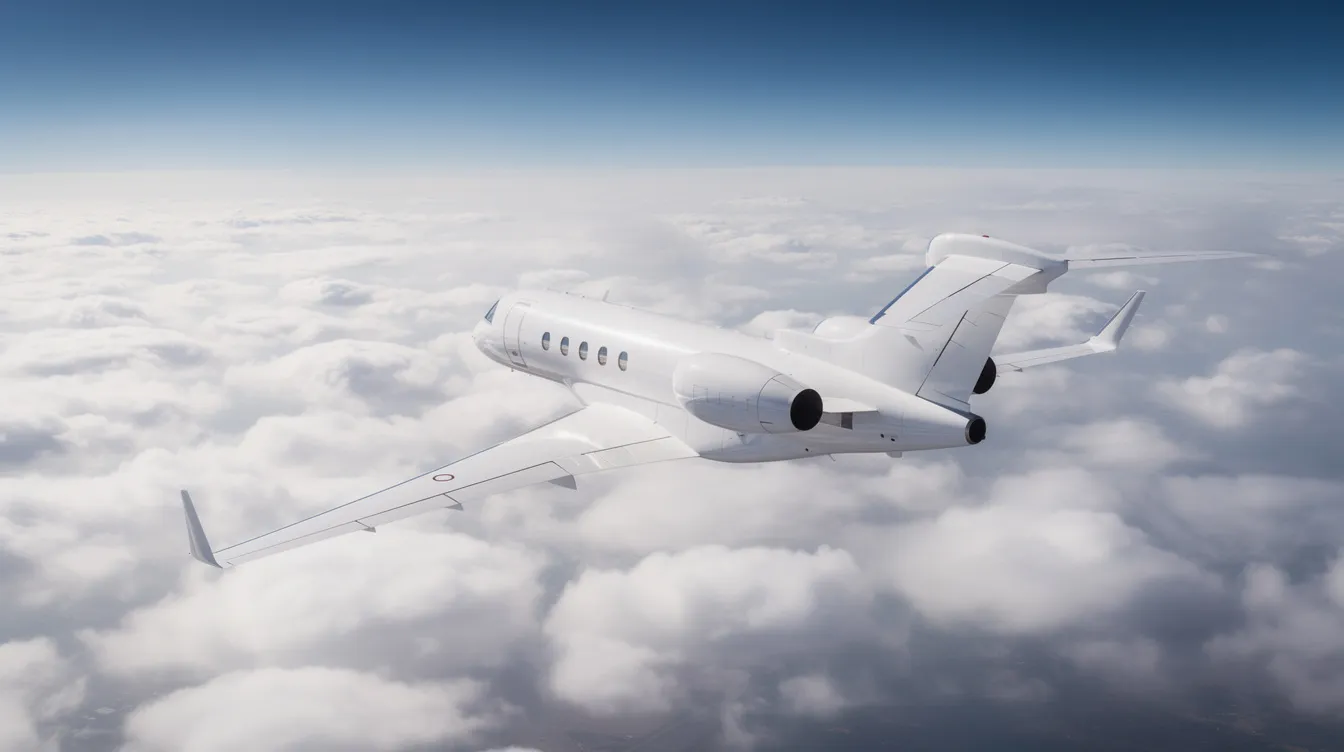
Picture a private jet in the sky at 41,000 feet, cruising above commercial traffic and weather, carrying six passengers who boarded just twenty minutes before takeoff. That scene captures what modern private jet travel actually looks like in 2026, and it's more accessible than most people assume. Jettly, a digital platform connecting travelers to over 20,000 aircraft worldwide, is making private charter flights straightforward, transparent, and free of long-term commitments.
Jettly's digital marketplace provides seamless access to private jets and turboprops across more than 190 countries, with instant pricing and on-demand charter booking that eliminates phone-tag negotiations.
Flying private means arriving just 15 to 30 minutes before departure, using private terminals, skipping crowds, and often landing at regional airports closer to your final destination.
The platform supports everything from short regional trips on a light jet to nonstop international travel on an ultra-long-range jet, all without requiring a jet card or fractional ownership.
Jettly coordinates flight details, catering, ground transportation, and special requests through a single digital booking flow, allowing travelers to manage even complex multi-leg itineraries online.
This article breaks down aircraft types, cabin experience, realistic pricing, safety standards, sustainability efforts, and how to book your next private flight through Jettly.
There's a gap between the cinematic image of a private jet in the sky and the practical reality of how private aviation works in 2026. Today's private flights are powered by digital platforms like Jettly that aggregate thousands of aircraft from vetted operators, surface instant pricing, and let travelers book a trip the way they'd book a hotel room.
Private jets typically cruise at higher altitudes compared to commercial airliners, operating between 35,000 and 45,000 feet. At those altitudes, the air is smoother, traffic conflicts are fewer, and fuel efficiency improves. Private jets can fly at altitudes up to 45,000 feet, and they typically cruise between 400 and 500 mph, depending on aircraft category. That speed, combined with more direct routing and access to more airports, often means total door-to-door travel time beats commercial flights by hours.
Jettly's global network includes light jets for a quick Los Angeles–Las Vegas hop, midsize jets for coast-to-coast runs like New York–Los Angeles, and heavy jets for long-range routes like Toronto–London. The point isn't just luxury. It's time savings, privacy, and complete control over schedule and routing.
Private jet travel offers significant advantages over commercial air travel, and the difference starts the moment you arrive at the airport. When booked digitally through Jettly, private aviation removes the friction points that make commercial travel exhausting: long security lines, baggage checks, boarding groups, and rigid timetables.
Private jet passengers can arrive just 15 to 30 minutes before departure. Private terminals, known as FBOs, offer quick and private boarding processes. There are no TSA-style queues. You drive up, walk in, and board. Private jets avoid long baggage claim waits by loading bags directly onto the plane before you step aboard.
Flying on a private jet differs from commercial aviation by eliminating typical travel stresses. Private jets can access smaller, more convenient airports, which means landing at Teterboro instead of JFK for New York, or Van Nuys instead of LAX for Los Angeles. Private jets allow access to thousands of smaller local airports, often placing you minutes rather than an hour from your destination. They fly directly to destinations without layovers and let passengers dictate their schedule instead of adhering to airline timetables.
Consider a CEO who needs to visit three manufacturing sites in the U.S. Midwest in a single day. On commercial flights, that trip requires overnight stays and connections. On a super midsize jet booked through Jettly, the team departs Chicago at 7 a.m., visits plants in Indiana and Ohio, and returns home by dinner. Or picture a family flying from Toronto to Vancouver nonstop, bringing pets and sporting gear in the cabin, departing when the kids are ready rather than when an airline dictates.
Private flights can reduce travel time from New York to Miami to roughly 3 to 4.5 hours door-to-door, compared to 6 or more hours including commercial check-in, security, boarding, and ground transport on both ends.
Step aboard a private jet, and the first thing you notice is the quiet. Private jets offer a highly intimate and quiet environment on board. Fewer seats, wide aisles, and cabins on private jets have larger windows for panoramic views that frame the sky outside.
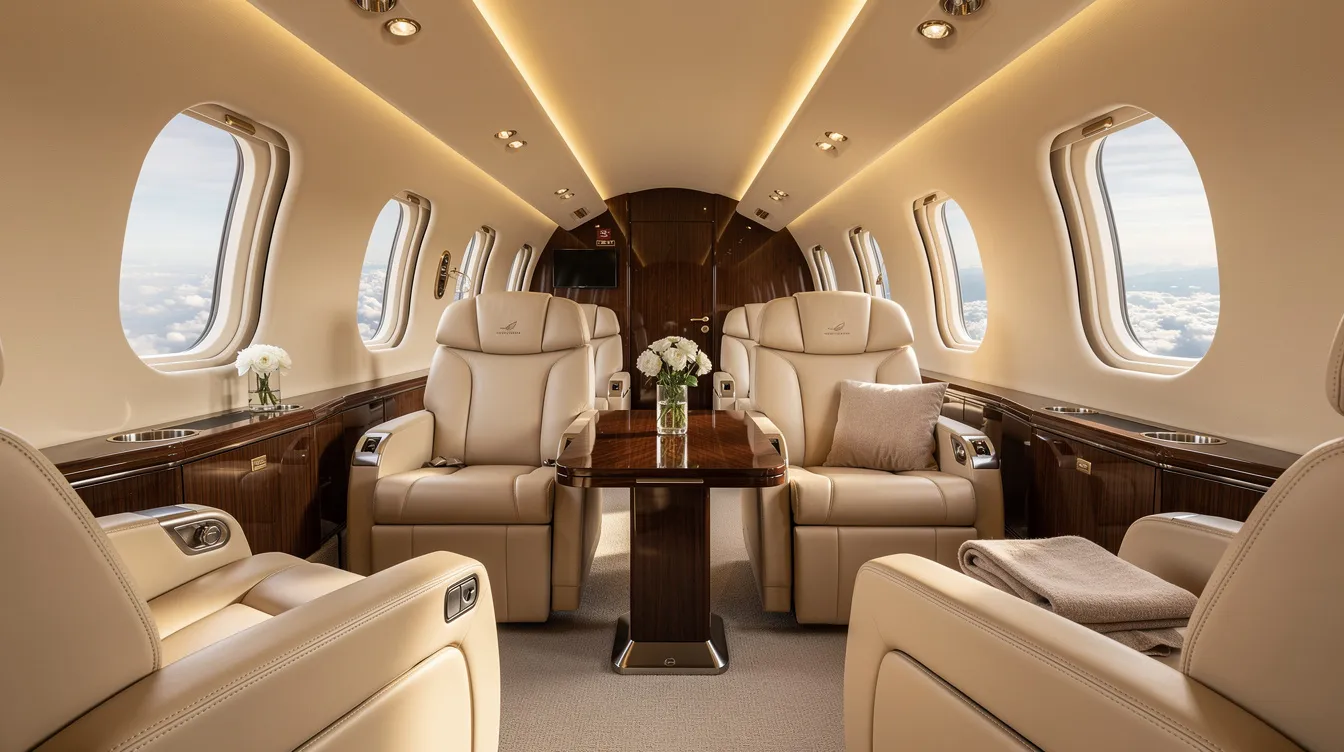
On larger aircraft, cabin space is divided into zones. Forward club seating works for conversation or dining. A conference table area supports meetings or presentations. Aft sections often feature divans or flat beds for rest on longer flights. Private jets feature plush leather seating that reclines fully, and many heavy jets include lie-flat beds for overnight crossings.
Common amenities include high-speed WiFi and entertainment systems, USB and AC power at every seat, modern LED lighting, and personal device connectivity. Private jets often feature superior cabin comfort and customizable interiors, with some operators offering custom décor for special occasions.
Privacy is where private aviation truly separates itself. Closed doors or partitions on spacious cabins allow confidential calls, video conferences, or board-level discussions that would be impossible in a commercial cabin. The cabin serves as a quiet workspace equipped with high-speed internet, making every flight hour productive.
Passengers on private jets enjoy custom-catered meals and personalized service. Onboard catering can be tailored to personal preferences, from espresso and fresh salads to kosher menus, kids' snacks, or celebratory champagne. Jettly coordinates these details with vetted operators, allowing travelers to submit preferences digitally during booking or leverage Jettly Eats in-flight catering services for more elaborate menus.
Selecting the right aircraft type is central to any private jet charter. Jettly's platform surfaces multiple aircraft options with instant pricing, making it straightforward to compare cabin size, range, and cost side by side. For a deeper dive into categories, see Jettly's guide on choosing the right private jet.
|
Aircraft Type |
Typical Passenger Capacity |
Range (Nautical Miles) |
Speed (mph) |
Ideal Use Cases |
|---|---|---|---|---|
|
Turboprops |
6 to 18 |
300 to 1,000 |
220 to 315 |
Short regional trips, remote airports |
|
Light Jets |
4 to 8 |
1,500 to 2,000 |
400 to 480 |
Quick domestic hops, short business trips |
|
Midsize & Super Midsize |
7 to 9 |
2,700 to 3,500 |
450 to 530 |
Coast-to-coast flights, family vacations |
|
Heavy Jets |
10 to 16 |
5,500 to 8,000+ |
500 to 600 |
Long-range international travel |
|
Ultra-Long-Range Jets |
Up to 19 |
6,000+ |
500 to 600+ |
Nonstop intercontinental missions |
Turboprops like the King Air 350 or Pilatus PC-12 typically seat 6 to 18 passengers. They cruise at 220 to 315 mph and are ideal for short regional trips of 300 to 1,000 miles, especially to airports with short runways or remote locations. Think island airstrips or mountain towns that a jet simply can't reach. For more on smaller aircraft, check out Jettly's small aircraft guide.
Light jets like the Citation CJ3+ and Phenom 300 are the workhorses of domestic travel. Light jets typically seat 6 to 8 passengers (some configurations seat 4 to 8 comfortably) and handle ranges up to about 1,500 to 2,000 nautical miles. They're perfect for routes like Los Angeles–Las Vegas or London–Nice.
Midsize and super midsize jets such as the Citation Latitude, Praetor 500, and Challenger 3500 step up cabin comfort considerably. Midsize jets offer more cabin height and luggage capacity than light jets, with stand-up cabins and enough room for 7 to 9 or more passengers. A Citation Latitude has a range of approximately 2,700 nautical miles. Super midsize jets are ideal for coast-to-coast missions and are preferred for transcontinental flights like New York–Los Angeles or Toronto–Cabo.
Heavy jets bring serious range and cabin space. Heavy jets can fly nonstop for over 5,500 miles, and some configurations extend that to over 8,000 miles. They carry 10 to 16 passengers with full lavatories, multiple seating zones, and lie-flat sleeping areas.
Ultra-long-range jets like the Gulfstream G650ER and Bombardier Global 7500 sit at the top. Ultra-long-range jets can accommodate up to 19 passengers and cover distances above 6,000 nautical miles nonstop, enabling routes like New York to London or Dubai to São Paulo without a fuel stop.
Jettly's search tools let users filter by passenger counts, range, cabin configuration, and price to find the right aircraft for each charter flight, drawing from its extensive private charter aircraft network.
For executives, entrepreneurs, and investment teams, the main asset is time. Private charter flights turn travel hours into productive work hours, and that shift in utility is why private jet charter demand among business travelers keeps growing. For a detailed look at how private aviation supports business travel efficiency, Jettly has published a dedicated guide.
Common executive travel patterns include same-day out-and-back meetings between New York and Chicago, regional site inspections, or deal roadshows spanning several cities in a single day. Private jets serve as quiet workspaces equipped with high-speed internet, with meeting-style seating for 4 to 6 people, HDMI or wireless screen-casting for presentations, and satellite phones on larger jets.
Confidentiality matters. Closed-door discussions about acquisitions, sensitive negotiations, or strategy reviews are impossible in a crowded commercial cabin. Private aviation solves that problem entirely.
Consider a private equity team visiting three portfolio companies across Texas in one day. Using a super midsize jet, they depart Dallas at 6:30 a.m., land in Houston by 7:45 a.m. for a morning session, fly to San Antonio for an afternoon review, and return to Dallas by 7 p.m. Assistants or travel managers arrange this through Jettly's digital interface, managing multi-city itineraries and receiving instant confirmations.
Private aviation isn't only about boardrooms. Birthdays, destination weddings, ski trips, and family holidays all benefit when the journey itself becomes part of the experience.
Popular leisure travel routes include New York–Miami for weekend getaways, Los Angeles–Aspen during ski season, Toronto–Nassau for Caribbean escapes, and London–Ibiza in summer. Private jets allow for personalized travel experiences and schedules, with departure time adjustments around naps, school pickups, or event timing.
For families and groups, the advantages multiply. Private jets can accommodate more luggage than commercial flights, including skis, golf clubs, strollers, and camera gear. Pets fly in the cabin. There's no fighting over overhead bin space or checking bags that might get lost. Jettly's guide to the best private planes for families explains how the right private plane can make family travel easier, and its blog further breaks down the best plane for a family of four for those considering regular trips together.
Celebration use cases bring the experience to another level. A surprise birthday flight with custom décor and a cake at cruising altitude. An anniversary return to a couple's original honeymoon destination. A mid-flight proposal timed with sunset over a specific coastline. Jettly coordinates with operators for ground transportation, special meals, decorations, and last-mile logistics, making the trip door-to-door rather than just airport-to-airport.

Travelers generally access private aviation through three main models: outright ownership, jet card programs, and on-demand charter. Understanding the differences is critical to choosing the right fit.
Ownership gives complete control over a single aircraft but comes with steep upfront purchase costs, crew salaries, hangar fees, and maintenance obligations. Fractional ownership spreads these across multiple buyers but still involves high fixed costs. Either model typically only makes financial sense above 200 to 300 flight hours per year.
Jet card programs offer prepaid hours on a set aircraft category, providing predictable hourly rates and guaranteed availability. But they require longer-term financial commitments and lock travelers into a specific category. For a breakdown of costs, see jet card pricing and rates.
On-demand charter means no long-term contracts and pay-per-trip pricing. Travelers select from many aircraft each time, matching the right aircraft to each mission. Jettly specializes in this digital, on-demand model, providing a convenient alternative to ownership and jet cards.
Jettly also offers private jet membership options that reduce per-flight costs and add benefits like dedicated support, without locking frequent flyers into traditional jet card structures. For infrequent travelers, on-demand is the clear choice. For those flying 50 to 150 hours per year, Jettly's membership tiers offer the best of both worlds.
Cost is the first question most travelers ask when considering private aviation. The answer depends on distance, aircraft type, trip profile, and timing, and some membership or semi-private models run on fixed routes rather than true on-demand charter.
Chartering a private jet typically costs between $3,000 and $4,000 per hour for light jets, though the full range across categories is wider. In practice, private plane rental depends on flight distance, aircraft size, schedule, and the specifics of the trip, and Jettly outlines these variables in detail in its guide to affordable private jet charter pricing:
Turboprops: roughly $2,500–$3,500 per flight hour
Light jets: $3,500–$5,000 per hour
Midsize and super midsize: $5,000–$9,000 per hour
Heavy and ultra long range jets: $10,000–$17,000+ per hour (heavy jets can exceed $17,000 per hour to charter)
For concrete examples: a short 40-minute flight in a small plane costs around $2,800. A 1.5-hour flight in a midsize jet costs about $34,500 all-in. Chartering a private jet from Los Angeles to New York costs about $32,000 on a super midsize aircraft. For travelers comparing private plane rental for leisure or business, these examples show how quickly pricing changes by aircraft and route. For detailed cost breakdowns, use Jettly's private jet charter cost calculator.
Key cost drivers include one-way versus round-trip pricing (repositioning fees add up on one-ways), peak travel dates around holidays or major events, airport fees, crew overnight costs, and weather conditions requiring de-icing in winter.
Empty leg opportunities represent a smart way to save. When an aircraft repositions without passengers, Jettly can surface those empty leg flights at significant discounts for flexible travelers, and its crowdsourcing tools even let users share empty seats on private jets to reduce costs further. Jettly's transparent, instant pricing engine shows all-in costs upfront, so there are no surprise fees after the fact.
Safety in private aviation is governed by strict regulations, and Jettly only partners with certified, audited operators. FAR Part 135 governs safety standards for private jet charters in the United States, covering crew qualifications, duty and rest limits, maintenance programs, and operational control. International flights follow equivalent regulatory frameworks.
Widely recognized third-party safety auditors such as ARGUS, Wyvern, and IS-BAO add another layer of verification. Many operators in Jettly's global fleet hold these designations. Companies like BlackJet partner with operators meeting ARGUS and IS-BAO safety benchmarks, and Jettly follows a similar standard when vetting its network.
Pre-flight safety checks include weather reviews and maintenance confirmations, runway performance analysis, fuel planning, and verification of aircraft maintenance logs. In flight, pilots adjust altitude to avoid turbulence, brief passengers on safety procedures, and coordinate with air traffic control.
Private jets often exceed commercial-grade safety expectations. The combination of newer aircraft, lower utilization rates, rigorous maintenance schedules, and experienced crew makes regulated private aviation one of the safest forms of air travel.
Aviation accounts for about 2% of global CO₂ emissions, and while private jets represent a small fraction of total traffic, the industry has a responsibility to improve. Cost efficiency in fuel use and smarter operations are the starting points.
Choosing the right-sized aircraft for each mission matters. A turboprop or light jet burns far less fuel per passenger on short regional trips than a heavy jet would. Jettly's platform encourages this by surfacing the right aircraft for the mission rather than defaulting to the largest option.
Sustainable Aviation Fuel can reduce lifecycle emissions by up to 80% where available. Many operators in Jettly's network are beginning to adopt SAF on specific routes and at airports where supply exists. Optimized routing helps reduce fuel burn in private aviation, as does flexible scheduling that minimizes holding patterns.
Carbon offsets support projects that reduce or remove emissions, including forestry, renewable energy, and carbon capture initiatives. Travelers can choose to offset emissions for each charter through verified environmental projects. BlackJet offers carbon-neutral flights at no extra charge, and Jettly can facilitate similar offsetting as part of its booking process, much like industry leaders such as NetJets in private aviation structure their own sustainability initiatives.
Jettly is a digital-first private jet charter marketplace built on cutting-edge technology that replaces opaque, phone-only booking models with transparent online tools. The private aviation market has shifted toward digital platforms, and Jettly is at the center of that movement.
The search experience is straightforward. Enter departure and destination cities, dates, passenger count, and trip type (one-way, round-trip, or multi-leg). The platform returns aircraft options with estimated flight times, cabin photos, and pricing. Users can compare multiple aircraft categories side-by-side, viewing hourly rates and estimated totals before committing. This provides seamless access to a global fleet of private jets and turboprops.
Features built for executive assistants and travel planners include saved passenger profiles, repeat route management, and automatic itinerary updates with terminal directions. Jettly supports digital booking across more than 190 countries, tapping over 20,000 unique aircraft.
Learn more about Jettly's charter options at jettly.com.
The booking process is designed to be simple, digital, and fast, whether for a same-day business trip or a holiday planned months ahead. For a complete walkthrough, see Jettly's guide on how to charter a private jet.
Create or log in to a Jettly account. Setup takes a few minutes and requires basic contact and payment information.
Enter trip details. Specify cities, dates, departure time window, passenger count, luggage notes, and any special requests like pets or catering preferences.
Review instant quotes. Compare aircraft options across multiple types. Look at range, cabin space, and hourly costs when choosing between, say, a midsize jet and a super midsize jet for different travel needs.
Confirm and pay. Select your preferred option, complete payment through secure digital checkout, and receive a full itinerary with FBO address, show-up time, and operator contact.
Add enhancements. Request ground transportation, specific cuisines, or dietary requirements for catering, and carbon offsetting if desired.
Experience private travel tailored to your schedule. Discover flight options or request a personalized quote at jettly.com.
In most cases, passengers can arrive just 15 to 30 minutes before departure at the private terminal (FBO), thanks to streamlined security and boarding. Private travelers skip long security lines and baggage checks entirely. Jettly's booking confirmations always specify the recommended arrival time and exact terminal directions for each airport. For international departures, operators may suggest arriving slightly earlier to complete passport and customs checks efficiently.
Many private jets in Jettly's network are pet-friendly and allow cats and dogs to travel in the cabin alongside their owners. Regulations differ by country and route. Basic requirements may include health certificates, vaccination records, and microchipping for certain destinations. Specify pet details during the quote request so Jettly can match you with a suitable operator and aircraft. Learn more about traveling with pets on private jets.
Private aviation usually offers more flexible luggage allowances than commercial flights, especially for items like golf clubs, skis, camera gear, or trade-show materials. Limits still depend on aircraft type, baggage compartment volume, and maximum takeoff weight. Include details about bulky or heavy items when requesting a quote so Jettly can suggest an appropriate larger aircraft if needed. See our guide on private jet luggage policies.
No jet card is required. Anyone can book on-demand private charter flights directly through the digital platform. Jettly also offers membership options that can reduce per-trip costs and add benefits such as dedicated support, but these are entirely optional. Frequent flyers should compare their current jet card or ownership expenses with Jettly's flexible model to see where the value lies. Explore Jettly membership benefits for more details.
Jettly supports international routes across more than 190 countries, including popular corridors like New York–London, Toronto–Cancún, and Dubai–Nice. Passport, visa, and customs requirements still apply. Jettly's partner operators assist with slot times, overflight permits, and handling. Allow additional planning time for complex international missions, particularly when flying to destinations with limited airport infrastructure. Learn how to book international private jet charters.
Flying private with Jettly offers time savings, privacy, tailored cabins, a global network of aircraft, and transparent pricing, all without the long-term commitments of ownership or jet cards. The platform connects business and leisure travel to thousands of private jets and turboprops worldwide, handling everything from short hops to nonstop intercontinental crossings.
Whether it's executive travel across three cities in a day or a family vacation with pets, gear, and a custom departure time, the overall travel experience changes fundamentally when commercial travel constraints disappear. A private jet in the sky becomes a practical travel tool when powered by Jettly's technology-driven private jet charter marketplace. Discover more about how to charter a private jet and start planning your next flight today.
Explore flight options or request a quote today at jettly.com.
Share this post:
Jay Franco Serevilla
Jun 24, 2026
|
5
min read
Discover tips and trends in the industry.
5
min read
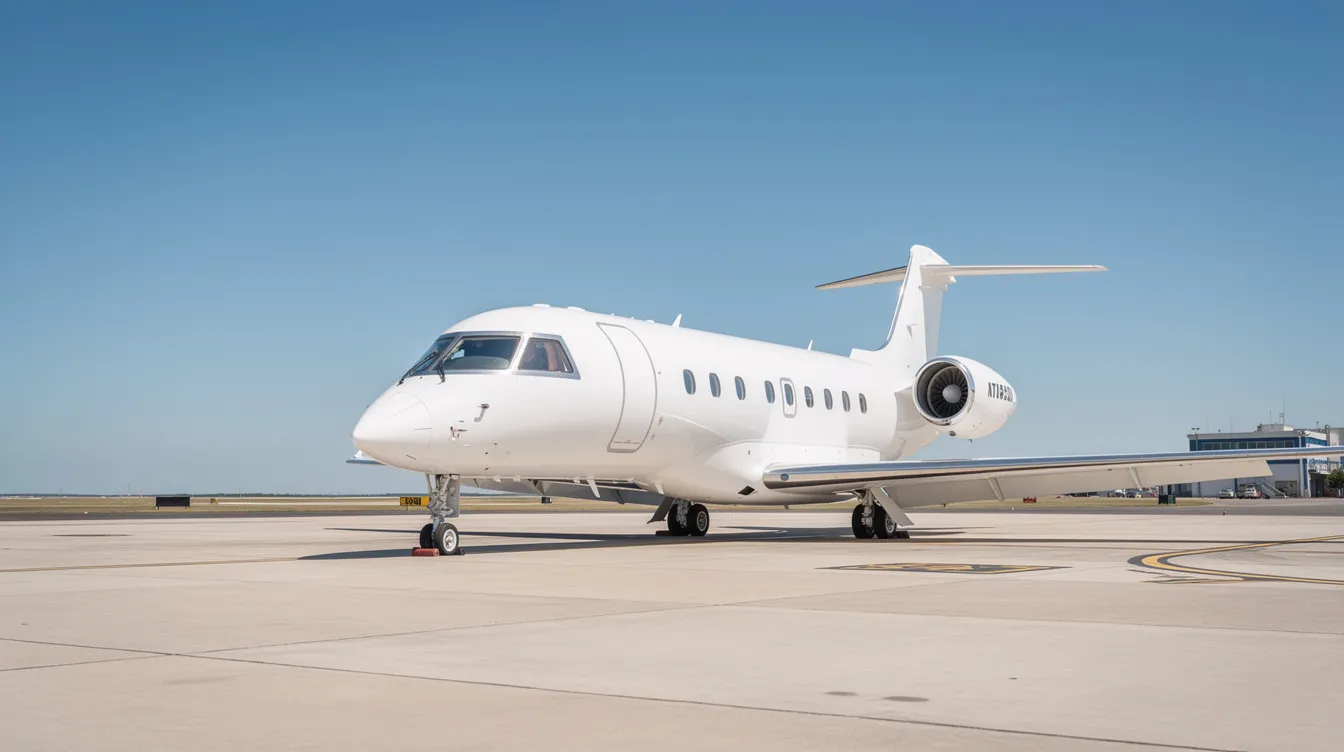
N224LD Embraer Legacy 600: Aircraft Overview & Private Charter Guide
The N224LD Embraer Legacy 600 is a 2006 business jet known for its spacious three-zone cabin and long-range capabilities. Operated by Cloud Enterprise Holdings LLC, it offers luxury private charters from Teterboro, NJ. With a maximum range of 3,250 nautical miles, this aircraft is ideal for corporate and family travel, providing comfort and productivity in the air.
Read More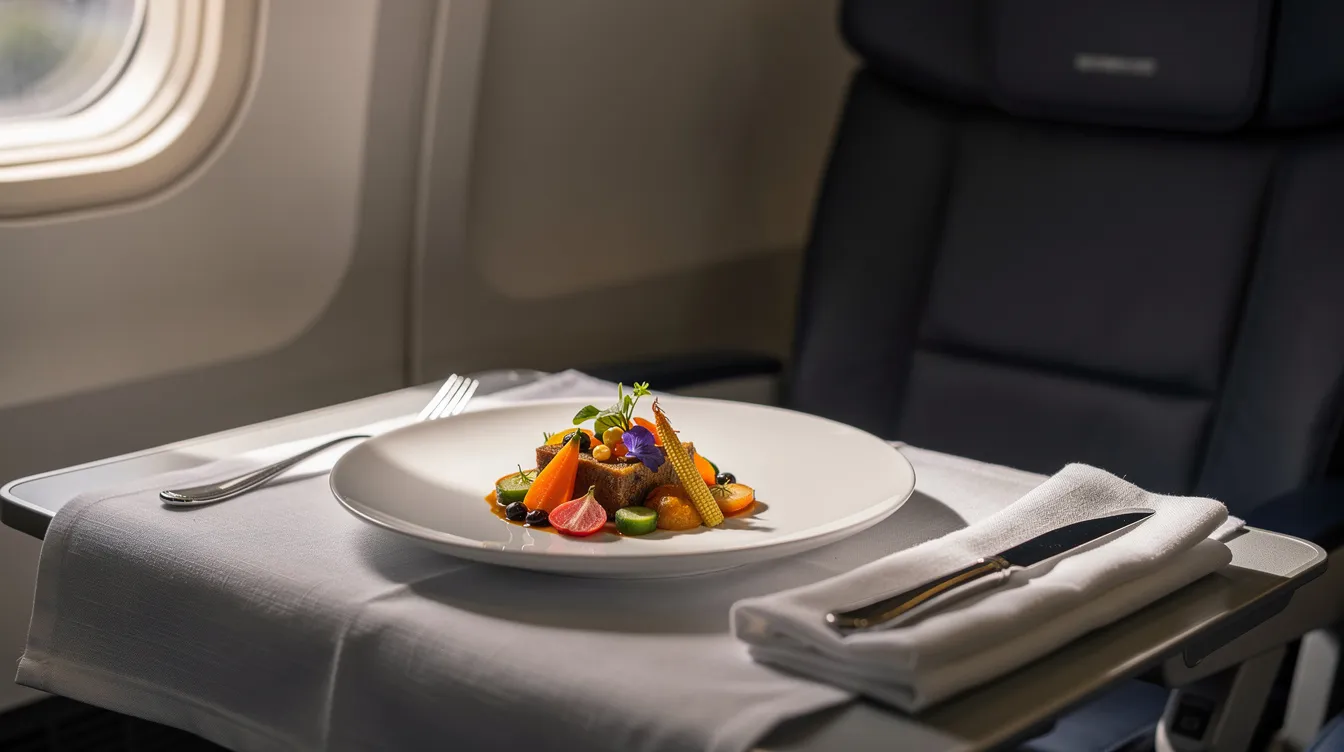
5
min read
Flying Chef: How In-Flight Culinary Excellence Is Redefining Private Jet Travel
The emergence of flying chefs is transforming private jet travel by offering personalized, high-quality dining experiences at cruising altitude. These culinary professionals elevate in-flight meals, adapting menus to passenger preferences and ensuring gourmet quality. As luxury travel evolves, flying chefs are becoming essential for discerning travelers seeking exceptional onboard dining.
Read MoreStay updated with our latest insights and tips to elevate your journey with us.
MEMBERSHIPS AND ASSOCIATIONS



Disclaimer: Jettly operates as a charter broker, offering access to a global digital jet charter marketplace. Jettly is not a direct air carrier and does not own or operate aircraft. All advertised flights are conducted by third-party air carriers that are fully licensed and hold the appropriate Part 135 or Part 121 certifications issued by the Federal Aviation Administration (FAA) or equivalent regulatory authorities under U.S. or foreign law. Jettly complies fully with the U.S. Department of Transportation's Part 295 and Part 298 Charter Broker regulations. Jettly does not carry additional liability insurance. Passengers are covered by aircraft operator insurance. TICO: 50023770


