



Login
Get Instant Pricing On 23,000+ Aircraft

>
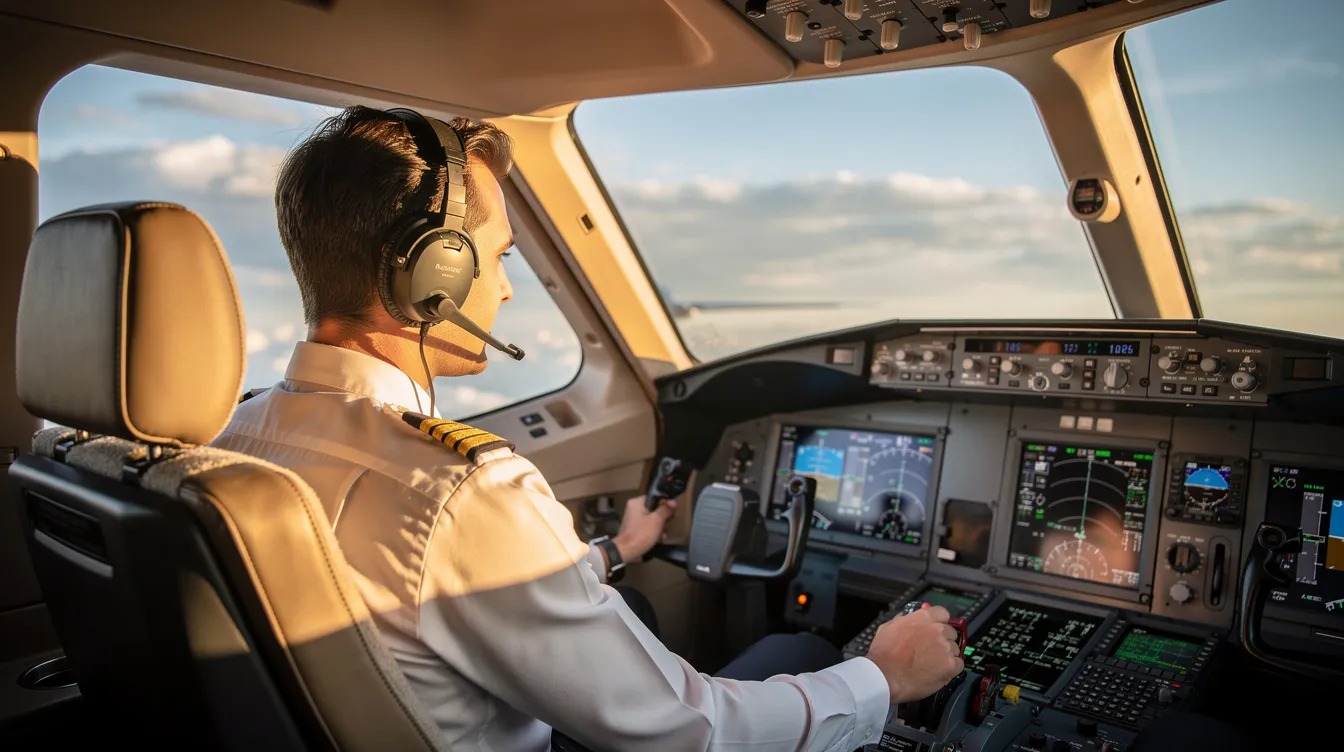
Understanding private pilot salary per hour matters whether you are building flight time toward a career or simply curious about what the crew earns on your next charter. This guide is for aspiring pilots, career changers, and travelers interested in how private pilot pay works and what to expect in 2026. Knowing the hourly pay structure is crucial for those considering a career in aviation, evaluating a job change, or booking private flights—helping you set realistic expectations, plan your career path, or understand what goes into the cost of your next charter.
In 2026, the range is wider than most people expect, and the numbers depend on factors like aircraft type, certifications, and where you fly. Here is a practical breakdown.
Private pilot salary per hour in 2026 typically ranges from about $26.50 at the entry level to well over $150 per flight hour for experienced contract and corporate jet captains. Annual salaries for private pilots vary from $90,000 to over $200,000, depending on the segment.
Commercial airline pilots at carriers like American Airlines are also paid per flight hour, but under union contracts and seniority scales that can exceed $400 per hour for widebody captains. Private pilot salaries follow a different structure.
"Private pilot" in common usage often describes anyone flying non-airline operations. Legally, a private pilot license holder in the U.S. cannot be paid to fly. A commercial pilot certificate or ATP license is required for compensation.
Hourly earnings depend on aircraft type, employment model (salary vs. contract), total flight hours, and whether the pilot is instructing, flying charter, corporate, medical, or freelance missions.
When booking through platforms like Jettly, travelers see transparent charter pricing that already includes pilot costs. Tools like Jettly’s private jet charter cost estimator help show how pilot compensation fits into the overall hourly rate. Explore options at Jettly.
The term "private pilot" carries two very different meanings. A private pilot license holder has earned FAA certification to fly small aircraft for personal use, but private pilots cannot fly for compensation with that license alone. In the aviation industry, however, "private pilots" commonly refers to commercial pilots and private jet pilots working in charter, corporate, or business aviation outside the airline system.
Any paid flying in the U.S., Canada, and the EU must be done under a commercial pilot certificate (requiring at least 250 flight hours) or an airline transport pilot license, which is required for large commercial aircraft. The FAA governs this under Part 61 and Part 135.
Sport pilots can only fly light aircraft below 10,000 feet, while recreational pilots can fly a wider range of aircraft than sport pilots. Neither may accept payment for flights.
Main segments where pilots earn hourly pay include on-demand charter, corporate flight departments, air ambulance services, cargo feeder operations, and flight instructors at flight schools.
Hourly "salary" can mean pure hourly wage, a day rate divided by typical flight time, or annual salary divided by average yearly flight hours. Later sections break down each model with real numbers.
In 2026, private pilots earn an average salary of $112,741 annually across all segments. Private pilot salaries range from $50,000 to $100,000 at the median, and private jet pilots earn between $47,000 and $300,000 based on experience. Experienced private pilots can earn up to $200,000 per year in well-established corporate roles.
Here is how effective hourly rates break down by aircraft category:
|
Role / Aircraft Category |
Hourly Salary Range (USD) |
Annual Salary Range (USD) |
|---|---|---|
|
Flight Instructor (entry) |
$25 – $50 |
$50,000 – $80,000 |
|
Small Piston Charter Pilot |
$40 – $55 |
$60,000 – $90,000 |
|
Turboprop Captain |
$60 – $90 |
$90,000 – $140,000 |
|
Light Jet Captain (contract) |
$80 – $120 |
$130,000 – $180,000 |
|
Midsize Jet Captain |
$120 – $180 |
$180,000 – $270,000 |
|
Large-Cabin / Ultra-Long-Range Captain |
$150 – $250+ |
$250,000 – $350,000+ |
These numbers represent pilot compensation, not the price a traveler pays to charter a private aircraft per flight hour. Total charter rates bundle aircraft, fuel, crew, insurance, and fees into a single quote.
Pilot shortages in 2025–2026 have kept private pilot rates firm or rising. Many pilots now command higher hourly rates than they did even two years ago, especially in the corporate and charter segments, where operators weigh pilot pay against the broader costs of private jet ownership and operation.
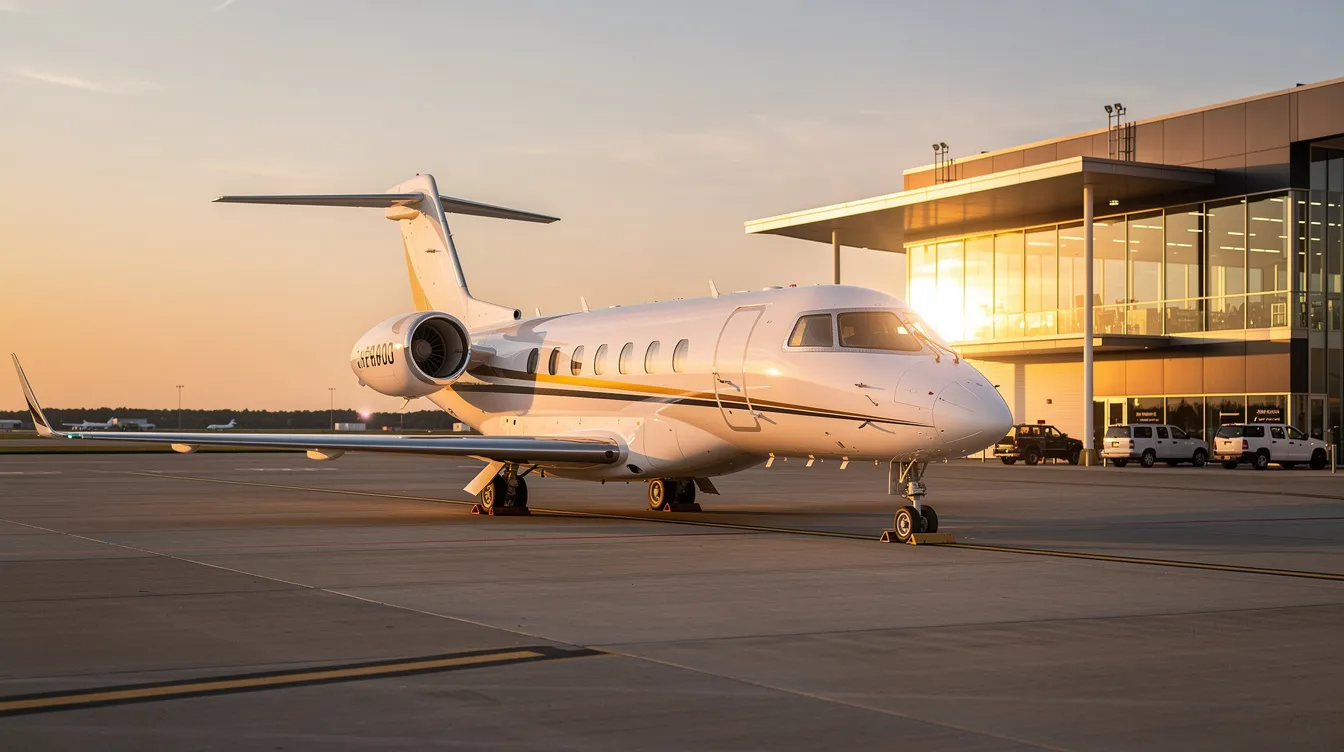
Pilot pay often varies based on experience, aircraft type, operational context, and other factors. Private pilot salary per hour is shaped by several overlapping variables.
Flight hours and recency: Experience level and the number of total flight hours influence pilot earnings directly. Employers often require 1,500–3,000 total hours and 500+ hours in type before offering captain rates. More flight hours generally translate to higher pay.
Certifications and ratings: Pilots with advanced certifications earn higher salaries. An ATP license, instrument rating, and multi-engine type ratings for complex aircraft like Gulfstream or Bombardier Global jets push pilots into premium hourly brackets.
Job type and operation: The type of operation can affect income levels. Charter pilots, corporate crews, air ambulance pilots, and flight instructors each sit at different points on the pay scale. Night flying, on-call requirements, and operational complexity push rates higher, and the diversity of employers outlined in a broad guide to private and charter airlines mirrors the range of compensation structures.
Geography: Geographical location significantly affects pilot salary due to cost of living variations. Location affects private pilot salaries due to demand variations as well. Major U.S. business aviation hubs like New York, Dallas, and Miami, along with European hubs like London and Geneva, tend to pay more than smaller regional markets.
Schedule and lifestyle: Flexible schedules and irregular rosters often come with higher hourly pay, while more predictable corporate flight department schedules may pay slightly less per hour but offer better quality of life. Job title and responsibilities also impact private pilot earnings.
Unlike many airline pilots whose contracts are strictly per flight hour plus per diem, private pilots can be paid hourly, by the day, by the trip, or on an annual salary with overtime or bonuses. Compensation in private aviation can be a flat salary or based per flight hour. Compensation models for private pilots vary greatly based on employer and type of hire.
Hourly pay: Pilots log billable flight time and receive a set hourly wage. A light jet first officer might earn $60 per flight hour, sometimes with minimum monthly guarantees.
Day rates: A contract pilot on a light jet might earn $1,500–$1,850 per day. If that day includes 4 flight hours, the effective rate is $375–$460 per hour. If it includes 6 hours, the figure drops. CrewBlast data shows rates climbing to $2,500–$5,000 per day for ultra-long-range aircraft.
Salary: A corporate captain might earn $130,000–$180,000 annually, flying 400–600 hours per year. That equates to an effective $215–$450 per flight hour once divided. Co-pilots in similar roles typically earn less.
Per diem and allowances: Many pilots also receive per diem for meals and incidental travel costs, plus compensation for travel days that may not appear in the "per hour" figure, similar to how some jet card pricing structures bundle extras into a single hourly rate for customers.
For comparison, airline pilot contracts at major carriers like American Airlines define pay strictly by block time (gate to gate), with separate per diem, first officer seniority scales, and profit-sharing bonuses.
Many aspiring pilots compare private pilot salary per hour against commercial airline pilots because airline pilot roles, especially at major airlines, are widely seen as the top-earning tier.
Recent airline contract updates paint a clear picture. United Airlines' 2023 pilot contract sets widebody captain pay starting at roughly $421 per hour, rising to about $493 per hour by January 2027. First officers on widebody aircraft earn $288–$337 per hour under the same agreement. For a broader look at airline pay, this guide covers 2026 pilot salaries across carriers.
Regional airlines tell a different story. First officers at regional airlines may start around $70–$120 per flight hour, often with signing bonuses. Private pilots in early charter or instructor roles see $30–$60 per hour, narrowing the gap at the entry level.
Private pilots can sometimes match or beat airline rates on a per-hour basis when working as experienced contract captains on larger aircraft. However, they usually lack the same union protections, retirement schemes, or predictable schedules enjoyed by airline pilots. Career progression can lead to flying for major airlines, and private pilots can progress to larger aircraft and airlines over time.
Many pilots begin as flight instructors or in regional airlines, then decide whether to pursue a long-term airline industry career or transition into high-end business aviation and charter work.
Most commercially licensed pilots building time toward higher-paid corporate or airline jobs start as flight instructors or fly small planes on charter and sightseeing operations.
Flight instructor pay: In 2026, Indeed data shows average flight instructor pay at approximately $28.50 per hour. Busy U.S. flight schools may offer $35–$50 per instructional hour. Flight instruction and flight school teaching remain the most common entry point, and private pilots can earn extra income through flight instruction while building hours.
Non-flying time: Instructors often do not get paid for all ground time, weather delays, or administrative work. Actual earnings per total duty hour can be significantly lower than the raw hourly rate.
Small charter and tour operators: Pilots who fly small aircraft on Part 135 charters typically earn $35–$60 per flight hour for single-engine piston work and $50–$80 per hour for small turboprops, often combined with per-day minimums.
Building hours: These jobs help pilots reach critical thresholds. A commercial pilot license requires at least 250 flight hours, and many employers want 1,000–1,500 total hours before interviewing candidates for turbine aircraft or airline positions. Written exams, checkrides, and gaining experience all factor in.
Private pilots can earn between $50,000 to $100,000 annually in these early roles. Job opportunities also include aerial surveying alongside flight instruction.
While these hourly numbers look modest compared with airline pilots, they represent an investment phase in a pilot's long-term earning trajectory.
Corporate aviation and on-demand charter form the core of private aviation, serving executives, high-net-worth individuals, and urgent missions like air ambulance or time-critical business travel.
Corporate jet captain salaries in 2026: Light jet captains earn approximately $150,000–$180,000 annually. Midsize jet captains see $200,000–$270,000, and large-cabin captains can earn $350,000 or more. For a deeper breakdown, see Private Jet Pilot Salary: How Much Do They Make?.
Pilots flying for high-net-worth individuals usually receive higher compensation packages, and highly experienced pilots can earn as much as $300,000 annually operating large jets.
First officers: Co-pilots in corporate and charter jets may see effective hourly pay in the $60–$140 salary range depending on aircraft type, responsibility level, and whether they are salaried or contract.
On-demand charter companies: Some pay pilots a base salary plus a per-leg or per-flight-hour premium, especially for international private jet operations or overnight flights. Pilots with specialized certifications often command significantly higher pay.
Private pilots can work in corporate aviation, freelance for charter services or corporations, and can also work in air ambulance services. Larger and more complex aircraft typically offer higher pay for pilots because their handling and performance demands call for more experience.
In digital charter marketplaces like Jettly, operators price flights by the hour or route, and those rates internally account for pilot salaries, recurrent training, insurance, and fixed crew costs, while customers benefit from affordable private jet charter pricing guidance and transparent quotes.
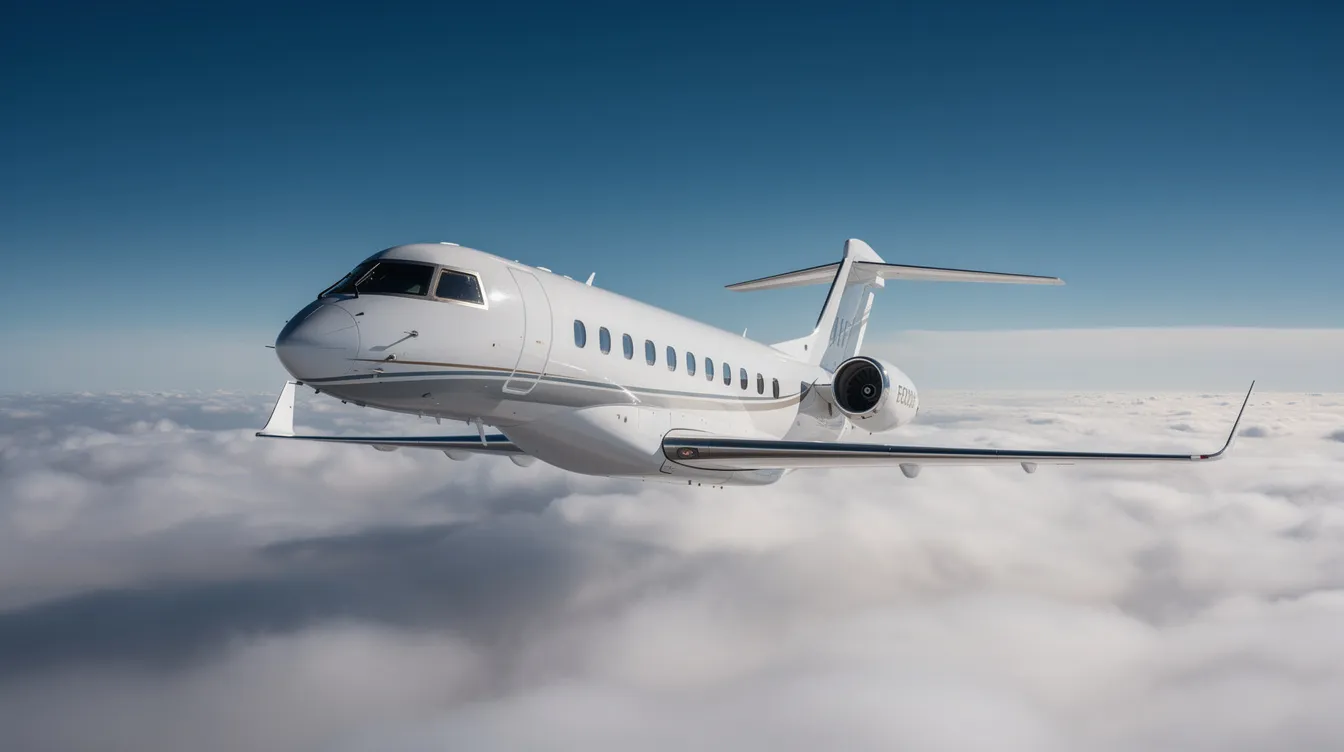
Travelers often see a single price per flight hour when booking a private jet, but that figure bundles many elements: aircraft ownership costs, fuel, maintenance, insurance, airport fees, and crew salaries and benefits.
Typical 2026 charter hourly rates run approximately $2,500–$7,000 for light jets, $6,000–$12,500 for midsize, and $11,000–$25,000+ for large-cabin or ultra-long-range jets. For a cost breakdown, check How Much Does It Cost to Charter a Small Plane in 2026?.
Pilot compensation might represent roughly 10–20% of that hourly charter rate once salaries, benefits, and training costs are annualized and divided by expected flight hours.
Platforms like Jettly source live pricing from operators. The customer pays a transparent hourly or trip price, and the operator pays its pilots according to internal salary or contract agreements.
Clients booking through Jettly do not negotiate pilot hourly rates directly. Instead, they compare total trip costs, aircraft categories, and schedule flexibility across more than 20,000 aircraft worldwide.
Understanding this breakdown helps non-pilots see why private jet hourly prices look much higher than the underlying pilot salary per hour. The pilot is one essential piece of a much larger operational cost structure that includes safety, fuel, air traffic control compliance, and passenger services.
A typical private pilot career follows a clear path. Many pilots move from private flight training to instructing, then into regional airlines, corporate jets, or on-demand charter, and some later join major airlines as first officers and captains.
Step-by-step: Earn a private pilot license, then an instrument rating and a commercial license. Build 1,000–1,500 flight hours as a flight instructor or charter pilot. Progress to airline or large-cabin corporate roles. Students pursuing this path can explore Pilot Lessons Cost in 2026 for initial training budgets.
Long-term earnings: Experienced airline captains at large carriers earn total compensation well into the high six figures. Senior corporate captains flying large business jets also see higher salaries and total packages rivaling airline figures on a per-hour basis.
Lifestyle: Airline pilots may benefit from predictable rosters and union contracts, while senior corporate pilots enjoy flexibility, varied destinations, and closer relationships with repeat clients, especially when flying for owners or companies that choose Jettly as a NetJets alternative instead of traditional fractional ownership.
Experience and flight hours significantly influence pilot salaries at every stage. Each step up in responsibility, aircraft size, and license level raises private pilot salary per hour and opens specialized opportunities, including flying for employers whose clients book via Jettly.
Below are answers to common questions about private pilot earnings, regulations, and how pay connects to charter pricing.
Under FAA rules and most international standards, a private pilot license alone does not permit payment for carrying passengers or cargo. A few narrow exceptions exist, such as cost-sharing flights where expenses are split with friends, or certain charitable flights under specific regulations. Meaningful hourly pay in aviation begins once a pilot holds at least a commercial pilot certificate, which requires more flight hours, training, and testing. Military pilots transitioning to civilian careers also need appropriate civilian certifications before accepting paid flying work.
Building time on different private charter aircraft types—pistons, turboprops, and jets—also broadens your employability and can accelerate access to higher-paying roles.
Most pilots begin earning modest hourly rates as commercial pilots around the 250–300 total flight hour mark when they start working as flight instructors or entry-level charter pilots. Significant jumps usually occur after 1,000–1,500 total hours, when many employers consider pilots for turbine aircraft or right-seat roles on jets. Premium rates in corporate and charter operations typically require 3,000+ total hours and several hundred hours in specific aircraft types. Gaining experience in complex aircraft is the single fastest path to higher pay.
It depends on the employer and contract. Some hourly or day-rate agreements only pay for logged flight hours, while others bundle preflight planning, ground delays, and post-flight duties into the rate. Salaried corporate and charter pilots are generally paid for their overall role, so standby, repositioning, and maintenance supervision are effectively included in annual pay. Pilots should read contracts carefully, especially for freelance or contract assignments where they may spend long days at the airport for only a few hours of flying.
Tools like Jettly’s airport locator and charter booking platform help match travelers with operators at thousands of airports, and those same routes underpin the demand that funds pilot salaries.
Jettly is a digital private jet charter marketplace connecting travelers with licensed operators. Pilots are employed or contracted by those operators, not directly by Jettly. Operators include pilot compensation, benefits, and training costs in the charter prices provided to Jettly. Because Jettly emphasizes transparent pricing and broad aircraft access, operators compete on both cost and service quality, which encourages them to retain experienced pilots through competitive salary and hourly pay structures.
Beyond pilot salaries, travelers often want to understand what they would personally pay to fly. Resources such as Jettly’s overview of private jet rental costs per hour and its private jet charter cost estimator break down typical price ranges, aircraft categories, and factors that influence final quotes.
Readers curious about how private pilot salary per hour fits into total trip pricing can explore real-time charter estimates, aircraft categories, and route examples on Jettly's platform, including tools like its jet card flight cost estimator and private jet membership programs. Visit Jettly to compare on-demand flights, review membership options, and request instant quotes on popular routes such as New York–Miami, Toronto–Vancouver, or Los Angeles–Las Vegas.
Ready to experience private travel on your terms? Whether you’re comparing full-charter options, sharing empty seats through crowdsourced private jet flights, buying a single seat on a private jet, or exploring easy ways to get a private jet seat, Jettly offers routes worldwide, including private jet charter services in Chennai, Kolkata, and New Delhi. Explore flight options or request a quote at https://www.jettly.com.
Private pilot salary per hour in 2026 varies widely based on experience, aircraft type, certifications, and geographic location. While entry-level pilots may earn around $26.50 per hour, seasoned corporate and charter captains can command rates exceeding $150 per hour. Understanding these factors is essential for aspiring pilots planning their careers and for travelers seeking transparency in private jet charter costs. Platforms like Jettly provide clear pricing that reflects pilot compensation alongside other operational expenses, making private aviation more accessible and understandable. Whether pursuing a career as a private pilot or booking a private flight, knowing how pilot pay fits into the broader picture helps set realistic expectations and highlights the value of professional expertise in private aviation.
Ready to experience private travel on your terms? Explore flight options or request a quote at https://www.jettly.com
Share this post:
Jay Franco Serevilla
Jul 20, 2026
|
5
min read
Discover tips and trends in the industry.

5
min read
Passenger Airline Crashes: History, Safety, and What Modern Travelers Should Know
Passenger airline crashes are rare, with commercial aviation being the safest mode of mass transportation today. In 2023, there were zero fatal accidents involving passenger jets, highlighting the effectiveness of safety regulations and advancements in technology. This article explores the history of airline crashes, safety measures, and what travelers should know about aviation safety.
Read More
5
min read
Worldwide Jet Charter: A Practical Guide to Global Private Flights with Jettly
Worldwide jet charter has transformed private air travel into a practical solution for executives, families, and urgent travelers. With access to over 20,000 aircraft globally, Jettly offers flexible, efficient, and direct flights that save time and enhance the travel experience. This guide outlines how jet charter works, its benefits, and how to navigate the booking process seamlessly.
Read MoreStay updated with our latest insights and tips to elevate your journey with us.
MEMBERSHIPS AND ASSOCIATIONS



Disclaimer: Jettly operates as a charter broker, offering access to a global digital jet charter marketplace. Jettly is not a direct air carrier and does not own or operate aircraft. All advertised flights are conducted by third-party air carriers that are fully licensed and hold the appropriate Part 135 or Part 121 certifications issued by the Federal Aviation Administration (FAA) or equivalent regulatory authorities under U.S. or foreign law. Jettly complies fully with the U.S. Department of Transportation's Part 295 and Part 298 Charter Broker regulations. Jettly does not carry additional liability insurance. Passengers are covered by aircraft operator insurance. TICO: 50023770


