


Login
Get Instant Pricing On 23,000+ Aircraft

>
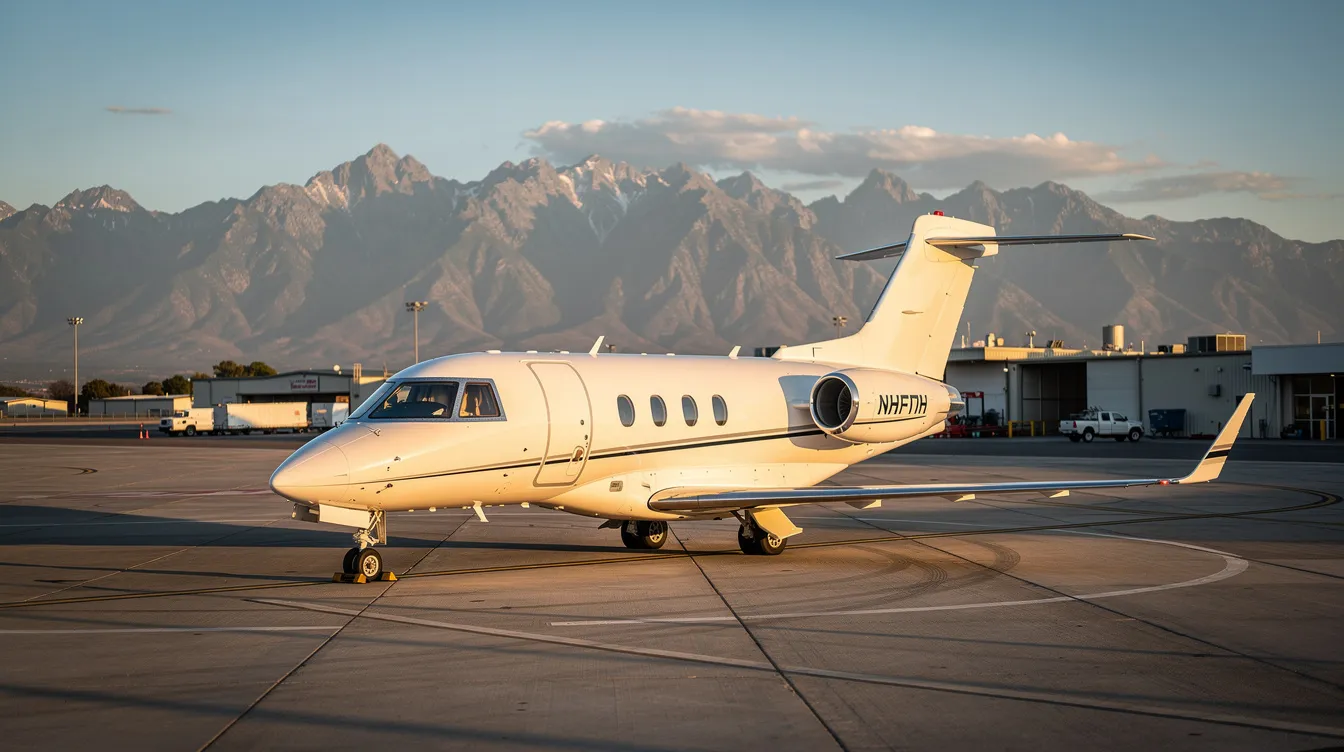
Flying a private plane cheaply sounds like a contradiction, but it isn't. This guide is for business travelers, families, and groups who want to experience private aviation without paying full price. Understanding these strategies can make private jet travel accessible to a much wider audience. The private aviation market has shifted dramatically in recent years. Digital platforms, empty leg flights, and flexible booking models now make it possible for business travelers, families, and groups to fly private at a fraction of what full-price charters once cost. This guide breaks down every practical strategy for cutting private jet costs, from choosing the right aircraft type to leveraging one-way repositioning deals through Jettly's global marketplace.
Flying a private plane cheaply typically means using empty leg flights, shared charters, and flexible booking on digital platforms like Jettly rather than owning an aircraft. The goal is not to sacrifice safety or comfort—it's to match the right aircraft, route, and timing to your budget. Modern on-demand charter services have made this far more accessible than it was even five years ago.
Empty leg flights can reduce the cost to fly private by 50–80% compared to standard charter services, especially on popular routes such as New York–Miami or Los Angeles–Las Vegas. You can find empty leg flights for $2,000 to $5,000 on shorter corridors, depending on aircraft and timing.
Light jets and turboprops are the most economical choices, with on-demand charter rates often starting around $2,300–$4,000 per flight hour for the entire aircraft.
On-demand private charter works best for travelers flying under 20–30 hours per year, while membership programs and jet cards offer savings for frequent flyers with higher annual usage, especially once you understand how much it costs to rent a private jet by the hour on different aircraft types.
Booking strategies can significantly lower private aviation costs. Flexibility on dates, airports, and aircraft category often matters more than negotiating harder on a single quote.
Ready to see what's available? Explore live empty legs, instant pricing, and transparent quotes at Jettly.
Flying private cheaply does not mean cramped cabins or questionable safety. It means choosing cost-efficient aircraft, routes, and booking methods that bring the price down without changing the core private jet experience. A private flight still means driving to a private terminal, skipping security lines, and departing on your schedule.
In practical terms, "cheap" means reducing a typical $12,000 New York–Miami light jet charter to $5,000–$7,000 by booking an empty leg, choosing a turboprop, or shifting your departure by a day. Private jet rental costs range from $2,000 to $24,000 per hour in 2026, so the aircraft category and booking method you pick create enormous swings in total cost—similar dynamics apply when you explore broader affordable airplane rental options beyond traditional charters.
The traditional view of private aviation—full ownership, hangar fees, crew salaries—still exists for high-volume flyers. But modern digital private charter platforms like Jettly focus on on-demand access and empty legs, removing long-term commitments entirely. The main cost-cutting tools covered in this article include empty leg flights, on-demand charter, shared flying, membership programs, jet cards, and fractional ownership, while separate resources explore affordable planes and budget-friendly aircraft choices for those considering ownership. This guide assumes you're more interested in cheap ways to fly private than in purchasing your own jet.
If you want to fly private cheap this month, start with the strategies that deliver immediate results. You don't need a membership or a jet card to save money on your next charter. You need the right approach, combining tactics like empty legs and secondary airports described in depth in Jettly's guide to booking the cheapest private jet flights.
Here are four quick wins:
Book an empty leg flight. These discounted one-way repositioning flights can cut charter costs by 50–75%. A last-minute light jet empty leg from Los Angeles to Las Vegas might be priced at $3,000–$5,000 versus a standard quote of $8,000–$12,000.
Choose a turboprop or light jet instead of a midsize or heavy jet. For routes under 1,000 miles, you rarely need a larger aircraft.
Be flexible on departure time and airport. Flying midweek or from a secondary airport often drops the price by 15–30%.
Use an on-demand charter platform like Jettly to book flights more easily while comparing options across aircraft types and operators instantly, rather than calling individual charter operators one at a time.
The biggest savings usually come from flexible, timely booking, which can produce significant savings, especially when you book a cheaper aircraft category and split costs across friends, family, or colleagues. For example, a $5,000 empty leg split among four passengers works out to $1,250 per person—competitive with some last-minute business-class domestic flights. Comparing quotes from multiple brokers ensures better pricing, and Jettly's marketplace does this automatically. Travelers who fly private fewer than 20–30 hours annually should start with on-demand private charter and empty legs instead of committing to jet cards or fractional ownership.
To make a private plane cheap, it helps to understand what actually makes a private flight expensive.
The main cost drivers are:
Aircraft type. Turboprops run $1,500–$3,500 per hour. Very light jets start around $3,400–$4,600. Light jets cost $3,500–$6,200. Midsize jets jump to $4,000–$8,500. Heavy and ultra-long-range jets can exceed $18,000 per hour.
Flight distance and time. Longer flights burn more fuel and require more crew hours.
Routing and repositioning. If the aircraft isn't already at your departure city, the operator may charge for the positioning leg.
Airport and handling fees. Landing fees, ramp charges, catering, de-icing, customs, and fuel surcharges can add 10–40% on top of the base hourly rate.
Timing. Peak travel days (Fridays, Sundays, holidays) and popular destinations command premium prices. Off-peak days and times create savings.
Private jet pricing generally charges for the entire aircraft, not per seat. Charter services usually quote an hourly rate, and operators often charge a daily minimum of two hours for light aircraft. A 45-minute hop may be billed as 90 minutes. Understanding these mechanics is essential—check out how much a private flight actually costs or Jettly's broader guide on how much a private jet costs for a deeper breakdown of both ownership and charter economics.
Digital platforms like Jettly show all-inclusive pricing up front, helping travelers quickly see which options are genuinely cheap for their route.
An empty leg flight is a private jet repositioning flight that would otherwise fly empty, sold at a discount to recover part of the cost. Empty leg flights are discounted private jet journeys that occur when a jet repositions without passengers after dropping off or before picking up its primary charter client.
The terms "empty leg," "empty legs," and "leg flights" all describe these discounted one-way repositioning segments driven by another customer's primary booking.
Typical savings range from 30–75% off standard charter rates. On highly competitive routes close to departure, empty leg flights can save travelers up to 90% on charter costs. Prices for empty leg flights can be 50% to 80% cheaper than standard bookings. You can find empty leg flights for $2,000 to $5,000 on shorter routes.
Key trade-offs to understand:
Fixed route and schedule. The airport pair and departure time are set by the original booking. Booking empty leg flights requires flexibility in schedule.
One way only. Most empty legs don't include a return. You'll need a separate booking for the trip back.
Possible changes. If the original charter client shifts plans, the empty leg may be canceled or rescheduled with short notice.
Jettly surfaces empty leg flights in its marketplace, allowing users to filter by origin, destination, and date. Some flexible travelers pair two empty legs to build a discounted round trip.
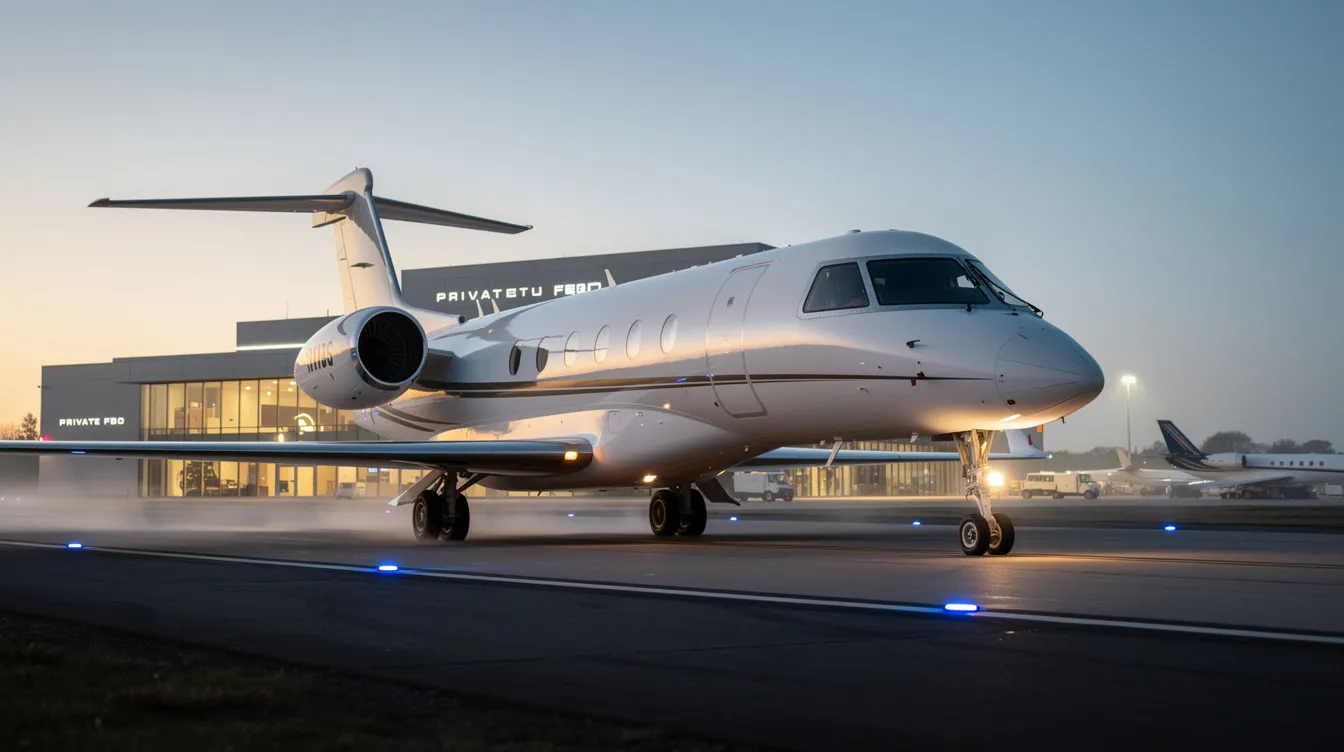
Finding cheap empty legs is a practical, repeatable process. Here's how it works on a digital platform:
Search by region and date. Enter your departure region (e.g., London area or New York metro), your preferred date range, and passenger count. The platform returns available empty leg flights matching those parameters.
Compare savings against standard charter. A mid-October Geneva–Paris empty leg might be priced 60–75% below standard private charter for the same route. A Toronto–New York empty leg in November could drop from $9,000–$11,000 standard to $4,000–$6,000. For more on how these deals work, read What Are Empty Leg Flights?
Book the entire aircraft. On an empty leg, you book the full cabin, not just a seat. You can bring additional passengers up to the aircraft's limit at no extra base cost. A family of four or a team of colleagues splitting the cost can dramatically reduce per-person pricing.
Set alerts or subscribe to empty leg notifications so you can react quickly when a leg flight matching your preferred corridor appears. The best deals move fast—especially within 48 hours of departure, when operators are most motivated to fill the aircraft.
Aircraft choice is one of the easiest levers for making a private plane cheap, especially for journeys under 1,000 miles. Chartering the smallest appropriate aircraft type can save costs immediately.
Turboprops sit at the lowest cost tier. A King Air 100 turboprop charters for about $2,300 per hour. Single-engine turboprops like the Pilatus PC-12 run similarly. Opting for turboprops can reduce hourly operating costs significantly compared to jets. They're ideal for regional hops under 800 miles—think New York to Nantucket, or London to Edinburgh. Learn more about these aircraft in Jettly's guide to turboprop private jets.
Very light jets like the Eclipse 500 cost about $2,900 per hour, and the Cessna Citation Mustang sits in a similar range. Very Light Jets (VLJs) are cheaper for short flights than heavier jets, offering jet speed with lower hourly rates. The Vision Jet from Cirrus also falls into this accessible category.
Light jets such as the Embraer Phenom 300 and Cessna CJ3+ see hourly rates beginning at approximately $3,750 and ranging up to $6,200. Light jets often cruise at around 35,000–41,000 feet, covering common routes like Los Angeles–Las Vegas, New York–Chicago, or London–Geneva efficiently, and many feature among the cheapest private aircraft options for buyers focused on acquisition cost.
Jettly's platform lets users sort or filter by aircraft category and use an integrated airport locator tool, so budget-conscious travelers can prioritize turboprops and very light jets when requesting quotes.
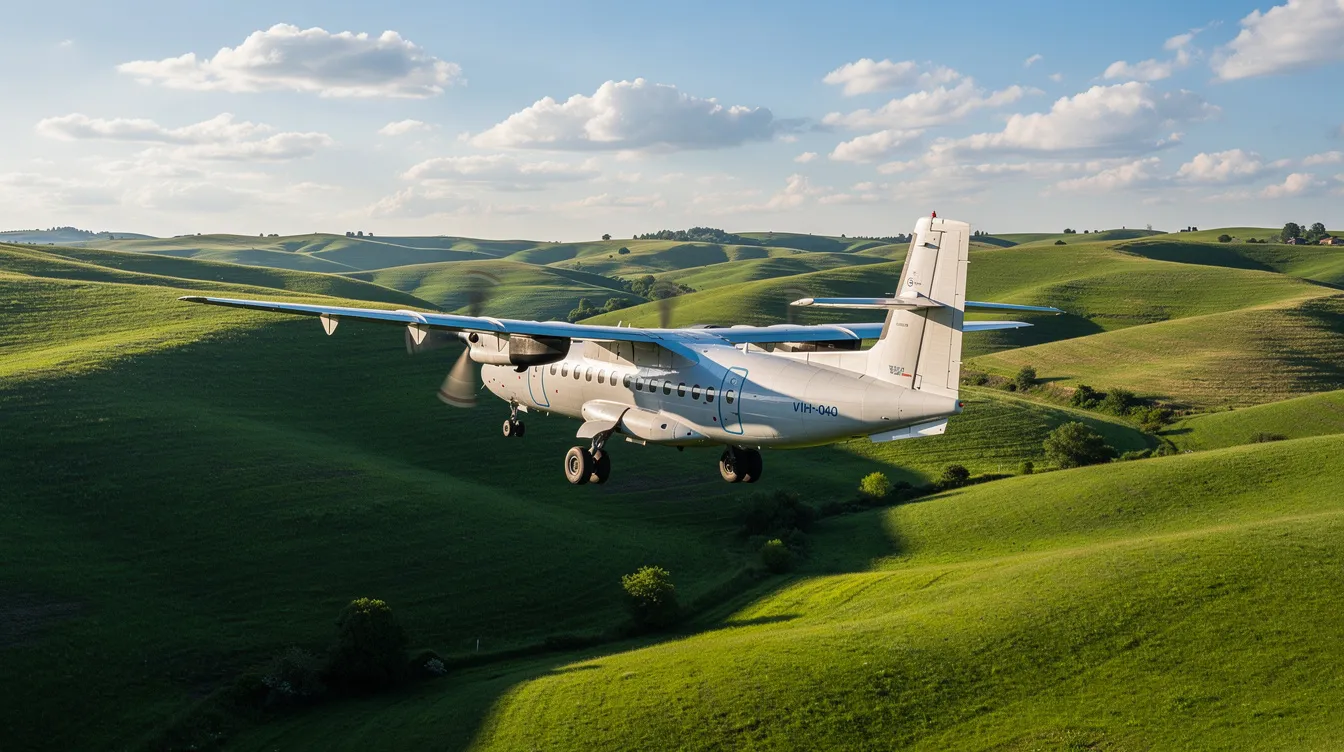
Choosing the right access model matters as much as picking the right aircraft. Here's how the three main options compare for travelers seeking flexibility and value.
On-demand private charter requires no upfront commitment. You pay as you go, with pricing driven by each individual trip and aircraft selection. This model is ideal for occasional travelers. Hourly rates are market-driven—sometimes higher than locked programs, but there are no fixed fees when you're not flying.
Membership programs charge a modest monthly or annual fee in exchange for reduced hourly rates, priority booking, or lower service charges. Jettly offers membership programs designed to lower per-hour costs for frequent flyers. Membership programs can offer discounted rates for frequent flyers and provide guaranteed availability. Membership programs are ideal for frequent travelers seeking convenience. For context, Wheels Up memberships start at $2,995 per year, while Surf Air offers unlimited flights for $1,995 per month.
Jet cards allow prepayment for flight hours at fixed rates—typically blocks of 25, 50, or 100 hours on specific aircraft categories. Fixed hourly rates remove pricing surprises. Jet cards work best for travelers flying 25–50+ hours per year who value price certainty. For a detailed comparison, see Jettly's rundown of the best jet card programs alongside its own world-class jet card program.
When each is cheapest:
Under ~20–30 hours/year: on-demand charter wins.
25–50 hours/year with variable patterns: membership programs offer the best balance.
50+ hours/year with predictable needs: jet cards begin to deliver savings through fixed rates.
Fractional ownership requires purchasing a share of a private jet—typically a 1/16 or 1/8 stake—through a provider. That share grants guaranteed yearly flight hours on that aircraft or fleet type.
The financial structure includes an initial share purchase (often six figures), monthly management fees, and per-hour occupied flight charges. Together, these resemble a long-term lease with significant ownership costs attached: crew salaries, insurance, maintenance reserves, and depreciation all factor in, driving up the true cost of a single private jet flight compared with pay-as-you-go charter.
Fractional ownership can become cost-effective for heavy users flying 100–200+ hours per year. But for most travelers seeking to fly private cheaply, on-demand private charter is significantly less expensive. The crossover point where fractional begins to beat charter typically falls around 50–75 occupied hours annually, and even then, the capital risk and inflexibility often outweigh savings—especially when you compare those commitments against flexible options using a dedicated jet card flight cost estimator.
Jettly focuses on digital charter services rather than fractional ownership, providing access to aircraft globally without the capital outlay or long-term commitments. If you're considering fractional, first calculate your realistic annual flight hours and compare them against projected charter and membership costs using Jettly's cost estimator.
Private aviation can be accessed through shared flights or seat-sharing services, opening the door for travelers who want private terminal convenience without booking the full cabin alone.
In a shared private charter, one group books the entire aircraft through a broker or marketplace, then internally splits the cost among passengers traveling to the same destination. Shared charter services split costs among passengers, dramatically lowering the individual price to fly private. Shared charters provide access to private flights at lower costs than solo bookings.
Semi-private carriers sell individual seats on scheduled or shuttle-style routes using smaller private aircraft and private terminals. Platforms like JSX and Blade offer shared private flights on popular corridors, and Jettly's crowdsourced private jet seat-sharing model similarly makes it easy to sell or buy individual seats on charter flights. Flights with JSX start at $249 per seat on select routes. Shared charters allow booking individual seats on private jets, and shared charter services allow booking a single seat on a private jet without chartering the full aircraft.
Jettly's role as a marketplace for the entire aircraft synergizes well with cost-sharing among friends or business partners, especially on short-haul flights in light jets and turboprops. The platform handles the aircraft booking; your group handles splitting the bill.
Best use cases: weekend ski trips, corporate offsites, or family holidays where a 6–8 seat turboprop can be filled, dropping per-seat cost close to or even below last-minute business class on commercial flights—exactly the type of trip covered in Jettly's guide on how to get a seat on a private jet.
Flexibility is often more powerful than chasing a specific jet model when trying to make a private plane cheap.
Off-peak timing. Midweek flights are generally cheaper than weekend flights due to lower demand. Flying Tuesday through Thursday, or choosing late morning and midday departures, can reduce rates and increase the number of available empty legs on your route.
Alternative airports. Choosing smaller airports can reduce landing fees and ground handling costs substantially. Avoiding major airports can save on various fees during private flights. For example, using Van Nuys (VNY) over LAX in Los Angeles, or Teterboro (TEB) over JFK in New York, often cuts repositioning and handling charges. Many private aircraft already operate from these smaller fields, so your departure city options may be broader than you think.
Route adjustments. Accepting a slight route change or a one-stop itinerary can open up more empty leg flights or more competitive aircraft options. A willingness to depart from a nearby airport an hour's drive away can mean thousands in savings.
Jettly's instant pricing shows how changing departure airport or time by just a few hours materially alters the charter quote. Small shifts in schedule unlock large differences in cost.
"Cheap" must never mean compromising on safety, certification, or regulatory compliance in private aviation.
Key safety standards to look for:
In North America, confirm the operator holds FAA Part 135 certification. The FAA recommends verifying operator credentials before booking private flights.
In Europe, look for EASA-compliant charter operators.
Globally, seek operators audited under programs like ARGUS, WYVERN, or IS-BAO.
Jettly only lists charter services from vetted operators that meet or exceed relevant regulatory requirements, even on discounted empty legs. Using independent brokers can provide access across various operators, but the quality filter matters—always confirm the operator behind any unusually cheap quote.
Older aircraft can still be safe and cost-effective when maintained to strict standards. An older King Air with impeccable maintenance records may offer better value than a newer aircraft from a less rigorous operator. Prioritize operator quality over purely chasing the lowest online price. Ask about pilot experience, maintenance programs, safety audit status, and onboard services like dedicated in-flight catering for private jets before booking.
Here are three illustrative scenarios showing how different strategies affect overall cost.
Scenario 1: Family of four, Toronto to New York (TEB), November 2026. Standard light jet charter for this route typically quotes $9,000–$11,000 one way. An empty leg on the same corridor might list for $4,000–$6,000. Split among four passengers, that's $1,000–$1,500 per person—less than many last-minute business-class fares on the same route. The family books the entire aircraft and gains cabin space, flexible schedules, and a direct flight into Teterboro instead of navigating JFK or Newark—similar to how travelers in India might leverage private jet charter in Kolkata, West Bengal, for regional trips.
Scenario 2: Small executive team, Los Angeles (VNY) to Las Vegas, early December 2026. A light jet charter for this route runs roughly $8,000–$10,000 total. Switching to a turboprop drops the cost to $5,000–$7,500. Shifting departure from Friday to Thursday (off-peak) may shave another 10–15%. The team of four pays roughly $1,250–$1,875 each on the turboprop and saves an hour of airport time each way compared to commercial flights through LAX. Explore similar routes on Jettly's empty leg flights to Las Vegas.
Scenario 3: Six friends, London to Chambéry ski weekend, January 2027. A King Air 200 charter on this route might cost $6,000–$8,000 total. Split six ways, each person pays $1,000–$1,333. Premium economy or business class on connecting commercial flights to the nearest ski-region airport—plus ground transfers—could easily cost more per person while adding hours of travel time. Filling the premium aircraft is the key to making the math work.

Buying an aircraft—even a cheap turboprop—introduces high fixed costs. Crew salaries, hangar rental, insurance, recurrent training, inspections, and annual maintenance easily run $200,000–$500,000 per year before you burn a drop of fuel. Full ownership only starts to make financial sense at 200+ hours per year of consistent flying.
For travelers flying under 100 hours annually, charter, empty leg flights, and membership programs almost always win on cost. There's no depreciation risk, no hangar lease, and no pilot payroll during months you don't fly, and platforms like Jettly specialize in affordable private jet charter to keep ad-hoc trips accessible.
For most travelers looking for private plane cheap options—whether for vacations, ad-hoc business trips, or a few key routes per year—access models like Jettly's digital charter platform are more rational than purchasing a private aircraft. Serious high-usage flyers can still use on-demand charter data to benchmark whether fractional ownership or full ownership ever pencils out, or consider Jettly as a cost-effective NetJets alternative instead of traditional fractional programs.
The cheapest jet is often the one you don't own. You only pay when you fly.
Every cost-saving strategy discussed in this article works better with the right platform behind it. Here's how Jettly aligns with each approach.
Jettly offers access to over 20,000 aircraft worldwide—turboprops, light jets, midsize jets, heavy jets, and helicopters—providing access across a fleet large enough to surface competitively priced options on virtually any route and any departure date, and features prominently in Jettly's ultimate guide to charter airlines and private flights.
Instant pricing and digital booking let users compare options across aircraft types and operators in seconds. Instead of calling three brokers and waiting for callbacks, travelers can identify the cheapest suitable entire aircraft for their trip immediately. Learn more about the process in Jettly's guide on how to book a private jet.
The platform supports empty leg flights and last-minute deals, plus tools to search multi-leg itineraries for business roadshows or multi-city holidays. Jettly's membership programs and jet card options layer additional savings for frequent flyers who want fixed rates and guaranteed availability.
Ready to experience private travel on your terms? Explore flight options or request a quote at Jettly.
On short routes with a full aircraft—say, six to eight passengers filling a turboprop or light jet—the per-person cost can approach or undercut last-minute business-class fares. This is especially true on busy dates and popular corridors where commercial prices spike. A group of six on a $6,000 turboprop charter pays $1,000 each, which often beats walk-up business-class tickets on the same route.
Standard on-demand charter is often cheapest when booked one to three weeks in advance, giving operators time to optimize scheduling. Empty leg flights usually appear closer to departure and reward flexible, short-notice travelers. Setting alerts for your preferred routes ensures you don't miss deals as they surface.
Yes. Membership programs on platforms like Jettly can coexist with empty leg bookings. Members may receive priority access or lower service fees on discounted leg flights, further reducing cost. There's no conflict between the two—think of membership as a baseline benefit layer and empty legs as opportunistic savings on top.
Turboprops like the King Air and Pilatus PC-12, along with very light jets, are usually the most cost-efficient for this distance range. They balance speed, range, and hourly rate effectively for routes such as New York–Chicago or London–Geneva. Hourly charter rates in this category start around $2,300–$3,750, keeping total trip cost manageable.
Three steps: create an account on Jettly, run an instant price search for your desired route and date, then compare standard on-demand charter quotes with any available empty legs or alternative airports nearby. The platform handles the comparison work, showing you which combination of aircraft, airport, and timing delivers the best price for your next charter.
Flying a private plane cheaply is increasingly achievable thanks to innovative booking platforms like Jettly and smart cost-saving strategies. By leveraging empty leg flights, choosing the right aircraft type such as turboprops or light jets, and maintaining flexibility with dates and airports, travelers can enjoy private aviation without the traditional high costs. On-demand charter services, membership programs, and shared flights further enhance affordability while preserving the convenience and comfort of private travel.
With transparent pricing, instant booking, and access to a global fleet of over 20,000 aircraft, Jettly empowers travelers to find the best deals tailored to their needs. Whether flying solo, with family, or in a group, private jet travel no longer needs to be out of reach. Ready to experience private travel on your terms? Explore flight options or request a quote at Jettly.
Share this post:
Jay Franco Serevilla
Oct 11, 2026
|
5
min read
Discover tips and trends in the industry.
5
min read
Jet Market Outlook: Private Jet Demand, Regional Growth, and Charter Opportunities
The private jet market is experiencing significant growth, projected to rise from USD 25.5 billion in 2024 to USD 38.25 billion by 2033. Key drivers include increasing demand from high-net-worth individuals, technological advancements, and a shift towards charter services over ownership. Jettly offers a flexible platform for travelers to access a vast network of private jets, catering to the evolving needs of business and leisure travelers.
Read More
5
min read
Jet It Cost: What Private Jet Travel Really Costs in 2026
In 2026, private jet rental costs range from $2,000 to $24,000 per flight hour, influenced by aircraft type and route. This guide provides insights into hourly rates, hidden fees, and cost-saving strategies, helping travelers choose the best access model for their needs. Jettly's digital marketplace offers instant pricing and transparency for private jet bookings.
Read MoreStay updated with our latest insights and tips to elevate your journey with us.
MEMBERSHIPS AND ASSOCIATIONS



Disclaimer: Jettly operates as a charter broker, offering access to a global digital jet charter marketplace. Jettly is not a direct air carrier and does not own or operate aircraft. All advertised flights are conducted by third-party air carriers that are fully licensed and hold the appropriate Part 135 or Part 121 certifications issued by the Federal Aviation Administration (FAA) or equivalent regulatory authorities under U.S. or foreign law. Jettly complies fully with the U.S. Department of Transportation's Part 295 and Part 298 Charter Broker regulations. Jettly does not carry additional liability insurance. Passengers are covered by aircraft operator insurance. TICO: 50023770


