


Login
Get Instant Pricing On 23,000+ Aircraft

>
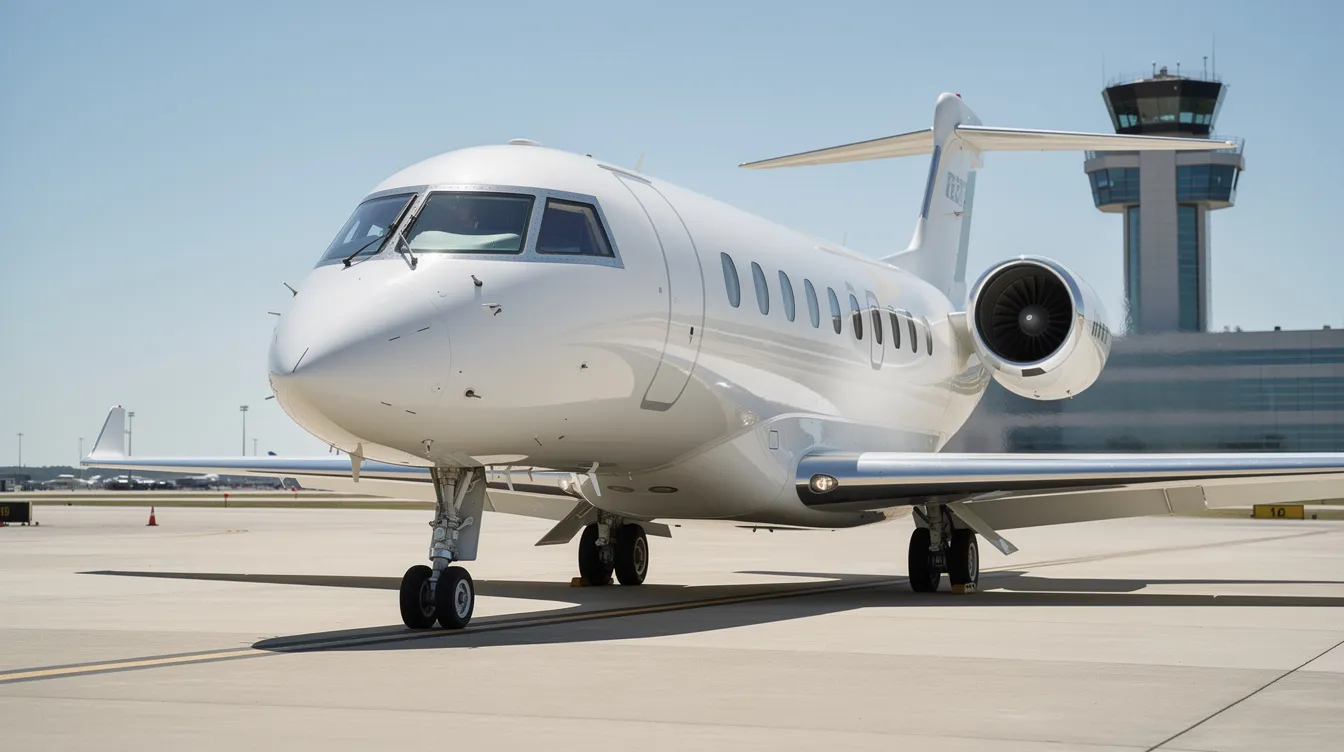
Landing fees are the charges an airport assesses each time a private aircraft lands, usually based on aircraft weight, and for private planes they can range from free at some smaller fields to more than $1,000 at major airports. They help fund runway maintenance, approach lighting, rescue services, and airfield staffing, but total airport charges are also subject to other factors and fees beyond the landing itself, including a ramp fee for FBO apron use and separate charges for ground services. For frequent flyers, corporate executives, high-net-worth individuals, and families booking private jet charters, understanding how these fees work matters because they can materially change the total trip price and influence which airport makes the most sense.
For charter passengers, these expenses are generally passed through by the aircraft operators or broker. The price can vary drastically between a small airport and a primary commercial hub like LAX or London Heathrow, and this guide explains what private plane landing fees include, how airports calculate them, when parking, ramp, slot, or landing-rights charges apply, what fee ranges to expect by airport and aircraft type, how they affect charter pricing, and how to reduce them. Jettly is a tech-driven marketplace that helps travelers see these costs up front inside instant charter quotes, avoiding unexpected expenses after the flight.
Private plane landing fees are charges airports assess each time an aircraft touches down, covering runway maintenance, safety services, and airport infrastructure. Jettly rolls these fees into transparent charter quotes so travelers know exactly what they pay.
Landing fees for private aircraft are usually calculated based on aircraft weight, often charged per 1,000 lbs of maximum takeoff or landing weight, with rates ranging from about $3 to $13+ at major U.S. airports as of 2026.
A landing fee is separate from a ramp fee, parking, and other fees like de-icing or ground power. Each line item covers a different service at the airport.
Most small general aviation airports either charge no landing fees or collect modest flat amounts, while large hubs can add hundreds or even over $1,000 per movement for heavy aircraft.
Landing fees for private jets can vary from free to over $1,000 depending on the airport, aircraft weight, and time of arrival.
Jettly's digital platform factors expected airport and FBO charges into instant charter quotes and can suggest alternate airports to reduce unnecessary costs.
A landing fee is the charge an airport operator assesses each time an aircraft uses its runway and airfield facilities. It applies to both commercial airlines paying airline landing fees and private aircraft operators alike.
These fees help airports achieve cost recovery for concrete items: runway resurfacing, approach lighting, snow removal, firefighting and rescue services (ARFF), and compliance with aviation safety regulations.
At many U.S. and European airports, landing fees are published in the airport's tariff or rate book, indexed per 1,000 lbs or per metric ton of certificated maximum landing weight.
Airports may impose noise surcharges based on environmental regulations, particularly for older aircraft or night arrivals.
Congested airports may recover costs through different permissible fee structures. Larger aircraft incur higher landing fees due to increased runway wear on airport infrastructure.
Charter customers rarely pay this fee directly. Instead, it is included in the operator's invoice, which Jettly displays within the all-in charter price.
There is no standard nationwide landing fee schedule in the U.S., and no single global formula exists. Most major airports use aircraft weight and sometimes time of day to calculate the fee structure.
The typical weight-based model charges a rate per 1,000 lbs of maximum certificated landing weight. For example, Santa Monica Airport charges $5.48 per 1,000 pounds, while Chicago O'Hare runs closer to $12.76.
A light jet at roughly 16,000 lbs might pay $75–$150 at a busy metropolitan airport. A large cabin jet at 75,000 lbs could pay several hundred dollars or more. Landing fees can range from hundreds to thousands of dollars at top-tier hubs.
Some smaller airports skip complex formulas and charge a flat-rate fee, perhaps $15–$40 for a small aircraft or $50–$100 for business jets. Smaller jets are sometimes charged based on the number of seats rather than weight alone.
A subset of general aviation airports charge no landing fee at all, relying on fuel margins and hangar space leases instead.
More than 100 airports now use ADS-B data for landing fee billing, automating arrival tracking. Vector airport systems and similar tools help airports monitor traffic and assess fees accurately.
For charters arranged through platforms like Jettly, these calculations happen in the background, but understanding them helps travelers appreciate why two airports in the same city produce very different quotes. Explore options using the Private Jet Cost Calculator.
The landing fee is only one part of operating costs at an airport. FBOs and airport authorities also levy a ramp fee, parking charges, handling fees, and various other fees.
A ramp fee covers use of the FBO's apron, lounge, and facilities. Ramp fees are often waived if fuel is purchased, and many airports waive landing and ramp fees if a minimum amount of fuel is purchased. Handling fees may also be waived with a minimum fuel purchase. Fuel waivers can result in landing fee discounts at many airports, and some landing fees may be waived if refueling at the airport. In most cases, pilots simply buy gas on arrival to cover the minimum.
Overnight parking fees can range from $5 to $30 per night for light aircraft, scaling up to several hundred for larger jets in heated hangar space. Selecting the right private charter aircraft for the mission also influences total operating and parking costs.
FBOs may bundle service fees with landing fees in final invoices.
Additional charges may include:
De-icing fees
Catering fees
GPU (Ground Power Unit) usage
Potable water service
Lavatory servicing
After-hours call-out fees
Fuel service fees vary widely, averaging $6.97 per gallon at many FBOs. A fuel purchase can offset several line items, making it worth factoring into the budget. Learn more about fuel costs for private jets.
International operations may require customs clearance and security screening, adding both cost and lead time for passengers arriving from abroad. Tools like Jettly’s airport locator can help identify suitable international fields with the right facilities and fee structures.
Beyond paying a landing fee, some airports require landing rights in the form of advance slots, permits, or prior permission. This is common at congested airports that serve heavy commercial and general aviation traffic.
Slot-controlled airports like London Heathrow or New York LaGuardia require operators to secure a specific arrival and departure time. Air traffic control coordination adds complexity. Peak operating times can trigger additional landing fee surcharges.
Major international airports charge higher landing fees to manage congestion. In parts of the Middle East, Asia, or Africa, permits for non-scheduled operations may add 24–72 hours of lead time and administrative expenses.
High-demand areas can impose steep landing fees during busy seasons or major events such as Davos or Art Basel, where both slot fees and standard fees spike.
Jettly works with licensed operators and local handling agents who secure landing rights, slots, and permits on behalf of the customer, bundling those costs into the trip budget. This is the responsibility of the operating carrier, not the traveler. Learn more about where private jets land.
Actual numbers vary by airport and change over time, but realistic ranges help travelers estimate what portion of their charter price relates to airport charges. Major commercial or busy aviation airports often charge higher landing fees than general aviation fields. Smaller airports may charge minimal or no landing fees to encourage traffic.
|
Aircraft Category |
Regional GA Airport |
Busy Metro / Hub Airport |
|---|---|---|
|
Piston/turboprop |
$0–$40 |
$40–$100 |
|
Light jet (Phenom 300, CJ series) |
$25–$75 |
$75–$250 |
|
Midsize jet (Citation XLS, Challenger 350) |
$50–$150 |
$150–$400+ |
|
Large cabin / long-range (G600, Global 6500) |
$100–$300 |
$500–$1,000+ |
In Europe, fees are calculated per metric ton, often €6–€20 per ton, with environmental or noise surcharges that can push the final bill higher.
Landing fees can be negotiated with airport authorities by operators who fly frequently to a specific point, though ad-hoc charter flights generally pay the published rate.
Fees can range from hundreds to thousands of dollars at the busiest hubs. Jettly's instant pricing factors in airport category and aircraft type to suggest cost-efficient combinations. For a full breakdown, visit Private Jet Operating Cost.
In a typical charter quote, the customer sees an all-inclusive trip price. Behind the scenes, operators account for fuel, crew, maintenance, landing fees, ramp charges, and other operational costs. Pilot planning tools can help estimate landing fee structures before a flight even departs.
On short regional flights with a light jet, landing and ramp fees may be a small fraction of total cost. On a 30-minute hop into an expensive financial hub, they become a more noticeable line item in the overall aircraft rental price, as outlined in Jettly’s guide to affordable aeroplane rent costs and options.
Jettly compares multiple operators and airports for the same city pair. Choosing Teterboro over JFK for New York, or Fort Lauderdale over Miami International, can shift the price materially for businesses and individual travelers alike.
Corporate travel managers can build accurate budget projections for multi-city roadshows where cumulative landing and ramp fees across 5–10 legs become significant money, especially when they understand the broader picture of how much a private jet costs to own or charter.
Jettly offers both on-demand bookings and private jet memberships. In either model, the platform does not hide airport charges in opaque surcharges. Itemization is available on request from the operating carrier, and payment terms are clear before departure.
While landing fees are set by the airport, travelers can choose different airports, aircraft types, or schedule windows to manage overall trip cost without compromising safety or comfort.
Use secondary or general aviation airports. Flying into Van Nuys instead of LAX, or London Farnborough instead of Heathrow, often means lower landing fees, reduced ramp charges, and fewer air traffic control delays. Flight schools and training operations at smaller fields keep those airports open and staffed, which benefits private flyers with lighter fee schedules.
Align arrivals with off-peak times when possible. Some airports apply peak-time surcharges during rush hours, and flying outside that limit can save money.
Select an aircraft that closely matches the mission. A turboprop or light jet for short hops not only costs less in hourly rates but reduces weight-based landing fees. Explore chartering a small plane for regional trips, and review how renting a plane works if you’re new to private aviation.
Combine meetings into one efficient multi-stop itinerary to reduce the number of separate landings.
Check airport fees on the official airport website before booking. AOPA's Airport Directory lists airport fee information, contact details, and services for aircraft owners and pilots across North America, while separate guides such as Jettly’s overview of helicopter rental costs highlight how fee structures differ for rotary operations.
Jettly's advisors and digital tools can suggest optimized routings and airports once the traveler inputs origin, destination, preferred schedule, and passenger count. The benefit is a fair price with full transparency.
These questions address common concerns about landing fee rules, waivers, and payment logistics not fully covered above.
No. Many small general aviation airports in the United States and Canada do not charge any landing fee for light or small aircraft, and some operate entirely free of landing charges. Conversely, almost all large commercial and major business aviation airports charge landing fees for every arrival, including private jets. The aviation industry has no universal law requiring a landing fee at every field, and our guide to charter airlines and private flights explains how different operators navigate these varying airport policies.
Landing fees are typically airport authority charges and are rarely waived for a fuel purchase alone. However, ramp fees and certain FBO handling charges are often reduced or eliminated when the aircraft takes a specified minimum quantity of gas. In practice, this visit to the fuel pump can offset a fair share of ground expenses and cover the cost of services like a crew car or GPU, especially when combined with value-added services such as in-flight catering for private jets through Jettly Eats.
Travelers can review published airport tariffs on the official airport website, consult AOPA's Airport Directory, or contact the FBO directly in advance. Platforms like Jettly incorporate current airport and handling fee assumptions into their quotes and provide detailed breakdowns upon request, and tools such as the jet card flight cost estimator can give route-specific pricing context.
The operating carrier receives the landing fee invoice from the airport or FBO and passes that cost through as part of the charter price. Most airport fees are paid at the airport or FBO directly by the operator. Payment methods include credit cards, debit cards, and cash. Automated billing may also send invoices by mail after landing. Charter passengers virtually never pay the airport directly but ultimately fund the fee as part of the total trip cost, which is why understanding jet card costs and pricing structures can be helpful for frequent flyers.
Yes. At slot-controlled or permit-restricted airports, a plane cannot operate without confirmed landing rights or a slot. During busy events or peak travel seasons, these can be limited in range and availability. Jettly and its partner operators will suggest alternate airports or departure times to keep the trip on schedule and within budget, particularly for clients using structured solutions like jet card programs.
Ready to see transparent charter pricing that includes landing fees, ramp charges, and all airport costs? Explore flight options or request a quote at jettly.com, or learn how to earn by referring travelers through Jettly’s ULTRA High Ticket affiliate program.
Private plane landing fees are a necessary part of airport operations, covering essential services like runway upkeep, safety, and infrastructure. These fees vary widely depending on airport size, aircraft weight, and timing, ranging from no charge at smaller fields to over $1,000 at major hubs. For private jet travelers, understanding landing fees and related costs such as ramp fees, parking, and fuel service charges helps in making informed decisions that impact the overall trip budget.
Jettly simplifies this complexity by incorporating transparent airport fees into instant charter quotes, allowing travelers to compare options and choose airports and aircraft that optimize costs without compromising convenience or safety. By leveraging Jettly’s digital platform, travelers gain clear visibility into all fees upfront, avoid unexpected expenses, and can explore strategies to minimize landing fees through airport selection, scheduling, and aircraft choice.
Ready to experience private travel on your terms? Explore flight options or request a quote at https://www.jettly.com.
Share this post:
Jay Franco Serevilla
Aug 19, 2026
|
5
min read
Discover tips and trends in the industry.
5
min read
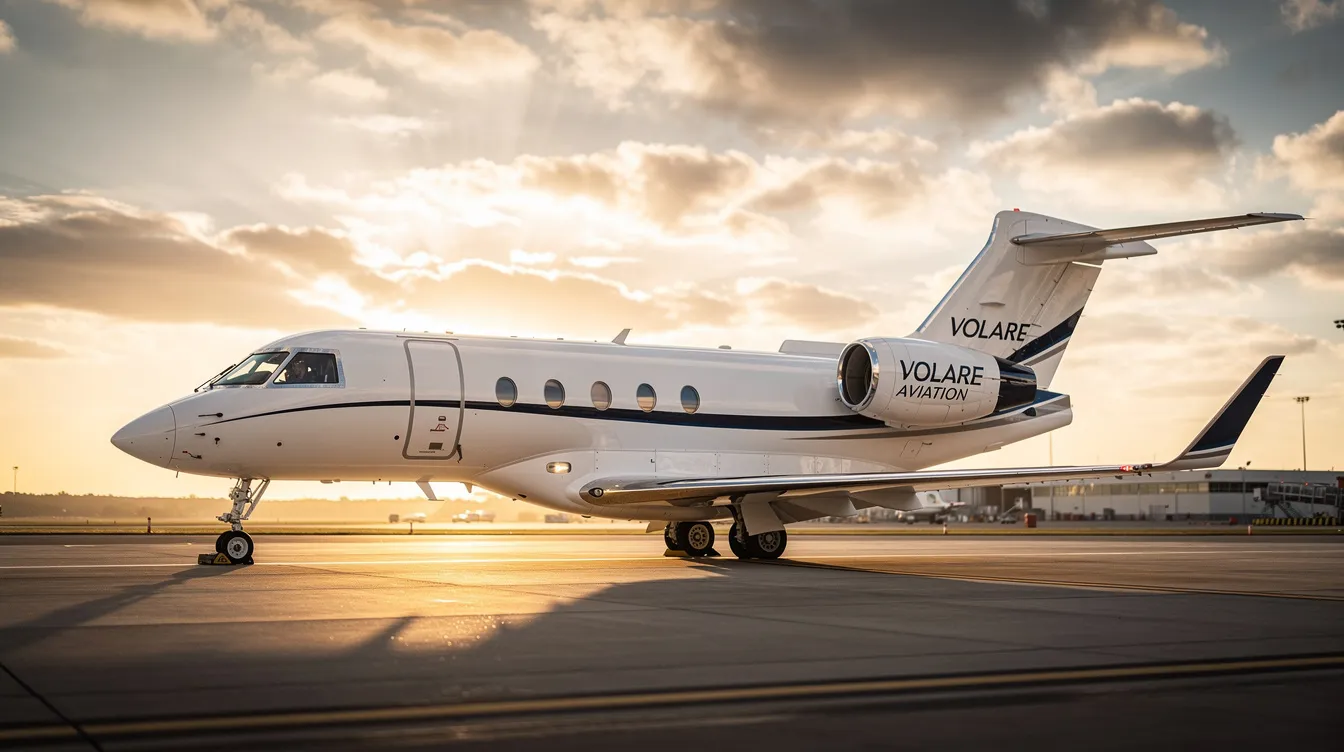
Volare Aviation and Modern Private Aviation: How Jettly Helps You Charter Smarter
Volare Aviation offers boutique private aviation services at Oxford Airport, specializing in aircraft ownership, management, and charter. With the rise of digital platforms like Jettly, private jet and helicopter travel has become more accessible, allowing travelers to choose flexible options without the need for ownership. This article explores the advantages of private aviation, including reduced travel time and personalized service.
Read More
5
min read
Why So Many Plane Crashes? Causes, Trends, and How Modern Aviation Stays Safe
Plane crashes are often the result of a combination of factors, including human error, mechanical failures, and weather conditions. Despite media coverage suggesting otherwise, air travel remains statistically safe, with improvements in aviation safety over the decades. Understanding the causes and trends can help travelers make informed decisions about their flying options.
Read MoreStay updated with our latest insights and tips to elevate your journey with us.
MEMBERSHIPS AND ASSOCIATIONS



Disclaimer: Jettly operates as a charter broker, offering access to a global digital jet charter marketplace. Jettly is not a direct air carrier and does not own or operate aircraft. All advertised flights are conducted by third-party air carriers that are fully licensed and hold the appropriate Part 135 or Part 121 certifications issued by the Federal Aviation Administration (FAA) or equivalent regulatory authorities under U.S. or foreign law. Jettly complies fully with the U.S. Department of Transportation's Part 295 and Part 298 Charter Broker regulations. Jettly does not carry additional liability insurance. Passengers are covered by aircraft operator insurance. TICO: 50023770


