


Login
Get Instant Pricing On 23,000+ Aircraft

>

A Quicksilver ultralight airplane is a lightweight, open-cockpit aircraft built on tube-and-fabric construction, originally derived from powered hang gliders in Southern California. Quicksilver aircraft have been mass-produced with over 15,000 units built across decades of production.
Quicksilver Aircraft has been in business for over 40 years and is well-known for its ultralight aircraft and kits that have shaped the ultralight aviation scene.
The Quicksilver MX and GT product line has offered affordable, easy-to-fly designs for recreational ultralight pilots worldwide since the late 1970s.
The GT 500 was the first sport airplane certified by the FAA, marking a significant milestone in ultralight aviation. Additionally, the GT400-OC is LAMA certified, meeting recognized airworthiness standards.
Many Quicksilver models do not require a pilot's license if they meet specific weight regulations under FAR Part 103, making them accessible to sport pilots.
The open-air design of Quicksilver aircraft offers panoramic visibility, utilizing an aluminum-tube fuselage covered with Dacron sailcloth for weight savings.
Quicksilver aircraft feature low stall speeds, enabling safe, short field landings and short takeoff rolls, often under 65 feet.
These aircraft use dependable Rotax two-stroke engines and conventional three-axis controls, providing docile, stable, and forgiving flight characteristics.
Due to their lightweight construction, Quicksilver aircraft are particularly vulnerable to wind and thermal conditions, requiring careful weather consideration.
Quicksilver kits can be assembled quickly using basic hand tools, making ownership and maintenance accessible.
Below you will find detailed model overviews, performance traits, training considerations, and how ultralights complement private jet charter today.
Quicksilver Aircraft has been a recognized leader in sport aviation for over 40 years, known for its ultralight aircraft and kits that revolutionized how people experience flight. Originating from weight-shift control hang gliders, Quicksilver transitioned to three-axis-controlled ultralight airplanes, broadening access to pilots without hang gliding experience.
Under U.S. regulations, a true ultralight must be single-seat, weigh under 254 lb empty, carry no more than 5 gallons of fuel, and stay below 55 knots. Some Quicksilver models fit within these limits, while others fall into Experimental Amateur-Built (E-AB) or Light Sport Aircraft (LSA) categories.
The open-air aluminum-tube fuselage and Dacron sailcloth covering provide panoramic visibility and keep the aircraft lightweight. Quicksilver's tube-and-fabric construction technique is key to its low weight and ease of assembly. Their aircraft offer low stall speeds for safe, short field landings and quick takeoff capabilities.
Companies like Air Tech Inc. have supported the Quicksilver product line for decades with replacement parts and service, while platforms like Jettly focus on professionally operated, certified aircraft for point-to-point charter travel.
The MX and MXL series are central to the classic Quicksilver lineup, featuring single- and two-seat aircraft with a pusher-prop, high-wing layout. Models include the MX Sprint, MXL Sport, MX II Sprint, and MXL II Sport, all sharing a cable-braced aluminum structure but differing in wing design, seating, and performance.
Most MX/MXL aircraft use dependable Rotax two-stroke engines such as the Rotax 447, 503, or 582. These aircraft are known for their docile, stable, and forgiving flight characteristics. The choice between Sprint and Sport models depends on pilot priorities:
Sprint models have a single-surface wing, ideal for training and early solo flight with slow-speed docility.
Sport models feature a double-surface wing for higher cruise speeds, better wind penetration, and faster roll rates in crosswinds.
Sprint versions suit new ultralight pilots who prefer gentle handling.
Sport versions appeal to owners seeking a broader speed range for longer local flights.
The MX Sprint is a classic single-seat Quicksilver ultralight with an open cockpit and single-surface wing, offering extremely light and responsive handling for an enjoyable flying experience. It features fast roll response and crosswind handling thanks to conventional three-axis controls, with predictable stall behavior for safety.
The MXL Sport upgrades to a sleek, short-span double-surface wing with full-span ailerons, enhancing breeze penetration and expanding the speed envelope. This wing design offers more flexibility for local flying in variable conditions compared to the Sprint.
The MX II Sprint and MXL II Sport add tandem seating for flight training, check-rides, and shared flights. The MX II Sprint boasts an exceptionally short takeoff roll and is optimized for low-speed operation, favored by flight schools.
The MXL II Sport features a dual-surface wing to increase cruise speed and improve crosswind handling while maintaining Quicksilver's forgiving control harmony. It includes inflight adjustable trim and simple cable-operated controls, emphasizing low-altitude enjoyment over cross-country speed.
The Sport 2S introduces a more modern design with strut-braced wings and side-by-side seating, bridging the gap between ultralights and fully certified light sport aircraft. Its layout includes two seats shoulder-to-shoulder, a high wing with struts, and a rear pusher engine.
Comfort improvements include a wider cockpit, better seating, clearer instruments, and larger tires for rough-field operation. Features like a steerable aluminum nose wheel and composite three-blade propellers reduce drag and vibration. While suitable for recreational flying, business travelers typically choose private charter aircraft such as turboprops or light jets booked through Jettly for longer trips.
Quicksilver's GT-series, including the GT 400, GT 500, and variants, represent a move beyond basic ultralights to higher performance and formal certification. The GT 500 was the first sport airplane certified by the FAA under the primary category and later qualified as both S LSA and E LSA.
The GT 400 is acclaimed as one of the finest ultralight aircraft, featuring 4-position flaps, a spring-loaded nose wheel, and vibration-isolated engine mounts. The GT400-OC stands out as the only ultralight certified to FAA standards and LAMA certified for airworthiness, equipped with a steerable nose wheel, adjustable seat, and a 68-inch two-blade wood propeller. While parts of the GT line have been out of production at times, many remain active in the used market.
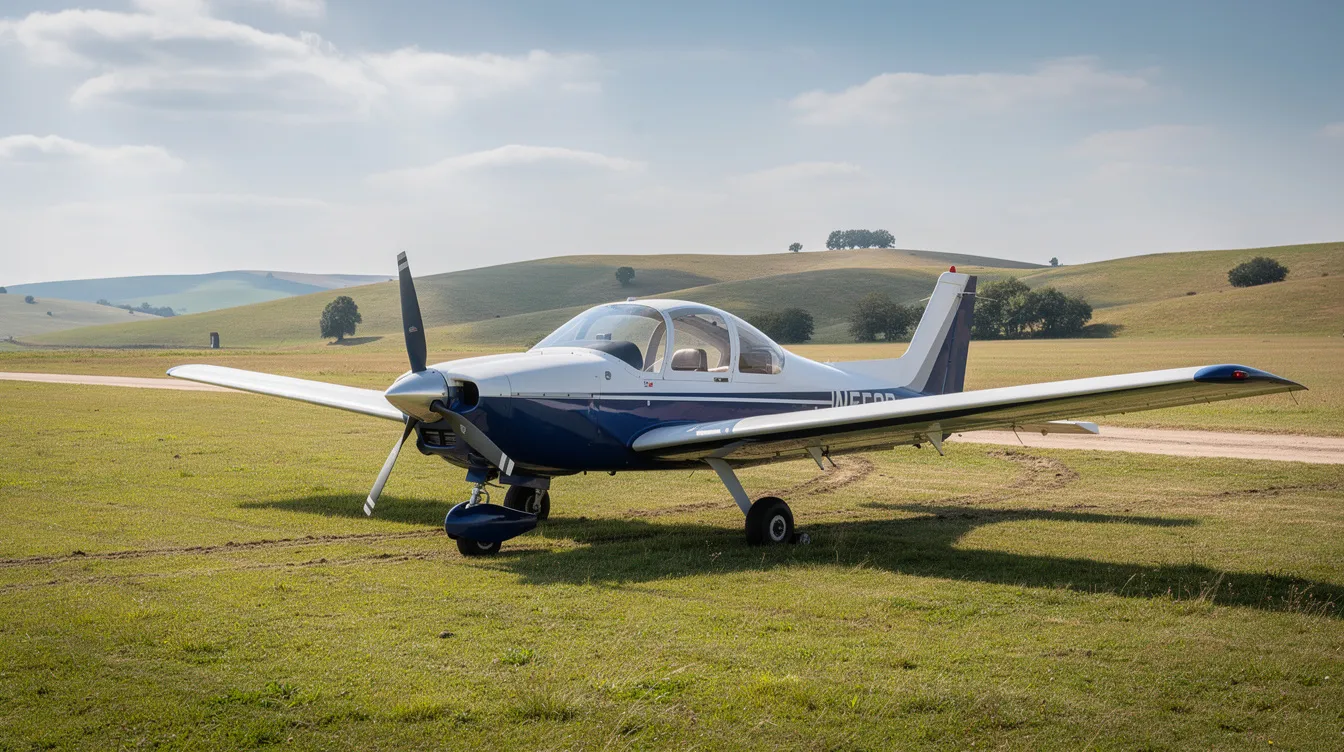
Owners often customize their Quicksilver aircraft with upgraded fuel tanks (10–12 gallon options), spark plugs, ignition parts for Rotax engines, tires and wheels suited for grass operation, replacement seats, and updated gauges. Specialized dealers supply fully built airframes, fabric covering, and hardware to support legacy models.
Prospective buyers of used Quicksilver models should verify engine hours, overhaul documentation, fabric condition, and compliance with current LSA or experimental maintenance standards.
Single-seat ultralights meeting FAR Part 103 require no pilot license, medical certificate, or registration, though training is highly recommended. Two-seat or heavier Quicksilver models require at least a Sport Pilot certificate. Their lightweight design makes them vulnerable to wind and thermal conditions, so pilots must exercise sound weather judgment.
Ultralight flying is ideal for day VFR, short-range flights from small grass strips, emphasizing open-air enjoyment rather than efficient transportation. In contrast, private jet charter via Jettly offers multi-hundred-mile or international trips, all-weather operation, pressurized cabins, and IFR capability, with tools like a private jet charter cost estimator helping travelers plan budgets in advance. Pilots might enjoy local ultralight flights and then buy a seat on a private jet through Jettly for longer trips such as New York to Miami or Toronto business meetings.
Jettly is a digital private aviation platform connecting travelers to over 20,000 aircraft worldwide, from turboprops to large-cabin jets. Many ultralight enthusiasts rely on private jet charter for trips where speed, comfort, and schedule control are paramount and appreciate providers that offer affordable private jet charter.
Instant pricing, airport locator tools, and online booking
Transparent cost structures compared to traditional jet card programs
Access to vetted operators flying under commercial safety standards, including established private jet operators like Dexter Air Taxi
Wide aircraft selection for diverse missions through partners and brokers such as Zenflight private jet operator services, including options to crowdsource private jet flights and share empty seats
Travelers can combine ultralight recreational flying with private jet memberships and chartered jet travel to attend airshows, seminars, or business contacts. Learn more about Jettly's charter options at https://www.jettly.com.
In the U.S., single-seat ultralights meeting FAR Part 103 weight and speed limits generally do not require a pilot's license, medical certificate, or aircraft registration. Two-seat Quicksilver models fall under Experimental or LSA categories, which require at least a Sport Pilot certificate. Regulations vary by country, so always check your local aviation authority's rules before flying.
Used Quicksilver ultralights can often be found for tens of thousands of dollars. Hourly fuel and maintenance costs are low, typically under $100 per hour for small two-stroke engines. Private jet charter pricing varies widely by aircraft category; compare charter rates here or use a dedicated jet card flight cost estimator. Ownership includes hangar fees, insurance, and overhauls, while on-demand charter converts fixed costs into per-trip expenses.
Quicksilver designs like the MX Sprint are known for docile handling, predictable stalls, and low speeds that are forgiving for learners when flown within limits. Safety depends on proper assembly, maintenance, weather judgment, and thorough dual instruction. New pilots should seek reputable ultralight schools with instructors familiar with Quicksilver aircraft.
No. Jettly focuses on professionally operated, commercially certified aircraft such as turboprops, light jets, midsize jets, and large-cabin jets. Quicksilver ultralights are personal or training aircraft, not commercial charter platforms. For efficient city-to-city travel, explore Jettly's charter options within the broader ecosystem of charter airlines and private flight providers.
Some owners base their ultralights at regional airports where charter flights also operate. Any such operation must respect local airport rules, noise restrictions, and airspace regulations. Coordinate timing carefully, as ultralights are more sensitive to wind and weather. Contact the charter operator and airport management to ensure safe integration.
Ready to experience private travel on your terms? Explore flight options, join Jettly's high-ticket affiliate program, or request a quote at https://www.jettly.com.
The Quicksilver ultralight airplane remains a unique and cool option for recreational pilots who love the open-air flying experience. Its factory built and kit-built models offer a bit of freedom and accessibility that has changed the ultralight aviation world for over 40 years. While ultralights like Quicksilver are ideal for short, local flights from grass strips, travelers looking to cover longer distances or hire aircraft for business and leisure trips can reserve private jets through platforms like Jettly. Combining the joys of ultralight flying with the convenience and speed of private jet charter offers a versatile way to enjoy aviation in different ways. Whether you want to buy a Quicksilver for weekend fun or book a private jet for your next trip, the world of personal and private aviation continues to evolve with unique options for every kind of flyer.
Ready to experience private travel on your terms? Explore flight options or request a quote at https://www.jettly.com.
Share this post:
Jay Franco Serevilla
Aug 15, 2026
|
5
min read
Discover tips and trends in the industry.

5
min read
Is Eurowings Discover a Good Airline? (2026 Guide)
Eurowings Discover, the Lufthansa Group's leisure airline, offers affordable long-haul travel from Germany to various holiday destinations. While it provides a decent experience with competitive fares and lie-flat Business Class, it lacks the premium service and flexibility of higher-end carriers. This guide evaluates its pros and cons to help you decide if it's the right choice for your next trip.
Read More
5
min read
Saudi Jet: Military Tensions, Regional Security, and What It Means for Modern Air Travel
The term 'Saudi jet' often refers to military aircraft incidents involving the Royal Saudi Air Force, particularly in the context of regional tensions with Iran and Yemen. These incidents impact not only military operations but also civilian aviation, as airspace management is crucial for ensuring safety. Despite the risks, private and commercial flights operate under strict regulations to navigate around conflict zones effectively.
Read MoreStay updated with our latest insights and tips to elevate your journey with us.
MEMBERSHIPS AND ASSOCIATIONS



Disclaimer: Jettly operates as a charter broker, offering access to a global digital jet charter marketplace. Jettly is not a direct air carrier and does not own or operate aircraft. All advertised flights are conducted by third-party air carriers that are fully licensed and hold the appropriate Part 135 or Part 121 certifications issued by the Federal Aviation Administration (FAA) or equivalent regulatory authorities under U.S. or foreign law. Jettly complies fully with the U.S. Department of Transportation's Part 295 and Part 298 Charter Broker regulations. Jettly does not carry additional liability insurance. Passengers are covered by aircraft operator insurance. TICO: 50023770


