


Login
Get Instant Pricing On 23,000+ Aircraft

>

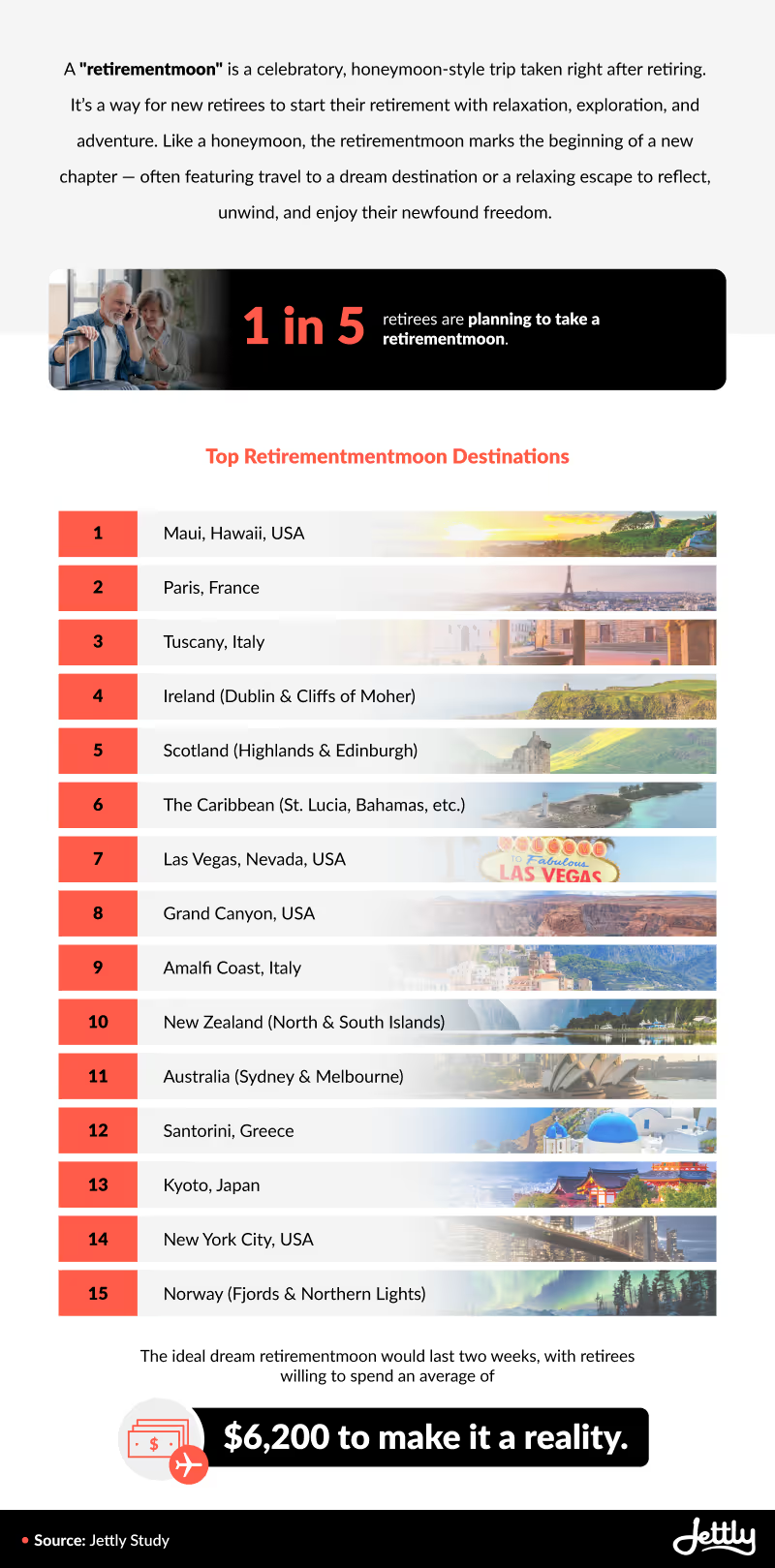
Imagine stepping into retirement with the same sense of excitement and adventure as newlyweds embarking on a honeymoon. Welcome to the world of "retirementmoons," a growing trend that redefines how retirees celebrate the transition into this new life chapter. Whether it's a dream getaway to Tuscany or a peaceful retreat in the mountains, retirementmoons offer a chance to mark this milestone with style and purpose.
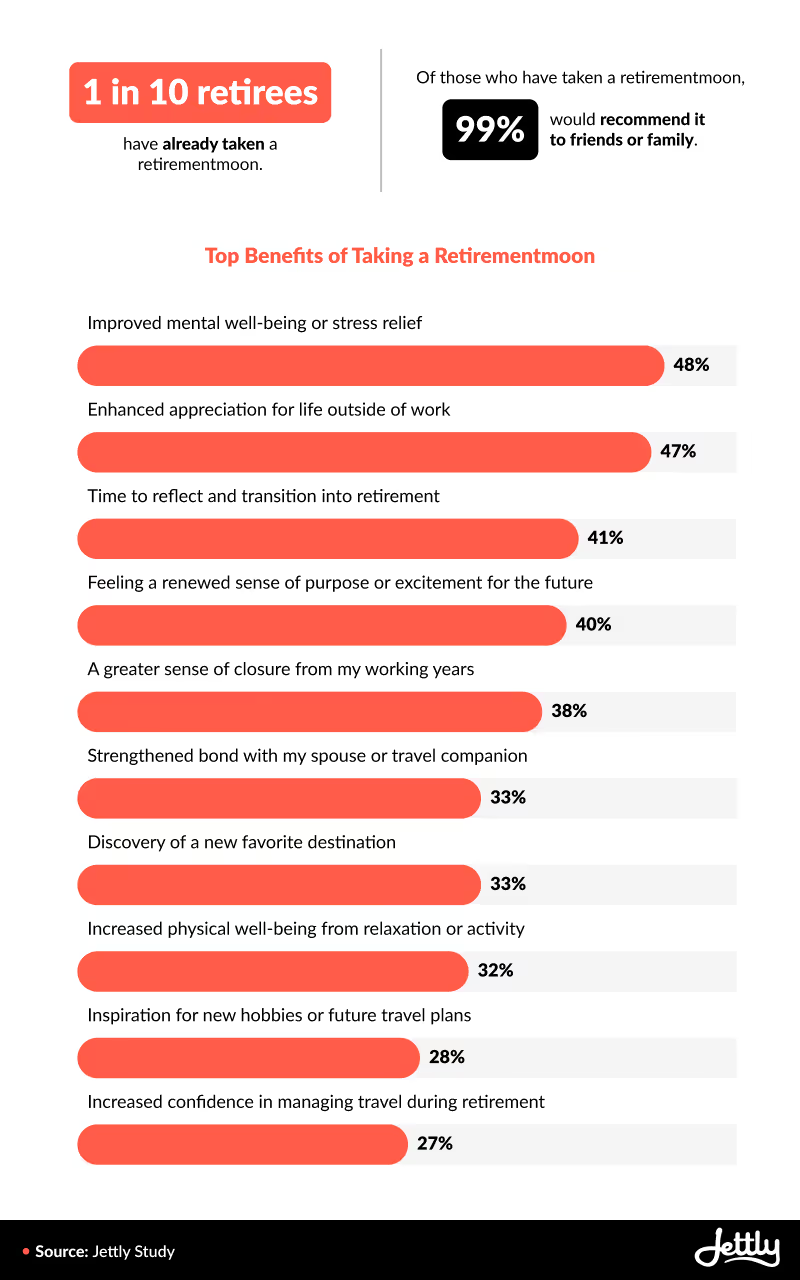
This article explores the motivations, benefits, and planning strategies behind retirementmoons, backed by insights from a recent survey of 1,000 retirees. You'll learn how these celebratory trips are shaping the retirement experience, discover the most sought-after destinations, and find out why more retirees are embracing this trend. Get ready to uncover how a retirementmoon can add adventure and reflection to your next chapter.
Select an Image
Select an Image
We surveyed 1,000 American retirees to investigate the emerging trend of "retirementmoons." The average age was 65; 65% of respondents were women, and 35% were male.
Jettly provides a streamlined private jet booking platform connecting travelers with a wide range of aircraft options. Our personalized service and flexible pricing cater to the unique needs of each passenger.
Redistribution of this data for noncommercial purposes is permitted, provided there's a link back to this page.
Share this post:
Justin Crabbe
May 7, 2025
|
5 minutes
min read
Discover tips and trends in the industry.

5
min read
Delta Flash Sale: How to Maximize SkyMiles Deals (And When a Private Jet Makes More Sense)
Delta flash sales offer significant discounts on SkyMiles award flights, making travel more accessible. This guide details how to maximize these deals, stack credit card perks, and when private jet charters may be a better option for travelers seeking flexibility and privacy.
Read More
5
min read
The Real Cost of Flying Private: Pricing, Options, and How to Save
Flying private offers a range of costs and options, making it more accessible than many think. With hourly rates varying by aircraft type and additional fees, understanding pricing can help travelers save. Jettly provides transparent pricing and flexible booking, making private aviation a viable choice for both business and leisure travel.
Read MoreStay updated with our latest insights and tips to elevate your journey with us.
MEMBERSHIPS AND ASSOCIATIONS



Disclaimer: Jettly operates as a charter broker, offering access to a global digital jet charter marketplace. Jettly is not a direct air carrier and does not own or operate aircraft. All advertised flights are conducted by third-party air carriers that are fully licensed and hold the appropriate Part 135 or Part 121 certifications issued by the Federal Aviation Administration (FAA) or equivalent regulatory authorities under U.S. or foreign law. Jettly complies fully with the U.S. Department of Transportation's Part 295 and Part 298 Charter Broker regulations. Jettly does not carry additional liability insurance. Passengers are covered by aircraft operator insurance. TICO: 50023770


