


Login
Get Instant Pricing On 23,000+ Aircraft

>
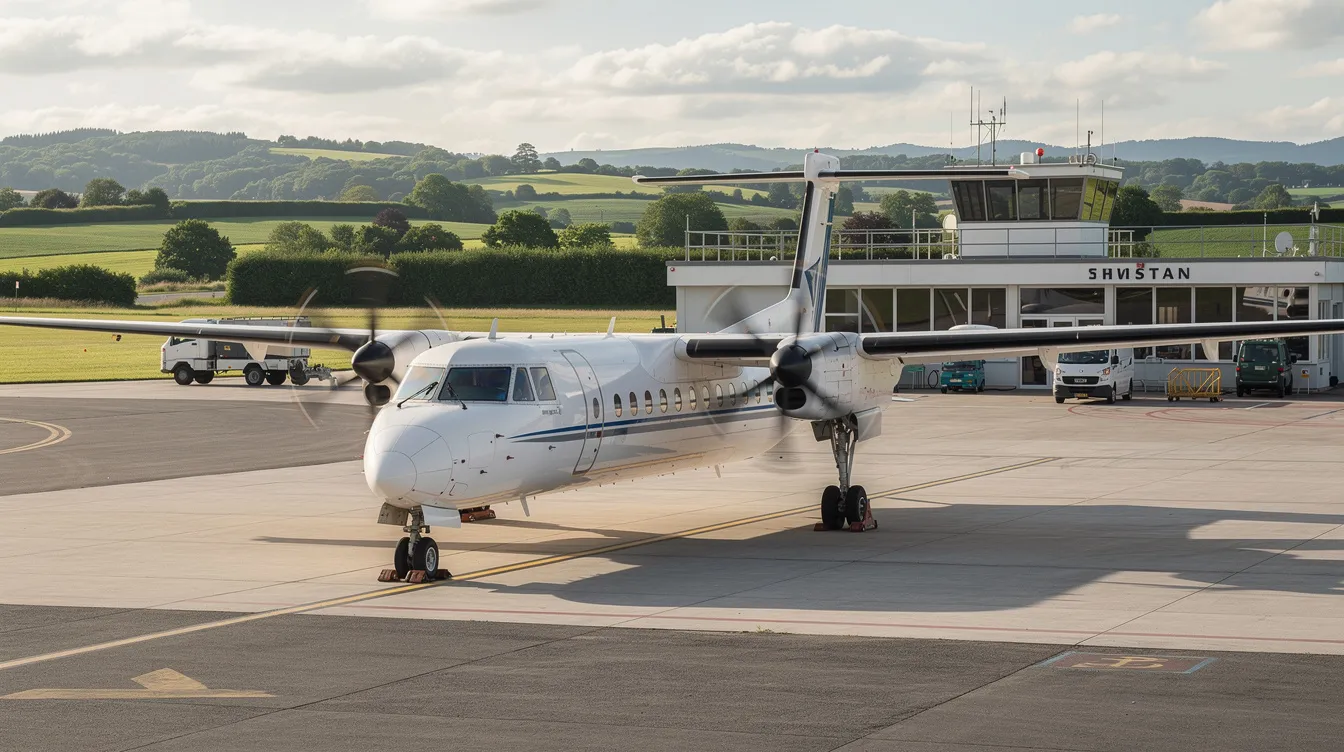
The Saab 340 is a Swedish twin-engine turboprop regional airliner that typically seats 30 to 36 passengers, making it a practical choice for short to medium routes, group charters, corporate shuttles, and cargo transport. For charter travelers weighing regional aircraft options—whether corporate executives, sports teams, or other groups needing efficient point-to-point service—it offers a durable, cost-effective cabin platform that can reach smaller airports more easily than many jets.
This guide explains how the Saab 340 developed, what its cabin and design mean for passenger comfort, how its performance and operating economics affect charter value, where it fits in airline and private charter use, how it compares with other regional aircraft, and how to book one through Jettly’s digital charter platform. If you’re deciding on a regional charter aircraft, understanding the Saab 340 helps you judge whether it delivers the right mix of efficiency, comfort, airport access, and booking convenience for your trip.
The Saab 340 is a twin-engine turboprop regional airliner that typically seats 30–34 passengers, making it a strong fit for corporate shuttles, sports teams, incentive trips, and cargo conversions on regional routes.
Developed jointly by Saab and Fairchild Aircraft in the 1980s, it evolved through three main variants - the 340A, 340B, and 340B Plus - each adding features like active noise control and extended wing tips.
Key technical features include efficient GE CT7 turboprop engines delivering up to 1,870 shaft horsepower each, modernized cabins, and an airframe fatigue-tested beyond 200,000 cycles.
Despite production ending in 1999, many Saab 340s remain in active service worldwide for passenger and cargo transport, supported by Saab's long-term maintenance commitment.
Travelers can compare the Saab 340 with other turboprops and regional jets, then get instant charter pricing through Jettly's digital platform.
The Saab 340 first flew on 25 January 1983 and entered commercial service in 1984. It was initially produced under a partnership between Saab AB of Sweden and Fairchild Aircraft of the United States, designated the Saab-Fairchild 340. After Fairchild withdrew in the mid-1980s, Saab chose to continue development and production alone.
The aircraft is used for both passenger and cargo transport. Its two GE CT7-series turboprop engines sit in streamlined engine nacelles designed for fuel efficiency and straightforward maintenance accessibility. The most common configuration seats 34 passengers across a single-aisle, 1-2 layout suited to flights of roughly 150–400 nautical miles.
Many Saab 340s remain active worldwide in passenger, cargo, and special-mission roles, making the type a relevant option on charter marketplaces like Jettly. Here's a quick snapshot:
Role: Regional commuter airliner, cargo, special-mission
Capacity: 30–36 passengers (34 typical)
Range: Approximately 935–1,000 nautical miles
Cruise speed: ~280 knots
The Saab 340 project began in the late 1970s as a partnership between Saab and Fairchild. Fairchild was responsible for wings, empennage, and engine nacelles, while final assembly took place in Linköping, Sweden. The partnership, initially operated jointly by the two companies, dissolved in the mid-1980s, and Saab 340A production began in 1985 after Fairchild exited. A total of 159 Saab 340A models were manufactured, serving airlines across Europe and North America.
The Saab 340B was introduced in 1989 with improved engines that delivered more power - the CT7-9B - a larger horizontal stabilizer, and refined engine nacelles. This improved version also incorporated active noise control as standard, reducing cabin noise by roughly 10 dB during cruise. The designation 340B Plus followed in 1994, adding active noise and vibration control systems, extended wing tips for better climb and cruise performance, and updated cabin interiors with a relocated lavatory and galley layout at the head of the cabin.
Production of the Saab 340 ended in 1999 after 460 aircraft were completed. The last Saab 340 was delivered on June 8, 1999. Demand later diminished as regional airline fleets modernized, contributing to diminished value for older airframes. Saab ceased all civil aircraft production in 2005, though it has maintained full support for the type's airframe and systems. Saab 340 variants are also used for military purposes, including airborne early warning missions fitted with Erieye radar.
The Saab 340's high-wing, twin-turboprop configuration provides stable flight characteristics and good propeller clearance - features that matter when operating from less-developed airfields. The robust box-like cabin design offers better cargo accommodation and a practical interior for passengers and freight alike. A large cargo door supports freight operations and quick-change configurations.
The Saab 340 has a maximum airframe life of 80,000 flight hours, and fatigue testing exceeded 200,000 cycles - equivalent to approximately 75 years of typical regional operations. Over 40% of the fuselage skin uses high-fatigue-resistance bonding, extending the type's useful life well beyond what many operators have yet consumed.
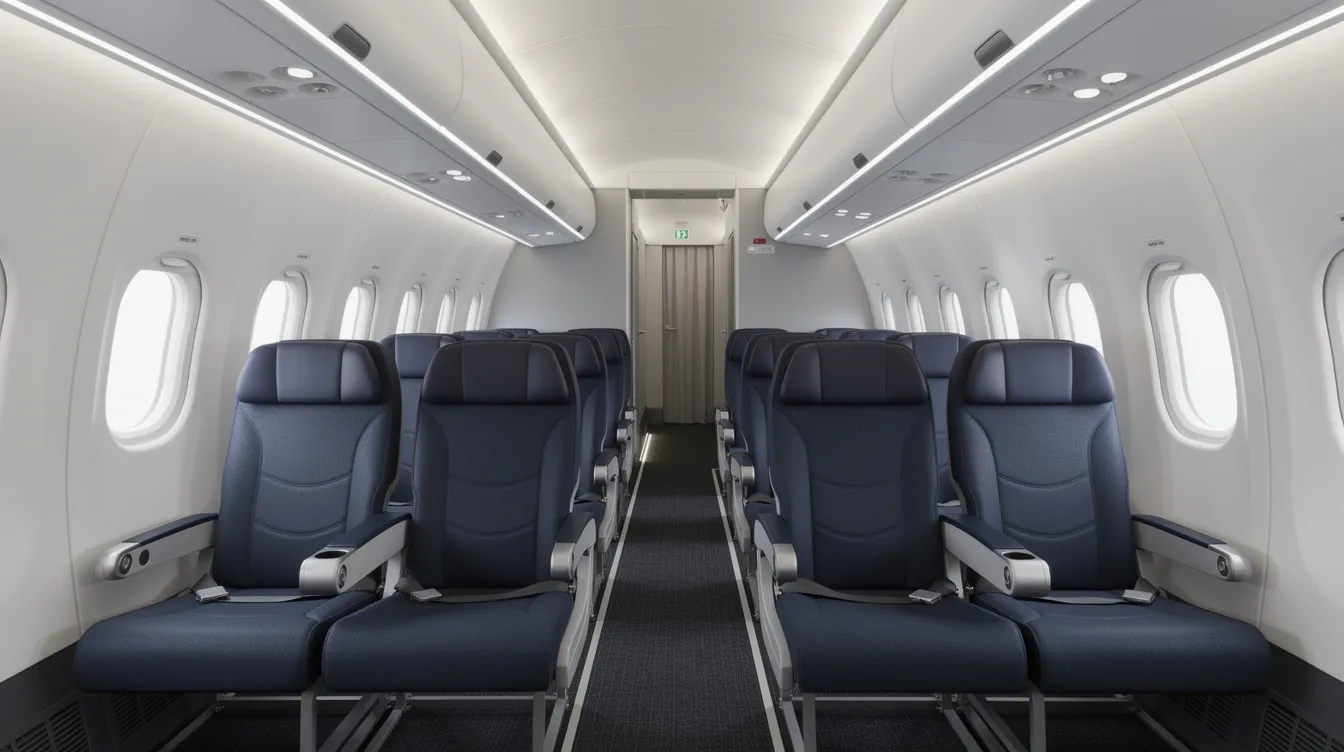
Charter passengers benefit from modern retrofit options on many aircraft in today's fleet:
The interior can be upgraded with ACRO seats and LED lighting
Refreshed sidewalls and carpets improve the cabin feel
Active noise and vibration control systems on 340B Plus models reduce propeller noise noticeably
The common configuration offers a comfortable seat pitch for flights averaging under two hours
The wingspan increases on models with extended wing tips, extending the span from roughly 21.44 m to 22.75 m, which helps climb rate and cruise fuel efficiency.
The Saab 340B cruises at approximately 280–283 knots with a service ceiling near 25,000 feet. The maximum operational range of the Saab 340 is approximately 935 to 1,000 nautical miles, though optimal sectors for charter sit in the 150–400 nautical mile band. Saab 340 engines provide up to 1,870 shaft horsepower each, and the Saab 340 can carry a maximum payload of approximately 7,500 pounds.
The Saab 340 operates efficiently from runways shorter than 5,500 feet, with landing distances around 2,600–3,000 feet under nominal conditions. This short-field performance opens access to many regional airports that jets simply cannot reach. The Saab 340 has a mean flight duration of 0.89 hours, reflecting the short-haul sectors where turboprop aircraft outperform jets on fuel burn per seat.
The Saab 340 has low operational costs for regional services. Compared with smaller turboprops like the King Air, the Saab 340 carries roughly three times as many passengers at a lower cost per seat. Against regional jets, it burns less fuel on sectors under 400 nautical miles.
The launch customer was Crossair of Switzerland, which received the first aircraft in 1984. American Eagle became one of the largest North American operators through the late 1980s and 1990s, flying the type on high-frequency regional routes. As airlines modernized their fleets, many Saab 340s transitioned from scheduled service into charter, cargo, and corporate shuttle roles.
As of July 2018, 210 Saab 340s were in service worldwide. Current uses include corporate shuttles between company hubs, fly-in/fly-out crew logistics for mining and energy projects, group charters for sports teams, and small cargo operations. The type remains attractive in markets with shorter runways, thinner passenger demand, or challenging weather - places like regional Australia, Scandinavia, and remote North American routes where operators need a reliable, cost-effective airliner.
Jettly's private charter aircraft platform gives customers access to aircraft like the Saab 340 within a global inventory of over 20,000 aircraft. The process is straightforward:
Visit the Jettly website and enter your route, dates, and passenger count.
Review instant pricing and available aircraft options, including Saab 340 models where suitable.
Compare options, confirm your flight, and receive a transparent digital contract.

Key advantages over booking multiple commercial tickets include private departure times, access to smaller airports closer to your origin or destination (think Atlanta to a secondary site, or Miami to a resort airstrip) supported by Jettly's airport locator tool, and fast turnaround on the ground. Jettly partners only with regulated operators that accept strict safety and maintenance standards, so pilots, systems, and airworthiness are verified before any flight, positioning the service as a compelling NetJets alternative for flexible private flying.
Travelers often compare the Saab 340 against the Beechcraft 1900, Embraer EMB 120 Brasilia, Cessna 340 charter options, and small regional jets like the CRJ-100/200. Here's a high-level comparison:
|
Aircraft |
Seats |
Cruise Speed |
Range (NM) |
Runway Needs |
Charter Cost Category |
|---|---|---|---|---|---|
|
Saab 340B |
30–36 |
~280 kn |
~935–1,000 |
Moderate |
Medium |
|
Beechcraft 1900 |
~19 |
~260 kn |
~750 |
Short |
Lower |
|
EMB 120 Brasília |
~30 |
~270 kn |
~850 |
Moderate |
Medium |
|
CRJ-100/200 |
~50 |
~460 kn |
~1,500 |
Longer |
Higher |
The Saab 340 sits in a sweet spot: more capacity and comfort than the Beechcraft 1900, similar economics to the Brasilia but with better noise control, and far lower operating costs than regional jets on short sectors. Through Jettly, customers can filter by size, performance, and cabin layout to see how the Saab 340 stacks up against alternatives.
Jettly streamlines planning regional group flights on aircraft like the Saab 340 through instant pricing, transparent quotes, and digital contracts. Benefits for groups of 30 passengers or more include access to Jettly Eats in-flight catering for private jets and:
Access to smaller regional airports with efficient boarding
Coordinated ground transfers alongside the flight
In-flight catering tailored to group preferences, with the option to share empty seats on private flights to reduce individual trip costs
Private jet membership options with predictable pricing for companies moving teams on a regular week-to-week basis
Whether it's a corporate shuttle, event travel, or emergency response charter, Jettly's platform handles the logistics so travelers can focus on the trip itself. Beyond the Saab 340, the platform offers light jets, midsize jets, and larger turboprops to match any capacity or route requirement, including structured jet card programs for frequent flyers.
The Saab 340 generally accommodates between 30 and 36 passengers, with 34 seats being the most typical arrangement. Charter customers should confirm exact seating with Jettly during the quoting process, especially if extra space is needed for equipment or heavy baggage that could affect weight and balance.
The Saab 340 operates comfortably on routes up to about 935–1,000 nautical miles, with optimal sectors in the 150–400 nautical mile range. Actual range depends on passenger load, baggage, weather conditions, and specific variant - the 340B Plus with extended wing tips generally performs best, and overall private jet charter costs will vary accordingly.
As a turboprop with propellers, the Saab 340 produces more noise than many jets. However, the 340B Plus features an active noise control system that reduces cabin sound levels by approximately 10 dB. Many aircraft in charter service today have upgraded interiors with additional noise-reduction features, making sound levels acceptable for business and leisure flying.
Yes. The Saab 340's turboprop performance and relatively short takeoff and landing distances - often under 5,500 feet of runway - allow access to many regional and secondary airports. Jettly can help identify which nearby airports can accept the aircraft based on runway length, surface conditions, and local regulations.
Visit Jettly's website, enter your route, dates, and passenger details, then review instant pricing and available aircraft options. The platform will show Saab 340 availability where suitable, along with alternatives. Contact the Jettly team for a personalized quote if your trip has specific requirements.
Ready to move your group on your terms? Explore flight options or request a quote at https://www.jettly.com, or consider joining Jettly's ULTRA high-ticket affiliate program if you regularly refer new charter clients.
The Saab 340 remains a recognized and reliable choice in regional air travel, offering a practical balance of passenger capacity, performance, and operating efficiency. Its robust design, active noise control features, and ability to access smaller airports make it well-suited for a variety of charter needs, from corporate shuttles to group travel and cargo operations. Despite production ending over two decades ago, the aircraft continues to serve operators worldwide, supported by ongoing maintenance and upgrades.
For travelers seeking a cost-effective, flexible regional aircraft with proven durability, chartering a Saab 340 through Jettly provides transparent pricing, instant booking, and access to a global network of aircraft. Ready to experience convenient and efficient regional travel? Explore Saab 340 charter options or request a quote at https://www.jettly.com.
Share this post:
Jay Franco Serevilla
Jun 29, 2026
|
5
min read
Discover tips and trends in the industry.
5
min read
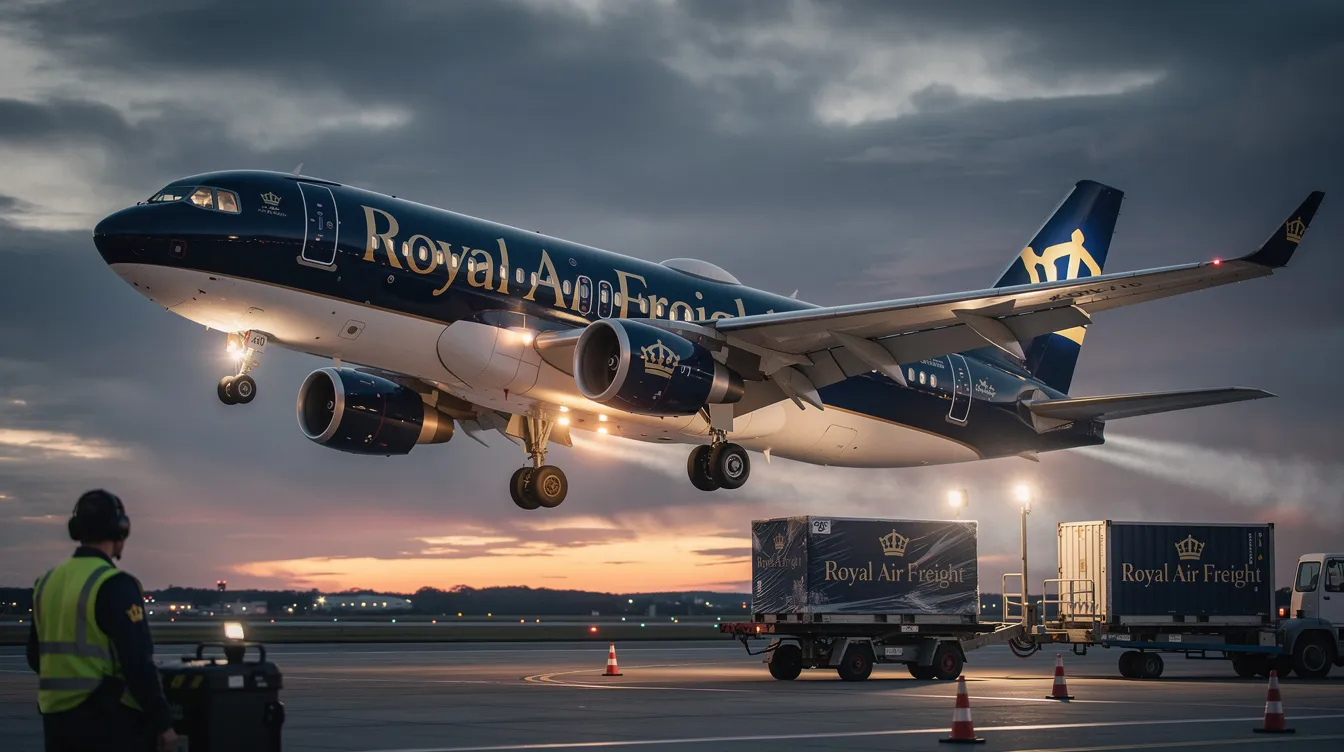
Royal Air Freight Inc: Chartering Alternatives with Jettly
Royal Air Freight Inc. has been a trusted name in charter and air freight services since 1961, specializing in expedited cargo and passenger flights across North America. Jettly, a digital charter broker, offers a broader marketplace for comparing private jet and cargo flight options, providing travelers with greater flexibility and instant pricing.
Read More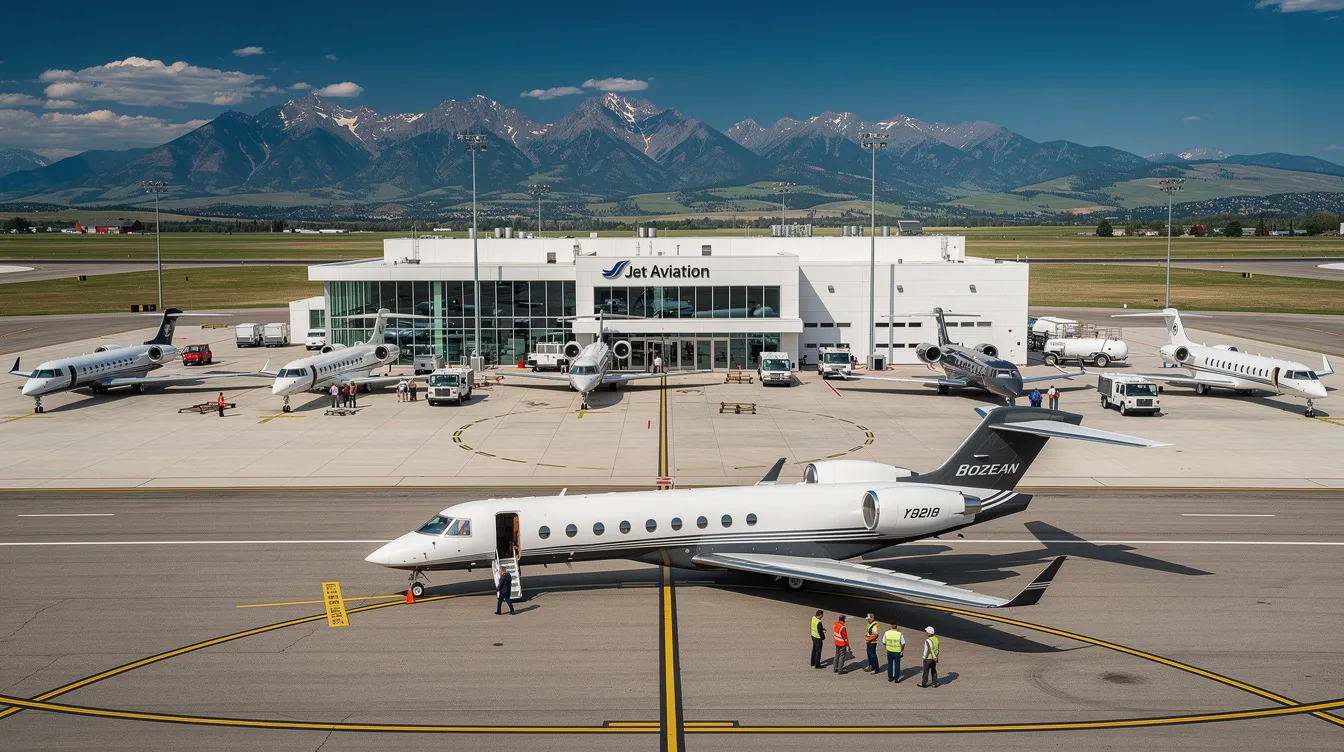
5
min read
Jet Aviation Bozeman: Private Jet Access to Big Sky Country with Jettly
Jet Aviation Bozeman provides private jet access to the stunning landscapes of Big Sky Country, located at Bozeman Yellowstone International Airport. With a full-service FBO and Jettly's digital charter marketplace, travelers can easily book flights and enjoy seamless ground transportation to popular destinations like Big Sky Resort and Yellowstone National Park.
Read MoreStay updated with our latest insights and tips to elevate your journey with us.
MEMBERSHIPS AND ASSOCIATIONS



Disclaimer: Jettly operates as a charter broker, offering access to a global digital jet charter marketplace. Jettly is not a direct air carrier and does not own or operate aircraft. All advertised flights are conducted by third-party air carriers that are fully licensed and hold the appropriate Part 135 or Part 121 certifications issued by the Federal Aviation Administration (FAA) or equivalent regulatory authorities under U.S. or foreign law. Jettly complies fully with the U.S. Department of Transportation's Part 295 and Part 298 Charter Broker regulations. Jettly does not carry additional liability insurance. Passengers are covered by aircraft operator insurance. TICO: 50023770


