



Login
Get Instant Pricing On 23,000+ Aircraft

>
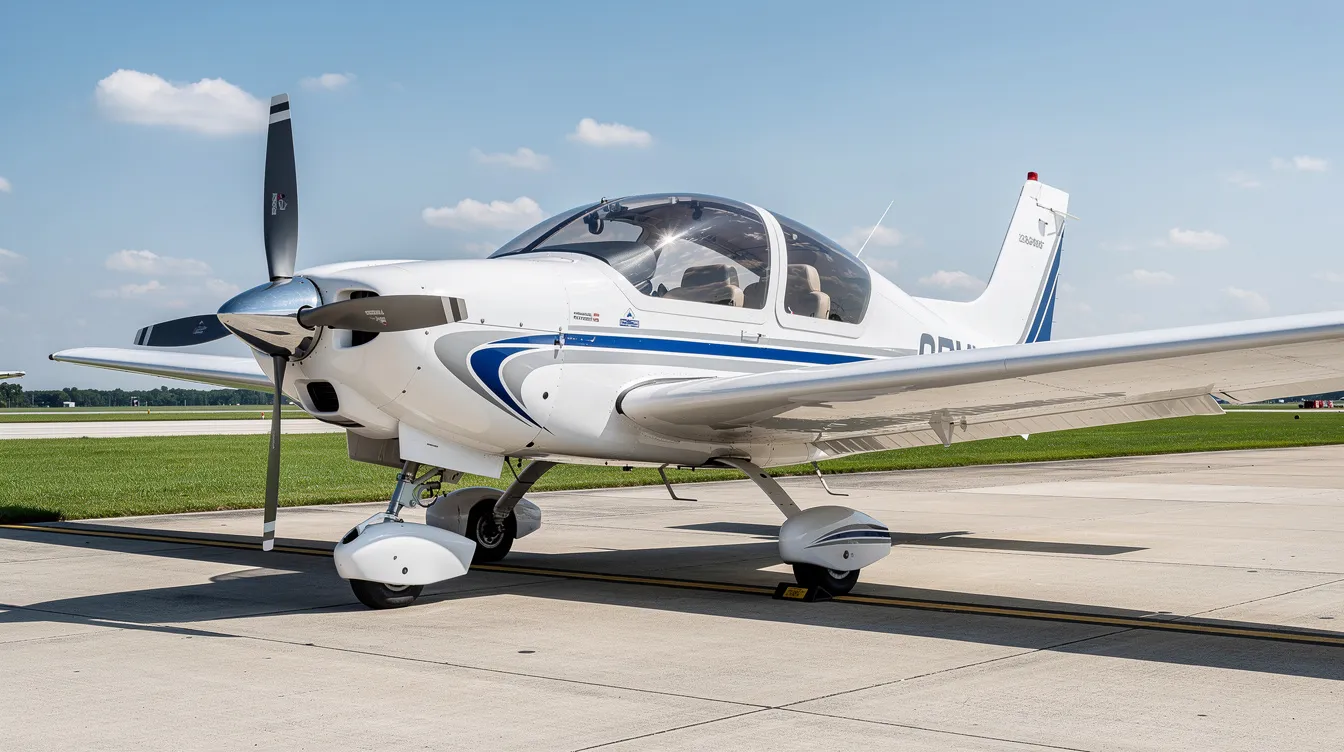
Choosing the safest small plane matters whether you are earning a private pilot certificate, buying a first airplane, comparing options as a frequent traveler, or deciding how to fly the family on weekend trips. Among small single-engine aircraft still in active production, the Diamond DA40 stands out as the safest small plane by fatal accident rate at about 0.35 per 100,000 flight hours, followed closely by the Cessna 172S at 0.45. The difference between aircraft models is not just about speed or price. It comes down to accident rates, handling characteristics, crashworthy design, maintenance realities, and the pilot training that keeps people alive when something goes wrong.
This guide compares the safest single-engine plane options, including the Cessna 172S, Piper Archer, and Diamond DA40, using real safety data and the design features behind those numbers. It also shows why pilot proficiency and upkeep matter as much as the airframe itself, and when travelers or owners may be better served by moving up to professionally crewed private jet travel through platforms like Jettly for a higher margin of safety and reliability.
The Diamond DA40 and Cessna 172S consistently rank among the safest single-engine planes, with fatal accident rates of approximately 0.35 and 0.45 per 100,000 flight hours, respectively.
Accident rate per 100,000 hours flown and lethality ratio are the most reliable metrics for comparing small planes in general aviation.
Design factors such as high wing configuration, composite airframe construction, modern avionics like Garmin G1000, and systems like the Cirrus Airframe Parachute System significantly shape real-world safety outcomes.
Pilot proficiency, recurrent training, and earning an instrument rating have more impact on safety than any single aircraft brand or model.
When travel needs outgrow small piston single aircraft, professionally crewed private jets booked through a platform like Jettly provide a higher overall safety envelope and operational reliability.
For a student pilot logging those first hours, the training aircraft shapes habits that last a career. Forgiving flight characteristics in a well-designed trainer build confidence and teach disciplined decision-making. Those same habits carry forward whether a pilot eventually flies advanced systems in a Cirrus SR22T or transitions to commercial flying in turboprops and jets.
General aviation safety has improved significantly. The FAA reported a fatal accident rate of 0.61 per 100,000 flight hours in 2023, a historic low driven by safer designs, better avionics, and improved training standards. But "safest" is never absolute. It depends on aircraft design, maintenance quality, mission profile, and pilot proficiency.
This article delivers a quick answer first, then dives into safety data, core design features, specific models (Cessna 172S, Piper Archer, Diamond DA40, Cirrus aircraft, Diamond DA50 RG), and finally when it makes practical sense to step up to professionally crewed private jets. For a broader ownership perspective, see our guide on choosing the best personal plane.
For most pilots, the Cessna 172S Skyhawk and Diamond DA40 are the safest single-engine aircraft in active production. The Diamond DA40 has a fatal accident rate of approximately 0.35 per 100,000 hours, while the Cessna 172S has a fatal accident rate of 0.45 per 100,000 hours, according to Aviation Consumer fleet analyses. Both figures sit well below the general aviation average and far below many high-performance singles that exceed 1.0.
For students and new owner pilots, the safest small planes are certified trainers with modern avionics, robust maintenance support, and massive global fleets. The Cessna 172S, Piper Archer (PA-28-181), and Diamond DA40 lead that category.
For personal cross-country travel, safety often includes additional layers: the Cirrus SR22T features a parachute system that saves lives during emergencies, and the Diamond DA50 RG offers a modern composite airframe with Garmin flight decks. These aircraft add capability without sacrificing the predictable handling that keeps pilots out of trouble.
Statistics do not exist for every niche model. Pilot training, an instrument rating, and conservative decision-making often outweigh small numerical differences between aircraft types when it comes to fatal accidents.
Safety cannot be judged by reputation alone. It depends on long-term, hours-based data across the general aviation fleet.
Measuring accidents per 100,000 flight hours is more accurate than simply counting events. Popular training aircraft like the Cessna 172 and Piper Archer fly vast numbers of short flights for pattern work and primary training. Without normalizing for hours flown, their absolute accident counts would look misleadingly high.
The key distinction is between overall accident rate and fatal accident rate. A high total accident rate with mostly minor incidents (gear-up landings, runway excursions) tells a different story than a lower total rate with a high proportion of fatalities. The lethality ratio-what percentage of accidents result in death-highlights the role of superior crashworthiness and survivability in aircraft like the Diamond DA40 and Cirrus SR22.
Main data sources include the NTSB database, FAA General Aviation Safety fact sheets, insurance actuarial data, and manufacturer fleet studies. Each provides a different angle, and combining them gives the most complete picture.
Worth noting: multi-engine planes do not automatically have lower accident rates. Engine failure in twins creates asymmetric thrust hazards that can overwhelm underprepared pilots. Well-designed single-engine planes with FADEC engines can be statistically safer than some light twins in practice.
The safest small plane designs reduce the chance of losing control, help pilots maintain situational awareness, and protect occupants if an accident occurs. Small aircraft safety is influenced by design and built-in safety systems working together.
Handling and Stability
Forgiving handling characteristics reduce stall and spin accidents in small planes. Gentle stall breaks, strong pitch stability, and clear aerodynamic cues give pilots time to recover from mistakes. Modern crashworthiness engineering and forgiving aerodynamics make modern light aircraft safer and more manageable across training environments.
Wing Configuration
A high wing design like the Cessna 172S enhances downward visibility and inherent stability during pattern work. A low-wing aircraft like the Piper Archer offers different handling but can be equally safe with proper training. The choice often comes down to school philosophy and pilot preference rather than a measurable safety gap.
Avionics
Advanced avionics improve pilot awareness and reduce workload. Modern avionics enhance safety with collision avoidance systems and terrain alerts. Panels like the Garmin G1000 and G1000 NXi integrate synthetic vision, ADS-B traffic, and terrain awareness into a single display. Electronic stability protection helps prevent aircraft from stalling or spinning, adding another layer for less-experienced pilots. The Cirrus SR22T and Diamond DA50 RG showcase how advanced GA cockpits reduce pilot workload.
Crashworthiness
Crashworthy composite airframes enhance the safety of small aircraft. Diamond's composite safety cells, energy-absorbing seat structures, and protected fuel systems lower lethality ratios even when accidents occur. Modern small aircraft often use composite materials for structural integrity that exceeds traditional aluminum in crash energy absorption.
Last-Resort Systems
Ballistic parachute systems can lower the entire aircraft in emergencies. The Cirrus SR22T features a parachute system for enhanced safety, with dozens of documented saves. Emerging autoland systems in high-end singles and turboprops are growing in importance as a final safety net.
|
Aircraft Model |
Fatal Accident Rate (per 100,000 hrs) |
Key Safety Features |
Typical Use Case |
Avionics System |
|---|---|---|---|---|
|
Cessna 172S Skyhawk |
0.45 |
Forgiving flight characteristics, high wing |
Flight training, private travel |
Garmin G1000 NXi |
|
Diamond DA40 |
0.35 |
Composite airframe, crashworthiness, visibility |
Advanced training, personal use |
Garmin G1000 or G3X |
|
Piper Archer (PA-28) |
~0.50 |
Stable handling, low wing |
Flight training, personal use |
Garmin G1000 or G500 TXi |
|
Cirrus SR22T |
~0.60 (improved with CAPS) |
Parachute system (CAPS), composite structure |
Personal travel, business |
Cirrus Perspective+ |
|
Diamond DA50 RG |
~0.40 (estimated) |
Retractable gear, advanced safety features |
Personal travel, light touring |
Garmin G1000 NXi |
Three aircraft consistently appear at the top of safety discussions for initial flight training and early ownership: the Cessna 172S, Piper Archer, and Diamond DA40. All are staples in general aviation schools worldwide.
These models have millions of combined fleet hours, strong accident statistics, and extensive support networks. Each supports progression from a private pilot certificate through an instrument rating, with avionics and performance suitable for both VFR and IFR training.

The Cessna 172S is the global training standard for safety and often the first aircraft for flight training. More pilots have learned to fly in a 172 than any other airplane in history.
Its high wing configuration provides excellent downward visibility during approaches and traffic awareness. The four-seat layout, 160 hp Lycoming IO-360, and cruising speed around 120 knots keep things manageable. Low landing speeds and stable handling make it forgiving during the critical phases of flight where student errors are most common.
The Cessna 172S has a fatal accident rate of 0.45 per 100,000 hours-significantly below many high-performance singles. In practical terms, that places it among the lowest-risk single-engine airplane options available. Training in forgiving aircraft like the Cessna 172 enhances pilot safety by building confidence during those early formative hours.
Its handling characteristics are considered highly forgiving: docile stall behavior, predictable handling in crosswinds, and strong pitch stability help students recover from mistakes during flight training. Modern 172S fleets feature Garmin G1000 NXi avionics, integrating moving maps, traffic, and terrain to improve situational awareness for both VFR and IFR work.
Maintenance and parts availability reinforce safety indirectly. The 172 line has been in continuous production since the 1950s, creating a parts ecosystem and maintenance expertise that few aircraft can match.
The Piper Archer serves as the primary low-wing aircraft counterpart to the 172S in many flight schools. Schools often use both types so students gain experience with different wing configurations.
The Archer is a four-seat, fixed-gear single with approximately 180 hp and a typical cruising speed of 120–125 knots. Low stall speeds contribute to gentle landing behavior and reduced risk during slow-speed maneuvering.
The Piper Archer is recognized for its stable handling characteristics. It is predictable in the traffic pattern, offers benign stalls, and provides a comfortable platform for both primary training and time-building toward an instrument rating. Its predictable handling makes it a natural choice for building confidence in new pilots.
Many modern Archers carry Garmin G1000 or G500 TXi panels, enabling glass-cockpit training similar to higher-end general aviation aircraft while remaining mechanically simple and cost-effective to operate.
The Archer's fatal accident rate is broadly comparable to the Cessna 172S, with AOPA safety studies placing the fixed-gear PA-28 family in a favorable position relative to retractable gear variants. Training in both Cessna and Piper airframes enhances pilot adaptability, providing experience with different sight pictures, flare cues, and crosswind handling-all of which improve long-term training safety.
The Diamond DA40 is widely recognized by insurers and safety analysts as one of the safest single-engine planes in general aviation. Its modern composite airframe was designed from the ground up with crashworthiness as a priority.
Key design elements include a composite safety cell, a high tailplane, and a large bubble canopy. Many small planes feature high visibility canopies to improve collision avoidance, and the DA40's panoramic visibility is among the best in its class. The structural integrity of its composite construction provides energy absorption characteristics that aluminum frames struggle to match.
The Diamond DA40 has a fatal accident rate of approximately 0.35 per 100,000 hours-the lowest among widely studied single-engine trainers. In plain terms, a DA40 pilot faces roughly half the fatal risk per hour compared to the general aviation average.
Standard avionics packages typically include the Garmin G1000 NXi with integrated autopilots, making the DA40 popular with schools that emphasize instrument training from early stages. Fuel and engine options add another safety angle: the DA40 NG uses an Austro diesel engine burning jet fuel, managed by FADEC for precise engine control. This results in lower fuel burn, broader fuel availability, and efficient handling of power across the flight envelope.
The DA40 is often favored by safety-conscious owner pilots and schools seeking a single platform covering private pilot training, instrument rating preparation, and efficient performance on cross-country flights.
Beyond primary training, several small planes offer higher speed, greater range, and advanced safety features for private owners and serious travelers.
Cirrus SR22/SR22T
Cirrus aircraft occupy a unique position in the market. The SR22T combines high performance (cruising speed near 180 knots) with the Cirrus airframe parachute system (CAPS)-a whole-airframe parachute that has been credited with 79 deployments and 163 known survivors. The Cirrus SR22T features a parachute system for enhanced safety that no competitor in the piston single category currently matches. Advanced avionics (Garmin Perspective Touch+) and a structured training culture have driven its accident rates lower over time, approaching rates near the DA40 in recent years.
Diamond DA50 RG
The Diamond DA50 RG is consistently ranked among the safest single-engine aircraft. This five-seat, retractable-gear composite single entered the U.S. market following FAA certification in 2023. It features a 300 hp Continental turbodiesel with FADEC, a Garmin G1000 NXi aircraft stack, and a crashworthy composite structure. With a cruise of approximately 181 KTAS and range around 750 nautical miles, it offers efficient performance without compromising on redundant systems or structural design.
Piper M350
The Piper M350 introduces a pressurized cabin and higher-altitude capability for pilots stepping up from trainers. It appeals to those flying longer missions at altitude, but extra capability demands more advanced training and careful mission planning to maintain safety margins.
While these aircraft bring more speed and high-performance capability, their safety depends on disciplined operation, recurrent training, and thoughtful weather decision-making. Many business travelers eventually transition from even these advanced singles to professionally crewed turboprops and light jets for complex or time-critical trips, especially when flying with family members who value comfort and safety outlined in our guide to the best private planes for families.
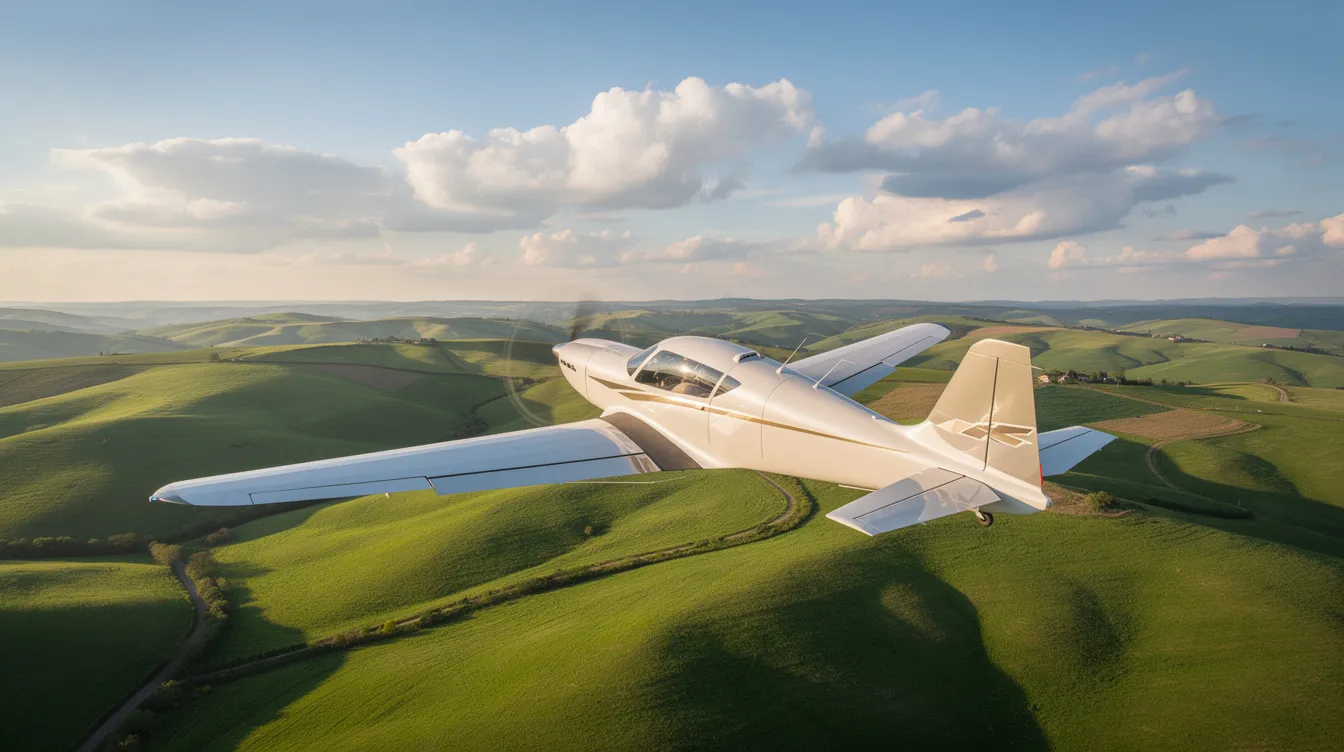
Human error accounts for approximately 70% of general aviation accidents. Choosing the safest single-engine plane cannot compensate for poor training or complacency. Pilot decision-making significantly influences aviation safety outcomes far more than any equipment upgrade.
Beyond the Minimums
Pilot training significantly reduces general aviation accident rates. Structured flight training that goes beyond legal minimums-regular proficiency checks, scenario-based training, and sessions with experienced instructors focused on weather judgment-makes a measurable difference. Pilot proficiency is not a credential earned once; it requires consistent practice.
The Instrument Rating
Pilots with an instrument rating have lower accident rates in marginal weather. Spatial disorientation in VFR flights that inadvertently enter IMC accounts for accidents with a roughly 94% fatality rate, according to FAA research covering 2003–2021. Most involve pilots with under 500 total flight hours. Earning an instrument rating teaches aircraft control by reference to instruments, conservative weather interpretation, and correct use of modern avionics-even for pilots who primarily fly VFR.
SOPs and Simulators
Many safety-oriented owner pilots adopt airline-style standard operating procedures and checklists, especially when operating high-performance singles like the SR22T or DA50 RG. Simulators reinforce complex procedures without adding flight risk or cost, reducing pilot workload during actual missions.
This pilot-focused safety mindset connects directly to the culture of professionally crewed private jets, where two-pilot crews, recurrent training, and strict SOPs are standard practice, yet modern booking tools also make it easier than ever to get a seat on a private jet.
A well-maintained 30-year-old single-engine airplane can be safer than a poorly maintained brand-new aircraft. Regular maintenance and pilot proficiency are crucial for maintaining safety in any general aviation airplane.
Required Inspections
General aviation aircraft require annual inspections at minimum. Training aircraft used in flight schools or for rental typically undergo 100-hour inspections as well. Airworthiness directives (ADs) and service bulletins add manufacturer-required checks. For example, the FAA issued an AD in May 2026 for the DA40 family addressing door latching-proof that even aircraft with a strong safety record require ongoing vigilance.
What Matters Most
Key maintenance items that strongly affect safety include:
Engine health: compression checks, oil analysis, time since overhaul
Propeller condition and inspection compliance
Corrosion checks, especially for aircraft operating in coastal areas
Avionics and autopilot testing and software updates
Newer Does Not Always Mean Safer
Avionics upgrades-retrofitting a Garmin G500 TXi or modern autopilot-can bring older airframes up to current situational awareness standards at a fraction of the cost of a new airplane. Buyers and renters should review logbooks, verify recent overhauls, and confirm compliance with manufacturer inspection recommendations, not just FAA requirements.
As trip lengths, passenger counts, or schedule demands grow, many pilots and frequent travelers move from small single-engine planes to professionally operated private jets. Some lower their charter costs further by using platforms that crowdsource private jet flights and share empty seats. The transition is natural for anyone who already values safety and structured operations.
A chartered private jet can offer a higher overall safety envelope: two-pilot crews on most missions, strict Part 135 oversight, recurrent simulator training for crews, and sophisticated dispatch and weather support. These factors address many of the risks that challenge single-pilot GA operations-fatigue, weather judgment under pressure, and limited redundant systems—especially when you tap into a global inventory of private charter aircraft.
Jettly operates as a digital private aviation platform, giving customers access to over 20,000 aircraft with transparent on-demand pricing and tools such as an airport locator that simplify planning complex trips. The platform matches trip profiles with the right aircraft class-from turboprops to heavy jets-so travelers fly the most appropriate equipment for each mission, whether booking an entire aircraft or simply buying a seat on a private jet.
Operators available through Jettly must meet regulatory safety standards and commonly participate in third-party safety audits, creating oversight more aligned with commercial flying standards than individual GA operations.
When stepping up makes sense:
Frequent business routes like New York–Miami or Houston–Atlanta where schedule reliability matters
Family trips where weather flexibility and passenger comfort are priorities, including the ability to arrange tailored in-flight catering for private jets
Long cross-country journeys that would require multiple fuel stops and hours of fatigue in a piston single, where an affordable private jet charter can cut travel time dramatically
Pilots who choose the safest single-engine planes and prioritize training will naturally appreciate the crewed safety environment that comes with private jet charter. The mindset translates: disciplined operation, conservative decision-making, and the right technology for the mission—principles echoed in our overview of leading charter airlines and private aviation platforms.

Below are answers to common questions that go beyond the main sections, covering practical decisions that buyers, renters, and travelers face.
The Cessna 172S Skyhawk and Diamond DA40 top most lists. The Cessna 172S is the global training standard for safety, with a fatal accident rate of 0.45 per 100,000 hours and forgiving flight characteristics that help during primary training. The Diamond DA40 has a fatal accident rate of approximately 0.35 per 100,000 hours and offers a crashworthy composite airframe with excellent visibility. The Piper Archer is also a strong choice, especially where schools want students comfortable in both high wing and low wing configurations. Good instruction and maintenance matter at least as much as the specific model.
It is legal to fly VFR-only. However, accident data consistently shows that many serious general aviation accidents involve VFR pilots inadvertently entering instrument meteorological conditions. Earning an instrument rating improves safety margins by teaching pilots to control the aircraft solely by reference to instruments, interpret weather more conservatively, and use advanced avionics correctly. It is one of the strongest safety investments a pilot can make.
Both aircraft families have broadly similar fatal accident rates and are widely trusted as training platforms. Differences come more from wing configuration and individual pilot preference than raw safety statistics. The 172's high wing improves downward visibility and can feel more inherently stable to some beginners, while the Archer's low wing builds skills transferable to many touring and high-performance aircraft. Either choice supports safe flight training when paired with quality instruction.
The switch often makes sense when missions regularly involve long distances, tight schedules, complex weather, or when passengers expect airline-like comfort and reliability. Platforms like Jettly allow travelers to enjoy the flexibility of private aviation without owning an aircraft, providing instant pricing, aircraft choice, and professionally crewed flights, whether for domestic hops or international private jet trips. Readers weighing long-term options can also review a full breakdown of how much a private jet costs. For those exploring trip-specific costs, the Private Jet Cost Calculator provides a quick estimate for any route.
Safety outcomes depend on many factors, but professionally crewed charter operations typically benefit from multi-pilot crews, recurrent simulator training, dispatch support, and rigorous maintenance oversight. By booking through a digital marketplace like Jettly, travelers access operators that comply with commercial regulations and third-party safety standards, creating a structured safety environment that goes beyond what most individual owners can maintain in general aviation, while also positioning Jettly as a NetJets alternative for those seeking flexibility over fractional ownership.
The Cessna 172S, Piper Archer, and Diamond DA40 remain among the safest small planes for flight training and early ownership. For personal travel, the Cirrus SR22T and Diamond DA50 RG add advanced safety layers through parachute systems, composite construction, and modern avionics. But the real safety multipliers are always the same: pilot proficiency, an instrument rating, conservative decision-making, and disciplined maintenance.
Choosing the safest single-engine plane is the first step. Continued training, honest self-assessment, and knowing when a mission exceeds the airplane's-or the pilot's-capability complete the safety picture.
When travelers want professionally managed safety with private flexibility, on-demand jets accessed through Jettly offer crewed operations, mission-appropriate aircraft, and the technology to match. Structured private jet memberships can further streamline access for frequent flyers. It is the natural next step for anyone who takes safety seriously.
Ready to experience private travel on your terms? Explore flight options, compare world-class jet card programs, or even join Jettly’s high-ticket affiliate program to earn by referring new travelers, then request a quote at jettly.com.
Share this post:
Jay Franco Serevilla
Jul 15, 2026
|
5
min read
Discover tips and trends in the industry.
5
min read
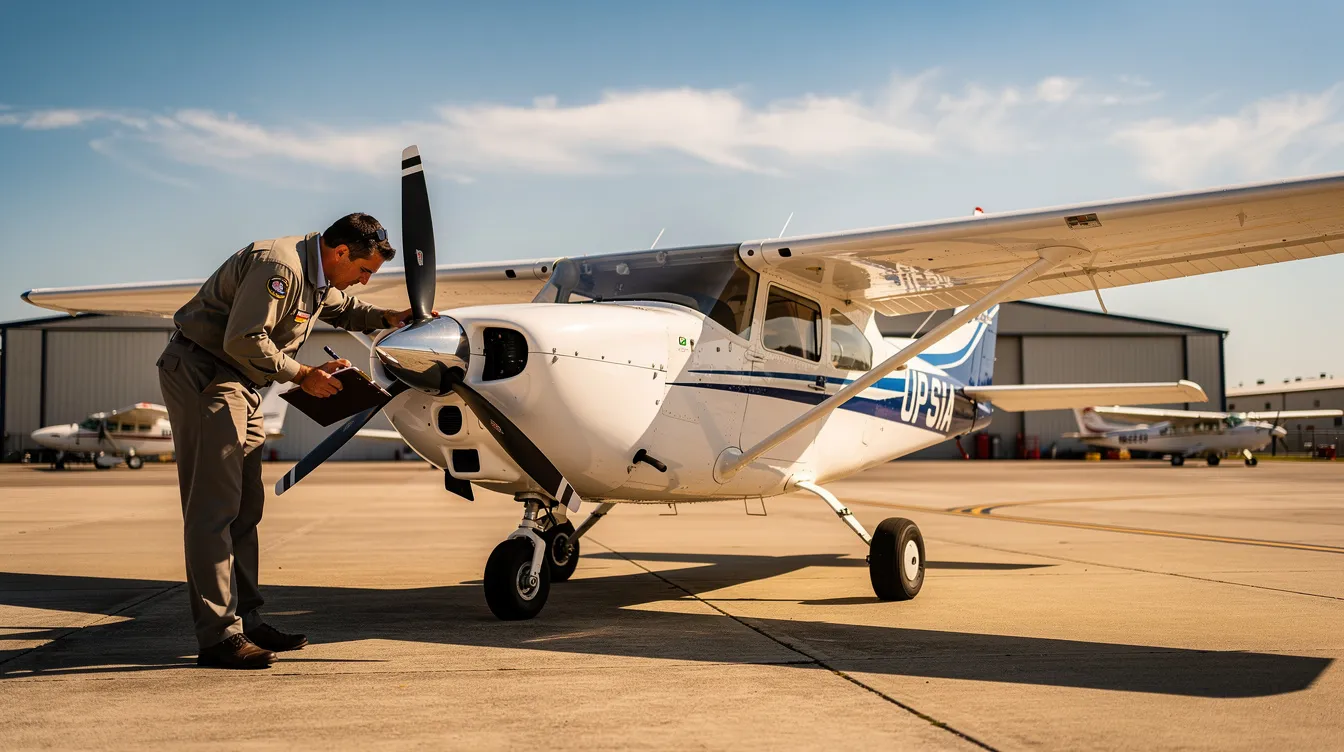
Aircraft Pilot: Career Path, Training, and Opportunities in 2026
The career of an aircraft pilot encompasses various roles, from commercial and airline pilots to military and private pilots. Aspiring pilots must navigate a structured training path, including obtaining necessary certifications and flight hours. With a growing demand for qualified pilots, especially in 2026, this guide outlines the essential steps, costs, and opportunities in the aviation industry.
Read More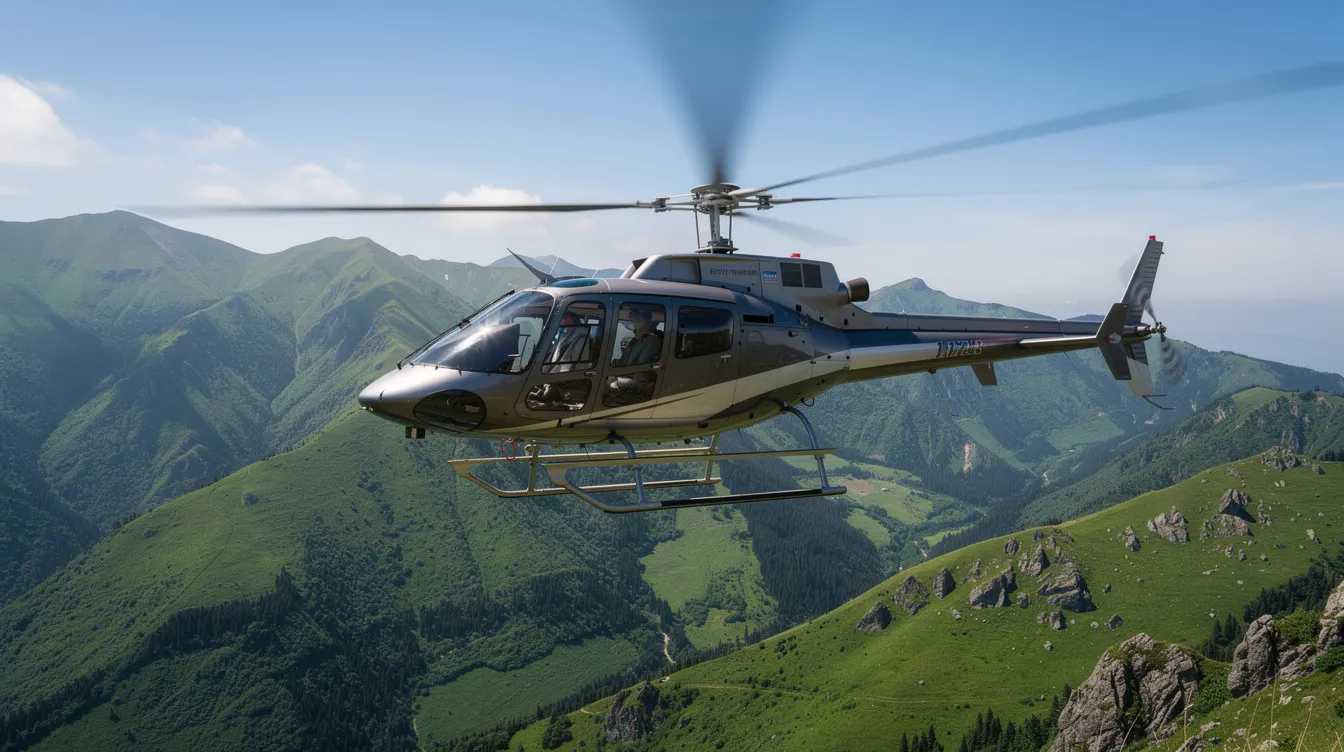
5
min read
Bell 407 Operating Cost Per Hour: Complete Owner and Charter Guide
The Bell 407 is a versatile light helicopter known for its reliability and efficiency. Understanding its operating cost per hour is crucial for potential owners and charter operators, as it varies based on fixed and variable expenses. This guide provides a comprehensive breakdown of costs, helping you make informed decisions about ownership or chartering.
Read MoreStay updated with our latest insights and tips to elevate your journey with us.
MEMBERSHIPS AND ASSOCIATIONS



Disclaimer: Jettly operates as a charter broker, offering access to a global digital jet charter marketplace. Jettly is not a direct air carrier and does not own or operate aircraft. All advertised flights are conducted by third-party air carriers that are fully licensed and hold the appropriate Part 135 or Part 121 certifications issued by the Federal Aviation Administration (FAA) or equivalent regulatory authorities under U.S. or foreign law. Jettly complies fully with the U.S. Department of Transportation's Part 295 and Part 298 Charter Broker regulations. Jettly does not carry additional liability insurance. Passengers are covered by aircraft operator insurance. TICO: 50023770


