


Login
Get Instant Pricing On 23,000+ Aircraft

>
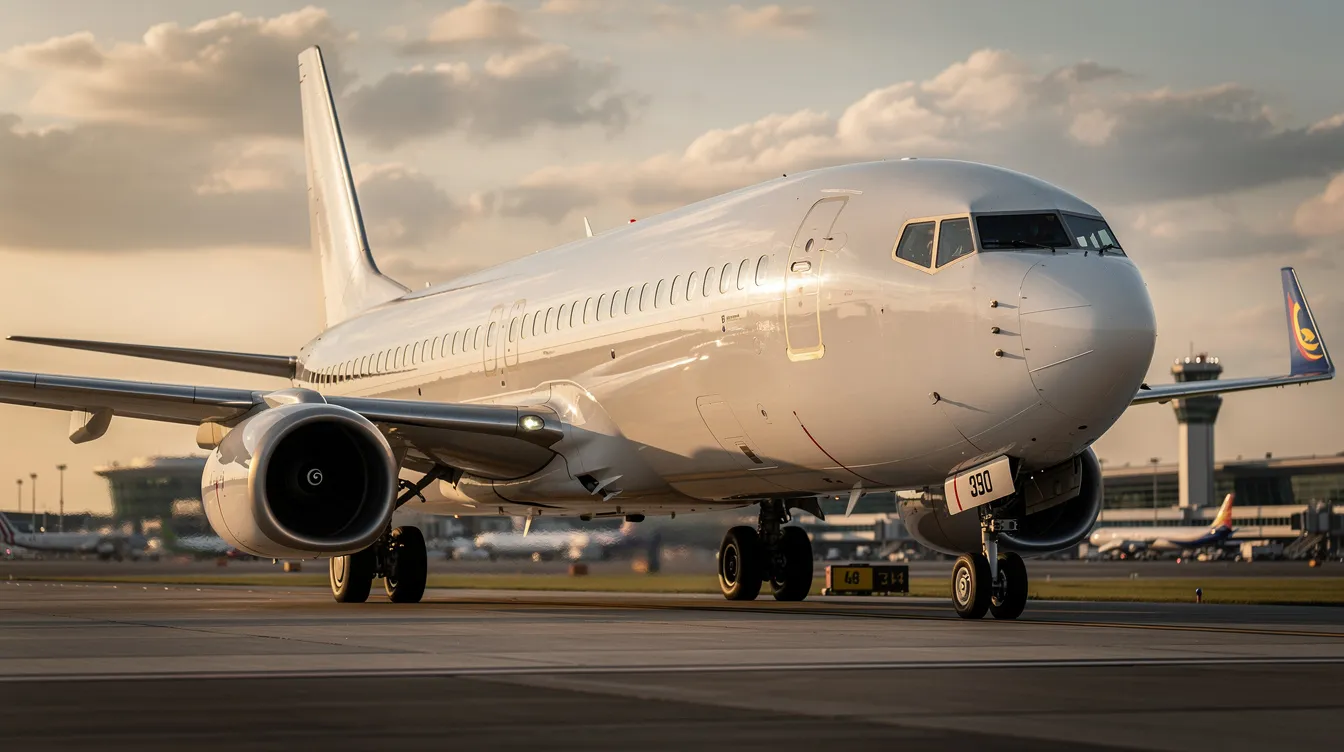
The Boeing 737-800 is a narrow-body aircraft used for short- to medium-haul flights by dozens of carriers worldwide. Understanding the seating plan for Boeing 737-800 aircraft helps travelers pick seats that match their priorities, whether that means extra legroom, a quieter cabin, or faster deplaning. This guide covers every cabin section, seat dimensions, onboard amenities, and how commercial 737-800 seating compares to private charter, including how narrow‑body airliners differ from long‑range private aircraft like the Boeing 767‑300ER.
A typical Boeing 737-800 seat map holds about 160 to 189 seats. The Boeing 737-800 typically has 166 seats in total in a standard two-class configuration, though seating configurations vary by airline.
Most Boeing 737-800 aircraft use a 3-3 seat layout in economy class and a 2-2 layout in first or business class at the front of the cabin.
Exact configurations differ by carrier. American Airlines, for instance, runs a different split than European or Australia-based airlines on the same aircraft type.
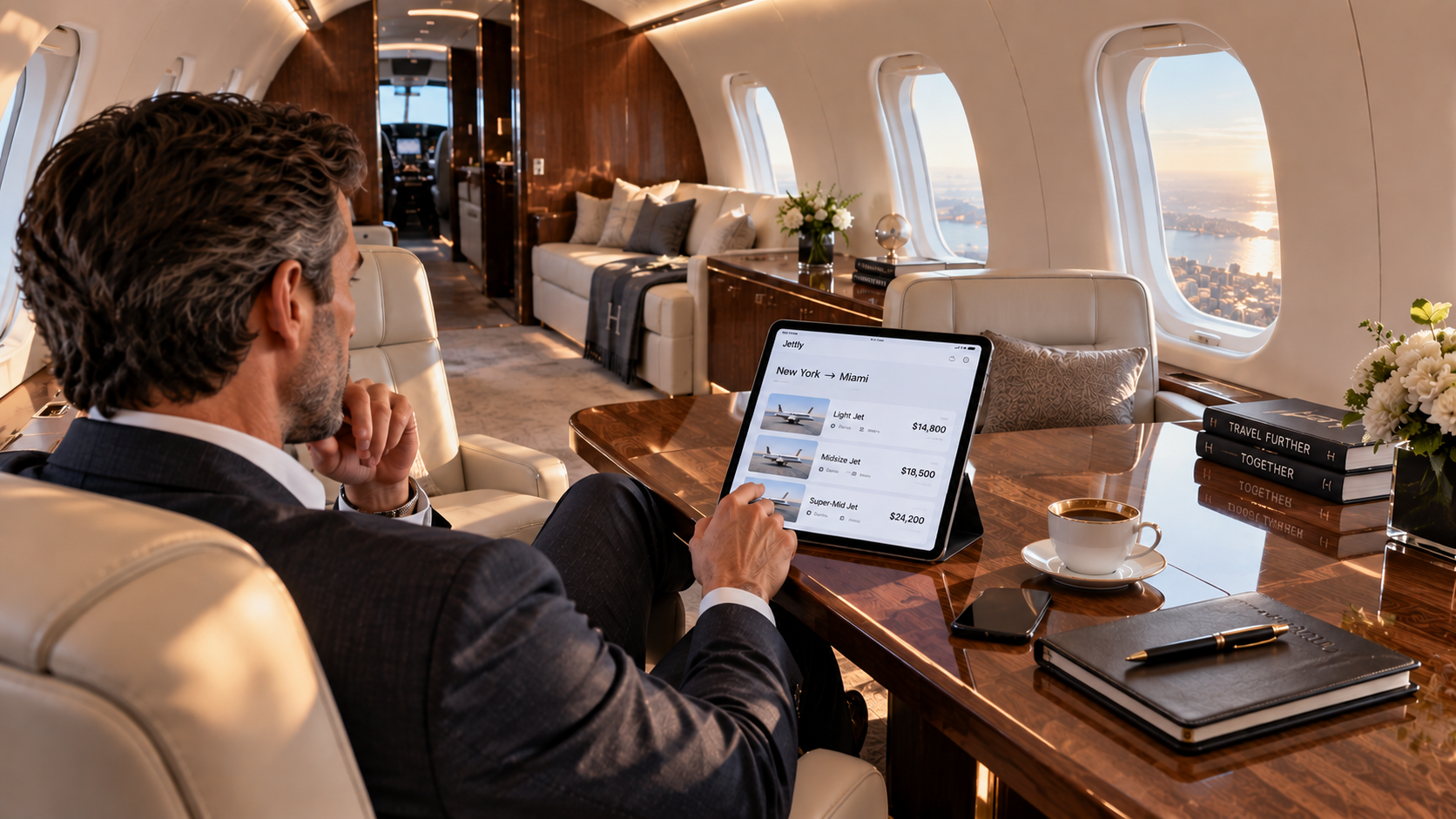
Travelers who value privacy, flexibility, and time savings can charter smaller private aircraft through platforms like Jettly instead of flying commercial on a Boeing 737.
The Boeing 737-800 is one of the most widely operated single-aisle jets in commercial aviation. Its seat map typically ranges from about 160 to 189 seats, depending on how the airline divides the cabin. Airlines configure the Boeing 737-800 cabin according to their business model; budget carriers may push total capacity to 189 in a dense all-economy layout, while full-service airlines keep it closer to 160 to 175 passengers in two-class configurations.
The Boeing 737-800 has three class options on some carriers: first, premium economy, and economy. Airlines publish different seat map versions on their website. American Airlines, for example, lists a layout with 16 first class seats and 156 in economy for 172 total. Each seat map shows galleys, lavatories, emergency exits, bulkhead rows, and bassinet locations, all of which affect seat desirability.
A dense 189-seat version eliminates premium cabins and reduces pitch. A two-class version with around 166 seats preserves more legroom and comfort across both sides of the aisle. Travelers who prefer an exclusive experience on this airframe can also consider private Boeing 737-800 charter options through private charter aircraft services. Always confirm which aircraft, seat map, or configuration applies to your flight, as it can change before departure.
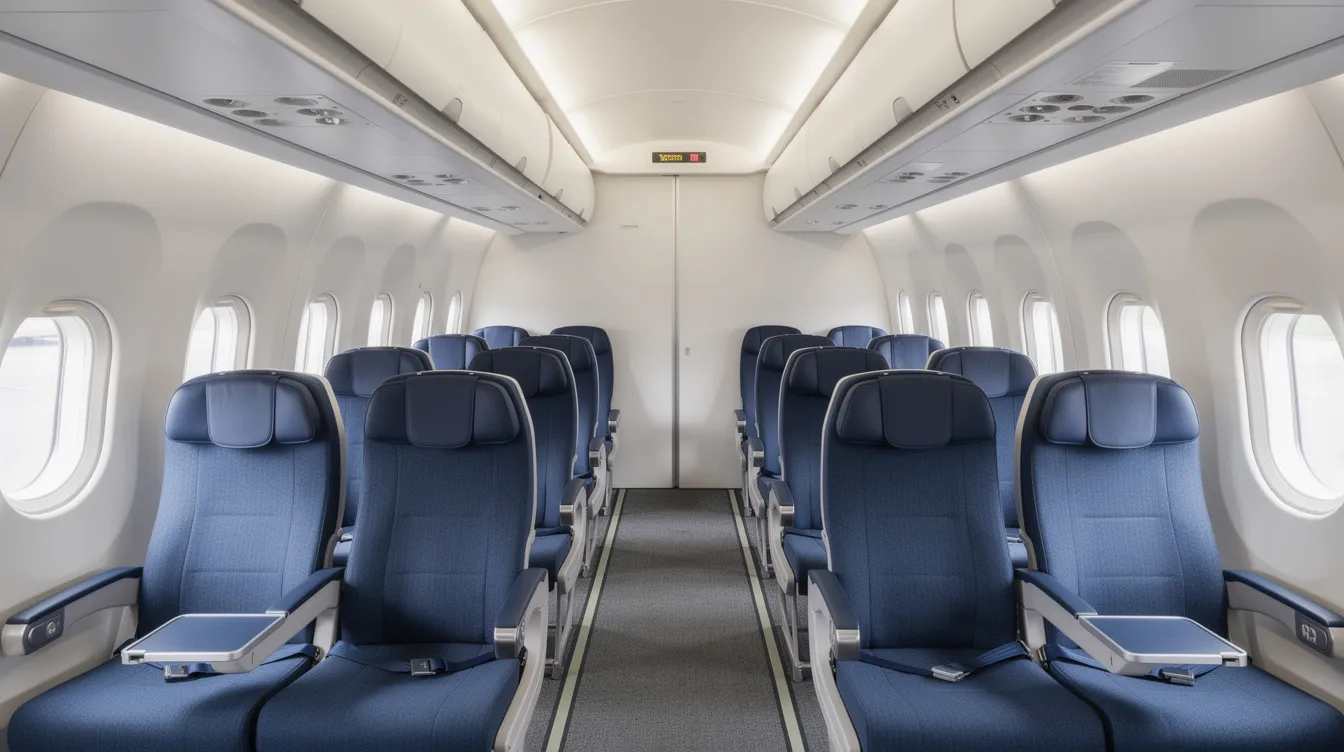
Seat layout refers to how many seats sit in each row, how many rows fill each cabin, and where special features like bulkheads and exits fall. While details vary between airlines, the Boeing 737-800 aircraft follows clear patterns.
The forward premium cabin places 4 seats per row in a 2-2 configuration, typically across 4 rows for about 16 first class seats. Behind this, some carriers add a premium economy section of roughly 24 seats with 33-inch pitch before the main economy cabin begins.
Economy class runs in a 3-3 configuration with a single aisle down the center. In a 16/126 split, economy class accommodates 126 passengers across roughly 21 rows. Bulkhead rows separate the classes. Exit rows sit over the wings. The rear of the cabin tapers near the galleys, where the Boeing 737-800 usually has two lavatories located at the rear, and nearby seats tend to experience more foot traffic and noise.
On American Airlines' Project Oasis fleet, first class occupies rows 1 through 4. Main Cabin Extra seats with additional pitch sit in rows 8 through 9 and 16 through 17. Standard economy fills the remaining rows to the back of the board. Front-cabin passengers deplane first, which is one reason frequent flyers often select seats closer to the left or right side exits.
Not every Boeing 737-800 carries a cabin named "first class." Some airlines label the front section as business class instead. Either way, the premium cabin sits at the very front of the aircraft.
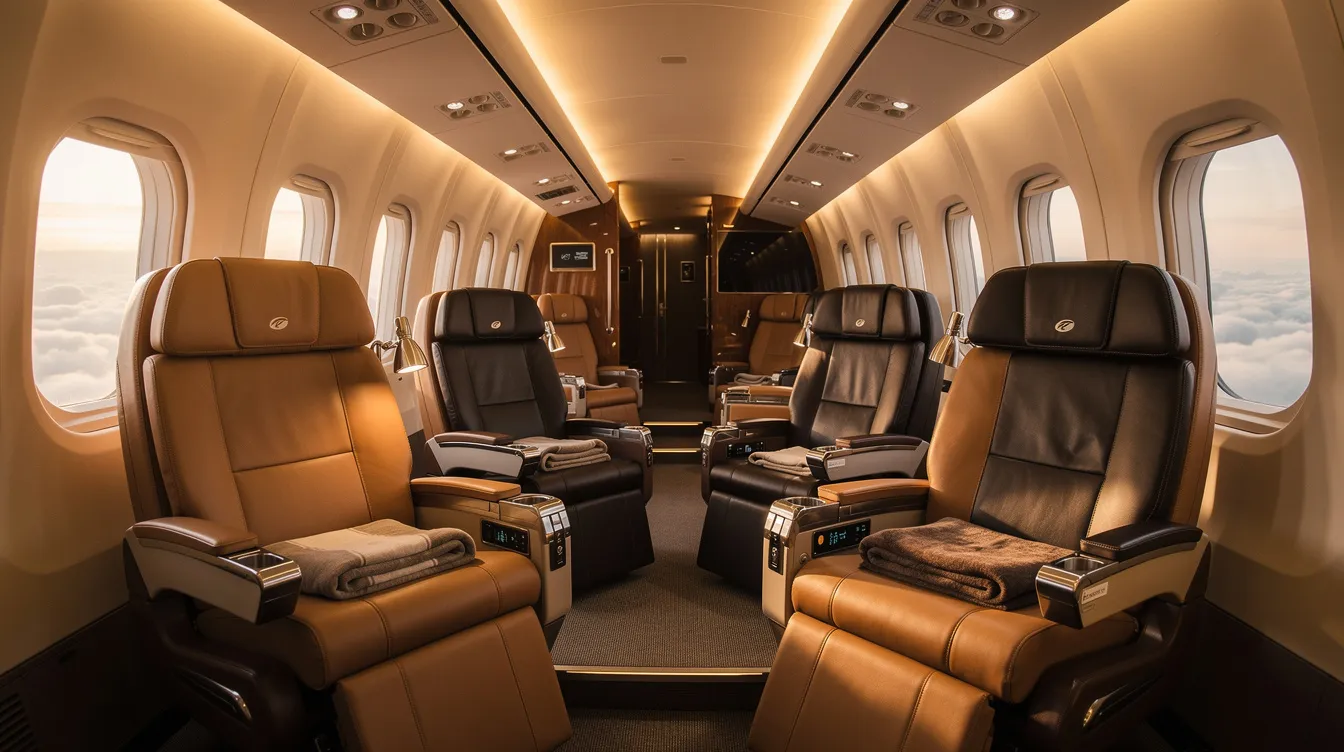
On American Airlines, first class features 16 seats with a pitch of 37 inches and a seat width of 21 inches, arranged in a 2-2 layout across 4 rows. Passengers in this cabin get wider seats, more legroom, priority boarding, upgraded meal service, and dedicated overhead bin access. The seats recline more than economy but are not lie-flat; this is a short- to medium-haul cabin designed for domestic and regional destinations.
Premium economy, where it exists on the 737-800, offers 24 seats with a pitch of 33 inches. These rows sit just behind first or business class and provide extra legroom plus, on some aircraft, USB ports and other amenities not available in standard economy. First/Business Class generally features a 2-2 seating layout with wider seats than the rest of the cabin.
For travelers who want full-cabin privacy and custom seating layouts, private jet rental options through Jettly replace fixed commercial seat maps with tailored cabin configurations, flexible schedules, and dedicated terminals.
Economy class is the largest section in the Boeing 737-800 seat map. Economy class accommodates 126 passengers in a standard two-class configuration, though that number shifts based on how many premium rows the airline installs.
Standard economy seat dimensions on the Boeing 737-800:
|
Specification |
Measure |
|---|---|
|
Seat pitch |
30 to 32 inches (standard is 30 inches) |
|
Seat width |
Approximately 17 inches |
|
Layout |
3-3 (window, middle, aisle on each side) |
Movable armrests matter for passengers with reduced mobility or anyone who needs easier aisle access. Some seats, especially those with tray tables stored in the armrests or IFE boxes underneath, have fixed armrests. There is also an accessible lavatory on some configurations to accept passengers who need additional space.
Exit rows provide extra legroom but may limit recline options. On American Airlines' 737-800, rows 16 and 17 offer roughly 39 inches of pitch, but some Boeing 737-800 aircraft have limited or zero seat recline in these positions. Passengers seated in exit rows must meet age and mobility requirements, and a diaper changing table is not located in every lavatory, so families should check with prior notice.
Other economy nuances to keep in mind: certain window seats (like 12A or 13A on AA) lack windows entirely due to fuselage structure. Seats near the rear galley experience more noise. The last few rows often have limited recline and narrower seat width due to fuselage taper.
Use airline seat maps and third-party tools like SeatMap.app, which lists 98 published 737-800 seating configurations from about 67 airlines, to find the best economy class seats before you confirm a reservation.
Amenities on a Boeing 737-800 are not standardized. What you get depends on the airline, the aircraft's age, and whether it has been retrofitted. Always check equipment details before your flight.
Some Boeing 737-800s have inflight Wi-Fi available for browsing, messaging, and streaming. Pricing and speed vary by carrier and route. Power outlets and USB ports are amenity features that vary by airline; American Airlines' Oasis-retrofitted 737-800s include AC power and USB ports at every seat, while earlier models on other carriers may offer neither, so it helps to understand the aircraft's Boeing 737-800 specifications and range.
Upgraded 737-800s feature larger overhead locker space through Boeing's Sky Interior design, with sculpted sidewalls and LED mood lighting that make the cabin feel more open. Seat back screens have been removed from many newer economy retrofits. Airlines now rely on streaming entertainment to each passenger's personal device instead, so bring your own device and download content in advance. In first class, some carriers still display content on built-in screens.
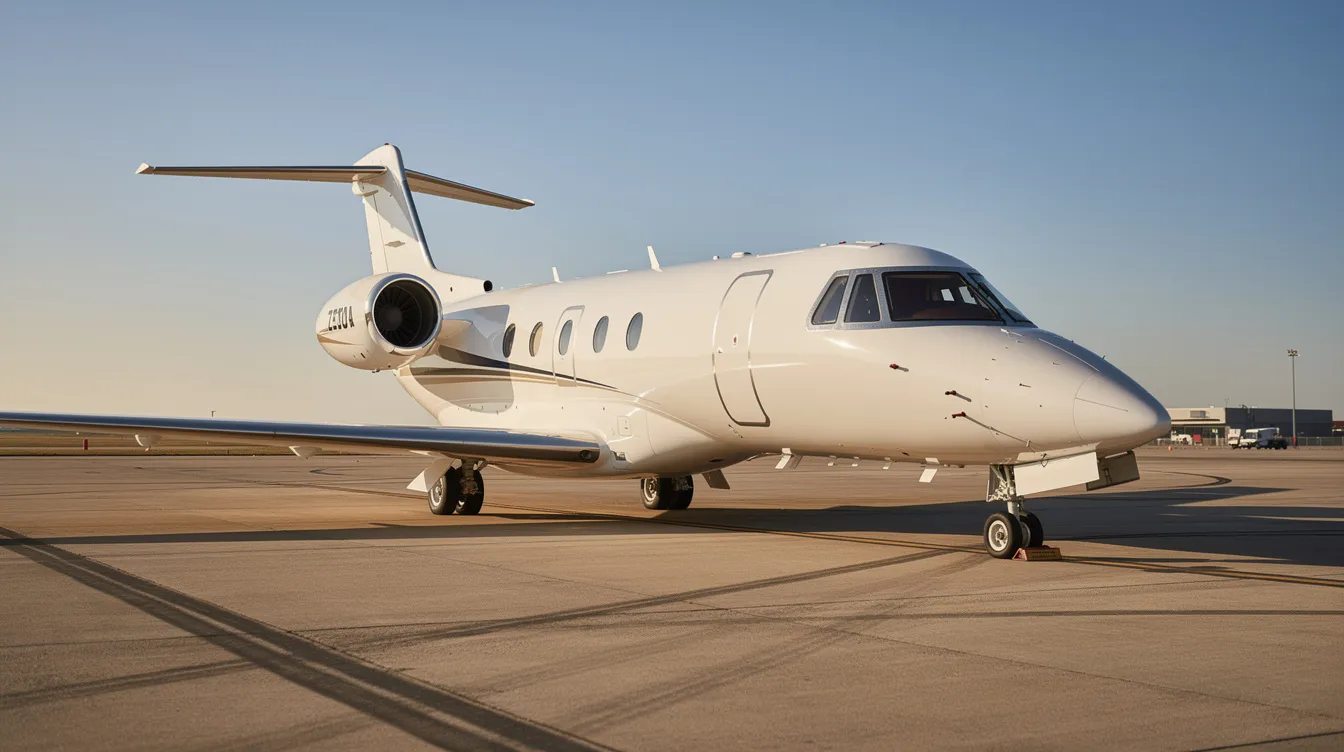
On a private jet booked through Jettly, the experience shifts to quieter cabins, club-style seating, opportunities to book the cheapest private jet flights, and tailored in-flight catering for any purpose, from a business meeting to a family trip. The language of cabin amenities changes entirely when the aircraft is yours for the flight.
The Boeing 737-800 layout and specs are designed to move many passengers on fixed schedules. Private charter serves a different purpose: flexibility, privacy, and customized cabin use.
|
Factor |
737-800 First Class |
Private Jet (Light/Midsize) |
|---|---|---|
|
Seats |
16 shared with other passengers |
4 to 10, entire aircraft is yours |
|
Pitch |
37 inches |
Varies; club seating with 50+ inches common |
|
Schedule |
Fixed airline timetable |
Depart when ready |
|
Terminal |
Commercial airport, standard security |
Private terminal (FBO), minimal wait |
|
Cabin noise |
Standard commercial levels |
Lower; fewer passengers, better insulation |
Jettly's digital platform provides access to a global fleet of turboprops, light jets, midsize, and large-cabin jets, each with specifications matched to group size and trip conditions and searchable through its airport locator tool and network. A same-day New York to Chicago to Toronto business roadshow, for instance, can save 4 to 6 hours versus connecting commercial flights, and international itineraries benefit from understanding how private jets fly internationally across borders and oceans. A family weekend from Los Angeles to Las Vegas on a light jet takes roughly 45 minutes gate to gate with no security line, and travelers comparing platforms may research all about NetJets as a private aviation leader and may find Jettly to be a compelling NetJets alternative for private flying.
Explore Jettly's charter cost estimator to compare pricing against commercial first class on the routes you fly most, review affordable private jet charter costs to understand how pricing changes with aircraft type and distance, and dig into one flight private jet cost factors before booking specific trips.
The "best" seat is subject to what each traveler values, and some travelers even weigh premium economy or first class against simply buying a seat on a private jet for certain routes. Here are concrete strategies:
Quick exit: Select rows 1 through 4 (first class) or row 8 (first economy row). Front seats deplane first, but if schedule control matters most, you might instead look at easy ways to get a seat on a private jet.
Smoother ride: Over-wing seats (rows 14 through 18 on most configs) experience less turbulence.
Quiet and views: Forward window seats, away from galleys and lavatories on both sides; cost-conscious private flyers may also consider crowdsourced private jet flights with shared seats as an alternative for peaceful cabins.
Avoid if possible: Last row (limited recline, galley noise), middle seats in economy (two neighbors), and rows with misaligned or missing windows, or consider stepping up to one of the cheapest private aircraft options or other affordable airplane rental options if you frequently find yourself in uncomfortable seats.
Use the airline's interactive seat map during booking to log which rows are listed as "preferred" or "Main Cabin Extra." These often cost an additional fee but deliver 33 to 34 inches of pitch. For accessibility, request seats with movable armrests and proximity to an accessible lavatory; check airline policies and update your reservation details in advance.
Frequent travelers might mix approaches: first class on longer sectors, exit rows on shorter ones, or private charter through Jettly when schedule control and comfort outweigh the cost of a commercial upgrade, even evaluating the best cross-country planes for long journeys when missions regularly span multiple time zones, weighing these options much like businesses do when they compare jet rentals vs. first-class tickets for corporate travel.
No. The seating plan differs by airline and even by sub-fleet within one carrier, and the assigned aircraft or layout can change, so travelers should verify the current seat map during booking. Some offer 16 first class seats with a separate premium economy section; others run all-economy with up to 189 seats and a wingspan-to-cabin ratio that stays identical but internal seat count does not. Always check the specific seat map shown during booking to confirm which version you will fly on.
Exit rows and designated "extra" or "plus" rows near the front of economy offer the most legroom in the main cabin. First class provides the most space overall at 37-inch pitch. Exit rows come with safety responsibilities, and recline is sometimes restricted, so balance legroom gains with these trade-offs before you accept the assignment, and factor in the broader cost of private jet travel if you are comparing premium cabins to charter.
Wi fi and in-seat power are common but not guaranteed. Some older 737-800 cabins still lack these features or offer them only in premium cabins. Check the equipment information on the airline's website or in the booking flow, where carriers often display whether wi fi and power are equipped on a given flight.
First class on a 737-800 still involves sharing the cabin with other passengers, flying on fixed schedules, and passing through commercial terminals. With private charter via Jettly, travelers reserve the entire aircraft, set departure times, use private terminals, and enjoy flexible seating layouts tailored to their group, whether that means conference-style seating for a meeting or a quiet cabin for a family, and some frequent flyers lock in these benefits through jet card programs after reviewing detailed private jet card costs.
Jettly's platform lists thousands of aircraft worldwide and offers instant pricing for routes that often overlap with busy Boeing 737-800 city pairs, similar to many operators featured in comprehensive charter airline guides. Travelers can find options ranging from light jets for 4 passengers to large-cabin aircraft for groups of 12 or more, and frequent flyers can streamline access through private jet memberships and compare the best jet card programs available today.
Ready to experience private travel on your terms? Explore flight options or request a quote at https://www.jettly.com, and if you are comparing providers, review this guide to the best private jet charter companies to see how different platforms stack up, learn about top private plane manufacturers for every budget, and weigh shared charter flights versus full charters for your typical routes.
Understanding the seating plan for Boeing 737-800 aircraft helps travelers make informed choices about comfort, legroom, and cabin amenities on commercial flights. While the 737-800 offers a range of seating options from economy to first class with varying pitch and layouts, private jet charters through platforms like Jettly provide an alternative tailored to those seeking flexibility, privacy, and personalized service. Jettly’s digital marketplace grants instant access to thousands of private aircraft worldwide, enabling travelers to bypass fixed commercial schedules and experience a more convenient, comfortable journey.
Ready to experience private travel on your terms? Explore flight options or request a quote at https://jettly.com.
Share this post:
Jay Franco Serevilla
Aug 2, 2026
|
5
min read
Discover tips and trends in the industry.
5
min read
Private Jet Billing Models Compared for 60-Hour Flyers: Days-Based vs. Hours-Based vs. Occupied-Hour
Choosing the right billing model for private jet travel can save you thousands. For approximately 60 hours of flying annually, hours-based or occupied-hour billing typically offers the best value, providing predictable costs without the burden of fixed fees. This guide breaks down the differences between days-based, hours-based, and occupied-hour billing to help you make an informed decision.
Read More
5
min read
Best Private Jet for Business Travel in 2026
Choosing the best private jet for business travel in 2025 and 2026 depends on specific mission profiles, passenger needs, and budget considerations. Top contenders include the Bombardier Global 7500 and Gulfstream G700 for ultra-long-range travel, while the Embraer Phenom 300E excels for regional trips. This guide helps decision-makers evaluate jets based on range, cabin productivity, and operating economics to find the ideal fit for their travel requirements.
Read MoreStay updated with our latest insights and tips to elevate your journey with us.
MEMBERSHIPS AND ASSOCIATIONS



Disclaimer: Jettly operates as a charter broker, offering access to a global digital jet charter marketplace. Jettly is not a direct air carrier and does not own or operate aircraft. All advertised flights are conducted by third-party air carriers that are fully licensed and hold the appropriate Part 135 or Part 121 certifications issued by the Federal Aviation Administration (FAA) or equivalent regulatory authorities under U.S. or foreign law. Jettly complies fully with the U.S. Department of Transportation's Part 295 and Part 298 Charter Broker regulations. Jettly does not carry additional liability insurance. Passengers are covered by aircraft operator insurance. TICO: 50023770


