



Login
Get Instant Pricing On 23,000+ Aircraft

>

Selling aircraft in 2026 is a structured process that rewards preparation, accurate pricing, complete documentation, qualified buyer outreach, careful negotiation, inspections, and a legally sound closing. This guide is for private owners, corporate flight departments, and fractional program managers considering selling their aircraft. A clear understanding of the process helps maximize sale price, minimize delays, and reduce risk. Whether the airplane is a single-engine piston or a large-cabin jet, private owners, corporate flight departments, and fractional program managers all benefit from understanding the transaction from first inquiry through post-sale transition, because each decision affects timing, final sale price, and the risk of delays or lost value.
This guide follows the full sale path: getting the aircraft market-ready, valuing it, choosing between a self-sale, broker, or digital platform, marketing the listing, qualifying buyers, managing inspections and closing, and considering what comes next if you want to move from ownership to on-demand private jet charter with Jettly.
Selling an aircraft involves several key steps: valuation, documentation, and negotiation. Each step builds upon the previous, requiring careful preparation and attention to detail.
Selling an aircraft is a complex process requiring careful preparation and documentation. Common steps include valuation, documentation, and negotiation - each directly impacts timeline and final price.
Accurate pricing, a complete maintenance history, and high-quality marketing materials are the three biggest levers for attracting potential buyers and securing successful transactions.
Sellers can go the self-sale route, hire brokers, or leverage online platforms like Trade-A-Plane and Controller. Modern charter platforms like Jettly also connect former owners with on-demand private flights after the sale.
Safety records, pending inspections, and legal and financial readiness - lender payoff, escrow, title search - can speed up or slow down a deal significantly.
Owners planning to sell and then charter instead can use Jettly's on-demand access to over 20,000 aircraft to keep flying privately without ownership commitments.
The aircraft resale market has shifted dramatically since 2015. Local classifieds and word-of-mouth referrals have given way to digital aviation sales platforms, broker networks, and mail-based email campaigns that reach a global pool of buyers. Today, most successful transactions start online, where digital channels help owners stay in focus on their core business while reaching buyers more efficiently.
Common aircraft types sold by private owners include single-engine piston models (e.g., Cessna 182T), turboprops like the King Air 350i, light jets such as the Citation CJ3+, and large-cabin jets like the Gulfstream G550. Sellers range from private owners upgrading to corporate flight departments rotating fleets every five to eight years to fractional programs cycling inventory at preset hour limits.
The overall transaction process is similar worldwide - valuation, listing, negotiation, pre-purchase inspection, closing - but local regulations differ. The FAA governs registration and airworthiness in the U.S., EASA handles Europe, and Transport Canada covers Canada. According to the Ayram Business Jet Market Report, roughly 6.9% of the active business jet fleet was listed for sale in late 2025, with average days on market reaching 403 days. That number makes it clear: preparation and pricing discipline are non-negotiable. Some sellers who no longer need to personally own an airplane choose to sell and transition to on-demand charter through platforms like Jettly, sidestepping the ongoing cost of aircraft ownership after understanding how much a private jet really costs.
Prepare your aircraft before a single listing photo is taken. Professional aircraft detailing improves marketability and perceived value, and addressing cosmetic issues early can shorten time on market from months to weeks. Aircraft condition significantly affects market value.
Physical preparation includes:
Detail interior and exterior
Recondition seat leather
Professionally clean carpets
Polish exterior surfaces
Touch up paint chips and scratches
Ensure all lights, avionics, and cabin systems work
Complete upcoming routine inspections (50-hour, 100-hour, annual, or phase checks)
Address high-impact squawks (e.g., inoperative autopilot, aging tires)
Price transparently for deferred maintenance
Capture a fresh, high-resolution photo set and a short cabin walk-through video in good daylight. Sellers are advised to clean and detail the aircraft before sales presentations, and strong visuals make a measurable difference across all listings and digital channels.
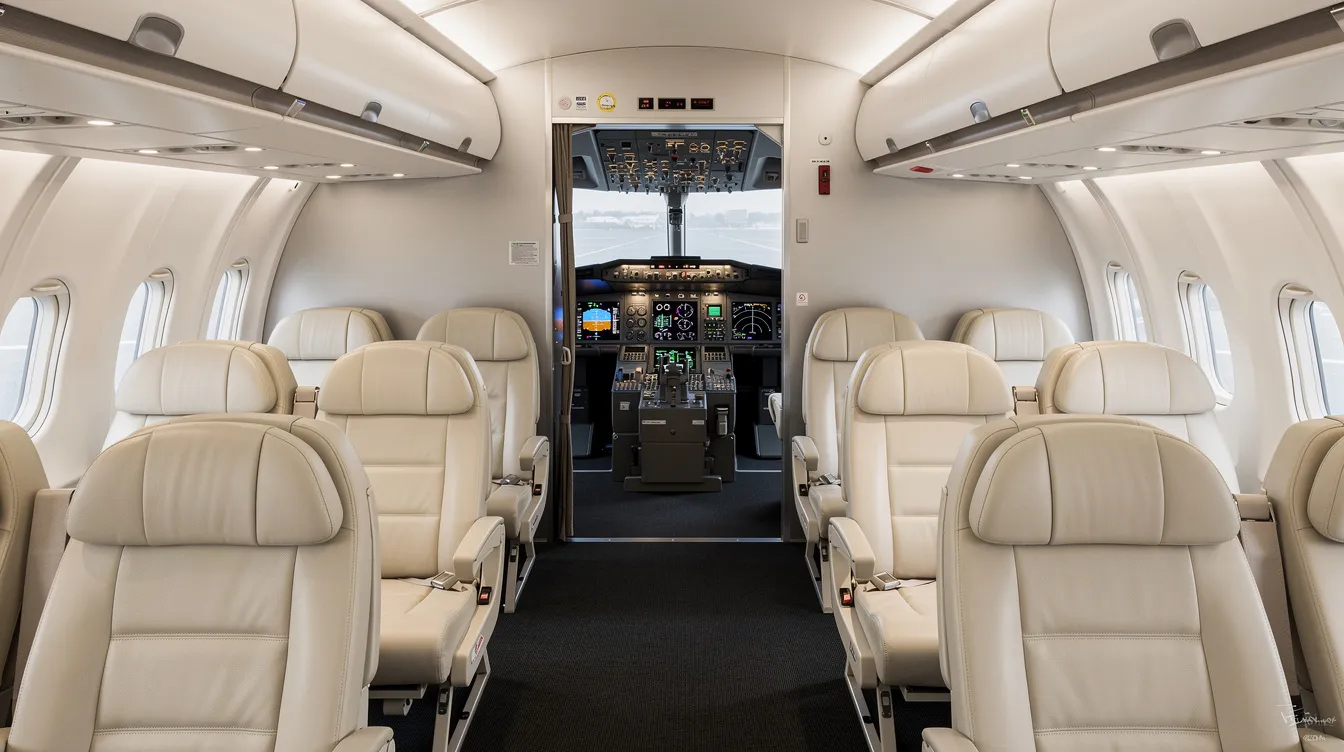
A complete, well-organized maintenance history is often the deciding factor in whether buyers proceed to contract. Transparent record-keeping builds buyer confidence during the aircraft sales process, and accurate documentation can significantly affect the aircraft's market value.
Assemble the following before going to market:
Airframe, engine, and propeller logbooks
Avionics upgrade invoices and STC paperwork
Weight and balance sheets
Major modification records since original delivery
Compliance records for airworthiness directives (ADs) and service bulletins (SBs)
Missing or incomplete logbooks reduce value - often 10–20% on piston aircraft, and 30% or more on business jets. Lenders may refuse financing altogether if records have gaps. Clear maintenance tracking through systems like CAMP or Flightdocs, or even well-organized spreadsheets you can download, reassures buyers about engine cycles, utilization data, and time remaining on life-limited components.
Consider the depth of a real example: a 2014 Embraer Phenom 300 with complete digital maintenance records, enrolled engines, and no damage history typically attracts more offers and faster responses than comparable aircraft with fragmented paperwork.
Setting a realistic price maximizes chances of a timely sale. The first 30–60 days on market are critical - overpriced aircraft lose momentum fast, and stale listings filled with price cuts signal desperation to buyers.
Professional appraisals are essential for accurate aircraft pricing. A trained broker or accredited appraiser uses recent transaction data, Bluebook values, and current inventory levels to estimate fair market value. Market research helps determine realistic asking prices for aircraft. Key pricing inputs include:
Total time on airframe and engines
Quality and completeness of maintenance records
Avionics suite (e.g., Garmin G1000 NXi vs. legacy panels)
Cabin and interior refurbishment date
Damage or incident history
Compare current listings and recent sales on platforms like Controller and jet pricing databases to avoid overpricing. For example, listing a 2008 Citation Mustang slightly below the cluster of similar model listings can generate multiple offers and create negotiation leverage.
Sellers planning to move from ownership to charter should factor ongoing charter costs into their long-term budget, using tools like Jettly's Jet Card Flight Cost Estimator to understand route-specific pricing. Jettly's Private Jet Cost Calculator can help with that math.
|
Pricing Factor |
Impact on Value |
Example |
|---|---|---|
|
Airframe and Engine Time |
Higher time reduces value |
5,000 hours vs. 2,000 hours |
|
Maintenance Records |
Complete records increase value |
Digital logs vs. incomplete |
|
Avionics Suite |
Modern suites add premium |
Garmin G1000 NXi vs. legacy |
|
Interior Condition |
Recent refurbishment boosts appeal |
New leather vs. worn seats |
|
Damage or Incident History |
Past damage lowers value significantly |
No damage vs. repaired damage |
Sellers have three main paths: selling privately, working with a traditional aircraft broker, or leveraging digital marketplaces. Each makes sense for different situations.
Self-sale gives full control and avoids commission, but handling transactions without a broker can require significant time and expertise. You manage every step - marketing, buyer qualification, negotiation, and closing the deal.
Broker representation is where many sellers find value. Choosing an aircraft broker is crucial for a successful sale, especially for high-value jets or cross-border deals. Brokers utilize industry tools to secure buyers effectively, along with deep knowledge of aircraft transactions and compliance requirements, manage legal and financial details during sales, and a good broker can provide an accurate aircraft appraisal. Commissions typically range from 1–10% depending on aircraft value. Firms like SOLJETS, which has closed over 400 business jet transactions since 2015, demonstrate how experienced brokers streamline complex deals. They also apply established industry practices to keep transactions professional and efficient.
Digital marketplaces - Trade-A-Plane, Controller, Trade: Aero - let sellers or brokers list aircraft with detailed specs and photos. Specialized marketplaces attract more qualified buyers compared to general sites. Trade: Aero reports that verified listings sell roughly 40% faster than the industry average.
For owners familiar with the process and selling common aircraft types, a hybrid approach - broker guidance plus marketplace listings - often delivers the best results while helping owners stay focused on running their business as the sale moves forward. If you're interested in exiting ownership entirely, Jettly serves as a bridge and a compelling NetJets alternative for flying private for less: sell the airplane, then keep flying via on-demand private jet charter.
Well-executed marketing increases qualified leads and cuts time to close. High-quality marketing materials, including photos, enhance aircraft visibility across every platform.
An effective listing should include:
Year, make, model, and serial number
Engine and airframe times
Avionics configuration and upgrades
Cabin layout and interior condition
Paint status
Maintenance highlights
Disclosure of damage or no-damage history
A transparent listing that discloses defects enhances the credibility of the sale. Effective aircraft listings should include detailed specifications and maintenance status - buyers and their pilots watch for gaps.
For photos, capture:
Exterior shots from multiple angles
Cockpit close-ups showing avionics
Cabin images from front and rear
Baggage compartment shots
Tips from active sellers: natural daylight and a freshly washed airplane make a significant difference in click-through rates on listings.

Qualify buyers early. For larger business jets, require proof of funds or financing pre-approval before scheduling in-person showings. Ask about their planned timeline and whether they have experience buying aircraft. For demo flights, verify pilot credentials if the buyer wants to fly, and ensure insurance coverage before anyone touches the controls.
For owners who still need lift during the sale process, Jettly can provide private charter aircraft as temporary charter solutions so the aircraft remain available for showings without disrupting key trips.
The typical transaction flow moves through several steps: letter of intent (LOI), signed purchase agreement, escrow deposit, pre-purchase inspection, squawk negotiation, and final closing with title transfer.
At the LOI stage, both parties agree on price, deposit amount (often 5–10%), inspection location, and timelines. The LOI is typically non-binding except for specific clauses like confidentiality.
Utilizing an escrow service ensures secure transactions during aircraft sales. Aviation attorneys verify title, manage lien searches, and ensure documents like FAA Form 8050-2 - the bill of sale - and registration forms are properly executed. Federal regulations govern the sale of aircraft transactions, so it is important to understand the key procedures and regulations before closing to avoid legal complications and keep the process smooth.
Buyers often request a pre-purchase inspection before finalizing an aircraft sale. AOPA recommends having a mechanic with inspection authorization conduct the review. The scope includes airframe structure checks, engine borescope, avionics testing, and AD compliance verification. A pre-purchase inspection can take one to two hours for simpler aircraft, though turbine aircraft inspections run longer.
Post-inspection negotiations are standard. The seller may repair safety-critical items, share costs, or adjust the purchase price. Cosmetic findings are typically left to the buyer. Transparency about known issues before inspection builds trust and prevents last-minute surprises that derail deals. Following standard closing steps also helps reduce avoidable disputes and delays.
At closing, complete necessary paperwork for ownership transfer, including the bill of sale. Update insurance, handle registration transfer, and coordinate delivery logistics. Sellers who still need travel flexibility can immediately transition to Jettly's charter service for upcoming trips.
After closing, confirm funds received, update tax records, and formally hand over keys, manuals, and remaining documentation to the buyer. Pay attention to potential tax implications: capital gains considerations and sales or use tax in states like Texas apply in many cases. Seek guidance from an aviation-savvy tax professional - this article doesn't constitute legal or tax advice.
Many former owners move to on-demand private jet charter rather than immediately buying another aircraft, especially when annual flying hours have decreased. Jettly fits this shift with its private jet memberships: access to over 20,000 aircraft globally, transparent instant pricing, and the ability to select the right aircraft type for each specific trip.
Consider a real use case: a seller who divests a personally owned 2006 Pilatus PC-12 to remove hangar and maintenance overhead, then uses Jettly for Toronto–Vancouver business trips and New York–Miami family holidays on a pay-per-flight basis, much like clients comparing ownership with affordable aeroplane rental options. Learning to fly charter instead of managing ownership is a straightforward step that many sellers find liberating.
Ready to keep flying after selling? Explore charter options, use tools like Jettly's airport locator and booking platform, or request a quote at https://www.jettly.com.
The questions below address common concerns not fully covered above - especially around timelines, financing, and post-sale insights for sellers making the transition out of ownership.
Typical timelines range from 60 to 180 days depending on aircraft type, price realism, and overall market conditions. IADA data shows accredited dealers close in about 150 days versus the industry average of 212 days. Popular models with complete records move faster, while niche or older airframes take longer to match with the right person.
Many buyers rely on aviation lenders for financing, which adds steps like professional appraisals and documentation checks. Financed deals may take longer to close than all-cash transactions, but remain common and efficient when handled by experienced brokers and escrow agents.
Sellers must keep full insurance and required maintenance current until closing - both for safety and to protect airworthiness for demo flights and inspections. Owners who want to minimize flight hours during the sale can turn to Jettly's charter options for essential trips, applying many of the same strategies used to get a seat on a private jet easily.
Significant findings - corrosion, engine problems, or non-compliance with ADs - typically lead to renegotiation. The seller may repair items, reduce the price, or in rare cases, the deal may be terminated. Transparency about known issues before the inspection builds trust and prevents surprises.
Many aircraft are sold with outstanding loans. The lender's lien is paid off at closing from sale proceeds, and the remaining balance is remitted to the seller after payoff and fees. Coordinate early with your lender and escrow agent so payoff letters and lien releases are signed and ready before the scheduled closing date.
Selling an aircraft involves navigating the intricacies of valuation, preparation, marketing, and legal compliance to achieve a smooth and successful transaction. By thoroughly preparing the aircraft, setting realistic pricing based on professional appraisals, and choosing the right sales approach—whether self-sale, broker, or digital platform—owners can maximize value and minimize delays. Transparent documentation and effective buyer qualification build trust and streamline inspections and closing. For sellers transitioning out of ownership, platforms like Jettly offer flexible, on-demand private jet charter options, allowing continued access to private aviation without ownership burdens. Understanding these key steps and leveraging modern tools ensures aircraft sellers can confidently manage the process from listing to closing and beyond.
Ready to experience private travel on your terms? Explore flight options or request a quote at https://www.jettly.com.
Share this post:
Jay Franco Serevilla
Jul 22, 2026
|
5
min read
Discover tips and trends in the industry.

5
min read
Stewardess: From Classic Airline Icon to Modern Flight Attendant
The term 'stewardess' has evolved into the more inclusive 'flight attendant,' reflecting the significant changes in the role from the mid-20th century to today. Modern flight attendants are trained safety professionals responsible for passenger safety, emergency response, and in-flight service, contrasting sharply with the outdated stereotypes of glamorous service. This article explores the history, training, and responsibilities of today's cabin crew across commercial and private aviation.
Read More
5
min read
DL 767: Delta Air Lines Flight DL767, Boeing 767‑300ER & Private Jet Alternatives
Delta Air Lines Flight DL 767 connects New York and Los Angeles using a Boeing 767-300ER, known for its reliability and comfort. This article explores the flight's features, the aircraft's specifications, and private jet alternatives for travelers seeking flexibility. With Delta planning to retire the 767-300ER by 2030, understanding your options is crucial for future travel.
Read MoreStay updated with our latest insights and tips to elevate your journey with us.
MEMBERSHIPS AND ASSOCIATIONS



Disclaimer: Jettly operates as a charter broker, offering access to a global digital jet charter marketplace. Jettly is not a direct air carrier and does not own or operate aircraft. All advertised flights are conducted by third-party air carriers that are fully licensed and hold the appropriate Part 135 or Part 121 certifications issued by the Federal Aviation Administration (FAA) or equivalent regulatory authorities under U.S. or foreign law. Jettly complies fully with the U.S. Department of Transportation's Part 295 and Part 298 Charter Broker regulations. Jettly does not carry additional liability insurance. Passengers are covered by aircraft operator insurance. TICO: 50023770


