


Login
Get Instant Pricing On 23,000+ Aircraft

>
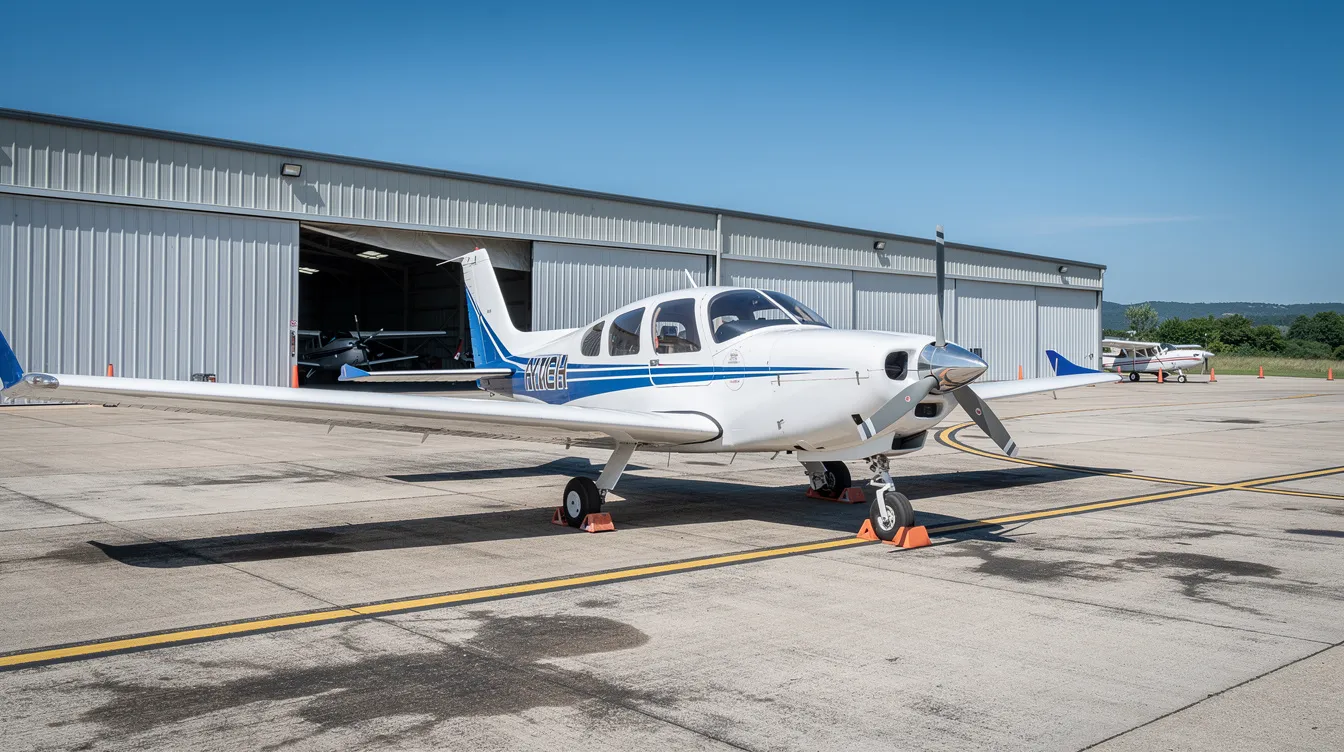
Selling an airplane in 2026 means more than posting an ad and shaking hands: it involves organizing clean maintenance and ownership records, gathering required federal documents such as the airworthiness certificate and bill of sale, pricing and marketing the aircraft to qualified buyers, negotiating terms, and completing the FAA-regulated transfer correctly. Whether you own a personal piston single, a turboprop, or a light jet, the process requires careful coordination between seller, buyer, and often a broker or escrow service.
This guide is written for private aircraft owners who are considering a sale and want a clear path through the paperwork, aircraft prep, marketing, negotiation, payment, and closing steps. Because aircraft transactions are complex, highly regulated, and easy to delay with missing documents or poor planning, understanding the process upfront can help you avoid costly mistakes and decide what comes next—whether that is another aircraft or continuing to fly privately without the overhead through charter options such as Jettly.
Selling aircraft in 2026 requires clean logbooks, a valid airworthiness certificate current at sale, a properly executed bill of sale (FAA Form 8050‑2 completed in duplicate in the U.S.), and correctly filed registration documents like Form 8050‑1 during the transfer.
Professional support - a broker, escrow account, or a digital marketplace like Jettly's partner network - can make transferring ownership and funds fast, secure, and hassle-free.
Preparing the aircraft with current maintenance, cosmetic detailing, and recent inspections often adds more value than it costs and speeds up the transaction.
Most owners who sell move from aircraft ownership to on‑demand charter, using platforms like Jettly to keep the flexibility of private flying without long‑term ownership costs.
In practical terms, selling an airplane means finding a qualified buyer, agreeing on price, completing a pre-purchase inspection, signing a bill of sale, and registering the aircraft transfer with the relevant aviation authority - the Federal Aviation Administration in the U.S., Transport Canada, or an EASA state registry in Europe.
The buying process follows a predictable lifecycle: deciding to sell, preparing records and the aircraft itself, marketing to interested buyers, negotiating the deal, running inspections, and closing the paperwork. Unlike selling a car (there is no simple pink slip for airplanes), aircraft sales are heavily paperwork‑driven. Registration, the airworthiness certificate, lien searches, escrow, and regulatory filings all need to be correct to avoid delays at every stage.
Common sale triggers include upgrading from a 2005 Cessna 182T to a 2018 Cirrus SR22, replacing a 1999 Beechcraft King Air B200 with a charter solution, or downsizing after reduced business travel. Many former aircraft owners choose to sell their plane and switch to on‑demand private jet charter through a digital platform like Jettly's global private charter aircraft marketplace instead of purchasing a replacement airplane.
Before listing, every owner should run a clear cost‑of‑ownership analysis. This is a decision framework, not a guess.
Evaluate these line items against the money you actually spend flying each year:
Hangar fees and tie‑down costs at your nearest airport
Seller's insurance (hull and liability) — remember to notify your insurance company of the sale to cancel coverage at the appropriate time
Annual inspection or 100‑hour inspections for Part 135 use
Avionics upgrades mandated by ADS‑B or other federal regulations
Engine reserves toward TBO on a Lycoming IO‑540 or Pratt & Whitney PT6
Then contrast three realistic options while understanding how much a private jet really costs:
Keep and refurbish a 1987 Piper Malibu approaching engine TBO ($50,000–$80,000 overhaul plus panel upgrades).
Sell outright and move to on‑demand charter via Jettly for trips like New York–Miami or Toronto–Vancouver. Jettly's cost calculator helps compare per‑trip charter costs against annual ownership overhead.
Trade into a newer used aircraft of the same category, factoring in acquisition costs and depreciation.
Non‑financial factors matter too. Flying fewer than 75–100 hours per year often favors charter. Some sellers coordinate the aircraft transfer timing so the sale closes the same week they start using charter, avoiding any gap in travel capability, while others evaluate the best cross‑country aircraft for their missions before deciding whether to own again.
Documentation is the backbone of a smooth, hassle-free aircraft transfer. Missing or incorrect paperwork is the single most time-consuming source of delays.
The seller must have these documents ready:
Original airworthiness certificate — must be current at sale and usually transfers with the aircraft to the new owner.
Current registration certificate showing the last registered owner and matching FAA registry records.
Complete airframe, engine, and propeller logbooks. Organizing logbooks is crucial for maximizing airplane value and buyer trust, with no gaps in maintenance history.
Weight and balance data.
Equipment list and STC documentation for modifications (e.g., a Garmin G1000 install in 2014).
The bill of sale is the legal instrument for transferring ownership. The Bill of Sale must be FAA Form 8050‑2, completed in duplicate with identical information, including the correct N number, manufacturer, model, and serial number. Both the buyer and the registered owner (person or LLC) must sign. One original copy goes to the buyer, and one to the FAA.
The purchaser completes FAA Form 8050‑1 immediately after closing to obtain their own temporary registration. Form 8050‑1 must be completed during the transfer process and filed with the FAA Aircraft Registration Branch in Oklahoma City, along with a $5 fee.
Sellers should keep copies of the signed bill of sale and any release of lien for tax and audit purposes. Sales must be reported to the IRS after completion.
For international or cross‑border sales — for example, a U.S.-registered airplane sold to a Canadian buyer — the seller must obtain an export certificate of airworthiness, complete deregistration from the FAA registry, and coordinate with the importing authority.
Many sellers rely on escrow agents or aviation attorneys to verify document accuracy and sequence the fund transfer, releasing money only once the airworthiness certificate, bill of sale, and registration needs are all confirmed.
Buyers in 2026 expect transparent maintenance history, recent inspections, and clean cosmetics. Presenting a well‑prepared airplane shortens the process and supports your asking price.
Ensure the full annual inspection is current (e.g., completed in June 2026 for a sale planned in Q4).
Address recurring squawks rather than deferring them.
Verify compliance with all applicable Airworthiness Directives and Service Bulletins that impact value.
A thorough pre-purchase inspection is recommended before transferring ownership. The buyer typically arranges and pays for the pre-purchase inspection, which can take as little as one hour for a simple walk-around or several hours for more complex aircraft. Inspections check for obvious or hidden issues including engine condition, avionics, corrosion, and damage history. Some inspections may require a full annual inspection by a mechanic if the existing one is near expiration.

Professional detailing of exterior — wash, de-bug, polish leading edges, touch-up paint chips.
Interior deep-clean — steam clean carpets, condition leather seats, sanitize touchpoints.
Remove outdated or personal decals and unnecessary add-ons.
Aesthetic detailing enhances perceived value during the sales process. Complete, legible maintenance records from first flight through 2026 materially increase the sale price. Presenting the aircraft "turnkey" — fueled for a test flight with all keys and manuals available — signals professionalism and can justify a firmer price.
Targeted marketing is what separates a 60‑day sale from a year on the market. Pricing your aircraft to reflect current market value is the first step. Utilize standard pricing and valuation resources to establish baseline numbers, but also consider specifics like airframe hours and engine time since major overhaul, which are key value drivers, alongside an understanding of affordable airplane rental and access options.
Reference recent 2024–2026 sales data for comparable models.
Adjust for engine time relative to TBO and panel modernization.
Overpricing by even 5–10% can lengthen days‑on‑market significantly. Well‑prepared piston singles priced at market often sell in 30 to 120 days.
High-resolution photos showing multiple exterior angles plus cockpit and cabin. Investing in professional media increases engagement with potential buyers.
Detailed spec sheet (total time since new, engine and propeller times, avionics list, useful load, damage history statement).
Recent maintenance highlights (e.g., 2023 paint, 2024 new interior, 2025 WAAS GPS upgrade).
Use specific channels: online aircraft marketplaces, owner forums, direct outreach to flight schools or charter operators, and an aviation broker who already has buyer databases for models like Cessna, Cirrus, Pilatus, or light jets. Reviewing the broader charter airline landscape can also clarify how professional operators present similar aircraft. A broker can help you determine your aircraft's value and is especially helpful for sellers who find the marketing and screening process too time-consuming.
Qualify inquiries quickly — verify proof of funds, seriousness about timing, and intended use. This reduces hours spent with tire-kickers while keeping you responsive to serious buyers.
Transparency in documentation builds trust and can expedite the sale process.
Some owners selling aircraft also reduce personal flying by shifting missions to on‑demand private jet charter, using services that offer affordable private jet charter pricing and giving them fleet access without needing to market a replacement airplane.
This section covers closing mechanics: negotiation, contract terms, aircraft transfer logistics, and safe movement of funds.
Who pays for the pre-purchase inspection and any discrepancy corrections.
How ferry costs are handled if the inspection or delivery requires repositioning the plane.
What equipment or loose items are included (headsets, oxygen systems, tow bars, survival gear).
Letter of intent or offer to purchase, with a deposit placed into an escrow account.
A purchase agreement covering conditions, inspection rights, and timelines.
The bill of sale is executed once conditions are met and funds are cleared. The seller completes their side by signing the bill of sale; the purchaser completes registration and assumes buyer's insurance before the first solo flight home.
Aircraft transfer logistics step by step:
Seller confirms no undisclosed liens exist via a title search. Most FAA FSDO offices can provide guidance, though the FAA FSDO offices do not handle title searches directly — specialized services or the FAA's recordation branch in Oklahoma City do.
Escrow confirms receipt of full purchase funds.
Seller signs and delivers the bill of sale and endorses the current registration. If the deal involves multiple bills of sale (e.g., prior chain-of-title gaps), each must be properly filed and signed.
Buyer submits registration to properly sell and complete the transfer, then the new owner can fly the aircraft under their own temporary registration.
Use reputable aviation escrow services for wire transfers.
Follow clear written instructions to avoid wire fraud.
Never release keys, logbooks, or the airworthiness certificate until escrow confirms funds.
The seller must cancel their aircraft insurance after the sale is finalized. Notifying the FAA is essential to officially release liability after the sale. Once the airplane is officially sold, many former owners immediately book trips using digital charter platforms like Jettly, leveraging tools such as its airport locator and booking interface to maintain travel continuity while freeing capital.
Selling an airplane does not mean giving up private flying. Charter, jet card flight cost estimators, and membership programs fill the gap for most owners who exit aircraft ownership.

On‑demand charter covers nearly every mission profile a former owner might need, whether through shared charter flights or full charters:
Booking a same‑day light jet from Los Angeles to Las Vegas through an instant‑book charter marketplace.
Arranging a turboprop from Calgary to a remote airfield in British Columbia.
Scheduling a family trip from New York to Nassau on a midsize jet.
Jettly's digital marketplace gives access to over 20,000 aircraft without ownership, positioning itself as a flexible alternative to traditional providers like NetJets. Instant pricing and online booking feel familiar to former aircraft owners used to planning their own trips. The platform provides a transparent cost breakdown per flight instead of fixed ownership overhead - every person who flies pays only when they fly.
For a typical 60–100‑hour‑per‑year flyer who sells a 1998 Beechcraft Bonanza, the economics often favor charter: fewer fixed costs, no hangar or insurance bills, and no engine reserve headaches compared with options like fractional jet ownership programs. Sellers can even test charter before committing by shifting some missions to Jettly‑booked flights while still owning their aircraft, then using that data to verify the numbers.
Ready to explore private travel on your terms? Browse flight options or request a quote at Jettly.com.
These FAQs address practical questions that go beyond the step‑by‑step guide above.
Market‑priced piston singles with up‑to‑date avionics and a fresh annual inspection often sell in 2–6 months (30 to 120 days). Older or highly customized aircraft can take considerably longer. Correct pricing plus quality marketing - especially working with a broker who understands the market - materially shortens this timeframe.
Limited, regular flying is generally positive because it keeps systems healthy and logbooks current. However, large increases in engine time close to TBO may slightly reduce value. Coordinate any major trip plans with serious buyers when an offer is pending.
Significant findings — low compressions, corrosion, or unfulfilled mandatory AD compliance — typically lead to three outcomes: the seller repairs issues before closing, the price is renegotiated to reflect the work, or the buyer walks away under the inspection contingency in the purchase agreement.
Most transactions in 2026 rely on independent aviation escrow companies. They hold the buyer's funds, confirm clear title, coordinate the signed bill of sale and other documents, and only release money once all conditions are satisfied — reducing risk for both the buyer and seller.
Former owners maintain similar flexibility without ownership by using private jet charter, jet card programs, or empty leg flights. Guides on fractional private jet ownership pros and cons and how to buy a single seat on a private jet can help you compare these options. Digital platforms like Jettly let you compare aircraft types, routes, and pricing on demand instead of committing capital to another airplane.
Organized records and professional support make selling aircraft far more hassle-free than most owners expect. For those ready to move beyond ownership, explore Jettly's charter options at jettly.com, including crowdsourced and shared private jet flights, strategies on getting a private jet seat easily, and enhancements like in‑flight catering through Jettly Eats. If you already serve this market, consider Jettly's ULTRA high-ticket affiliate program to earn by referring new private flyers.
Selling an airplane in 2026 involves a series of important steps that require careful preparation, accurate documentation, and clear communication with buyers and regulatory authorities. Organizing maintenance records, completing the bill of sale in duplicate, and ensuring the airworthiness certificate is current are essential to a smooth transfer. Leveraging professional support such as brokers, escrow services, and digital platforms like Jettly can simplify the process, secure payments, and connect sellers with qualified buyers quickly. For many owners, transitioning from ownership to on-demand private jet charter offers a flexible, cost-effective alternative that maintains access to private aviation without the complexities of selling and owning an aircraft. By following these guidelines and considering all options, sellers can achieve a hassle-free sale and continue enjoying the benefits of private flight on their terms.
Ready to experience private travel on your terms? Explore flight options or request a quote at https://www.jettly.com.
Share this post:
Jay Franco Serevilla
Aug 5, 2026
|
5
min read
Discover tips and trends in the industry.

5
min read
Gulfstream GV: Ultra Long Range Business Jet Guide
The Gulfstream GV is an ultra long range business jet designed for nonstop intercontinental travel, featuring a spacious cabin for up to 18 passengers. With a maximum range of 6,500 nautical miles and advanced avionics, it offers unparalleled comfort and efficiency for corporate executives and families alike. Chartering through Jettly provides a flexible, cost-effective alternative to ownership.
Read More
5
min read
Corporate Flight Attendant Jobs: Career Guide for Private and Corporate Aviation
Corporate flight attendant jobs offer a unique blend of safety and luxury service aboard private jets. This career path is ideal for those with hospitality backgrounds seeking flexible schedules and high-end travel experiences. With growing demand in private aviation, aspiring attendants can find rewarding opportunities in this expanding field.
Read MoreStay updated with our latest insights and tips to elevate your journey with us.
MEMBERSHIPS AND ASSOCIATIONS



Disclaimer: Jettly operates as a charter broker, offering access to a global digital jet charter marketplace. Jettly is not a direct air carrier and does not own or operate aircraft. All advertised flights are conducted by third-party air carriers that are fully licensed and hold the appropriate Part 135 or Part 121 certifications issued by the Federal Aviation Administration (FAA) or equivalent regulatory authorities under U.S. or foreign law. Jettly complies fully with the U.S. Department of Transportation's Part 295 and Part 298 Charter Broker regulations. Jettly does not carry additional liability insurance. Passengers are covered by aircraft operator insurance. TICO: 50023770


