


Login
Get Instant Pricing On 23,000+ Aircraft

>
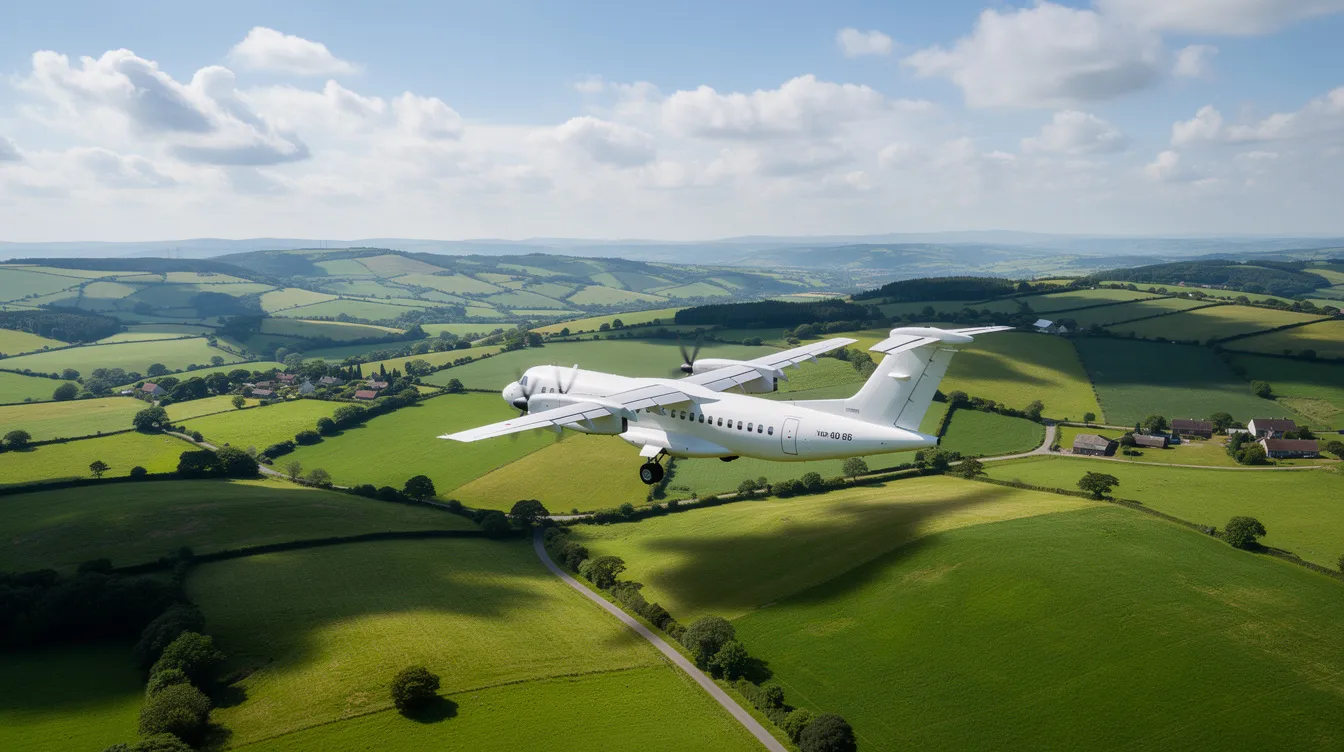
Regional travel on commercial airlines often means spending more time in terminals than in the air. Small airplane flights on turboprops, very light jets, and light jets offer a direct alternative — shorter ground times, access to more airports, and schedules that revolve around the traveler rather than the airline. This guide breaks down how small aircraft work for private flights, what they cost, when they make practical sense, and how even travel professionals can benefit through Jettly's high-ticket affiliate program.
Small airplane flights on turboprops, very light jets, and light jets can cut regional travel time by 2–4 hours compared to commercial flights by eliminating long check-ins, security lines, and hub connections.
Small aircraft and small jets can use hundreds more airports and private terminals, giving travelers flexible departure times and shorter ground transfers to their actual destination.
On-demand charter, membership programs, and empty leg flights each offer different ways to access a private plane without owning an entire aircraft.
Jettly's digital marketplace connects travelers with over 20,000 aircraft worldwide, providing access to instant pricing and on-demand booking for small plane flights.
Professional operators, regulated under FAA Part 135, Transport Canada, and EASA equivalents, ensure safety, while efficient aircraft choices help manage both cost and environmental impact.
When talking about small airplane flights, the category covers three main aircraft types: turboprops (like the Pilatus PC-12), very light jets (like the Cessna Citation Mustang), and light jets (like the Embraer Phenom 300). These aircraft typically carry 2–7 passengers and operate from smaller airports that commercial airlines don't serve.
The real comparison isn't just flight time — it's door-to-door time. Commercial flights require arriving 1.5–3 hours early for check-in and security, plus baggage claim and ground transfers on arrival. Private flights avoid long security lines at commercial terminals. Travelers arrive at a private terminal (FBO) roughly 20–30 minutes before departure, walk directly to the aircraft, and board immediately.
Consider concrete examples. A light jet from New York to Miami takes about 2 hours in the air, with a total door-to-door journey of roughly 3–4.5 hours. The same trip commercially runs 5–7 hours once you factor in airport overhead. On routes like Los Angeles to Las Vegas or Toronto to Montreal, private jets can save 2–4 hours on regional trips because small airplanes cut travel time by bypassing busy commercial airline hubs.
Private flights provide a quiet cabin experience without interruptions, and passengers can sit more comfortably without middle seats, crowded rows, overhead announcements, or strangers. Many small jets offer Wi-Fi, and the privacy makes it easier to hold meetings or focus on work. Passengers in small airplanes often enjoy direct views of the cockpit and lower altitudes. Private jet travel allows departure times based on personal preferences rather than published timetables, and chartering small aircraft can allow for custom itineraries and scheduling flexibility based on passenger needs. Private jets also offer tailored in-flight catering based on passenger preferences.
Small charter flights allow for personalized travel experiences and less crowded cabins. For groups of 4–8 passengers, per-seat pricing on certain routes can approach business-class fares when you factor in time saved, avoided hotel nights, and eliminated ground transfers. Small airplanes offer flexibility with access to thousands of local, regional airports, and flying in small airplanes typically avoids long security lines and crowded terminals.
Jettly's marketplace lets users compare charter options across small aircraft types on the same routes, with transparent pricing in one search and access to a broad selection of private charter aircraft. Explore available flights at Jettly.
The table below compares real-world small plane and small jet routes against commercial options. Exact timing varies by traffic and weather, but the structural time savings of private small airplane flights remain consistent.
|
Route |
Aircraft Type |
Distance (nm) |
Flight Time (Private) |
Door-to-Door (Private) |
Flight Time (Commercial) |
Door-to-Door (Commercial) |
Notes |
|---|---|---|---|---|---|---|---|
|
New York (Teterboro) – Boston (Hanscom) |
Pilatus PC-12 Turboprop |
~175 |
~45 min |
~1h 45m |
~1h 15m |
~4h 30m |
Avoids JFK/BOS congestion |
|
Los Angeles – Las Vegas (Henderson Exec.) |
Phenom 300 Light Jet |
~210 |
~35 min |
~1h 30m |
~1h 10m |
~4h |
Henderson is closer to the Strip than LAS |
|
Dallas – Houston |
King Air 250 Turboprop |
~225 |
~55 min |
~2h |
~1h 15m |
~4h 30m |
Access to smaller airports on both ends |
|
Toronto – Montreal |
Pilatus PC-12 Turboprop |
~280 |
~1h 10m |
~2h |
~1h 20m |
~4h 45m |
Private terminals cut ground time |
|
London – Paris (Le Bourget) |
Cessna Citation CJ3+ Light Jet |
~190 |
~50 min |
~2h 15m |
~1h 15m |
~5h+ |
Le Bourget is closer to the city center than CDG |
Using smaller airports — like Teterboro instead of JFK, or Henderson Executive instead of Las Vegas McCarran - reduces congestion and puts travelers closer to their actual destination. Tools like Jettly's airport locator help identify convenient regional fields, and small aircraft can reach destinations not served by major airlines.
Different types of small aircraft range from light jets to turboprops, each offering unique travel experiences and a range of price points, including affordable private aircraft options for budget-conscious travelers. Here's how the main categories on Jettly's platform break down.
Piston aircraft like the Cessna 172 or Cirrus SR22 carry 2–4 passengers. Piston aircraft like the Cessna 172 cruise at 110–140 knots. They're ideal for short hops under 300 nm - think air taxi missions or reaching remote strips. Most are not pressurized, and small airplanes usually have fewer amenities than commercial airlines, such as a lack of restrooms and onboard services. For a deeper look, see Jettly's guide to prop planes.
Turboprops like the Pilatus PC-12 and Beechcraft King Air 250 seat 6–9 passengers. Turboprops like the Pilatus PC-12 cruise around 260–285 knots, can land on short or unpaved runways, and handle 200–1,000 nm trips efficiently. They're the go-to choice when airport access matters more than pure speed. Learn more about turboprop private jets for regional flying.
Very light jets (VLJs) such as the Eclipse 500 or Cessna Citation Mustang typically carry 3–4 passengers in pressurized cabins. Very light jets can handle missions from 300 to 800 nautical miles at speeds around 350–400 knots - a meaningful step up in comfort from piston and turboprop aircraft.
Light jets like the Embraer Phenom 300 or Cessna Citation CJ3+ accommodate 4–7 passengers. Light jets typically accommodate 4–6 passengers comfortably, cruise near 430–450 knots, and models like the Phenom 300 have a range of 2,000 nautical miles. They fit routes like New York–Miami or London–Rome well. For aircraft features and comparisons across models, check out best small airplanes.
Jettly's inventory spans these categories globally, allowing travelers to match mission profile, budget, and comfort level to a specific small plane or small jet.
Brochure maximum range figures rarely reflect real-world missions. Passenger count, baggage weight, seasonal winds, and required fuel reserves all reduce usable range. Weight and balance restrictions in small aircraft can limit luggage capacity compared to commercial airlines, and an operator may recommend a fuel stop even when published specs suggest nonstop capability.
Typical mission profiles break down like this, and understanding them also helps when comparing affordable aeroplane rental options:
Under 300 nm: Piston and turboprop sweet spot. Short regional hops where runway flexibility matters.
300–700 nm: Turboprops and VLJs operate efficiently. Flight durations of 1–2 hours with minimal ground overhead.
700–1,500 nm: Light jets dominate. Routes like Boston–Dallas or cross-country segments.
Beyond 1,500 nm: A small jet may need a technical fuel stop on a leg flight over 1,500–2,000 nm. At this point, a midsize aircraft or super midsize jet becomes more practical for nonstop capability.
A PC-12 comfortably flies Toronto–New York (~380 nm). A Phenom 300 handles Los Angeles–Denver nonstop with 5 passengers and luggage. Jettly's platform shows aircraft options, ranges, and fuel-stop requirements at the quote stage so travelers understand the flight profile before they book.
Understanding cost means comparing three models: owning an entire aircraft, on-demand charter, and membership programs. Travelers considering short-term access can also look at how renting a plane works alongside broader affordable aeroplane rental options. Operating costs for small aircraft are generally higher per passenger compared to commercial flights due to fewer passengers sharing costs — but the time and convenience factor can offset that gap.
Full ownership carries steep fixed costs. A small piston aircraft starts in the tens of thousands, plus maintenance. A turboprop runs six-figure annual operating budgets. A light jet can cost $350,000–$650,000 per year at roughly 200 hours flown once insurance, crew, hangar, and maintenance are included. For detailed breakdowns, see small private plane cost.
On-demand charter pricing works per flight hour. Turboprop hourly rates average between $1,500 and $3,000. Light jets typically charge $2,500 to $4,500 per flight hour. Heavy jets can cost $8,500 to $15,000 per hour to charter. Federal Excise Tax adds 7.5% to domestic charter flights. Private jet charter services often offer instant pricing and flexible booking through digital platforms, and private jet charters can be booked with 24-48 hours' notice. Travelers can use Jettly's private jet charter cost estimator or explore affordable private jet charter guides for a deeper look at pricing drivers. For route-specific estimates, try how much it costs to charter a small plane.
Membership and jet card programs offer fixed hourly rates, priority access to aircraft, and capped fees - designed for travelers flying roughly 25–75 hours per year, so the contracted hourly rate is the rate members pay. Jettly's jet card flight cost estimator and Jet Card Program overview provide detailed comparisons. Explore jet card pricing for a detailed comparison.
Jettly provides transparent instant pricing through its digital marketplace, minimizing hidden repositioning charges and helping customers avoid surprise additional costs while comparing aircraft type and route in real time, positioning the service as a flexible NetJets alternative for private flying.
Empty leg flights are repositioning trips where a private jet or small aircraft flies without passengers between two revenue legs. These flights occur when jets reposition without passengers — for example, a client books a one-way small jet from New York to Miami, leaving a discounted Miami–New York empty leg on the schedule.
Empty leg flights can save up to 75% on charter costs. Discounts on empty leg flights range from 30% to 75% off standard pricing, but travelers must be flexible. Empty leg flights have fixed routes and departure windows. You get the entire aircraft to yourself on empty leg flights, making them a popular route for travelers looking to buy a seat on a private jet or explore different ways to get a seat on a private jet easily.
Jettly lists real-time empty leg flights on its platform. Users can search by departure airport, destination, date, and passenger count. While empty legs can be a smart way to experience private travel at lower cost, weather-related delays and cancellations are more common with small aircraft, so they're not ideal for time-critical events.
The best access model depends on how often you fly and how much flexibility you need.
On-demand charter: Book each trip separately through a platform like Jettly. No long-term commitment. Perfect for a few trips per year, though subject to market pricing and availability, and part of a broader landscape of private charter airlines and operators.
Membership/jet card: Predictable hourly rates, priority aircraft access, and value for travelers flying 25–100 hours annually. Members get consistent pricing and scheduling advantages for business and family trips, which you can model using Jettly's jet card flight cost estimator. See Jettly's membership options.
Fractional ownership: Buying a share of a specific aircraft with multi-year contracts. Higher upfront capital. Best for heavy users flying over 100 hours per year.
Full ownership: Generally only financially efficient above 200–300 hours per year when fixed costs spread across many flights, and should be weighed against affordable aeroplane rent options or charter. For more on this, read plane operating costs.
Jettly focuses on on-demand charter and membership-style solutions, eliminating the need for customers to tie up capital in aircraft shares or full ownership.
Properly operated small airplane flights follow stringent safety regulations. FAA Part 135 regulates on-demand air charter operations in the U.S., with equivalent frameworks from Transport Canada and EASA in Europe. Travelers can review how Part 135 charter companies operate to better understand these requirements. Small general aviation aircraft traditionally operate under less stringent regulations than large airlines, but Part 135 charter operations face rigorous oversight.
Part 135 mandates specific crew training requirements for charter flights. Professional pilots undergo recurrent simulator training every 6–12 months. Charter operators must maintain stringent aircraft maintenance schedules. Many small jets fly with two professional pilots, while turboprops may legally operate single-pilot but often use experienced commercial pilots familiar with instrument flying.
Operators must pass third-party safety audits for certification. Recognized programs like ARGUS, Wyvern, and IS-BAO provide additional layers of accountability. Small aircraft are more sensitive to adverse weather conditions than large commercial airliners - conservative dispatch decisions, alternate airports, and de-icing procedures are essential safety factors.
Jettly works only with licensed, vetted operators and emphasizes transparent safety information so travelers understand pilot qualifications and regulatory compliance before confirming a private plane.
Private aviation has an environmental footprint, but aircraft selection and operational efficiency significantly influence fuel burn and emissions per passenger. Many travelers balance these considerations alongside affordable aeroplane rental options when choosing how to fly.
Smaller aircraft like turboprops and efficient small jets burn less fuel per hour than larger aircraft. On short regional routes, they can be more efficient per passenger when appropriately filled.
Matching group size to cabin classes and cabin size is key. Using a turboprop for 4 travelers instead of a midsize jet avoids flying empty seats and reduces both cost and emissions.
For example, choosing a PC-12 instead of a midsize aircraft for a 400 nm business trip can cut fuel consumption by more than half while saving thousands of dollars.
The growing availability of Sustainable Aviation Fuel (SAF) at major FBOs and carbon offset programs through operators accessible via Jettly add further options for environmentally interested travelers.
Jettly is a digital private charter marketplace built to make booking small airplane flights as straightforward as possible. The platform offers transparent pricing and wide aircraft access without the complexity of traditional brokerage.
Core platform features include:
Search by origin, destination, and date: Find flights tailored to your travel needs.
Filter by aircraft type: Choose from turboprop, very light jet, light jet, or larger aircraft.
See instant pricing and complete secure booking online: Transparent costs and easy reservations.
Access operational details: View aircraft features, safety ratings, and amenities.
Jettly's global network of over 20,000 aircraft lets customers access regional small plane flights across North America, Europe, and other key markets. The platform coordinates ground transportation, in-flight catering through Jettly Eats, pet-friendly arrangements, and aligning departure times with meetings or connecting flights. Its transparent commission structure keeps pricing competitive compared with traditional brokers.
Ready to fly on your terms? Explore charter options or request a quote at jettly.com.
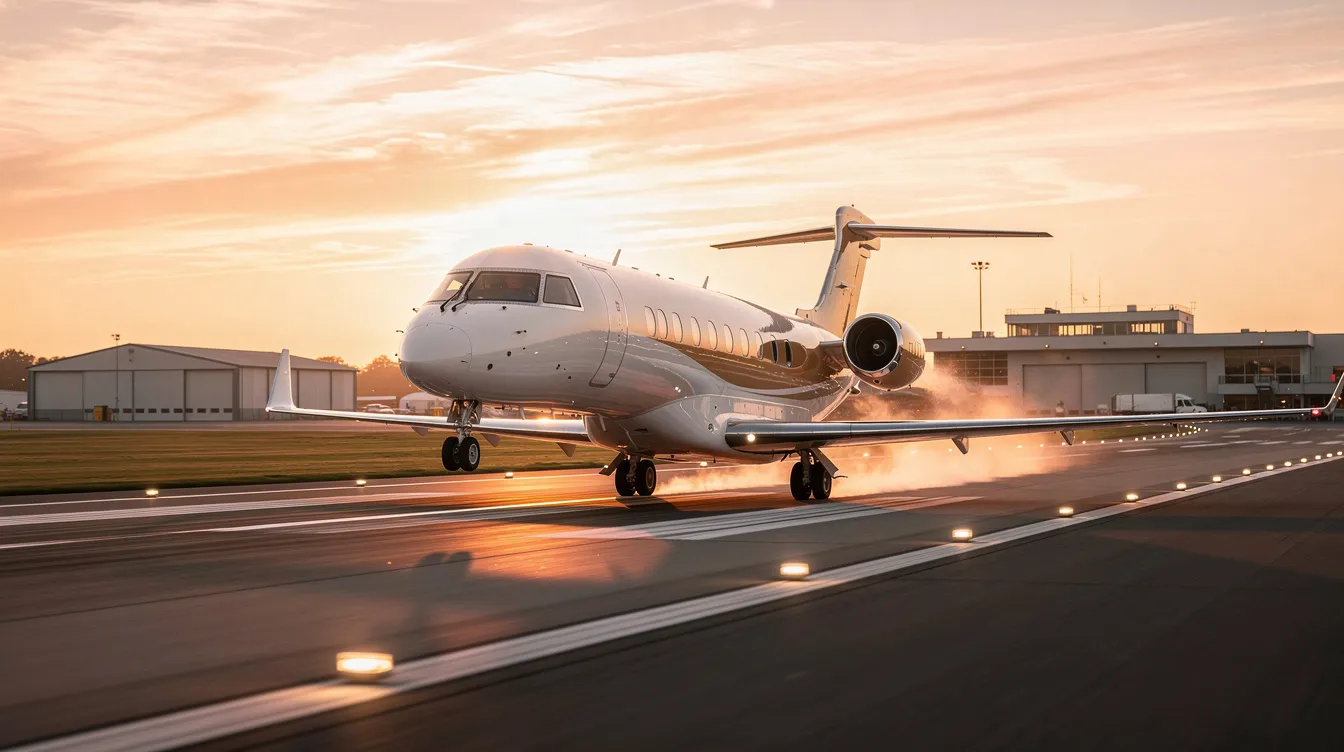
Below are answers to common questions not fully addressed above, including costs that can also be modeled with Jettly's private jet charter cost estimator.
Chartering a turboprop for a 2-hour flight costs $3,000–$6,000. A small jet for the same duration typically runs $5,000–$10,000, excluding taxes and airport fees. Final pricing depends on route, airport selection, season, and whether the operator must reposition the aircraft before or after the leg flight. Users can input their exact route and dates into Jettly's platform, use tools like the airport locator, and see live estimates before they book.
Many turboprops and light jets regularly handle short international flights - New York to Toronto, London to Geneva, or Vancouver to Seattle — provided they meet customs and regulatory requirements. For more on crossing borders, see Jettly's guide to private plane international travel. Longer international routes or ocean crossings typically require midsize or long-range jets.
Yes. Standard private charter through Jettly provides exclusive use of the entire aircraft for the booked leg, including all seats, baggage capacity, and schedule control within operational limits. Pricing is for the aircraft, not per seat, making charters especially attractive for groups or families sharing the cost.
Booking 3–7 days in advance usually provides strong aircraft availability and pricing, but last-minute same-day requests are often possible on busy routes with enough fleet depth. Peak holiday periods and major events - Art Basel Miami, the Super Bowl, Formula 1 races - may require more notice. Contact Jettly's team for realistic lead times on specific dates.
Many small jets and turboprops accept pets in the cabin, subject to operator policies and documentation, whether flying with partners like Dexter Air Taxi, a private jet operator, or other carriers on the platform. Jettly can filter for pet-friendly operators during the search process, whether you're flying domestically or using regional bases such as its private jet charter service in Kolkata, West Bengal. Bulky items like skis or golf clubs are often easier to accommodate on small aircraft because baggage is loaded directly at the FBO, but travelers should share dimensions and weight in advance so operators can recommend an appropriate aircraft.
Small airplane flights offer a compelling alternative to commercial travel for regional and short-haul trips by saving valuable time, providing access to more convenient airports, and delivering a personalized travel experience. Whether flying for business or leisure, travelers benefit from flexible scheduling, quieter cabins, and direct routing that reduces ground transit.
Jettly’s digital platform simplifies access to a wide range of small aircraft — from turboprops and very light jets to light jets — with transparent pricing, instant booking, and vetted operators ensuring safety and reliability. Membership programs and empty leg flights add further options to optimize cost and convenience. Learn more about Jettly's membership options and explore empty leg flights to save on your next trip.
For travelers looking to transform how they fly regionally, small airplane flights with Jettly combine efficiency, comfort, and flexibility, making private air travel accessible on their terms. Discover the types of private jets available and how to choose the right aircraft for your travel needs.
Ready to experience private travel on your terms? Explore flight options or request a quote at https://www.jettly.com.
Share this post:
Jay Franco Serevilla
Sep 21, 2026
|
5
min read
Discover tips and trends in the industry.

5
min read
Very Light Jets for Sale: Smart Alternatives to Ownership and Jet Cards
The market for very light jets (VLJs) is rapidly expanding, offering a cost-effective entry into business aviation. This guide explores the benefits of ownership versus chartering, highlighting the efficiency and flexibility of VLJs for business and leisure travel. With options like Jettly, travelers can access these jets without the burdens of ownership, making private aviation more accessible than ever.
Read More
5
min read
Gulfstream G700 Price: Ownership Costs vs. Charter with Jettly
The Gulfstream G700 is a premier ultra-long-range private jet with a list price ranging from $75 million to $81 million, often exceeding $90 million due to customization and demand. For high-net-worth individuals and corporations, understanding the ownership costs versus chartering options through Jettly is crucial for making informed decisions about private aviation.
Read MoreStay updated with our latest insights and tips to elevate your journey with us.
MEMBERSHIPS AND ASSOCIATIONS



Disclaimer: Jettly operates as a charter broker, offering access to a global digital jet charter marketplace. Jettly is not a direct air carrier and does not own or operate aircraft. All advertised flights are conducted by third-party air carriers that are fully licensed and hold the appropriate Part 135 or Part 121 certifications issued by the Federal Aviation Administration (FAA) or equivalent regulatory authorities under U.S. or foreign law. Jettly complies fully with the U.S. Department of Transportation's Part 295 and Part 298 Charter Broker regulations. Jettly does not carry additional liability insurance. Passengers are covered by aircraft operator insurance. TICO: 50023770


