



Login
Get Instant Pricing On 23,000+ Aircraft

>
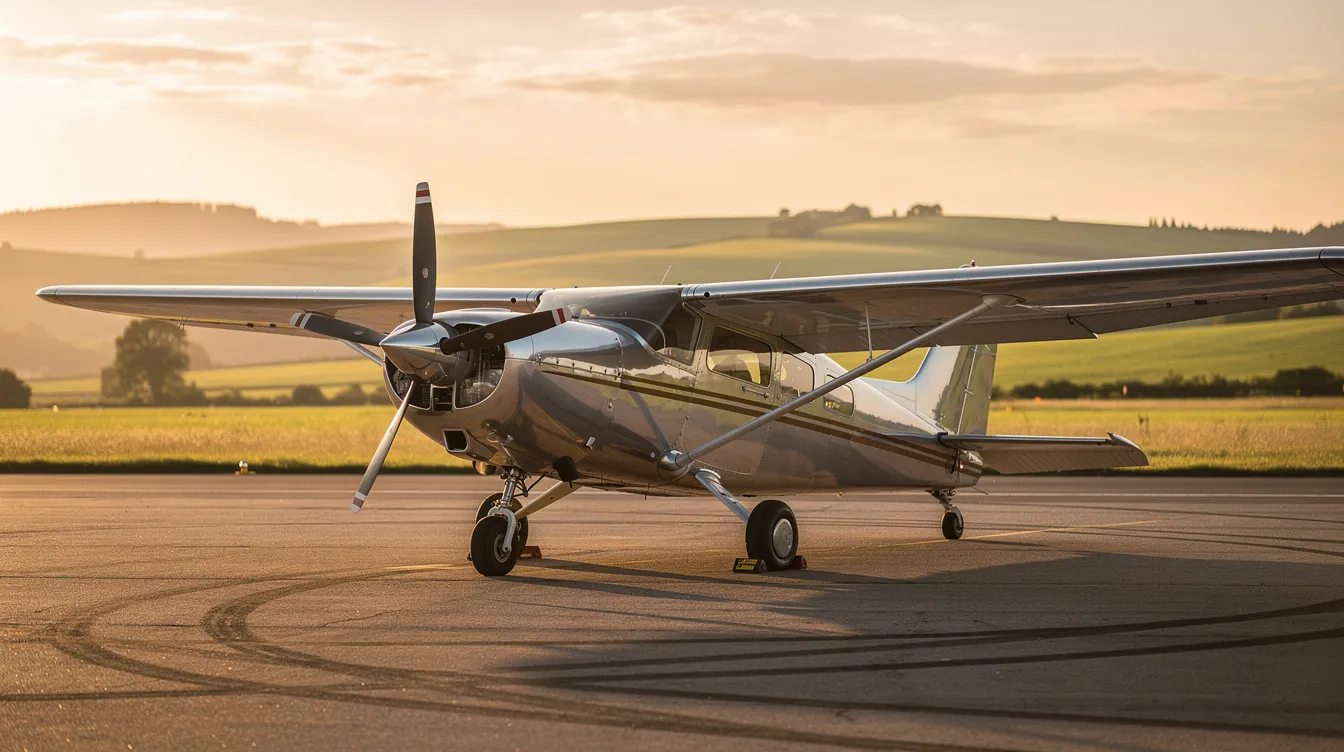
If you have been searching for a small plane for sale, this guide gives you a direct starting point: in 2026, entry-level used models like the Cessna 150 can start around $30,000, while newer high-performance aircraft such as the Cirrus SR22T can exceed $1.3 million. This guide is designed for aspiring owners, pilots, and travelers considering their options in the small aircraft market. Thousands of pilots, hobbyists, business travelers, and frequent flyers compare these listings every week to decide whether buying makes sense for their flying needs and budget.
You will find the key factors that shape that decision, including small plane types, current pricing, ongoing ownership costs, the tradeoffs between new and used aircraft, financing and legal considerations, and how to evaluate listings before you commit. For readers who want private aviation flexibility without maintenance, storage, and other ownership burdens, this guide also compares buying with chartering and explains how Jettly's on-demand charter platform can be a smarter alternative.
A used Cessna 150 costs around $30,000 at the low end, while a factory-new Cirrus SR22T can exceed $1.3 million. Prices for used single-engine piston aircraft often range from $15,000 to over $100,000 for older models.
Total annual ownership costs range from $8,000 to $12,000 or more for a privately owned small plane flown 50–150 hours per year, once you budget for recurring expenses like maintenance and hangar costs after purchase.
Common first-time owner choices include Cessna 172 and Piper Cherokee, both valued for simplicity and wide parts availability.
Jettly is a digital private aviation platform that lets travelers access small aircraft, turboprops, and light jets on-demand, often avoiding the long-term financial burden of ownership.
This article compares buying a small plane vs using charter and membership models through Jettly, ending with practical steps, FAQs, and a CTA to explore flights at jettly.com.
In general aviation, a "small plane" typically refers to a light aircraft under 12,500 lbs maximum takeoff weight, seating two to six passengers. Most buyers and pilots picture a Cessna, Piper, or Cirrus when they hear the term.
Small planes available for sale generally fall into three categories: ultralights, single-engine piston, and multi-engine planes. Here is how they differ:
Single-engine piston aircraft are the most common choice for personal use and training. Models like the Cessna 172, Piper PA-28, and Cirrus SR20/SR22 dominate the market. They are relatively simple to operate, cost less to maintain, and handle short hops of 200–600 nautical miles well.
Multi-engine piston aircraft provide higher speed and safety redundancy with two engines. They carry higher fuel burn and maintenance complexity, appealing to experienced pilots who want the extra margin.
Light Sport Aircraft are excellent for recreational flying and often have modern avionics at a fraction of the cost of certified airplanes. Ultralights and sport planes like the Aerolite 103 sit at the lightest end.
Small turboprops like the Pilatus PC-12 or Daher TBM deliver more speed and range but land firmly in a different price tier.
Manufacturers like Cessna, Piper, Cirrus, and Beechcraft cover most of the small aircraft market, while Robinson dominates the light helicopters category for those exploring rotorcraft.
These small planes sit well below business jets in cost and complexity. Platforms like Jettly can also arrange charter flights on these same aircraft types, plus larger jets, through its extensive private charter aircraft inventory for travelers who want access without ownership.
Pricing for a small plane for sale varies dramatically based on age, condition, avionics, and engine time. Below are concrete 2026 benchmarks.
Factory-new single-engine piston aircraft:
Cessna 172S Skyhawk: approximately $480,000–$520,000
Cirrus SR20: roughly $550,000–$600,000
Cirrus SR22T G7+: list price around $1.39–$1.42 million (cirrusaircraft.com)
Used market examples:
Pre-owned Cessna 150 can cost as low as $30,000. A used Cessna 150 costs around $30,000 depending on hours and condition.
1990s Cessna 182: $250,000–$400,000
Early 2000s Piper PA-28 series: $120,000–$250,000
Used Cirrus SR22 G2/G3: $300,000–$650,000+ depending on avionics and engine time
Ultralight and sport planes occupy the entry-level tier. The Airbike has an empty weight of 300 lbs and sells for well under $20,000. The Aerolite 103 has a maximum takeoff weight of 550 lbs. The Hi-MAX 1700R has a cruise speed of 61 kts. The Onex Aircraft has a maximum takeoff weight of 950 lbs. The Belite UltraCub has a stall speed of 24 kts. The Rans S-10 Sakota has a cruise speed of 104 kts. These airplanes offer affordable entry for recreational pilots.
Why two identical models differ in price: Airframe and engine time, avionics upgrades, damage history, interior condition, de-icing systems, turbocharging, and maintenance records all move the needle. A well-maintained, low-time model with a glass cockpit can command hundreds of thousands more than a high-time example with legacy gauges.
Small turboprops like the Pilatus PC-12 can exceed $3–5 million new, and used units still command $1.5–$4 million. For a deeper look at ownership economics, see Jettly's guide on small private plane cost.
Buyers should budget an additional 10–30% of the purchase price in the first year for taxes, inspections, and initial upgrades.
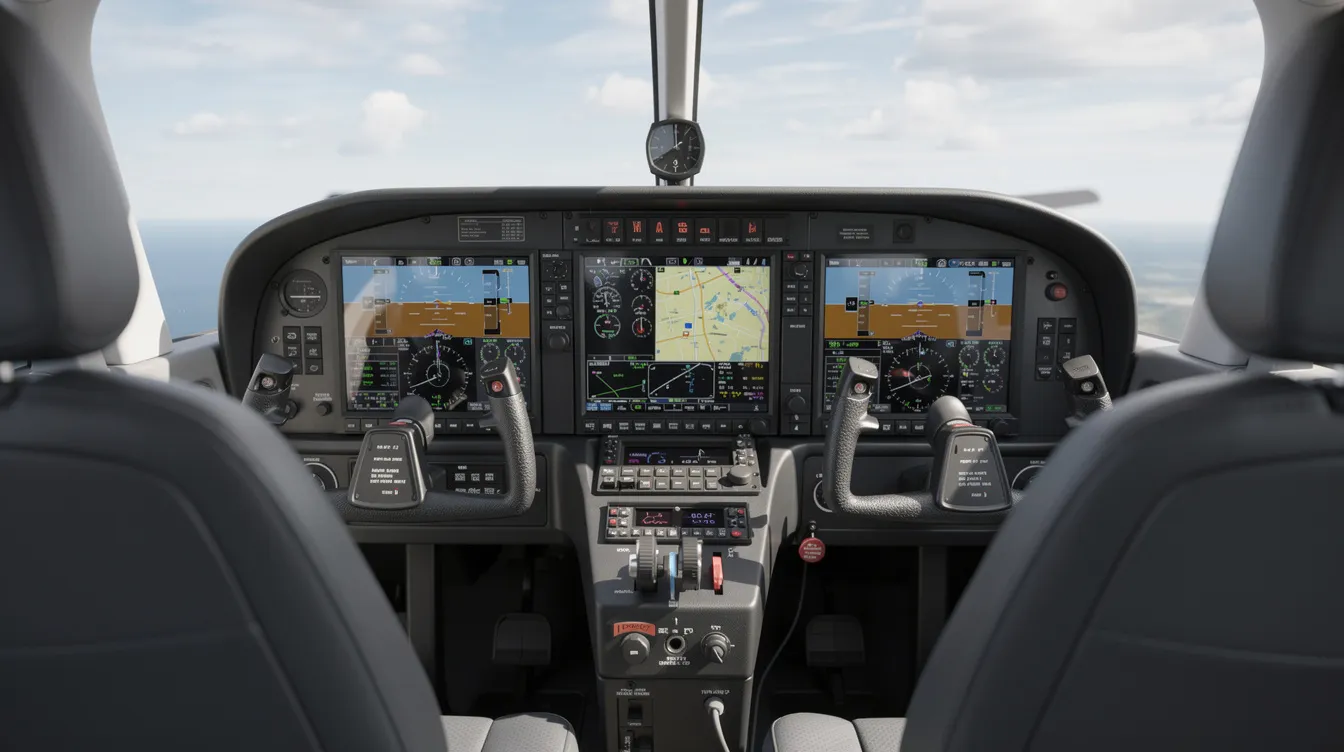
Choosing between a factory-new and pre-owned small plane is one of the biggest decisions a buyer faces. Both paths have clear trade-offs.
Factory-new small plane benefits:
Full manufacturer warranty and latest safety features (e.g., Garmin G1000 NXi, CAPS parachute on Cirrus models)
Modern autopilots, ads b Out compliance, and current avionics standards out of the box
Predictable maintenance schedule and easier financing terms
Downside: higher purchase price and faster early depreciation
Pre-owned small plane benefits:
Lower upfront cost-compare a new Cirrus SR22T near $1 million vs a 2007 Cirrus SR22 G3 for about $350,000–$450,000
More models and year ranges to choose from across the USA and international markets
Potential value if a prior owner already installed premium avionics or completed an engine overhaul
Downside: older aircraft should be carefully inspected for corrosion and previous accident damage. Legacy avionics may require expensive upgrades, and missing logbook entries create uncertainty
Pre-buy inspections, logbook reviews, and title searches are non-negotiable steps before acquiring any pre-owned piston aircraft.
For travelers who want to fly new or late-model aircraft without worrying about age, depreciation, or resale value, chartering through Jettly provides access to well-maintained, current fleets operated by certified commercial operators.
The sticker price is only the beginning. Owners should budget for operating costs like fuel, insurance, and maintenance beyond the purchase price. Here is where the money goes each year for a typical small plane flown 100–150 hours.
Fuel: A Cessna 172 burns about 8–10 gallons per hour. A Cirrus SR22 burns 14–18 GPH. With 2026 avgas prices around $6–$8 per gallon in North America, fuel costs can reach $2,500 to $5,000 annually for 100 hours flown.
Maintenance and inspections: Annual inspections for small planes cost between $750 and $2,000 for basic piston aircraft. More complex types run $2,000–$5,000+. Unexpected issues, engine overhauls (often $25,000–$60,000 every 1,800–2,000 hours), and propeller work can sharply increase yearly expenses. Budget for engine overhaul reserve as part of ongoing maintenance costs.
Storage: Hangar space costs about $3,000 per year on average. Consider your storage options-whether a hangar or tie-down-before purchasing an aircraft. Storage costs for planes range from $50 to $600 monthly, depending on the airport and region. Snow, humidity, and coastal air increase corrosion risk and make hangared storage more important.
Insurance: Annual insurance costs for small planes average $1,500 for basic coverage. Aircraft insurance premiums vary based on aircraft age and usage; hull values above $250,000, complex aircraft, or commercial use can push premiums to $5,000+.
Regulatory and digital costs: Subscriptions for charts, navigation databases, and EFB apps run $300–$1,000 per year, plus recurrent training, checkrides, and exams for maintaining pilot currency.
With Jettly's on-demand model, travelers pay per trip and avoid these year-round fixed costs entirely. Travelers who want to budget more precisely can use a private jet charter cost estimator alongside guides like how much it costs to charter a small plane.
Financing a small plane works differently from buying a car. Understanding the financial and legal landscape before signing anything will save headaches later.
Loan structure: Typical aircraft loans in 2026 require down payments of 10–20%, with terms of 10–20 years. Interest rates for plane loans depend on credit score, aircraft age, and intended use (personal vs commercial or flight school). Lenders often set minimum loan amounts around $75,000–$100,000, making it harder to finance very low-cost older aircraft.
Taxes: U.S. buyers must complete federal registration with the FAA. Many states impose sales or use tax on the purchase, and some jurisdictions levy recurring property taxes on stored aircraft. Pricing in EUR applies for buyers in European markets like France, Poland, or Andorra.
Ownership structure: Consult an aviation-savvy CPA or attorney about whether to hold the plane in your personal name, an LLC, or a corporate entity. Structure affects liability protection, insurance rates, and potential business deductions.
Title and lien checks: During aircraft sales, use escrow services and conduct thorough title searches to avoid buying a small plane carrying unresolved debts or ownership disputes. Maintenance logs and documentation are extremely valuable when buying an aircraft.
Commercial use: Buyers operating the aircraft for hire-whether charter, instruction, or ground school services-face different regulatory and insurance requirements. Those exploring the broader landscape of charter airlines and private operators should understand these distinctions. Platforms like Jettly only work with properly certified commercial operators, so travelers booking charter flights benefit from this vetting layer.
Browsing aircraft ads online can feel overwhelming. Before you contact a seller, here is how to separate strong listings from risky ones.
Check engine time and the date of the last overhaul when buying a plane. Understand TTAF (total time airframe), SMOH (since major overhaul), and TBO (time between overhauls). A low-time engine with a recent overhaul significantly improves value.
Inspect avionics condition as modern systems can significantly increase value. Look for WAAS GPS, ads b Out compliance, glass cockpit setups, autopilot model details, and any post-2020 mandated equipment.
Look for clear, high-resolution photos of the interior, exterior, panel, and logbook pages. Check for recent annual inspection dates, mentions of corrosion treatment, and any damage or accident history.
Compare the asking price against similar listings and recent sales data on platforms like Trade-A-Plane, which features thousands of new and used aircraft listings. Globalair offers a wide selection of aircraft for sale. Pilotmix provides a database of small planes for sale. AvPay lists six-seater aircraft for sale globally. You can also study broader guides to affordable planes and budget-friendly aircraft choices to understand where a given listing sits in the market. Don't rely on a single ad search across multiple platforms.
Local airport bulletin boards can uncover private off-market deals, and engaging an aviation broker can provide access to listings not publicly listed.
Listings span states like Texas, Virginia, Tennessee, Minnesota, Utah, Jersey, and Hampshire in the USA, plus international markets including Alberta in Canada, Scotland, Mexico, and Moscow.
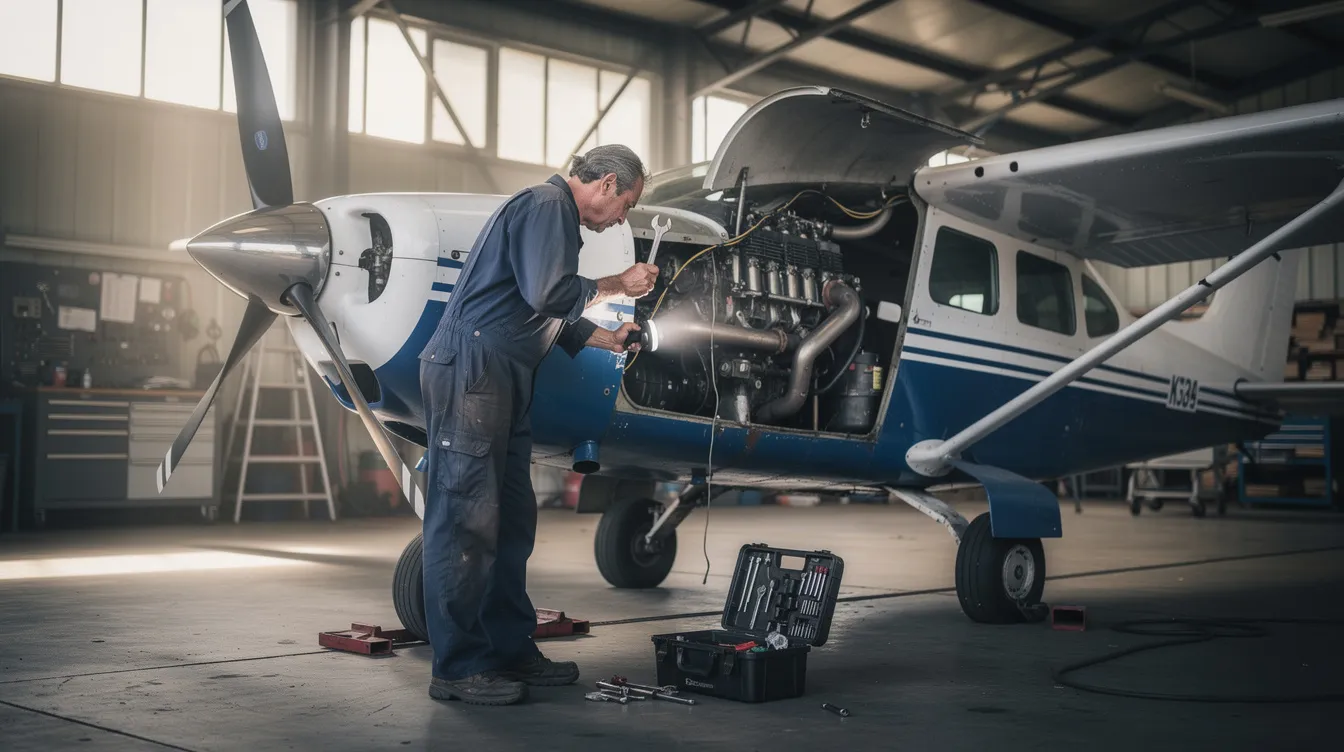
A pre-purchase inspection is one of the most important steps before buying a plane. Hiring a professional mechanic for a pre-purchase inspection is mandatory-ideally someone independent from the shop that has maintained the aircraft. Ensure all Airworthiness Directives and service bulletins are complied with.
With Jettly, travelers skip the logbook research entirely. Aircraft are pre-vetted by commercial operators, and the comparison is about route, schedule, and price-not maintenance history.
Not every man or woman searching "small plane for sale" should actually buy one. Usage patterns determine whether ownership or charter delivers better value.
High-utilization owner (150–300+ hours per year): A pilot flying regularly between a home base and a consistent set of destinations can justify fixed costs. The per-hour expense drops as utilization rises, and having a plane ready at any time provides genuine schedule control.
Occasional flyer (30–75 hours per year): At this level, the per-hour cost climbs steeply once hangar fees, insurance, and maintenance are layered onto fuel and financing. A weekend pilot in North Dakota flying 40 hours per year may spend over $300 per hour all-in for a $150,000 aircraft.
Charter alternative: Users pay only when they fly and can scale aircraft size-from piston to turboprop to light jet-through platforms like Jettly. They can also choose between shared charter flights and full private charters depending on budget and privacy needs. No downtime, no resale risk, no upgrade decisions.
Jettly's digital marketplace offers instant pricing and access to thousands of aircraft worldwide, replicating the flexibility of ownership without tying up capital in a depreciating asset, and frequent flyers can further streamline costs with structured jet card programs.
If you are ownership-curious, track your actual travel needs for 6–12 months first. Request a few Jettly quotes and compare total charter spend against projected ownership costs before committing.
Jettly offers a modern alternative to private jet ownership that works for travelers at every level-from short piston hops to long-range jet charters.
Global inventory: The platform connects travelers with over 20,000 unique aircraft, including small piston aircraft, turboprops, light jets, and larger cabins suitable for cross-continent flights, mirroring trends in the global fleet of private jets.
Digital booking with instant pricing: Users select aircraft size and category based on passenger count, baggage, and mission profile, and can use tools like an airport locator for private charter to find convenient departure and arrival options. The website returns transparent pricing without hidden fees or long sales calls.
No ownership overhead: Travelers avoid hangar contracts, parts sourcing, maintenance planning, crew management, and registration renewals. Every charter includes a professional, licensed crew.
Membership options: Frequent flyers can reduce per-flight costs through Jettly memberships while maintaining on-demand flexibility-no need to buy or finance an aircraft, making Jettly a compelling NetJets alternative for flying private.
Safety standards: Jettly only works with regulated operators (FAA Part 135 in the U.S. or equivalent elsewhere). Aircraft and crews meet specific certification and insurance standards, so passengers fly with confidence.
Popular routes: Many trips that small plane owners fly regularly-such as New York to Martha's Vineyard, Los Angeles to Las Vegas, or Toronto to Muskoka-are available through Jettly and its vetted operators, such as Dexter Air Taxi and other private jet partners, without maintaining a dedicated aircraft for a handful of annual trips.
Real-world scenarios show why many people who search for a small plane for sale end up chartering instead.
Business traveler: A founder commuting monthly between Austin and San Francisco initially researches a Cirrus SR22 for sale. After tallying fuel stops, IFR training time, and annual costs, consulting a guide on how much a private jet really costs and then chartering through Jettly on a mix of turboprops and light jets proves faster and more productive. No multi-stop fuel planning. No additional training beyond what ground school and regular flight hours require.
Family flyer: A family in Toronto considers a used Cessna 182 for cottage trips to Northern Ontario. Instead, they use Jettly to charter a small aircraft a few weekends each summer-plus the odd Florida vacation-eliminating winter hangar costs and surprise maintenance bills. Resources like Jettly's overview of affordable private jet charter costs can clarify the tradeoffs. Learn more in the essential aircraft charter guide.
Emergency deployment: A company needs urgent team deployment to a remote job site. Jettly arranges a turboprop or helicopter flight on short notice without the company keeping a small plane and crew on standby year-round.
Cost-conscious pilot: A private pilot who loves flying but realizes owning a single-engine plane is not yet financially practical rents locally for hands-on air time, leveraging guides to affordable aeroplane rental costs and options, and uses Jettly for longer business or family trips where sitting in the back and working makes more sense.
Many people who search for aircraft listings are really looking for flexibility, schedule control, and comfort-needs that Jettly addresses without ownership.

Environmental awareness is growing across private aviation, and usage patterns matter more than most buyers realize.
Small piston aircraft are generally more fuel-efficient per hour than large jets, but they may be less efficient per seat-mile on longer routes compared with well-loaded turboprops or light jets.
Underutilized privately owned small planes are environmentally inefficient when they sit idle most of the year but still require ferry flights, maintenance runs, and resource use. A plane flown only 40 hours annually generates fixed environmental overhead that could be avoided, whereas flight-sharing models that crowdsource private jet flights and empty seats can improve utilization.
Charter platforms like Jettly improve fleet utilization by matching travelers to aircraft already based near their origin, reducing repositioning flights and empty legs.
Travelers can choose newer, more efficient aircraft types when booking-rather than being locked into the performance profile of a single owned plane-and can explore guides to the cheapest private aircraft options and carbon offsetting options through operators who support sustainability initiatives.
Content around fleet efficiency, major operators like NetJets and its role in private aviation, and updates on sustainable aviation fuel (SAF) availability continues to grow as the industry evolves.
Whether you decide to buy a small plane or try charter, here is how to move forward.
If you are still considering ownership:
Determine how you will use the plane to select the right model. Evaluate mission profile including distance, capacity, and runway conditions before purchasing.
Key factors to consider before purchasing include mission definition and pre-purchase inspection.
Shortlist aircraft models (Cessna 172/182, Piper PA-28, Cirrus SR20/SR22) and research asking prices across listing platforms, using resources that highlight the best cheap plane options for budget-conscious buyers.
Contact lenders and insurers early. Get pre-qualified for financing and obtain insurance quotes for your shortlisted models, and study how top private plane manufacturers serve different budgets and needs so your financing aligns with realistic options.
Schedule pre-buy inspections with an independent mechanic, review all logbooks, and verify AD compliance, while also understanding alternatives like buying a seat on a private jet through shared or semi-private options.
Assemble your team: broker, mechanic, aviation attorney, and CPA, and compare this path with easier access options explained in guides on how to get a seat on a private jet easily.
If you are leaning toward charter:
Create an account on Jettly and explore example routes with instant pricing.
Compare aircraft categories for common trips-piston, turboprop, or light jet.
Run a 12-month "shadow budget" comparing projected charter spend against ownership costs.
Book a few regional flights to see how often you really fly and what cabin size and speed you value most. See the first time flying private guide if you are new to charter.
Experience private travel tailored to your needs. Discover flight options or request a personalized quote at jettly.com.
Below are common questions from buyers and travelers researching the small plane for sale market.
For very high annual utilization-often 200–300+ hours per year on repeat routes-ownership can become cost-competitive or cheaper per hour than charter, assuming disciplined maintenance and smart financing. However, most private individuals fly far fewer hours. At 50–75 hours per year, charter through platforms like Jettly is more financially efficient in many cases because you avoid the fixed overhead that accumulates whether or not the plane leaves the hangar.
Jettly's network spans many categories, including small piston aircraft, turboprops, light jets, and larger cabins, subject to availability in the traveler's region and route. When booking, specify your passenger count, baggage needs, and any runway length constraints so the platform can match you with a suitable small aircraft or sell you on a better-fit alternative if needed.
A pilot's license is required only if the owner intends to act as pilot-in-command. Many owners hire professional pilots or use management companies-an approach inc that significantly increases total cost. Jettly charters always include professional, licensed crews provided by certified operators, so no pilot training is needed for passengers using the platform.
For many routes, Jettly can source an aircraft within hours to a day, depending on location, operator availability, and traffic at nearby airports. Contrast this with ownership: the plane must be available, airworthy after its last inspection, fueled, and crewed, which can still require significant planning time-especially for longer trips or after a period of inactivity. Learn more about same-day booking.
Using Jettly first gives travelers realistic data on how often they fly, typical routes, and preferred aircraft categories-making later purchase decisions more accurate. Many buyers who tracked their information over 6–12 months of chartering found they needed a different model or fewer hours than originally assumed. Future buyers can keep using charter for overflow, longer trips, or missions that exceed the capabilities of whatever small plane they eventually acquire.
Purchasing a small plane for sale involves significant upfront investment and ongoing costs, including maintenance, fuel, insurance, and storage. While ownership offers control and convenience for frequent flyers, many travelers find that chartering through platforms like Jettly provides a flexible, cost-effective alternative without the burdens of ownership. Jettly’s extensive inventory, transparent pricing, and instant booking make private aviation accessible for a wide range of travel needs. Whether considering buying or chartering, evaluating your usage patterns and budget carefully will help you make the best decision. Ready to experience private travel on your terms? Explore flight options or request a quote at https://www.jettly.com. Learn more about Jettly’s charter options at https://www.jettly.com/private-jets and discover how to compare private jet charter costs at https://jettly.com/private-jet-charter-costs.
Share this post:
Jay Franco Serevilla
Jul 22, 2026
|
5
min read
Discover tips and trends in the industry.

5
min read
New York to Los Angeles: Flights, Private Jet Options, and Smart Booking Strategies
Traveling from New York to Los Angeles offers a variety of options, from budget-friendly commercial flights to luxurious private jet charters. This guide provides essential information on flight durations, pricing, and booking strategies to help travelers make informed decisions. Whether you're looking for the cheapest fares or the most convenient travel experience, understanding your options is key.
Read More
5
min read
Business Class Flights: How to Fly Smarter, Save Time, and Upgrade to Private Travel
This guide explores the world of premium air travel, comparing business class, first class, and private jet options. It offers insights into comfort, service, and cost, along with actionable tips for booking smarter. Whether you're a frequent flyer or considering an upgrade, this resource helps you navigate your travel choices effectively.
Read MoreStay updated with our latest insights and tips to elevate your journey with us.
MEMBERSHIPS AND ASSOCIATIONS



Disclaimer: Jettly operates as a charter broker, offering access to a global digital jet charter marketplace. Jettly is not a direct air carrier and does not own or operate aircraft. All advertised flights are conducted by third-party air carriers that are fully licensed and hold the appropriate Part 135 or Part 121 certifications issued by the Federal Aviation Administration (FAA) or equivalent regulatory authorities under U.S. or foreign law. Jettly complies fully with the U.S. Department of Transportation's Part 295 and Part 298 Charter Broker regulations. Jettly does not carry additional liability insurance. Passengers are covered by aircraft operator insurance. TICO: 50023770


