


Login
Get Instant Pricing On 23,000+ Aircraft

>
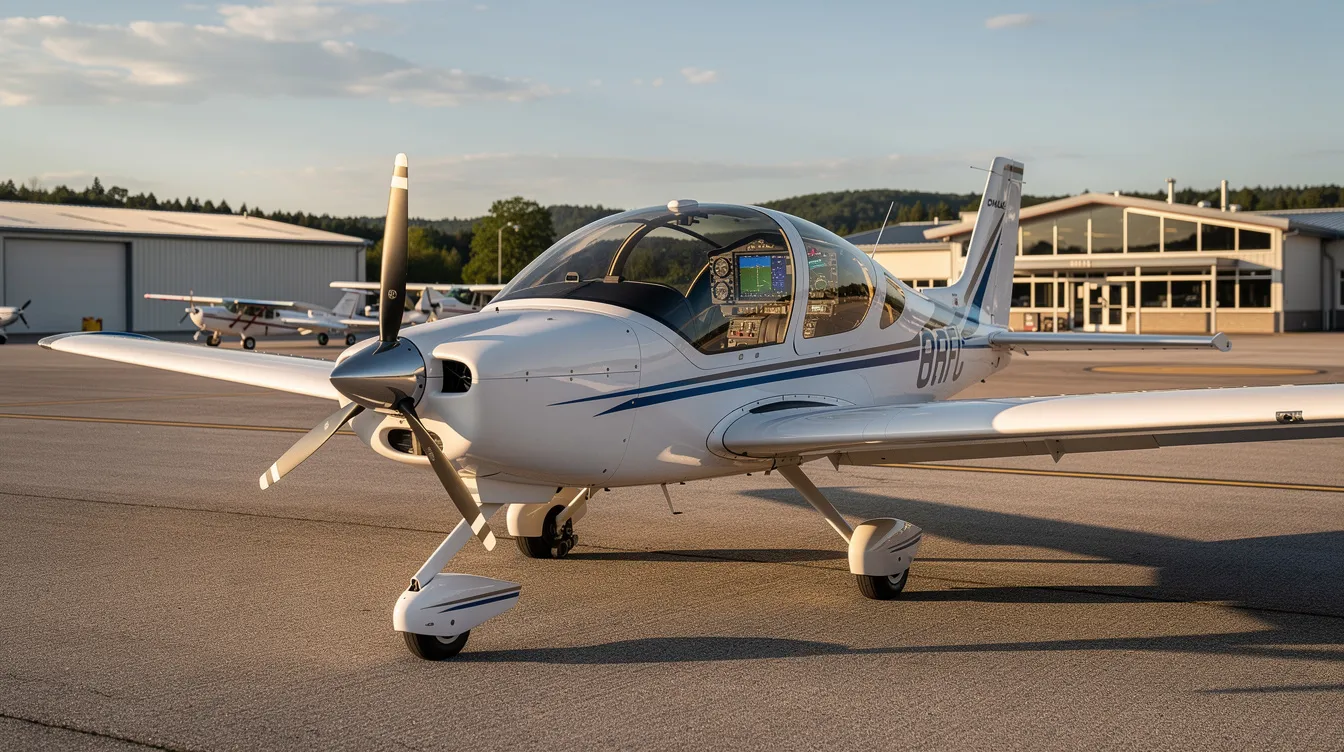
Buying a small plane sounds straightforward until you start adding up fuel, maintenance, insurance, and hangar fees on top of the sticker price. This guide is for prospective aircraft buyers, pilots, and travelers comparing ownership to charter. Understanding the true costs of small plane ownership helps avoid financial surprises and ensures you choose the most cost-effective way to fly. This guide provides a concrete small plane price list for 2026, breaks down what aircraft ownership really costs per year, and shows when chartering through Jettly is the smarter financial move.
Small planes, as discussed here, primarily refer to 2–4 seat single-engine piston aircraft. The price difference between aircraft often reflects performance, engine type, and avionics.
The initial purchase price for popular used small piston planes in 2026 ranges roughly from $20,000 to $80,000, while newer glass-cockpit singles and high-performance piston singles often start above $400,000 and can exceed $1.4 million.
True ownership costs - covering fuel costs, maintenance costs, insurance costs, storage, annual inspections, and financing - commonly total $16,000 to $30,000 or more per year for light piston aircraft.
Chartering small planes through Jettly typically runs $300–$600 per flight hour for piston aircraft and $1,000–$2,000+ for turboprop aircraft, with no long-term recurring costs.
Small airplanes range in price from about $40,000 to over $2 million depending on aircraft types, age, and equipment - and the purchase price alone rarely reflects the total cost of ownership.
For travelers flying fewer than about 100–150 flight hours per year, on-demand charter via Jettly is usually more cost-effective than owning a private plane.
For this guide, "small planes" means primarily 2–4 seat single engine piston aircraft, plus a nod toward entry-level turboprops and very light jets. All prices are approximate 2025–2026 U.S./Canada aircraft market ranges.
Prices range widely based on aircraft condition, total airframe time, modern avionics (such as glass-cockpit displays, which increase a plane's resale value), engine time since overhaul, and maintenance history. Condition often matters more than model year, and in the used aircraft market, buyers should also weigh parts availability alongside condition, maintenance history, and avionics. Market demand can impact the resale values of aircraft, and the price difference between models often reflects performance, engine type, and avionics. Buying a new airplane generally incurs higher costs than purchasing a used airplane, and single-engine piston aircraft are usually more affordable than twin-engine models.
The initial purchase price is just the entry point. The sections below cover ongoing costs - fuel, inspections, insurance, storage - that determine the overall cost of owning a small plane. Readers who want to skip straight to charter pricing can jump to the Jettly charter section.
Two-seat trainers are the most affordable path into aircraft ownership. They suit pilot training, personal recreation, and solo or duo leisure flying. Here are 2026 price ranges for specific models:
|
Model |
Seats |
Cruise Speed |
Typical Used Price (2026) |
|---|---|---|---|
|
Cessna 150/152 |
2 |
~100–110 kts |
$20,000–$45,000 |
|
ERCO Ercoupe 415 |
2 |
~90–100 kts |
Under $20,000 |
|
Aeronca Champion |
2 |
~80–90 kts |
$18,000–$30,000 |
|
Luscombe 8A |
2 |
~65–75 kts |
Under $25,000 |
|
Taylorcraft BC-12D |
2 |
~90–95 kts |
$20,000–$30,000 |
|
Piper PA-22-108 Colt |
2 |
~95–100 kts |
$20,000–$30,000 |
A used Cessna 150 can be obtained for as little as $30,000 in decent flyable condition, while later Cessna 152 models in good shape push toward the top of the range. The ERCO Ercoupe is often priced under $20,000, making it one of the cheapest certified planes on the market.
These aircraft are popular first purchases because they burn just 5–8 gallons per hour, have simple fixed-gear systems (fixed landing gear is cheaper to maintain compared to retractable landing gear), and carry relatively low annual inspection costs and maintenance costs.
Four-seat singles are the most common "family" general aviation airplanes. They balance comfort, payload, and ownership costs. Standard four-seat piston singles range from $55,000 to $550,000 depending on age and equipment. Here are 2026 ballpark prices:
|
Model |
Typical Used Price (2026) |
Notes |
|---|---|---|
|
Cessna 172 Skyhawk |
$40,000–$450,000 |
Older models near $40K; late-model/glass closer to $450K |
|
Piper PA-28 Cherokee |
$30,000–$80,000 |
Cherokee 140 and similar variants |
|
Cessna 182 Skylane |
$70,000–$150,000 |
Higher useful load, more power |
|
Beechcraft Musketeer |
$40,000–$80,000 |
Solid fixed-gear four-seater |
|
Grumman AA-5 Traveler |
$40,000–$80,000 |
Known for speed efficiency |
|
Stinson 108 |
$28,000–$60,000 |
Vintage four-seat option |
Performance-oriented aircraft like the Mooney M20 and Bellanca Viking offer retractable gear and higher cruise speed, with older examples starting around $40,000–$80,000. However, they qualify as complex aircraft and carry higher maintenance costs, insurance premiums, and fuel burn. Performance capabilities including speed and fuel range correlate with aircraft prices. For a deeper look at one popular model, see this Cessna 182 operating costs breakdown.
Four seats means more fuel (8–10 GPH or higher), reduced range at full passenger load, and increased wear on landing gear. Multi-engine planes push fuel consumption to 15 gallons per hour or more, further increasing variable operational costs.
Some buyers prioritize character and nostalgia over pure cost or speed. Classic and vintage trainers typically cost between $18,000 and $55,000, though iconic models command more:
Piper J-3 Cub: often $60,000–$120,000 - values have risen steadily as supply shrinks.
Cessna 120/140: generally $23,000–$35,000 for airworthy examples.
Classic taildraggers (Aeronca Champ, Taylorcraft, Luscombe): often $18,000–$30,000.
While the purchase price looks attractive, these specialized planes can carry hidden ongoing expenses. Fabric work, engine overhauls, and sourcing obsolete parts can raise long-term ownership costs significantly. Before buying, take these steps:
Check fabric age.
Verify complete logbooks.
Review all modifications.
Always conduct a thorough pre-purchase inspection.
Light sport aircraft and homebuilts offer modern, fuel-efficient alternatives with newer avionics and composite airframes. Ultralight aircraft prices range from $3,000 to over $60,000, while Light Sport Aircraft prices range from $60,000 to $150,000 for used or factory-built models.
Specific examples:
Van's RV-12: about $60,000–$120,000 depending on build quality and avionics.
Other LSAs (RANS, Flight Design, Tecnam): often $90,000–$200,000.
Ultralight aircraft sit at the budget end, while fully equipped LSAs with glass panels approach the upper range. These can be very cost-effective on fuel costs and routine maintenance, but financing and insurance costs may differ from standard certified small aircraft. For prospective owners, exploring a broader guide to budget-friendly aircraft choices can help frame how these options compare to other economical models. Build-quality variability in experimental aircraft makes a pre-buy inspection and test flight essential before any small plane purchase.
While not "small planes" in the trainer sense, entry-level turboprop aircraft and very light jets are often the next step for serious aircraft owners and charter clients.
Rough 2026 market ranges:
Single-engine turboprops (Pilatus PC-12, Cessna Caravan): commonly $2.2M–$8.8M new, lower on the pre-owned market.
Very light jets (Cessna Citation Mustang, Eclipse 500): mid-seven-figure prices with high ongoing costs.
The Cirrus Vision Jet bridges the gap between high-performance piston singles and light jets, with used examples starting in the mid-six figures.
These categories are usually better accessed through charter, fractional ownership, or shared programs rather than sole aircraft ownership. For buyers considering stepping up to larger aircraft classes, a detailed guide on how much a private jet costs can clarify the jump in acquisition and operating expenses. Jettly frequently arranges turboprop and light jet charters for regional and short international routes, bypassing the need to buy. Large jets and private jets in higher categories scale costs even further.
The sticker price is only the starting point. The price of a small airplane might not reflect its total ownership costs, and buyers shopping the used market should also budget for pre-buy inspections since hidden defects or damage history can significantly impact long-term ownership costs. Total cost per flight hour is a key consideration for aircraft ownership, and the costs involved over 5–10 years matter far more than what you pay on day one.
Core cost categories include:
Fuel costs
Maintenance and inspection costs (including annual inspections)
Hangar or tiedown fees (storage costs)
Insurance premiums
Financing interest
Sales tax and registration
Avionics upgrades and unexpected repairs
A "cheap" $25,000 plane requiring $8,000+ in yearly maintenance can be more expensive over time than a $50,000 aircraft with lower ongoing expenses. Ownership costs include fuel, maintenance, insurance, and hangar fees regardless of how often the plane flies. Many aircraft owners budget $8,000–$12,000 per year for basic single-engine ownership, rising to annual ownership costs of $16,000 to $30,000 depending on aircraft type and hours flown. For a full cost-of-ownership breakdown, Jettly's guide covers each line item in detail.
Operating costs split into fixed expenses (hangar, insurance, loan payments) and variable operational costs (fuel, oil, wear items, engine reserves). Maintenance costs typically account for 10 to 45 percent of annual expenses, varying based on the aircraft's age and complexity.
Average fuel price for small planes is about $5 per gallon (100LL), though prices range from $5–$8 depending on location. Small single-engine planes burn 5 to 10 gallons per hour. Fuel costs may account for 70% of variable operational costs.
|
Flight Hours/Year |
Cessna 150 (6 GPH) |
Cessna 172 (9 GPH) |
|---|---|---|
|
50 hours |
~$1,500 |
~$2,250 |
|
100 hours |
~$3,000 |
~$4,500 |
|
200 hours |
~$6,000 |
~$9,000 |
Annual fuel expenses for a private pilot can reach $2,500 to $5,000, and planes that use more fuel - particularly multi-engine planes at 15+ GPH - push those figures significantly higher.
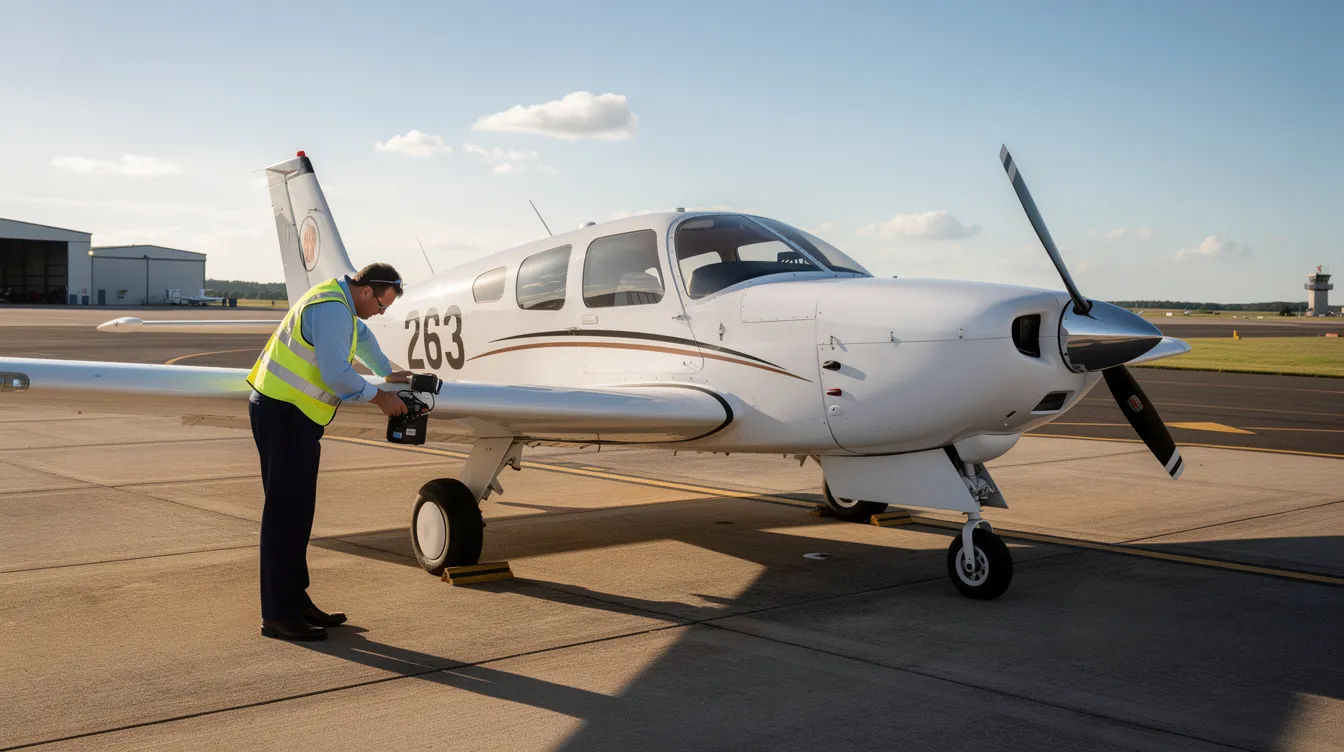
Annual inspections for small planes cost between $750 and $2,200, with simple fixed-gear singles at the low end and complex aircraft toward the top. Annual inspections cost between $750 and $2,000 for most light singles. Routine oil changes cost about $100 to $200 each (typically every 50 hours). Tires, brakes, and minor squawks add $500–$2,000+ annually.
Annual maintenance costs average between $1,000 and $3,000 for straightforward piston singles. Major engine overhauls can cost between $20,000 and $40,000 - a cost that budget-conscious buyers often overlook. Setting aside an engine reserve fund per flight hour is critical for avoiding financial surprises.
Small aircraft insurance typically costs between $1,200 and $3,000 annually. Liability insurance for small planes costs between $500 and $1,200 per year on its own. Insurance premiums depend on aircraft age, hours flown, and storage method. Taking additional pilot certifications - such as an instrument rating - can lower insurance premiums.
Outdoor tiedown costs range from $50 to $200 monthly, while hangar fees typically range from $300 to $600 monthly. Urban airports charge more for storage than rural airports. Annual storage costs can add up to $3,000 to $7,200. Hangar storage reduces weather damage and can lower insurance premiums, making hangar space a worthwhile investment where available.
Financing, sales tax, and registration can add 10–20% or more to the final cost of buying a small plane. Most buyers require a loan for small plane purchases.
Loan terms for small planes typically range from 10 to 20 years, with interest rates for aircraft loans around 5% to 7% fixed. A typical down payment for a small plane is 15% to 20%.
Here is a worked example: financing a $200,000 aircraft at 6% over 15 years requires roughly $1,688 per month in payments. Over the loan's life, financing costs can add $50,000 to $70,000 in total interest above the purchase price. That significantly impacts total yearly operating expenses.
State or provincial sales tax generally runs 5–10% of the purchase price. FAA registration (U.S.) is currently $5 every three years, though some regions add annual property or use taxes that can significantly impact the overall cost.
Avionics upgrades ($10,000–$50,000+), interior refreshes, chart subscriptions, and unexpected repairs all contribute additional costs. Budgeting a contingency fund - typically 10–15% of annual operating costs - prevents financial surprises that catch new aircraft owners off guard.
There is a meaningful difference between pilot-owners who want to fly themselves and travelers who simply want efficient, private aviation transport.
Owning a small plane is usually justified only when flying 200+ hours per year, especially if the owner is also the pilot. Below that threshold, fixed ownership costs dominate the equation. Key advantages of ownership include:
Full control over schedule
The ability to base the plane at a convenient home airport
The enjoyment of private flying as a hobby and personal recreation
Chartering flips the model, giving travelers access to a broad range of private charter aircraft without taking on ownership risk:
No initial purchase price, no responsibility for maintenance, hangar space, or crew.
Access to different aircraft types per mission - piston, turboprop, light jets - via platforms like Jettly.
All costs are variable and tied to actual flight use. No recurring costs when you are not flying.
|
Factor |
Ownership |
Charter (Jettly) |
|---|---|---|
|
Upfront cost |
$20,000–$500,000+ |
$0 |
|
Annual fixed costs |
$8,000–$30,000+ |
$0 |
|
Per-hour cost |
Lower at high usage |
$300–$4,000 (varies by aircraft) |
|
Aircraft flexibility |
One plane |
Thousands of aircraft types |
|
Maintenance/risk |
Owner's responsibility |
Operator's responsibility |
For a detailed side-by-side analysis, see Jettly's guide to small private plane cost: ownership vs. charter, and for larger aircraft comparisons, its overview of a NetJets alternative for flying private with Jettly highlights how membership and on-demand models stack up against fractional programs.
Jettly is a digital private aviation platform providing instant pricing on thousands of small aircraft worldwide, connecting travelers with private jet rental and on-demand charter options as well as structured jet card programs. Here are 2026 charter rate bands for private charters:
Single-engine piston (Cessna 172, Piper Cherokee): approximately $300–$600 per flight hour.
Turboprops (Cessna Caravan, Pilatus PC-12): about $1,000–$2,000 per hour.
Very light jets and light jets: typically $1,500–$4,000+ per hour.
The final cost of a charter includes minimum billable flight time per leg, positioning time, landing and handling fees, overnight crew charges, and taxes or fuel surcharges. For a complete breakdown, see how much it costs to charter a small plane and Jettly's broader guide to charter airlines and private flights for context on operators and aircraft types.
A 2-hour regional hop on a turboprop for a family of four: roughly $2,000–$4,000, while a versatile Cessna 207 charter can be ideal for shorter-range trips with more passengers or cargo.
A same-day business loop on a light jet for 4–6 executives: around $6,000–$9,000 total, fitting within the ranges outlined in Jettly's complete guide to private jet rental costs.
Jettly's platform also surfaces empty-leg flights, which can discount prices by 50–75%, and supports crowdsourced private jet flights and shared empty seats to further reduce per-passenger costs. Aircraft rental through charter removes pilot training and inspection costs entirely for the customer - making it the simplest path to private aviation for most travelers.
Many small turboprops and light jets can efficiently serve short international routes - U.S.–Canada, intra-Europe, or Middle East regional hops - when properly equipped.
International flights add additional costs:
Overflight permits
Customs and immigration handling
Navigation fees
Sometimes increased insurance requirements
These fees can raise the total trip cost by 20–50% versus comparable domestic flights, depending on route and country, and understanding the cost drivers of a single private flight helps set realistic expectations.
Jettly's charter platform automatically factors these additional costs into upfront quotes and recommends suitable other aircraft and safety-vetted operators for cross-border missions, including tools like an airport locator for private flights to simplify route planning. Compared to using a personally owned small plane for international trips - which involves significant planning and regulatory complexity - charter operators manage all logistics.
These questions address common concerns not fully covered above, focusing on cost details, training, and practical access to private flying, including how affordable aeroplane rental options compare to full ownership.
In 2026, budget-conscious buyers can sometimes find flyable 2-seat aircraft in the $20,000–$30,000 range - models like the ERCO Ercoupe or high-time Luscombe 8A. However, even with a low purchase price, expect at least $5,000–$10,000 per year in ongoing costs covering fuel, maintenance, annual inspections, insurance, and storage. Total yearly operating expenses for the cheapest planes still run $8,000–$12,000 minimum when you account for all line items.
Earning a private pilot license typically costs $10,000–$20,000. Additional pilot training - instrument rating, multi-engine rating - adds $5,000–$15,000 per certification. Resources from organizations like the pilots association or a pilot institute can help estimate training costs in your area. For those looking to offset some of these expenses through referrals, Jettly also offers an ultra-high-ticket affiliate program tied to its aviation services. These expenses are separate from the aircraft's purchase price and annual expenses, and they should be factored into any honest ownership budget.
Putting an aircraft on a rental line or leaseback at a flying club can generate revenue, but it adds significant wear, higher maintenance and inspection costs, and stricter insurance and regulatory requirements. It may reduce net ownership costs but rarely turns a meaningful profit for small piston aircraft. The math works best at high-traffic flight schools, not for occasional aircraft rental arrangements, where using dedicated affordable aeroplane rent options may be more straightforward.
A flying club or fractional ownership arrangement is a strong middle-ground option, and a deeper guide to fractional private jet ownership explains how similar models work at the business jet level. Members typically pay a buy-in and monthly dues, then share fuel and maintenance costs. This can cut individual annual expenses by 50–70% compared with sole ownership, while still providing regular access to the right aircraft for training and personal recreation.
Jettly provides instant charter quotes across many aircraft types, allowing users to estimate their yearly charter spend and compare it directly to projected ownership costs. The platform covers everything from single-engine aircraft to private jets, and its private jet memberships offer additional benefits for frequent flyers, so travelers can match the right aircraft to each trip without committing capital. For most business and family travelers, chartering via Jettly is simpler and often more cost-effective than buying.
A small plane price list is just the starting point. True affordability depends on fuel costs, annual inspections, insurance, storage, and how many hours you actually fly. The cost of small planes is influenced by age and condition, but the ongoing expenses are what determine whether ownership makes financial sense.
Chartering small aircraft via Jettly converts those fixed ownership costs into on-demand, pay-per-trip spending - which is often more cost-effective for travelers flying under 100–150 hours per year. Compare your expected annual flight hours, budget, and risk tolerance before committing to aircraft ownership.
Ready to see what private flying costs for your specific route? Explore Jettly's global charter options and instant pricing tools, including a dedicated jet card flight cost estimator for one-way private jet pricing.
Share this post:
Jay Franco Serevilla
Aug 19, 2026
|
5
min read
Discover tips and trends in the industry.
5
min read
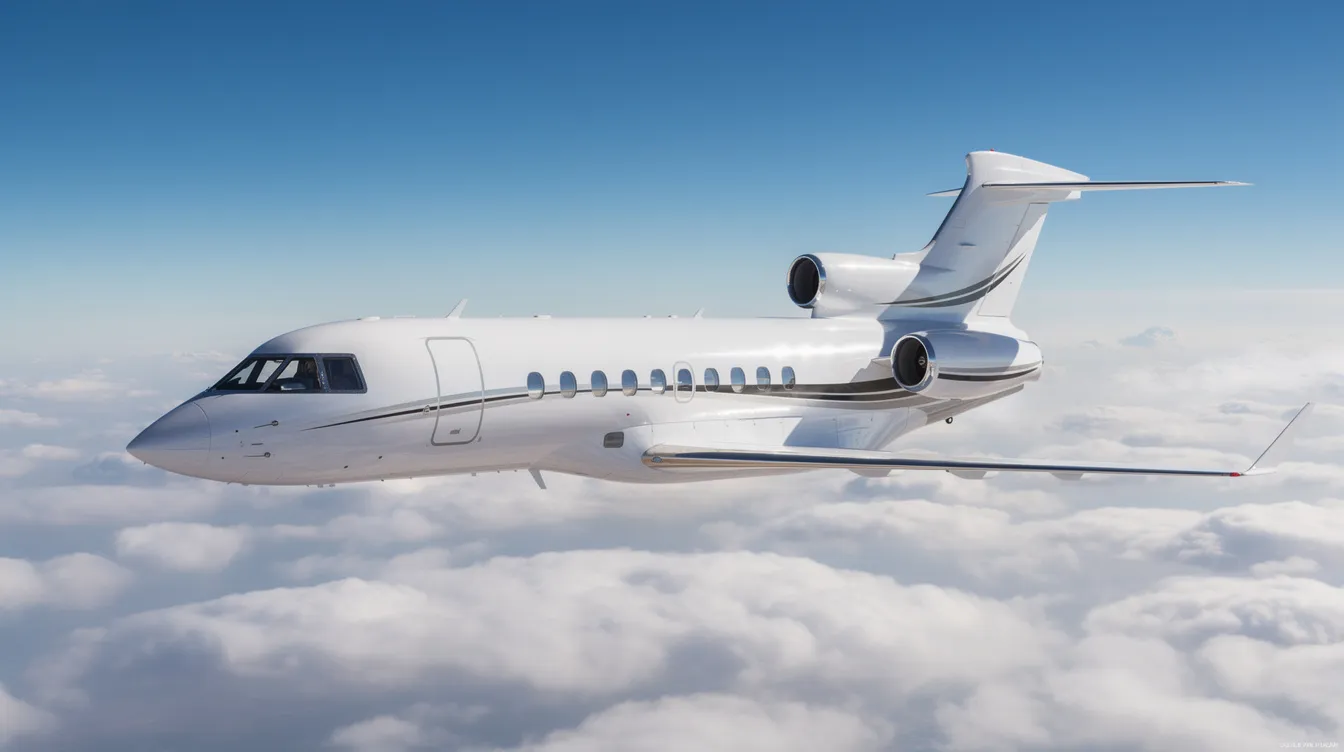
Falcon 900EX EASy: Long-Range Comfort with Modern Avionics
The Falcon 900EX EASy is a long-range tri-engine jet by Dassault Aviation, designed for comfort and efficiency. With a maximum range of 4,725 nautical miles and a modern EASy flight deck, it caters to corporate and family travelers alike, offering a spacious cabin and advanced avionics. This guide details its performance, charter options, and how Jettly simplifies the booking process.
Read More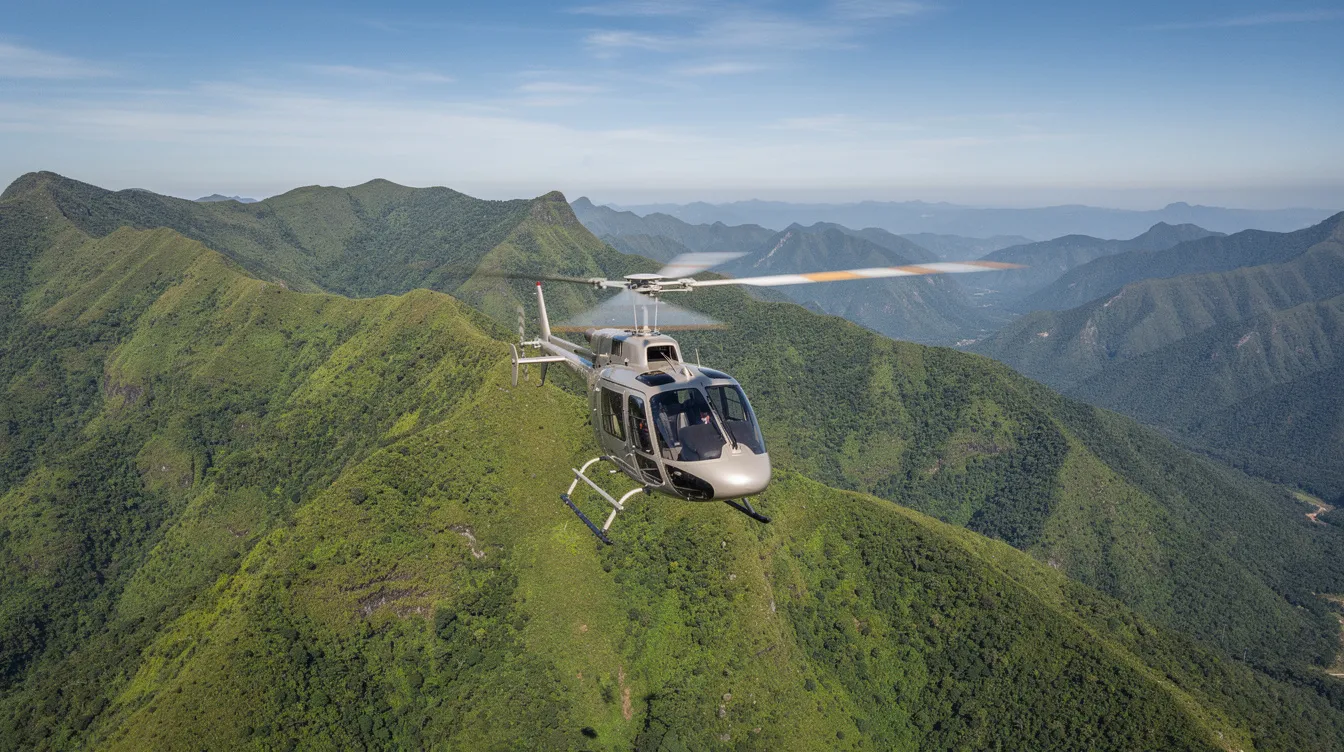
5
min read
Bell 505 Jet Ranger X: Performance, Operations, and Charter Use
The Bell 505 Jet Ranger X is a versatile light helicopter designed for various missions, including training, corporate transport, and tourism. With modern avionics and a spacious cabin, it offers efficient short-range travel options for up to four passengers. Its strong market presence and proven performance make it a popular choice among charter operators and aviation enthusiasts alike.
Read MoreStay updated with our latest insights and tips to elevate your journey with us.
MEMBERSHIPS AND ASSOCIATIONS



Disclaimer: Jettly operates as a charter broker, offering access to a global digital jet charter marketplace. Jettly is not a direct air carrier and does not own or operate aircraft. All advertised flights are conducted by third-party air carriers that are fully licensed and hold the appropriate Part 135 or Part 121 certifications issued by the Federal Aviation Administration (FAA) or equivalent regulatory authorities under U.S. or foreign law. Jettly complies fully with the U.S. Department of Transportation's Part 295 and Part 298 Charter Broker regulations. Jettly does not carry additional liability insurance. Passengers are covered by aircraft operator insurance. TICO: 50023770


