


Login
Get Instant Pricing On 23,000+ Aircraft

>
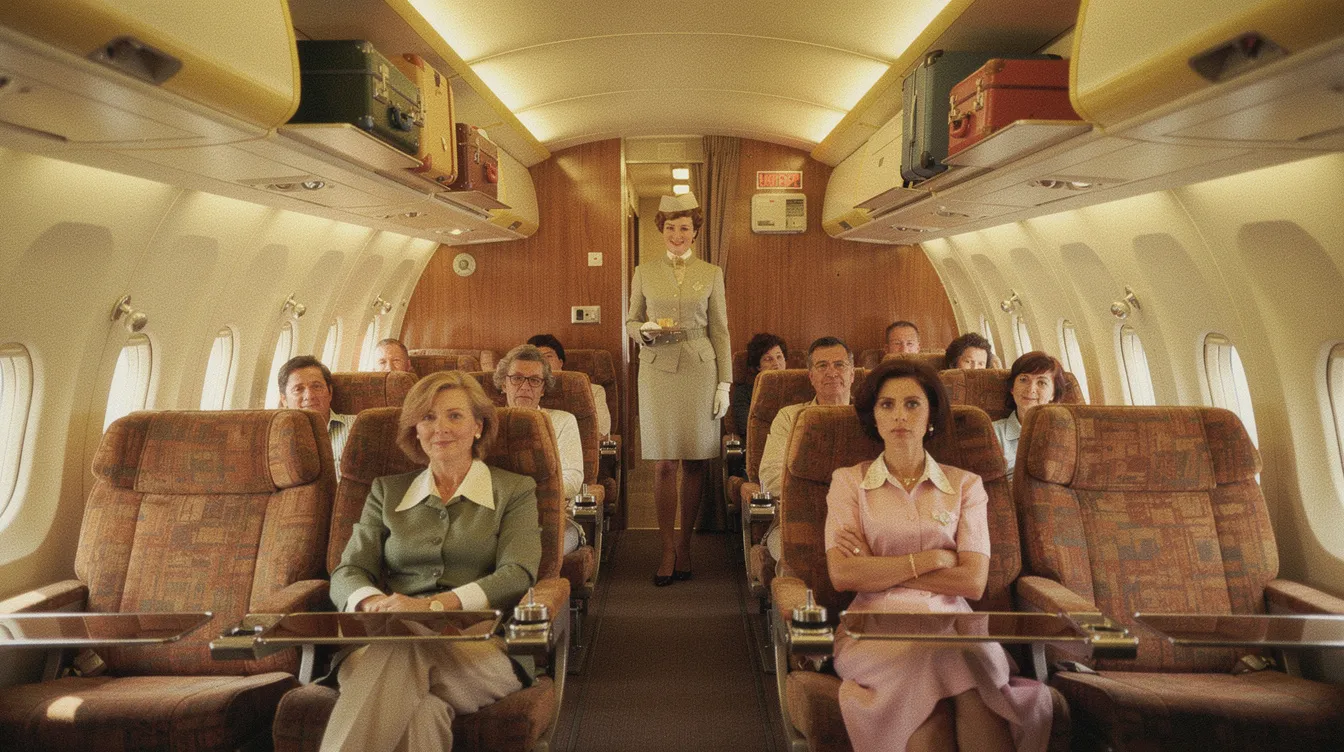
Smoking in airplanes was once as routine as fastening a seatbelt. For decades, passengers lit up freely at their seats, and airlines even promoted cigarette brands in duty-free catalogs. Today, the airline smoking ban is universal on commercial flights, and most private jet charters follow suit. This guide covers the full history, current regulations, penalties, and what travelers need to know about smoking rules when flying commercial or private. This guide is for travelers, aviation enthusiasts, and anyone curious about the evolution and enforcement of smoking rules in air travel. Understanding these rules is essential for compliance, safety, and public health when flying today.
The airline smoking ban on commercial flights has been universal since the early 2000s, covering both traditional cigarettes and most electronic cigarettes.
No smoking sign indicators and ashtrays remain on aircraft for legal and safety reasons, including safe disposal if someone ignores the ban.
Smoking rules on private jets differ from commercial flights and are usually set by the aircraft owner or operator, with many charters still enforcing non-smoking policies.
Passengers face fines, legal action, and potential diversion of the aircraft if they smoke on commercial flights or tamper with lavatory smoke detectors.
Travelers using platforms like Jettly can request smoking or nonsmoking private cabins, subject to aircraft availability, operator policy, and crew safety.
Smoking was fully permitted on flights before strict regulatory changes began. From the 1930s through the 1970s, a smoking section was standard on most commercial flights, typically located at the rear of the airplane. Passengers often sat in smoke-filled cabins during flights, and smoking sections were often poorly separated from non-smoking areas, meaning tobacco smoke drifted freely throughout the cabin.
By the 1970s, nearly half of U.S. adults were smokers. Long-haul flights resembled smoky lounges, and non-smokers, including children and crew, had little relief. Passengers could smoke in lavatories, creating fire hazards that led to several serious incidents. The Civil Aeronautics Board (often abbreviated as CAB) mandated separate smoking and non-smoking sections in 1973. Cigar and pipe smoking were prohibited in 1976 due to health concerns, but cigarette smoke remained a constant presence.
Medical evidence about secondhand smoke, combined with growing pressure from flight attendants and advocacy groups, pushed regulators to act. Congress began considering legislation, and by the mid-1980s, the momentum toward a full smoking ban was unstoppable.
The ban on smoking movement evolved gradually, with different countries adopting rules at different times.
Key U.S. milestones:
1973: Non-smoking sections introduced on all domestic flights.
April 23, 1988: In 1988, U.S. airlines banned smoking on domestic flights under two hours - flights of less than two hours became smoke-free.
February 1990: The U.S. expanded the smoking ban to all flights under six hours, covering nearly all domestic routes.
1995: Delta Air Lines became the first U.S. carrier to prohibit smoking across its network.
April 2000: The U.S. banned smoking on all flights in 2000. By 2000, smoking was banned on all U.S. domestic and international flights, including most charter operations where a flight attendant is required.
International milestones:
Australia banned smoking on domestic flights in 1987, with full implementation across all routes by January 1996.
Canada banned smoking on all flights in 1994.
Japan banned smoking on all domestic flights in 1998, extending the rule to international flights by 1999.
European countries phased in bans through the 1990s, with most EU carriers fully smoke-free by the late 1990s.
In 1992, ICAO urged states to ban smoking by 1996 through Assembly Resolution A29-15. The World Health Organization supported this global push to protect public health in the air.
Many passengers wonder why they still see a no-smoking sign illuminated and an ashtray mounted on lavatory doors decades after the ban. The answer comes down to regulations and practical safety.
Commercial airplanes must maintain operational ashtrays as a strict safety mandate. The Federal Aviation Administration and other agencies require self-contained, fire-resistant ashtrays on or near every lavatory door. The logic: if a passenger breaks the rule, the ashtray provides a safe place to extinguish a cigarette rather than risking a fire in a trash bin filled with paper towels.
Smoking is banned in aircraft lavatories, and tampering with smoke detectors is a federal offense. This is highlighted in every security briefing, immediately before each departure.
Modern commercial flights enforce a strict smoking ban worldwide. Passengers are prohibited from smoking cigarettes, cigars, pipes, and heated tobacco products anywhere on the plane-including lavatories, galleys, and the cockpit area.
Most regulations treat vaping the same as smoking. E-cigarette devices must stay in carry-on bags only, never in checked luggage (due to lithium battery fire risk), and must remain switched off. Charging on board is also prohibited.
Airlines include these bans in their contract of carriage, giving them the right to refuse transport or immediately disembark passengers who violate them.
United States: The Federal Aviation Administration prohibits smoking on all scheduled flights to and from the U.S., including electronic cigarettes. E-cigarettes have been banned on U.S. commercial flights since 2012, with the DOT's 2016 final rule reinforcing the prohibition.
European Union: Smoking and vaping are prohibited on all flights operated by EU carriers and most flights departing EU airports.
Other countries: Canada, Brazil, India, China, and Gulf states all enforce national regulations, making domestic and international flights entirely smoke-free.
Passengers should always assume that every commercial flight-regardless of destination or airline-is nonsmoking.
The ban extends beyond the aircraft. Most major airports now restrict smoking to outdoor areas or tightly controlled indoor rooms with separate ventilation, and flyers relying on smaller fields can use tools like Jettly's airport locator platform for private jet travelers to confirm available facilities. Many airports in Washington, D.C., California, London, and across Europe have eliminated indoor smoking rooms entirely.
Local laws drive these airport restrictions. Violating them can result in fines or removal from secure areas. Travelers with long connections should research airport-specific policies in advance to avoid missing boarding times if they need to leave the terminal to smoke.
Smoking on a plane is treated as a safety violation, not a minor etiquette issue. Violating smoking regulations can result in heavy fines and aircraft diversion. Consequences include:
Significant penalties imposed by national aviation authorities
Criminal charges and potential arrest upon landing
Unscheduled emergency landings or return-to-gate decisions
Denial of onward travel and revocation of frequent flyer status
Civil claims for costs associated with diversions or delays
Airlines take these violations seriously, and the consequences can follow a passenger for life.
The rise of electronic cigarettes created new challenges for airlines. E-cigarettes and traditional smoking materials pose an immediate fire hazard on aircraft, and vaping or smoking compromises aircraft ventilation systems and decreases air quality.
Most airlines and regulators treat vaping as equivalent to traditional cigarettes. The 2018 Air China incident-where a co-pilot's e-cigarette mishandling triggered a cabin pressure emergency and forced an emergency descent-highlighted these risks globally.
E-cigarettes must be carried in hand luggage, switched off, and protected from accidental activation. The ban applies across commercial flights and most private airport lounges, except where local regulations allow dedicated vaping zones.
Before the ban, a stewardess working a cross-country route could spend hours each week in a cabin thick with cigarette smoke. Ventilation systems on planes were inadequate to clear cigarette smoke, and the smell embedded itself in seats, overhead bins, and carpets-often compared to walking into a casino or an old bar.
Non-smokers frequently experienced discomfort from secondhand smoke, and children flew through the same haze. Flight attendants were regularly exposed to toxic secondhand smoke, fueling health concerns and union campaigns. Advocates like Patty Young became vocal about the toll on crew health, pushing for clean air in the cabin. Of course, the situation only grew worse on longer flights, where smokers lit up for hours straight.
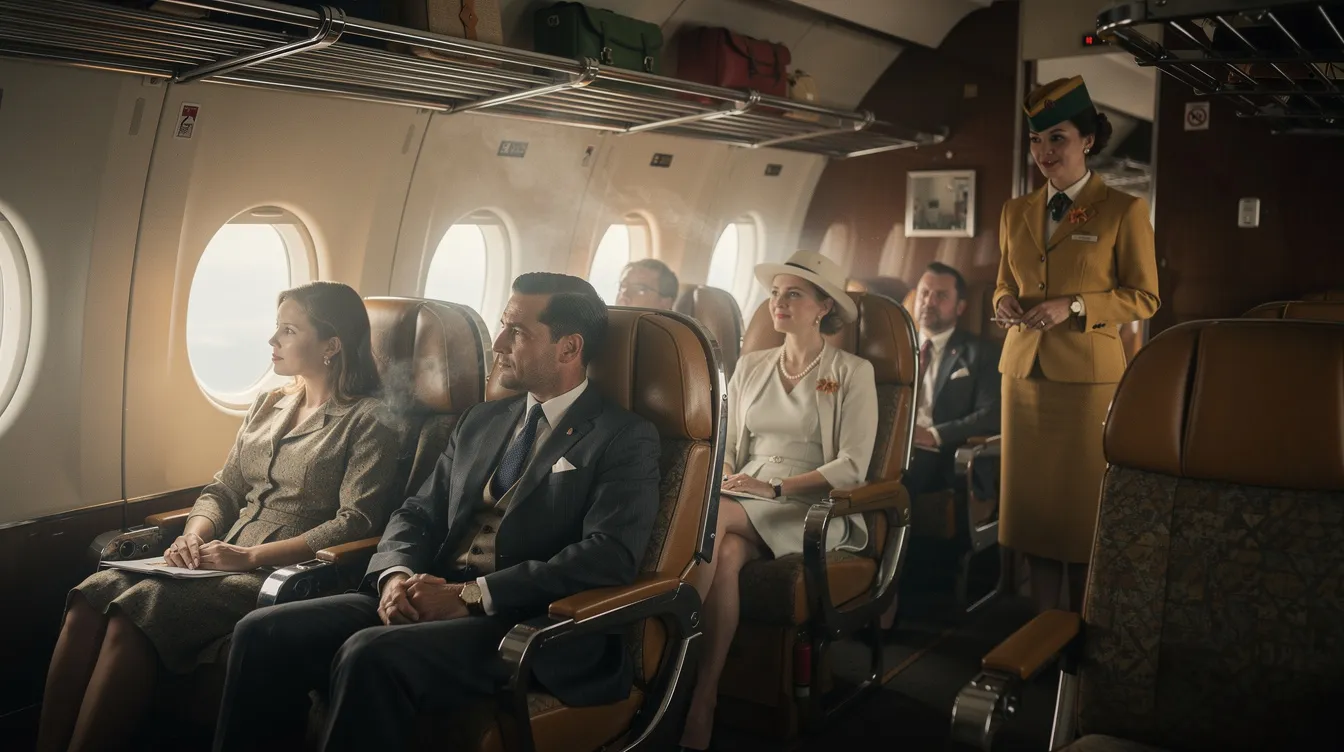
While the airline smoking ban is universal on scheduled airlines, smoking policies on private jets can vary by operator, aircraft owner, and local law, especially on long-range jets used for international private jet flights. Private jet charters operate under different arrangements, often allowing more customization while still following strict safety rules.
Many charter operators designate aircraft as non-smoking to protect interiors, maintain resale value, and safeguard crew health. Where smoking is allowed, it is usually limited to certain cabin areas and never permitted in lavatories or near emergency equipment. On small turboprop or light aircraft with open cockpit configurations, smoking is typically prohibited because smoke travels directly to the pilots and sensitive avionics.
|
Feature |
Commercial Flights |
Private Jets |
|---|---|---|
|
Smoking Policy |
Universal ban, no exceptions |
Varies by operator; some allow smoking with restrictions |
|
Enforcement |
Strict, backed by law and heavy penalties |
Operator and crew discretion; safety prioritized |
|
Smoking Areas |
None; smoking is prohibited everywhere |
Sometimes allowed in the cabin; never in lavatories or near equipment |
|
Ashtrays |
Required in lavatories for safety |
May or may not be present depending on operator policy |
|
Flexibility |
Fixed policies and routes |
Customizable based on the charter agreement |
|
Passenger Experience |
Shared cabin, no smoking |
Private cabin, potential for smoking if allowed |
|
Penalties for Smoking |
Fines, arrest, flight diversion |
Possible cleaning fees, flight cancellation |
On-demand charter gives more flexibility, but final smoking rules are set by the operator and crew. Some Part 135 charter companies market aircraft as "smoking allowed" or "non-smoking," with preferences requested at booking, and many also support buying a single seat on a private jet through shared or empty-leg options.
Even on jets where smoking is normally permitted, any crew objection regarding health or safety can result in the immediate suspension of smoking on that flight. Heavy smoke can damage leather, veneers, and cabin systems, so operators may require additional cleaning fees-often $500 to $2,500 or more. Electronic cigarettes and vaping devices on private jets follow similar restrictions to those on commercial flights.
Jettly operates as a digital private jet charter marketplace, connecting travelers with a wide range of operators and aircraft worldwide and offering tools such as a jet card flight cost estimator for predictable pricing. When travelers request a quote, they can specify preferences such as a nonsmoking cabin or, where legally possible, a smoking-permitted environment.
Jettly works only with regulated operators, and final smoking policies are determined by the aircraft owner, operator, and crew. The platform's instant pricing and aircraft comparison tools help travelers choose suitable jets, including cabin configuration, flight range, and onboard policies. Most Jettly-chartered flights are non-smoking, reflecting modern expectations around clean air and crew safety.
Long flights without a cigarette can be challenging for regular smokers. Speak with your doctor before travel about nicotine replacement options such as patches, gum, or lozenges that comply with airline and local regulations.
Practical strategies include adjusting smoking patterns in the week before departure, choosing itineraries with sensible layovers near airport smoking areas, and staying hydrated. In-flight entertainment and work tasks help distract from cravings. For frequent business travelers, switching some trips to private jets or using crowdsourced private jet seat-sharing options may reduce total journey time, indirectly making long smoke-free periods more manageable.
The smoking ban in airplanes sits at the intersection of aviation safety and public health. Smoking on airplanes poses severe health risks in the confined cabin environment. Cigarette smoke can cause respiratory issues and increase the risk of respiratory infections. Nicotine residue from smoking can negatively impact air quality in aircraft, and smoke can clog air filtration systems and reduce the efficiency of cabin air circulation.
Secondhand smoke exposure can cause serious health issues. Flight attendants suffered from diseases due to secondhand smoke exposure over decades of service. During the 1970s and 1980s, parts of the tobacco industry opposed comprehensive bans, promoting designated smoking sections as a compromise. Governments and passenger groups ultimately favored completely smoke-free cabins because partial measures did not protect anyone adequately.
The modern airline smoking ban is widely seen as a success story in public health, influencing smoke-free policies in hospitality, public transport, and beyond.
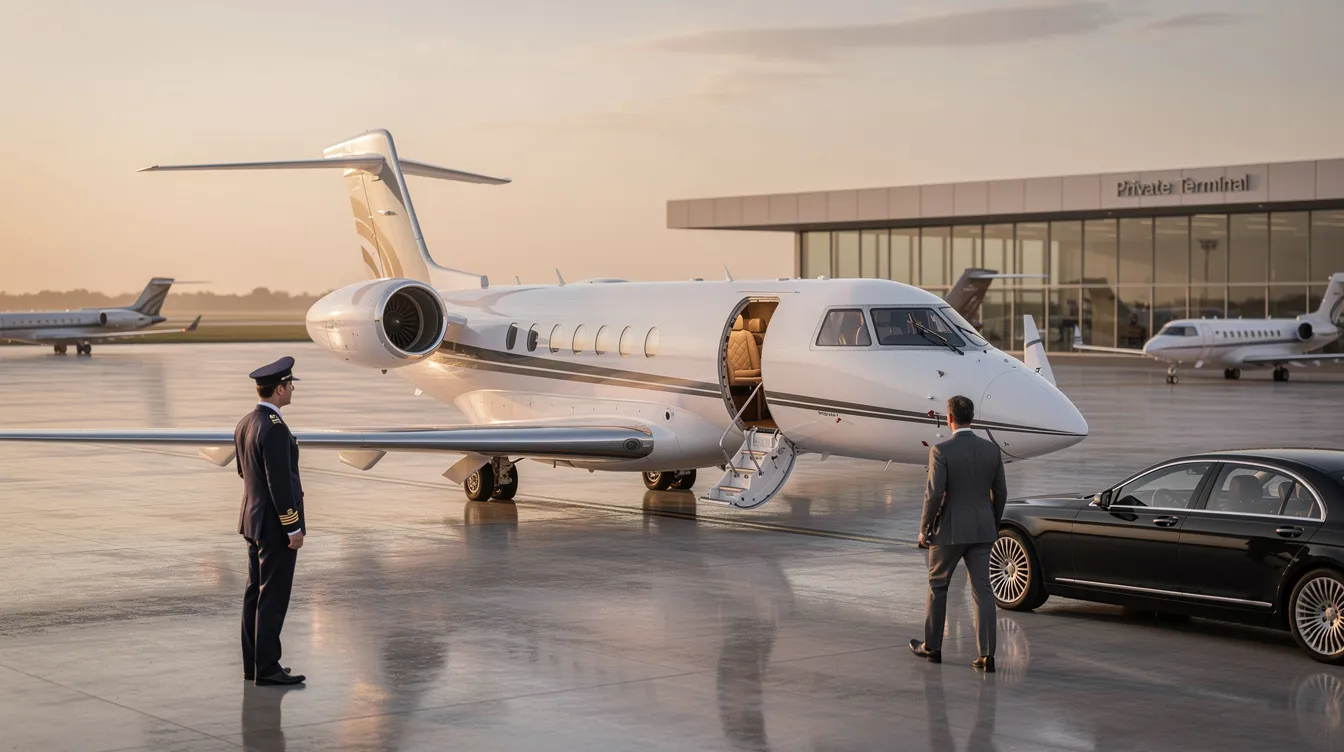
Both commercial flights and most private jet charters now operate smoke-free. But private aviation offers flexibility and time savings that go far beyond smoking considerations, especially for frequent flyers who rely on structured jet card programs for private travel.
|
Factor |
Commercial Flights |
Private Jets |
|---|---|---|
|
Smoking policy |
Universal ban, no exceptions |
Usually non-smoking; rare exceptions by operator |
|
Security and boarding |
Long lines, fixed schedules |
Minimal wait, flexible departure |
|
Route flexibility |
Fixed hubs and schedules |
Fly direct between thousands of airports |
|
Cabin privacy |
Shared with hundreds |
Private, customizable environment |
Jettly provides access to a large global inventory of aircraft, instant pricing, and digital booking, whether you need a private jet charter in Chennai, Tamil Nadu, or another global destination.
Travelers comparing the best private jet charter companies and options can weigh factors like safety, fleet diversity, and service levels alongside smoking policies. Whether executives are traveling between New York and Miami, booking a private jet charter in Atlanta, Georgia, or families are flying from Toronto to Vancouver, private charters avoid long airport waits and crowded terminals.
Regardless of travel mode, all passengers now share a smoke-free environment; private jets simply add more privacy, control, and comfort for those long hours without cigarettes.
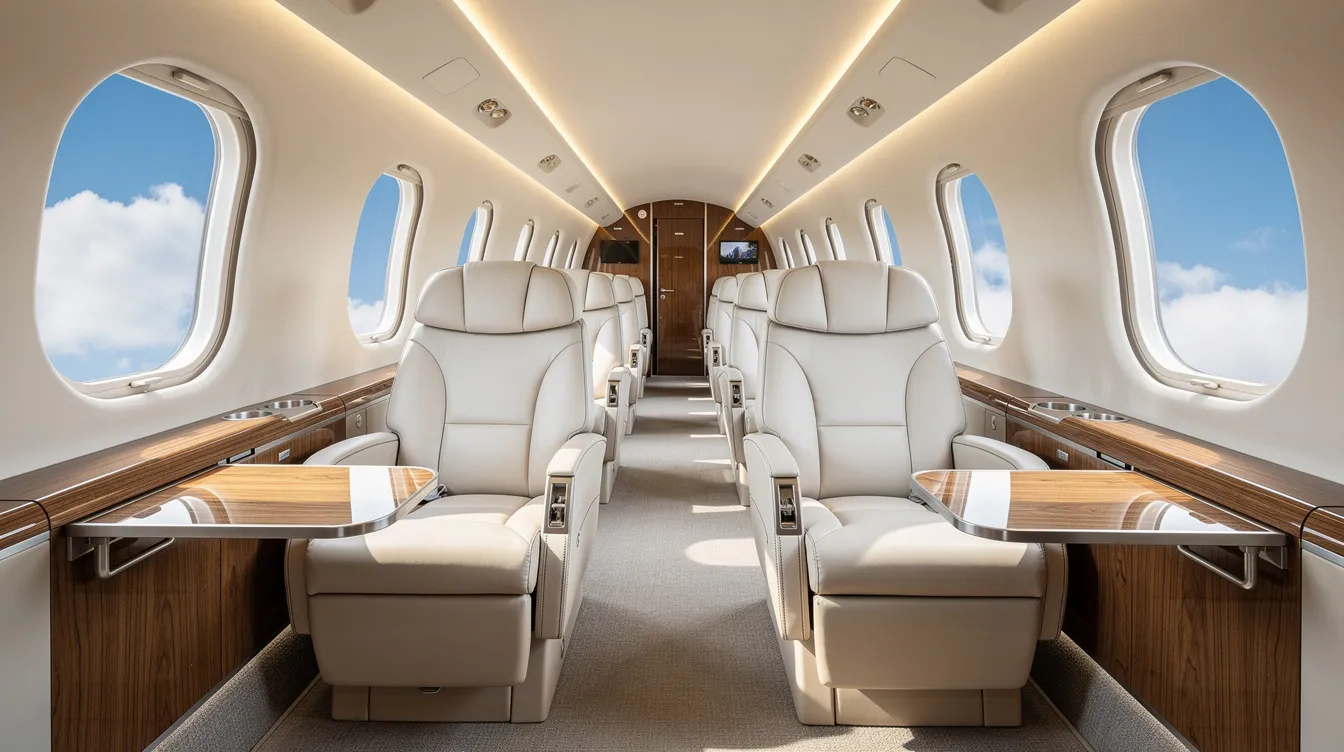
Below are answers to common questions about smoking on airplanes and private jets.
No major commercial airline can legally offer a smoking section. National and international regulations require completely smoke-free cabins on all scheduled airlines. Even airlines operating in countries with looser tobacco laws on the ground must comply with the airline smoking ban in flight. Any references to smoking sections describe historical practices, not current options.
In some jurisdictions, smoking may be permitted on certain privately owned or operated jets if the operator's policy and crew agree and local law allows it. Safety rules still apply: smoking is never allowed in lavatories or near emergency equipment, and crew can stop smoking at any time. Travelers booking through platforms like Jettly must request this in advance and understand that many operators maintain strict non-smoking policies.
Using an electronic cigarette on board is treated as a violation of the smoking ban and may trigger smoke alarms or crew intervention. Passengers caught vaping can face fines, confiscation of devices, and in serious cases, police involvement upon landing. Even without visible smoke, vapor and battery risks are taken seriously by cabin crew and regulators.
Most airlines allow unopened cigarette packs in carry-on or checked luggage. Lighters are often limited to one per person and typically must stay in carry-on bags. E-cigarettes and spare lithium batteries must be placed in hand luggage only, switched off, and protected from accidental activation. Review your airline's website and airport security guidelines before packing, as rules vary by country and carrier.
Using Jettly to book a private jet does not change underlying aviation laws. All flights must comply with national and international safety regulations. Jettly helps travelers find operators and aircraft that match their preferences, but final smoking policies are always set by the operator, crew, and applicable law.
The evolution of smoking regulations on airplanes reflects significant progress in aviation safety and public health. While smoking was once common and accepted in commercial flights, today’s universal bans protect passengers and crew from the dangers of secondhand smoke and fire hazards. Private jets offer some flexibility, but safety and comfort remain priorities, with most operators enforcing non-smoking policies. Platforms like Jettly provide travelers with transparent access to private jet charters that meet modern expectations for clean air and convenience. Understanding these rules ensures compliance and a safer, more pleasant flying experience for all.
Experience private travel tailored to your needs. Discover available flights or get a personalized quote at https://www.jettly.com.
Share this post:
Jay Franco Serevilla
Jun 29, 2026
|
5
min read
Discover tips and trends in the industry.
5
min read
Jetout vs. Jettly: How Modern Private Aviation Is Changing for Travelers and Crew
Jetout and Jettly represent two distinct models in private aviation, catering to different traveler needs. Jetout focuses on regional co-ownership with a dedicated fleet, while Jettly offers a global digital marketplace for on-demand charter services. Understanding these options can help travelers make informed decisions based on their flight frequency and preferences.
Read More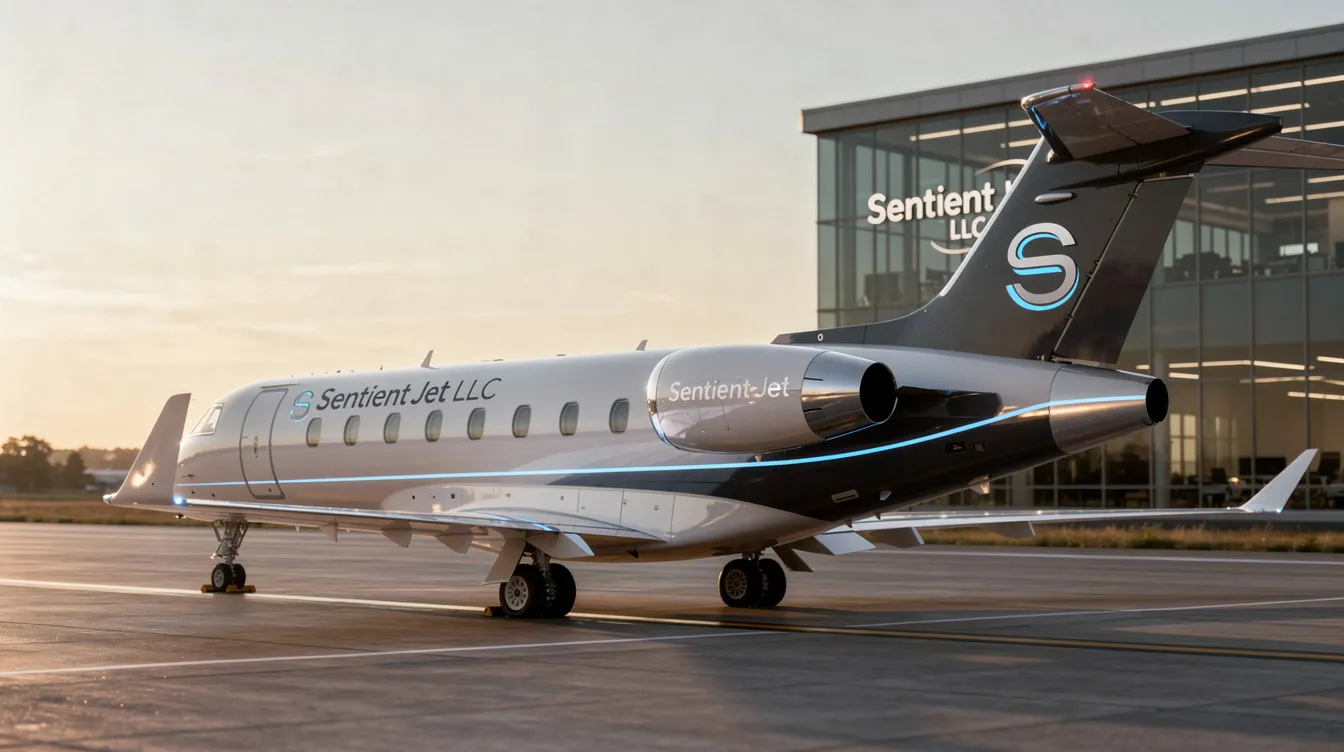
5
min read
Sentient Jet LLC: Jet Cards, the Sentient Certified Network, and Modern Private Aviation
Sentient Jet LLC revolutionized private aviation by introducing the jet card model in 1999, offering prepaid flight hours at fixed rates. This article explores the advantages and disadvantages of Sentient Jet's structured approach compared to on-demand charter solutions, helping travelers make informed decisions based on their flying habits and preferences.
Read MoreStay updated with our latest insights and tips to elevate your journey with us.
MEMBERSHIPS AND ASSOCIATIONS



Disclaimer: Jettly operates as a charter broker, offering access to a global digital jet charter marketplace. Jettly is not a direct air carrier and does not own or operate aircraft. All advertised flights are conducted by third-party air carriers that are fully licensed and hold the appropriate Part 135 or Part 121 certifications issued by the Federal Aviation Administration (FAA) or equivalent regulatory authorities under U.S. or foreign law. Jettly complies fully with the U.S. Department of Transportation's Part 295 and Part 298 Charter Broker regulations. Jettly does not carry additional liability insurance. Passengers are covered by aircraft operator insurance. TICO: 50023770


