


Login
Get Instant Pricing On 23,000+ Aircraft

>
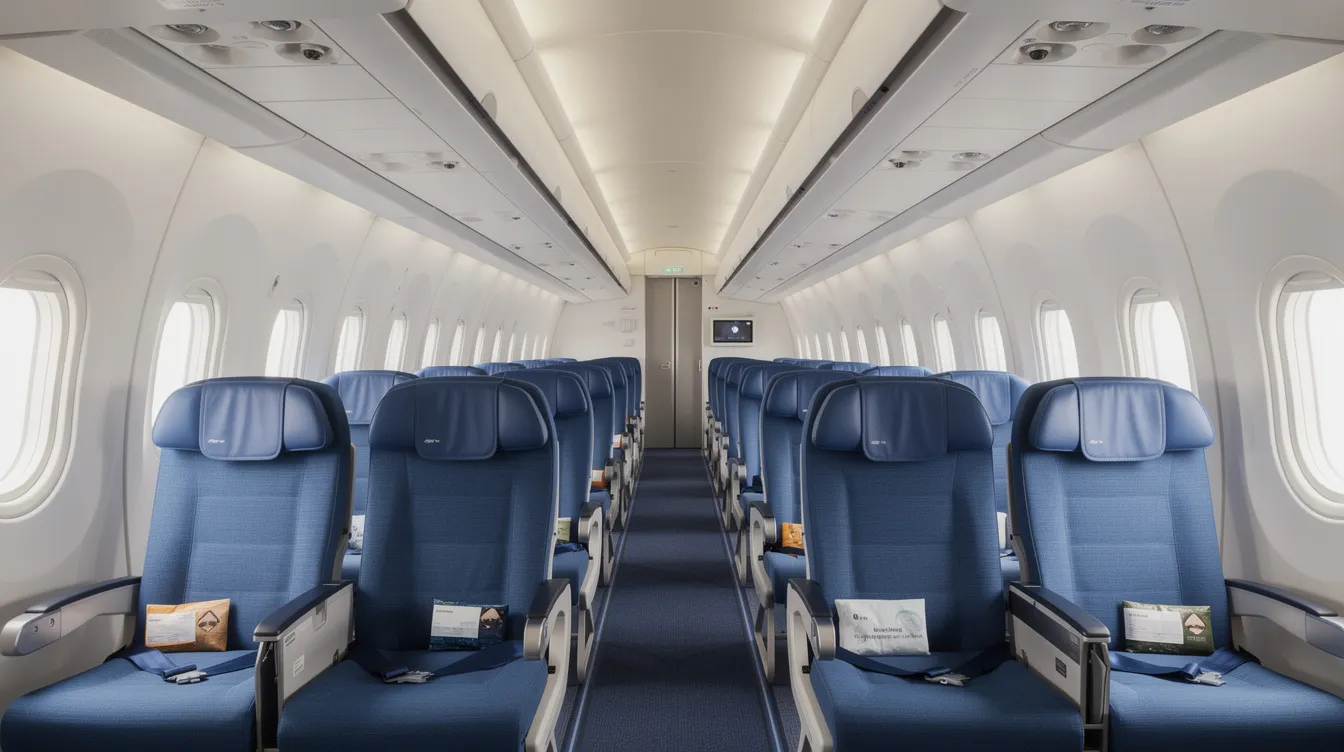
The Southwest Boeing 737-700 is a single-cabin, narrowbody aircraft that Southwest Airlines frequently uses on domestic routes across the United States, with 143 economy seats in a 3-3 layout and a mix of standard and extra-legroom seating zones. Whether you're a frequent flyer, corporate traveler, or leisure passenger comparing comfort on your next trip—or weighing commercial service against private jet charter—there’s a good chance you’ll end up on one of these workhorses heading to Dallas, Denver, or Las Vegas.
This guide breaks down the cabin layout, seat types and dimensions, comfort quirks, seat zones, the best and worst seats, onboard amenities, fare types and boarding strategy, how the 737-700 compares with other Southwest aircraft, and how the experience stacks up against private jet charter through Jettly. Knowing what to expect on the Southwest Boeing 737-700 can help you choose a better seat, board with a smarter strategy, and decide whether the space, flexibility, and convenience of private travel may be a better fit.
The southwest airlines fleet relies heavily on the Boeing 737-700 for short- to medium-haul domestic routes. Here's what matters most before you board:
The Boeing 737-700 seats 143 passengers in economy class with a 3-3 seating arrangement. Standard seats offer 31 inches (79 cm) of seat pitch, while extra legroom seats provide 35 inches (89 cm) of pitch.
Three seat zones - Extra Legroom, Preferred, and Standard - determine your leg room and cabin position, with extra legroom seats costing $38–$41 each on top of the base fare.
Several rows have notable quirks: row 15 has the best legroom with no seat directly in front, while row 14 has limited or no recline due to FAA regulations. Rows 2-4 provide extra legroom and fast deplaning, while the first row lacks under-seat storage, 8F has no window, and the last row suffers from noise and limited overhead bins.
Most 737-700s lack AC power outlets but feature USB-C charging ports at every seat on newer retrofits. There are no seatback entertainment screens; instead, passengers stream entertainment on personal devices via the Southwest app.
Compared to a commercial Boeing 737, a private jet charter through Jettly offers customizable cabin layouts, guaranteed power outlets, and flexible departure times from less congested airports.
Southwest Airlines is the launch customer for the Boeing 737-700, having introduced the aircraft type in December 1997, decades after the first dedicated private plane manufacturers began shaping modern business aviation. Powered by two CFM56-7B turbofan engines, the Boeing 737-700 has a cruising speed of approximately 530 mph and a typical range of approximately 3,300 nautical miles—though Southwest typically deploys it on domestic routes under three hours.
The plane is often listed as "Boeing 737-700" or code "73W" in your flight number details. After recent retrofits completed in late 2025, the aircraft now seats 143 passengers in economy class, maintaining its single-cabin layout but with updated seating and charging ports. The retrofit created more pitch in extra legroom zones without compressing the rest of the cabin.
While Southwest operates several Boeing 737 variants (including the 737-800 and 737 MAX 8), the -700 stands out for having the most generous extra legroom rows relative to its size. This article focuses on helping you interpret the seat map, understand seat width and exit row rules, and compare the experience with private flights via Jettly.
Every Southwest aircraft in the 737-700 fleet uses a single cabin class—all economy, no separate business or first class. The standard cabin layout of the Boeing 737-700 includes a 3-3 seating arrangement across seats labeled A through F.
The retrofitted seat map breaks down like this:
Rows 1–6 as Extra Legroom
Rows 7–9 and 14 as Preferred
Rows 16–23 as Standard, while rows 10–13 are skipped so exit row numbering aligns with other Southwest aircraft types
The cabin has two main doors (forward and rear), overwing exits around row 15, and the Boeing 737-700 features two lavatories located one forward and one rear, plus galleys at both ends. Southwest's online seat map differentiates zones with color-coding, but third-party tools like SeatCompare often provide more detail on which seats to target or avoid.
The interior features Boeing Space Bins for overhead storage and updated "Evolve" cabin finishes with Recaro-style seats and adjustable headrests.
Two terms matter here. Seat pitch is the distance between a given point on one seat and the same point on the seat in front—it determines your leg room. Seat width is the distance between armrests, and recline is how far the seatback tilts.
Here are the numbers for the Southwest Boeing 737-700:
Standard pitch: about 31 inches (79 cm)
Extra Legroom rows: around 35 inches (89 cm)
Seat width: roughly 17–17.1 inches (43–44 cm), and note that middle seats B and E often feel tighter due to armrest sharing
All seats have standard recline except limited-recline rows like 14 and the last row. On a two- to three-hour flight, that restriction can make a real difference in comfort.
The retrofit that maintained the 143-seat configuration effectively redistributed row pitch, making the 737-700 one of Southwest's better aircraft for legroom despite its older airframe. For travelers used to private jet charters—where seat width often exceeds 20 inches and cabin layouts are fully configurable, with some of the cheapest private aircraft options still offering generous space—the 737-700 will feel compact. That makes knowing which rows to pick especially important.
Since January 2026, Southwest has used three seat zones tied to fare products: Extra Legroom, Preferred, and Standard. The physical seat design is mostly identical across all three—the difference comes down to pitch and position in the cabin.
Extra legroom seats in rows 1–6 and exit row 15 offer 35 inches of pitch. Preferred seats (rows 7–9 and 14) sit at standard 31-inch pitch but are forward enough for faster deplaning. Standard seats fill the rear half of the plane. Extra legroom seats cost $38–$41 each, or come included with the Choice Extra fare.
Front extra legroom rows are best for quick exits. Rear standard seats typically board and exit last. Compared to choosing zones within a single cabin, private jet travelers through Jettly can select entirely different aircraft classes—from light jets to heavy jets—matching the cabin to the mission rather than picking from fixed zones, much like individuals comparing models when deciding on the best personal plane to own.
Not all 143 seats are equal. Window alignment, proximity to lavatories, missing windows, and exit row rules create clear winners and losers.
Best seats to target:
15A and 15F in the exit row—row 15 has the best legroom on the 737-700, with no seat in front creating near-unlimited space for your legs
Rows 2–4 window seat or aisle positions for 35-inch extra legroom plus fast deplaning
Overwing rows 16–17, which sit over the wing, for a more stable ride in turbulence, positioned away from galley noise
Seats to avoid or think twice about:
Row 1 (the first row): extra pitch but no under-seat storage during takeoff and landing, tray table built into armrests, and heavy galley noise from forward proximity
Row 14: limited or no recline due to FAA regulations requiring seats in front of emergency exits to be fixed upright; seat 14A is usually missing because of door structure
8F: this window seat on the left side often has no window or blocked window access
Rows 22–23: the last row area is closest to the rear galley and lavatory, with more noise, limited recline, and reduced overhead bin space. Seats in the last row have limited recline and overhead storage.
Middle seats B and E throughout the cabin are least desirable on longer flights due to the narrow 17-inch seat width and elbow competition. An aisle or window seat is preferable whenever available.
Practical advice: check your flight number and aircraft type in the reservation, confirm the seat map, and if comfort is critical for a key business trip, consider whether a private charter through Jettly makes sense rather than gambling on specific economy seats.
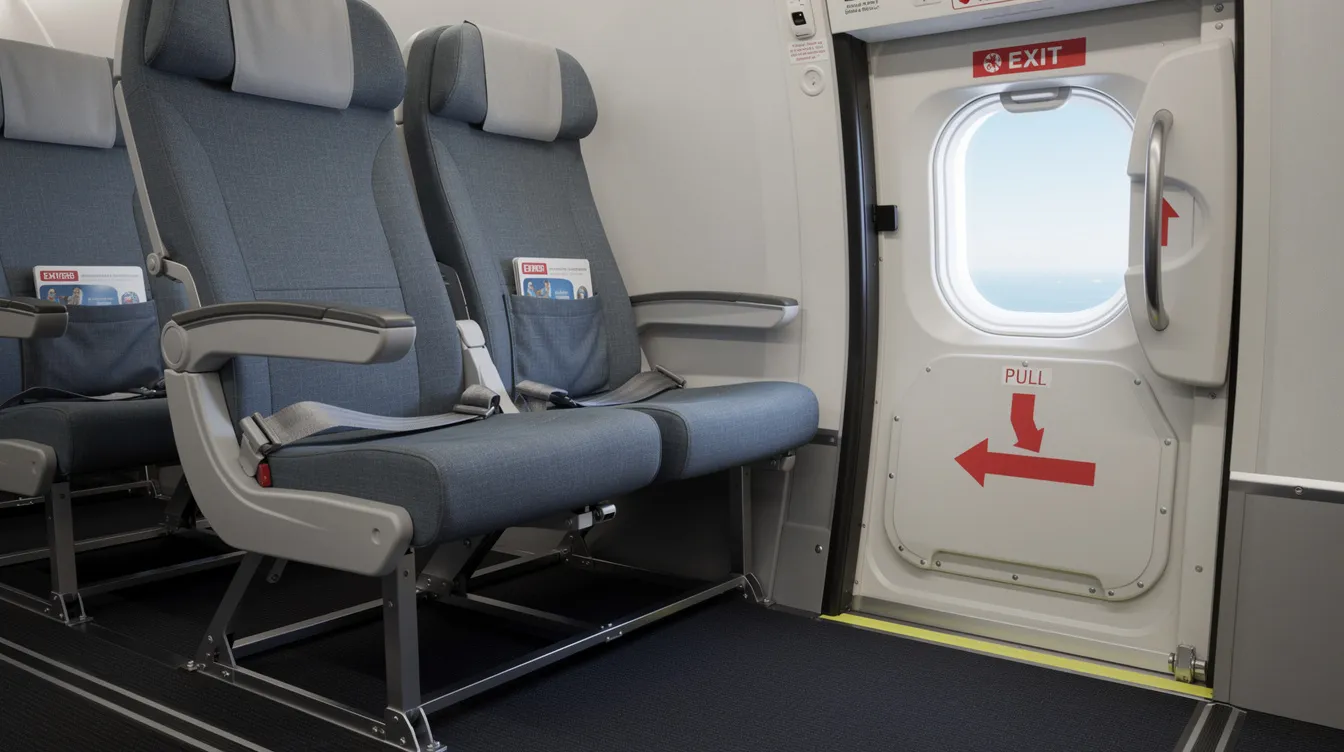
Exit rows on the Southwest Boeing 737-700—primarily row 15—provide the most legroom on the plane but come with safety obligations.
All six seats in row 15 are classified as extra legroom, with that space effectively created when Southwest removed an entire row during the retrofit. Window seats 15A and 15F enjoy unique space because there is no seat directly in front of them. Middle and aisle seats in row 15 have generous but more standard exit-row pitch.
Passengers seated here must be able-bodied adults (typically 15 years or older), willing and able to assist in an emergency, and may be reassigned at the gate if they don't meet the criteria—similar to how aircraft capabilities and mission fit are matched when choosing the best cross-country plane for a journey. Under-seat storage is restricted between the safety brief and door closure.
Row 14 has limited or no recline due to FAA regulations requiring a clear path to the exit. These seats are labeled Preferred, not Extra Legroom, despite their proximity to row 15—a distinction that catches many passengers off guard.
On a private charter, cabin access and exits follow safety standards too, but load factors are far lower than a full 737 flight, and passengers generally have more freedom to move throughout the cabin, especially when departures are planned from smaller, less congested airports.
The Southwest 737-700 is a "bring-your-own-screen" plane. There are no seatback displays. Entertainment is streamed to personal devices via the Southwest app or the onboard portal. Cabin modernization includes the introduction of Wi-Fi and wireless streaming entertainment.
Connectivity features on retrofitted aircraft include:
Ku-band satellite Wi-Fi with varying quality; however, Wi-Fi is often reported as glitchy
Complimentary messaging on apps like iMessage and WhatsApp
Live TV, movies, and real-time flight tracking streamed onboard
Wi-Fi is free for Rapid Rewards members on the 737-700
Recent retrofits on the Boeing 737-700 include updated seating and USB-C charging ports at every seat. The aircraft has no AC power outlets, so passengers should bring charged devices or a power bank.
Additional comfort features include adjustable headrests, individual overhead air vents, and Boeing Space Bins that increase carry-on capacity in the overhead bins.
Compare this to a typical private jet, where in-flight amenities commonly include for members enrolled in private jet membership programs:
Power outlets and USB charging at every seat
High-speed Wi-Fi suitable for business use
A quieter cabin with fewer passengers competing for bandwidth and space
Since January 27, 2026, fare products on Southwest determine where you sit on a 737-700. The old open boarding pass system is gone. Here's how the four fare tiers map to seat zones:
Basic fare passengers receive assigned standard seats in the back (rows 16–23) at check-in, with little control over cabin position
Choice Fare allows selection of standard seats at booking, making it easier to grab overwing rows 16–19 for a balanced ride
Choice Preferred Fare grants access to Preferred rows 7–9 and 14, though row 14 should be treated cautiously due to limited recline
Choice Extra fare includes Extra Legroom seating in rows 1–6 and 15, with 15A/F and rows 2–4 windows often being the top picks—similar in spirit to fixed-hourly-rate jet card programs on the private side of the market
A-List and A-List Preferred members get earlier or broader access to Preferred and Extra Legroom seats. If you hold a companion pass, coordinate seat selection early.
For short hops under one hour, any aisle seat in the forward half of the cabin is usually fine. For longer flights, prioritize extra legroom or forward seats to reduce fatigue. And for those who need full control over timing, cabin use, and who's on the plane, Jettly's model lets travelers book the aircraft itself—not just a single seat or participate in crowdsourced private jet flights with shared empty seats.
The 737-700 is the smallest plane in Southwest's current fleet for the airline. With 143 seats versus roughly 175 on the 737-800 and MAX 8, it's typically deployed on shorter or lower-demand routes. It also offers the most generous Extra Legroom pitch—a full +4 inches over Standard, compared to +3–4 inches on larger Southwest aircraft.
While the 737-800 and MAX 8 may feature newer interior finishes, more seats means more crowding at the lavatories, longer boarding lines, and slower deplaning. The 737-700 can feel less congested with only two lavatories and a smaller passenger count.
The gap between commercial and private air travel is stark, as outlined in broader guides to charter airlines and private flights:
Commercial: fixed schedules, security lines, single cabin with 31–35 inches of pitch, 17-inch seat width, and no guaranteed seat power
Private: custom departure times, use of smaller airports closer to city centers, far more generous seat width and pitch, and the option to select from different aircraft categories - light jets, midsize, heavy jets, or turboprops
Consider two scenarios: a corporate team flying a hub-to-hub route might tolerate a Southwest 737-700 in Extra Legroom seats and fly comfortably. But a time-sensitive executive traveling between secondary cities on a single day may save hours by chartering a light jet via Jettly instead of connecting through multiple commercial flights, choosing an aircraft size that matches their group using guidance on how many passengers private jets can carry.
Understanding commercial cabin limitations helps travelers decide when the flexibility and comfort of private charter aircraft justify the additional cost.
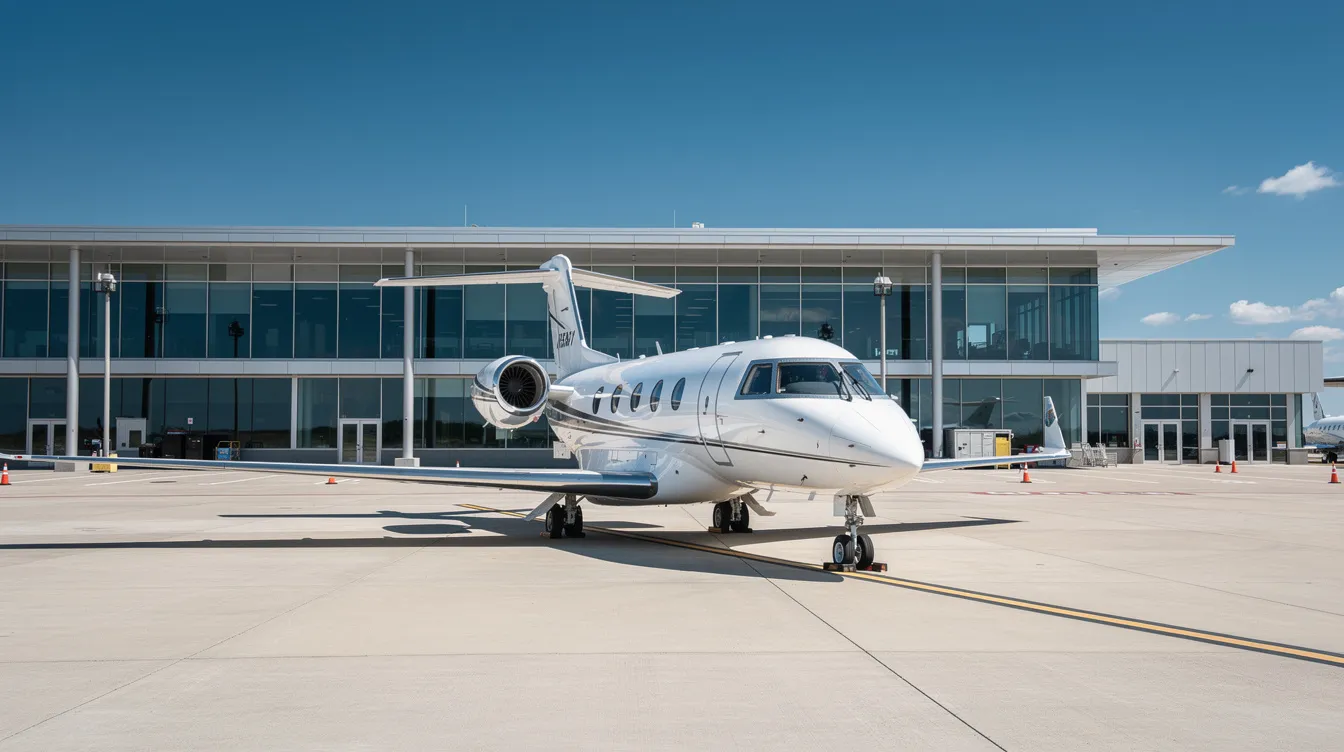
These FAQs address practical details that come up often when flying the 737-700 or weighing it against private charter options.
During booking or in your trip details on the Southwest app or website, the aircraft may be labeled "Boeing 737-700" or shown with the IATA code "73W." Checking the flight number details usually reveals this. Third-party booking sites also list the aircraft type, which helps you pull up the correct seat map and review legroom details before selecting your seat.
No. Most Southwest Airlines 737-700 aircraft lack AC power outlets entirely. Newer retrofits may include USB-C ports, but passengers should not rely on having power at every seat. Bring fully charged devices and a portable battery. On a private charter, full in-seat power and tailored connectivity are more common—you can estimate costs using Jettly's private jet cost calculator or review a detailed guide on how much a private jet costs.
The standard retrofitted layout is 143 seats with Extra Legroom, Preferred, and Standard zones. However, some older or not-yet-updated aircraft may still show a 143-seat configuration with slightly different row characteristics. Always refer to the specific seat map attached to your flight and cross-check against recent user reports, especially for seats like 1A, 8F, 14, 15A, or 23F.
On flights longer than about two hours, the jump from 31 to 35 inches of pitch can significantly improve comfort, especially for taller passengers. Extra legroom seats in rows 2–4 and 15A/F are generally the best value. For short hops under an hour, prioritizing an aisle in the front half of the cabin may be enough. For maximum flexibility on critical trips, it makes sense to weigh chartering a private aircraft through Jettly—where you hope to sit is never in question because you control the entire cabin or can simply buy a single seat on a private jet.
Southwest's 737-700 flights use major commercial terminals with standard security and boarding processes, and at a busy airport a 143-passenger economy cabin can make the process feel slower than private flying with top private jet charter companies, especially at facilities well past their prime during peak times in July or any busy travel season. Private jet charter through a platform like Jettly allows travelers to depart from smaller, less congested airports and use private terminals (FBOs), cutting door-to-door travel time significantly compared with a conventional Boeing 737 flight, and there are now many flexible ways to get a seat on a private jet easily. It's a straight trade of cost for time and convenience—and for many business travelers, the effort saved is worth every dollar, especially when working with providers that focus on affordable private jet charter pricing.
The Southwest Boeing 737-700 is a reliable, single-cabin workhorse with 143 seats, 31-inch standard pitch, and a few standout extra legroom rows that can notably improve the experience. For a plane that first entered service nearly three decades ago, it holds up well on domestic routes—especially if you know which seats to pick.
The main practical points: target rows 2–4 and 15A/F for the best legroom, consider overwing rows 16–17 for stability, and avoid row 1 (storage issues), 8F (no window), row 14 (no recline), and rows 22–23 (noise and limited space). Always check the seat map tied to your exact flight number and aircraft type before boarding. Don't guess—review the layout in advance.
For travelers who need more than 17 inches of seat width, more than 35 inches of pitch, and the ability to fly on their own schedule from less congested airports, private aviation offers a fundamentally different experience. The service, the space, the drinks, and the schedule flexibility change everything about how you travel by air.
Ready to experience private travel on your terms? Explore flight options or request a quote at https://www.jettly.com.
Share this post:
Jay Franco Serevilla
Aug 9, 2026
|
5
min read
Discover tips and trends in the industry.
5
min read
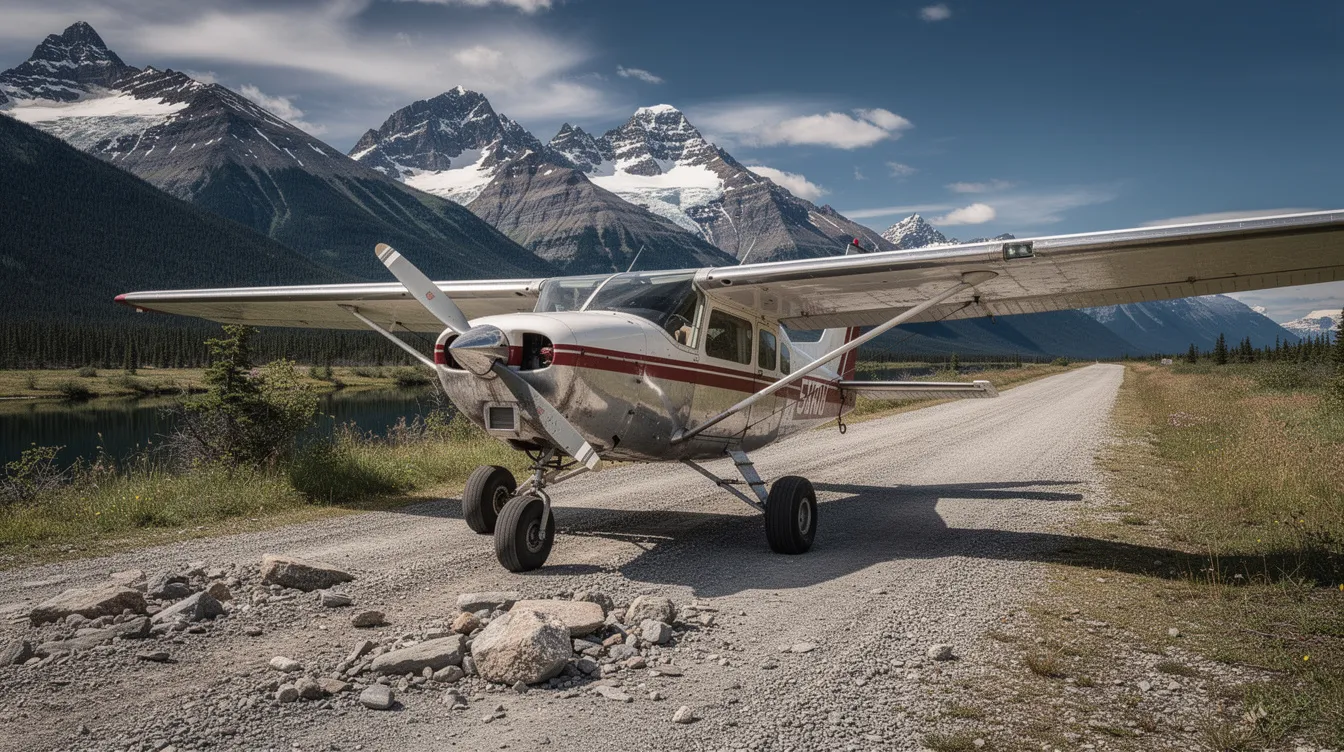
Cessna 185 Takeoff Distance: Performance, Variables, and Real-World Planning
The Cessna 185 Skywagon is a versatile aircraft known for its impressive takeoff capabilities, requiring approximately 1,000 to 1,430 feet to clear a 50-foot obstacle under ideal conditions. Factors such as weight, density altitude, and runway surface can significantly affect these distances, making careful planning essential for safe operations. Understanding these variables is crucial for pilots and charter clients navigating remote airstrips.
Read More
5
min read
Private Plane India: How to Fly Private with Jettly
Flying private in India has become increasingly accessible for both business and leisure travelers. This guide provides insights on chartering private planes, including costs, benefits, and popular routes, making it easier to decide if private aviation suits your travel needs. With Jettly's platform, travelers can enjoy flexibility, luxury, and time savings while exploring over 20,000 aircraft options worldwide.
Read MoreStay updated with our latest insights and tips to elevate your journey with us.
MEMBERSHIPS AND ASSOCIATIONS



Disclaimer: Jettly operates as a charter broker, offering access to a global digital jet charter marketplace. Jettly is not a direct air carrier and does not own or operate aircraft. All advertised flights are conducted by third-party air carriers that are fully licensed and hold the appropriate Part 135 or Part 121 certifications issued by the Federal Aviation Administration (FAA) or equivalent regulatory authorities under U.S. or foreign law. Jettly complies fully with the U.S. Department of Transportation's Part 295 and Part 298 Charter Broker regulations. Jettly does not carry additional liability insurance. Passengers are covered by aircraft operator insurance. TICO: 50023770


