


Login
Get Instant Pricing On 23,000+ Aircraft

>

A jet card is a type of membership program that allows you to purchase hours of private jet travel in advance, typically at a discounted rate. Jet card programs offer the flexibility and convenience of on-demand travel without the hassle and expense of owning or leasing your own aircraft.
There are many benefits of buying a jet card, including the ability to fly on short notice, avoid peak travel times and enjoy the convenience of having your flight arrangements handled by a professional company. Jet cards also offer the opportunity to build up flying hours and earn loyalty rewards with certain programs.
Before you buy a jet card, there are a few things you should take into consideration, such as the type of aircraft you want to fly on, the price per hour, the number of hours you plan to fly and the company's reputation. It's also important to make sure that the jet card program you choose is compatible with your travel needs and lifestyle.
The best jet card for you is the one that fits your specific travel needs and budget. To find the right jet card, start by considering the type of aircraft you want to fly on, the price per hour, the number of hours you plan to fly and the company's reputation. Once you've narrowed down your options, be sure to read the fine print and compare the different jet card programs before making a final decision.
There are two main types of jet cards: fixed-rate jet cards and variable-rate jet cards. Fixed-rate jet cards offer a set price per hour, while variable-rate jet cards offer rates that fluctuate based on the time of day, week or year.
The main advantages of fixed-rate jet cards are that they offer predictability and stability, which can be helpful if you have a tight budget. The main disadvantages of fixed-rate jet cards are that they may not be available during peak travel times and you may have to pay a higher price per hour if you fly during off-peak times.
The main advantages of variable-rate jet cards are that they offer flexibility and can be cheaper than fixed-rate jet cards during off-peak times. The main disadvantages of variable-rate jet cards are that they can be more expensive during peak travel times and you may have to book your flights further in advance.
Some of the best jet card programs include Flexjet, Jettly, NetJets and Wheels Up. These programs offer a variety of aircraft, flexible booking options and competitive pricing.
When comparing jet card programs, it's important to consider the type of aircraft you want to fly on, the price per hour, the number of hours you plan to fly and the company's reputation. It's also important to make sure that the jet card program you choose is compatible with your travel needs and lifestyle.
There are a few things to keep in mind when using a jet card, such as making sure you book your flights in advance, being aware of peak travel times and reading the fine print before you commit to a program.
Jet cards offer the flexibility and convenience of on-demand travel without the hassle and expense of owning or leasing your own aircraft. When choosing a jet card, be sure to consider the type of aircraft you want to fly on, the price per hour, the number of hours you plan to fly and the company's reputation. And be sure to read the fine print before you commit to a program.
Happy flying!
Share this post:
Justin Crabbe
May 7, 2025
|
5 minutes
min read
Discover tips and trends in the industry.
5
min read
Insurance for Airplanes: Complete Coverage Guide for Aircraft Owners
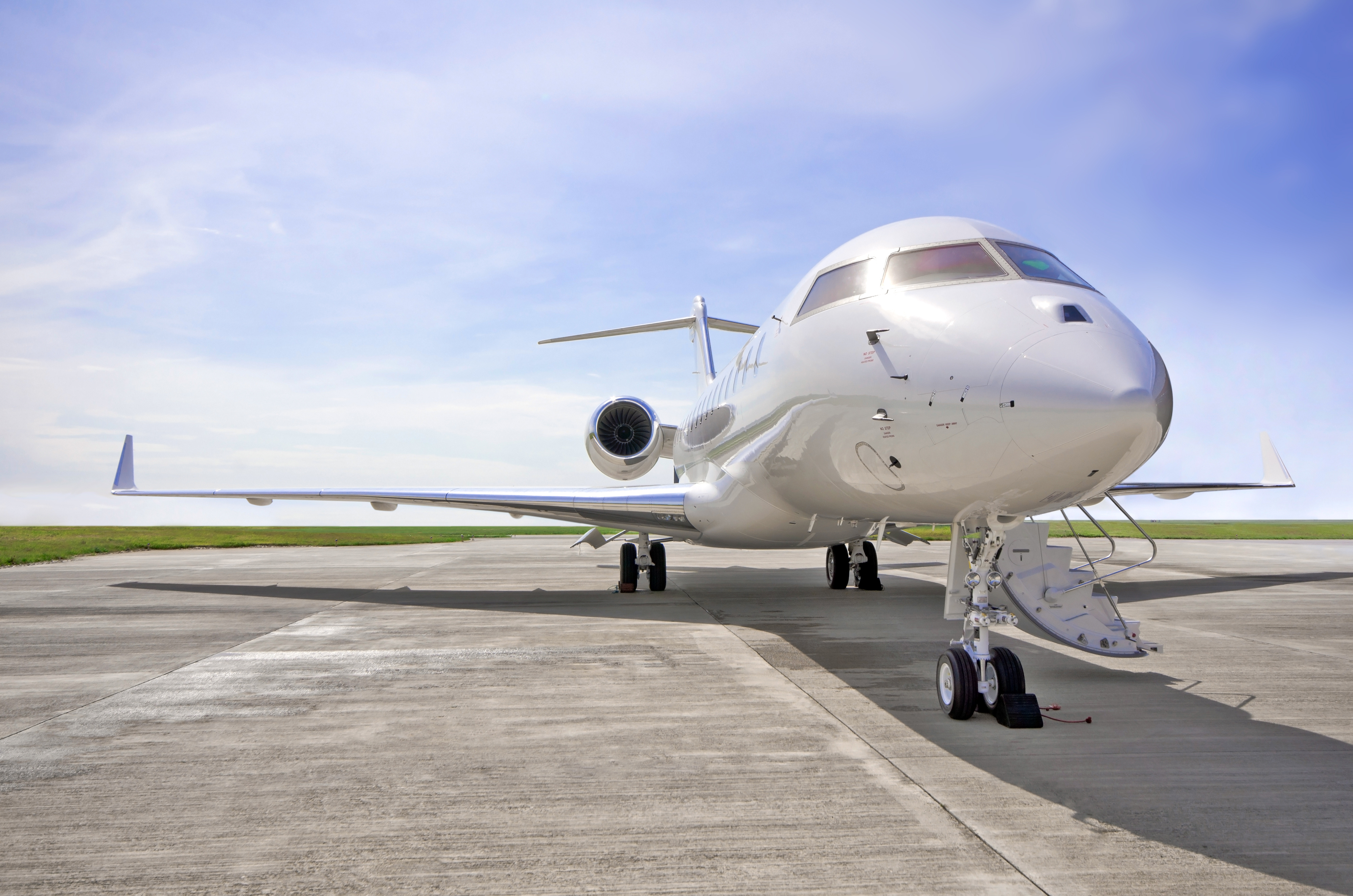
The blog post discusses the advancements in high-speed personal aircraft, highlighting the Bombardier Global 8000 as the fastest private jet, capable of reaching Mach 0.94 using sustainable aviation fuel. It outlines the performance spectrum of modern personal planes, which range from single-engine aircraft to ultra-fast jets, emphasizing the importance of speed, efficiency, and comfort for business and personal travel. The article also covers critical factors such as operating costs, safety features, and the evolving market dynamics driven by innovation and competition among manufacturers. Finally, it touches on the future of aviation, focusing on sustainable practices and potential developments in electric and hybrid propulsion systems.
Read More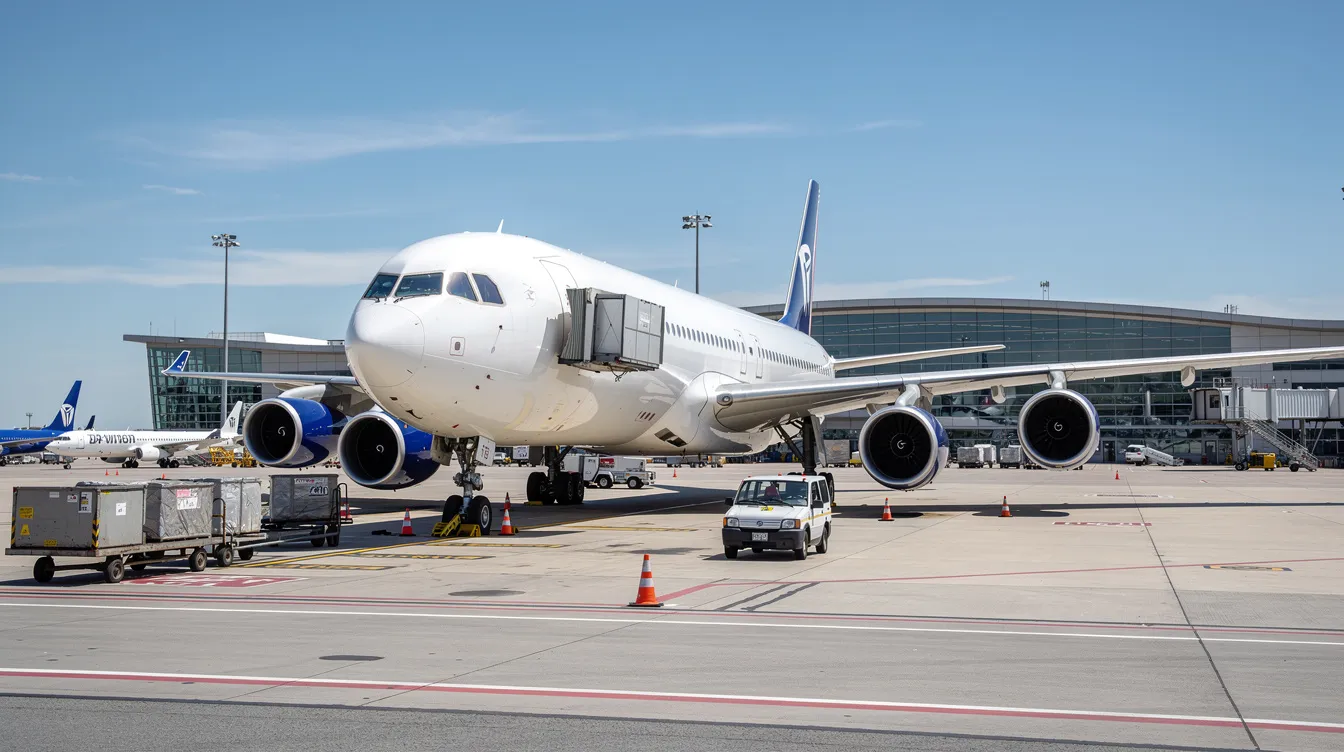
5
min read
Airbus A340 Seating Capacity: Complete Guide for A340-200/300/500/600
The Airbus A340 is a four-engine wide-body aircraft designed for long-haul travel, with seating capacities ranging from 210 to 440 passengers depending on the variant and cabin configuration. The A340 family includes four models: A340-200, A340-300, A340-500, and A340-600, each differing in length, range, and typical seating arrangements. While production ceased in 2011, the A340 remains relevant for charter, VIP, and occasional scheduled services, with airlines customizing layouts based on market demand. Understanding the seating capacities and configurations of the A340 is crucial for planning group travel, especially when comparing options through platforms like Jettly, which connects clients with various aircraft for charter needs.
Read MoreStay updated with our latest insights and tips to elevate your journey with us.
MEMBERSHIPS AND ASSOCIATIONS



Disclaimer: Jettly operates as a charter broker, offering access to a global digital jet charter marketplace. Jettly is not a direct air carrier and does not own or operate aircraft. All advertised flights are conducted by third-party air carriers that are fully licensed and hold the appropriate Part 135 or Part 121 certifications issued by the Federal Aviation Administration (FAA) or equivalent regulatory authorities under U.S. or foreign law. Jettly complies fully with the U.S. Department of Transportation's Part 295 and Part 298 Charter Broker regulations. Jettly does not carry additional liability insurance. Passengers are covered by aircraft operator insurance. TICO: 50023770


