



Login
Get Instant Pricing On 23,000+ Aircraft

>

Typical turboprop charter rates range from about $1,200 to $3,000 per hour, with premium models occasionally reaching $4,500–$5,000 per hour.
Turboprop aircraft consume 30–50% less fuel than light jets, making them the most economical option in private aviation for flights under 800–1,000 miles.
Total trip cost depends on several factors beyond the hourly rate, including market demand, airport fees, repositioning fees, and add-ons like catering or Wi-Fi.
Turboprop charter rates vary based on distance, fuel costs, and demand, so comparing quotes across aircraft types is essential.
Jettly's digital platform lets travelers compare turboprop charter options alongside light jets and midsize jets, with instant, transparent pricing.
Understanding turboprop charter rates is the first step to flying private without overpaying: most turboprop charters cost about $1,200 to $3,000 per hour, while premium aircraft can reach roughly $4,500 to $5,000 per hour. For regional routes-think 200 to 800 miles-turboprop aircraft offer a cost-effective option that bridges the gap between slower piston planes and pricier private jets, often delivering the best value for trips under 800 to 1,000 miles.
For business and leisure travelers alike-including corporate executives, families, and other flyers who want to charter a private aircraft for short regional travel without jet-level costs-turboprop charter flights are the most economical option in private aviation. Pricing is usually quoted per hour, with separate line items for applicable taxes, airport handling charges, and additional services like catering or ground transportation. This guide explains how turboprops compare with light jets and other aircraft, what drives charter pricing, what real trip costs look like, and how Jettly, a digital private charter marketplace, makes it easier to compare real-time turboprop pricing across thousands of vetted operators and book the right charter flight.
A turboprop aircraft uses jet engines to drive propellers rather than producing all thrust through exhaust. This makes turboprop engines more fuel-efficient at lower altitudes and slower speeds compared to pure jet-powered light aircraft or midsize jet options. Compared to piston-powered light aircraft, versatile turboprops offer higher reliability, pressurized cabins, and significantly better range.
Most turboprop planes seat between 5 and 9 passengers. Turboprop speeds range from 201 mph to 461 mph depending on the model, with cruise speeds typically falling between 250 and 330 knots. The maximum range varies from 800 to 3,000 miles-for example, the Beechcraft King Air 200 has a range of 2,614 miles. Turboprops can operate at altitudes up to 35,000 feet, and they provide a premium comfort experience with lower operating costs than comparable jets.
Turboprops are ideal for short-to-medium regional flights: business hops like Los Angeles to Napa, ski weekends from Denver to Aspen, or connections to remote airports that most jets can't reach, and they sit alongside a wide range of other private charter aircraft options for different mission profiles. Turboprops can operate from runways as short as 3,000 feet, opening access to smaller airports you can identify quickly using an airport locator tool and reducing total door-to-door travel time. They provide access to more airports than most jets, which is a major advantage for travelers heading to remote locations.
Jettly's inventory includes popular turboprop aircraft types like the Pilatus PC-12, the Beechcraft King Air series, and the Cessna Grand Caravan-covering everything from single-engine executive aircraft to larger twin-engine workhorses.
In North America and Europe, turboprop charter rates generally run from about $1,200 to $3,000 per hour, with some premium models higher. Turboprop charter services are generally priced between $1,000 and $3,500 per flight hour depending on aircraft type and region, with many quotes starting around $2,000 per hour for well-equipped models.
Here are representative hourly charter rates by category:
|
Turboprop Category |
Example Models |
Hourly Rate Range |
Typical Seating |
Range (Miles) |
|---|---|---|---|---|
|
Single-engine turboprops |
Pilatus PC-12 NGX |
$1,600–$2,500 |
5–7 |
1,500–1,800 |
|
Light twin turboprops |
King Air 90, King Air 200 |
$1,400–$2,500 |
6–7 |
1,200–2,600 |
|
Medium twin turboprops |
King Air 350i, Piaggio Avanti EVO |
$1,800–$3,000 |
7–9 |
1,300–2,600 |
|
Premium turboprops |
King Air 350i (upgraded) |
$4,500–$5,000 (peak) |
7–9 |
Up to 2,600 |
These are per aircraft, per billable flight hour estimates-not per passenger. Charter pricing includes various additional fees beyond the hourly rate, and final quotes depend on itinerary, season, and operator pricing, similar to broader affordable private jet charter cost structures across the industry. For comparison, light jets on the same regional routes typically run $2,500–$4,000 per hour, which is why turboprop charter can be the better value for short segments.
Hourly costs only tell part of the story. Here's how they translate into total cost on actual routes.
Example 1: Palm Beach to Savannah (~300 miles) on a King Air 200
Flight distance translates to roughly 1.2–1.4 hours each way.
At approximately $1,800 per hour, the base charter cost comes to $4,000–$5,000 round trip before applicable taxes and landing fees.
Add repositioning fees if the private aircraft isn't already at the departure airport, plus airport fees and crew overnight expenses if needed, and the total could reach $5,500–$6,500.
Example 2: New York to Nantucket (~400 miles) on a Pilatus PC-12
Flight time runs about 1–1.3 hours one way.
At $2,000–$2,800 per hour, the base round trip falls in the $4,500–$7,000 range.
A weekend trip with overnight crew costs and seasonal demand surcharges could push the total into the $6,000–$9,000 range.
Example 3: Denver to Aspen (~150 miles) on a King Air 350
Short flight time-under 1 hour-but high-altitude terrain and winter weather systems add operational complexity.
Hourly charter rates for a King Air 350 in peak ski season can reach $3,000–$4,000 per hour, putting a same-day round trip in the $3,000–$6,000 range.
De-icing, premium service surcharges, and peak market demand can push costs higher.
Jettly's charter cost estimator calculates these figures in real time, factoring in flight distance, aircraft type, and whether the aircraft must reposition.

Aircraft size and type affect turboprop charter pricing more than any other single variable-but several factors work together to shape your final quote.
Aircraft type and age: Newer or upgraded turboprop planes command higher hourly rates. A modern PC-12 PRO with Wi-Fi, spacious cabins, and advanced avionics costs 20–30% more per hour than an older baseline model. Cabin layout, seating capacity, and baggage volume also matter.
Flight time and distance: Charter quotes are based on estimated block time, not just great-circle distance. Many operators enforce minimum daily flight hours (1.5–2.0 hours), which can inflate the cost to charter on very short same-day trips. Operational costs scale directly with time aloft.
Fuel consumption and efficiency: Turboprop aircraft consume 30–50% less fuel than comparable light jets on short sectors, which helps keep hourly costs lower. However, volatile fuel prices and fuel surcharges flow through to charter customers, so rates shift when fuel costs rise.
Airport selection and fees: Airport fees can vary significantly between airports for turboprop charters. Smaller airports with lower airport handling charges reduce the total bill. Turboprops' ability to use shorter fields means travelers can often avoid congested-and expensive-major hubs.
Market demand and seasonality: Seasonal demand can lead to higher turboprop charter prices, with rates spiking 15–30% around holiday weekends, major events, and peak vacation seasons, although discounted empty leg flights can sometimes offset these surcharges. Booking in advance through Jettly can help lock in better private jet rental prices and aircraft availability.
Extras and add-ons: Onboard catering, in-flight Wi-Fi, de-icing, and crew overnight expenses can add 10–25% to the base quote. Premium services like Jettly Eats in-flight catering also factor into the final bill when selected. International flights may include international fees, customs clearances, and overflight permits. Additional costs may also arise from repositioning fees and airport handling charges.
Crew costs: Crew costs-including per diem, overnight duty, and positioning-can affect overall turboprop charter pricing, especially on multi-day trips or routes requiring crew rest.
Many travelers weigh turboprops against not only light jets but also piston aircraft and larger jets before choosing the right aircraft, especially when researching the cheapest private aircraft options across categories. Here's how the options compare for regional routes.
When turboprops win on cost:
Turboprops are often the most economical choice for trips of 200 to 800 miles, beating light jets on total cost due to lower hourly rates and better fuel efficiency, which is helpful context when exploring different ways to get a seat on a private jet affordably.
For small groups of 4–7 passengers, a private charter on a turboprop delivers similar cabin comfort to a light or midsize jet at a lower price point, and some travelers further reduce per-person costs through crowdsourced private jet flights that share empty seats.
Light jets:
Light jets fly faster (400–500 knots) and higher, making them practical for slightly longer routes or tight schedules where time matters more than cost.
Hourly charter rates for light jets typically run $2,500–$4,000 per hour-sometimes more on popular corridors. For a deeper comparison, see Jettly's guide to cheap private jet charter prices and its overview of the best private jet charter companies.
Midsize jet and heavy jet options:
A midsize jet or heavy jet starts around $3,500–$6,000+ per hour and suits cross-country or long-haul flights with larger groups. These private aircraft offer an extensive range and spacious cabins, but are overkill and overpriced for regional flights.
Piston aircraft:
Smaller aircraft powered by piston engines cost less per hour ($500–$1,500) but sacrifice speed, maximum range, and cabin comfort. Turboprops are a clear step-up solution for business travelers who need to cover regional routes reliably. For more on prop planes and how they compare, Jettly has a dedicated guide.
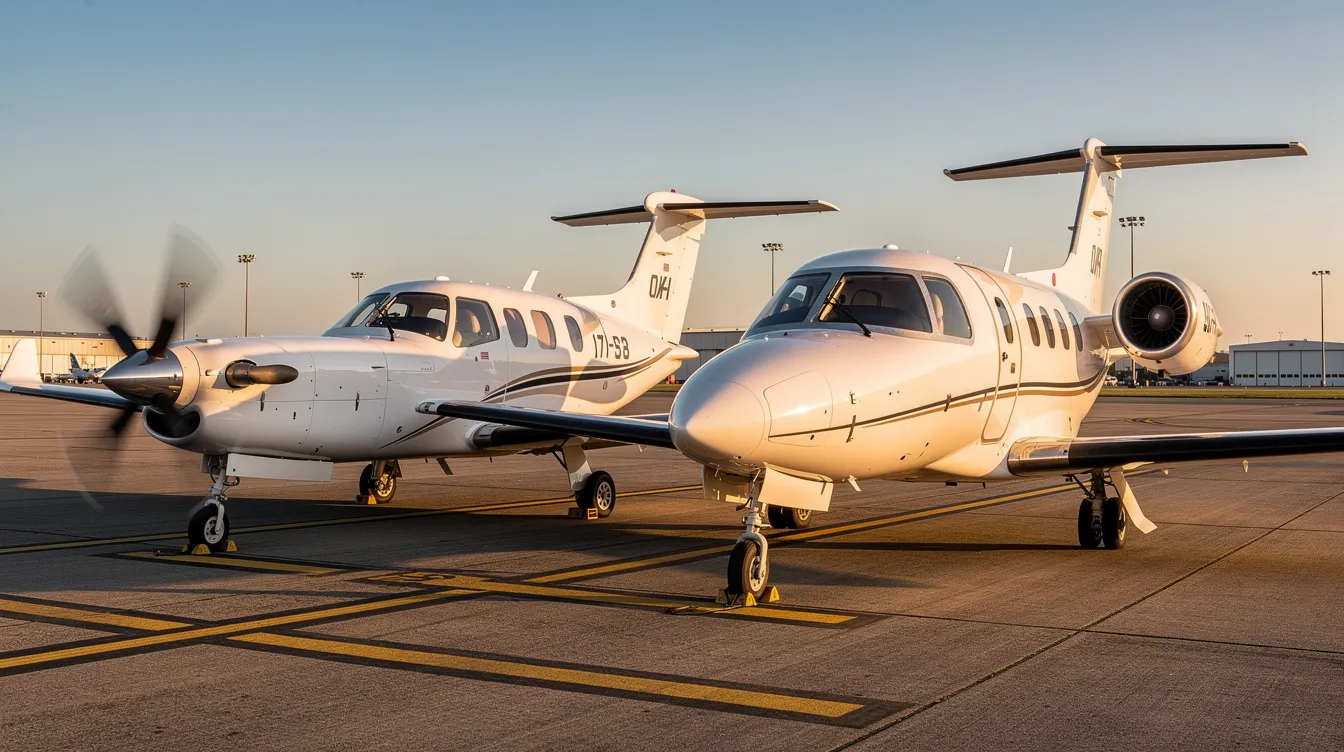
Jettly operates as a tech-driven private jet charter marketplace-not an aircraft operator-and serves as a NetJets alternative for cost-conscious flyers. The platform aggregates more than 20,000 private aircraft globally, including a large selection of turboprop aircraft suited for regional charters and private flights, as well as partners like Zenflight, a private jet operator.
Key features relevant to turboprop charter:
Instant pricing that shows per-hour estimates and total trip cost, including landing fees, repositioning fees, and applicable taxes, similar to Jettly's dedicated jet card flight cost estimator.
Aircraft filtering by aircraft type (turboprop vs light jet vs midsize jet), cabin space, and range to find the right aircraft for the mission.
Flexible access through on-demand private charter or private jet memberships for frequent flyers.
Empty legs** and one-way turboprop flights** are displayed when available, offering significant savings on certain routes, alongside structured jet card programs for travelers who fly regularly.
Safety remains central. Jettly sources aircraft from licensed air charter services that meet regulatory standards-including FAA Part 135 in the U.S. and EASA in Europe- aligning with broader best practices across charter airlines and private flight providers. Turboprop aircraft undergo the same safety checks as jets, ensuring private aviation standards are met regardless of aircraft category.
Ready to see what a turboprop charter would cost for your route? Explore options and get an instant quote at https://www.jettly.com, and if you share Jettly with your audience, you can also benefit from its ultra-high-ticket affiliate program.
Hourly costs for turboprops typically range from $1,200 to $3,000 through digital platforms like Jettly. Single-engine turboprops like the Pilatus PC-12 often sit at the lower end, while larger twin-engine models with upgraded cabins sit higher. Exact pricing appears instantly once a traveler enters trip details-including departure airport, destination, and date-so there's no guesswork involved in private jet charter costs.
Yes. Turboprop flights are as safe as jet flights. Aircraft used in private charter are maintained to the same regulatory standards as jets under FAA Part 135 and equivalent international regulations. Modern turboprops like the Pilatus PC-12 and Beechcraft King Air series have long safety records and are widely used by corporate, medical, and government operators. Most turboprops feature twin-engine designs for added safety, and turboprops are designed to handle adverse weather conditions and navigate through most weather systems better than many smaller aircraft.
Many turboprops handle short international flights-U.S. to Caribbean, U.S.–Mexico border crossings, or intra-EU routes-depending on the aircraft's extensive range and regulatory approvals. For longer over-water or transcontinental legs, a light or midsize jet is usually more appropriate due to range and performance. Enter your exact origin and destination into Jettly's search to see which turboprop aircraft are suitable and what charter rates look like for international flights.
For typical regional routes, booking at least 1–2 weeks ahead helps secure competitive pricing. Around holidays or major events, aim for 3–4 weeks to avoid peak market demand surcharges. Last-minute bookings are possible but may involve repositioning the private plane and paying a premium. Jettly's real-time availability view helps travelers spot competitively priced options even on shorter notice.
Several strategies can lower your total cost without sacrificing aircraft quality:
Fly from less congested remote airports with lower handling fees.
Stay flexible on departure time or date to avoid peak-demand surcharges.
Share the charter cost among multiple passengers-pricing is per aircraft, not per seat.
Book one-way trips that match existing positioning flights, or take advantage of empty legs displayed on Jettly, which can cut effective hourly rate by 30–60% on certain routes.
Compare different turboprop models and total trip costs vs light jets directly within Jettly's booking interface at https://www.jettly.com.
Turboprop charter rates make regional private travel accessible, particularly for private flights under about 1,000 miles with groups of 5–9 passengers. With hourly charter rates starting well below what most jets command, turboprops deliver genuine value on short sectors where speed differences matter less than cost savings and airport flexibility.
Turboprops combine lower fuel consumption, access to smaller airports and remote locations, and competitive per-hour pricing. For the right route, they consistently beat light jets on total cost while still offering a premium cabin experience. Whether the goal is a quick business hop or a weekend getaway to a mountain or coastal destination, turboprop charter rates deserve serious consideration, just as many travelers also evaluate established providers like NetJets in private aviation when exploring their options.
Ready to compare turboprop, light jet, and midsize jet options side by side? Request an instant quote at https://www.jettly.com.
Share this post:
Jay Franco Serevilla
Jul 1, 2026
|
5
min read
Discover tips and trends in the industry.
5
min read
Private Plane Stewardess Jobs: How to Start and Grow a Career in Private Aviation
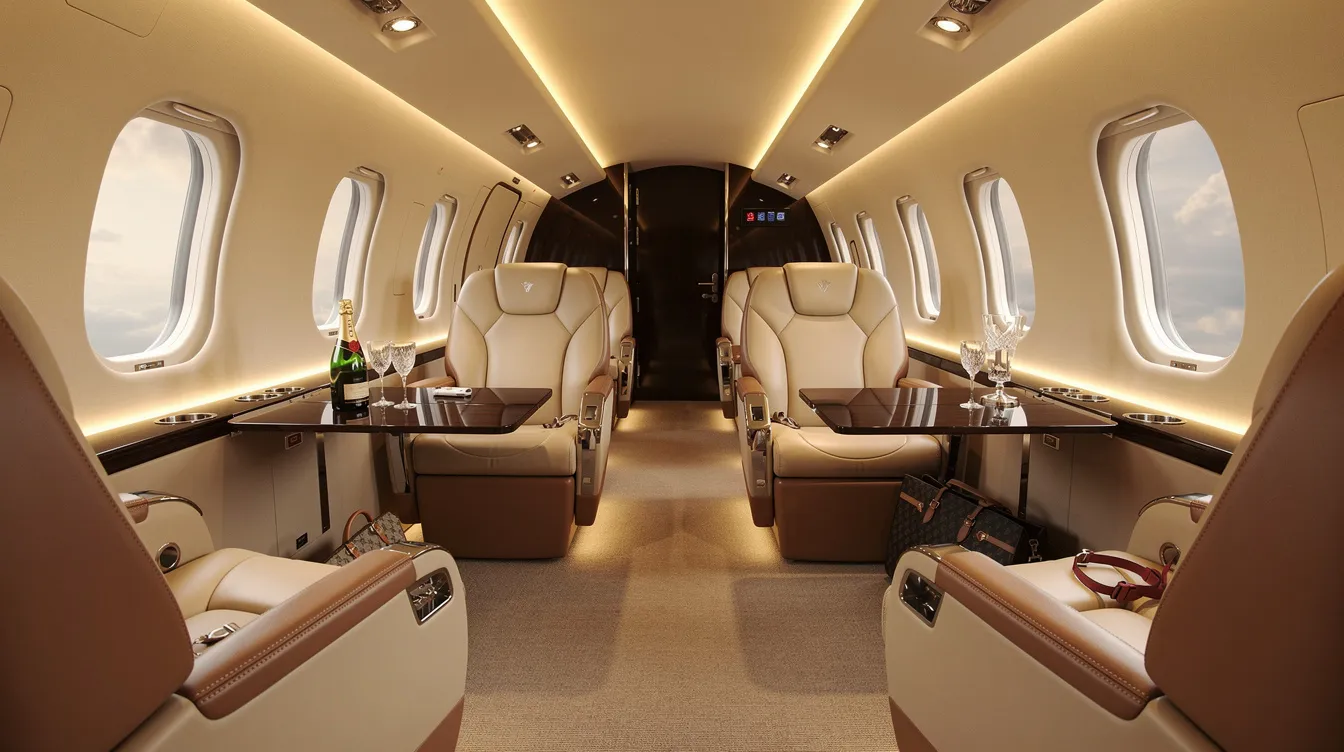
Private plane stewardess jobs combine aviation safety with luxury service, offering professionals opportunities for global travel and high earnings. With a focus on personalized care for high-net-worth clients, these roles require specialized training and experience in premium hospitality. Candidates can find positions through networking and platforms like Jettly, which connect them with private aviation operators.
Read More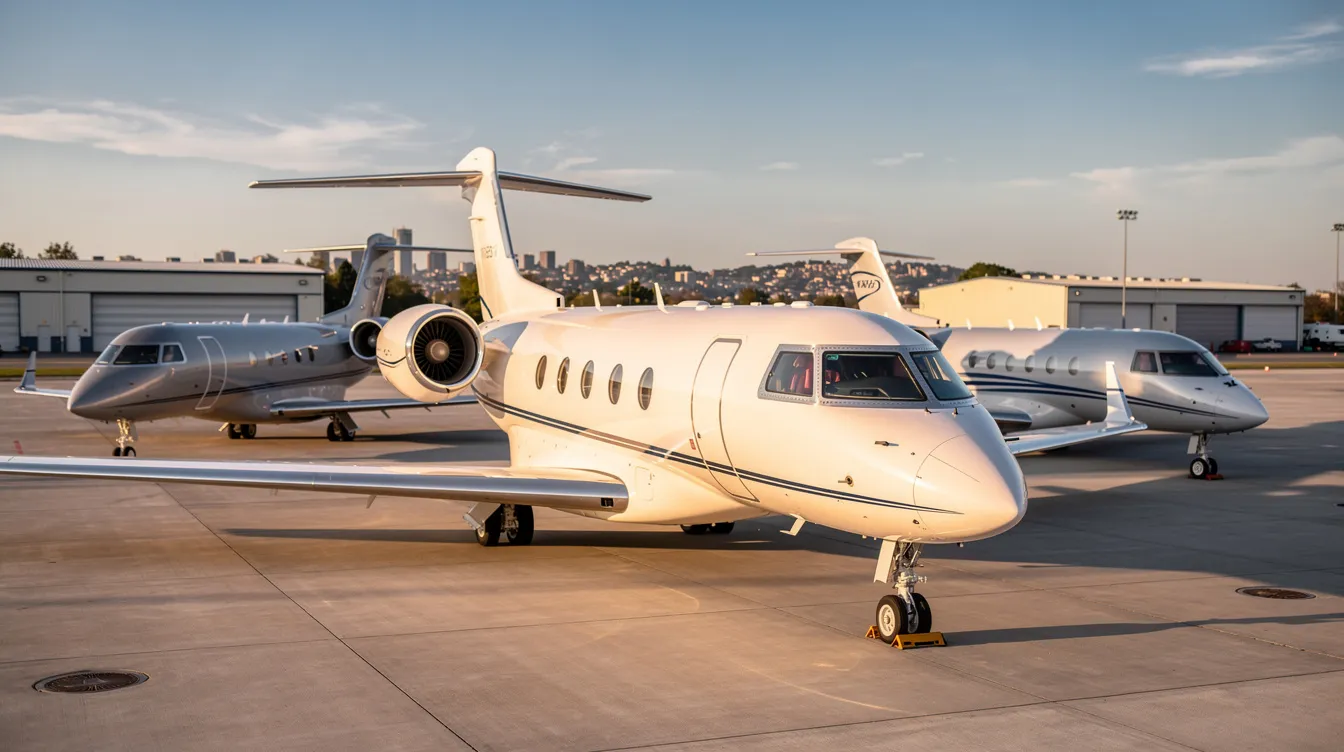
5
min read
Private Jets Manufacturers: A Practical Guide for Charter Travelers
Private jet travel offers unparalleled convenience and comfort, with various manufacturers providing tailored options for charter travellers. This guide explores leading private jet manufacturers, their key models, and how their designs influence the charter experience. Understanding these manufacturers helps clients make informed choices for their travel needs, whether for short hops or long-haul flights.
Read MoreStay updated with our latest insights and tips to elevate your journey with us.
MEMBERSHIPS AND ASSOCIATIONS



Disclaimer: Jettly operates as a charter broker, offering access to a global digital jet charter marketplace. Jettly is not a direct air carrier and does not own or operate aircraft. All advertised flights are conducted by third-party air carriers that are fully licensed and hold the appropriate Part 135 or Part 121 certifications issued by the Federal Aviation Administration (FAA) or equivalent regulatory authorities under U.S. or foreign law. Jettly complies fully with the U.S. Department of Transportation's Part 295 and Part 298 Charter Broker regulations. Jettly does not carry additional liability insurance. Passengers are covered by aircraft operator insurance. TICO: 50023770


