


Login
Get Instant Pricing On 23,000+ Aircraft

>
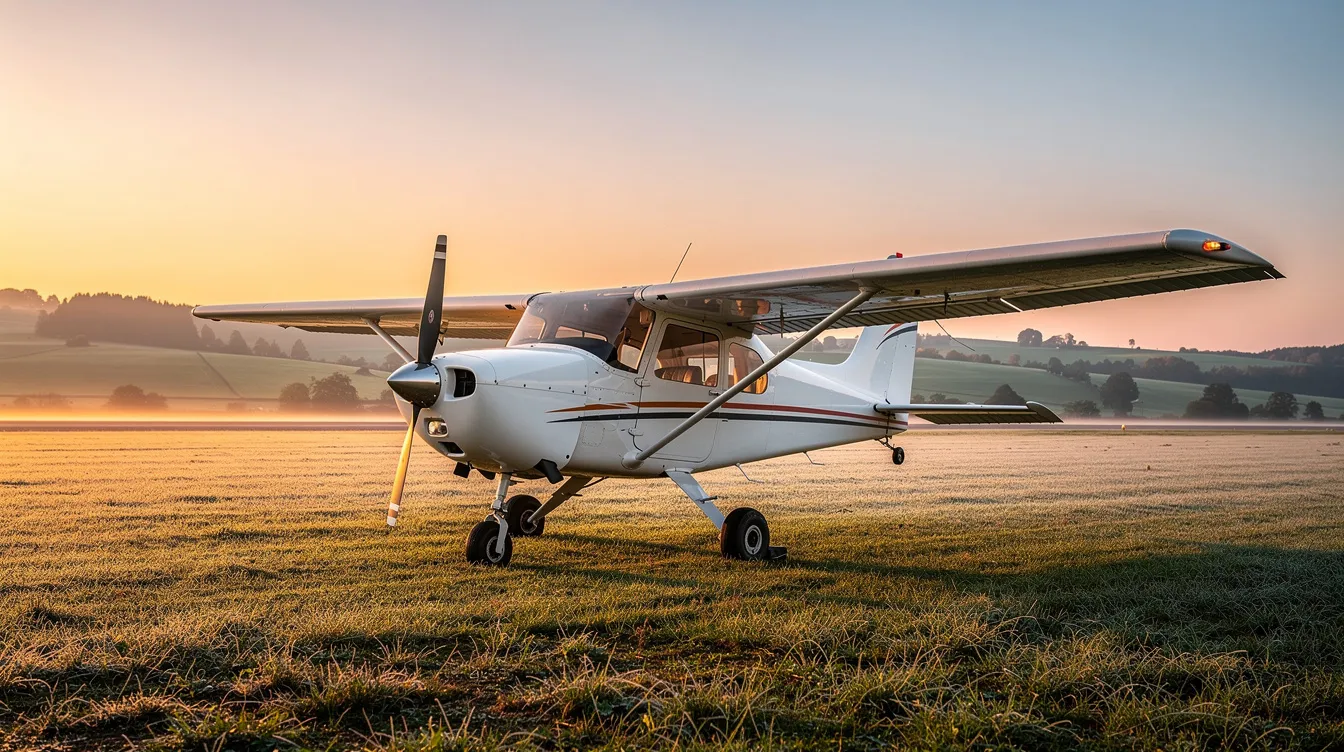
Shopping for a two-seat ultralight for sale in 2026 can be exciting—and confusing. In practice, most two-seat aircraft advertised this way are not true FAA Part 103 ultralights; they’re usually light sport or experimental aircraft, with asking prices ranging from about $12,000 for older used models to more than $150,000 for newer, better-equipped options.
If you’re a prospective buyer, recreational pilot, or first-time shopper trying to compare models and avoid buying the wrong aircraft category, this guide cuts through the noise with real specs, current pricing, and regulatory clarity. You’ll see how two-seat “ultralights” are actually classified, which popular models and typical performance figures to expect, how new and used aircraft compare, what to check in a pre-purchase inspection, what training and licensing may apply, where to find aircraft for sale, and when a practical alternative may make more sense for missions that go beyond what a two-seater can handle.
Most aircraft listed as a "two seat ultralight for sale" in 2026 actually fall into light sport aircraft or experimental aircraft categories, not true FAA Part 103 ultralights.
Ultralight aircraft prices range from $6,000 to $350,000 depending on category, condition, and equipment. Two-seat models generally range from $12,000 to $30,000 used and $25,000 to over $65,000 new, while factory-built aircraft in the LSA class can exceed $150,000.
Key buying factors include empty weight, fuel capacity, engine packages (typically Rotax), mission profile, and whether a sport pilot certificate or national permit is required.
Jettly does not sell ultralight aircraft but provides private jet charter as a practical alternative for longer trips and multi-passenger travel.
Most online listings tagged "two-seat ultralight for sale" are not true ultralights. They are light sport aircraft, experimental aircraft, or microlights marketed with familiar terminology to attract buyers. Understanding this distinction saves time and prevents regulatory headaches.
Here is what drives the confusion:
True FAA Part 103 ultralights must weigh under 254 pounds empty, carry no more than 5 gallons of fuel, and are limited to a single seat. A two-seat aircraft cannot be operated as a Part 103 ultralight according to U.S. regulations.
Two-seat ultralight aircraft fall under the Light-Sport Aircraft or Experimental categories, which include Experimental, Light-Sport, and Amateur-Built classifications.
Classifieds in 2025–2026 routinely label the Aeroprakt A-22, Savannah S, and similar models as "ultralight" even though they are technically LSA or microlights under European and Canadian rules.
Terminology shifts by region: North America uses "ultralight," the UK and EU prefer "microlight" or "ULM," and Canada splits the class into Basic and Advanced Ultra-Light Aeroplanes. Buyers everywhere still search using "two seat ultralight for sale."
Understanding which regulatory category an aircraft sits in determines the license, maintenance schedule, and paperwork a buyer needs. Getting this wrong can mean grounding the plane—or worse.
|
Category |
Weight Limit |
Seats |
License Required |
Usage Restrictions |
|---|---|---|---|---|
|
FAA Part 103 Ultralights |
Under 254 lbs empty |
Single seat |
None |
Daytime VFR only, no congested areas |
|
Light Sport Aircraft |
Up to 1,320 lbs (1,430 for seaplanes) |
Two seats |
Sport Pilot Certificate |
Training, commercial allowed |
|
Experimental/Amateur-Built |
Varies (kit-built) |
Two seats |
Sport Pilot Certificate |
Condition inspections, no commercial |
|
Canadian Advanced Ultra-Light Aeroplanes |
Up to 1,320 lbs approx |
Two seats |
National permit |
Passenger endorsement required |
|
European Microlights |
450–600 kg max takeoff |
Two seats |
National microlight license |
Varies by country |
FAA Part 103 (true ultralights):
Ultralights must weigh under 254 pounds empty
Ultralights cannot exceed a top speed of 63 mph
No pilot license is required for ultralight aircraft, and no registration is needed
Ultralights are limited to daytime VFR operations only
Flight is prohibited over congested areas for ultralights
Ultralights must operate in Class G airspace without ATC clearance
Ultralights are limited to recreational use only
Light sport aircraft (LSA):
Maximum two seats, with gross weight up to 1,320 pounds (1,430 pounds for seaplanes)
Light sport aircraft require a sport pilot certificate to fly
Light sport aircraft can be used for training and commercial purposes
Must meet stall speed and maximum speed thresholds
Experimental / Amateur-Built:
Covers kit-built two-seater designs where the builder assembles at least 51% of the aircraft
Different inspection and maintenance rules apply; typically condition inspections rather than annual certifications
Canada and Europe:
Canadian Advanced Ultra-Light Aeroplanes (AULA) allow two seats with a passenger-carrying endorsement on the pilot's permit. European microlight rules vary by country but generally allow two-seat training aircraft under defined maximum take-off weights of 450–600 kg.
Certification is required for two-seat training or tandem ultralights as they are not classified as ultralights under FAA regulations. Non-compliance with ultralight regulations can lead to legal issues for aircraft operators, so operators of two-seat aircraft must ensure they comply with regulations distinct from ultralights.
Two-seat ultralight-style aircraft balance performance, safety, and simplicity. Here is what buyers typically encounter in 2026 listings:
Empty weight for many two-seater LSAs and microlights falls between 600 and 900 lb. Weight matters because it affects handling, useful payload, and regulatory category. For reference, the Maverick ultralight has an empty weight of 395 lb, placing it at the lighter end. The Elektra Two Solar OPS, a newer electric design, has a max take-off weight of 600 kg.
Fuel capacity ranges from 15 to 30 gallons for cross-country capable light sport aircraft. A Savannah S with approximately 20 gallons at 75% power gives roughly 4–5 hours of endurance.
Engine packages typically center on the Rotax 912 ULS (100 hp) or fuel-injected 912 iS, burning around 4.9 US gallons per hour at cruise. Some older designs still use the Rotax 582 two-stroke.
Standard equipment on 2024–2026 models commonly includes aluminum wheels, hydraulic brakes, folding wings for hangar storage, glass cockpit avionics (Garmin G3X or Dynon), and ballistic recovery parachute systems. Features like elevator trim, warp drive prop options, and wheel pants for improved aerodynamics are frequently available.
Control surfaces such as flaperons, along with vortex generators on the leading edge, help maintain safe low-speed handling.
This spotlight covers specific aircraft buyers will frequently see listed for sale in 2026.
Pipistrel Virus SW - A high-performance composite design with cruise speeds above 130 knots. The Virus SW can fly at altitudes of 15,000 ft, making it one of the most capable LSAs for cross-country recreational flying.
Flight Design CTLS / CTLSi - German-designed carbon-fiber two-seater known for cabin comfort, a solid instrument panel, and strong resale value. Used examples on PlaneFox range from $42,000 to $159,500.
Savannah S (ICP) - All-metal high-wing STOL aircraft available in kit form or ready to fly. Cruise speed around 100 knots; takeoff in under 180 feet. A favorite for backcountry pilots and a great opportunity for builders wanting hands-on assembly.
Tecnam P92 - Italian-built, meticulously maintained examples are common in flight schools worldwide. Solid handling and straightforward maintenance. The C42B is also commonly used in flight schools, known for forgiving handling and durability.
BRM Aero Bristell - A sleek low-wing LSA with retractable gear options. Known for speed and clean aerodynamics.
Quicksilver Sport 2S - The Quicksilver Sport 2S is popular among ultralight-style aircraft for its simplicity, affordability, and open-cockpit appeal. These are among the most popular introductory two-seaters for recreational flying pilots.
Carbon Cub FX / EX - Often labeled as a backcountry "ultralight-style" aircraft, most Carbon Cub models are actually high-performance experimental or LSA designs with premium pricing well above $200,000. The airframe is built for short-field work with oversized landing gear and bush tires.
For comparison outside the ultralight category, the Mustang II can travel 1000 miles at over 210 mph, illustrating the performance gap between general aviation aircraft and lighter two-seaters, the kind of distance where travelers in regions like India might instead book private jet charter in Kolkata.
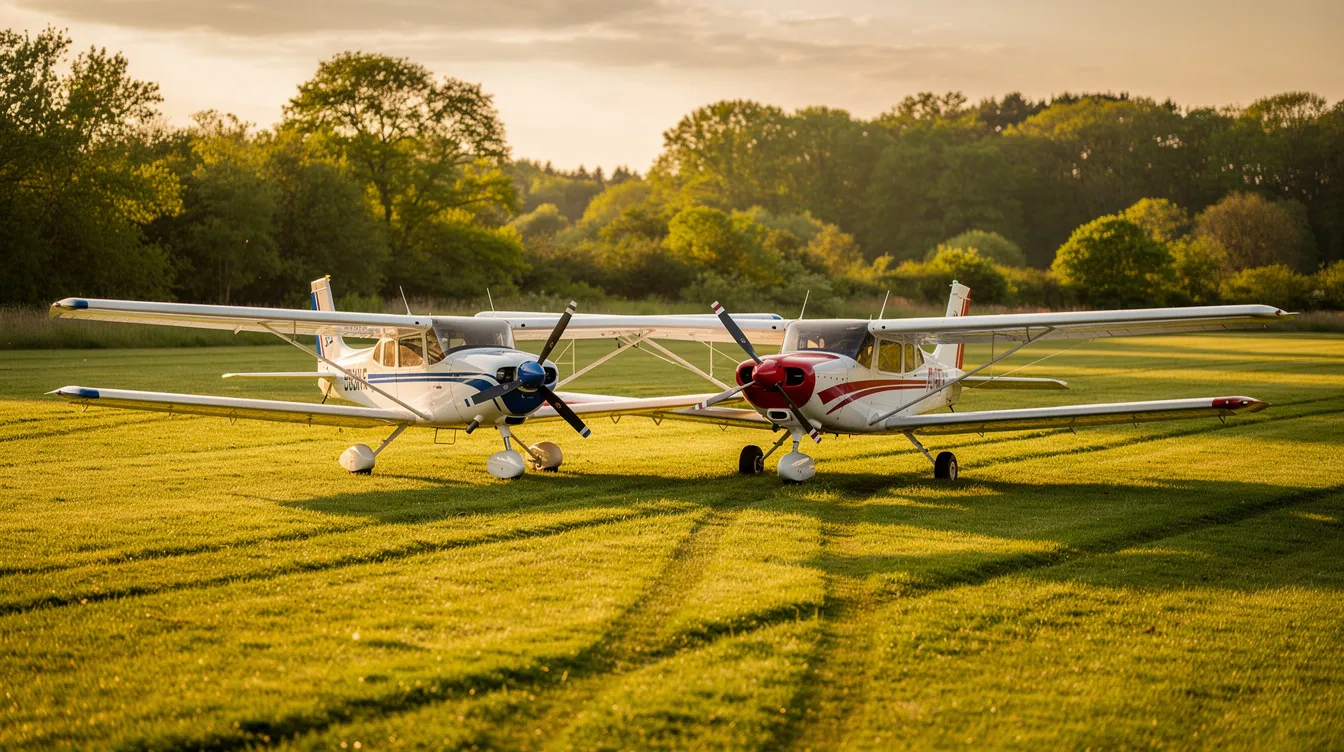
Prices vary widely based on whether the aircraft is a kit or factory-built, its age, avionics package, and engine condition.
|
Price Range |
Description |
|---|---|
|
$6,000 - $20,000 |
Basic used ultralights, often older single or minimal two-seat frames with limited avionics |
|
$20,000 - $40,000 |
New ultralight kits, excluding engine and avionics, requiring 200–400 hours build time |
|
$60,000 - $120,000 |
Mid-range used LSAs, well-equipped, e.g., Aeroprakt A-22 |
|
$143,900+ |
New factory-built LSAs with glass avionics, e.g., Flight Design CTLS |
|
$150,000+ |
Factory-built LSAs often exceed this price point |
|
$350,000+ |
Advanced ultralight models with premium features, e.g., Carbon Cub FX-3 |
Ongoing ownership costs include hangar fees ($100–$500/month depending on location), insurance ($1,500–$4,000/year), annual inspections, and Rotax engine overhauls ($18,000–$25,000 when due), which many buyers informally compare against jet card flight cost estimates for occasional charter use.
Buyers will see both new kits and used ready-to-fly aircraft when searching for a two-seat ultralight for sale. Each path has trade-offs.
Advantages of buying new:
Modern avionics, full manufacturer warranty, and known build quality
Factory support for airframe and engine issues
Transition training often included with purchase
Advantages of buying used:
Lower purchase price - sometimes 40–60% less than new
Immediate availability; no waiting for delivery or assembly
Purchasing used E-LSA or Experimental Amateur-Built aircraft can save time compared to building new, avoiding hundreds of hours in kit assembly
Risks of used aircraft:
Incomplete logbooks and uncertain build quality for homebuilt experimental aircraft
Possible corrosion, fabric degradation, or UV damage on composite surfaces
Out-of-date safety equipment or avionics that need replacement
A front limiter tube, limiter tube connections, and fairing attachments should all be examined closely, especially if the aircraft has lived in harsh climates or busy regions where buyers might also consider private jet charter in New Delhi for business travel.
Independent pre-buy inspections and test flights with a qualified instructor are strongly recommended for any used purchase.
Safety and paperwork matter as much as price. Pre-buy inspections can uncover issues in 30% of used sales, making this step essential.
Airframe:
Check for corrosion near landing gear attach points, wing roots, and control linkages
Inspect fabric or composite surfaces for UV damage, repairs, or delamination
Examine the wing structure, testing for play in hinges and fittings
Engine:
Verify total time since new or overhaul - look for low total time engines or recent overhauls
Confirm compliance with all Rotax service bulletins
Visual inspection of hoses, exhaust system, and fuel lines
Avionics and electrical:
Confirm radio, transponder, and ADS-B operation where required
Check wiring condition, switches, and alternator output
Documentation:
Airworthiness certificate or national permit to fly under the correct category
Build documentation for experimental aircraft (builder logs, photos)
Current weight and balance data, maintenance records, and any modification approvals
If the plane flies great on paper but the logbooks have gaps, walk away or negotiate hard.
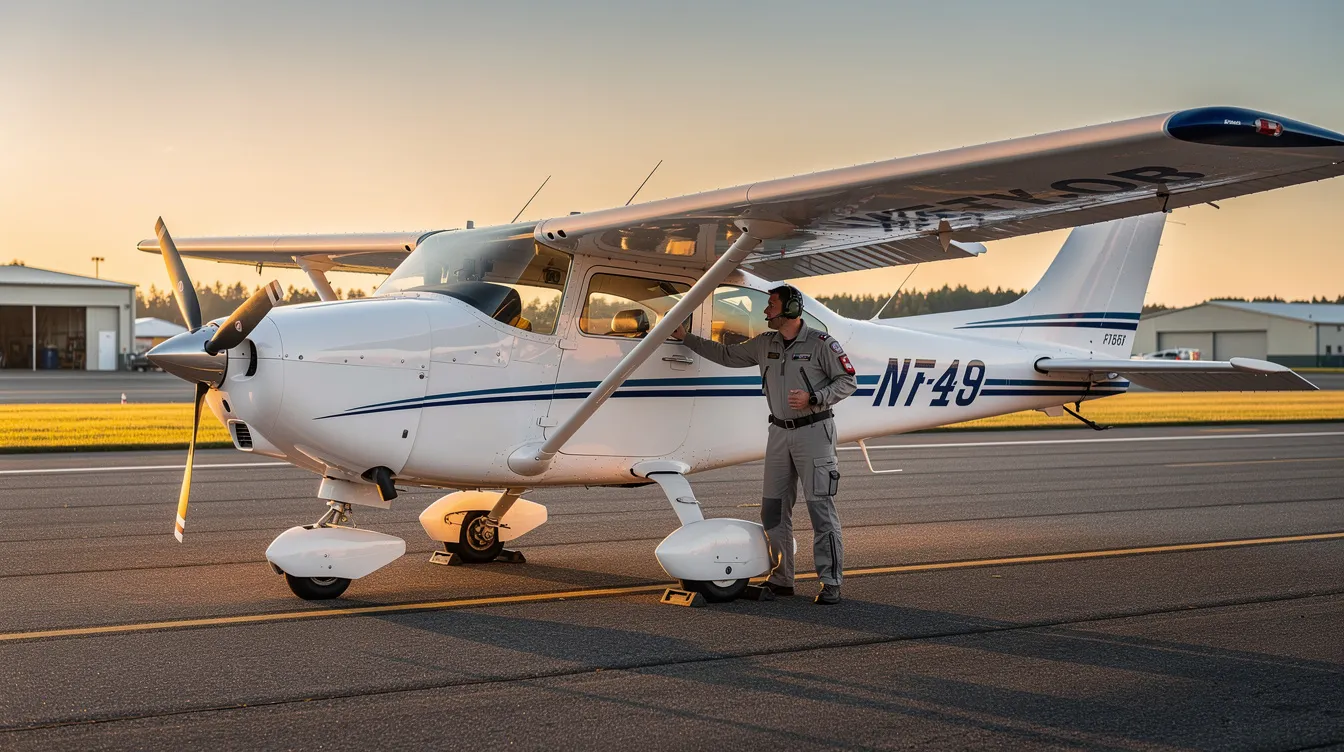
Even if a listing says "no license required," that claim almost certainly applies only to true single-seat Part 103 ultralights. Two-seat ultralights require a sport pilot certificate to fly legally in the United States.
Training path: A sport pilot certificate typically requires 20–30 hours of dual instruction plus solo and cross-country time. Budget: $5,000–$10,000 depending on region and aircraft rental rates. Many pilots start by taking lessons at local flight schools that operate LSA trainers, then later supplement their flying with charter operators like Dexter Air Taxi via Jettly.
Where they can fly: Daytime VFR, non-congested areas, and specific airspace depending on country and equipment. IFR flight is generally not permitted unless specifically certified.
Insurance and clubs: Many airfields require insurance and club membership, especially in Europe and Canada. These annual costs should be factored into total ownership budgets, just as travelers weigh the fees and benefits of working with brokers such as Zenflight on Jettly's platform.
Recurrent training: Safety refresher courses are worth every hour, whether a pilot is a time builder logging cross-country flights or a recreational flyer doing weekend hops.
Beyond generic marketplaces, several specialist sources consistently surface the best inventory.
Aviation classifieds: Specialized online marketplaces exist for buying ultralight and light-sport aircraft. Aviation classifieds can be found on platforms like Barnstormers and GlobalAir, as well as AeroGurus and Trade-A-Plane, much like how Jettly appears in comprehensive lists of charter airlines and platforms on the private aviation side.
Associations and type clubs: National ultralight associations, microlight clubs, and model-specific forums (Flight Design owners, Savannah builders, glider and ultralight groups) often have private sale listings and word-of-mouth deals, similar to how aviation content creators can monetize their audiences through Jettly's ULTRA high-ticket affiliate program.
Social communities also facilitate peer-to-peer sales of ultralight aircraft through Facebook groups, Reddit aviation forums, and dedicated Discord servers, similar in spirit to Jettly's platform for crowdsourcing private jet flights and sharing empty seats.
Cross-border purchases: Importing a two-seater ULM from Europe to North America can unlock better pricing, but buyers need to account for customs duties, tax, shipping, and regulatory conversion. The aircraft must be located and inspected before committing, and some owners later compare these costs with the cheapest private aircraft options across categories.
Manufacturer and dealer networks: Contact a manufacturer dealer directly for new factory-built aircraft or certified pre-owned inventory. Many provide complete turnkey packages including ground handling and testing.
While Jettly does not broker ultralight aircraft sales, its charter marketplace and airport locator tool for private jet travelers complement ownership by covering trips beyond an ultralight's range or passenger capacity.
Jettly is a digital private jet charter platform, not an ultralight dealer. But its services are directly relevant to anyone considering a two-seat ultralight purchase - because no single aircraft does everything.
A two-seat ultralight is ideal for local recreational flying, flight training, and short hops in good weather.
It is impractical for multi-passenger business trips, poor-weather travel, or long cross-country routes beyond 500 miles, scenarios where buyers might instead review top affordable private aircraft options or charter solutions.
Where an ultralight stops, charter picks up:
Jettly's marketplace provides on-demand access to turboprops, light jets, and larger aircraft - letting ultralight owners handle short local flights themselves and use charter for longer or time-critical missions, supported by a private jet charter cost estimator to plan longer trips.
Transparent instant pricing and access to a global inventory of over 20,000 aircraft mean no guesswork, especially when paired with flexible private jet memberships. Many departure airports overlap with the smaller fields ultralight pilots already use.
Learn more about how Jettly works, review affordable private jet charter pricing, and explore charter options at jettly.com.
Responsible operation matters whether someone flies a two-seat ultralight or charters a jet.
Many two-seat ultralight and light sport aircraft burn 3–6 gallons of fuel per hour, often less than larger general aviation aircraft. Still, efficient flight planning and proper engine leaning reduce both cost and emissions, just as smart routing and aircraft selection help lower the cost of affordable private jet flights.
Regular inspections, adherence to manufacturer and engine maintenance schedules, and participation in local flying clubs or safety programs keep risk low.
Noise-sensitive routing near populated areas and consideration of carbon offset programs are increasingly common among conscientious pilots, and even private jet travelers can make lower-impact choices through mindful routing and services such as specialized in-flight catering for private jets.
Private jet charter providers like Jettly also prioritize efficiency and optimized routing, letting travelers think coherently about sustainability across both personal flying and charter travel.
Below are answers to common questions not fully addressed in the sections above.
Yes, in most cases. Two-seat ultralights require a sport pilot certificate to fly legally in the U.S. because they exceed single-seat Part 103 limits. Only true single-seat Part 103 ultralights - weighing under 254 pounds - can be flown without a license or registration. In Canada and Europe, equivalent permits or microlight licenses are required. Buyers should always verify local rules before purchasing.
Many modern two-seat LSAs and microlights are specifically designed for training, and the C42B and Tecnam P92 are widely used by flight schools for exactly this purpose. However, using a homebuilt experimental aircraft for rental or formal instruction may be restricted by national regulations and insurance requirements. Prospective buyers should ask local authorities or schools about approved types before committing to a purchase for commercial use.
A realistic range is 300–600 miles depending on fuel capacity, cruise speed, and required fuel reserves. A Savannah S with 20 gallons cruising at 100 knots covers roughly 400–500 nautical miles. For comparison, a chartered turboprop or light jet can cover 1,000–2,000 miles nonstop, making charter a better fit for longer distances.
Carbon Cub variants are usually classified as experimental or light sport aircraft rather than strict ultralights due to their weight and performance. Buyers will often see them marketed as "ultralight-style" bush planes, but they carry two-seater backcountry capability and significantly higher purchase and operating costs than simpler ultralight aircraft. Perfect-condition examples with low total time regularly sell above $250,000.
Joining a local ultralight or microlight club is the most accessible option. Many clubs operate well-equipped aircraft, and taking lessons in club-owned planes provides hands-on experience without ownership costs. For longer trips, business travel, or family journeys where a two-seat ultralight is simply not practical, Jettly's private jet charter platform offers flexible on-demand access to thousands of aircraft worldwide.
Ready to explore private travel on your terms? Request a quote at jettly.com.
Choosing the right two-seat ultralight aircraft involves balancing regulatory compliance, mission needs, budget, and training commitments. True FAA Part 103 ultralights are limited to single seats and minimal weight, so most two-seat aircraft fall under light sport or experimental categories requiring a sport pilot certificate. Prices vary widely from affordable used kits to advanced factory-built models exceeding $150,000. Buyers should prioritize thorough pre-purchase inspections, understand licensing requirements, and consider ongoing costs.
For those seeking greater flexibility, longer range, or multi-passenger travel, combining ultralight ownership with on-demand private jet charter through platforms like Jettly offers a practical solution. This approach lets pilots enjoy local recreational flying while relying on private jets for business trips or family vacations, maximizing convenience and efficiency.
Explore Jettly’s charter options or request a quote to experience private travel tailored to your needs at https://www.jettly.com.
Share this post:
Jay Franco Serevilla
Aug 26, 2026
|
5
min read
Discover tips and trends in the industry.
5
min read
Semi Private Flights Oakland: How to Fly Smarter via Oakland International Airport
Semi-private flights from Oakland International Airport provide a convenient and cost-effective alternative to traditional commercial air travel. With access to private terminals and reduced wait times, travelers can enjoy a more comfortable flying experience to popular destinations like Los Angeles and Las Vegas. Platforms like Jettly simplify the booking process, allowing for quick comparisons of flight options and pricing.
Read More
5
min read
Private Jet San Jose to Las Vegas: Charter Costs, Flight Time & Best Options
Chartering a private jet from San Jose to Las Vegas is a popular choice for both business and leisure travelers, offering significant time savings and flexibility. With flight times around 1 to 1.25 hours and costs starting at approximately $5,000, this route connects Silicon Valley with the entertainment capital efficiently. Jettly provides instant pricing and a wide range of aircraft options, making the booking process seamless.
Read MoreStay updated with our latest insights and tips to elevate your journey with us.
MEMBERSHIPS AND ASSOCIATIONS



Disclaimer: Jettly operates as a charter broker, offering access to a global digital jet charter marketplace. Jettly is not a direct air carrier and does not own or operate aircraft. All advertised flights are conducted by third-party air carriers that are fully licensed and hold the appropriate Part 135 or Part 121 certifications issued by the Federal Aviation Administration (FAA) or equivalent regulatory authorities under U.S. or foreign law. Jettly complies fully with the U.S. Department of Transportation's Part 295 and Part 298 Charter Broker regulations. Jettly does not carry additional liability insurance. Passengers are covered by aircraft operator insurance. TICO: 50023770


