


Login
Get Instant Pricing On 23,000+ Aircraft

>
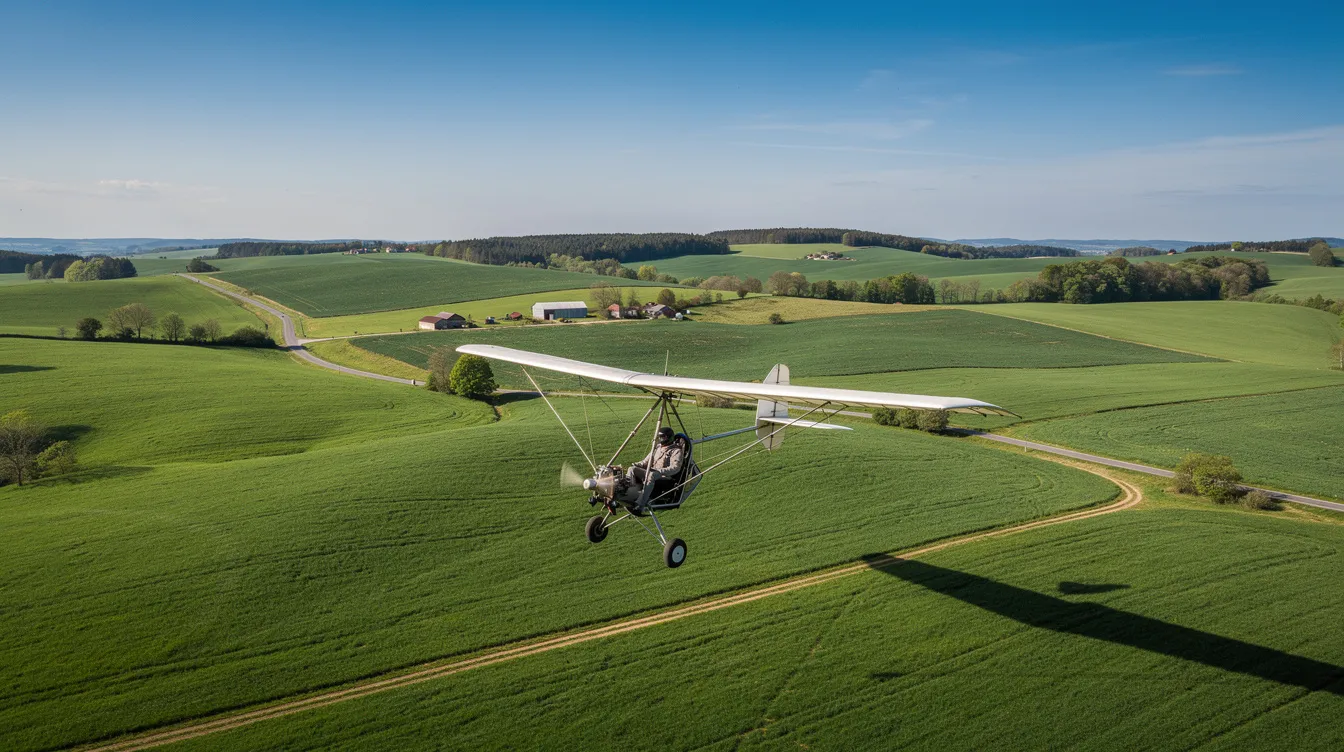
An ultralight airplane is a very light, simple aircraft designed for sport and recreation. For many aviation enthusiasts, it represents the most accessible and affordable entry point into the sky. This guide covers everything from regulations and aircraft types to training, costs, and how ultralight flying compares to private jet charter.
Ultralight flying is one of the fastest ways to experience aviation. Under FAA Part 103 in the U.S., a single-seat ultralight can be flown without a pilot license or medical certificate, provided the aircraft meets strict limits on weight, speed, and fuel capacity.
Ultralight aviation sits at the heart of grassroots aviation, offering low-cost, open-air flight. Ultralight flying is often considered remarkably affordable compared to general aviation or private jet ownership.
Common use cases include weekend flying, local sightseeing, aerial photography, and training pathways. Some ultralight pilots later transition to light sport aircraft or charter solutions for more range and passenger capacity.
Private jet charter platforms like Jettly focus on a different mission: business travel, longer-range trips, and multi-passenger flights where speed, comfort, and efficiency matter most, with many ways for travelers to get a seat on a private jet easily.
An ultralight aircraft is a very light recreational aircraft regulated separately from standard general aviation in many countries. In the U.S., ultralight aviation falls under FAA Part 103, which defines strict performance and weight limits for these vehicles.
Under Part 103, ultralight aircraft must weigh less than 254 pounds empty weight for powered models. Fuel capacity is limited to a maximum of 5 gallons (about 19 liters). The maximum speed for ultralights is 55 knots at full power during level flight, and the stall speed must not exceed 24 knots. Single-place ultralights must weigh less than 254 pounds to qualify under these rules.
Outside the U.S., the term covers a wider range of aircraft. In the UK, microlights can have a maximum takeoff weight up to 600 kg for landplanes, while in Canada, basic ultra-light aeroplanes allow up to 544 kg. These international models often permit two seats and enclosed cockpits.
Ultralights include powered-parachutes, trikes, and fixed wings. What unites them is a spirit of simplicity and fun. Ultralight flying emphasizes open-air experiences and low cost rather than speed or long-range travel, which is where private jet charter platforms like Jettly are more relevant.
Regulations are what make ultralight aviation distinct. Ultralight airplanes are governed by FAA Regulations for Ultralight Vehicles (FAR Part 103) in the United States. Under these rules, ultralight pilots do not need a license or medical certificate to fly.
Key restrictions under Part 103 include:
Ultralight airplanes can only carry one occupant
Ultralights are restricted to recreational or sport flying
Ultralight operations are permitted only during daylight hours unless equipped for twilight flying
Ultralights must maintain clear visual reference to the surface during flight
Ultralight pilots must yield the right-of-way to all other conventional aircraft
No flying over congested areas or into controlled airspace without prior permission
Once an aircraft exceeds Part 103 limits, the rules change significantly. Two-place ultralights can have a maximum gross weight of 1,320 pounds under the LSA category, but these aircraft must be registered, carry airworthiness certification, and be flown by at least a sport pilot with proper credentials.
Internationally, regulations vary. In Canada, ultra-light pilots need a permit for passenger-carrying aircraft. In the UK, a microlight class rating under the National Private Pilot Licence is required. These differences matter for anyone considering flying abroad, especially if you plan to transition from ultralights to private charter aircraft for international trips.
Commercial operations like air taxi or charter are never conducted under Part 103. Certified aircraft and licensed operators handle those flights, as seen on modern charter airlines and private aviation platforms.
Ultralight aircraft come in many configurations, each offering a distinct flying experience, cost profile, and learning curve. Ultralight aircraft can take off and land from short, unpaved surfaces, making them ideal for grass strips and rural airfields.
Fixed-wing ultralights are the classic models. The Kolb Firestar has been in production since 1985, and the CGS Hawk Arrow II was first produced in 1982. Both offer open-cockpit flight at cruise speeds between 45 and 60 knots, with responsive control and straightforward handling. These types of planes appeal to pilots who want a traditional stick-and-rudder experience.
Trikes (weight-shift aircraft) use a delta wing and tricycle carriage. They are capable of cruising at 35 to 60 knots, feature simple two-axis control, and are popular for scenic sightseeing. Many models can be fitted with floats for water operations.
Powered parachutes and powered paragliders fly at the lowest speeds, with gentle flight characteristics that make them accessible to beginners. They excel for sunrise and sunset scenic flights at low altitude.
Gyroplanes and ultralight rotorcraft offer short-field performance and better wind tolerance. These are more complex and costly but capable of handling conditions that challenge lighter airframe designs. For more on this category, see the Gyroplane Guide.
Amphibious ultralights equipped with floats allow lake and river operations, making them popular across regions like Florida, Minnesota, and parts of Canada.

While ultralight flying does not require a pilot's license in the U.S., quality training is essential for safe ultralight operation to understand emergencies and build proper habits. Safety in ultralight flying is self-regulated due to minimal government oversight, which puts the responsibility squarely on the pilot.
Training paths typically include introductory flights at local flying clubs, mentorship through organizations like the Experimental Aircraft Association (EAA), and structured ground school. Many pilots later transition to sport or private pilot training. Videos from experienced ultralight pilots can also supplement hands-on instruction.
Entry-level costs in the mid-2020s:
Used single-seat ultralight: roughly $8,000–$20,000
New kit: approximately $12,000–$35,000
Training: a few hundred to several thousand dollars
Ultralights are generally cheaper to buy and maintain than traditional airplanes. Fuel burns as low as 5 liters per hour, keeping operating costs at a minimum.
Core safety practices include:
Thorough preflight inspections of the airframe, engine, cables, and control linkages
Respecting weather minima - ultralights are sensitive to weather conditions like turbulence and wind
Wearing helmets and proper restraints
Flying with conservative margins for performance and landing clearance
Flying ultralight airplanes relies heavily on the pilot's discipline and training. One study documented 101 accidents and 20 fatalities over a 3.5-year period in the U.S. ultralight sector, underscoring the importance of preparation.
Insurance options exist but vary by region. Owners should check local regulations and aeroclub policies for liability coverage. Ultralight ownership is a personal hobby centered on a home base, whereas platforms like Jettly or other affordable airplane rental options are optimized for time-sensitive travel between cities.
Many ultralight aircraft are sold either as a kit for homebuilders or as factory-built, ready-to-fly machines. Each approach appeals to different types of ultralight pilots.
Kit-built ultralights require 200 to 700 hours of assembly, depending on complexity. Skills needed include basic mechanical ability, some welding knowledge, and access to a workspace with standard tools. Models like the Mini-Max family offer base kit prices around $10,900–$12,500. The satisfaction of building your own aircraft is a major draw, and factory support from manufacturers often includes manuals, builder hotlines, and online forums.
Ready-to-fly ultralights are delivered test-flown and configured to the buyer's needs. Ready-to-fly Mini-Max models, for instance, run approximately $22,000–$27,000. Under Part 103, many of these aircraft are technically "vehicles" rather than certified aircraft, so no airworthiness certificate is issued. In other countries, heavier or two-seat designs may be delivered as fully registered microlights.
Consider two scenarios: a hobbyist choosing a kit as a multi-year project in February and finishing by July, gaining deep knowledge of every component. Contrast that with a busy professional who purchases a ready-to-fly ultralight in August to maximize weekend flight time immediately. Both paths are valid - the choice depends on whether you want a builder's journey or instant air time.
For those who want no ownership responsibilities but still need private air travel, on-demand charter through digital platforms or jet card programs for frequent flyers eliminates the wait entirely. Subscription-style private jet memberships with Jettly further streamline access. Explore how Jettly works to see the difference.
Grassroots aviation is community-driven flying centered on affordability, experimentation, and peer mentorship. Ultralight aviation is a core component of this world, and the adventure of discovering flight alongside like-minded enthusiasts is part of what makes it exciting.
Local ultralight clubs and chapters of organizations like the EAA play a critical role. They pair mentors with new pilots, host builder workshops, organize group flights, and create a safety culture that compensates for limited regulatory oversight. Many clubs hold fly-ins at small grass strips where aircraft meets bring together dozens of homebuilt and factory-built ultralights for inspection, conversation, and fun.
Annual gatherings like AirVenture Oshkosh feature dedicated ultralight areas where pilots showcase their builds, watch demonstrations, and comment on new designs entering the market. These events are a point of connection for a person at any stage of their flying journey.
Grassroots aviation often overlaps with experimental and LSA communities, creating a pathway for pilots to move into more capable machines or even professional aviation careers. The freedom of this style of flying stands in contrast to business aviation networks, where private jet charter and corporate flight departments focus on logistics, reliability, and time savings rather than the social and hobby aspects, often using per-seat private jet booking options to make flights more efficient.
If you are ready to discover ultralight flying, search for local chapters, flying clubs, or national associations in your area, and when you need to travel farther afield, you can use an airport locator tool for private charter to see which fields are accessible by business aircraft.
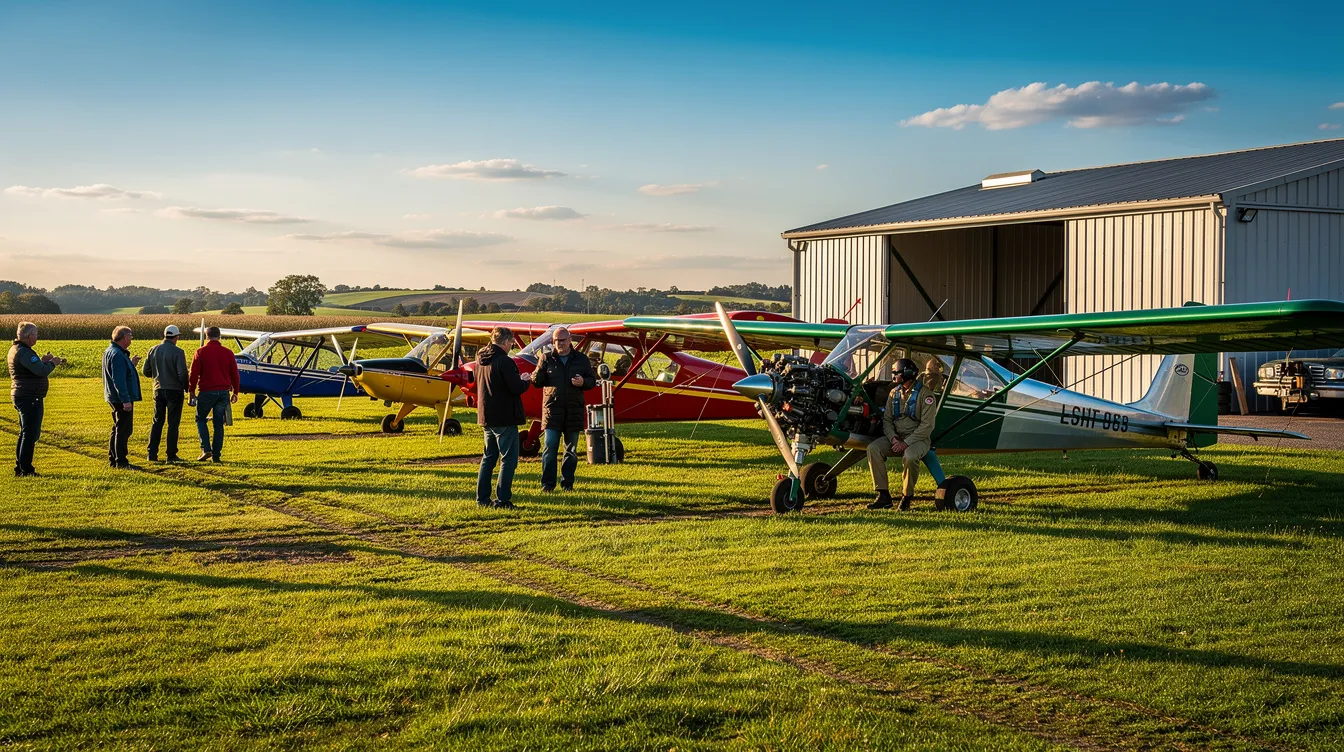
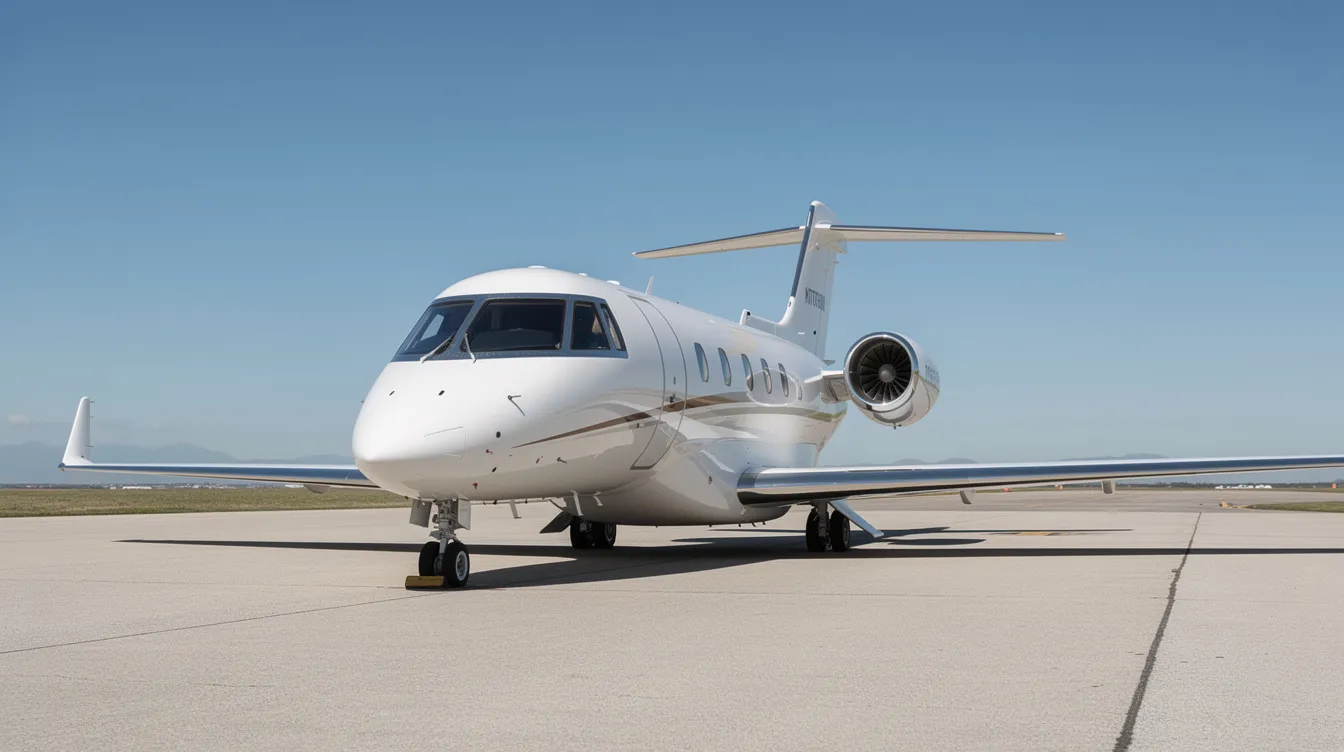
Ultralight aircraft and private jets serve completely different purposes, and only the latter typically offer premium amenities such as in-flight catering for private jets. Ultralight airplanes are not intended for all-weather travel or transportation. They are built for personal recreation and local sightseeing in uncontrolled airspace around a home airstrip.
Here is how they compare:
|
Factor |
Ultralight Aircraft |
Private Jet Charter |
|---|---|---|
|
Cruise speed |
30–60 knots |
350–500+ knots |
|
Passenger capacity |
Single occupant |
4–19+ passengers |
|
Range |
80–150 miles typical |
1,000–7,000+ miles |
|
Operations |
Grass strips, rural areas |
Regional and major airports worldwide |
|
Use case |
Weekend fun, sightseeing |
Board meetings, family vacations, medical travel |
Ultralight pilots typically operate from small local airstrips close to home. Private jets connect city pairs like New York–Miami, Toronto–Vancouver, or Los Angeles–Las Vegas, often using efficient narrow-body aircraft such as the Boeing 737-800 for group charters. The performance gap is enormous, but both deliver something valuable: the freedom of flight on your own terms.
Digital charter marketplaces like Jettly have made private flying more accessible for travelers who do not want to own or maintain an aircraft, positioning themselves as a flexible NetJets alternative for private flying. The platform offers instant pricing through its private jet charter cost estimator, access to thousands of aircraft worldwide, and on-demand booking. For details on costs, see private jet charter costs.
Many aviation enthusiasts enjoy flying ultralights on weekends while relying on top private jet charter companies for business or longer trips. The two are complementary, not competing. The motors and models differ, but the sky is the same.
Ready to experience private travel for business, family, or time-sensitive trips? Before committing, you can review how much a private jet really costs to decide which option fits your needs, then explore flight options or request a quote at Jettly.
These questions address common concerns for readers new to ultralight aviation, covering topics not fully explored above.
In the United States, true single-seat ultralight aircraft that meet all FAA Part 103 criteria can be flown without a pilot certificate or medical certificate. However, proper training is strongly recommended for safety and error avoidance. Many other countries require at least a basic microlight or ultralight license, so always check local regulations before your first flight.
With the 5-gallon fuel capacity limit under Part 103 and typical fuel burns of 1 to 2 gallons per hour, many single-seat ultralights have practical ranges of roughly 80 to 150 miles. Efficiency depends on speed, engine type, and wind conditions. Ultralight flying is planned as local or regional recreational flying, not long-distance transportation.
Part 103 ultralights are limited to a single occupant and recreational use. They cannot legally carry a passenger or be used for sale of commercial transport in the U.S. Pilots who need to carry passengers or travel for business typically move into light sport or certified general aviation aircraft, or they use private jet charter services or explore crowdsourced shared private jet flights for higher speed, comfort, and payload.
Exceeding any Part 103 limitation means the aircraft no longer qualifies as an ultralight vehicle. It falls under general aviation or experimental rules, requiring registration as a registered aircraft, airworthiness certification, and at least a sport or private pilot license. Work closely with the manufacturer or a knowledgeable inspector to ensure your aircraft meets the applicable standard.
For time-saving private travel, multi-passenger flights, or international routes, explore on-demand charter through Jettly's digital platform. The user experience is straightforward: browse aircraft, get instant pricing, and book. Learn more about charter options and request a quote at https://www.jettly.com.
Ultralight airplanes offer an accessible, affordable way to enjoy the freedom of flight for recreation and sport. With minimal regulatory requirements under FAA Part 103 in the U.S., they provide a unique entry point into aviation focused on simplicity and fun. However, ultralight flying is best suited for local, fair-weather flights with a single occupant, emphasizing pilot skill and discipline for safety.
For travelers seeking faster, longer-range trips with multiple passengers and premium comfort, private jet charter platforms like Jettly provide flexible, transparent access to a global fleet of aircraft. Whether flying an ultralight for weekend adventure or booking a private jet for business or family travel, each option serves distinct needs while sharing the joy of flight.
Ready to experience private travel on your terms? Explore flight options or request a quote at https://www.jettly.com. Learn more about private jet charter costs and discover how Jettly works to find the best aircraft for your trip.
Share this post:
Jay Franco Serevilla
Aug 4, 2026
|
5
min read
Discover tips and trends in the industry.
5
min read
VTOL Personal Aircraft: How eVTOLs Will Connect to Private Jet Travel
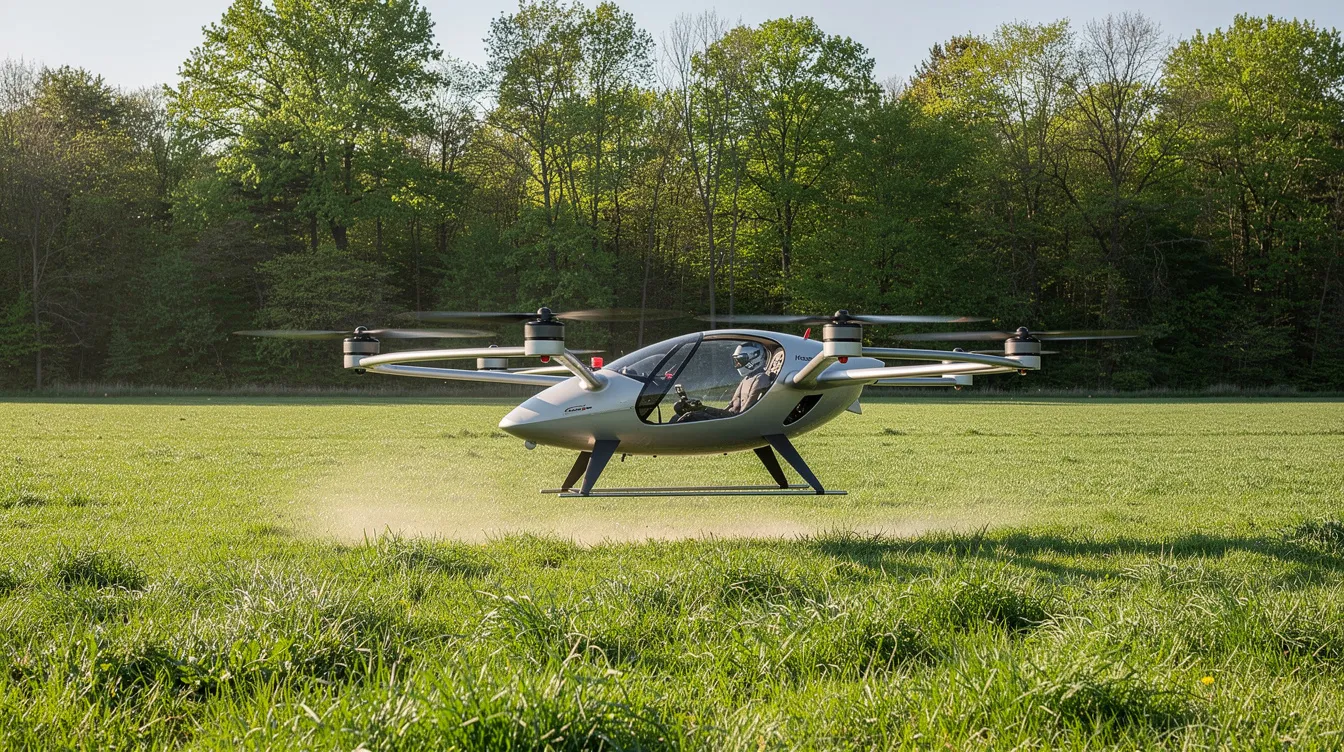
VTOL personal aircraft, or eVTOLs, are revolutionizing air mobility by providing vertical takeoff and landing capabilities without the need for runways. These electric aircraft bridge the gap between ground transportation and private jet travel, offering a new category of personal aviation for short hops. As technology matures, eVTOLs are expected to integrate seamlessly with private jet operations, enhancing travel efficiency.
Read More
5
min read
C-21 Plane: USAF Learjet 35A Variant, Specs, Missions & Charter Alternatives
The C-21 plane, a military variant of the Learjet 35A, has been a reliable light transport aircraft for the USAF since 1984, serving various missions including passenger airlift and aeromedical evacuation. With impressive speed and range, it continues to play a vital role in military logistics, while civilians can access similar performance through private jet charters like the Learjet 35A.
Read MoreStay updated with our latest insights and tips to elevate your journey with us.
MEMBERSHIPS AND ASSOCIATIONS



Disclaimer: Jettly operates as a charter broker, offering access to a global digital jet charter marketplace. Jettly is not a direct air carrier and does not own or operate aircraft. All advertised flights are conducted by third-party air carriers that are fully licensed and hold the appropriate Part 135 or Part 121 certifications issued by the Federal Aviation Administration (FAA) or equivalent regulatory authorities under U.S. or foreign law. Jettly complies fully with the U.S. Department of Transportation's Part 295 and Part 298 Charter Broker regulations. Jettly does not carry additional liability insurance. Passengers are covered by aircraft operator insurance. TICO: 50023770


