


Login
Get Instant Pricing On 23,000+ Aircraft

>

Value airlines have changed who gets to fly. By stripping out bundled extras and charging only for the basics, these carriers put air travel within reach for millions of passengers who might otherwise drive, take a bus, or skip the trip altogether. But lower fares come with trade-offs, and knowing exactly what you gain and give up is the key to making smart booking decisions.
This guide breaks down how value airlines work, who the major players are, how industry alliances and associations fit in, and when a different kind of value - private jet charter through a platform like Jettly - might actually save more time and money than the cheapest seat on a budget carrier.
Value airlines like Frontier Airlines, Spirit Airlines, Allegiant Air, Sun Country, and Avelo Air offer low base fares by unbundling extras such as baggage, seat selection, and onboard food. Travelers pay only for what they use, which makes affordable air travel possible on hundreds of domestic and regional routes.
These carriers account for 12.1% of U.S. airline market seats and move over 90 million passengers yearly, serving 1,700 nonstop routes - including 39 U.S. cities not served by legacy airlines.
Value airlines are held to the same national aviation safety regulations as full-service carriers. Cost savings come from fleet simplicity, dense seating, and secondary airports - not from reduced safety standards.
Industry groups like the former Value Alliance in Asia Pacific (active 2016–2023) and the U.S.-focused Association of Value Airlines (AVA) have worked to improve connectivity, lower barriers, and advocate for competitive, low-fare air travel.
For travelers who appreciate the best value mindset but need greater flexibility, comfort, or time savings, Jettly offers on-demand private jet charter access to over 20,000 aircraft worldwide - with instant pricing and no long-term ownership commitments.
Value airlines - also called low-cost carriers (LCCs) or ultra-low-cost carriers (ULCCs) - are airlines built around one principle: keep the base fare as low as possible, then let passengers buy only the extras they want. Checked bags, carry-on bags, seat selection, onboard food, priority boarding - all of these become optional add-ons rather than included features. Value airlines offer lower base ticket prices by stripping out standard extras, and à la carte pricing lets travelers customize their travel package to match their budget and preferences.
This model has reshaped air travel since deregulation opened the door to price competition. In the U.S., the Airline Deregulation Act of 1978 set the stage. In Europe, market liberalization in the 1990s enabled carriers like Ryanair and easyJet. Across the Asia Pacific region, airlines like AirAsia and Cebu Pacific brought the same playbook to fast-growing markets. The result: more people can afford to fly, especially on domestic and regional routes where value carriers compete directly with driving or not traveling at all.
In the U.S., the most recognized names include Frontier Airlines, Spirit Airlines, Allegiant Air, Avelo Air, and Sun Country. Globally, Cebu Pacific (Philippines), Scoot (Singapore), Jeju Air (South Korea), and Nok Air (Thailand) serve similar roles. Together, U.S. value carriers create over 30,000 direct jobs nationwide and carry over 90 million passengers annually.
The core idea of best value here is straightforward: travelers trade some comfort and flexibility for significantly lower fares. This trade-off works especially well for leisure travel, visiting-friends-and-relatives trips, and spontaneous budget getaways when fares drop. Frequent route sales make spontaneous budget trips cheaper on value airlines, which is a major draw for price-sensitive passengers looking to explore new destinations.
How do these carriers compare to alternatives? Full-service airlines bundle meals, baggage allowances, more legroom, and loyalty perks into a higher fare. Private jet charter platforms like Jettly sit at the other end of the spectrum - higher cost per seat, but built around flexibility, privacy, and time savings rather than the lowest ticket price. All three models serve distinct travelers, and understanding the differences helps each passenger find the right fit.
Value airlines operate on a business model designed to lower operational costs at every level - while still meeting the same strict safety regulations that apply to every scheduled carrier. Here is how they do it.
The low-cost model reduces expenses through simpler fleets and high aircraft utilization. Most value carriers fly a single aircraft family - often the Airbus A320 or Boeing 737. A study published in the Journal of Air Transport Management found that fleet commonality is positively correlated with lower operating costs, because it simplifies pilot training, mechanic certifications, spare parts inventory, and ground handling procedures.
Other key cost levers include:
Point-to-point networks: Value airlines often fly point-to-point and use secondary airports to reduce costs. Lower landing fees, less gate congestion, and faster turnarounds make this approach more efficient than the hub-and-spoke systems legacy carriers rely on.
High aircraft utilization: Planes earn money in the air, not on the ground. Quick turnarounds - sometimes under 30 minutes - let value carriers squeeze more block hours out of each aircraft per day.
Dense seating: Value airlines maximize aircraft capacity with tighter seat pitch and non-reclining seats. More seats per plane means lower cost per passenger on any given flight.
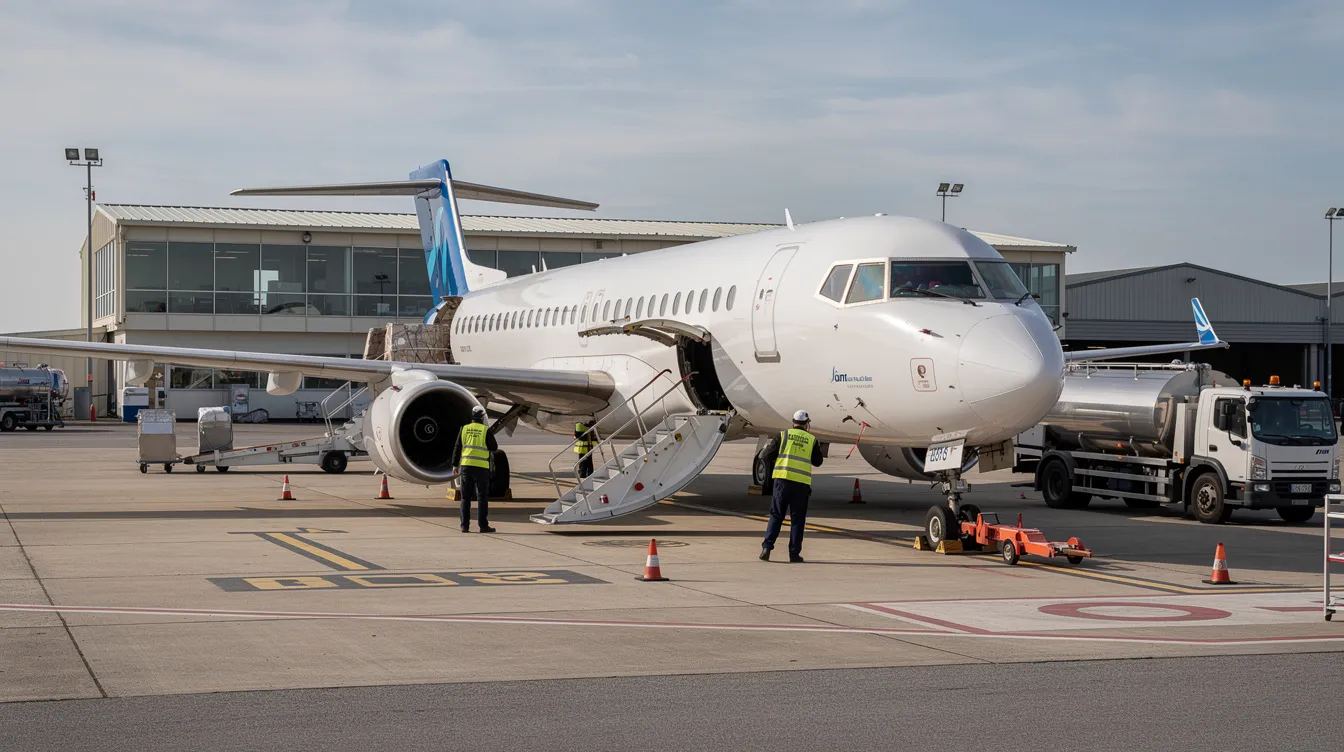
Value airline pricing involves unbundled pricing with many add-on options. The base fare covers transportation and, typically, only one small personal item for free. Everything else has a price tag:
|
Add-On |
Typical Fee Range |
|---|---|
|
Carry-on bag |
$35–$65 per segment |
|
Checked bag |
$30–$50 per bag |
|
Seat selection |
$5–$50 depending on location |
|
Priority boarding |
$6–$15 |
|
Onboard food/beverage |
$3–$12 per item |
|
Change/cancellation |
$0–$100+ depending on fare type |
Value airlines commonly charge separately for carry-ons and checked bags, and baggage policies differ significantly between value airlines and traditional carriers. Ancillary revenue is vital for the profitability of value airlines - these fees can represent a substantial share of total revenue.
Dynamic pricing allows fares to fluctuate based on demand, so the same route might cost $29 on a Tuesday afternoon and $129 on a Friday evening. Travelers should review all add-ons before checkout, since the total can change quickly. This is standard across the industry, but the swings can be sharper on carriers with fewer daily frequencies.
Value airlines usually have a single main cabin class to simplify operations. Expect:
Tighter legroom (28–30 inches of pitch compared to 30–32 on legacy carriers)
Limited or no recline
No included inflight entertainment, meals, or Wi-Fi on most carriers
Self-service check-in via app or kiosk; fewer staffed counters
Secondary airports that may be farther from city centers
In regulated markets like the U.S., all airlines - value carriers and legacy carriers alike - must comply with FAA safety regulations covering aircraft maintenance, pilot training, operational procedures, and safety management systems. Value airlines do not receive exemptions. Research published through Oklahoma State University found that LCCs had comparable or even better safety performance metrics than some legacy carriers during the 2000–2004 study period. The cost savings come from business model and service level changes - seat pitch, airport choice, unbundled pricing - not from cutting corners on safety or regulatory compliance.
Value airlines face rising costs post-pandemic, including higher fuel prices and labor expenses. Airlines continue to face pressure to streamline digital booking and operations. Some carriers are still trying to fix friction in the booking process as travelers compare fares and extras more closely. Supply chain disruptions affect aircraft maintenance and deliveries, slowing fleet expansion for some carriers. Increased competition for skilled workers - especially pilots and mechanics - raises wages and training costs. These pressures may push base fares higher or shift more revenue toward ancillary fees.
Business travelers often prioritize reliability, schedule frequency, and the ability to work during flights. Leisure travel passengers tend to care most about upfront price and whether a route exists at all. Travelers now prioritize flexibility and cleanliness in air travel, a shift that accelerated during the pandemic, and some are exploring affordable ways to book private jet flights when time savings and comfort justify the premium.
Some travelers who start with value airlines eventually look for more control over their schedule and experience. For frequent or time-sensitive trips, private jet charter through platforms like Jettly can become an attractive step up - offering on-demand departure, airport choice, and a level of flexibility that no scheduled carrier can match, especially when using shared private jet flights that crowdsource empty seats to reduce per-passenger costs.
While many value airlines operate independently, some have formed alliances or associations to improve connectivity, share resources, or influence policy. These groups affect how passengers book flights and how the low-fare segment competes with legacy networks.
The Value Alliance launched on May 16, 2016, as the first low-cost carrier alliance in the Asia-Pacific region. It was formed with eight founding members: Cebu Pacific, Cebgo, Jeju Air, Nok Air, Scoot, Tigerair, Vanilla Air, and Tigerair Australia. At its peak, the Value Alliance served over 160 destinations across 20 countries, and the combined fleet of the alliance had 176 aircraft. In 2015, those member airlines carried 47 million passengers.
The alliance was designed to simplify multi-carrier itineraries for budget travelers - connecting communities across Asia-Pacific by letting passengers book flights on multiple LCCs through a shared platform. Member airlines shared booking technology and coordinated schedules to some extent, but they did not merge loyalty programs or offer the deep interline agreements that traditional global alliances like Star Alliance or Oneworld provide.
The Value Alliance booking platform and website ceased operating after May 19, 2023, and the alliance is considered inactive. However, several former member airlines still operate independently. Travelers can book flights with carriers like Cebu Pacific, Scoot, Jeju Air, and Nok Air through their own websites, and Alternative Airlines allows booking with former Value Alliance members through a single search.
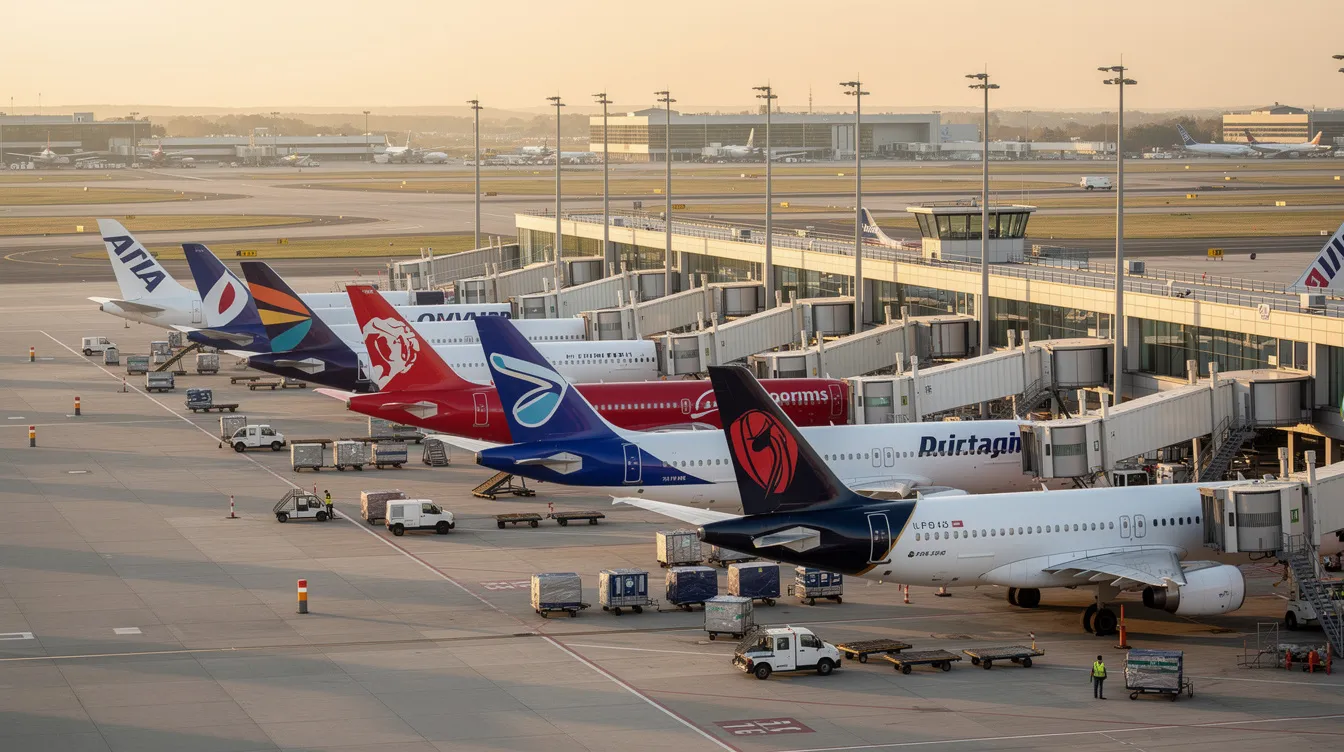
On the other side of the Pacific, the Association of Value Airlines - or AVA - was announced in June 2025 as a lobbying and advocacy group for U.S. value carriers. Its founding members include Allegiant Air, Avelo Air, Frontier Airlines, Spirit Airlines, and Sun Country.
AVA's purpose is to serve as a united, independent voice for the low-fare segment before Congress, executive agencies, and state governments. Key policy priorities include:
Competitive airport access and fair gate allocation
Air traffic control modernization
Reducing regulatory burdens that disproportionately affect smaller carriers
Connecting communities, especially underserved and rural markets, through affordable air travel
According to AVA's own data, these combined carriers operate roughly 621 aircraft, serve 1,700 nonstop routes, and account for 12.1% of U.S. airline market share. They serve 39 U.S. cities not served by legacy airlines, and every dollar spent on value airline travel generates additional local economic activity - supporting economic growth, job creation, and tourism in communities that might otherwise lack affordable air service.
AVA does not sell tickets or book flights for passengers. Its impact is felt indirectly: more competition on routes, additional nonstop options to secondary cities, and policy advocacy that aims to keep fares low.
Traditional global alliances (Star Alliance, Oneworld, SkyTeam) provide deep connectivity, shared lounges, codeshare flights, and loyalty reciprocity - features that value carriers rarely match. But alliances like the former Value Alliance and advocacy groups like AVA address a different need: making sure the low-fare segment has the infrastructure, policy support, and market access to keep growing.
In parallel, digital platforms in other segments of aviation use network effects differently. Jettly’s charter airline marketplace, for example, aggregates aircraft supply from thousands of operators worldwide to maximize flexibility and transparent pricing for private charter - a model built on access and choice rather than shared scheduling or lobbying.
Not every trip calls for the same solution. This section provides practical guidance on when flying with a value airline makes sense and when upgrading to private jet charter through a platform like Jettly may deliver better overall value despite a higher per-seat cost.
Short-haul leisure trips: A weekend flight from Denver to Las Vegas or Tampa to Nashville - routes where value carriers often dominate and fares can start under $50 one way.
Family vacations with flexible timing: When the travel dates can shift by a day or two to capture the lowest fare, and comfort trade-offs are acceptable for a short flight.
VFR travel: Visiting friends and relatives where cost is the primary constraint and the destination is fixed.
Travelers willing to go light: If a personal item is all that's needed, the base fare stays genuinely low.
Value airlines may result in higher total trip prices once all fees are considered. A family of four checking bags, selecting seats together, and buying onboard snacks can see the ticket cost climb quickly.
Other limitations include:
Limited schedule flexibility - fewer daily flights, often seasonal service
Tighter seating that makes working or resting during flights difficult
Potential disruptions when flights are optimized around tight aircraft utilization, leaving little buffer for delays
Secondary airports that may require longer or more expensive ground transportation
There are scenarios where the total cost equation - time, money, convenience, and reliability - tilts toward private charter, especially once you understand how much a private jet really costs:
Last-minute business trips where missing a meeting carries a cost far greater than the flight. A private jet for business travel can save hours in door-to-door time, and guides on how to buy a seat on a private jet can help keep those trips cost-effective.
Multi-city itineraries that would require overnight layovers, multiple connections, and separate bookings on commercial value airlines, where comparing shared charter flights versus full charters can reveal significant savings.
Group or family travel where splitting the cost of a private charter among passengers can be competitive with multiple last-minute commercial tickets plus fees, especially if you know how to get a seat on a private jet easily.
Urgent medical or personal travel where schedule flexibility is non-negotiable.
Jettly operates a digital private aviation marketplace that gives travelers on-demand access to over 20,000 aircraft worldwide. The platform provides instant pricing and transparent booking without requiring jet cards, fractional ownership, or long-term commitments, functioning much like an instant-book private jet operator marketplace and giving cost-conscious travelers insight into the most affordable private aircraft options.
Key advantages compared with flying commercial - including value airlines - start even before takeoff, as tools like Jettly’s airport locator for private jet flights help travelers choose the most convenient departure and arrival points:
Choose airports closer to final destinations, including smaller private airports
Depart on the traveler's own schedule
Avoid long security lines and boarding queues
Customize the in-flight experience, including bespoke in-flight catering for private jets and ground transportation integration
Fly nonstop on routes that may not exist in commercial networks
Travelers can estimate charter flight pricing or use a dedicated jet card flight cost estimator, then select a route or trip scenario before comparing it against the all-in cost of commercial alternatives.

Some value-focused travelers use both options strategically: value airlines for simple point-to-point trips where cost matters most, and Jettly with flexible private jet membership plans for time-critical, complex, or high-comfort journeys where reliability and control outweigh the lowest possible fare.
Ready to see how private charter fits your travel plans? Explore flight options or request an instant quote at https://www.jettly.com.
Yes. In regulated markets such as the United States, all airlines - value carriers and legacy airlines alike - must meet the same FAA safety standards for aircraft maintenance, pilot training, and operations. There is no regulatory carve-out for lower standards based on ticket price.
Cost savings come from business model and service level changes - things like seat pitch, airport choice, fleet simplification, and unbundled pricing - not from cutting corners on safety or regulatory compliance. Studies have shown that LCCs have had comparable or better safety performance metrics than some legacy carriers during measured periods.
The Value Alliance booking platform, launched in May 2016 to connect low-cost carriers across Asia-Pacific, stopped operating after May 2023. The alliance itself is considered inactive.
Many former member airlines - including Cebu Pacific, Cebgo, Jeju Air, Nok Air, and Scoot - still operate independently. Travelers can book directly through each airline's website or use third-party travel agencies and metasearch tools. Alternative Airlines is one platform that allows booking with former Value Alliance members, and travelers considering an upgrade can also compare options among the best private jet charter companies.
The Association of Value Airlines (AVA) is a U.S. lobbying and advocacy group whose founding members include Frontier Airlines, Spirit Airlines, Allegiant Air, Avelo Air, and Sun Country. It was formed in June 2025.
AVA's role is not to sell tickets. Instead, it works to influence aviation policies, promote competition, and protect the ability of value airlines to offer low fares and serve a wide range of communities - including smaller and underserved markets. For passengers, the practical outcomes include more nonstop route options, competitive pricing on key city pairs, and continued access to affordable air travel.
Value airlines usually offer the lowest ticket price per seat, but passengers must follow fixed schedules, use commercial terminals, and account for security screening, boarding queues, and potential delays. Ground transportation to and from secondary airports can add time and cost.
Private charter through platforms like Jettly allows travelers to depart from smaller airports closer to home, set their own schedule, avoid most lines, and fly nonstop on routes that may not exist in commercial networks by choosing from a wide range of private charter aircraft. For many itineraries, this can save several hours door-to-door - a meaningful difference when time has a high value.
Travelers who mainly choose value airlines for budget reasons will not charter private jets for every trip - and that is perfectly reasonable. But there are situations where Jettly can be compelling even for cost-conscious travelers: executive travel where productivity matters, urgent medical-related trips, group vacations where the per-person cost of a charter becomes competitive, or any scenario where time and privacy are top priorities.
Explore Jettly's instant pricing and route options at https://www.jettly.com or review its guide to affordable private jet charter costs to compare scenarios and determine when private charter might be the best overall value for your specific needs.
Value airlines have significantly democratized air travel by offering low base fares and unbundled pricing, making flying accessible to millions who might otherwise forgo air travel. Their operational efficiencies, use of secondary airports, and ancillary revenue models keep costs down while maintaining safety standards equivalent to legacy carriers. Industry groups like the Association of Value Airlines and the former Value Alliance have supported this segment by advocating for fair competition and connectivity.
However, travelers should weigh the trade-offs of comfort, schedule flexibility, and potential extra fees when choosing value airlines. For those valuing time savings, convenience, and personalized service, private jet charter platforms like Jettly present a compelling alternative, offering instant access to thousands of aircraft worldwide without long-term commitments.
Understanding these options empowers travelers to select the best value for their unique needs—whether that means a budget-friendly flight on a value airline or a tailored private jet experience.
Ready to experience private travel on your terms? Explore flight options or request a quote at https://www.jettly.com.
Share this post:
Jay Franco Serevilla
Aug 19, 2026
|
5
min read
Discover tips and trends in the industry.

5
min read
Who Flies a Plane: From Private Jet Captains to Celebrity Pilots
Flying a plane requires skilled, licensed pilots who undergo extensive training. This article explores the various types of pilots, their training processes, and the controls they manage during flights. It also highlights the role of private jet charter services like Jettly in connecting travelers with professional pilots and aircraft.
Read More
5
min read
Free Flight Tracker: How to Monitor Commercial and Private Flights in Real Time
Free flight trackers have revolutionized how we monitor aircraft in real-time, providing accessible tools for tracking both commercial and private flights. These platforms aggregate data from various sources to deliver live updates on flight status, routes, and estimated arrivals. While free versions offer essential features, premium options and services like Jettly enhance the experience by enabling booking and detailed trip management.
Read MoreStay updated with our latest insights and tips to elevate your journey with us.
MEMBERSHIPS AND ASSOCIATIONS



Disclaimer: Jettly operates as a charter broker, offering access to a global digital jet charter marketplace. Jettly is not a direct air carrier and does not own or operate aircraft. All advertised flights are conducted by third-party air carriers that are fully licensed and hold the appropriate Part 135 or Part 121 certifications issued by the Federal Aviation Administration (FAA) or equivalent regulatory authorities under U.S. or foreign law. Jettly complies fully with the U.S. Department of Transportation's Part 295 and Part 298 Charter Broker regulations. Jettly does not carry additional liability insurance. Passengers are covered by aircraft operator insurance. TICO: 50023770


