


Login
Get Instant Pricing On 23,000+ Aircraft

>
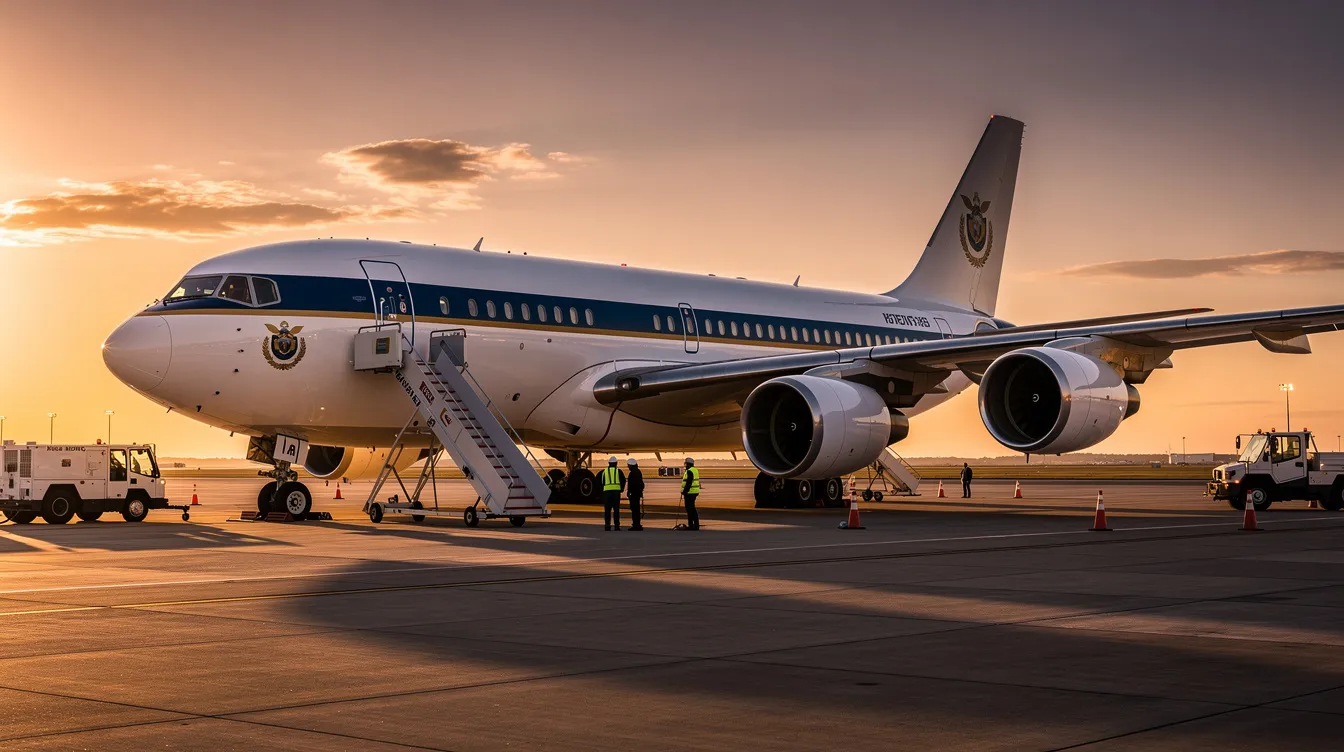
VIP planes occupy a unique space in aviation. They serve as flying command centers for heads of state, mobile boardrooms for corporate executives, and private retreats for high-net-worth travelers. From the iconic Air Force One fleet operated by the United States Air Force to privately configured Boeing Business Jets crossing oceans nonstop, these aircraft blend security, comfort, and range in ways that standard commercial flights simply cannot match. This article profiles the world's most notable VIP aircraft, explains why governments invest billions in them, and shows how charter platforms like Jettly make similar capabilities accessible to private travelers.
VIP planes and vip aircraft span a wide spectrum, from heavily modified air force presidential aircraft like the US VC-25A (Air Force One) and South Korea's Code One to privately operated Boeing Business Jets and Airbus ACJ models configured for corporate and leisure travel.
More than 80 countries maintain dedicated aircraft for government officials and world leaders, each with unique security features, call signs, and cabin layouts designed for continuity of government and rapid diplomacy.
Boeing Business Jets offer superior range and technology, with narrowbody BBJ MAX models covering over 6,600 nautical miles and widebody BBJ 787s reaching nearly 10,000 nautical miles nonstop.
Charter platforms like Jettly provide on-demand access to vip jets without requiring ownership, jet cards, or fractional programs. Transparent pricing and digital booking through Jettly's marketplace of over 20,000 aircraft make VIP-level travel practical for executives, teams, and families.
This article profiles specific countries' VIP fleets, iconic aircraft types including the Boeing 747, BBJ, and Airbus ACJ, and walks through practical steps for chartering VIP planes.
VIP planes are aircraft configured for senior government officials, world leaders, and high-net-worth passengers who need space, privacy, and mission-specific capabilities that go well beyond a standard airline seat. The category stretches from small light jets to full-size widebody airliners rebuilt from the ground up.
Here is how the terminology breaks down:
Presidential aircraft - State-operated planes assigned to heads of state, typically part of an air force or special mission wing. Examples include the US VC-25A and South Korea's Boeing 747-8I Code One.
VIP airliners (bizliners) - Commercial aircraft frames converted into private aircraft with lounges, bedrooms, and low-density seating. Think Boeing 747-VIP or Airbus A340 VIP.
Business jet - Smaller corporate jets from manufacturers like Gulfstream, Bombardier, and Dassault, ranging from light jets to ultra-long-range heavy jets.
VVIP / head-of-state aircraft - The most customized tier, featuring secure communications suites, defensive systems, medical bays, and command facilities.
The functional differences between these aircraft and a standard commercial aircraft are stark. Where an airline might pack 300 seats into a Boeing 787, a VIP version of the same plane seats 25 passengers across suites, conference rooms, and lounges. Where a commercial airliner flies fixed routes, a vip aircraft goes wherever the mission requires.
Jettly primarily provides access to privately operated vip jets and VIP airliners rather than government-only fleets. But the standards of comfort, safety, and productivity overlap significantly, whether travelers reserve an entire aircraft or simply buy a seat on a private jet through shared options.
More than 80 countries maintain dedicated aircraft in their air force or government fleets for presidential transport and official travel. These planes carry unique call signs, operate under strict security protocols, and serve as strategic assets rather than simple transportation.
These aircraft support continuity of government, rapid diplomacy, and crisis response. The following country case studies illustrate different approaches to state transport across Asia-Pacific, Europe, the Middle East, and even the Vatican.
North Korea: North Korea uses two Ilyushin Il-62M aircraft for VIP transport, operated by the Korean People's Army Air Force with Air Koryo crew. The primary plane is known as Chammae-1. Kim Jong-un also uses a smaller private aircraft designated Goshawk-1.
South Korea: South Korea's President travels on a Boeing 747-8I since 2022, replacing a leased Boeing 747-400 that served from 2010 to 2022. The new aircraft, designated Code One with the call sign KAF001, is operated by the Republic of Korea Air Force with mixed airline and military support.
Malaysia: Malaysia operates an Airbus ACJ319 named Perdana 1 for VIP transport, alongside a fleet that includes Dassault Falcon 900, Bombardier Global Express, and a Boeing 737-800 BBJ for different mission profiles.
Pakistan: Pakistan's presidential fleet includes an Airbus A319 and Gulfstream IV, plus AW139 helicopters, flying under the PAKISTAN ONE call sign.
In the private sector across Asia-Pacific, family offices and corporate groups frequently charter aircraft like Gulfstream G650s or Boeing Business Jets through platforms like Jettly for regional and intercontinental travel.
Bosnia and Herzegovina: Uses Cessna Citation aircraft for domestic and intra-European VIP travel, demonstrating that light jets serve practical roles for short-haul flights and smaller delegations.
Croatia: Operates a Bombardier Challenger CL604 with call sign "9ACRO," managed by the Directorate for the Use of Official Aircraft, a typical midsize-government jet example.
Germany: Germany ordered three Airbus A350-900 aircraft for VIP transport in 2019. These were delivered between 2020 and 2024 with full VIP cabin completions by Lufthansa Technik. The fleet replaced aging A340s that suffered high-profile reliability failures. Germany's broader fleet also includes ACJ319s, an A321LR, and Bombardier Global 6000 jets for shorter missions.
United Kingdom: The UK uses a mix of Airbus A330 Voyager, Dassault Falcon 900LX, and Airbus A321LR for government travel, with rotary support from the King's Helicopter Flight using helicopters for domestic trips.
Business travelers in Europe can charter similar types-Challenger, Global, Falcon, and A321LR VIP airliners-through Jettly's charter marketplace or locate suitable departure and arrival fields with Jettly's airport locator tool for corporate roadshows, sports teams, and large group movements.
The Holy See does not own permanent VIP aircraft. Instead, it charters from carriers like ITA Airways and other national airlines for papal travel on a trip-by-trip basis.
Within Italy, papal flights use the "volo papale" call sign. For flights in the United States and certain long-haul missions, the designation "Shepherd One" applies. Pope Francis has also flown on Philippine Airlines for Asian visits.
Historical assets like the Polish Air Force Mil Mi-8 VIP helicopter used by Pope John Paul II-now a museum exhibit-show how symbolic VIP aircraft can become over time.
This charter model parallels private VIP charter in many ways: tailored cabin layouts, dedicated security, and custom routing arranged per mission. Jettly configures private aircraft for clients using a similar approach.
Egypt: Egypt acquired a Boeing 747-8I for VIP transport in 2021, flying under the call sign "EGY1." The Egyptian government also maintains Gulfstream IV jets and other aircraft for regional trips.
Israel: Israel operates a Boeing 767-300ER "Knaf Zion" as its primary VIP aircraft, supplemented by leased commercial platforms. Ongoing political debate centers on cost and necessity.
Saudi Arabia: The Saudi fleet includes multiple Boeing 747s, 787 Dreamliners, and Gulfstream business jets supporting the royal family and senior officials.
Turkey: Turkey operates a VIP fleet maintained by Turkish Airlines for government officials, blending airline operational expertise with state transport requirements.
Many Middle East travelers charter large-cabin Gulfstreams, Globals, and VIP-configured Boeing or Airbus aircraft for long-haul family and pilgrimage trips via platforms like Jettly.
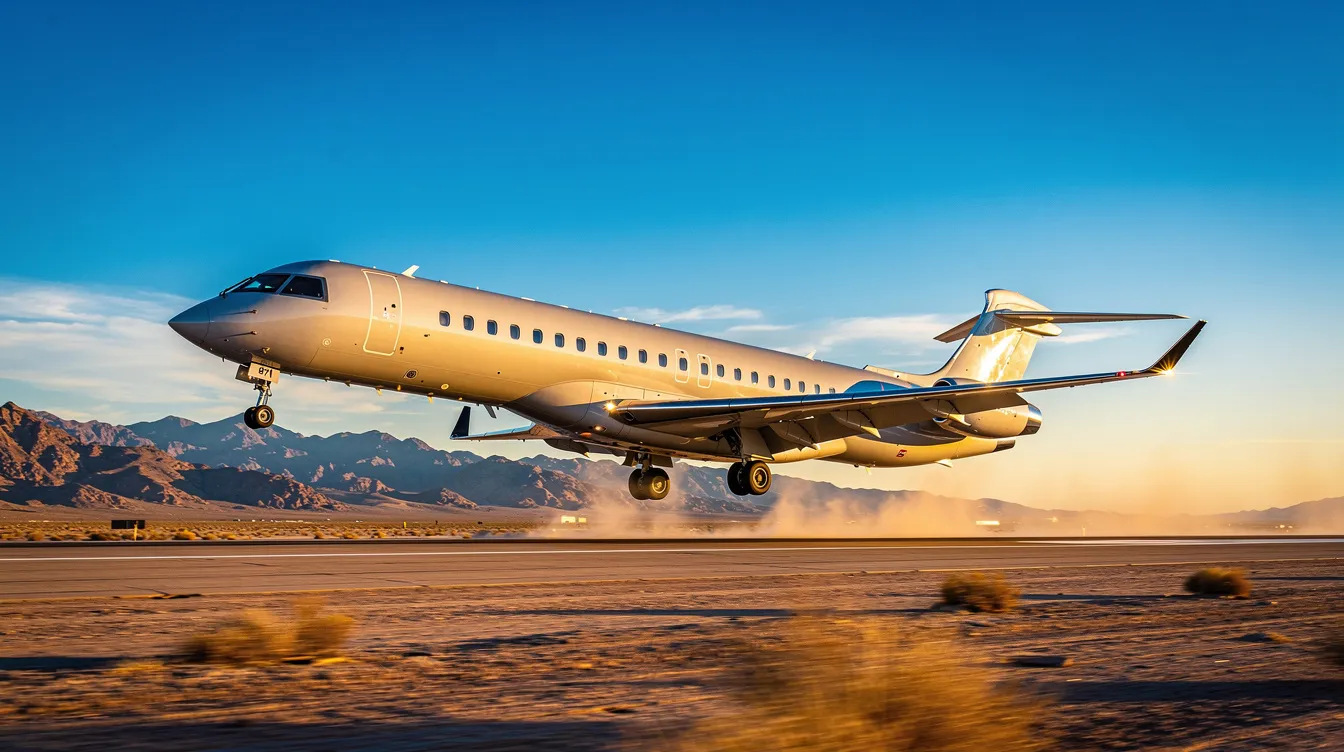
Governments spend billions on official aircraft for security, continuity of government, and diplomatic capability. VIP jets ensure continuity of government during national emergencies, allowing leaders to remain operational and reachable even when ground infrastructure is compromised. These are not luxury purchases-they are strategic tools.
Presidential aircraft give heads of state operational independence from commercial airlines: the ability to deploy without airport schedules, use secure communications in flight, and coordinate military or diplomatic actions in real time. Features like aerial refueling, missile warning systems, hardened wiring, and encrypted comms suites separate state VIP aircraft from even the most capable private aircraft.
The high costs generate political debate. In the US, the VC-25B replacement program has drawn scrutiny as total costs have climbed past $5.7 billion. In Germany, the previous A340 fleet's frequent breakdowns embarrassed officials and justified the switch to new aircraft. In France, maintaining a repurposed A330 reflects budget pragmatism over prestige.
For corporate VIP travel, the investment case is different. It centers on time savings, productivity, and confidential deal-making. Charter via Jettly converts capital expenditure into per-trip operating cost, eliminating the need for hangar fees, depreciation, and dedicated crew management, while providing access to a global fleet of private charter aircraft.
Air Force One is a call sign, not a specific plane. It applies to any United States Air Force aircraft carrying the president. The U.S. Air Force's Air Force One fleet includes two Boeing VC-25A aircraft, heavily modified Boeing 747-200B jets with the tail number designations 28000 and 29000. The VC-25A aircraft were delivered in 1990 and have served every president since.
Key features typically associated with Air Force One include:
Aerial refueling capability for unlimited flight range
Secure communications center with radio telephone and encrypted data links
Medical bay capable of supporting surgery
Conference rooms, dining areas, and a presidential suite
Self-contained air stairs and a retractable elevator for boarding without ground equipment
The U.S. presidential aircraft can operate from runways over 3,100 meters. The U.S. Air Force requires four-engine jets for international travel, which is why the 747 platform has remained central to cross-country presidential travel and overseas diplomacy.
The replacement program, VC-25B, is based on the Boeing 747-8 platform. A Boeing 747-8i was gifted by Qatar for presidential use, and the USAF estimates less than $400 million is needed to modify this bridge aircraft for interim presidential transport. Delivery of new aircraft is expected around 2028. Separate aircraft serve other high-ranking government officials, including Air Force Two for the vice president, plus additional Boeing and Gulfstream jets operated by the Air Force.
The Secret Service coordinates security for all presidential travel, working in tandem with USAF flight crews. Detailed specifications of Air Force One remain classified, per USAF fact sheets.
Germany's shift to three Airbus A350-900 aircraft for VIP transport marked a turning point. The aircraft consume roughly 25% less fuel than the A340 predecessors, and Lufthansa Technik delivered all three aircraft with full VIP cabins on schedule. The VIP half of each cabin includes offices and a lounge for top officials, with a separate delegation section for staff.
France uses a VIP-fitted Airbus A330-200 as its main presidential aircraft, supplemented by Dassault Falcon 7X jets for shorter European hops. The A330 was originally an airline frame repurposed for government use, reflecting a pragmatic approach to official travel.
Italy relies on Airbus and smaller corporate jets, illustrating how VIP fleet decisions can reflect industrial strategy and alliance politics as much as pure operational need.
Many of these same platforms-Falcon 7X, Global 6000, A321LR in VIP configuration-are available on the charter market for business and leisure clients through Jettly.
China uses commercial aircraft for presidential travel due to security concerns. Rather than operating a publicly acknowledged dedicated aircraft fleet like the US or France, Chinese leadership relies on specially prepared Air China planes.
Past reports indicate that a Boeing airframe ordered for government use was found to contain unauthorized equipment, prompting tighter control and inspection of all VIP aircraft used by Chinese leadership. Aircraft used for presidential trips undergo temporary interior reconfiguration and extensive security sweeps before and after each mission-a flexible but complex model that other nations have studied.
VIP planes and private jets are categorized by size, range, and cabin amenities. The main families include VIP airliners, Boeing Business Jets, Airbus Corporate Jets, and traditional business jets from manufacturers like Gulfstream, Bombardier, and Dassault. Each serves different mission profiles within the broader world of business aviation.
Jettly's marketplace covers more than 20,000 private aircraft globally, spanning light jets and turboprops up to VIP airliners suitable for head-of-state-level comfort for private clients.
Executive airliners are large commercial jets converted into personal spaces. Bizliners are full-scale commercial airframes rebuilt into highly customized VIP palaces-aircraft like the Boeing 747, 757, 767, and Airbus A340 or A350.
Bizliners can feature multiple distinct zones including formal dining rooms and master staterooms. A typical Boeing 747-VIP charter configuration might seat under 200 passengers in all-business-class or mixed layouts, with lie-flat seats and multiple galleys. Executive airliners provide unparalleled space for lounges and conference rooms that simply cannot exist on smaller frames.
Heavy jets or bizliners are optimal choices for top-tier comfort in air travel, serving sports teams, music tours, and large corporate groups. Capabilities include flight range around 13 hours nonstop, four galleys, enhanced crew numbers, and digital inflight entertainment with Wi-Fi and personal screens.
While few Boeing 747 VIP aircraft remain in active charter due to fuel economics, Jettly can source similar large-capacity VIP airliners for ad hoc missions, drawing on leading private plane manufacturers for every budget and need.
Boeing Business Jets take popular commercial models and configure them for 16–50 passengers with intercontinental range. Boeing Business Jets are based on the Boeing 737-700 model, though the family has expanded to include MAX variants and widebody platforms like the 787 and upcoming 777X.
Boeing Business Jets offer superior range and technology. The BBJ MAX family delivers ranges of approximately 6,300–6,600 nautical miles with VIP passenger loads. The BBJ 787-8 reaches roughly 9,960 nautical miles. Boeing Business Jets are custom configured for VIP travel, and BBJs provide multiple living spaces for enhanced comfort: a typical Boeing BBJ layout includes a master bedroom, ensuite bathroom with shower, conference room, lounge, and office spaces. BBJs feature secure satellite communication capabilities, making them flying headquarters for executives and some world leaders.
Airbus ACJ variants such as the ACJ319 and ACJ320 are used by governments (Malaysia, Germany) and private owners who sometimes charter them through brokers like Jettly. As a concrete example, a BBJ1 configured for 19 passengers with a 6,000+ nautical mile range can fly nonstop from New York to London or Dubai to Singapore.
Over 260 BBJs have been sold to date, confirming the model's role as a cornerstone of VIP transport.
The main business jet categories shape how travelers choose aircraft for specific missions:
|
Category |
Example Aircraft |
Typical Seats |
Approximate Range |
Best For |
|---|---|---|---|---|
|
Light jets |
Cessna Citation CJ3, Embraer Phenom 300 |
4–8 |
1,000–2,000 nm |
Short hops, regional travel |
|
Midsize jets |
Learjet 60, Citation XLS+ |
7–9 |
2,000–3,000 nm |
Coast-to-coast, balanced comfort |
|
Super-midsize |
Challenger 350, Praetor 600 |
8–12 |
3,000–4,000 nm |
Transcontinental, larger groups |
|
Heavy/long-range |
Gulfstream G650/G700, Global 7500, Falcon 8X |
10–19 |
5,000–7,500 nm |
Intercontinental, top comfort |
Jet Category Explanations:
Light and super-light jets: Primarily used for short-range trips. Short runway access allows very light jets to land on shorter, more remote runways that larger aircraft cannot reach.
Midsize and super-midsize jets: Balance comfort, performance, and cabin space for missions where a widebody would be excessive.
Heavy jets: Accommodate up to 12 passengers with superior comfort for long-distance travel. Standard heavy jets offer private bedrooms, showers, and gourmet kitchens.
Ultra-long-range jets: Can fly over 12 hours nonstop, making routes like New York–Tokyo or London–Singapore feasible without refueling stops.
These aircraft often feature club seating, divans, enclosed lavatories, optional bedrooms, and high-speed Wi-Fi, enabling focused work and private meetings in flight. Jettly customers most frequently charter these types of jets for routes such as New York–Miami, Los Angeles–Las Vegas, London–Geneva, and Toronto–Vancouver, often pairing flights with tailored in-flight menus through Jettly Eats in-flight catering for private jets. Learn more about the categories in Jettly's business jet guide.
Step aboard a VIP aircraft and the difference from a commercial flight is immediate: quiet cabins, wide aisles, private suites, and configurable zones for work, dining, and rest. Cabin design is driven by mission needs. Heads of state require secure conference rooms. Corporate travelers prioritize workspaces. Families may center their layout on bedrooms, relaxation areas, and lounge spaces.
VIP planes often feature luxurious amenities such as bedroom suites and showers. Luxury amenities on VIP planes include fully reclining lie-flat beds and in-flight shower facilities. Personalized service on VIP planes includes customized catering and high-end service tailored to passenger preferences.
Common zones on a VIP aircraft include:
Reception/entry lounge - First impression area with divans and a welcome galley
Main lounge - Central social space with sofas, tables, and entertainment
Conference/dining area - Boardroom-style table seating 6–12 for meetings or formal meals
Master suite - Queen bed with ensuite lavatory, often including a sleeping area with a shower
Staff/security seating - Separated section for crew, aides, or protection details
Crew rest area - Isolated bunks for flight crew on long missions
This zoning supports security and workflow, allowing leaders or executives to hold private briefings separated from media, delegation, or family members. A typical BBJ layout, for instance, divides into four zones: forward staff cabin, mid-cabin conference room, aft master suite, and rear galley/crew rest.
Key technologies on board include:
High-speed Ka-band or Ku-band satellite internet
Encrypted telephony and secure video conferencing
Real-time data links (on presidential aircraft, these connect to military command networks)
Large screens for presentations, cabin management apps, and HDMI-equipped conference tables
Similar connectivity options-streaming-capable Wi-Fi, VPN access, and presentation-ready displays-appear on private VIP jets. Jettly can match clients with aircraft offering specific tech requirements based on the mission brief.
Lufthansa Technik stands as a leading VIP completion and maintenance provider, with decades of experience supporting government fleets and private aircraft. Its work on Germany's Airbus A350 VIP cabins-delivered on time and on budget-demonstrates the precision required in this field.
The lifecycle services these specialists offer include: they operate alongside the broader global fleet of private jets that underpins both state and private VIP travel:
Acquisition support and initial aircraft selection
Cabin design, engineering, and certification
Avionics and security suite integration
Ongoing maintenance and mid-life refurbishments
These firms balance creative interior design with strict airworthiness and safety regulations, ensuring VIP cabins remain both capable and reliable across thousands of flight hours and long missions.
Jettly does not perform completions, but it relies on a global network of certified operators whose fleets are often completed by firms like Lufthansa Technik-ensuring consistently high standards for charter clients.
State VIP aircraft exist to keep governments operating. Privately chartered vip jets serve a different but equally practical purpose: they let businesses and families travel on their own terms, without the friction of commercial flights.
Core benefits include:
Time savings - Private flights allow travelers to skip long security lines and arrive just 20 minutes before departure. No connections, no layovers.
Schedule flexibility - Depart when ready, change plans last-minute, access remote airports closer to final destinations.
Privacy - Closed-door meetings, confidential calls, and family travel out of public view.
Productivity - Workspaces with Wi-Fi, power, and conference setups that turn flight time into working time.
VIP travel includes private terminals, tarmac transfers, and exclusive customs procedures at popular destinations for private travel like Teterboro Airport and Van Nuys Airport. VIP airliners and large-cabin jets allow entire teams-sports clubs, touring artists, or corporate deal teams-to travel together, align strategy en route, and arrive rested.
Jettly's digital platform enhances these benefits via instant pricing, aircraft comparisons, and integrated services like catering and ground transportation, while also sharing practical advice on booking the cheapest private jet flights. Explore current options through the Jettly aircraft charter guide.
|
Factor |
VIP Jet Charter |
Commercial First Class |
|---|---|---|
|
Terminal experience |
Private terminal, no lines |
Main terminal, premium lounge |
|
Schedule control |
Depart on your timeline |
Fixed airline schedule |
|
Airport access |
5,000+ airports including secondary fields |
Major hubs only |
|
Privacy |
Full cabin control |
Shared cabin with other passengers |
|
Productivity |
Uninterrupted, configurable workspace |
Limited to seat area |
Example: A same-day business trip from New York to Washington, D.C. on a light jet takes about four total hours door-to-door. The same trip on commercial flights—including ground transport to JFK, security, boarding, flight, and the taxi into the city—easily consumes seven to eight hours.
For larger groups, cost per seat on a VIP airliner or large-cabin jet can be competitive with multiple first-class tickets on scheduled carriers, especially when leveraging options for getting a seat on a private jet easily. That is a calculation Jettly's team runs regularly for corporate clients.
Jettly operates as a digital private aviation marketplace connecting customers with over 20,000 aircraft worldwide-from helicopters and turboprops to heavy jets and occasional VIP airliners-and includes innovative options to crowdsource private jet flights and share empty seats for added affordability.
The on-demand charter model works in straightforward steps:
Enter trip details (origin, destination, date, passengers)
Receive instant pricing across available aircraft
Compare options by category, age, operator rating, and amenities
Confirm booking with transparent digital contracts
There is no need for long-term jet cards or fractional ownership commitments. Operators on the platform must adhere to regional aviation authority standards (FAA, EASA, Transport Canada), and Jettly favors audited, well-reviewed operators. Travelers can quickly estimate trip budgets using Jettly's private jet charter cost estimator. For details on how the booking process works, see how to charter a plane.
Key decision factors:
Passenger count - 4 passengers need a light jet; 80 need a VIP airliner
Route length - Short domestic hops vs. intercontinental missions
Luggage volume - Sports equipment, instruments, or standard bags
Cabin style - Boardroom-focused for deal teams vs. family-oriented with sleeping areas
Budget - Light jets cost a fraction of widebody charters
Here is a quick matching guide to help travelers choose aircraft types whether they are reserving an entire jet or simply buying a seat on a private jet:
Turboprops and light jets → Short hops under 2 hours, 4–8 passengers
Midsize and super-midsize → Coast-to-coast or regional business tours, 8–12 passengers
Heavy jets → Intercontinental flights, 10–19 passengers needing full comfort
VIP airliners → Large-group travel, 40–150 passengers, long-range
Consider a 12-person executive team flying New York–London. A Bombardier Global 6000 handles the route nonstop with a comfortable boardroom setup. A BBJ offers more space-master bedroom, separate lounge, formal dining-but at a higher price point. Jettly's team walks clients through exactly this kind of comparison.
The platform can also assist with nuanced needs such as pet-friendly cabins, medical escort flights, or same-day multi-city schedules, and supports shared charter models that let travelers crowdsource private jet flights and share empty seats. Check empty leg flights for cost-saving opportunities on repositioning routes.
Hiring a VIP airliner follows the same logic as chartering a smaller private jet, but with more emphasis on cabin configuration, staffing, and ground handling for an aircraft carrying larger groups.
Information to prepare before requesting a quote:
Travel dates and flexibility windows
Origin and destination airports (including alternates)
Passenger manifest with any special requirements
Desired cabin layout (seats vs. divans vs. sleeping berths)
Catering preferences and onboard branding
Privacy or security requirements
Use Jettly's search tools to narrow down other aircraft by manufacturer (Boeing, Airbus, Bombardier, Gulfstream), category (VIP airliner, heavy jet), and region of operation. Larger or complex missions-sports seasons, concert tours, political campaigns-benefit from engaging Jettly early to coordinate multiple sectors, contingency plans, and backup aircraft, and understanding the variables outlined in Jettly's guide to affordable private jet charter costs. Learn more in the private jet charter cost calculator.
Main cost components for chartering VIP planes:
Hourly aircraft rate - Driven by aircraft size, age, and type
Repositioning (dead-legs) - Flying the aircraft to your departure point
Airport and handling fees - Landing, parking, ground services
Crew expenses - Overnight stays, multiple crews on long sectors
Fuel surcharges - Variable with market prices
Optional services - In-flight chef, branded interiors, ground transportation
Indicative ranges:
|
Aircraft Category |
Typical Charter Cost Per Flight |
|---|---|
|
Light jets (1–2 hours) |
$15,000–$35,000 |
|
Midsize / super-midsize (3–5 hours) |
$40,000–$120,000 |
|
Heavy jets (transatlantic) |
$120,000–$300,000 |
|
VIP airliners (long-range, 80+ pax) |
$400,000–$1,000,000+ |
VIP airliners command significantly higher minimums due to fuel burn, crew size, and disposal of the aircraft for the charter period. But for 80–150 passengers on a dedicated charter, the per-seat economics can be compelling compared to block-booking commercial flights.
Private and VIP aviation face growing scrutiny over their carbon footprint. Many operators and charter platforms, including Jettly's partners, are pursuing efficiency improvements.
Options for reducing environmental impact include many best-practice recommendations shared across the broader charter airlines and private flights guide:
Newer aircraft - Models like the Gulfstream G500/600, Airbus A321LR, and Boeing 787 BBJ deliver 20–30% fuel burn reductions over predecessors.
Optimized routing - Minimizing repositioning legs and choosing direct routes cuts unnecessary emissions.
Sustainable Aviation Fuel (SAF) - Increasing availability at major FBOs allows operators to blend SAF into their fuel supply.
Right-sizing - Choosing an aircraft that matches the actual passenger count avoids flying half-empty widebodies.
Good mission planning is both cost-effective and environmentally responsible. Jettly can present more efficient alternatives when clients request particularly fuel-intensive aircraft types, balancing comfort, range, and sustainability goals.
The following questions address common practical and technical points about who can fly on VIP planes, how safety is regulated, and what to expect when chartering.
Government VIP aircraft are reserved for heads of state, senior officials, and approved delegations under strict national rules and security protocols. The first president to fly on a dedicated aircraft was Franklin Roosevelt, who Roosevelt traveled on the Sacred Cow (a modified C-54) and earlier crossed the Atlantic on the Dixie Clipper flying boat during World War II. Private citizens cannot board these flights, but can achieve similar comfort and privacy by chartering private VIP aircraft through platforms like Jettly, which many travelers now view as a flexible NetJets alternative for flying private.
VIP aircraft used for charter must comply with the same regulatory standards as commercial airlines-FAA Part 135, EASA, Transport Canada-and often undergo additional oversight due to their high-profile clientele. Government VIP fleets typically receive even more intensive maintenance and security checks, making them among the most closely monitored aircraft in service. Jettly partners only with operators that meet or exceed these regulatory benchmarks, whether arranging a transoceanic mission or a regional hop such as private jet charter in Kolkata, West Bengal.
Range varies widely by aircraft class. Light jets may cover around 1,000–2,000 nautical miles, while long-range heavy jets reach 6,000–7,500 nautical miles nonstop. Widebody VIP airliners can exceed 8,000 nautical miles. Jettly's team can recommend aircraft capable of specific missions-such as nonstop New York–Tokyo or London–Johannesburg-depending on passenger load and weather conditions.
Large structural changes require certified modification and are not practical for a single trip. However, many elements can be tailored per charter: catering menus, branded headrest covers, seating assignments, soft furnishings, and meeting zone configurations. Jettly coordinates these details with operators for corporate or event-based flights, creating an unforgettable experience without permanent aircraft modification, and can fold them into predictable budget planning via its jet card flight cost estimator.
For large VIP airliners or complex multi-leg itineraries, booking several weeks in advance is recommended-especially during peak seasons or major events. Smaller business jets can often be arranged on much shorter notice, sometimes within hours. More lead time generally means better aircraft choice, better pricing, and greater freedom in selecting the right plane for the mission, particularly for frequent flyers using structured jet card programs.
VIP planes-from state presidential aircraft like Air Force One and Egypt's EGY1 to private Boeing Business Jets and Gulfstreams-enable secure, productive travel for world leaders and high-end travelers across the world. The freedom these aircraft provide, whether for government continuity or corporate efficiency, makes them far more than status symbols.
Trends point toward more fuel-efficient new aircraft, advanced onboard connectivity, and a continued shift toward flexible charter over outright ownership. Political debate around government fleets will persist, but the operational case for capable VIP transport is settled.
Platforms like Jettly bring VIP-level flying within reach by offering on-demand charter, transparent pricing, and global coverage without long-term contracts, and they feature prominently in independent rundowns of the best private jet charter companies. Whether the mission calls for a light jet for a quick business hop or a VIP airliner for an international tour, the aircraft at the travelers' disposal now number in the tens of thousands.
Ready to experience VIP travel on your terms? Explore flight options, compare on-demand quotes, or streamline frequent flying with flexible private jet memberships at https://www.jettly.com.
Share this post:
Jay Franco Serevilla
Jul 7, 2026
|
5
min read
Discover tips and trends in the industry.
5
min read
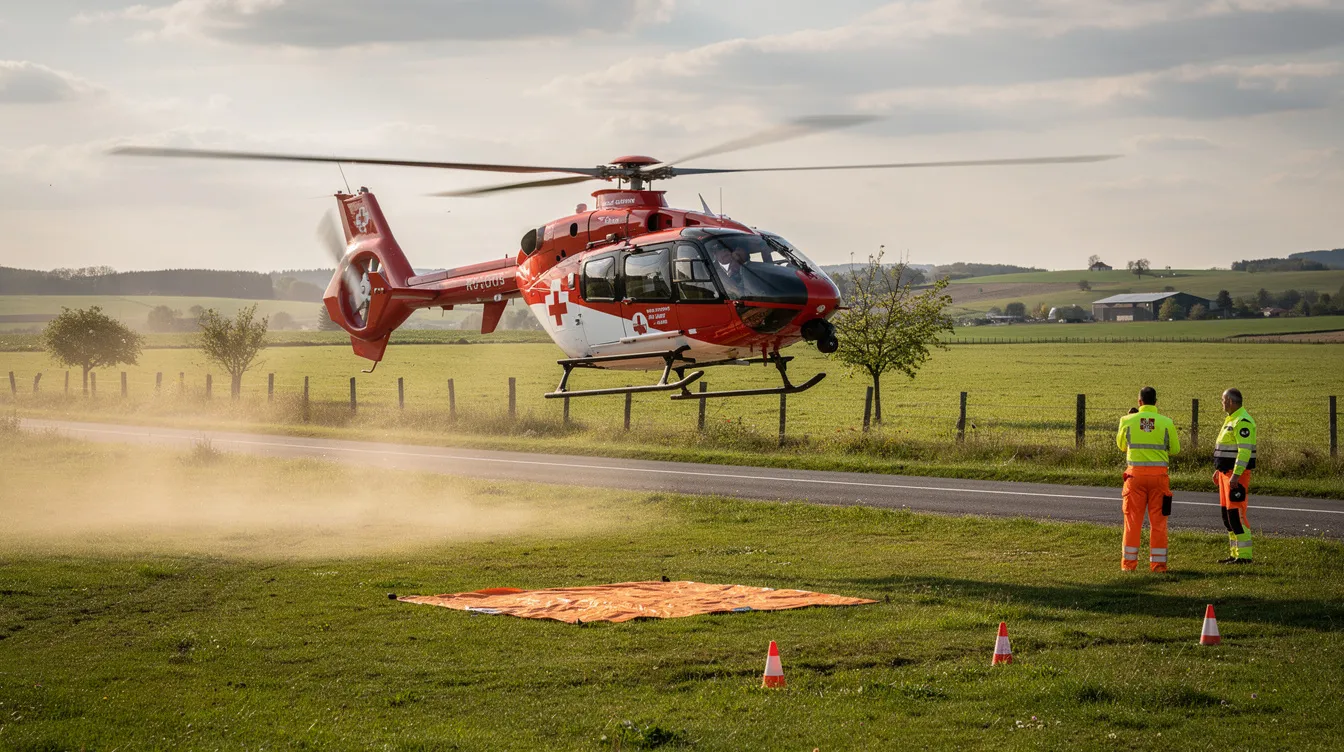
Cost of Flight for Life: What Air Ambulance Transport Really Costs
Air ambulance transport can be a lifesaver during medical emergencies, but the costs can be staggering, ranging from $12,000 to over $200,000. This guide explores the factors influencing these prices, including distance, aircraft type, and medical care level, while offering tips on managing and reducing costs effectively.
Read More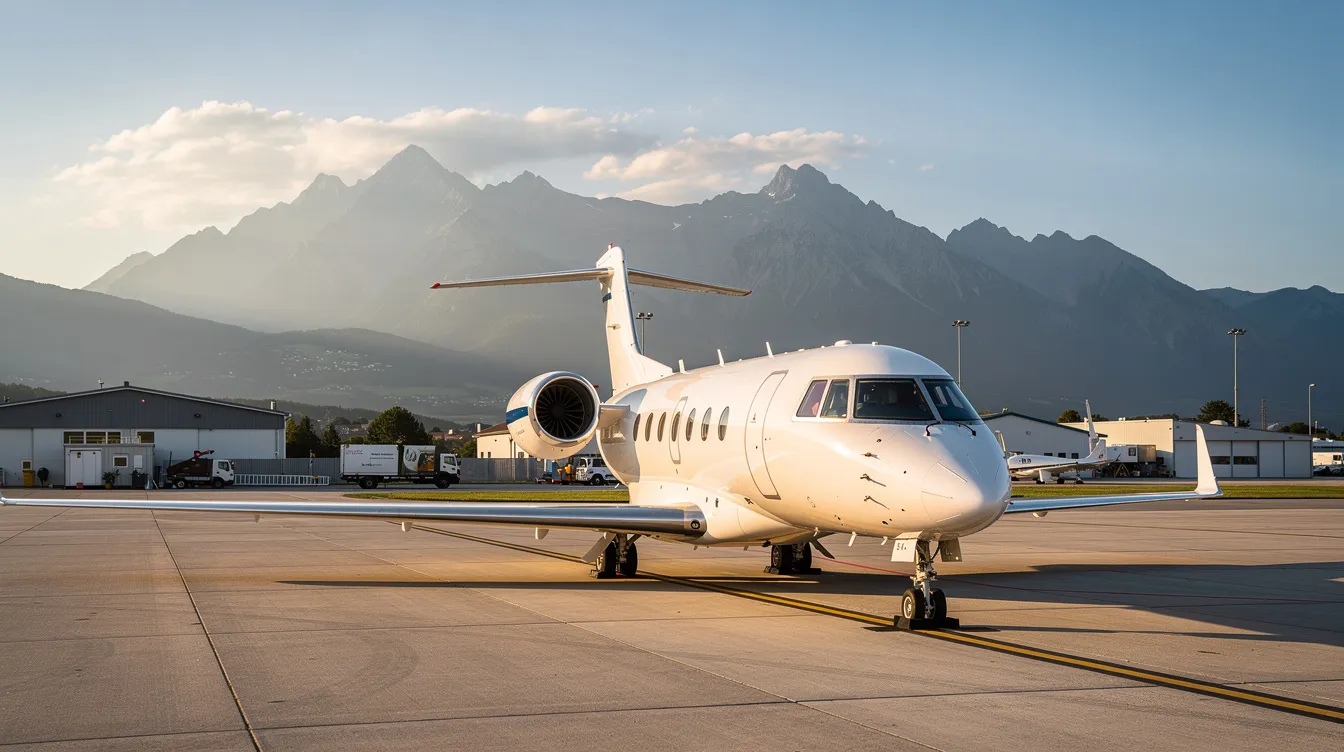
5
min read
Private Jet Demand: How the Market Evolved, Who's Flying, and What It Means for Charter in 2026–2030
The private jet market has seen a significant surge in demand, remaining 35% above pre-pandemic levels through mid-2026. This trend is driven by a broader demographic of first-time flyers, increased flexibility, and the rise of digital booking platforms. As the industry evolves, travelers can expect tighter availability and a focus on sustainability through 2030.
Read MoreStay updated with our latest insights and tips to elevate your journey with us.
MEMBERSHIPS AND ASSOCIATIONS



Disclaimer: Jettly operates as a charter broker, offering access to a global digital jet charter marketplace. Jettly is not a direct air carrier and does not own or operate aircraft. All advertised flights are conducted by third-party air carriers that are fully licensed and hold the appropriate Part 135 or Part 121 certifications issued by the Federal Aviation Administration (FAA) or equivalent regulatory authorities under U.S. or foreign law. Jettly complies fully with the U.S. Department of Transportation's Part 295 and Part 298 Charter Broker regulations. Jettly does not carry additional liability insurance. Passengers are covered by aircraft operator insurance. TICO: 50023770


