


Login
Get Instant Pricing On 23,000+ Aircraft

>
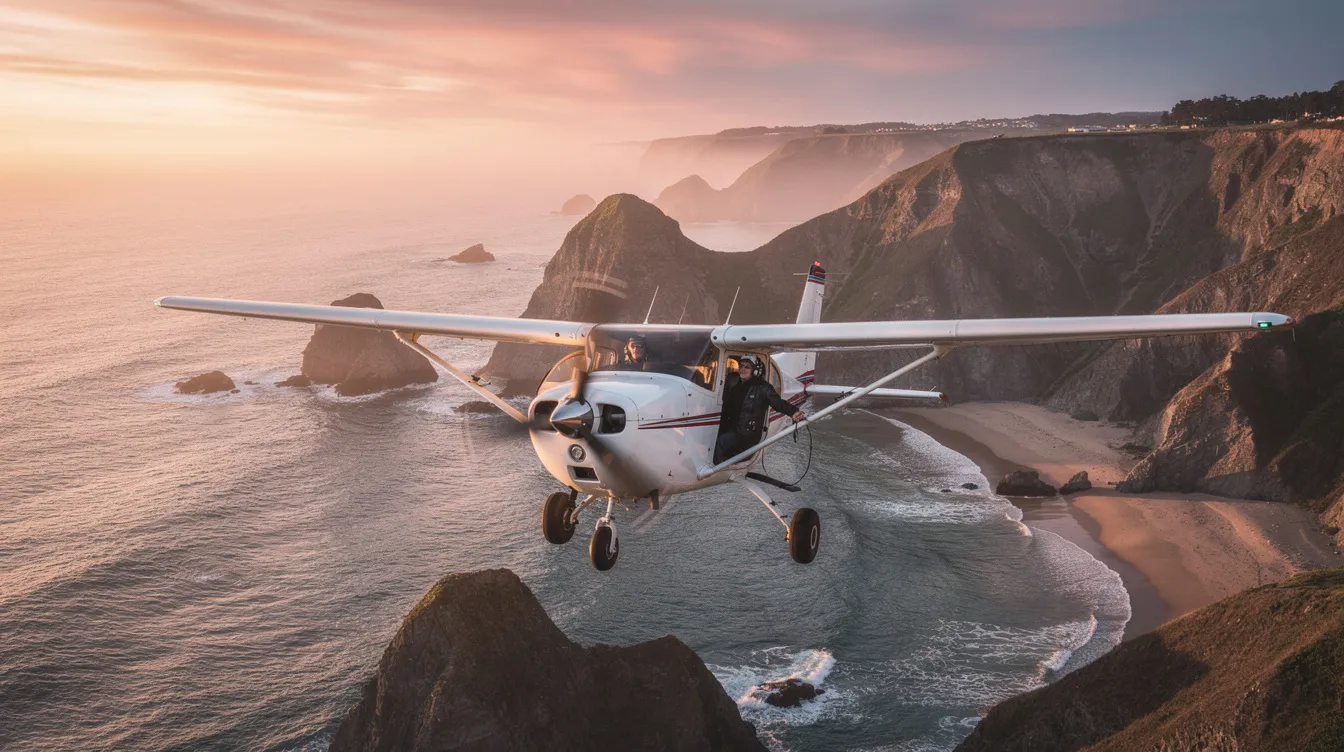
A private pilot license lets you fly single-engine and some multi-engine aircraft weighing 12,500 pounds or less for personal and business travel, carry passengers, and operate under Visual Flight Rules (VFR) during the day or night in good weather. Holders act as pilot-in-command for non-commercial purposes, regulated by the FAA under Part 61. You must be at least 17 years old, hold a third-class medical certificate, complete a minimum of 40 flight hours—including 20 hours with an instructor—pass a written FAA exam, and successfully complete a check-ride to earn your PPL.
This guide explains what you can do with a private pilot license, including practical uses, next steps for your aviation journey, and travel ideas. It's designed for aspiring and current private pilots, aviation enthusiasts, and travelers considering earning a PPL. Understanding these privileges helps you make the most of your license and plan your next steps in aviation.
With a PPL, you can share operating expenses with passengers but cannot make a profit. Flying is permitted for personal enjoyment, business travel incidental to your job (not for hire), and cross-country trips for leisure. You can take friends and family on scenic flights or weekend getaways, explore new airports, and even fly internationally, subject to FAA and foreign regulations.
Beyond travel, a private pilot license is a foundation for building flight hours toward advanced certifications such as instrument and multi-engine ratings, leading to a commercial pilot career. Private pilots can also engage in community service and volunteering, assisting in search and rescue operations, transporting rescue animals, or supporting organizations like Angel Flight and the Civil Air Patrol. Participation in aviation events, flying clubs, and festivals offers networking opportunities and lifelong friendships. Additionally, private pilots may pursue personal aerial photography projects or tow gliders and banners with proper endorsements.
That range is exactly why so many aspiring and current private pilots, aviation enthusiasts, and travelers considering a PPL want a clear picture of what the license really allows.
From weekend getaways and business flights to night flying, volunteer opportunities, and long-term training decisions, the PPL is both a practical travel tool and the first step toward more advanced flying, just as understanding the best private jet charter companies can help you complement your own flying with the right charter partners. Understanding those privileges, limits, and next-step options helps you use the license well, plan smarter personal or business travel, and see where a PPL fits alongside private aviation services like Jettly.
A private pilot license lets you fly for personal and business travel, build flight time, and serve as the first step toward a commercial pilot license and a broader aviation career.
With a PPL, you can take friends and family flying, plan unique date night flights, go on sightseeing trips, and even fly internationally under VFR rules.
You cannot fly for compensation or hire, but you can legally share direct operating expenses with passengers under FAA pro-rata rules.
Common next steps after a PPL include an instrument rating, more advanced ratings and endorsements, and structured flight training toward becoming a commercial pilot.
Many pilots combine their private license with private jet charter platforms like Jettly to extend their travel range and flexibility beyond what a light piston aircraft can handle.
A private pilot certificate is a government-issued license that allows you to act as pilot in command of an aircraft for non-commercial purposes. The pilot in command is the person responsible for the operation and safety of the flight. The FAA regulates the privileges and limitations of a PPL under Part 61, and it covers flying single-engine and potentially multi-engine aircraft weighing 12,500 pounds or less.
A PPL permits flying for personal use without commercial compensation or hire.
Core privileges include the ability to:
Fly during the day and night under Visual Flight Rules (VFR) in good weather
Carry passengers on personal and cross-country flights
Log flight time toward a commercial license or other advanced ratings
Operates at most civil airports across the country
The biggest limitation is simple: you cannot fly for compensation or hire. No paid charter flights, no commercial sightseeing tours. You may share operating expenses with passengers, but only their pro-rata share of fuel, oil, rental fees, and airport fees. You cannot profit from the flight.
To earn a PPL, you must be at least 17 years old, pass a medical exam, hold a third-class medical certificate, complete ground school, pass a written FAA exam (the FAA written exam), and finish a checkride with an FAA-approved examiner and a designated FAA examiner. The FAA requires a minimum of 40 flight hours, though most students require around 50 flight hours to reach proficiency. Many pilots complete their PPL in about 3 months. Private pilot license requirements also include 20 hours of flight training with an instructor, plus solo flight time and cross-country experience.
Private pilot license costs typically range from $12,000 to $17,000, though programs like Epic Flight Academy's PPL course cost approximately $36,147. Financing options for PPL training are often available through a flight school or third-party lenders.
For many pilots, this private certificate is the first major milestone on a longer aviation career path that may include a commercial pilot license or airline transport pilot certificate.
A PPL transforms regional travel. Instead of driving five hours or connecting through a hub, you can fly direct from a smaller airport - often within walking distance of your final destination - and skip security lines entirely.
Personal travel ideas:
Weekend flights to nearby destinations like wine country, lake houses, or family gatherings
Cross-country trips for leisure across state lines
Visiting family in rural areas served only by general aviation airports
A private pilot can fly solo or take passengers for personal enjoyment on any day that weather and currency allow
Business travel is allowed if the flight is incidental to your job and not a service you are holding out for hire. A business owner can fly themselves to client meetings or job sites without violating FAA rules, as long as passengers are not being carried for compensation.
A concrete example: flying a four-seat piston aircraft from Los Angeles to Napa Valley (~150 nautical miles) takes roughly 1.5–2 hours of flying time. Commercial travel on that same route - including the drive to LAX, security, and baggage claim - easily consumes five or more hours.
For longer trips or weather-challenged routes, many pilots contrast owning or renting small aircraft with using a private jet for business travel when schedule and distance demand it, often leveraging an airport locator tool to identify convenient departure and arrival fields.
Few experiences match sharing a first flight with loved ones. A PPL lets you take friends and family on flights - scenic hops over the coastline, trips to a nearby airport for the classic "$100 hamburger," or flying to an out-of-town family event.
Making passengers comfortable:
Pre-brief nervous passengers before engine start
Select smooth flying times (mornings are usually calmest)
Provide quality headsets and explain what is happening during the flight
Avoid marginal weather entirely
Date night ideas are where a PPL really shines: a sunset flight along a recognizable skyline, a quick hop to a coastal town for dinner, or an overnight at a boutique hotel within a one-hour flight radius. A PPL also allows for personal photography projects from the air - capturing landscapes, cityscapes, or seasonal changes from a perspective most people never see.
Remember: you cannot charge passengers beyond their pro-rata share of direct operating expenses, and you cannot market these flights as "air tours." For a more upscale anniversary weekend with extra luggage and weather flexibility, booking a light jet through Jettly's charter platform is a practical upgrade, especially when you run a quick estimate through a private jet charter cost estimator to understand pricing.
Night flight training is part of U.S. PPL requirements. Once licensed and current (three takeoffs and landings at night within the preceding 90 days to carry passengers), night flying opens up a different world - city lights stretching to the horizon, easier identification of airport beacons, and quieter radio frequencies.
Sightseeing flights are a major draw for many pilots. Coastal routes, mountain passes (with proper checkout and additional training), and urban skyline tours all become accessible. National park overflights require awareness of altitude restrictions and noise-sensitive zones.
Exploring new airports builds flying skills and confidence. Plan short cross-country flights to unfamiliar GA-friendly fields, check runway lengths, verify fuel availability, and review FBO services before departure.
Safety best practices for early PPL holders:
Stick to solid VFR conditions
Avoid high terrain at night
Carry extra fuel reserves beyond minimum requirements
Fly with a more experienced safety pilot when exploring demanding environments
Some pilots combine light-airplane exploration with charter for longer legs - for example, jetting to Denver through Jettly using a wide selection of private charter aircraft, then renting a piston single locally for mountain sightseeing with a flight instructor.
Many pilots use their PPL to fly internationally, especially to nearby countries like Canada, Mexico, or the Bahamas. You can fly internationally, subject to FAA and foreign regulations, though the paperwork requires attention.
High-level requirements for cross-border flights from the U.S.:
Valid passport and customs filings (eAPIS submission to CBP at least one hour before departure)
Landing at an approved airport of entry
Country-specific insurance, radio licenses, and equipment requirements
Verification that your aircraft meets the destination country's airworthiness rules
A Florida-based pilot might fly from Fort Lauderdale to Nassau. A Pacific Northwest pilot could cross from Seattle to Vancouver on a clear VFR day. Both trips are within the range of a typical training aircraft.
Rental and checkout rules vary abroad - pilots may need a local checkout with a flight instructor or validation of their license before renting aircraft in Europe or the Caribbean. For longer-distance or multi-country itineraries, many travelers combine their piloting hobby with international private jet charter or flexible private jet memberships to handle oceanic or transcontinental sectors safely.
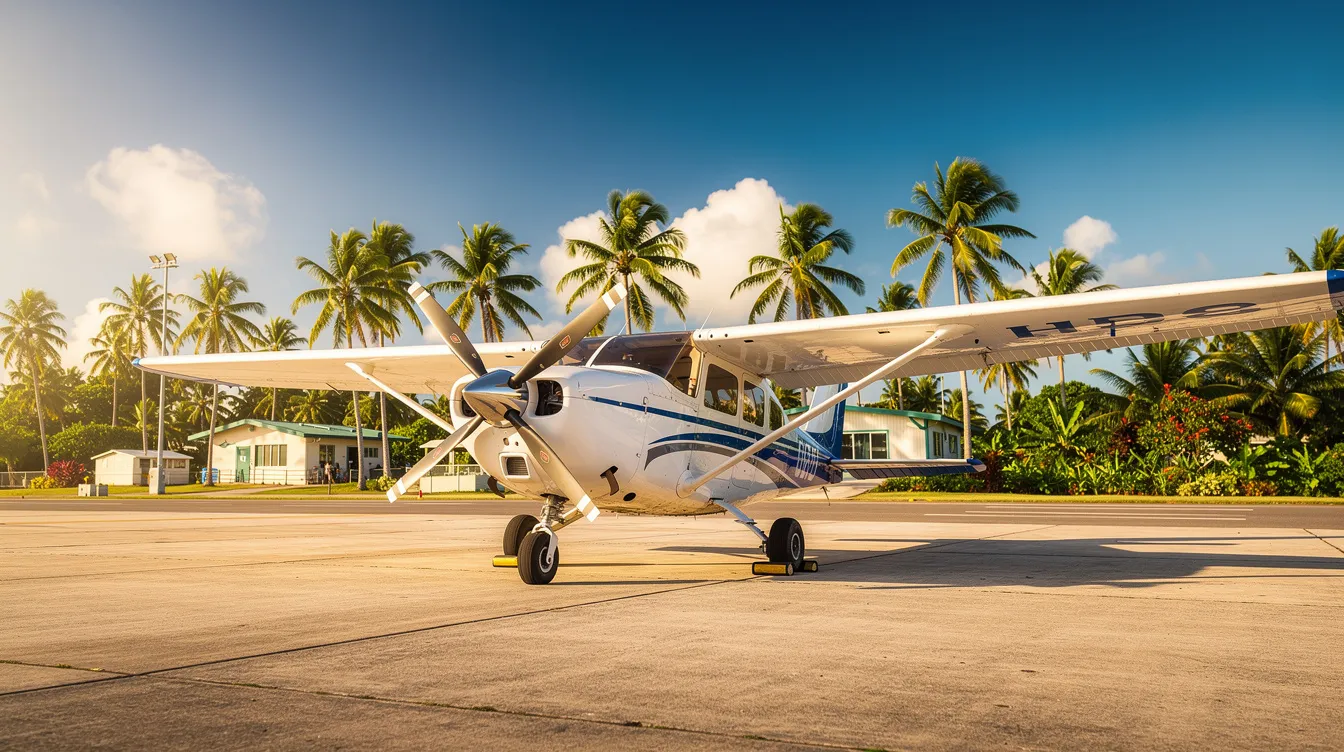
Many pilots use their skills to support medical, animal rescue, and disaster relief flying. Private pilots can volunteer for missions with organizations like Angel Flight, transporting patients to medical appointments or ferrying rescue animals through volunteer programs. Many pilots also volunteer in emergency response and disaster relief efforts.
Common volunteer opportunities:
Medical transport charities move patients or organs
Animal rescue groups relocating shelter pets by air
Environmental survey missions for conservation projects
Joining the Civil Air Patrol for search-and-rescue exercises and emergency preparedness
Most volunteer organizations require a minimum total flight time, recommend or require an instrument rating, and expect a strong safety record before accepting pilot volunteers.
A PPL also allows for engagement in aviation events and activities. Private pilots can join flying clubs for networking, and aviation festivals connect pilots and enthusiasts nationwide. Fly-ins and aviation expos foster community among pilots, and many build lifelong friendships through aviation circles.
Non-flying contributions are accessible earlier: mentoring student pilots, helping run local youth aviation days, or teaching as a ground instructor after passing required exams. Responsible progression matters - pilots should be fully comfortable with basic skills, aircraft maneuvers, unusual attitudes recovery, and emergency procedures before taking on pressure-filled volunteer missions.
The PPL is usually just the first step. A PPL serves as a foundation for pursuing additional ratings and certifications, and most active pilots pursue further pilot training to fly in more conditions.
The most common progression:
|
Step |
Rating/Certificate |
What It Unlocks |
|---|---|---|
|
1 |
Instrument Rating |
Fly in clouds and reduced visibility; more reliable trip completion |
|
2 |
Complex/High-Performance |
Retractable gear, high-power aircraft systems |
|
3 |
Multi-Engine Rating |
Twin-engine aircraft for longer cross-country trips |
|
4 |
Commercial Pilot License |
Fly for compensation or hire; a commercial pilot can accept payment |
|
5 |
Flight Instructor (CFI) |
Teach student pilots; build hours efficiently |
|
6 |
Airline Transport Pilot |
Airline careers and large aircraft command |
You can earn additional ratings after obtaining a PPL, and a PPL can lead to opportunities in aviation-related jobs even before reaching a commercial license. Each step adds flight experience, new skills, and qualifies you for more advanced ratings. With the required endorsement and applicable rules, you can also tow gliders or banners as a specialized flying activity.
A PPL allows you to log flight hours toward a commercial license - the first major milestone in any aviation career. Most student pilots who pursue professional flying choose structured programs at reputable flight schools with experienced instructors to ensure efficient progression through their training program, much like frequent business travelers often rely on a jet card flight cost estimator to plan predictable private flight budgets.
A PPL does not permit operating charter flights, but pilot knowledge makes PPL holders smarter charter consumers. Understanding aircraft categories, flight time estimates, and route planning helps when choosing between turboprops, light jets, and midsize jets on a platform like Jettly.
Common scenarios where PPL holders blend personal flying with charter:
Use a rented piston aircraft for local hops; book Jettly for a New York–Los Angeles business trip
Fly yourself to a regional meeting; charter a jet for a short-notice international flight
Use your airport knowledge to select departure points that save ground transportation time
Jettly offers transparent instant pricing, digital booking, and access to over 20,000 aircraft globally - including many of the same smaller airports PPL holders already know from flight training, and features prominently in guides covering the ultimate list of charter airlines. From a pilot's perspective, the time saved at the airport, direct routing, and schedule flexibility make charter a natural complement to self-flying, whether you are estimating trip budgets with a jet card tool or arranging private jet charter in Atlanta, Georgia, for a busy week of meetings.
Whether a reader continues flying themselves, moves toward a commercial pilot license, or uses a private jet charter for longer-range missions, their PPL makes them a more informed and confident aviation consumer, especially when comparing NetJets-style ownership with more flexible Jettly alternatives.
Understanding limitations is as important as knowing privileges, just as frequent charter customers weigh tradeoffs between on-demand flights and structured jet card programs when planning their travel.
No compensation or hire. You cannot act as pilot in command for paid charter flights, paid sightseeing, or cargo transport. Even a commercial license requires additional qualifications and oversight.
No indirect profit. Even if a client covers the entire trip, the arrangement must follow "common purpose" and pro-rata rules. You may share operating expenses with passengers, but cannot make a profit.
No IFR without ratings. Flying into clouds or in instrument meteorological conditions requires an instrument rating. Certain aircraft systems - complex, high-performance, tailwheel - need specific endorsements.
No airline-style operations. With only a PPL, you cannot work for airlines or conduct airline-style flying; commercial operations on larger aircraft or jets require a commercial pilot license, substantial flight time, and often employment with an approved operator.
Pilots attracted to paid flying should treat their PPL as the foundation and pursue structured additional training rather than stretching private privileges into gray areas.
Earning a PPL is a major milestone - and it is normal to wonder "what now?" in the months that follow.
Practical ways to stay current in year one:
Monthly local flights to maintain basic math of navigation, fuel planning, and aircraft handling
Quarterly cross-country trips to build flight experience in new environments
Occasional night flights with a safety pilot
Periodic refreshers with a flight instructor (flight review required every 24 calendar months)
Your path forward depends on goals: stay purely recreational, build toward an instrument rating, aim for a full aviation career, or combine occasional self-flying with charter travel, perhaps offsetting costs by using a platform that enables crowdsourced private jet flights and sharing empty seats. Track goals in concrete terms - target 30–50 flight hours per year, set a date for your instrument rating, or budget a block of advanced training.
For business or international travel that exceeds what a small single-engine aircraft can safely handle, explore private jet charter options at jettly.com.
Whatever path you choose, the PPL permanently changes how you experience travel. Every trip becomes an opportunity to think like a pilot.
Pilots can fly for business if the flying is incidental to their job, but they cannot be paid specifically to fly passengers or cargo. FAA regulation 14 CFR § 61.113 governs these rules, and consultation with a knowledgeable flight instructor or aviation attorney is recommended for specific scenarios. For many companies, blending some self-flown trips with private jet charter through platforms like Jettly maximizes both flexibility and compliance, especially when they understand the basics of affordable private jet charter costs.
There is no legal minimum beyond currency requirements, but many instructors recommend at least 30–50 hours per year to maintain strong proficiency. Build a mix of local, cross-country, and occasional night flights, plus at least one dual session with a flight instructor every few months. Pilots aiming for an aviation career usually target higher annual hours as they build toward commercial pilot license requirements, much like prospective jet owners study how much a private jet costs before committing to ownership versus charter.
An instrument rating is optional for recreational flying but significantly increases safety margins and trip reliability, especially in variable weather regions. Many experienced pilots consider instrument training valuable even if they later choose to avoid actual IMC flying. Those considering long cross-country or business trips benefit from the expanded flexibility it provides, and may eventually compare self-flying with understanding how much it costs to rent a private jet for longer or more demanding legs.
A PPL holder can technically fly jets if they have the appropriate aircraft category, class, and type ratings plus currency. Realistically, most students start with piston singles and progress to turbines or jets after substantial additional training and flying time. Those who want the jet experience sooner often charter jets via services like Jettly, sometimes starting by simply buying a seat on a private jet, while gradually building their own pilot qualifications.
Many private pilots charter jets when they need to travel longer distances, carry more passengers, or fly in conditions beyond their current skill level or aircraft capability, taking advantage of modern options that make it easy to get a seat on a private jet. Pilot knowledge helps them interpret aircraft specs, safety standards, and schedule options. Ready to explore trips that go beyond the comfortable limits of your PPL flying? Consider strategies for booking the cheapest private jet flights and request a quote at jettly.com.
A private pilot license opens many doors for personal freedom, travel flexibility, and skill development. It enables pilots to enjoy unique travel experiences with friends and family, explore new destinations, and contribute to their communities through volunteer flying. While it does not permit commercial operations, a PPL serves as a strong foundation for advancing toward professional aviation careers or enhancing personal aviation activities. Combined with platforms like Jettly, private pilots can extend their reach beyond small aircraft limits, blending self-flying with private jet charter to maximize convenience and efficiency. Whether flying for leisure, business, or growth, a private pilot license fundamentally changes how you experience the skies and travel on your terms.
Ready to experience private travel on your terms? As you compare leading providers like those profiled in an overview of NetJets private aviation or explore region-specific options such as private jet charter in Kolkata and private jet charter in New Delhi, you can still explore flight options or request a quote at https://www.jettly.com .
Share this post:
Jay Franco Serevilla
Jun 30, 2026
|
5
min read
Discover tips and trends in the industry.
5
min read
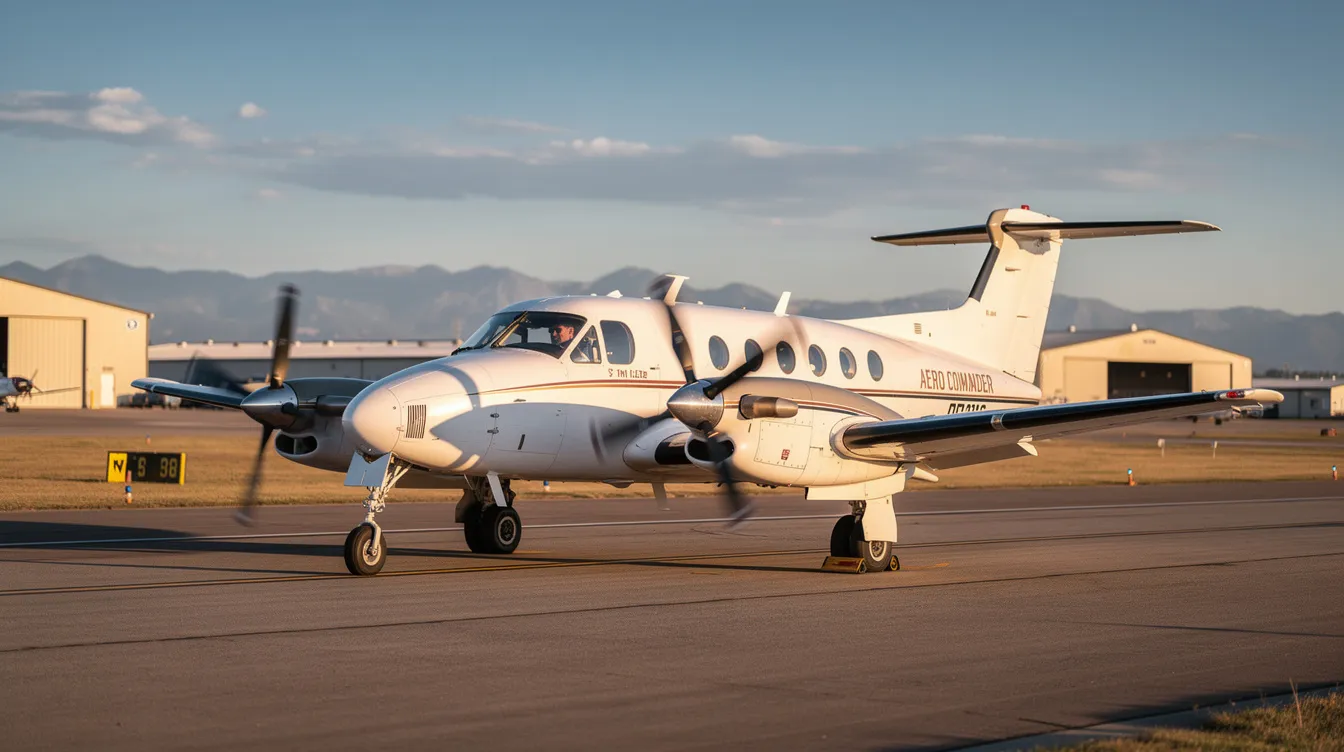
Aero Commander 690: Turboprop Charter Guide
The Aero Commander 690 is a versatile twin-turboprop aircraft ideal for regional charter flights, accommodating 5 to 9 passengers. Known for its short-field capabilities and cost-effectiveness, it offers a practical solution for business and leisure travel. With a range of approximately 1,790 miles and powered by reliable Honeywell engines, it's a popular choice for those seeking efficient air travel.
Read More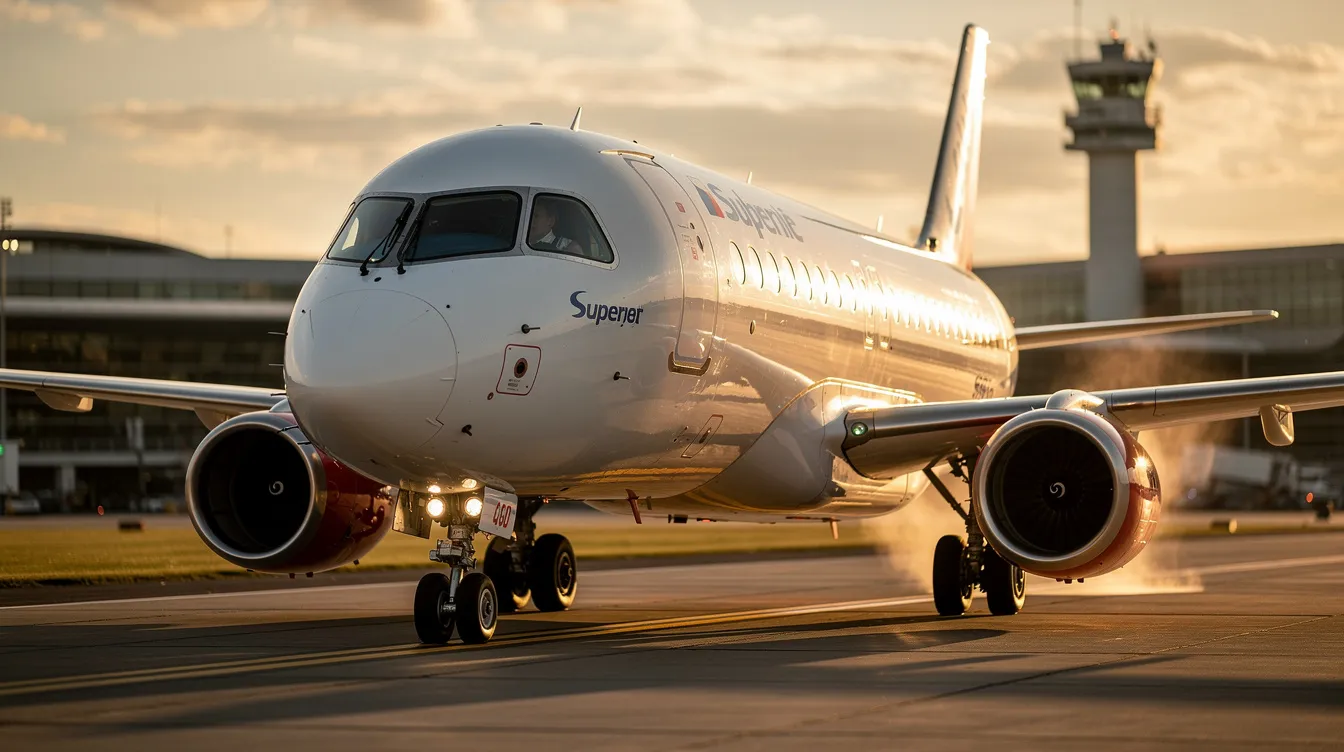
5
min read
Sukhoi Superjet SSJ100: Regional Jet Overview, Variants, and Charter Use
The Sukhoi Superjet SSJ100 is Russia's premier regional jet, designed for short to medium-haul routes with a capacity of 68-103 passengers. Despite its modern design and capabilities, the aircraft faces challenges due to sanctions and limited global support, impacting its international operations. This guide provides insights into its variants, charter use, and operational considerations for aviation enthusiasts and travel planners.
Read MoreStay updated with our latest insights and tips to elevate your journey with us.
MEMBERSHIPS AND ASSOCIATIONS



Disclaimer: Jettly operates as a charter broker, offering access to a global digital jet charter marketplace. Jettly is not a direct air carrier and does not own or operate aircraft. All advertised flights are conducted by third-party air carriers that are fully licensed and hold the appropriate Part 135 or Part 121 certifications issued by the Federal Aviation Administration (FAA) or equivalent regulatory authorities under U.S. or foreign law. Jettly complies fully with the U.S. Department of Transportation's Part 295 and Part 298 Charter Broker regulations. Jettly does not carry additional liability insurance. Passengers are covered by aircraft operator insurance. TICO: 50023770


