



Login
Get Instant Pricing On 23,000+ Aircraft

>
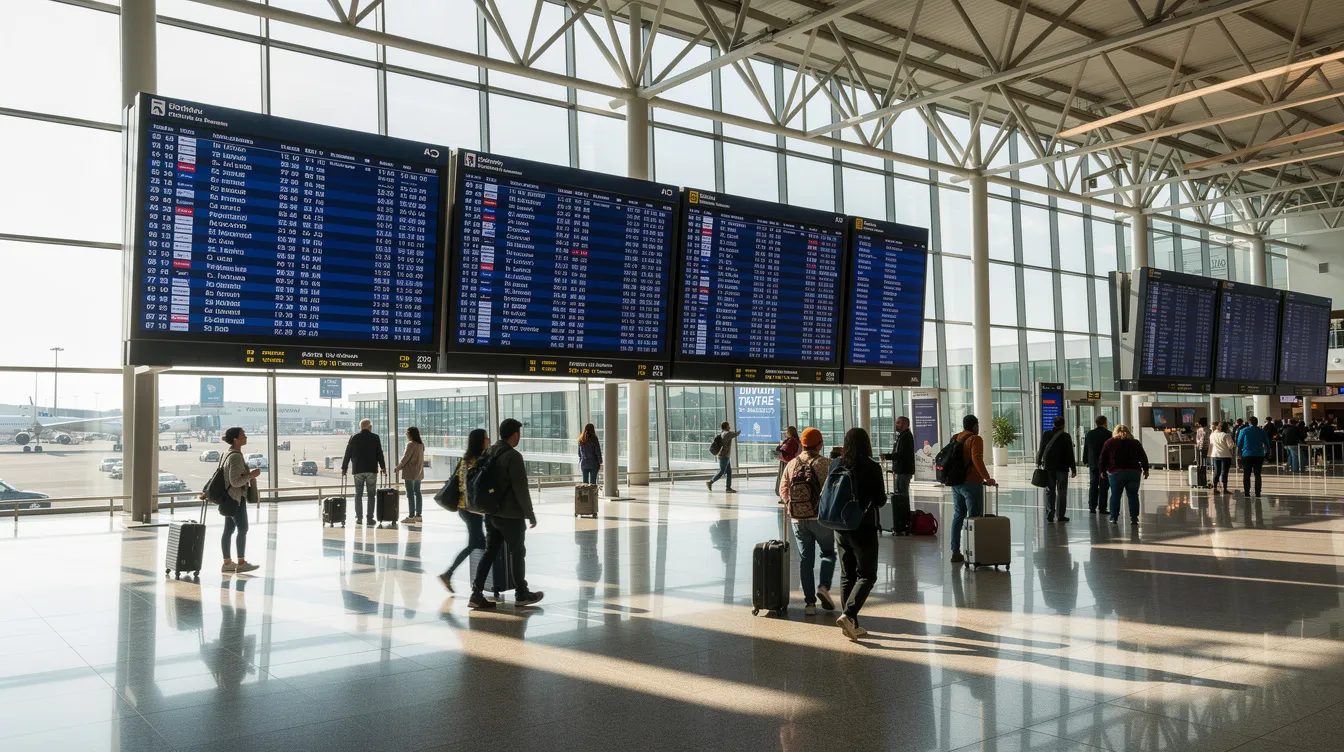
Figuring out what day is best to book a flight is one of the most searched questions in air travel. The short answer: there is no single best day of the week to book a flight for the lowest fares. But the data does reveal patterns around booking windows, travel dates, and seasonal demand that can help you consistently save money on both commercial airline tickets and private jet charters.
This guide breaks down what actually works, what doesn't, and how to apply these timing tips whether you fly domestically, internationally, or on a private charter through a platform like Jettly.
There is no universal "cheapest day" to buy airline tickets. The cheapest day to book flights is Sunday, but savings by day of the week are modest-usually under 6%.
Booking in advance is more impactful than the day of purchase. Domestic flights are generally best booked between one and three months in advance, whereas international flights are ideally booked two to eight months ahead.
The cheapest days to fly are usually midweek-Tuesdays and Wednesdays are often cheaper days to fly-while Sunday and Friday are often the most expensive days to fly due to high demand.
For private jet charters on Jettly, the "best day" is less about a magic weekday and more about avoiding peak dates, using empty leg flights, and planning ahead for the best price.
This guide covers optimal booking windows, cheapest days to travel, and specific strategies to find cheap flights and great-value charters.
In a word: not really. While the Expedia 2025 Air Hacks Report found that Sunday bookings can save up to 6% on domestic flights and up to 17% on international flights compared to booking on Friday, these differences are small next to other factors.
Booking on Fridays is generally cheaper than Sundays for some international routes, adding to the inconsistency. Most airlines adjust flight prices constantly, so a fare you see Monday morning may look different by Monday afternoon.
The bottom line: focusing on flexibility, the right booking window, and cheaper travel dates will outperform chasing a specific day of the week to click "purchase." This holds true for both commercial airlines and private jet charter options, including Jettly.
Airlines adjust prices minute-to-minute based on demand. Airlines use algorithms to react instantly to booking changes, competitor fare drops, and seat availability shifts. Here's what drives price changes throughout the day:
Demand forecasting: If a New York–Miami route is filling faster than expected, fares rise; it’s one of many popular routes where prices tend to climb faster as departure gets closer. If bookings lag, prices often drop when demand is low or after cancellations.
Business vs. leisure segmentation: Revenue management systems reserve higher-priced seats for business travelers who tend to book on short notice, while opening lower fares earlier for leisure flyers.
External triggers: Major events, school holidays, fuel costs, and competitor airline sales all feed into real-time fare adjustments.
Industry evolution: The shift toward dynamic offers and continuous pricing (IATA standards) means fares are increasingly personalized, not locked to rigid fare buckets.
For private jet charter, dynamic pricing works similarly. Rates on Jettly reflect aircraft type, positioning costs, peak dates, and operator availability. Empty leg flights can appear at a significantly lower price when an aircraft repositions between bookings, which is one reason Jettly is often positioned as a cost-effective NetJets alternative.
This distinction matters more than most travelers realize. The day you fly has a bigger impact on your ticket cost than the day you book.
Cheapest days to fly (domestic): Midweek departures on Tuesday, Wednesday, or Thursday, plus some Saturdays, consistently show lower fares. Flying on Saturday versus Monday can save up to 18%.
Most expensive days to fly: Fridays and Sundays carry higher prices because of weekend travel demand from both leisure and business flyers.
International travel: Day-of-week differences are smaller for long-haul routes, but midweek still often beats Sunday departures.
Private jet travel: Charter clients can choose off-peak departure times and secondary airports to avoid congestion and find deals, especially for leisure trips, and can apply proven tips for booking the cheapest private jet flights to further reduce costs.
Shift your thinking from "when should I click buy?" to "when should I actually fly?" That's where the real savings live.
Booking early within the right window matters far more than the exact day of the week. Here are the ranges supported by recent data:
|
Route Type |
Recommended Booking Window |
Key Data Point |
|---|---|---|
|
Domestic flights |
21 to 86 days in advance |
Booking 34 to 86 days in advance saves 25% on domestic flights |
|
International flights |
50 to 179 days ahead |
Booking international flights 18 to 29 days in advance saves 17% |
|
Long-haul (transatlantic, transpacific) |
2 to 6 months in advance |
Booking 2 to 5 months in advance is generally recommended |
Prices tend to spike dramatically within 21 days of departure for domestic flights, so waiting too long is risky.
Booking too far in advance-say 10 to 11 months in advance-rarely yields the best prices unless you're locking in fixed holiday dates.
Booking 21 to 60 days in advance is recommended for domestic flights as a reliable sweet spot.
International flights are best booked 50 to 179 days ahead for the broadest range of better prices.
For private jets, lead time also matters. Same-day private jet charters are possible through Jettly, but booking a few weeks ahead opens more aircraft choices at a better price. Business-critical trip planning on short notice will cost more due to crew scheduling and positioning, so understanding the costs and options for affordable aircraft rental can help you plan smarter.

Based on widely reported trends across multiple data sources:
Tuesdays and Wednesdays are often the cheapest days to fly domestically. Business travelers tend to fly Monday mornings and Thursday/Friday evenings, leaving midweek seats to fill at lower fares.
Saturday can also yield a lower price, especially for domestic routes where most airlines reduce weekend business demand.
Friday evenings and Sundays consistently rank among the priciest departure slots.
On long-haul international routes, the gap between cheapest and most expensive days is narrower but still meaningful-avoiding Friday and Sunday departures can still save money.
For private jets, departure day flexibility can reduce costs when it lets operators align your trip with existing schedules or empty legs. Midweek charters or flights immediately before or after peak weekends often deliver better prices on specific routes.
Cheap flights depend heavily on when in the year you travel. Traveling off-peak can lead to lower flight prices across nearly every route.
Cheaper months: January, early February, and September through mid-October tend to offer lower fares for leisure routes, which can also be good periods to research affordable planes and budget-friendly aircraft choices if you’re considering more regular private flying.
Expensive periods: July, August, and late December see the highest demand and prices. Holiday flights around Thanksgiving, Christmas, Easter, and school breaks carry premium pricing, which is especially important to factor in if you’re planning a weekend plane rental and short getaway.
Business-heavy routes (like London–Frankfurt or New York–Chicago) can actually be cheaper during school holidays when corporate demand dips-a useful window for leisure travelers.
Book holiday flights early: For popular domestic routes during Thanksgiving or Christmas, book 2 to 3 months ahead. For in-demand long-haul holidays, 3 to 6 months is safer.
For private jet charter on Jettly, peak travel days like Christmas in the Caribbean or events like the Monaco Grand Prix fill aircraft quickly. Booking far in advance is crucial for both availability and the best price during these windows, and frequent flyers may benefit from locking in private jet memberships to secure access and wholesale-style rates.
The time of day you click "book" has little consistent effect on airline ticket price. Dynamic pricing runs 24/7, so there's no magic hour to find cheap tickets.
What does matter is the time of day you fly:
First-morning departures and late-night (red-eye) flights are frequently cheaper and less prone to delays.
Flights at unpopular times are often cheaper-midday on a Tuesday or early Saturday morning, for example.
Business travelers who must fly at prime time (early morning, late afternoon) pay more on the same flights.
For private jets, early or late departures can be easier to schedule and may match existing operator positioning, which is especially useful when searching for competitively priced charter options or running numbers with a jet card flight cost estimator.
Here are actionable tips that work better than obsessing over a single booking day:
Set price alerts. Setting price alerts through Google Flights or major OTAs can notify you of fare drops on your preferred route. Watch for price drops over a 1- to 6-month range rather than a single date.
Use flexible date searches. Using flexible date searches can reveal cheaper flights-sometimes shifting your departure date by just one or two days saves significantly, especially if you’re timing a purchase of the cheapest private aircraft for your budget around seasonal price swings.
Check nearby airports. Secondary airports often offer lower fares and less congestion for the same destination, and tools like Jettly's airport locator for private jet charters make it easier to compare options. A long layover can also reduce the fare, and flexible travelers may even use it to explore an extra city before continuing on.
Combine strategies. Booking cheap flights consistently means flying on cheaper days, within the right advance window, and at off-peak times. Each lever stacks.
Consider award tickets. If you have airline miles, award tickets can eliminate the cash cost. Paying cash versus using points is a decision worth evaluating per trip, just as comparing major providers like NetJets and its private aviation model against on-demand charter helps frequent flyers optimize value.
Don't forget rental cars and ground transport. Bundling can sometimes unlock deals on the overall trip cost.
For private jet travelers, checking empty leg flights on Jettly, choosing turboprops or light jets for short hops, and avoiding peak weekends can deliver the best price relative to full-fare charter. You can also reduce per-person costs by using Jettly's platform for crowdsourced private jet flights and shared empty seats. Learn more in Jettly's guide to private jet cheap seats.

While most timing myths originate from commercial airlines, similar principles of demand and flexibility apply to private jet charter on Jettly.
Marketplace model: Jettly provides access to over 20,000 aircraft globally, with instant pricing and the ability to compare different jet categories for each route. Travelers can book a private jet in minutes.
Empty leg flights: These are pre-scheduled repositioning flights sold at discounted rates-sometimes 30% to 70% below standard charter pricing. Their dates and times are ideal for travelers with flexible schedules who want a lower price on private travel. Explore how empty legs and ferry flights work.
Transparent pricing: Jettly's platform lets customers quickly see how changing departure day, time, or aircraft type influences the total cost. Use the private jet cost calculator to compare options.
Example: A family flying Toronto–Miami on a midweek empty leg in early October could pay significantly less than chartering the same route on a peak-season weekend in late December, with far more aircraft available to choose from, especially if they lock in fixed hourly rates through a jet card program.
"Tuesday is always the cheapest day to book." Reality: Data shows Sunday edges out other days slightly, but savings are inconsistent across routes. Check out Jettly's deeper analysis in best day to buy last-minute flights.
"Last-minute always means cheap flights." Reality: Last-minute bookings usually result in higher prices. Most airlines hold remaining seats for high-yield business flyers close to departure.
"Tickets get cheaper at midnight." Reality: Prices change based on demand signals and algorithms, not the clock. There's no evidence of a reliable overnight price drop.
"Book 11 months ahead for the lowest fare." Reality: Booking months in advance helps with availability, but the lowest fares usually appear in the 1 to 6 month window depending on route.
Data over recent years points toward modest differences by weekday and far larger differences based on route, season, and advance purchase window.
A simple decision process:
Pick approximate travel dates. Check fare calendars to identify the cheapest days to fly within your preferred week.
Set alerts. Monitor prices within the recommended advance window for your route (21–86 days domestic, 50–179 days international).
Be flexible. Shifting departure by a day or two, or flying at off-peak times, often yields bigger savings than any booking-day trick.
Lock it in. Once you see a fare in the lower range of recent trends, book it. Waiting for a slightly lower price can backfire close to departure.
For business travelers who must fly on fixed dates, booking early provides schedule security. Leisure travelers with flexibility can wait for favorable price signals within the safe window-but should avoid cutting it too close. Those exploring private aviation can also consult an ultimate list of charter airlines and private flight options to understand which operators fit their needs.
There is no perfect, universal best day to book a flight. But applying these timing rules will consistently keep you closer to the lower end of price ranges. For those interested in private jet options, explore Jettly's platform for instant quotes, review what a private jet really costs, and see how timing, aircraft type, and routing affect charter pricing.
Ready to enjoy private travel tailored to your preferences? Browse flight options or request a personalized quote at https://www.jettly.com.
These questions address topics beyond what the main sections cover in detail.
Occasional last-minute deals still exist, especially on less busy routes or when airlines need to fill seats. However, the general trend for commercial plane tickets is higher prices in the final 2 to 3 weeks before departure. For private jet charters on Jettly, attractive rates can appear very close to departure when aircraft would otherwise fly empty, but travelers with fixed plans should not rely on this as a primary strategy; instead, consider structured options for buying a seat on a private jet that balance flexibility and cost.
Book major holiday flights earlier than normal. For popular domestic routes, aim for 2 to 3 months ahead. For in-demand long-haul holiday destinations, 3 to 6 months is safer. For private jet holiday trips to hotspots such as Aspen, St. Barts, or the Maldives, securing aircraft through Jettly well in advance is crucial due to strong seasonal demand and limited airport slots, though flexible travelers can sometimes snag bargains by using strategies to get a seat on a private jet easily.
On many traditional airlines, round-trip tickets still offer a lower price than two matching one-way fares. Low-cost carriers sometimes price one-ways competitively, making mix-and-match viable. For private jet charter, pricing on Jettly is typically calculated per leg based on flight time and positioning, so the one-way versus round-trip question is more about aircraft logistics than a fixed discount structure; tools that break down jet card costs and pricing structures can also help frequent travelers compare options. See Jettly's guide on one-way private jet charters for more detail.
Check the airline's change and cancellation rules. Some fare classes allow free changes or credit if you cancel and rebook at the lower fare. It's worth monitoring fares for a short period after purchase using price alerts. For private charters, Jettly's team can often advise on the best time to confirm to balance price and availability.
Private jet pricing is less about a universal cheapest weekday and more about alignment with aircraft schedules, airport availability, and peak versus off-peak dates. Jettly customers get more value by being flexible on departure time, choosing appropriate aircraft size, considering secondary airports, and watching for empty leg flights-rather than trying to book on a specific day of the week.
While there is no single "best day" to book a flight that guarantees the lowest price, understanding the dynamics of airline pricing, optimal booking windows, and the cheapest days to fly can significantly improve your chances of securing the best deals. Booking within the recommended advance periods- typically one to three months for domestic flights and two to eight months for international travel- combined with flexibility on travel dates, especially midweek departures, offers the most consistent savings.
For private jet travelers using platforms like Jettly, the focus shifts to leveraging empty leg flights, avoiding peak travel dates, and booking ahead to access the widest range of aircraft at transparent prices. Whether flying commercial or chartering a private jet, smart timing paired with tools like price alerts, flexible searches, and empty leg flights will help you find the best deals and enjoy a more convenient, cost-effective travel experience.
Ready to experience private travel on your terms? Explore flight options or request a quote at https://www.jettly.com.
Share this post:
Jay Franco Serevilla
Sep 4, 2026
|
5
min read
Discover tips and trends in the industry.

5
min read
New York to Los Angeles: Flights, Private Jet Options, and Smart Booking Strategies
Traveling from New York to Los Angeles offers a variety of options, from budget-friendly commercial flights to luxurious private jet charters. This guide provides essential information on flight durations, pricing, and booking strategies to help travelers make informed decisions. Whether you're looking for the cheapest fares or the most convenient travel experience, understanding your options is key.
Read More
5
min read
Business Class Flights: How to Fly Smarter, Save Time, and Upgrade to Private Travel
This guide explores the world of premium air travel, comparing business class, first class, and private jet options. It offers insights into comfort, service, and cost, along with actionable tips for booking smarter. Whether you're a frequent flyer or considering an upgrade, this resource helps you navigate your travel choices effectively.
Read MoreStay updated with our latest insights and tips to elevate your journey with us.
MEMBERSHIPS AND ASSOCIATIONS



Disclaimer: Jettly operates as a charter broker, offering access to a global digital jet charter marketplace. Jettly is not a direct air carrier and does not own or operate aircraft. All advertised flights are conducted by third-party air carriers that are fully licensed and hold the appropriate Part 135 or Part 121 certifications issued by the Federal Aviation Administration (FAA) or equivalent regulatory authorities under U.S. or foreign law. Jettly complies fully with the U.S. Department of Transportation's Part 295 and Part 298 Charter Broker regulations. Jettly does not carry additional liability insurance. Passengers are covered by aircraft operator insurance. TICO: 50023770


