


Login
Get Instant Pricing On 23,000+ Aircraft

>

Figuring out when to purchase flight tickets can feel like guessing at a moving target. Airline prices change dynamically based on demand, and private jet charter costs shift with aircraft availability, crew schedules, and repositioning needs. Whether you fly commercial or private, the timing of your booking has a direct impact on what you pay.
This guide breaks down the best booking windows for domestic flights, international flights, and private jet charters-backed by recent data-so you can save money and lock in the flight options that fit your schedule.
The best time to buy commercial airline tickets is usually 1–3 months before U.S. domestic trips and 3–6 months before major international routes, with exact booking windows varying by region.
There is no magic "cheapest day" to book flights, but Sundays and midweek days often show slightly better commercial fares than Fridays; for private jets, availability and operator demand matter more than weekdays.
Flying on off-peak days (Tuesday, Wednesday, Saturday) and outside school holidays or major events can cut commercial airfares by 10–25%; private jet fares vary more by route length, aircraft type, and repositioning needs.
For private charter, booking 2–4 weeks before short-haul trips and 4–8 weeks before long-haul flights gives better aircraft choice and pricing, while ultra-last-minute charter is best reserved for urgent or mission-critical trips.
Travelers can use Jettly's digital platform to compare aircraft categories, track private jet pricing, and take advantage of empty leg flights for lower-cost, on-demand private travel.
The answer to "when should I buy flights?" depends entirely on whether you're buying plane tickets on a commercial airline or chartering a private jet. The pricing mechanics are fundamentally different.
Commercial dynamic pricing: Many airlines use revenue-management algorithms that adjust fares in real time based on bookings, demand spikes, holidays like Thanksgiving, early July, and Christmas–New Year, as well as competitor pricing. Airlines adjust prices based on real-time data and demand, meaning the same flights can show a different price an hour later.
Typical commercial price curve: Flight prices often rise as the departure date approaches. The cheapest fares tend to appear 1–6 months out, then climb sharply. Prices often rise significantly within 21 days of departure, with additional jumps at the 14- and 7-day marks-especially in basic economy.
Private jet economics: Operators price flights based on aircraft type, flight time, crew duty limits, fuel costs, and repositioning legs. There are no fare classes or seat-by-seat demand curves. You pay for the whole aircraft.
Where Jettly fits in: Jettly aggregates over 20,000 aircraft worldwide and displays instant charter pricing, making private jet costs far more transparent than traditional broker quotes. Learn more about how private jet charter works.
This section focuses on scheduled commercial flights and cheap flights. Private jet timing is covered separately below.
The right time to purchase airline tickets depends on your route type (domestic vs. international) and whether you're traveling during peak or off-peak periods. Think in terms of a booking window-a range of dates-rather than hunting for a single perfect day to buy flight tickets.
Quick rule of thumb:
|
Trip Type |
Best Booking Window |
|---|---|
|
U.S. domestic/short haul flights |
1–3 months before departure |
|
U.S. to Mexico / Caribbean |
1–3 months (around 59 days) |
|
U.S. to Europe / long-haul |
2–6 months before departure |
|
Peak season (any route) |
3–6+ months ahead |
For U.S. domestic routes like New York–Miami, Los Angeles–Las Vegas, or Chicago–Dallas, data consistently points to a sweet spot well before the departure date.
Book domestic flights 34 to 86 days in advance. Multiple studies and Google Flights data show the lowest fares tend to appear in that range, with an average low around 44 days out.
Booking 1 to 3 months in advance saves about 25% on domestic flights compared to buying at the last minute or very far ahead. Booking flights 6 months in advance might not be as cost-effective as booking 15 to 30 days in advance, according to Expedia's 2026 Air Hacks report.
For non-peak months (late January, early February, late September), start monitoring prices 2–3 months out and book flights 4–6 weeks ahead.
Booking early generally leads to better seat selection options and access to preferred fare classes, even if the absolute lowest price hasn't arrived yet.
Last-minute bookings of 8 to 15 days in advance can occasionally lead to significant savings on under-filled routes, but for popular flights, buying inside 2 weeks usually means higher prices.
Long-haul routes like New York–London, Toronto–Paris, or Los Angeles–Tokyo require more planning ahead because of demand patterns and limited seat availability on nonstop flights.
The optimal booking window for international flights is 2 to 6 months in advance. For U.S.–Europe trips, the lowest fares often appear about 2–4 months before departure, with a broad window of 50–179 days and a frequent low around 129 days in multiple studies.
For U.S.–Mexico and Caribbean routes, a booking window of 37–87 days works well, with about 59 days often close to the best price.
International flights are best booked 18 to 29 days ahead on some short-haul international routes, which can save 17% compared to booking earlier or later.
Booking too far in advance (9–11 months ahead) rarely results in the best price, though it may be necessary for scarce award seats or specific destination premium cabin layouts.
For peak-season trips like flying internationally to Europe in July or the Caribbean in December, begin tracking prices 6–8 months ahead and aim to book 4–5 months in advance.
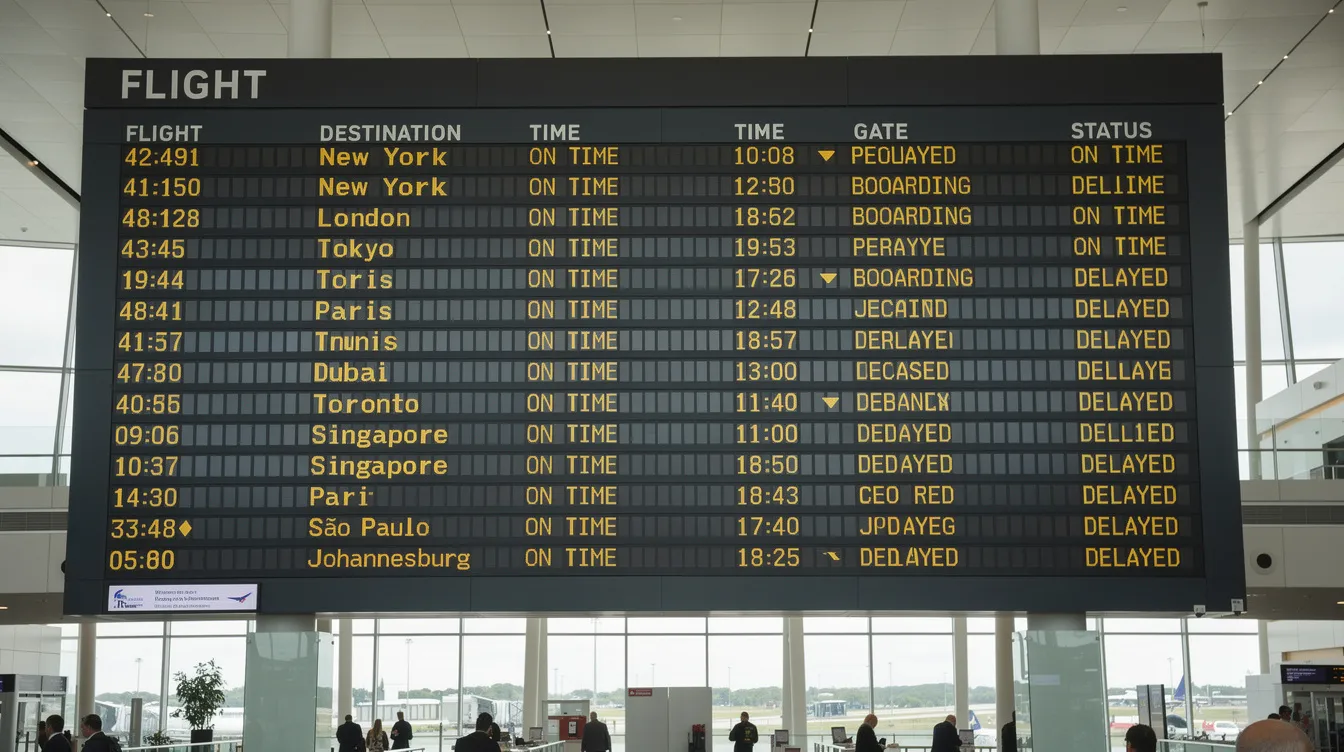
There is no definitive best day to book flights. But certain patterns can help when you want to find cheap flights.
Sunday is often the cheapest day to book flights. Expedia's recent findings show Sunday bookings can be about 6–10% cheaper than Friday bookings for many domestic commercial flights.
Tuesday afternoons may offer better flight deals, and some analyses still find small savings early in the week (Monday–Wednesday) compared with weekends.
Booking on Fridays and Saturdays is generally more expensive for commercial airline tickets.
Dynamic pricing means fares can change frequently based on bookings, so focus more on how many days before travel you buy flights rather than chasing a specific day of the week.
For private jet charters arranged through Jettly, price differences between weekdays are driven more by demand patterns-Friday corporate returns, Sunday leisure flights-than by the calendar day used to book a flight.
There's an important distinction between when you book flights and the day you actually fly.
For commercial flights, Tuesdays and Wednesdays generally have the lowest flight prices. Saturday departures are also generally cheaper on short-haul flights.
Sundays tend to be the most expensive day to fly, and Fridays command higher prices on routes like New York–Chicago or Los Angeles–San Francisco.
International routes may show less weekday variation, but flying midweek can still help avoid peak crowds and slightly lower fares.
With private jets, travelers use Jettly to choose departure times that fit their schedule. Total price depends on flight duration, aircraft type, and airport choices more than exact departure weekday, and some travelers offset costs further by sharing empty seats on private jet flights.
Peak travel dates behave differently and often break the usual cheap airfare rules.
Concrete peak periods: U.S. Thanksgiving week, Christmas to New Year's, spring break (March–April), and mid-June to late August for summer holidays.
Booking during peak seasons should be done as early as 3 to 10 months in advance. For Thanksgiving or Christmas commercial flights, start monitoring prices by August and aim to book flights by early September.
For large events-Super Bowl, major trade shows, global sporting events-book 3–6 months ahead regardless of whether you book a flight in basic economy or premium cabins. Multiple airlines compete on event routes, but fares still rise faster than normal.
For private charters during peak periods (New York–Miami around New Year's, Los Angeles–Las Vegas for major conferences), booking at least 4–8 weeks in advance helps secure preferred aircraft and departure times.
Timing trips for shoulder season can reduce both commercial and private jet costs substantially.
Examples: late April or early May in Europe, late September and October for Mediterranean destinations, early December before the holiday rush. August is often a low-cost month for booking flights to certain destinations after summer peak bookings are finalized.
In shoulder seasons, travelers may find cheap tickets even when booking closer in-3–5 weeks for domestic, 6–10 weeks for international-thanks to lower demand.
Private jet operators often offer more competitive pricing and better availability in shoulder periods. Jettly's platform makes it easier to compare fares across multiple private charter aircraft for these travel dates.
Unlike commercial airline tickets, private jet seats are not sold individually. Travelers pay for the whole aircraft, so timing affects aircraft choice and availability rather than fare classes.
For high-frequency business routes (Toronto–New York, London–Geneva), business travelers often book 1–4 weeks before departure when schedules are firm.
For complex itineraries-multi-leg Europe tour, family Caribbean vacation, remote ski resort-planning 4–8 weeks in advance allows Jettly to match travelers with optimal aircraft types and crew schedules and suitable departure points using its airport locator tool. See how to charter a private jet for a step-by-step guide.
Business flyers flying the same routes regularly may benefit from Jettly's membership options for priority access, especially if they are comparing Jettly as a flexible NetJets alternative.

Urgent situations-last-minute board meetings, medical-related travel, or missed commercial connections-sometimes mean you need to buy flights within 24–48 hours.
Jettly's on-demand platform can source aircraft on short notice, sometimes within a few hours, depending on positioning and operator readiness, while its guidance on affordable private jet charter costs helps travelers understand the premiums for urgent trips.
Ultra-last-minute bookings often cost more (roughly 25–40% premium) due to repositioning flights, crew logistics, and limited aircraft choice. But they can save critical time compared to waiting for commercial airline tickets.
Example: booking a light jet from New York to Washington, D.C., on the same day for an urgent legal meeting, where the time savings far outweigh the cost premium.
Empty leg flights are repositioning segments where an aircraft would otherwise fly without passengers. They represent some of the best last-minute deals in private aviation.
Jettly lists empty leg opportunities where travelers can buy flights at 25–75% below standard charter rates. For example, a New York–Miami light jet empty leg might run $4,000–$8,000 versus $12,000–$16,000 for a standard charter, and travelers can explore how to buy a seat on a private jet to maximize value on these routes.
Empty legs are typically announced 1–7 days before departure. Flexibility with travel dates and airports is essential to take advantage of them.
Travelers who prioritize price over exact timing should check Jettly's empty leg listings regularly for discretionary trips.
The ideal time to book private jets differs by aircraft category and flight distance.
|
Aircraft Category |
Example Routes |
Recommended Lead Time |
|---|---|---|
|
Light jets/turboprops |
Toronto–Montreal, LA–Vegas |
1–3 weeks |
|
Midsize / super-midsize |
New York–Los Angeles, Toronto–Vancouver |
3–6 weeks |
|
Large-cabin / ultra-long-range |
New York–London, LA–Honolulu |
4–8+ weeks |
|
Helicopter transfers |
City to airport, short regional hops |
Days to 1 week |
Advance coordination improves ground transport integration, catering planning, and overall trip quality. Use Jettly's charter cost estimator and jet card flight cost estimator to compare pricing across categories.
Smart flight search tools help with both commercial and private flight planning.
Commercial: Use Google Flights, Skyscanner, and Kayak for monitoring flight prices, setting price alerts, and identifying cheap flights by month or flexible date grids. Google Flights tracks prices and shows historical trends, making it easy to compare fares across online travel agencies and airlines websites.
Price alerts: Price alerts notify you when flight prices change. Set them 5–7 months before big trips, then buy plane tickets when fares fall into your target range during the ideal booking window.
Private jets: Jettly provides instant pricing, aircraft comparisons, and route options in a single interface-no multiple phone calls to brokers needed, building on the broader landscape of charter airlines and private flight options.
General strategy: Compare booking early vs. using alerts vs. remaining flexible on dates, routes, and nearby airports. Airlines tend to fill seats aggressively on specific routes, so monitoring price drops across other airlines and a budget airline or two can reveal a good deal.
Private jets don't use commercial fare classes, but understanding basic economy tickets vs. main cabin matters when comparing cheap flights.
Basic economy often offers the lowest price but limits change fees, cancellations, seat assignments, and carry-on allowances. It may not suit complex trips.
Travelers who may need flexibility should consider main cabin or premium economy, especially when booking flights far in advance. Paying cash for a refundable fare class can be worth the premium over a locked-in basic economy ticket at the same price as a restrictive round trip fare, much like weighing different options in a broader guide to private jet costs and ownership.
Private jet bookings through Jettly offer more schedule flexibility than most airlines, with terms handled case-by-case between the traveler and operator.
Sometimes conditions justify booking immediately, even outside the usual booking window.
Triggers: Limited seat availability on your exact dates, only a few nonstop flights per day from your home airport to a specific destination, or a major conference coinciding with your trip.
If a fare for a crucial trip (international wedding, important client meeting) drops to a historically low level, it's often better to buy flights than wait for further small price drops. Flight prices often rise as the departure date approaches, and that cheapest month window won't last forever.
For private jets, if Jettly shows only a narrow set of acceptable aircraft and time slots for a critical itinerary, secure the charter promptly.
Review cancellation and change policies carefully so booking early doesn't lock you into inflexible options.
Jettly streamlines the "when to buy" decision for private jet travelers through transparent pricing and broad aircraft access.
The platform lets travelers run multiple quotes for different dates, times, and aircraft categories to see how timing affects charter pricing-no guesswork.
Clients can choose between membership and pure on-demand access, depending on how frequently they need to book flights and how much pricing predictability they require, or explore structured jet card programs with fixed hourly rates.
Jettly prioritizes safety by working with regulated operators and can coordinate extras like in-flight catering and ground transportation (including rental cars at destination) when trips are booked with sufficient lead time.
Ready to experience private travel on your terms? Explore aircraft, compare routes, and request instant quotes at jettly.com.
On under-filled commercial routes, some last-minute deals do appear in the final 1–2 weeks. However, for popular flights-especially during holidays or on routes with limited frequency-most airlines raise prices sharply inside 14 days. If timing matters more than cost, private jets can be sourced quickly through Jettly even when commercial ticket prices spike close to departure.
For complex commercial itineraries such as New York–London–Paris–Rome–New York, plan at least 4–6 months in advance to secure reasonable fares and nonstop flights on each leg. For multi-stop private jet tours, 6–8 weeks of lead time allows Jettly to arrange aircraft positioning, airport slots, and crew scheduling smoothly across each city.
Basic economy saves money upfront but limits flexibility. Waiting for a main cabin airline sales promotion risks higher prices if the sale never materializes-especially on peak dates. The best approach: book when fares align with your budget and flexibility needs. If your travel dates are firm, locking in a reasonable fare early usually beats gambling on a price drop.
For multi-stop roadshows-say Toronto–Chicago–Houston–Los Angeles over three days-book 4–8 weeks ahead. This gives Jettly enough lead time to coordinate aircraft suitability, ground logistics, and crew rest between legs. Waiting until the last week can force use of less ideal aircraft or incur repositioning premiums.
Many travelers fly commercially on one leg and book a private jet for the return, especially to avoid red-eyes or tight connection windows. Time each segment separately: purchase the commercial ticket within its optimal booking window, then use Jettly to arrange the private leg based on aircraft availability and your schedule. This hybrid approach can optimize both cost and convenience.
Understanding when to purchase flight tickets can significantly impact travel costs and convenience, whether flying commercial or chartering a private jet. For commercial flights, booking within the optimal windows—1 to 3 months in advance for domestic trips and 2 to 6 months for international routes—often yields the best fares. While no single day guarantees the cheapest tickets, monitoring prices and flying on off-peak days can add savings. Private jet travelers benefit from booking 2 to 8 weeks ahead depending on trip length and aircraft type, with Jettly’s platform providing transparent pricing and flexible options to match schedules and budgets. Ultimately, combining smart timing with tools like price alerts and Jettly’s instant charter quotes empowers travelers to secure flights that offer the best balance of cost, comfort, and convenience. Ready to experience private travel on your terms? Explore aircraft, compare routes, and request instant quotes at jettly.com.
Share this post:
Jay Franco Serevilla
Jul 6, 2026
|
5
min read
Discover tips and trends in the industry.

5
min read
Best Time to Buy International Airline Tickets to Europe
Finding the best time to buy international airline tickets to Europe can save travelers hundreds of dollars. Booking 3 to 7 months in advance typically yields the best prices, especially during shoulder seasons. This guide offers insights on timing, fare tracking, and alternative airports to maximize savings and flexibility.
Read More
5
min read
When Do Plane Tickets Get Cheaper? Timing Your Booking for Better Flight Prices
Understanding when plane tickets get cheaper is essential for travelers looking to save on airfare. Generally, booking domestic flights 1 to 3 months in advance and international flights 2 to 8 months ahead yields the best prices. Factors like travel dates, day of the week, and seasonality significantly impact ticket costs, making it crucial to stay flexible and track fare changes.
Read MoreStay updated with our latest insights and tips to elevate your journey with us.
MEMBERSHIPS AND ASSOCIATIONS



Disclaimer: Jettly operates as a charter broker, offering access to a global digital jet charter marketplace. Jettly is not a direct air carrier and does not own or operate aircraft. All advertised flights are conducted by third-party air carriers that are fully licensed and hold the appropriate Part 135 or Part 121 certifications issued by the Federal Aviation Administration (FAA) or equivalent regulatory authorities under U.S. or foreign law. Jettly complies fully with the U.S. Department of Transportation's Part 295 and Part 298 Charter Broker regulations. Jettly does not carry additional liability insurance. Passengers are covered by aircraft operator insurance. TICO: 50023770


