



Login
Get Instant Pricing On 23,000+ Aircraft

>

Knowing when flights go on sale can save travellers hundreds of dollars per ticket. In most cases, airlines load schedules about 11 months before departure, but the best time to book cheaper fares is usually closer to 2 months out for most trips. There is no single magic moment, because airlines constantly adjust prices based on demand, competition, and how many seats remain.
For frequent flyers, corporate executives, high-net-worth travellers, and families weighing commercial tickets against private options, this guide explains when to book, the cheapest day to fly, which factors move airfare up or down, and which tools can help you track prices. It also shows how private jet charter through Jettly offers a different booking window, more flexibility, and a clearer way to compare cost, timing, and convenience before prices climb.
Airline tickets typically go on sale about 11 months before departure, but the lowest fares usually appear much closer to the travel date — the best time to book is about 2 months before departure for most trips.
There is no single cheapest day of the week to book flights. Airlines load and adjust sales several times per week and throughout each day. Focus on booking windows, not calendar days.
Domestic flights often price best around 30–60 days out. International routes typically offer the lowest flight prices 2–8 months in advance. Private jet charter with Jettly is about matching demand and aircraft availability rather than waiting for public sales.
Flying on Tuesdays, Wednesdays, and Saturdays is often cheaper than flying on Fridays and Sundays. Shoulder seasons (mid-April–early June, late August–early October) usually offer lower fares.
Track prices, set price alerts, and use Jettly's private jet charter cost estimator to compare private charter costs versus commercial tickets for your route and dates.
Flights don't have one universal "on sale" moment. Airlines release schedules roughly 330–360 days in advance and then run short promotional sales alongside continuous algorithmic price changes.
There are three distinct types of fare movement to understand: initial schedule release (often at average prices, not the cheapest), named sales (e.g., "Spring Sale," "Black Friday"), and quiet fare drops triggered by low demand and competition. Big seasonal sales often appear around New Year, January–February travel expos, spring shoulder season in April and May, back-to-school in September, and Black Friday or Cyber Monday. Promotional sales frequently occur in January and February after the holiday rush. Flash sales can happen at any time but are often scheduled around holidays or specific events. A true cheap deal can disappear quickly.
For most travellers chasing cheap flights, the best tactic is to book when a good price appears in the right window and check current fares rather than waiting for a mythical future sale day.
In the Jettly marketplace, availability and pricing are driven by aircraft positioning, date flexibility, and empty legs, so deals can appear very close to departure rather than months in advance. Tools like Google Flights, Skyscanner, and Jettly's instant-quote engine help identify when flights go cheaper without guessing. Clearing cookies will not reveal lower fares, despite the outdated pricing tricks travellers still hear about.
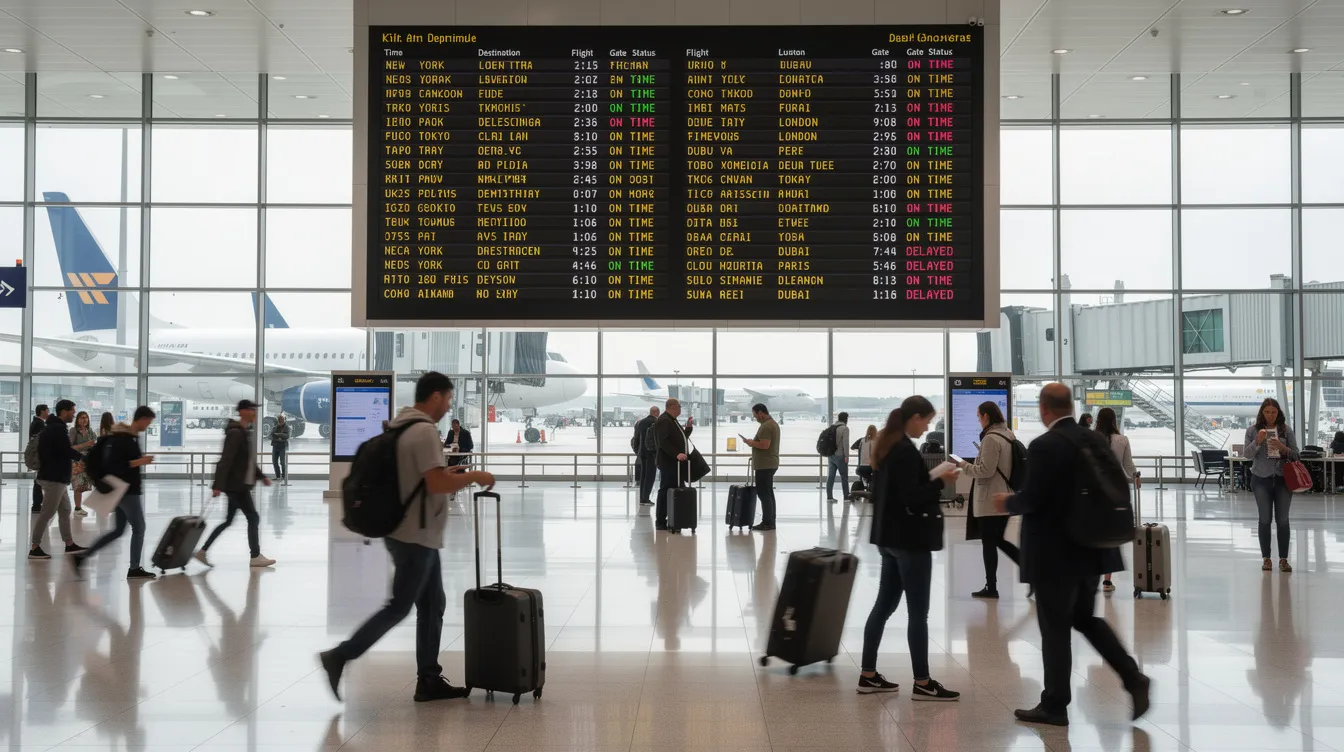
Several factors control when cheap flights appear and when prices change:
Demand and seasonality: Airfare is constantly changing because demand and competition shift throughout the year. High season (late June–August, Christmas–New Year, school holidays, big events like the Super Bowl or F1 races) pushes prices up. Avoid booking flights during peak travel seasons. Shoulder seasons (mid-April to early June, late August to early October) tend to have more cheap deals and quiet sales, and March can still be part of the lower-priced tail end of the winter schedule. Avoid peak travel months for cheaper flight prices.
Advance purchase rules: Many economy fares require 7-, 14-, or 21-day advance purchase to unlock lower price buckets. Last-minute business demand often makes flights more expensive in the final 7 days for popular routes.
Weekday vs. weekend dynamics: Prices are loaded and adjusted multiple times daily. Historically, some sales were filed late Monday or Tuesday, but modern data shows only marginal differences by booking day.
Competition and route type: Heavily competed routes (e.g., New York–Miami, London–Paris) see more frequent price drops. Prices are higher for routes with fewer airlines operating. Flights with layovers tend to be cheaper than direct flights, and travellers often pay more for nonstop service on limited-airline routes.
Cabin and fare type: Basic economy may look cheapest but is less flexible, so compare what you get for the money, including whether a bag costs extra. Premium cabins and flexible fares rarely see drastic "fire sales" but can have targeted promos.
Real-time adjustments: Airlines adjust prices based on real-time booking data. Prices drop when demand is low or after cancellations. Airlines often run seasonal sales with limited availability.
For private charter through Jettly, pricing is mainly driven by aircraft size, flight distance, airport fees, and repositioning — not public fare buckets. "Sales" often take the form of empty leg flights instead of advertised promo codes, and savvy travellers can follow additional tips for booking the cheapest private jet flights to keep costs down.
The right booking window depends on where you're going and when.
Domestic commercial flights: Book domestic flights 1–3 months in advance. Prices for domestic flights typically hit their lowest point around 39 days before departure. For very popular city pairs (LAX–JFK, Toronto–Vancouver), booking 45–75 days out often catches sales before business demand pushes prices up.
International commercial flights: The best booking window for international flights is usually 2 to 8 months in advance. Book international flights 2–6 months ahead. For peak-season long-haul (July trips to Europe or winter holidays in the Caribbean), start searching 6–8 months out and book when a good fare appears, since booking too early or too late can cost more money.
Holiday periods and school breaks: Thanksgiving, Christmas–New Year, Easter, and August in Europe often never get truly cheap. Lock in domestic flights 2–4 months ahead and international flights 4–6 months ahead to avoid last-minute spikes, and consider alternative options like affordable aeroplane rental when commercial fares are unusually high.
Last-minute travel: Cheap last-minute seats are less common on busy routes. They appear more on less-trafficked destinations, red-eyes, or very early/late departures, where flexible dates may still help you bag a bargain on off-peak routes. Use fare calendars and alerts if flexible by 1–3 days. Learn more about whether flights drop in price last minute.
Private jet charter timing with Jettly: Unlike commercial airlines, private charter doesn't follow a strict "book X days ahead" sweet spot. For high-demand weekends in the summer to Ibiza, Mykonos, or the Hamptons, clients often secure aircraft weeks or months in advance. Empty leg flights can become available just 24–72 hours before departure and can be significantly cheaper than arranging a one-way from scratch, especially once you understand what drives one private flight cost.
Combine this timing guidance with real-time price tracking, using both commercial fare tools and Jettly's instant-quote search to decide when to buy. Use those tools as you plan your next trip.
|
Booking Window |
Trip Type |
Notes |
|---|---|---|
|
1-3 months before |
Domestic commercial flights |
Lowest prices typically around 39 days before departure. Popular city pairs may vary. |
|
2-8 months before |
International flights |
Best window for most international routes. Start earlier for peak season trips. |
|
2-4 months before |
Holidays & school breaks |
Lock in early to avoid last-minute price spikes. |
|
Last-minute (1-3 days) |
Flexible travelers |
Possible deals on less busy routes, red-eyes, or early/late flights. |
|
Varies |
Private jet charter (Jettly) |
Depends on demand, aircraft availability, and empty leg opportunities. |
The idea that Tuesday is always the cheapest day to book flights is largely a myth. Modern analysis across millions of fares shows only a marginal (around 1–2%) difference in average ticket price by booking day. Discounts can appear any day. Focus on price levels and booking windows, not the calendar day of booking. Booking too early or too late usually results in higher prices.
That said, the day you fly matters a lot more. Tuesday mornings often have lower flight prices. Flying on Tuesdays and Wednesdays is often cheaper than on weekends because business and leisure demand peaks on Fridays and Sundays. Early morning flights are generally cheaper than later flights, especially when the least convenient options mean leaving in the middle of the night. Traveling midweek can be cheaper than weekends - CheapAir data shows flying Wednesday saves roughly $100 versus flying Sunday.
For week-long and weekend trips, shifting a getaway from Friday/Sunday to Thursday/Monday or Wednesday/Saturday can reduce airfare noticeably. Use fare calendars to view the cheapest day across a whole month.
For private jet charter, the "best day" is about airport slot availability, crew duty limits, and aircraft position rather than public fare cycles. Mid-week private flights can sometimes be priced more favourably if operators are repositioning aircraft and listing empty legs or shared private jet flights with crowdsourced seats through platforms like Jettly.
Remain flexible by 1–3 days where possible, since flexibility is your best friend when comparing different departure days, and compare the total trip cost (extra hotel nights, ground transport) when shifting to a cheaper departure day.
Technology now does most of the monitoring. Here are the right tools for tracking when prices drop.
Commercial flight tracking: Use Google Flights, Skyscanner, or similar tools with price alerts turned on for specific routes and travel dates. Fare calendars and "Cheapest Month" functions help spot patterns without daily manual checks, much like private flyers compare options by first understanding how much a private jet really costs.
Understanding alerts: Alerts track specific itineraries and notify users when fares change. Set multiple alerts if you can shift by a day or two, just as flexibility on timing and routing can meaningfully change how much it costs to rent a private jet.
Airline newsletters and sales: Sign up for major airlines' and low-cost carriers' newsletters - many publish 48–72 hour promo codes and flash sales. Following carriers like United can also help you catch app-only or email fare promotions. Watch for promo windows like Black Friday, Cyber Monday, and end-of-summer sales, and compare them with affordable private jet charter offers when evaluating total trip costs.
Private jet charter with Jettly: Jettly's platform displays instant pricing for thousands of aircraft, letting users compare the cost of flying private for different times and days without waiting for a quote email. Users can browse or be notified of empty leg flights priced significantly below typical charter rates on certain routes, or secure predictable access through private jet memberships.
Decision-first approach: Set a target price range in advance for both commercial and private flights. When alerts show fares in that range and timing matches the recommended booking window, book flights rather than wait for a theoretical bigger sale.
Waiting can help on commercial airlines when you're looking at off-peak routes, mid-week departures, or less popular destinations that sometimes see price drops closer to departure. Shoulder-season travel (e.g., late September trips to Europe) may get cheaper within 30–45 days of departure if seats remain unsold. Flight prices drop when demand is low.
Waiting is risky for peak holiday dates, school vacations, big sporting events, and limited-service routes — these are likely to get more expensive over time. For must-travel dates (weddings, conferences), it is safer to secure a reasonable fare early than chase the absolute lowest price, or to explore affordable luxury private jet options where schedule control is critical.
For private jets, late booking can sometimes unlock cheaper empty legs, but at the cost of strict route and timing restrictions. For important trips - a board meeting, product launch roadshow, or family vacation - serious travelers typically secure aircraft through Jettly well ahead and only rely on last-minute empty legs when flexibility is high, though some may instead prefer to buy a single seat on a private jet rather than charter the whole aircraft.
A hybrid strategy works well: use commercial flights for fixed itineraries where cheap flights are likely with advance purchase. Use Jettly for time-sensitive, multi-city, or airport-limited trips where schedule control and time savings outweigh the search for the cheapest ticket, and tap into easy ways to get a seat on a private jet when you only need space for one or two travellers.
The smart move is to treat both commercial tickets and private charter as tools — choose whichever gives the best balance between cost, timing, and flexibility when a good option appears.
Airline tickets generally go on sale about 11 months before the departure date. However, the best prices are often found closer to 2 months before travel.
There is no definitive best day to book flights. Airlines adjust prices frequently throughout the week. Instead, focus on booking within the optimal time window and tracking prices.
Flying on Tuesdays, Wednesdays, and Saturdays tends to be cheaper than flying on Fridays or Sundays. Early morning flights and shoulder seasons also often offer lower fares.
For domestic flights, booking 1 to 3 months in advance usually yields the best prices. For international flights, the ideal booking window is 2 to 8 months ahead.
Private jet charter pricing depends on aircraft availability, demand, repositioning costs, and empty leg opportunities rather than public fare sales. Jettly’s platform offers instant pricing and flexible booking options.
Last-minute deals can occasionally be found on less busy routes or through empty leg private jet flights, but they are less common on popular commercial routes and peak travel dates.
Use tools like Google Flights, Skyscanner, and Jettly’s instant-quote engine. Setting price alerts and monitoring fare calendars can help identify the best booking times.
Flash sales often occur around holidays or specific events, but they can happen anytime. Staying subscribed to airline newsletters and alerts increases the chance of catching these promotions.
Understanding when flights go on sale and the best times to buy can significantly impact travel costs and convenience. While commercial airlines typically release tickets about 11 months in advance, the most affordable prices often appear closer to two months before departure. There is no fixed "best day" to buy, so focusing on flexible booking windows, tracking prices with alerts, and leveraging tools like Jettly's instant private jet charter quotes can help travellers make smarter decisions.
For those considering private jet travel, Jettly offers a unique marketplace where availability and pricing depend on demand, aircraft positioning, and empty leg opportunities rather than traditional fare sales. This flexibility can provide last-minute savings and greater control over travel schedules.
Ultimately, combining commercial flight strategies with private charter options ensures travellers can optimise both cost and convenience. Ready to experience private travel on your terms? Explore flight options or request a quote at https://www.jettly.com.
Share this post:
Jay Franco Serevilla
Oct 31, 2026
|
5
min read
Discover tips and trends in the industry.

5
min read
Signature BWI at Baltimore Washington Int'l Airport: Private Jet Access with Jettly
Signature Aviation BWI serves as the primary fixed-base operator for private jets at Baltimore Washington International Airport, offering 24/7 services and extensive amenities. Jettly enhances the private aviation experience by providing seamless access to thousands of aircraft and personalized coordination for travelers. Whether for business or leisure, this partnership ensures efficient and comfortable private jet travel.
Read More
5
min read
Saudi Arabia Plane: Security Incident, Riyadh Airport Disruption, and Private Jet Alternatives
Recent security incidents involving commercial flights in Saudi Arabia have raised significant concerns about aviation safety in the region. A Flydubai flight experienced a mid-air attack, while a Saudia aircraft was destroyed by a missile at Riyadh Airport. These events highlight the need for travelers to consider private jet alternatives for safer and more flexible travel options.
Read MoreStay updated with our latest insights and tips to elevate your journey with us.
MEMBERSHIPS AND ASSOCIATIONS



Disclaimer: Jettly operates as a charter broker, offering access to a global digital jet charter marketplace. Jettly is not a direct air carrier and does not own or operate aircraft. All advertised flights are conducted by third-party air carriers that are fully licensed and hold the appropriate Part 135 or Part 121 certifications issued by the Federal Aviation Administration (FAA) or equivalent regulatory authorities under U.S. or foreign law. Jettly complies fully with the U.S. Department of Transportation's Part 295 and Part 298 Charter Broker regulations. Jettly does not carry additional liability insurance. Passengers are covered by aircraft operator insurance. TICO: 50023770


