



Login
Get Instant Pricing On 23,000+ Aircraft

>

If you checked fares this morning and found them noticeably higher than yesterday, you're not imagining things. Flights can go up today because airlines use real-time pricing algorithms that react to booking surges, cheap fare buckets sell out, seat inventory changes by the minute, fuel costs move, and travel demand shifts across specific routes. For frequent flyers, corporate executives, and families who need flexible, convenient, and transparent air travel—whether you're comparing commercial tickets or private options through Jettly—understanding those price jumps helps you avoid overpaying, adjust plans faster, and keep better control over cost and schedule.
This quick guide breaks down the main reasons daily flight prices increase, how airline pricing systems trigger short- and long-term fare spikes, what you can do to manage them, and when it may make more sense to compare commercial fares with private jet charter options.
Flight prices can change from $300 to $480 in days as cheaper fare buckets sell out and airlines adjust fares using real-time algorithms.
Budget carrier exits, like Spirit Airlines' 2026 collapse removing 1-2% of U.S. capacity, push fares higher on affected routes by reducing competition.
Jet fuel prices between $4 and $4.50 per gallon, combined with strong consumer demand, have led airlines to trim schedules and protect margins rather than offer discounts.
Travelers can respond by shifting dates, comparing nearby airports, or exploring private charter options with transparent per-aircraft pricing through platforms like Jettly.
Commercial fares are dynamic and often opaque; private jet charter pricing is calculated per mission, giving time-sensitive or group travelers more control over total trip cost.
Airfare moves route by route, not as one big market. When prices rise on a specific route today, it's almost always because the airline's revenue management system detected a booking surge, a schedule change reduced available seats, or a competitor adjusted its own fares.
Airlines divide each flight's inventory into fare buckets: limited sets of seats at each price level. Once the cheapest bucket sells out, the system automatically surfaces the next tier. A $300 economy seat from New York to Miami can become $480 within days simply because enough people booked before you did. This happens several times per day as bookings flow in.
Private jet charters work differently. Charters through Jettly are quoted per aircraft based on distance, aircraft type, crew, and handling fees, not per seat bucket, and understanding one private jet flight cost helps you see how those factors add up. That means pricing stays more stable in real time, even when commercial fares on the same route spike.
Several "today-only" factors cause visible price spikes:
Booking surges from events or news. When a major conference publishes dates, a concert lineup drops, or sports playoffs are announced, travelers book flights within hours. Revenue management systems detect the surge and close cheap fare buckets immediately.
Sales ending. Airlines run limited-time deals that expire at a set hour. Once the sale ends, prices revert to a higher base. From a traveler's perspective, fares "went up overnight."
Capacity pulled from a route. An airline can quietly drop one daily frequency or swap to a smaller aircraft. Fewer seats means less cheap inventory, and the algorithm raises prices to allocate remaining supply.
Day-of-week demand patterns. Many corporate travelers book Monday-morning departures at once, which can trigger same-day increases for midweek flying on business routes.
Travelers with fixed departure windows feel these jumps most. Those flexible by one or two days, or willing to consider nearby airports, typically still find alternatives, or can apply tips for booking the cheapest private jet flights when commercial options remain expensive.
Today's spike is often a visible symptom of longer-term pressure. Consumer demand for travel remains strong despite rising airfare prices. Airlines are less incentivized to offer discounts when flight demand is this resilient, which limits low fare availability across many routes.
On the supply side, airlines face limits on seat availability due to delivery delays and maintenance schedules. Airlines have trimmed schedules to cut unprofitable routes, especially as jet fuel prices sit between $4 and $4.50 per gallon. Higher jet fuel costs have led to reduced profit forecasts, yet airlines forecast double-digit revenue growth despite fewer passengers, largely by protecting yields.
The collapse of Spirit Airlines in early 2026 removed 1% to 2% of U.S. capacity. That budget carrier's exit eliminated the lowest-price competitor on dozens of routes. Reduced competition from budget carriers allows airlines to maintain elevated base fares. American and United plan 10% and 9% capacity growth respectively, but that growth targets profitable corridors, not the thin leisure routes Spirit once served.
Private charters also absorb fuel and crew cost pressure, but pricing is not tied to seat yield management. Travelers choose aircraft size and routing to manage total trip cost directly, and guides on how much a private jet costs can clarify when charter becomes competitive with commercial.
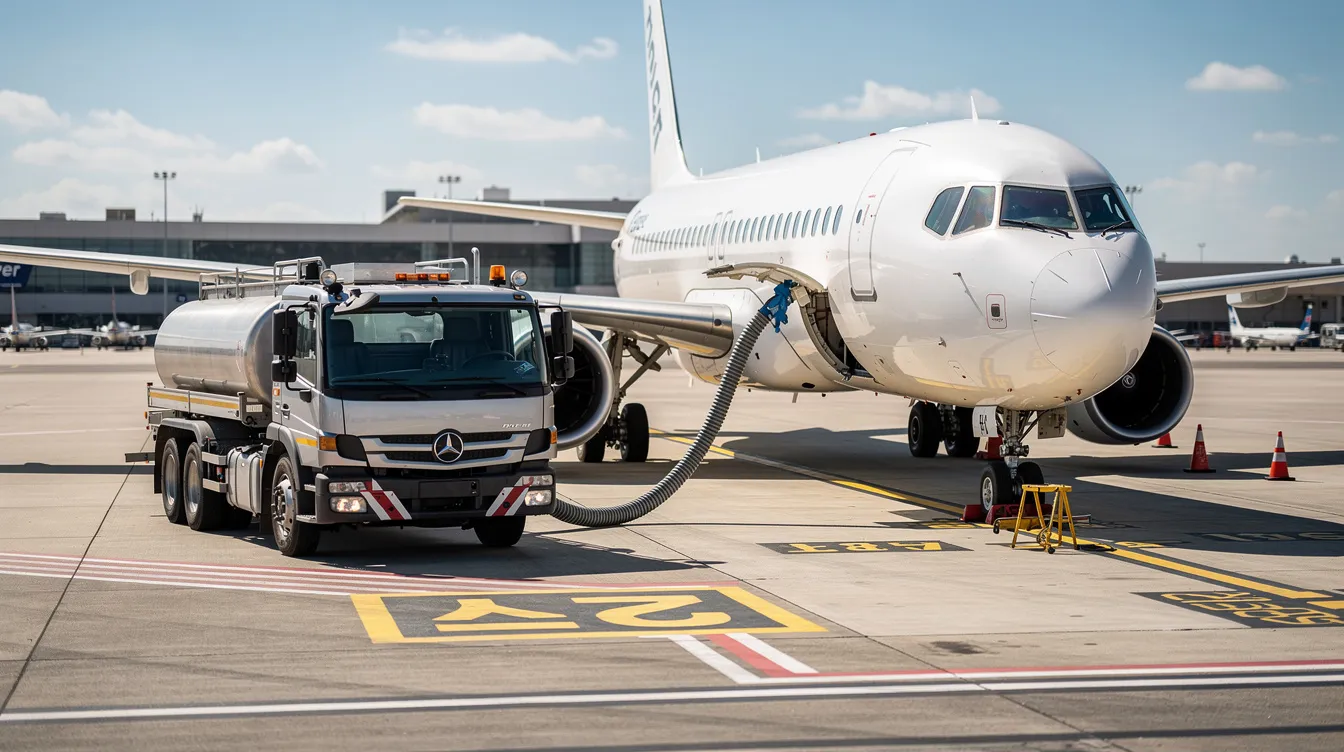
Airlines adjust fares using real-time algorithms that constantly balance seat supply against demand. These systems factor in seasonality, day of the week, route popularity, and competitor actions. Frequent industry changes, from schedule swaps to new route launches, influence pricing strategies among airlines on an ongoing basis.
The timing of travel periods has a direct effect. High seasons like summer, Thanksgiving, and August lead to price hikes due to increased demand. Algorithms offer fewer discounted seats from the start during those windows, and travelers planning long-haul itineraries may instead look at private jets for international flights to regain flexibility. In contrast, January and February are the cheapest months to fly because leisure demand drops after the holidays.
Airlines also increase prices as departure dates approach. A Friday departure in spring for Boston to Los Angeles might sit at $350 eight weeks out, then jump to $520 once the lowest bucket sells in a single afternoon. Routes with multiple carriers tend to have lower prices because competition forces each airline to keep some cheap inventory open longer, much like how top private jet charter companies compete on service, safety, and pricing in the private market.
Ancillary revenues, from baggage fees to seat upgrades, are increasingly important for airlines to offset operating costs, which means the ticket price alone doesn't capture the full cost of flying commercial.
When fares rise, here are specific levers to pull; frequent private flyers may also consider structured jet card programs to lock in predictable hourly rates:
Shift dates by one or two days. Moving off Friday and Sunday peaks often brings prices back to the usual range for many routes.
Compare nearby airports. Flying into Fort Lauderdale instead of Miami, or using a secondary hub where a budget carrier still operates, can soften a price spike. Check the total trip cost including bags and ground transport.
Consider one-stop routing. When nonstop fares surge, connecting itineraries often remain lower because demand concentrates on direct flights.
Set fare alerts. Track price changes over time and act when prices briefly dip. Note that many airlines follow a 24-hour free cancellation rule for tickets booked 7+ days before departure, which gives you a safety net to book now and cancel if a better fare appears.
Compare private charter for group or time-sensitive trips. When commercial prices are high, renting a private jet with a private charter quote through Jettly can make financial sense, especially for groups of four to eight. Jettly's platform can also surface empty leg or repositioning flights that offer lower per-person costs than last-minute commercial business class on certain routes.
If today's commercial price spike is steep enough, affordable private jet charter stops being a luxury decision and becomes a practical one.
Typical scenarios: last-minute client meetings where schedule control matters, multi-city roadshows with tight connections, or family trips to destinations where commercial options are limited and fares have ballooned, where you might weigh shared charter flights versus full charters to balance cost and privacy. For a group of six travelers, splitting a light jet charter from New York to Miami can land close to or below the combined cost of six full-fare last-minute business class tickets, especially if you crowdsource a private jet flight and share empty seats.
Key aircraft categories to know, along with an overview of leading charter airlines:
|
Category |
Range |
Best For |
|---|---|---|
|
Turboprop |
Up to 1,000 mi |
Short hops, small airports |
|
Light Jet |
Up to 2,000 mi |
Groups of 4-6, regional trips |
|
Midsize Jet |
Up to 3,000 mi |
Coast-to-coast, more baggage |
|
Heavy Jet |
4,000+ mi |
International, large groups |
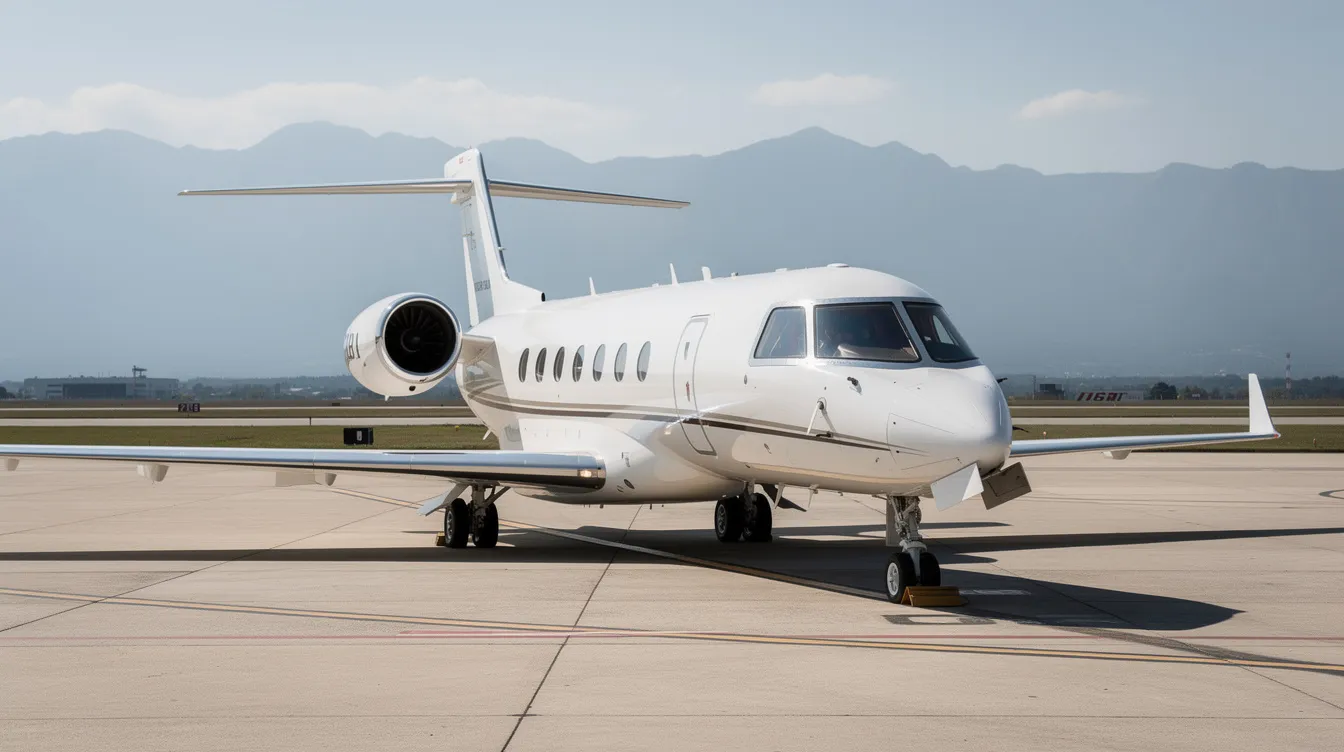
Jettly connects travelers to 20,000+ aircraft worldwide through a digital charter marketplace with instant pricing and private jet memberships that can stabilize costs for frequent flyers. As a charter broker, Jettly does not operate aircraft directly; flights are operated by properly certified third-party carriers, with operator vetting and safety standards built into the selection process, similar to how industry leaders like NetJets structure their private aviation services.
Use the private jet charter cost estimator to compare a charter quote against today's inflated commercial fares.
These FAQs address common follow-up questions not fully covered above.
The most common cause is a lower fare bucket selling out as other travelers booked, forcing the system to expose the next, more expensive tier. Schedule tweaks, capacity cuts, or a competitor ending a sale the same day can add to the jump. This is standard revenue management behavior, not punishment for re-searching a route.
No reliable evidence shows that major airlines systematically hike prices based on a single person's search history. Visible price changes during repeated searches result from broader demand shifts and inventory changes happening at the same time. If you see messages like "je verzoek wordt geverifieerd" or "vernieuw deze pagina niet" on international booking sites, that's simply a bot check; je kunt over een paar seconden doorgaan, and the fares shown after are the same ones everyone else sees. Incognito mode typically confirms this.
Budget carriers often maintain lower base fares from secondary airports, and they can remain cheaper when legacy-airline prices spike. But extras like bags, seat selection, and change fees can narrow or erase savings. In high-demand situations, even budget carrier fares climb quickly because their limited cheap seats sell out first. Always compare total trip cost, not just the headline price.
For domestic routes outside peak periods, booking roughly one to three months ahead tends to land in a lower fare bucket. International trips benefit from two to eight months of lead time in a typical year. Peak holidays like Thanksgiving, Christmas, and school breaks justify booking earlier. Combine date flexibility with fare alerts to act when prices briefly drop before climbing again. February tends to offer some of the lowest fares of the month or year.
When schedule control and reliability matter more than chasing a lower commercial fare. Same-day client meetings, tight multi-leg itineraries, and other changes to travel plans that airlines penalize with rebooking fees all tilt the calculus toward charter, and you can even buy a single seat on a private jet instead of chartering the whole aircraft. For groups and premium-cabin travelers, a private charter quote through Jettly can compare favorably to last-minute business-class tickets, and there are now many ways to get a seat on a private jet easily without full ownership. Travelers who keep running into sudden fare spikes can explore on-demand charter or membership options through Jettly for more predictable, transparent pricing.
Ready to see how private travel compares? Explore flight options or request a quote at https://www.jettly.com.
Flight prices can rise sharply due to a combination of real-time airline pricing algorithms, fuel cost pressures, capacity adjustments, and shifting travel demand. Understanding these factors helps travelers make smarter booking decisions, whether by adjusting travel dates, exploring alternate airports, or considering connecting flights. For those seeking greater control, transparency, and flexibility, private jet charter through platforms like Jettly offers a practical alternative. Jettly’s digital marketplace provides instant pricing on thousands of aircraft worldwide, enabling travelers to compare options and book private flights with confidence.
Ready to experience private travel on your terms? Explore flight options or request a quote now.
Share this post:
Jay Franco Serevilla
Oct 31, 2026
|
5
min read
Discover tips and trends in the industry.

5
min read
Black Hawk Helicopter: History, Variants, and Modern Mission Roles
The UH-60 Black Hawk is a versatile military utility helicopter developed by Sikorsky, serving since 1979. With variants designed for various missions, it has proven essential in combat and humanitarian operations worldwide. Its design emphasizes survivability and adaptability, making it a benchmark in both military and civilian aviation.
Read More
5
min read
Fortnite Helicopter Guide: Hammerhead Choppa Locations, Controls, and Tips
The Hammerhead Choppa in Fortnite offers players unparalleled aerial mobility, allowing for quick repositioning and strategic advantages in battle. This guide details its spawn locations, flight controls, and effective strategies to maximize its use during gameplay. Additionally, it draws parallels between in-game tactics and real-world private aviation solutions.
Read MoreStay updated with our latest insights and tips to elevate your journey with us.
MEMBERSHIPS AND ASSOCIATIONS



Disclaimer: Jettly operates as a charter broker, offering access to a global digital jet charter marketplace. Jettly is not a direct air carrier and does not own or operate aircraft. All advertised flights are conducted by third-party air carriers that are fully licensed and hold the appropriate Part 135 or Part 121 certifications issued by the Federal Aviation Administration (FAA) or equivalent regulatory authorities under U.S. or foreign law. Jettly complies fully with the U.S. Department of Transportation's Part 295 and Part 298 Charter Broker regulations. Jettly does not carry additional liability insurance. Passengers are covered by aircraft operator insurance. TICO: 50023770


