



Login
Get Instant Pricing On 23,000+ Aircraft

>
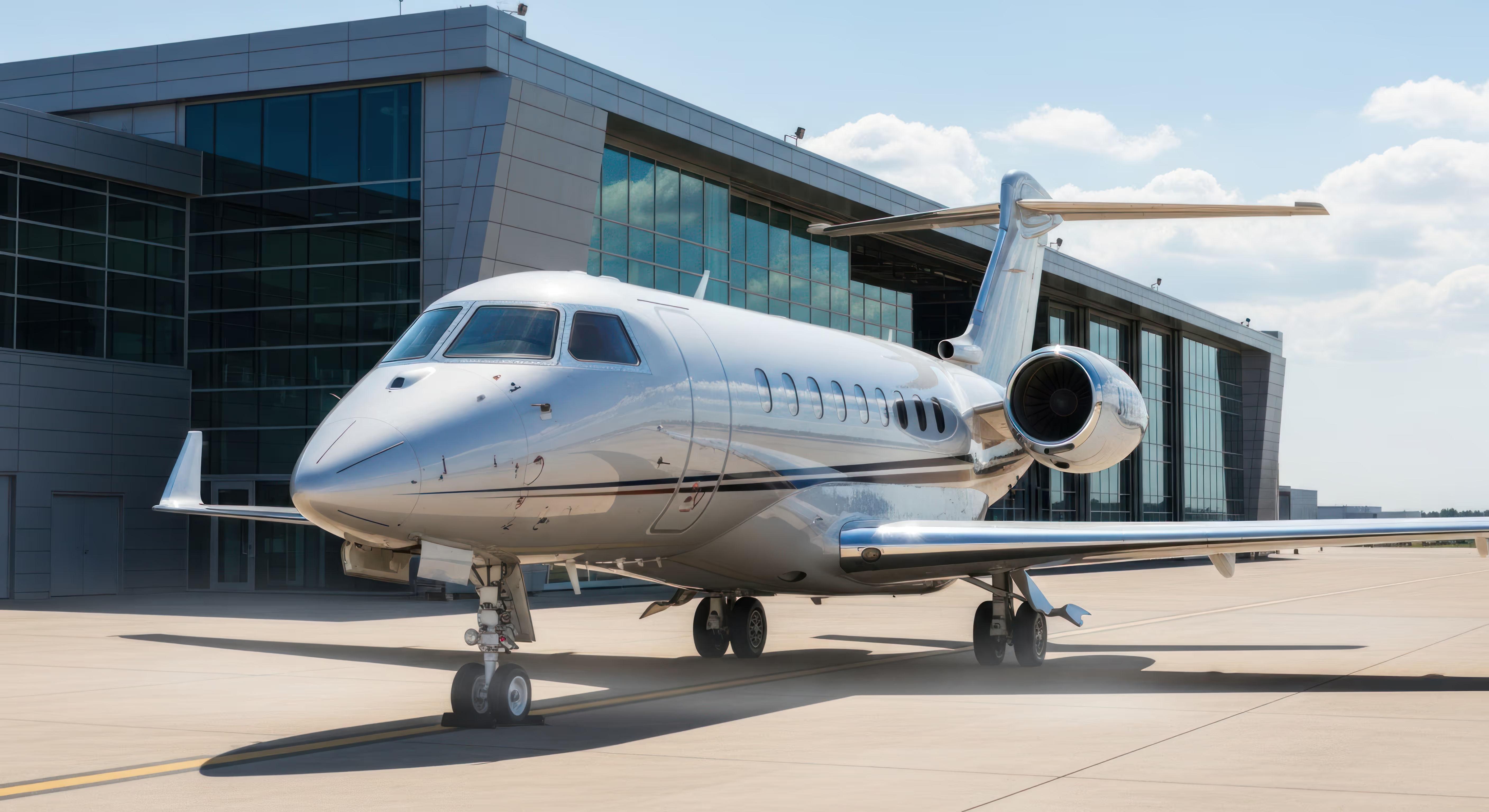
Traditional fractional programs were designed when aircraft access was scarce, pricing was opaque, and flexibility didn’t exist.
Share this post:
Jay Franco
Jan 13, 2026
|
5
min read
Discover tips and trends in the industry.
5
min read
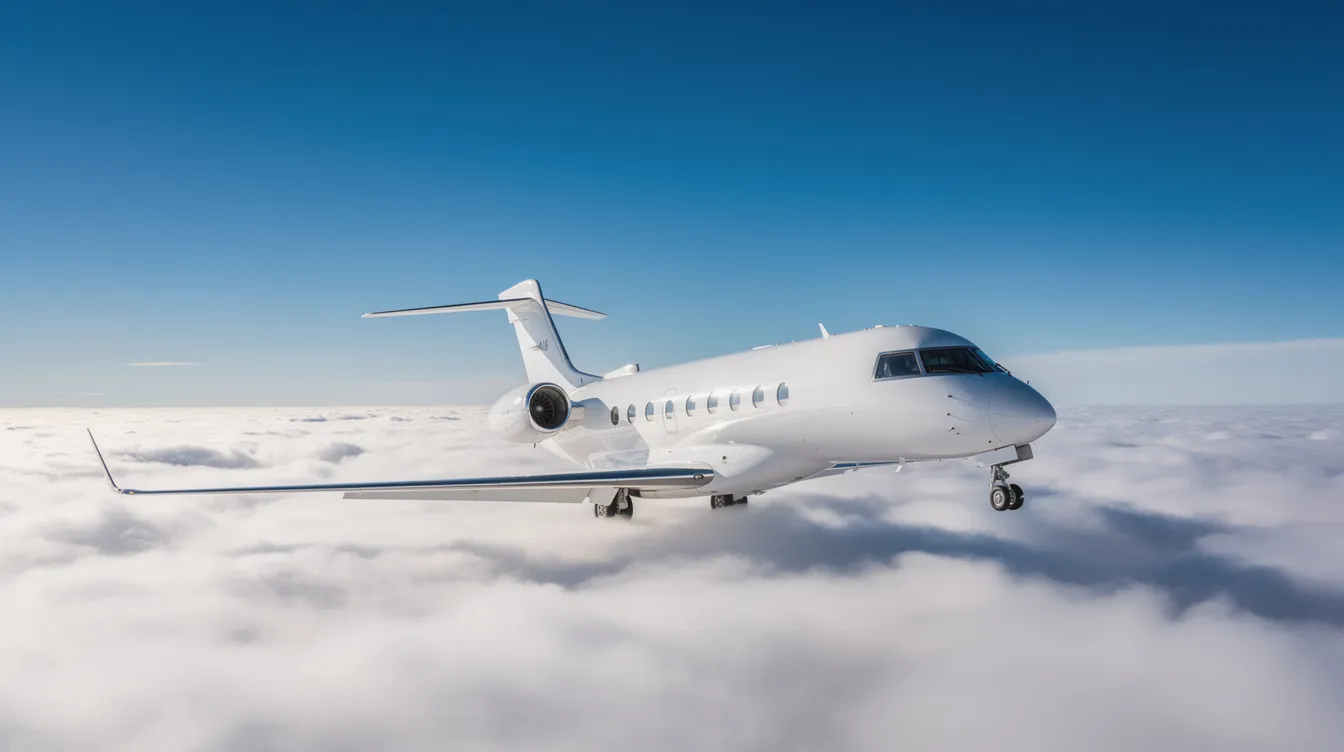
Turbulence in Planes: What It Is, How Pilots Handle It, and Why Private Jets Feel Different
Turbulence is a common concern for air travelers, often misunderstood but generally not dangerous. This guide explains the science behind turbulence, how pilots manage it, and why private jets can offer a smoother experience. Understanding turbulence can help alleviate anxiety and enhance confidence during flights.
Read More
5
min read
What Days Are the Best Days to Buy Plane Tickets?
Tuesday and Wednesday are typically the best days to buy plane tickets, with Sunday evenings also showing competitive prices. However, dynamic pricing means that the best day can vary based on demand and route. Booking in advance and being flexible with travel dates are key strategies for securing lower fares.
Read MoreStay updated with our latest insights and tips to elevate your journey with us.
MEMBERSHIPS AND ASSOCIATIONS



Disclaimer: Jettly operates as a charter broker, offering access to a global digital jet charter marketplace. Jettly is not a direct air carrier and does not own or operate aircraft. All advertised flights are conducted by third-party air carriers that are fully licensed and hold the appropriate Part 135 or Part 121 certifications issued by the Federal Aviation Administration (FAA) or equivalent regulatory authorities under U.S. or foreign law. Jettly complies fully with the U.S. Department of Transportation's Part 295 and Part 298 Charter Broker regulations. Jettly does not carry additional liability insurance. Passengers are covered by aircraft operator insurance. TICO: 50023770


