



Login
Get Instant Pricing On 23,000+ Aircraft

>

Traditional fractional programs were designed when aircraft access was scarce, pricing was opaque, and flexibility didn’t exist.
Share this post:
Jay Franco
Jan 13, 2026
|
5
min read
Discover tips and trends in the industry.
5
min read
Delta First Class Seat Width: How Comfortable Are Delta's First Class Seats?
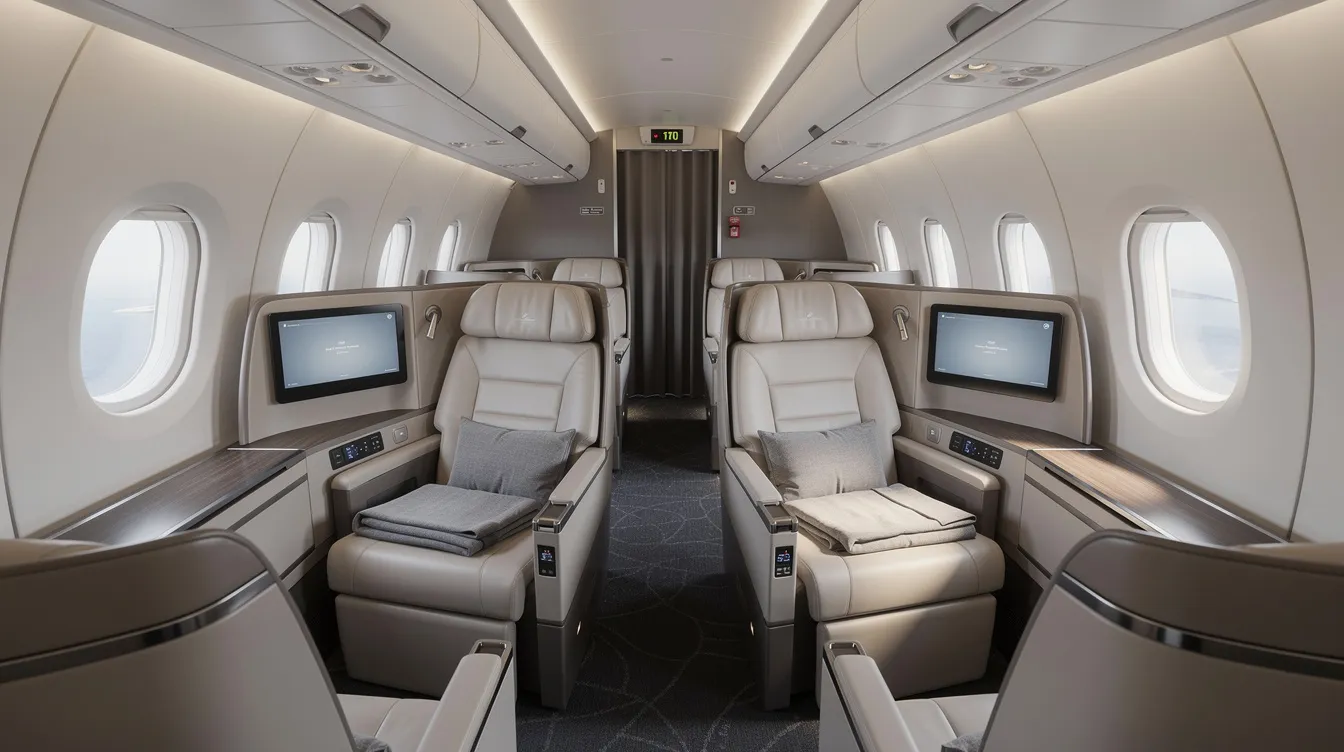
Delta's First Class seats offer a width ranging from 19.5 to 21 inches, providing a significant upgrade in comfort compared to economy class. With added legroom, deeper recline, and premium amenities, these seats enhance the travel experience, especially on longer flights. For those seeking even more space and customization, private jet charters through platforms like Jettly are an appealing alternative.
Read More
5
min read
Delta Air Company: How Delta Air Lines Serves Major Hubs and How Private Charter with Jettly Compares
Delta Air Lines is a major U.S. airline operating thousands of daily flights from key hubs like Atlanta and New York. In contrast, Jettly offers on-demand private charter services, providing flexibility and personalized travel options that complement Delta's scheduled routes.
Read MoreStay updated with our latest insights and tips to elevate your journey with us.
MEMBERSHIPS AND ASSOCIATIONS



Disclaimer: Jettly operates as a charter broker, offering access to a global digital jet charter marketplace. Jettly is not a direct air carrier and does not own or operate aircraft. All advertised flights are conducted by third-party air carriers that are fully licensed and hold the appropriate Part 135 or Part 121 certifications issued by the Federal Aviation Administration (FAA) or equivalent regulatory authorities under U.S. or foreign law. Jettly complies fully with the U.S. Department of Transportation's Part 295 and Part 298 Charter Broker regulations. Jettly does not carry additional liability insurance. Passengers are covered by aircraft operator insurance. TICO: 50023770


