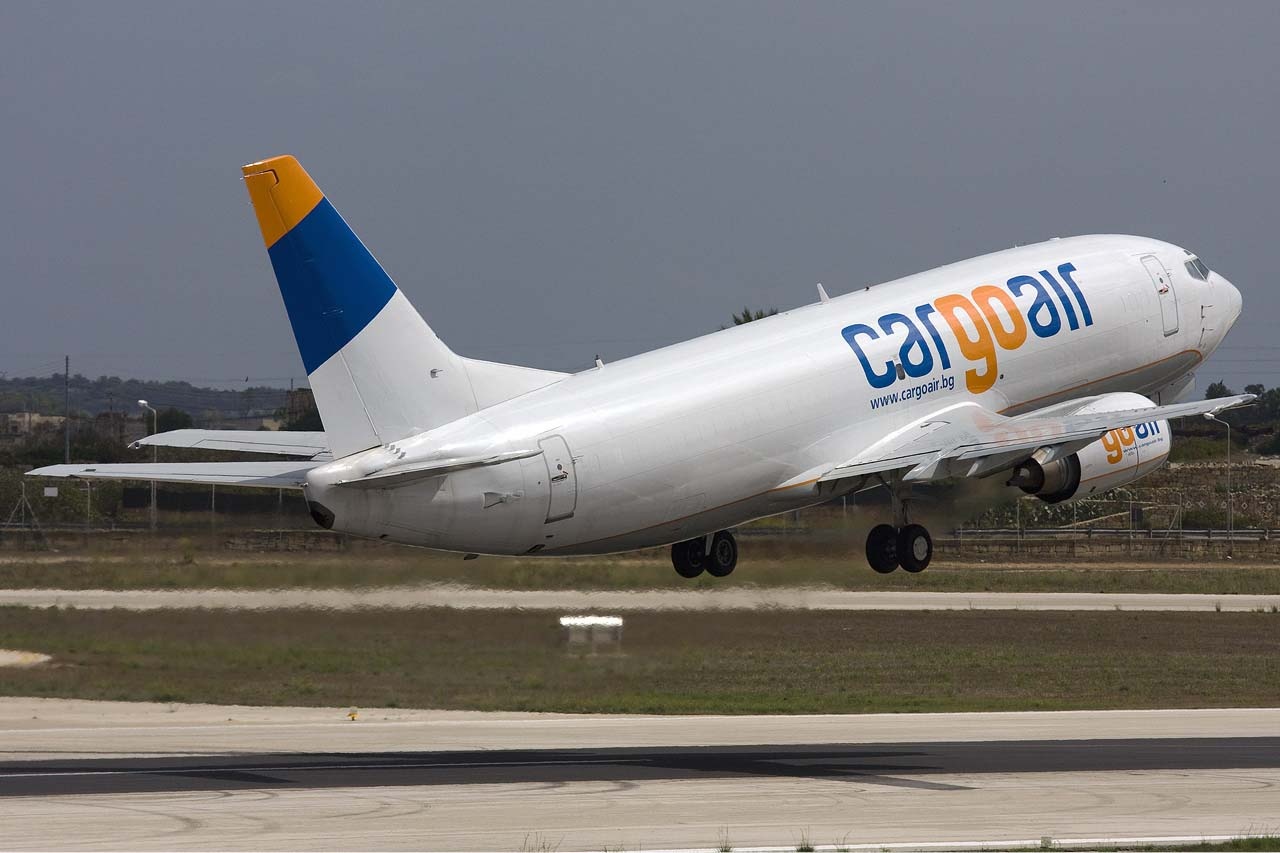
boeing-737-300f

service

Boeing 737-300F Cargo Specifications and Charter Rates

The Boeing 737-300F is a dedicated cargo variant of the legendary 737 family, offering robust payload capabilities for time-sensitive freight across short and medium-haul routes. With a maximum range of nearly 3,000 nautical miles and the reliability inherent to Boeing’s jetliner heritage, this aircraft provides seamless, high-volume logistics solutions for shippers and freight forwarders worldwide.


Designed to maximize efficiency, the 737-300F combines a spacious main deck cargo hold with efficient operating economics, making it a preferred choice for express carriers and urgent logistics needs. On this page, explore detailed specifications, performance figures, operational highlights, and answers to the most frequent questions for chartering this versatile freighter.

jettly
service

Boeing 737-300F Overview

The Boeing 737-300F is classified as a narrow-body freighter, valued for its outstanding balance of payload, range, and cost efficiency. Capable of transporting up to 18.5 metric tons of cargo, it offers a fully flat main deck with large cargo doors for streamlined loading and unloading. Twin CFM56 turbofan engines deliver the thrust needed for dependable performance, supporting operations up to 37,000 feet and ensuring timely arrivals even on high-frequency schedules.


What sets the 737-300F apart in the cargo sector is its adaptability. This freighter can operate from a variety of regional and secondary airports, allowing operators to access markets and destinations beyond the reach of larger wide-body aircraft. For logistics providers, this translates to flexible routing and improved door-to-door delivery times.


Operators rely on the 737-300F’s proven dispatch reliability and extensive global support network, which minimize downtime and ensure shipments move on schedule. For clients, it offers the confidence of a tried-and-true platform, trusted by leading freight carriers for just-in-time deliveries and critical logistics operations.

jettly

Boeing 737-300F Specifications

The figures below summarize the performance and dimensions that matter most when you are matching an aircraft to a trip. They reflect typical configurations; exact numbers vary with weight, weather, and how a given aircraft is equipped.

Aircraft class:

Cargo

Passenger capacity:

Up to (typical), maximum

Crew:

2 pilots

Range:

Approximately 2929 nautical miles (around 3371 statute miles)

High-speed cruise:

426 knots (about 489 mph)

Long-range cruise:

Approximately 410 knots

Service ceiling:

37000 fee

Engines:

Two CFM56-3B1 turbofans

Thrust:

Roughly 20000 lbf per engine

Takeoff distance:

About 8200 feet

Landing distance:

About 6200 feet

Average fuel burn:

Around 900 gallons per hour

Baggage capacity:

Approximately 0 cubic feet

First delivered:

Late 1990s

boeing-737-300f

The figures below summarize the performance and dimensions that matter most when you are matching an aircraft to a trip. They reflect typical configurations; exact numbers vary with weight, weather, and how a given aircraft is equipped.

boeing-737-300f

Boeing 737-300F Range and Performance

With a maximum range of approximately 2,929 nautical miles, the Boeing 737-300F is engineered for extensive regional and medium-haul cargo missions without compromising payload. It links city pairs such as Miami to Los Angeles, Houston to Toronto, or Paris to Athens in a single flight, providing reliable overnight or same-day delivery solutions. | While transcontinental routes are well within reach, payload and range balance is easily managed by experienced operators for optimal logistics planning. With a high-speed cruise of 426 knots, shipments arrive quickly, and the aircraft’s 8,200-foot takeoff requirement enables access to a broad range of airports—including many with shorter runways or limited infrastructure. | The 737-300F’s robust engines and 37,000-foot ceiling allow for efficient routing above weather and commercial congestion. Its proven track record for dependability ensures that critical cargo moves on schedule, outpacing conventional surface transport or less capable aircraft.
boeing-737-300f

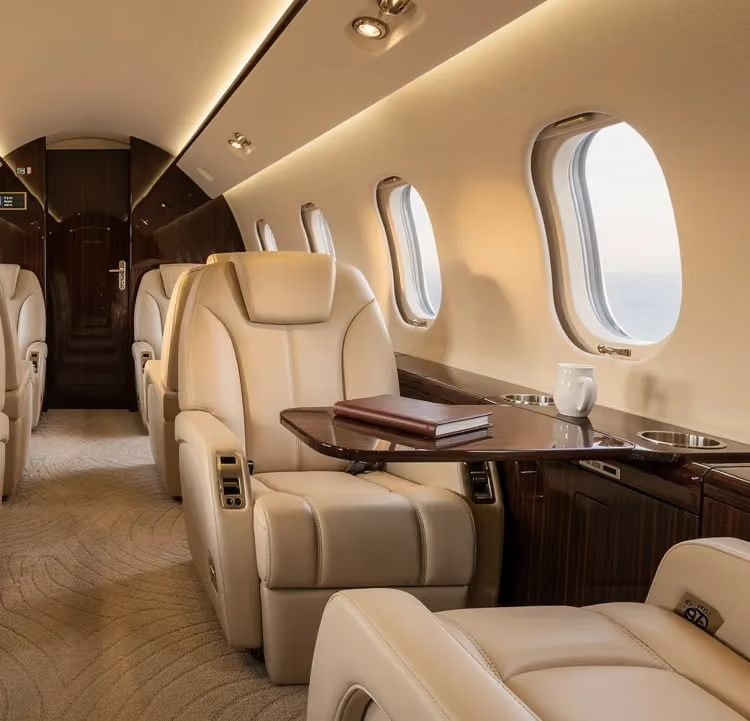
Boeing 737-300F Cabin Experience and Interior

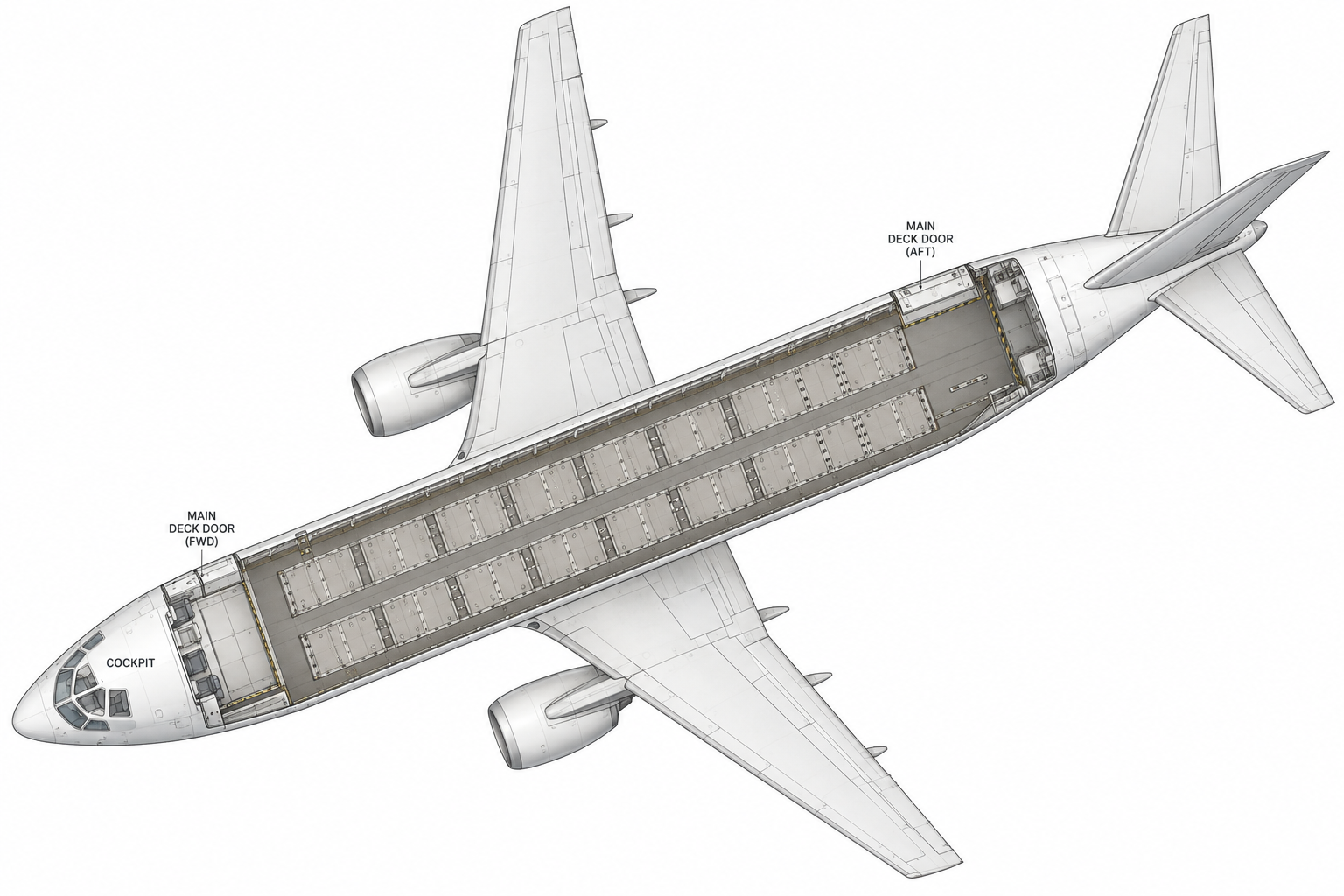
As a pure freighter, the Boeing 737-300F features a spacious, unobstructed main deck designed to handle high-volume cargo loads of varying shapes and sizes. The large cargo door and reinforced floor make it easy to accommodate standard pallets and outsized shipments with maximum efficiency. | The utilitarian interior is optimized for rapid loading and unloading, equipped with roller systems, tie-down points, and climate control to protect sensitive goods. The cockpit provides a modern avionics suite for the crew, ensuring seamless operations and precise navigation on every mission. | With no passenger cabin, the 737-300F is all business: every cubic foot is dedicated to maximizing cargo throughput and operational reliability for demanding logistics schedules.

Boeing 737-300F Charter Cost and Hourly Rates

laptop
A black and white image of an airplane.

Chartering a Boeing 737-300F typically runs in the range of $7000 to $9500 per flight hour, though the figure you are quoted depends on several factors. Rates move with the route, the season, repositioning (or ferry) time, airport fees, crew costs, and how a specific aircraft is equipped. Peak travel periods and one-way trips that leave an aircraft far from its base tend to sit at the higher end, while round trips and flights that align with an operator's existing schedule can come in lower.

A black and white image of an airplane.

It also helps to understand how charter pricing is structured. Most quotes are built around occupied flight hours plus those repositioning costs, landing and handling fees, taxes, and crew expenses. Because Jettly is a charter marketplace rather than an aircraft operator, you can compare live quotes from multiple FAA Part 121 Cargo and book the option that fits your route and budget.

A black and white image of an airplane.

Empty-leg flights, the discounted repositioning trips that operators are keen to fill, can also bring the cost of a Boeing 737-300F down significantly when the timing works in your favor. For an exact, current price on your specific trip, request a quote, and you will see real availability rather than an estimate.

Who Should Charter the Boeing 737-300F?

The Boeing 737-300F fits a wide set of missions, which is part of why it stays busy. It is a strong match for:

icon

Small executive teams traveling together to a meeting, site visit, or conference

icon

Regional and many transcontinental business trips that need to be completed in a single day

icon

Families or groups of up to eight heading to a vacation or event

icon

Travelers carrying bulkier baggage, such as golf clubs or ski gear

icon

Anyone who values flexible airport access and a stand-up cabin over the lowest possible price

The 737-300F is purpose-built for high-volume, time-sensitive freight—not for passenger flights. It’s the optimal choice for logistics providers, express shippers, and corporations moving urgent cargo, from automotive parts and e-commerce goods to pharmaceuticals and high-value electronics. For oversized or palletized shipments on regional or cross-country routes, this freighter delivers unrivaled speed and reliability.

service

How the Boeing 737-300F Compares to Other Cargo

The Boeing 737-300F was developed by converting the popular 737-300 passenger jet into a dedicated freighter, meeting the increasing demand for express cargo in the late 1990s and early 2000s. The base airframe, part of the acclaimed 737 Classic series, offered an ideal blend of range, durability, and operational cost for freight operators worldwide.


During conversion, the aircraft received reinforced flooring, a prominent main deck cargo door, and avionics upgrades to handle the unique demands of cargo transport. These advancements allowed the 737-300F to quickly become a workhorse for airlines and logistics companies seeking a nimble, efficient solution for regional freight.


With thousands of 737 airframes in service globally, the 300F benefits from a vast support network, simplifying maintenance and sourcing parts. Today, it remains a cornerstone of express cargo fleets, valued for its reliability and adaptability to evolving logistics challenges.

jettly

Boeing 737-300F History and Background

The Boeing 737-300F was developed by converting the popular 737-300 passenger jet into a dedicated freighter, meeting the increasing demand for express cargo in the late 1990s and early 2000s. The base airframe, part of the acclaimed 737 Classic series, offered an ideal blend of range, durability, and operational cost for freight operators worldwide.


During conversion, the aircraft received reinforced flooring, a prominent main deck cargo door, and avionics upgrades to handle the unique demands of cargo transport. These advancements allowed the 737-300F to quickly become a workhorse for airlines and logistics companies seeking a nimble, efficient solution for regional freight.


With thousands of 737 airframes in service globally, the 300F benefits from a vast support network, simplifying maintenance and sourcing parts. Today, it remains a cornerstone of express cargo fleets, valued for its reliability and adaptability to evolving logistics challenges.

plan

Frequently Asked Questions

How Many Passengers Can the Boeing 737-300F Carry?

The Boeing 737-300F is configured exclusively for cargo, with a main deck capacity of up to 18.5 metric tons. The spacious interior can handle standard ULD pallets, containers, or outsized shipments, making it a flexible solution for diverse freight needs.

What Is the Range of the Boeing 737-300F?

The Boeing 737-300F has a range of approximately 2929 nautical miles, or roughly 3371 statute miles. That is enough to fly most regional routes and many transcontinental trips nonstop, with the longest coast-to-coast legs occasionally needing a brief fuel stop depending on winds and load.

How Fast Does the Boeing 737-300F Fly?

Its high-speed cruise is 426 knots (about 489 mph), with a long-range cruise near 410 knots. The aircraft's 37000-foot service ceiling lets it fly above most weather and traffic for a smoother, more direct trip.

How Much Does It Cost to Charter a Boeing 737-300F?

Charter rates generally fall between roughly $7000 and $9500 per flight hour, depending on the route, season, repositioning, and fees. Because Jettly is a marketplace, you can compare live quotes from multiple Part 135 operators and book the best option for your trip; empty-leg flights can lower the cost further.

Does the Hawker Boeing 737-300F Have a Stand-up Cabin?

Yes. The 737-300F is equipped with a full-size main deck cargo door, a reinforced floor, and a climate-controlled environment to protect sensitive goods. The cockpit offers a modern workspace for two pilots, and the entire aircraft is optimized for safe, efficient cargo movement.

Is the Boeing 737-300F Good for Transcontinental Flights?

For most North American and European regional routes, absolutely. The 737-300F efficiently covers distances up to nearly 3,000 nautical miles, supporting overnight and expedited deliveries between major logistics hubs and secondary airports alike.

Jettly gives you access to a global marketplace of more than 23,000 aircraft, including Boeing 737-300F jets operated by vetted FAA Part 121 Cargo Part 135 carriers. Compare live quotes, check real availability, and book with full concierge support, whether you are planning a single regional hop or a recurring travel schedule.

Enter your route and dates to get instant pricing on the Boeing 737-300F, or speak with our team about empty-leg deals and membership options that can bring your cost per trip down even further.

MEMBERSHIPS AND ASSOCIATIONS

partner logo
partner logo
partner logo
partner logo
partner logo
partner logo