



Login
Get Instant Pricing On 23,000+ Aircraft


Delta Air Lines utilizes a structured boarding system with eight numbered zones plus pre-boarding, determining the order in which passengers board based on cabin class, fare type, and loyalty status. Understanding this system is crucial for travelers considering commercial flights versus private jet charters, as it impacts overhead bin space and wait times. For those seeking a more streamlined experience, private jet options like Jettly eliminate the complexities of boarding zones altogether.
Jay Franco Serevilla
Oct 25, 2026
|
5
min read



View all
The Boeing 777-300 and 777-300ER are advanced long-haul aircraft known for their efficiency and capacity. With significant upgrades in range and engine power, the 777-300ER has become a preferred choice for intercontinental flights. This guide provides insights into their features, cabin layouts, and comparisons with private jet charters, helping travelers make informed decisions.
Jay Franco Serevilla
Oct 17, 2026
|
5
min read

View all
The Boeing 777 family features an impressive range, from 5,240 nautical miles for the 777-200 to 9,500 nautical miles for the upcoming 777-8. This extensive range allows airlines to operate virtually every long-haul route, making the 777 a staple in commercial aviation. Understanding these capabilities is essential for both travelers and operators in optimizing flight planning.
Jay Franco Serevilla
Oct 17, 2026
|
5
min read
View all
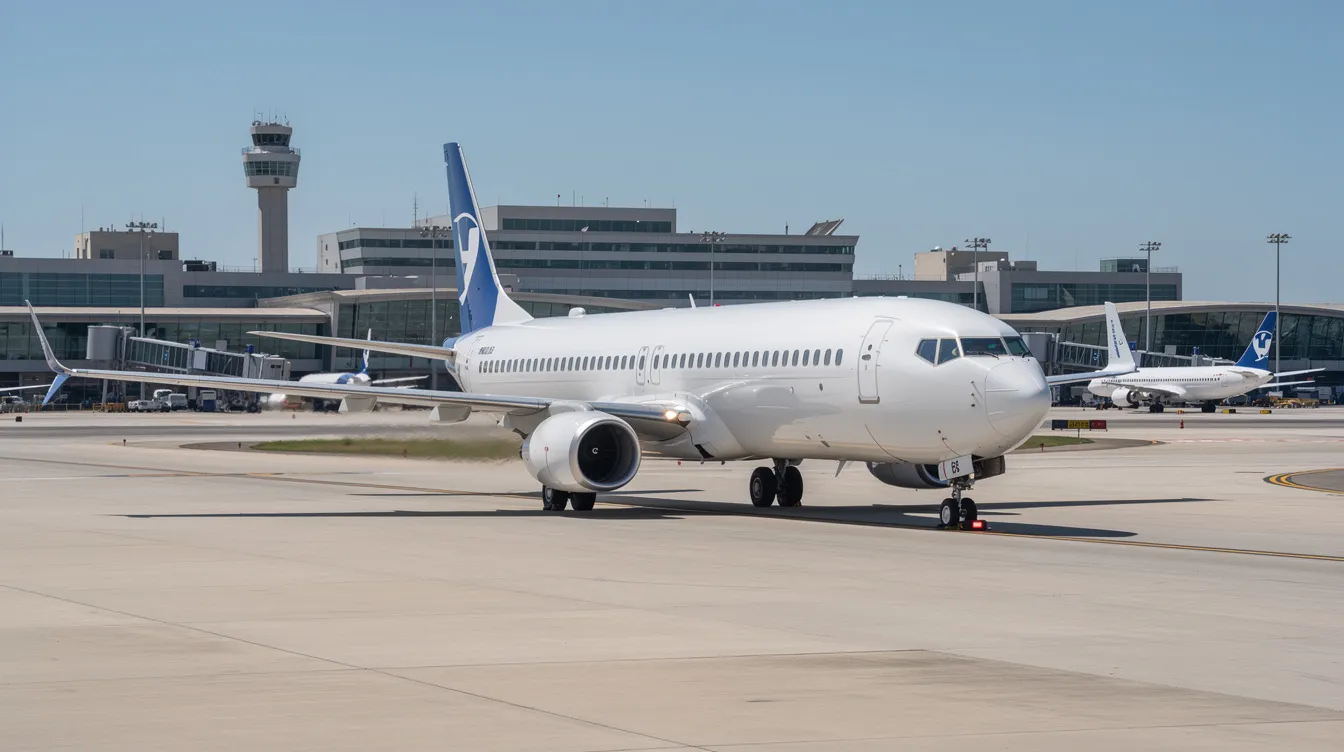
The Boeing 737-800 is a versatile aircraft with a seating capacity ranging from 162 to 189 passengers, depending on the airline's configuration. It is widely used for short- to medium-haul flights due to its fuel efficiency and reliability. Understanding its layout options helps travelers set expectations for comfort and plan their journeys effectively.
Jay Franco Serevilla
Oct 17, 2026
|
5
min read

View all
The Boeing 737 is the best-selling commercial aircraft series, evolving through four generations since 1967. Each generation has enhanced fuel efficiency, passenger comfort, and operational range, making it a staple in both commercial and private aviation. This guide explores the various models, their uses, and their significance in modern air travel.
Jay Franco Serevilla
Oct 17, 2026
|
5
min read
View all
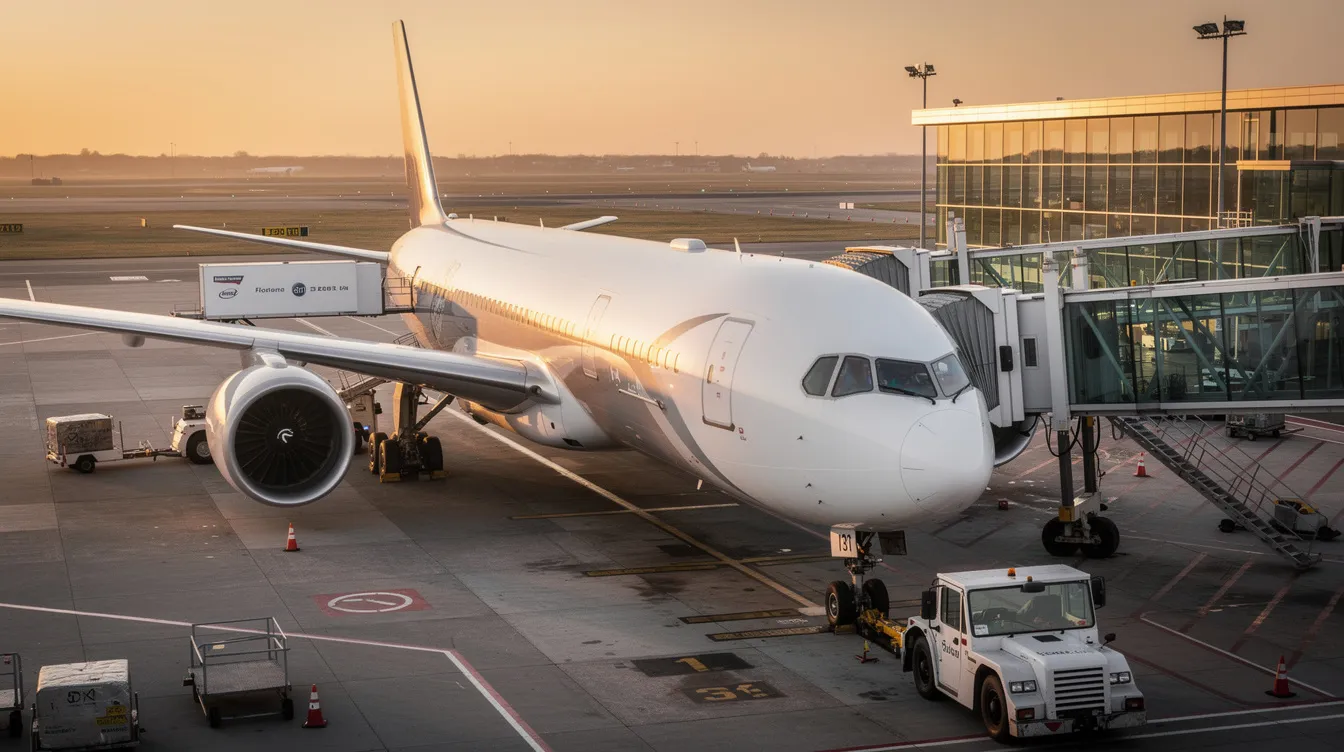
The Boeing 767-300ER is a widely used long-haul aircraft known for its impressive range of approximately 5,980 nautical miles. This guide explores its performance, typical routes, and how it compares to private jet charter options, making it essential for travelers and aviation enthusiasts alike. Understanding the capabilities of the 767-300ER can help in planning smarter trips, whether flying commercially or considering private charter alternatives.
Jay Franco Serevilla
Oct 17, 2026
|
5
min read

View all
The Boeing 737-300 is a pivotal second-generation airliner that transformed commercial aviation since its introduction in the mid-1980s. Although many airlines have retired this model, it remains in service for cargo, VIP, and private charter operations worldwide, showcasing its adaptability and enduring value. This article delves into the aircraft's legacy, specifications, and its relevance in today's aviation landscape.
Jay Franco Serevilla
Oct 17, 2026
|
5
min read
Explore our latest articles and updates.

5
min read
Fractional Ownership vs Jet Card vs Charter: Which Is Right for You?
This guide compares three private aviation options: fractional ownership, jet cards, and on-demand charter, highlighting their distinct trade-offs in cost, commitment, flexibility, and aircraft consistency. Fractional ownership requires a significant upfront investment and long-term commitment, making it suitable for frequent flyers (100-200+ hours/year) who value consistent access to a specific aircraft. Jet cards offer a more flexible, pay-as-you-go model ideal for moderate flyers (25-100 hours/year) seeking predictable pricing without ownership risks. On-demand charter is the most flexible and cost-effective option for occasional flyers (under 25 hours/year), allowing users to pay only for the flights they take without any long-term commitments.
Read More
5
min read
How Fractional Jet Ownership Works: The Complete Guide
Fractional jet ownership allows individuals or companies to purchase a share of a specific aircraft, typically ranging from 1/16 to 1/2, granting them a proportional number of flight hours annually and access to equivalent aircraft when their own is unavailable. This model provides the benefits of private jet travel, including professional management and operational ease, while reducing the financial burden compared to full ownership. Owners can expect to fly between 50 to 400 hours per year, depending on their share size, and the management company handles all operational aspects under FAA regulations. While fractional ownership requires a significant initial investment and ongoing fees, it offers equity and flexibility, making it suitable for frequent flyers, whereas those flying less may prefer alternatives like jet cards or charter services.
Read MoreJoin our community and receive the latest blog updates directly in your inbox.
MEMBERSHIPS AND ASSOCIATIONS



Disclaimer: Jettly operates as a charter broker, offering access to a global digital jet charter marketplace. Jettly is not a direct air carrier and does not own or operate aircraft. All advertised flights are conducted by third-party air carriers that are fully licensed and hold the appropriate Part 135 or Part 121 certifications issued by the Federal Aviation Administration (FAA) or equivalent regulatory authorities under U.S. or foreign law. Jettly complies fully with the U.S. Department of Transportation's Part 295 and Part 298 Charter Broker regulations. Jettly does not carry additional liability insurance. Passengers are covered by aircraft operator insurance. TICO: 50023770


