


Login
Get Instant Pricing On 23,000+ Aircraft

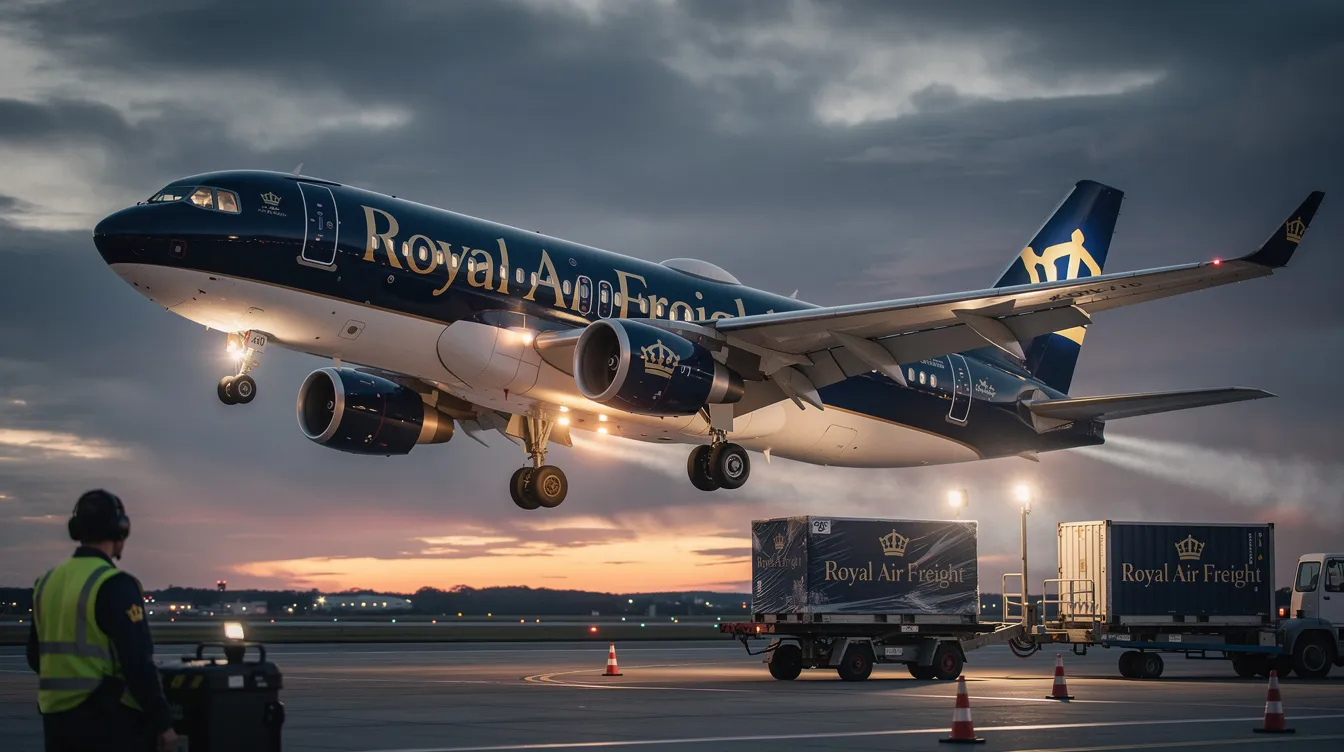
Royal Air Freight Inc. has been a trusted name in charter and air freight services since 1961, specializing in expedited cargo and passenger flights across North America. Jettly, a digital charter broker, offers a broader marketplace for comparing private jet and cargo flight options, providing travelers with greater flexibility and instant pricing.
Jay Franco Serevilla
Sep 27, 2026
|
5
min read


View all
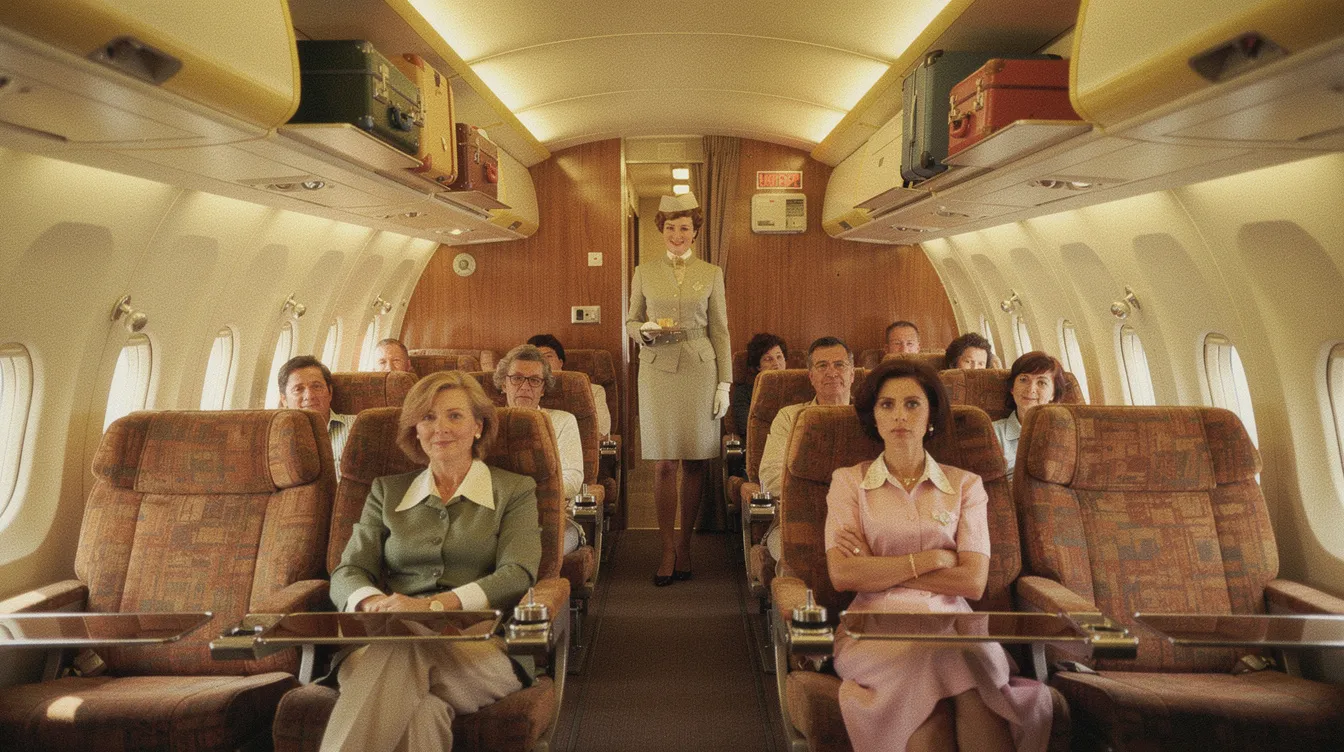
Smoking on airplanes has evolved from a common practice to a universal ban on commercial flights, implemented in the early 2000s due to health and safety concerns. While private jets may have varying smoking policies set by operators, many still enforce non-smoking rules to protect interiors and crew health. Violating smoking regulations can lead to significant penalties, including fines and potential legal action. Understanding these regulations is crucial for travelers to ensure compliance and a safer flying experience.
Jay Franco Serevilla
Jun 29, 2026
|
5
min read
View all
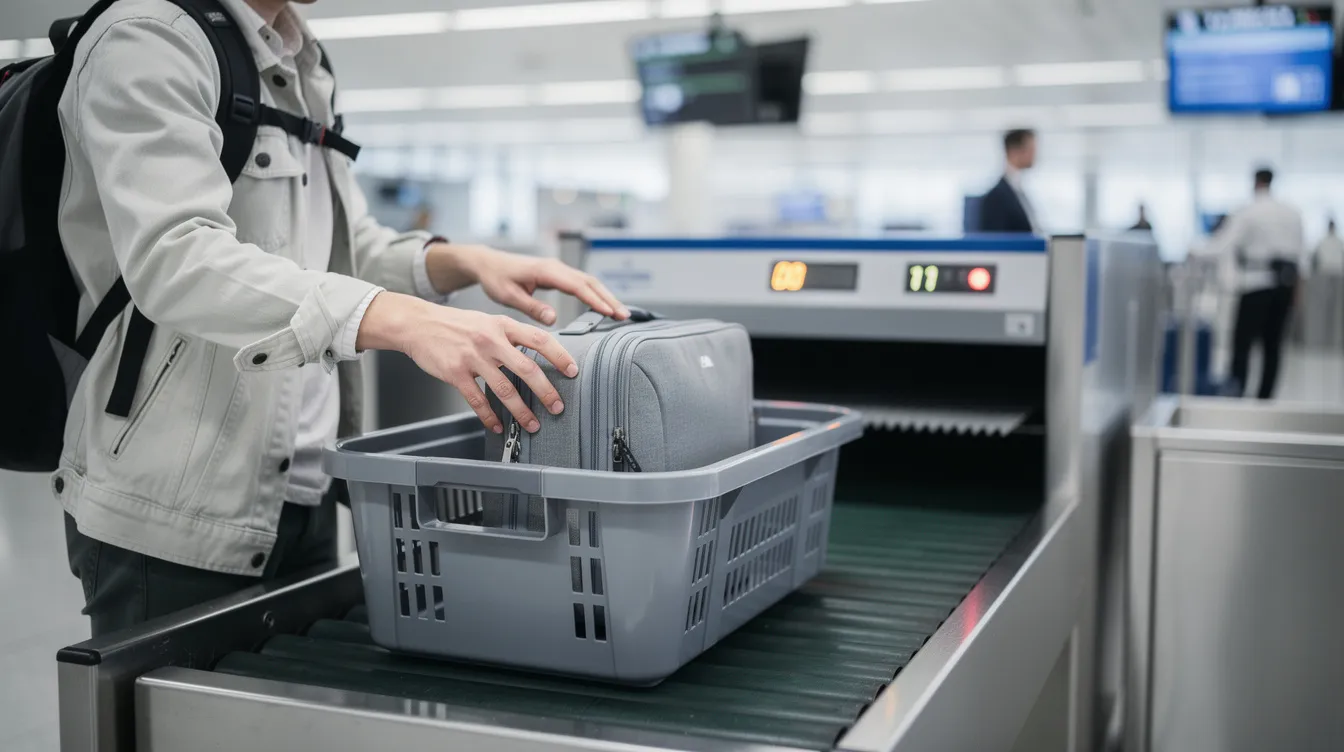
Cigarettes can be carried in both carry-on and checked luggage on most airlines, but smoking on commercial flights is strictly prohibited, with fines up to $4,000 for violations. While there are no domestic limits on the number of cigarettes for personal use in the U.S., international travel is subject to customs regulations, typically allowing around 200 cigarettes duty-free per adult, though this varies by country. Lighters, vapes, and other smoking accessories have stricter rules, often requiring them to be kept in carry-on luggage only. Private jet charters may allow smoking if permitted by the aircraft owner and operator, offering more flexibility compared to commercial flights.
Jay Franco Serevilla
Jun 29, 2026
|
5
min read
View all
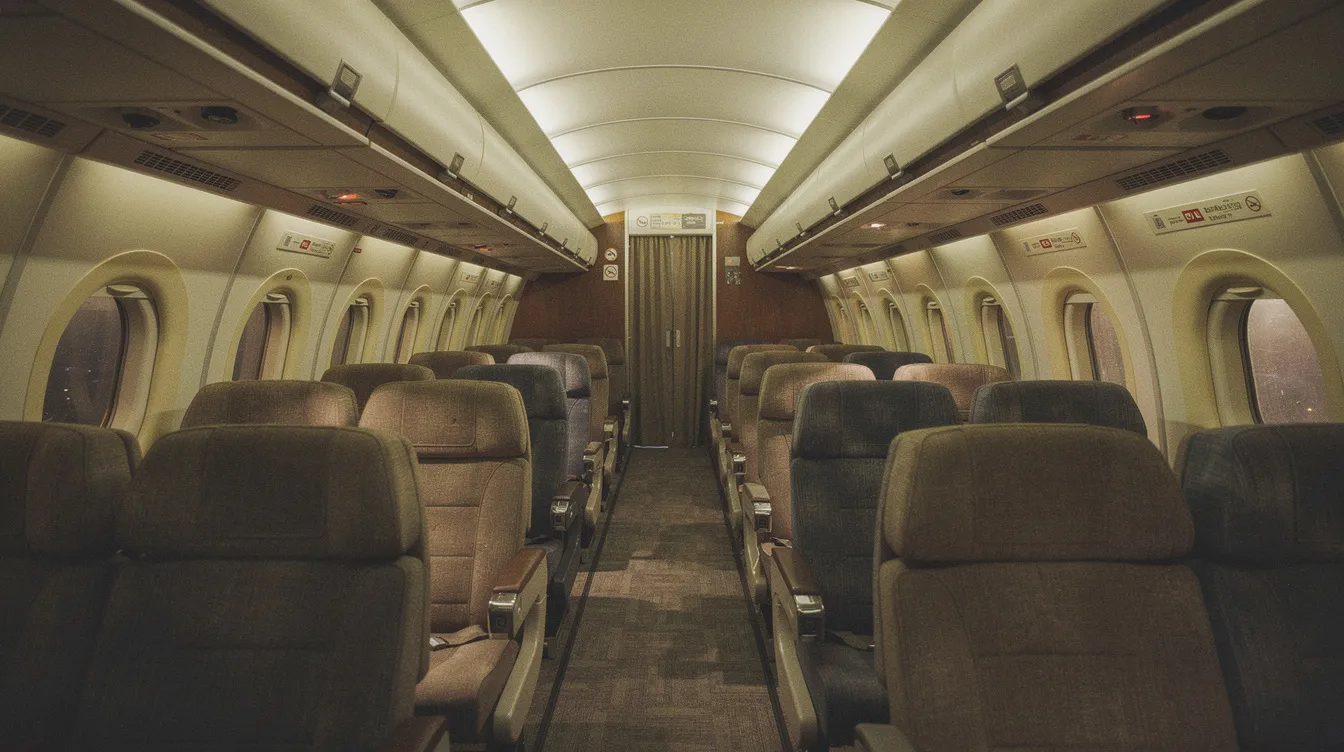
Smoking on U.S. airplanes was gradually banned, starting with domestic flights under two hours in 1988 and culminating in a complete federal ban on June 4, 2000. This movement was driven by health and safety concerns, particularly regarding secondhand smoke and fire risks, despite resistance from the tobacco industry. By the early 2000s, most commercial airlines worldwide had adopted similar smoking bans, leading to a universal expectation of smoke-free flights. Today, smoking and vaping are prohibited on nearly all commercial and private flights, reflecting a commitment to passenger safety and comfort.
Jay Franco Serevilla
Jun 29, 2026
|
5
min read

View all
The cruise speed of an aircraft is a critical factor in private jet charter, representing a balance between speed, fuel efficiency, and passenger comfort rather than the maximum speed the aircraft can achieve. Typical cruise speeds vary by aircraft type, with commercial airliners cruising at Mach 0.78–0.85 and private jets ranging from Mach 0.76 to Mach 0.90. Understanding cruise speed helps travelers avoid overpaying for unnecessary speed and select the right aircraft for their specific route and budget. Platforms like Jettly facilitate this process by allowing users to compare aircraft based on cruise speed, range, and cost, ensuring optimal travel efficiency.
Jay Franco Serevilla
Jun 29, 2026
|
5
min read

View all
Flight times to Jamaica vary significantly based on departure city, with direct flights from Miami taking about 1 hour 45 minutes and those from Los Angeles around 5 hours 30 minutes, while flights from London typically last 10 to 11 hours. Total travel time includes not only the flight duration but also check-in, security, and ground transfers, with private jet charters via Jettly significantly reducing these wait times. Direct flights are generally faster and more convenient than connecting routes, which can add several hours to the journey. For travelers prioritizing efficiency and flexibility, private jet options offer a streamlined experience compared to commercial flights.
Jay Franco Serevilla
Jun 29, 2026
|
5
min read

View all
Understanding aircraft size is essential for travelers, as it influences passenger capacity, airport accessibility, comfort levels, ticket pricing, and environmental impact. This guide categorizes planes into groups such as regional jets, narrow-body, wide-body, and jumbo jets, detailing their typical capacities and operational roles. While larger commercial aircraft like the Airbus A380 and Boeing 747 are designed for high-density routes, private jets offer flexibility and comfort for smaller groups, allowing access to more airports and personalized services. Jettly's platform enables users to compare aircraft options based on size, cost, and environmental considerations, helping travelers make informed decisions for their journeys.
Jay Franco Serevilla
Jun 29, 2026
|
5
min read
Explore our latest articles and updates.

5
min read
Can Private Pilots Make Money? A Practical Guide to Legal Earning Options
Private pilots can earn money legally, but only under specific and regulated circumstances, primarily outlined in 14 CFR 61.113. They may share flight costs with passengers, conduct business-related flights, participate in charity events, and engage in activities like towing gliders or performing demo flights for aircraft sales, among others. However, substantial income typically requires a commercial pilot license, which opens up more paid flying opportunities. While private pilots can offset costs through limited avenues, a commercial pilot certificate is essential for a stable and meaningful aviation career.
Read More
5
min read
What Can You Do with a Private Pilot License?
A Private Pilot License (PPL) allows holders to fly single-engine and some multi-engine aircraft for personal and business travel, carry passengers, and operate under Visual Flight Rules (VFR) in good weather. While pilots cannot fly for compensation, they can share operating expenses with passengers and enjoy various flying experiences, including scenic flights, cross-country trips, and volunteer missions. The PPL serves as a foundation for further aviation training, such as obtaining an instrument rating or a commercial pilot license. Additionally, many pilots complement their flying with private jet charters for longer or more complex trips, enhancing their travel flexibility.
Read MoreJoin our community and receive the latest blog updates directly in your inbox.
MEMBERSHIPS AND ASSOCIATIONS



Disclaimer: Jettly operates as a charter broker, offering access to a global digital jet charter marketplace. Jettly is not a direct air carrier and does not own or operate aircraft. All advertised flights are conducted by third-party air carriers that are fully licensed and hold the appropriate Part 135 or Part 121 certifications issued by the Federal Aviation Administration (FAA) or equivalent regulatory authorities under U.S. or foreign law. Jettly complies fully with the U.S. Department of Transportation's Part 295 and Part 298 Charter Broker regulations. Jettly does not carry additional liability insurance. Passengers are covered by aircraft operator insurance. TICO: 50023770


