



Login
Get Instant Pricing On 23,000+ Aircraft

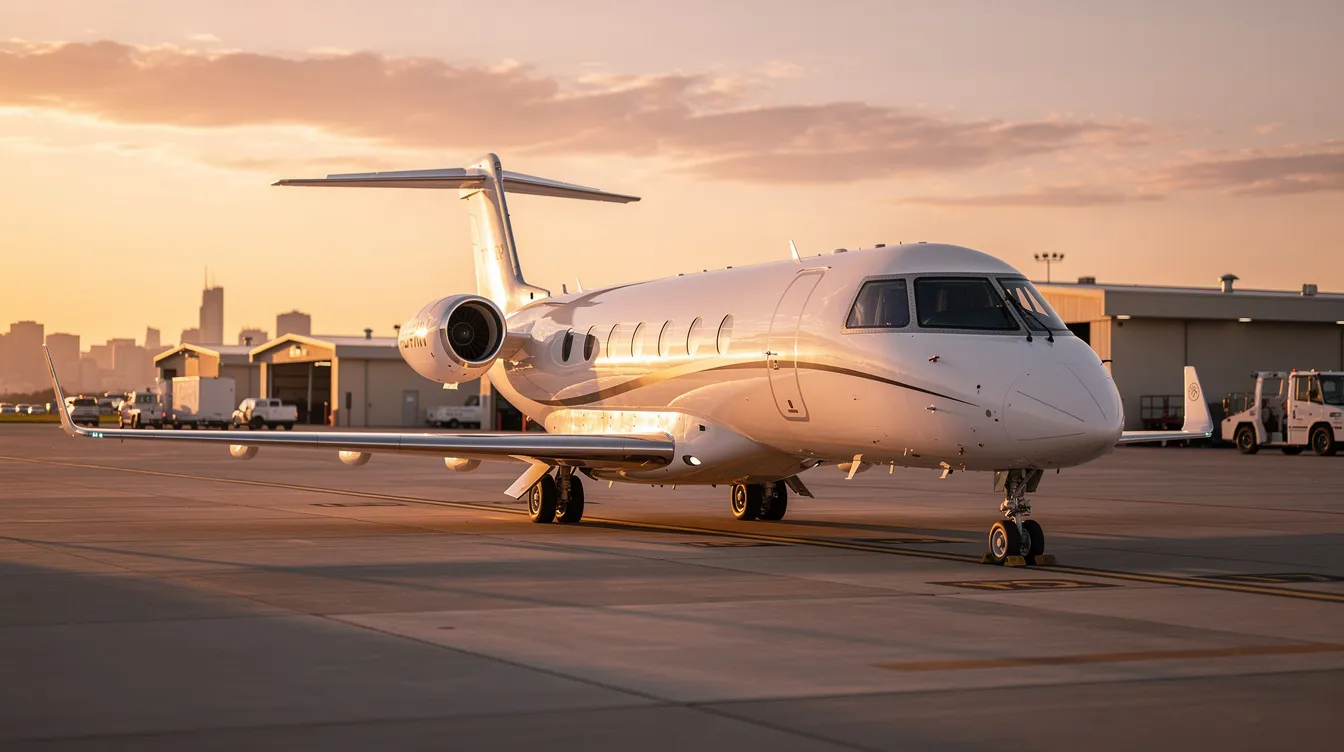
The Hawker 700 jet is a reliable midsize business aircraft known for its spacious cabin and solid performance. With a maximum range of 2,933 nautical miles, it is ideal for regional and short international flights. Jettly offers easy access to this versatile jet, making private aviation accessible for business and leisure travelers alike.
Jay Franco Serevilla
Jul 20, 2026
|
5
min read


View all
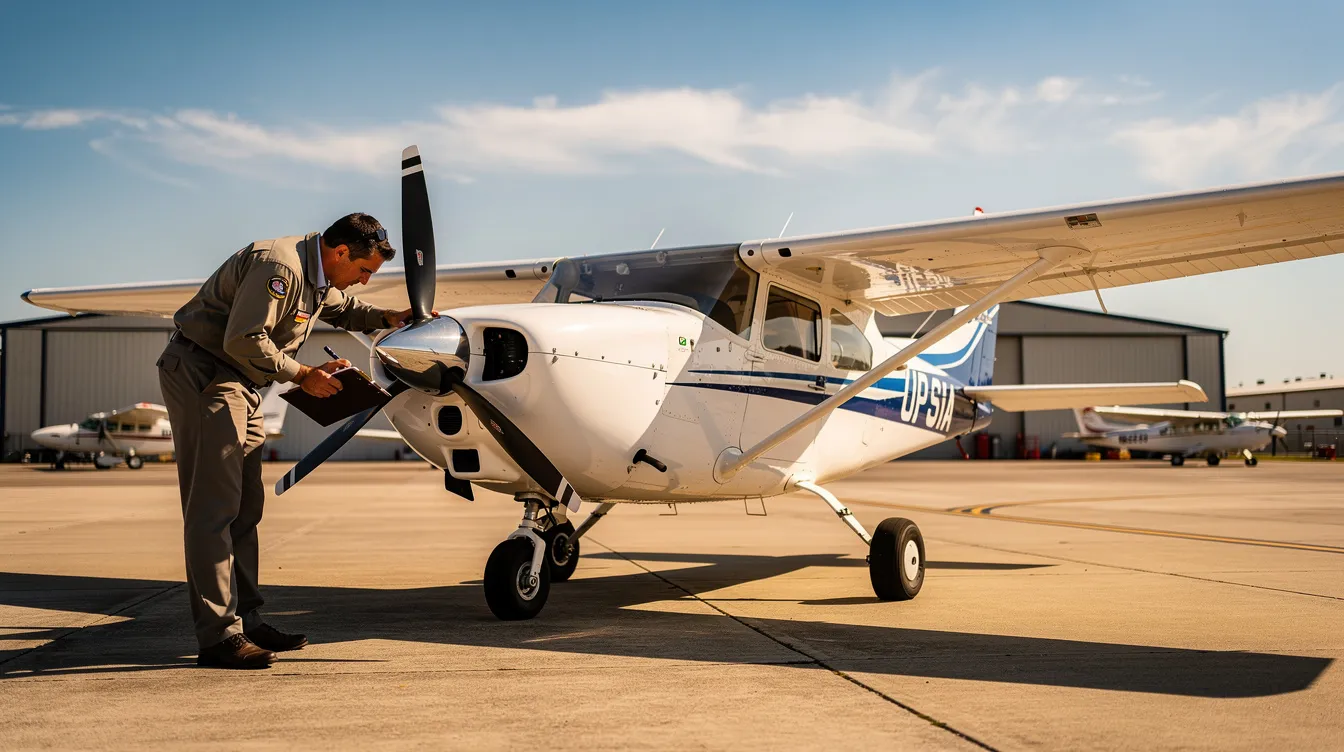
The career of an aircraft pilot encompasses various roles, from commercial and airline pilots to military and private pilots. Aspiring pilots must navigate a structured training path, including obtaining necessary certifications and flight hours. With a growing demand for qualified pilots, especially in 2026, this guide outlines the essential steps, costs, and opportunities in the aviation industry.
Jay Franco Serevilla
Oct 21, 2026
|
5
min read
View all
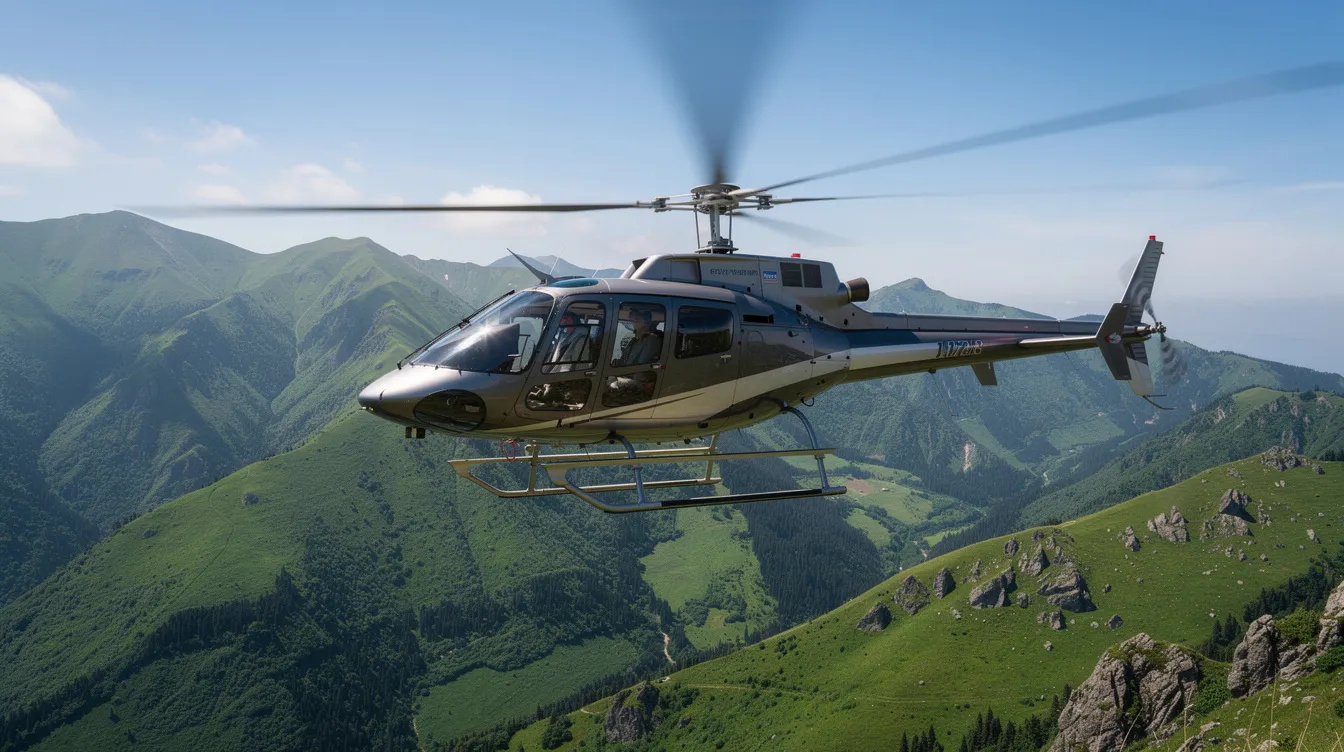
The Bell 407 is a versatile light helicopter known for its reliability and efficiency. Understanding its operating cost per hour is crucial for potential owners and charter operators, as it varies based on fixed and variable expenses. This guide provides a comprehensive breakdown of costs, helping you make informed decisions about ownership or chartering.
Jay Franco Serevilla
Oct 21, 2026
|
5
min read
View all
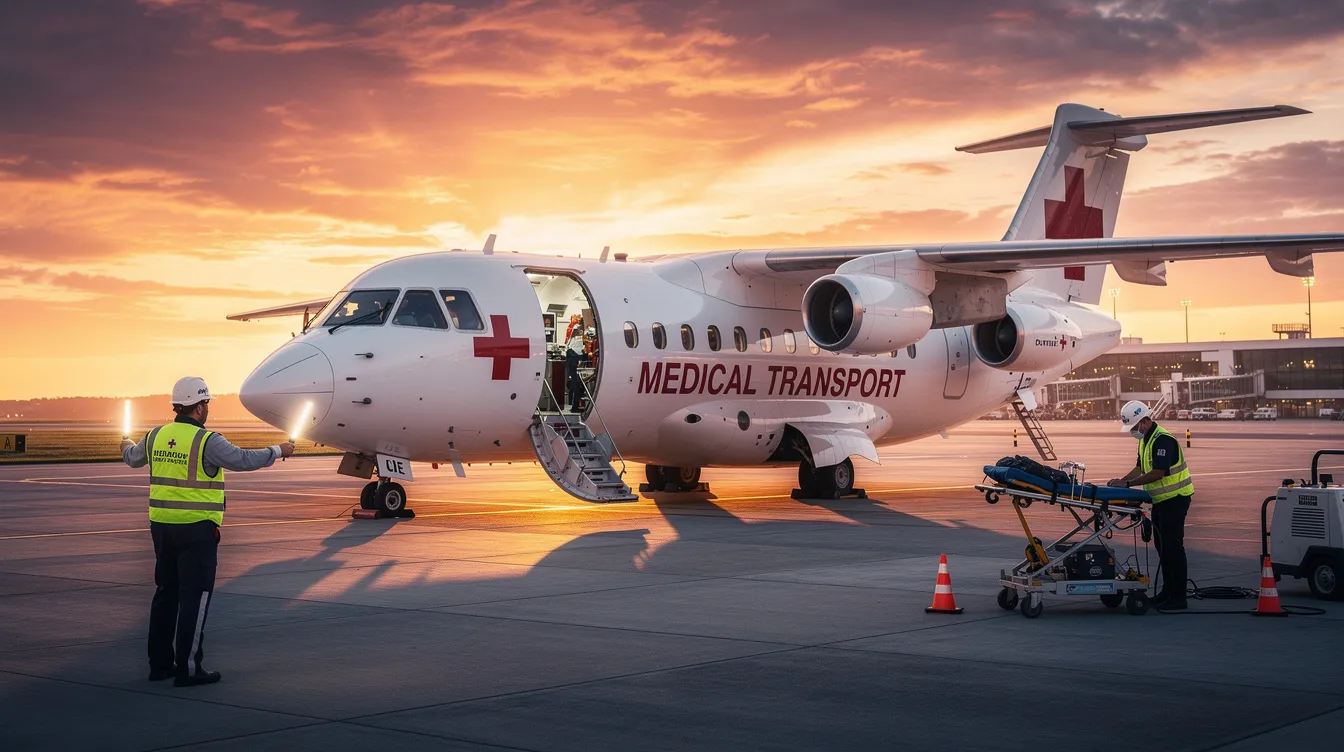
In 2026, medevac flight costs range from $25,000 for short domestic transfers to over $200,000 for complex international missions. Factors influencing pricing include distance, aircraft type, and patient medical needs. Understanding these costs is crucial for families facing urgent transport decisions, especially when insurance coverage varies significantly.
Jay Franco Serevilla
Oct 21, 2026
|
5
min read

View all
Planning a trip to Havasu Falls in 2026? The helicopter service offers a quick alternative to the challenging hike, costing approximately $300 one-way. Flights operate on select days and are first-come, first-served, so early arrival is essential. Remember, a valid permit is required for all visitors to access the falls.
Jay Franco Serevilla
Oct 20, 2026
|
5
min read
View all
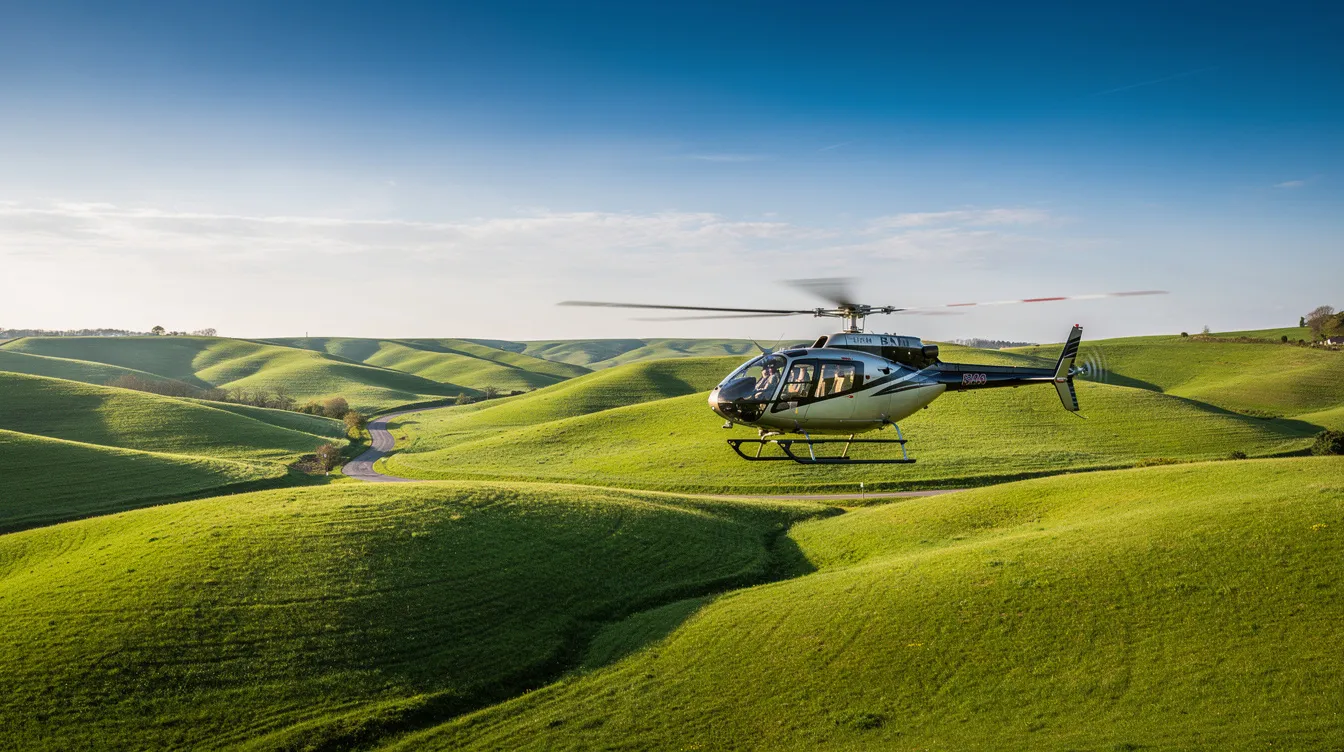
Becoming a helicopter pilot can take anywhere from 2 months to 2 years, depending on the type of license and training frequency. A private pilot license typically requires 40 flight hours, while a commercial license demands 150 hours. Factors such as training intensity, weather conditions, and flight school choice significantly influence the timeline and costs involved.
Jay Franco Serevilla
Oct 20, 2026
|
5
min read

View all
Leasing a helicopter provides operators and individuals with access to aircraft without the hefty upfront costs of ownership. This flexible arrangement allows for predictable payments and can be tailored to suit various operational needs, whether through wet or dry leases. For those flying less frequently, on-demand charter services may offer a more cost-effective solution.
Jay Franco Serevilla
Oct 20, 2026
|
5
min read
Explore our latest articles and updates.

5
min read
Why Did Flights Go Up Today? (And What You Can Do About It)
Flight prices can increase rapidly due to real-time pricing algorithms, booking surges, and changes in seat inventory. Understanding these dynamics allows travelers to make informed decisions, whether adjusting travel dates or considering private jet charters for better control over costs. This guide explores the reasons behind fare spikes and offers strategies to manage travel expenses effectively.
Read More
5
min read
Why Planes Fly at 35,000 Feet: The Real Reason Behind Cruising Altitude
Planes typically fly at 35,000 feet because this altitude optimizes fuel efficiency, engine performance, and passenger comfort while minimizing turbulence. The thin air at this height reduces aerodynamic drag, allowing aircraft to travel faster and consume less fuel. Additionally, flying at this altitude helps avoid most weather disturbances, ensuring a smoother ride for passengers.
Read MoreJoin our community and receive the latest blog updates directly in your inbox.
MEMBERSHIPS AND ASSOCIATIONS



Disclaimer: Jettly operates as a charter broker, offering access to a global digital jet charter marketplace. Jettly is not a direct air carrier and does not own or operate aircraft. All advertised flights are conducted by third-party air carriers that are fully licensed and hold the appropriate Part 135 or Part 121 certifications issued by the Federal Aviation Administration (FAA) or equivalent regulatory authorities under U.S. or foreign law. Jettly complies fully with the U.S. Department of Transportation's Part 295 and Part 298 Charter Broker regulations. Jettly does not carry additional liability insurance. Passengers are covered by aircraft operator insurance. TICO: 50023770


