


Login
Get Instant Pricing On 23,000+ Aircraft

>
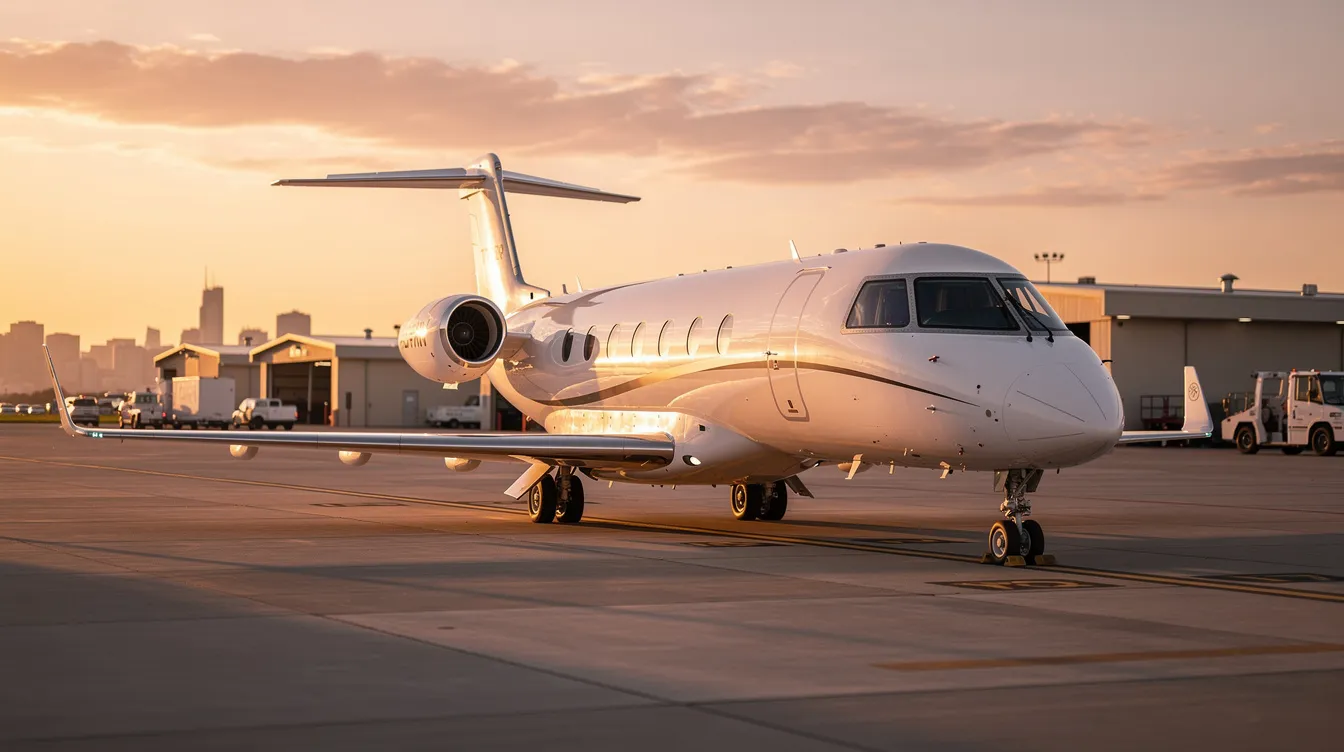
The Hawker 700 jet is a midsize business jet that has been flying since the late 1970s and still earns its place in private aviation. Built on Hawker's rugged design philosophy, this aircraft continues to serve corporate, government, and charter operators around the world. Jettly, a private jet charter platform, offers on-demand access to this versatile aircraft, connecting travelers with a network of jets for business and leisure trips, making private aviation simple, transparent, and tech-driven.
This guide is designed for business travelers, private flyers, and aviation enthusiasts seeking detailed information on the Hawker 700's capabilities, charter options, and ownership considerations.
The Hawker 700 is a classic midsize aircraft that seats up to eight passengers plus two pilots. Its spacious stand-up cabin measures roughly 21 feet long by 6 feet wide by 5 feet 8 inches tall, giving most travelers room to move comfortably. With a cruise speed between 400 and 430 knots and a maximum range of 2,933 nautical miles, it covers domestic and shorter international routes with ease.
Developed from the British Aerospace 125 series, the Hawker 700 later evolved into the Hawker 800 line. Hawker Beechcraft and then Textron Aviation continued to support the platform. Three factors explain its staying power on the charter market: a robust airframe, comfortable cabin, and relatively low operating cost compared to newer midsize business jets.
This article covers the jet's history and development, detailed specs and performance, operating costs, charter use cases, military operators, and how to book through a digital platform like Jettly.
The Hawker 700 sits between light jets and larger cabin aircraft in terms of size and capability. It made its first flight in 1976 and earned UK certification in 1977, entering a market hungry for fuel-efficient turbofan-powered planes. The jet typically accommodates eight passengers in executive club seating and a divan, with two pilots up front in the cockpit.
Compared to competitive airplanes of its era like the Citation III and Learjet 55, perhaps no business jet of similar vintage offered the same balance of cabin comfort, baggage hold capacity, and useful range. The Hawker 700 can fly at a cruise altitude up to about 41,000 feet, making it suitable for medium-range routes such as New York to Dallas or London to Athens.
Later variants like the Hawker 800 and 800XP brought improved engines, avionics, and slightly more range while keeping the same basic airframe and cabin cross-section. The 700's simple systems and proven reliability, however, still make it a practical workhorse.
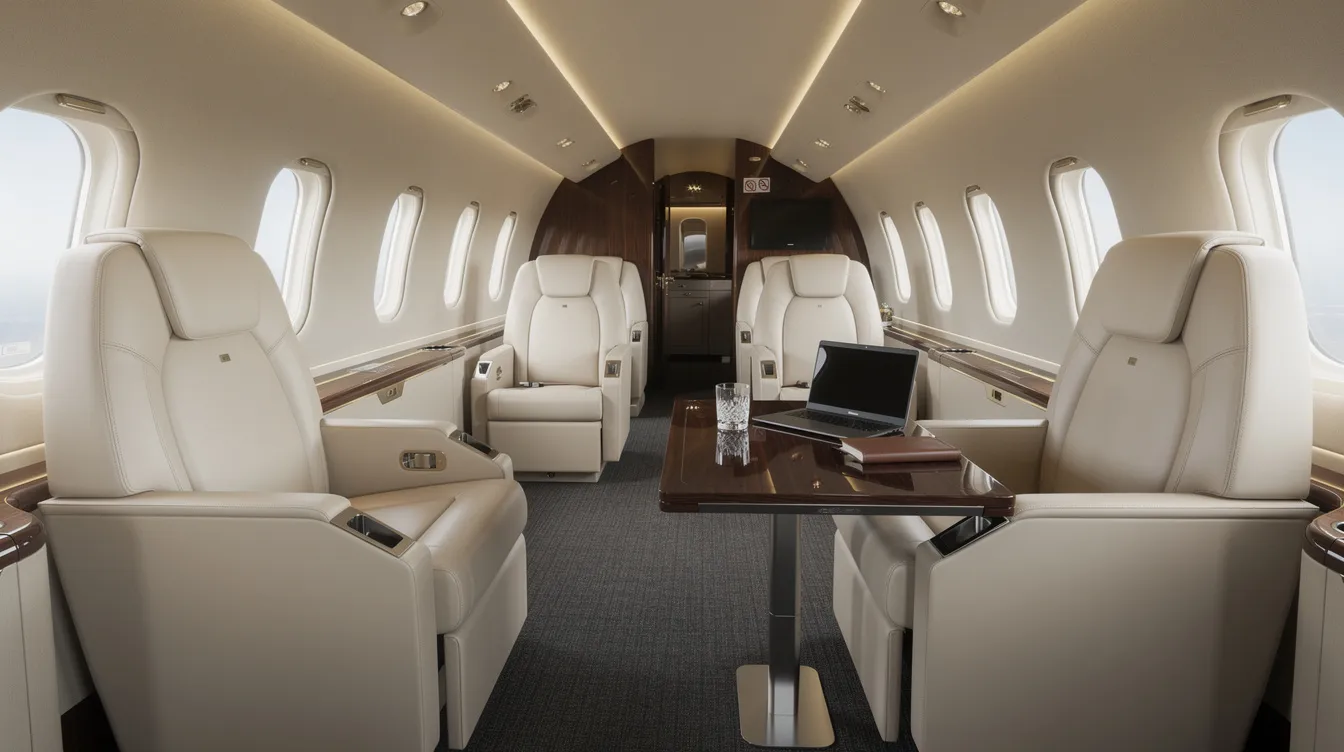
The Hawker 700 has a cabin length of 21 feet, is 6 feet wide, and stands 5 feet 8 inches tall - generous dimensions for a midsize class plane. Most passengers can stand and move through the aisle without ducking.
A typical interior layout includes five individual executive seats in a double-club plus single arrangement, a three-place divan, and aft closets for coats or smaller bags. Passengers will find small forward storage areas near the minimalist forward galley, which handles snacks and beverages. An aft lavatory provides privacy on longer flights.
The baggage compartment offers about 40 cubic feet of space, accessed through the rear lavatory bulkhead. That translates to roughly one medium suitcase per passenger plus a few soft duffels for a full load. Weight limits apply for balance and safety, so confirming details during booking is recommended.
Comfort features include a quiet cabin thanks to Stage III noise-compliant engines, fold-out work tables, and power outlets in many refurbished aircraft. The interior works well for laptop work, small meetings, or family travel where seating flexibility and a private lavatory matter.
The Hawker 700 is equipped with two Honeywell TFE731-3RH turbofan engines, each delivering 3,720 pounds of thrust. These TFE731-3RH turbofan engines meet Stage III noise standards without costly modification or hush-kits, and their fuel burn sits around 220–245 gallons per hour in cruise.
The aircraft features wing spoilers that serve as lift dump devices on landing, reducing stopping distance. Takeoff distance at sea level requires about 5,800 feet, while landing distance runs 2,700–3,600 feet - performance that lets pilots access many regional airports that can be identified using Jettly's airport locator tool.
|
Spec |
Value |
|---|---|
|
Engines |
2 × Honeywell TFE731-3RH |
|
Thrust per engine |
3,720 lbf |
|
Maximum speed |
~435 kt (500 mph) |
|
Normal cruise speed |
400–410 kt |
|
Ceiling |
41,000 ft |
|
Maximum range |
2,933 NM |
|
MTOW |
~25,000 lbs |
|
Available payload (full fuel) |
~1,900–2,050 lbs |
|
Takeoff distance |
~5,800 ft |
The maximum range of the Hawker 700 is 2,933 nautical miles, enabling city pairs like Toronto to Miami or Los Angeles to Chicago. With full fuel, available payload is roughly 1,900–2,050 lbs for passengers and bags. The Hawker 800 series brought an evolutionary performance improvement in climb rate and fuel efficiency, but the 700 remains competitive for missions under four hours.
The Hawker 700 traces a longer history back to the de Havilland DH.125 Jet Dragon of the early 1960s. Hawker Siddeley continued development before the company formed into British Aerospace, which refined the platform into the BAe 125 Series 700. The type's first flight took place in 1976, with initial deliveries beginning after certification in 1977.
Over 200 units of the Hawker 700 were built before production ceased in 1984. Across the broader Hawker 125 family, more than 1,000 aircraft were produced, making it one of the best-selling business aeroplanes in its class. The Hawker 700 remains one of the best-selling business aeroplanes among vintage business jets.
The transition to the Hawker 800 in the mid-1980s saw the line receive significant upgrades. Hawker Beechcraft later took over the aircraft manufacturing business, went through bankruptcy in 2012, and Textron Aviation now supports legacy Hawker jets with parts and engineering.
Military operators also adopted the platform. The Royal Air Force's No. 32 Squadron operated BAe 125 variants for VIP transport, and air forces in Brazil, Japan, Saudi Arabia, and Malaysia used versions for liaison and flight inspection. This military service reinforced the type's reputation for durability under demanding conditions.
While factory production has ended, aftermarket support - avionics upgrades, interior refurbishments, and significant upgrades including winglets on some variants - keeps many Hawker 700s active in charter service.
The purchase price of a Hawker 700 on the pre-owned market ranges from $485,000 to $535,000, depending on avionics, engine hours, and maintenance status. That makes it one of the more accessible midsize jets for sale, though buyers should budget for inspections and potential avionics updates or consider flexible access options such as jet card programs.
Charter rates for the Hawker 700 are $2,600 to $3,200 per hour, and you can use Jettly's private jet charter cost estimator to model specific trip scenarios. Hawker 700 charter rates vary by journey length and airports, and ACMI wet lease rates depend on aircraft age and lease terms. Direct operating costs - covering fuel, maintenance, and engine reserves - run roughly $2,800–$3,000 per hour for owners.
For other reasons beyond cost, ownership demands crew salaries, hangar fees, insurance, and training. Travellers flying fewer than 150–200 hours per year generally find chartering more practical. A digital platform like Jettly avoids acquisition risk, asset depreciation, and regulatory overhead, while private jet memberships give frequent flyers predictable access and wholesale rates, creating an enduring market for on-demand access to the Hawker 700 and similar aircraft.
A Hawker 700 charter is ideal for groups of five to eight passengers on regional trips up to roughly three to four hours. Business itineraries with tight schedules, family getaways needing a private cabin, or time-sensitive travel all accommodate this aircraft well, and some travellers may also consider similar midsize options such as the Hawker 800XP for charter.
Jettly's digital platform lets users search routes, see instant pricing, and compare midsize business jets - including the Hawker 700 and Hawker 800 - from a global inventory of 20,000+ private charter aircraft, all without long-term contracts. Passengers gain access to smaller airports closer to final destinations, flexible departure times, and a quieter environment to work or rest.
Operators sourced through Jettly meet FAA, EASA, or equivalent safety standards, operating under stringent Part 135 charter company regulations. The platform also coordinates in-flight catering suited to a midsize galley through Jettly Eats and can arrange ground transportation.
Ready to experience private travel on your terms? You can compare providers using Jettly's guide to the best private jet charter companies, then explore Hawker 700 charter options or request a quote at https://www.jettly.com.

Below are answers to common questions about the Hawker 700, focused on practical booking and travel concerns.
The baggage compartment offers about 40 cubic feet of space - enough for one medium suitcase per passenger plus a few golf bags or soft duffels, depending on passenger count. Baggage is accessed through the aft lavatory area, and operators may set weight limits for balance and safety. Confirm specifics during the booking process.
Both jets share the same cabin cross-section. The Hawker 800 features more powerful engines, updated avionics, and received significant upgrades in climb performance and range. From a passenger's perspective, cabin size and comfort feel similar. Operators tend to prefer the 800 for longer missions or hot-and-high airports.
Yes, for shorter international routes - within Europe, between U.S. and Caribbean cities, or cross-border Canadian trips. It is not designed for long-haul intercontinental legs without fuel stops. For longer nonstop missions, travellers should compare super-midsize or heavy jets on Jettly's platform.
Booking several days to two weeks ahead gives the best selection and pricing, especially during peak seasons. Jettly can often source a Hawker 700 or similar midsize jet on shorter notice for urgent trips, with instant pricing and real-time availability through its operator network.
As a midsize jet with reasonable short-field performance, the Hawker 700 can access many regional and secondary airports not served by commercial airliners. This cuts ground transfer time significantly. Use Jettly's route search to identify nearby airports and discuss runway requirements with the charter team, whether you're booking a midsize jet like the Hawker 700 or a larger aircraft such as the Boeing 737-800.
The Hawker 700 jet remains a reliable and cost-effective choice in the midsize private jet category, offering a spacious stand-up cabin and solid performance for regional and short international flights. Its proven airframe, efficient Honeywell TFE731-3RH engines, and ability to access smaller airports make it well-suited for business and leisure travelers seeking flexibility and comfort. While newer jets offer advanced avionics and extended range, the Hawker 700’s operational economy and availability through platforms like Jettly provide excellent value for those prioritizing convenience and transparent pricing. Explore your private flight options or request a personalized quote at https://www.jettly.com to experience the benefits of the Hawker 700 and other midsize jets on your next trip.
Share this post:
Jay Franco Serevilla
Jul 20, 2026
|
5
min read
Discover tips and trends in the industry.
5
min read
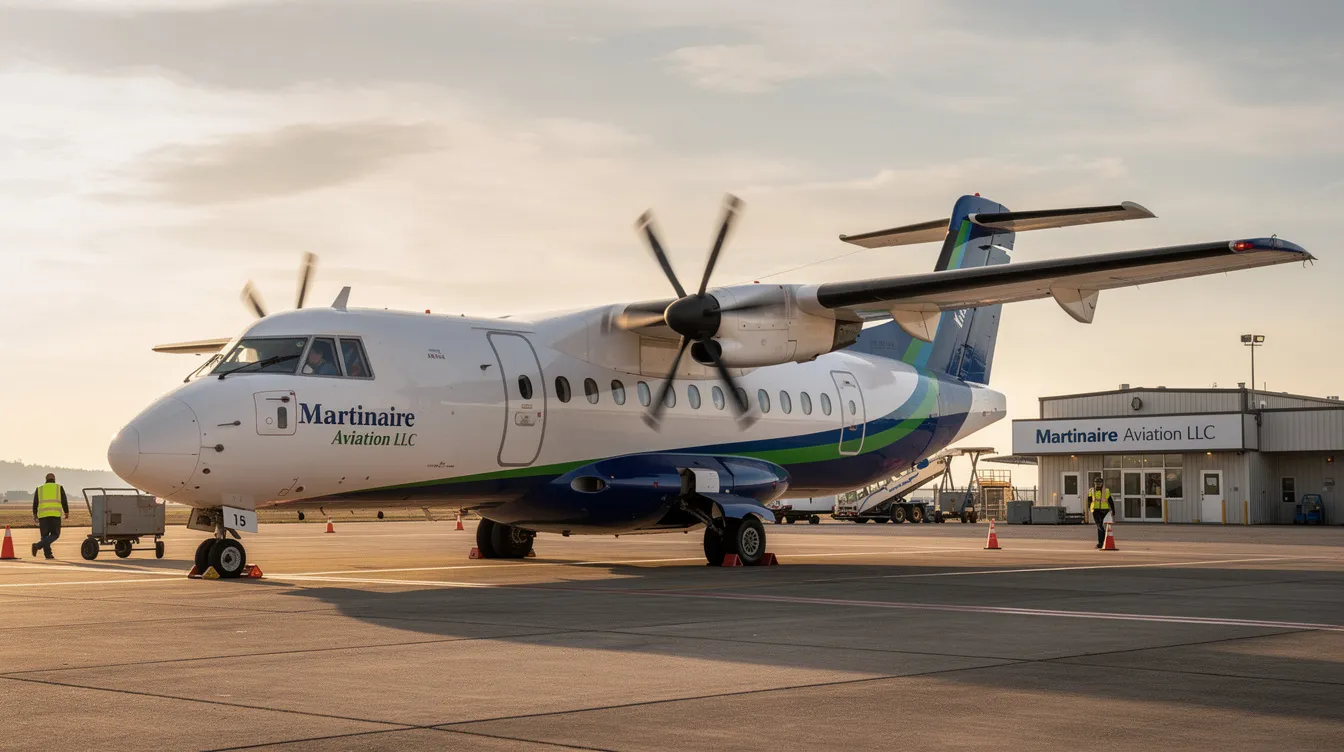
Martinaire Aviation LLC: Cargo Operations, Careers, and How It Compares to Private Charter
Martinaire Aviation LLC, founded in 1978, is a leading cargo feeder carrier in the U.S., specializing in overnight freight operations. With a fleet of turboprop aircraft, it connects regional airports to major sorting hubs, primarily serving integrators like UPS. This article explores Martinaire's operations, career opportunities, and how it contrasts with private charter services like Jettly.
Read More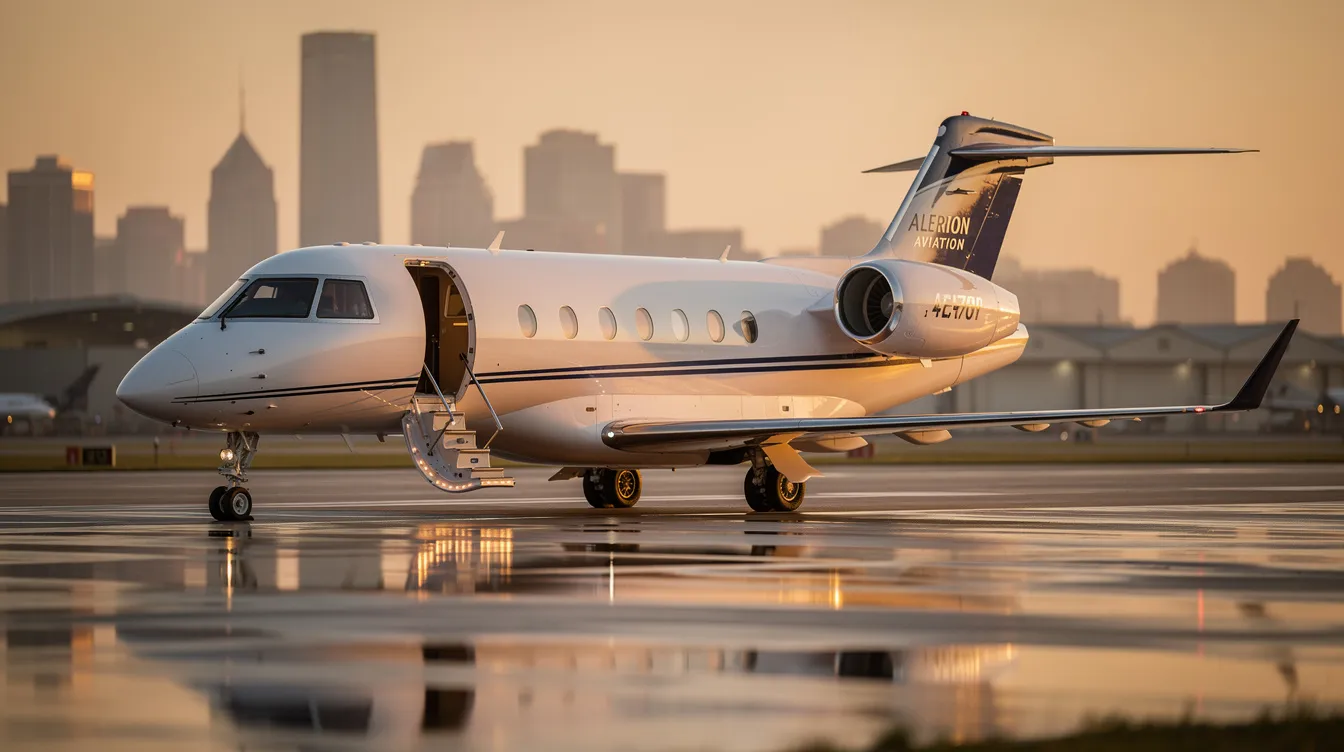
5
min read
Alerion Aviation: Charter, Aircraft Management, and How Jettly Helps You Compare Options
Alerion Aviation is a premier boutique private aviation company specializing in aircraft management, on-demand charter, and in-house maintenance. With a strong safety record and a large fleet operating from key U.S. locations, Alerion offers personalized service for travelers and aircraft owners. Jettly enhances the experience by providing a digital marketplace for comparing charter options, ensuring travelers find the best fit for their needs.
Read MoreStay updated with our latest insights and tips to elevate your journey with us.
MEMBERSHIPS AND ASSOCIATIONS



Disclaimer: Jettly operates as a charter broker, offering access to a global digital jet charter marketplace. Jettly is not a direct air carrier and does not own or operate aircraft. All advertised flights are conducted by third-party air carriers that are fully licensed and hold the appropriate Part 135 or Part 121 certifications issued by the Federal Aviation Administration (FAA) or equivalent regulatory authorities under U.S. or foreign law. Jettly complies fully with the U.S. Department of Transportation's Part 295 and Part 298 Charter Broker regulations. Jettly does not carry additional liability insurance. Passengers are covered by aircraft operator insurance. TICO: 50023770


