


Login
Get Instant Pricing On 23,000+ Aircraft

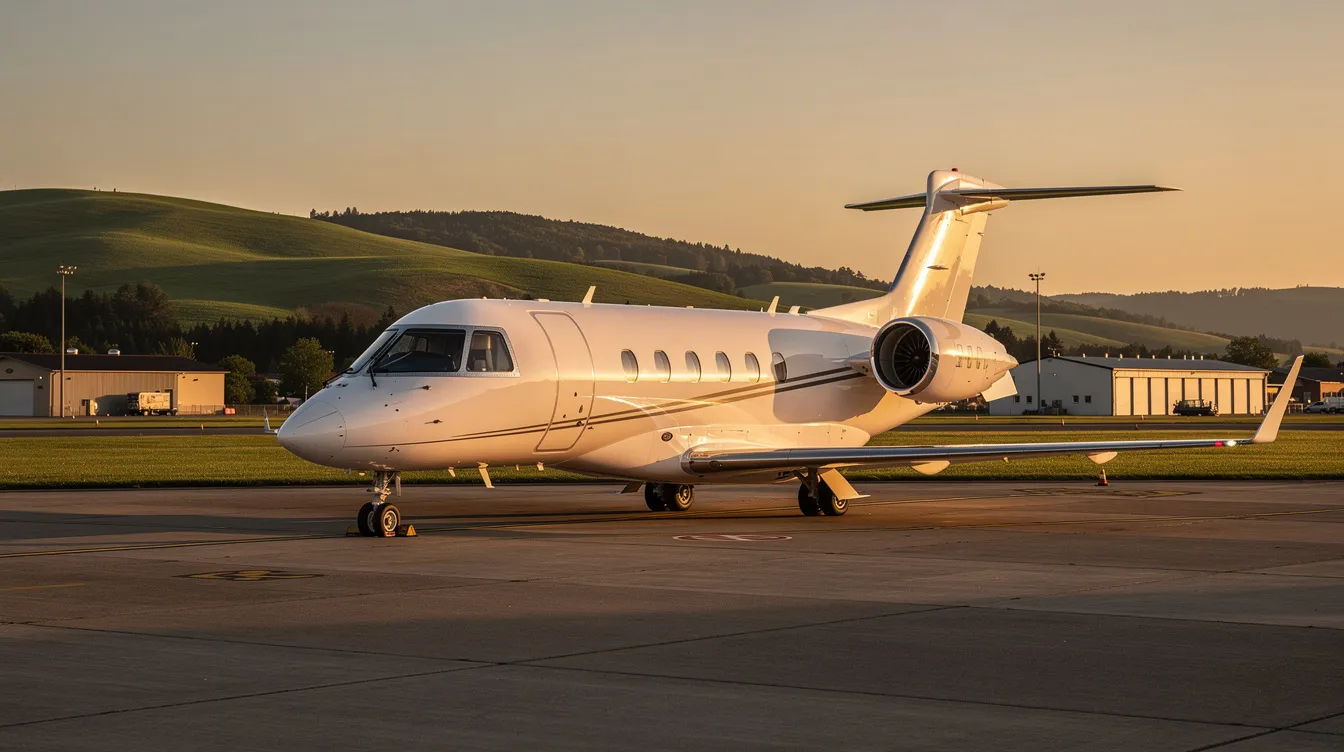
Executive aviation revolutionizes travel by offering private flights tailored to individual schedules and preferences, bypassing the limitations of commercial airlines. With options like on-demand charters and memberships, travelers can enjoy significant time savings, enhanced comfort, and privacy, making it ideal for both business and leisure trips.
Jay Franco Serevilla
Sep 16, 2026
|
5
min read


View all
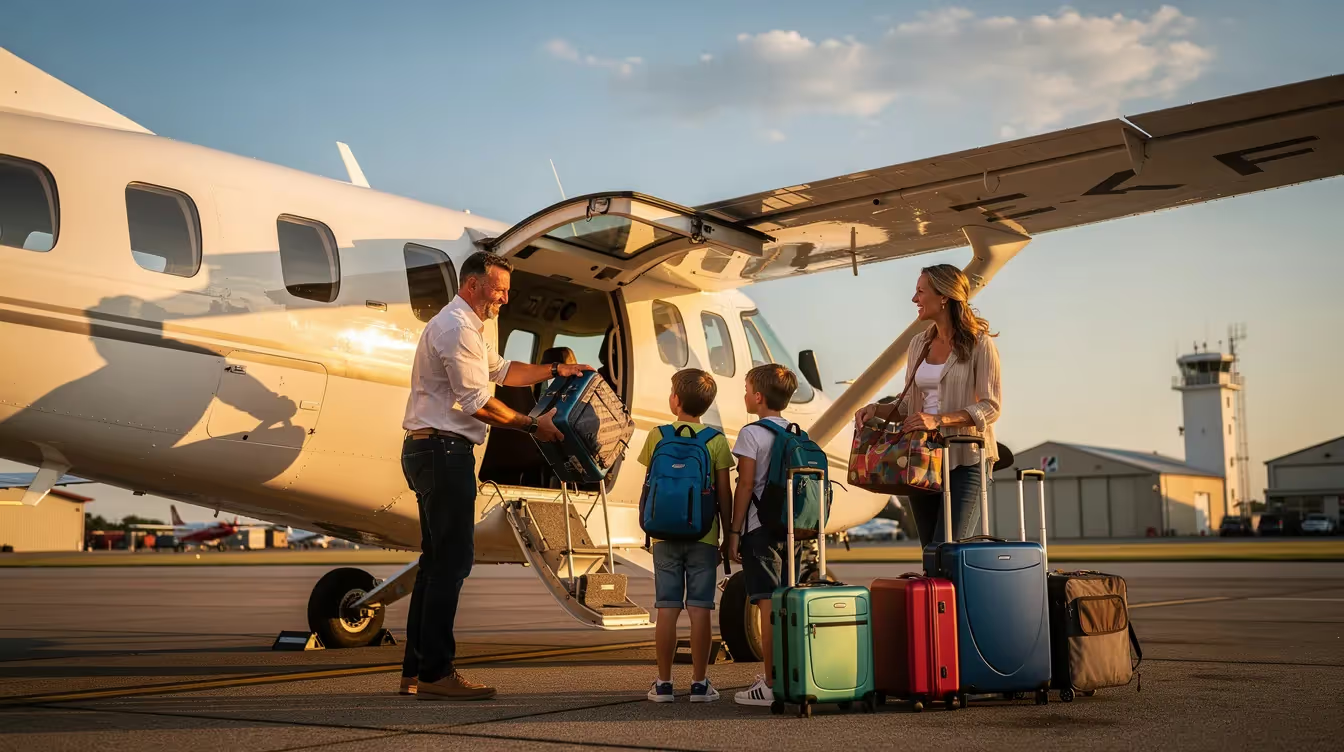
Choosing the best plane for a family of four requires consideration of comfort, safety, performance, and cost, with options ranging from piston singles to turboprops and light jets. Popular models include the Cessna 182, Cirrus SR22, and Beechcraft Bonanza A36, each suited for different travel needs and budgets. Families flying less than 150-200 hours annually may find chartering through platforms like Jettly more cost-effective than ownership, as it eliminates maintenance and operational costs. Ultimately, families should assess their specific travel requirements and consider testing routes via charter before committing to an aircraft purchase.
Jay Franco Serevilla
Apr 18, 2026
|
5
min read
View all
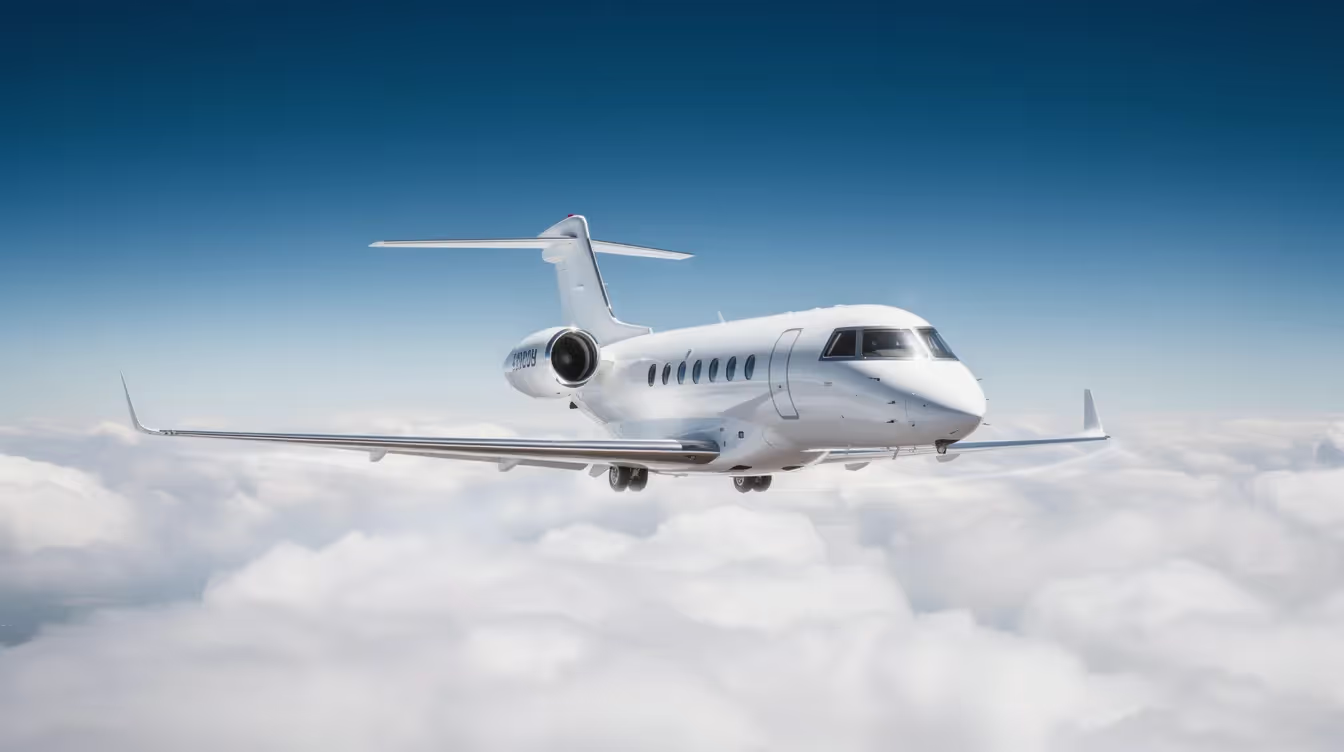
The Learjet private jet, a staple in business aviation since its first flight in 1963, is renowned for its speed, agility, and efficient cabin designs, with models like the Learjet 35, 45, 60, 70, and 75 available for charter. Although Bombardier ceased production in 2021, thousands remain active in global charter fleets, offering cruise speeds around Mach 0.80 and ranges between 1,900 and 2,800 nautical miles. Travelers can easily charter Learjets through platforms like Jettly, which provide transparent pricing and access to various models without the burdens of ownership. The Learjet's performance, cabin comfort, and operational flexibility make it an ideal choice for business trips, family getaways, and urgent travel needs.
Jay Franco Serevilla
Apr 18, 2026
|
5
min read
View all
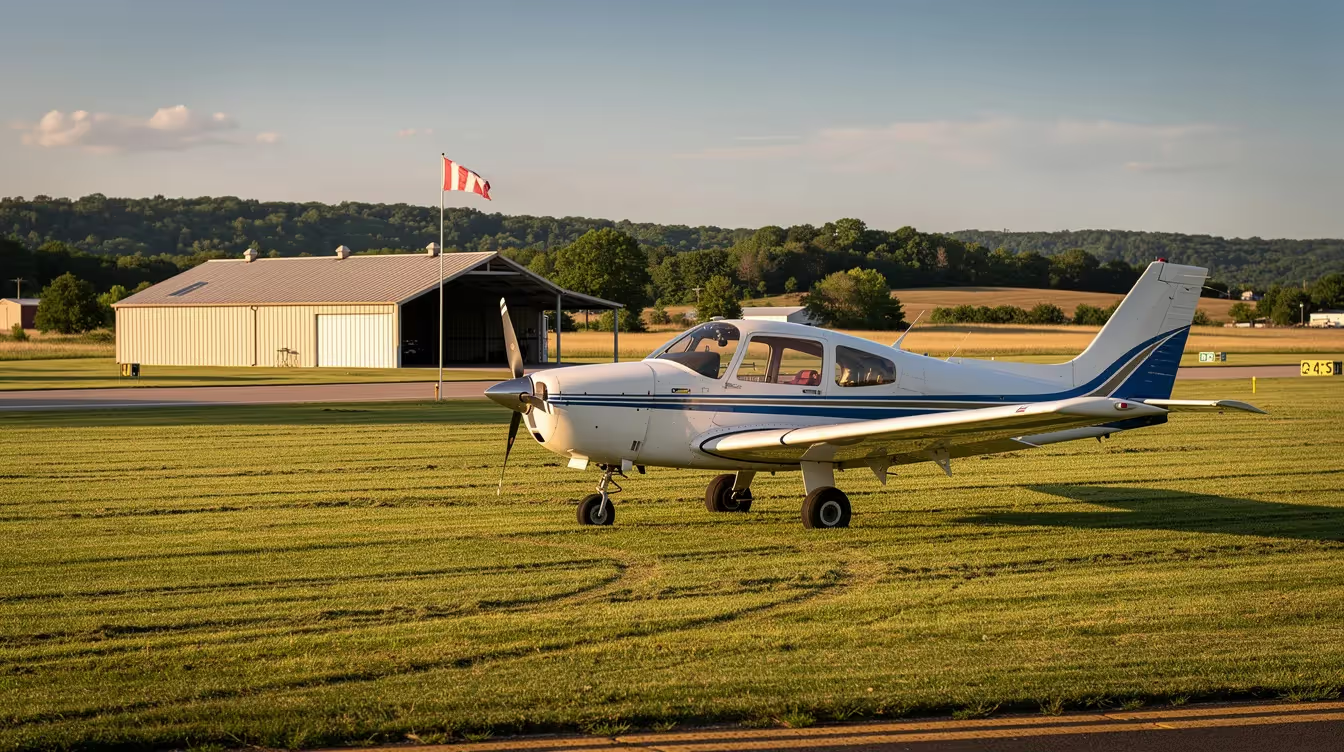
The cost of buying a plane varies widely, with used two-seat trainers starting around $15,000 and new large business jets exceeding $75 million. Buyers must also consider ongoing expenses, which can equal or surpass the purchase price over time, including maintenance, fuel, insurance, and crew salaries, with annual operating costs often ranging from $500,000 to over $1 million. For those flying less than 150 hours annually, chartering through platforms like Jettly may be more cost-effective than ownership, as it eliminates asset risk and maintenance responsibilities. Ultimately, the decision between buying and chartering should be based on individual flying needs and financial considerations.
Jay Franco Serevilla
Apr 18, 2026
|
5
min read
View all
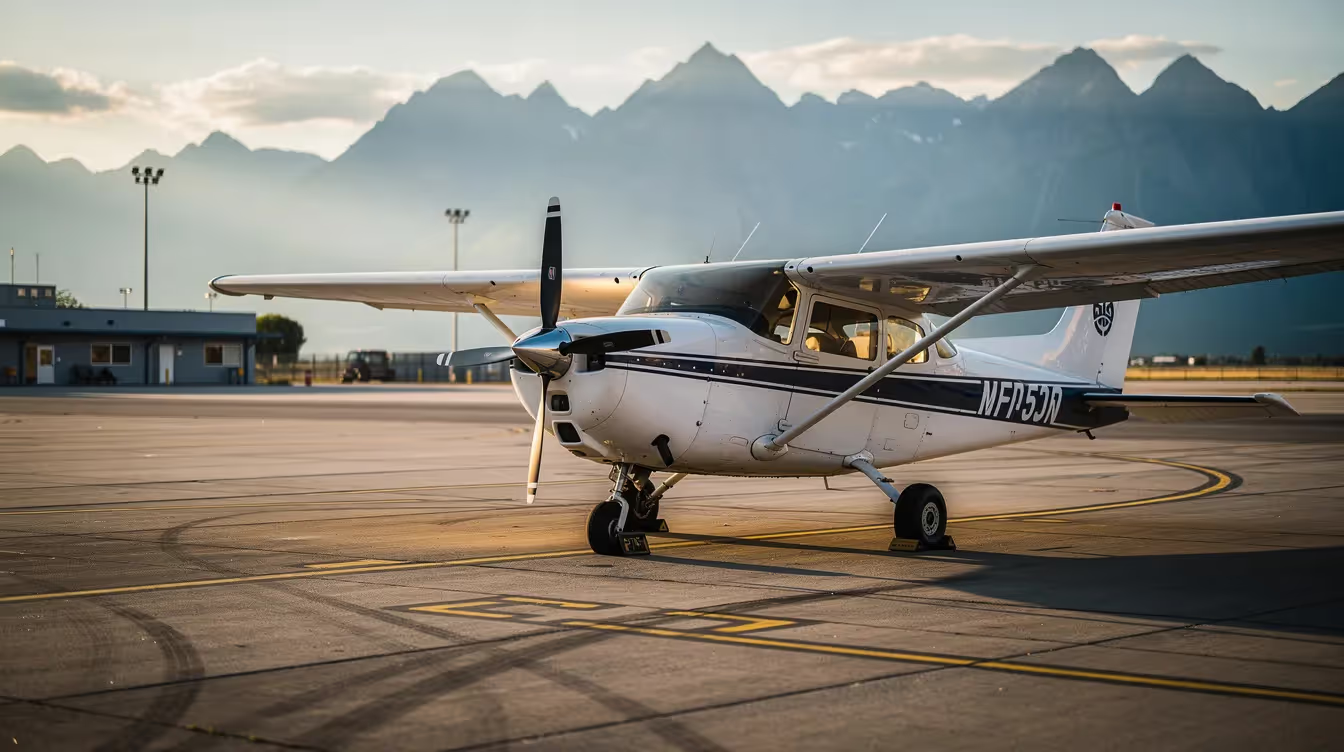
Plane operating costs encompass the ongoing expenses necessary to keep an aircraft operational, distinct from its purchase price. These costs vary significantly by aircraft type, with small pistons costing around $150–$250 per flight hour, while heavy jets can exceed $8,000 per hour. For travelers flying less than 150–200 hours annually, chartering through platforms like Jettly is often more economical than ownership, which involves substantial fixed and variable costs. Jettly provides access to over 20,000 private charter aircraft globally, allowing users to avoid the complexities and financial burdens of aircraft ownership while enjoying the benefits of private aviation.
Jay Franco Serevilla
Apr 18, 2026
|
5
min read
View all
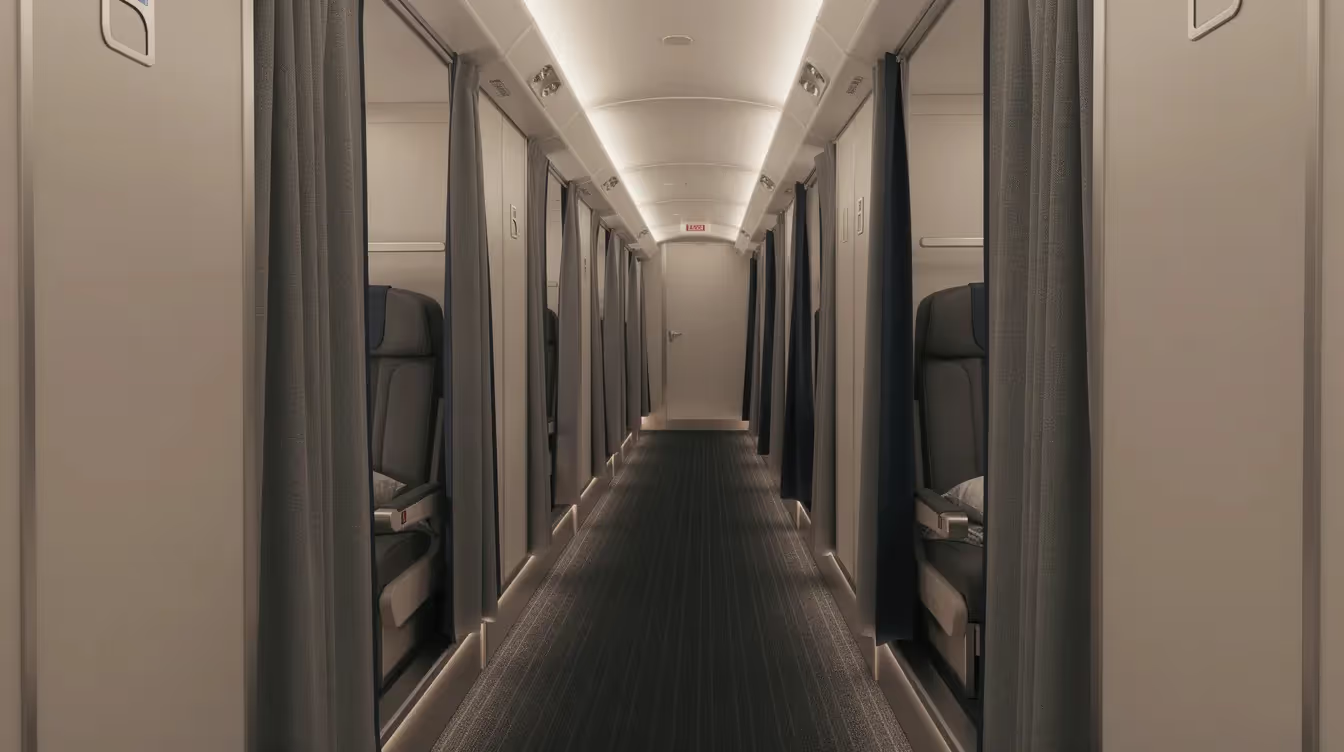
The article explores the various sleeping arrangements available on airplanes, including hidden crew bunks for flight attendants and pilots, as well as luxurious lie-flat beds in premium cabins and private jet staterooms. It highlights the importance of these spaces for safety and comfort during long-haul flights, with regulations mandating crew rest areas on flights exceeding 8-12 hours. Jettly's platform simplifies the process of finding flights with ideal sleeping arrangements, allowing travelers to compare options for both commercial and private aviation. Ultimately, the choice of sleeping accommodations depends on budget, route, and personal preferences.
Jay Franco Serevilla
Apr 18, 2026
|
5
min read

View all
Modern jet airliners typically cruise at speeds between 550 and 600 mph (Mach 0.85 to 0.90), while private jets may operate at similar or slightly higher speeds but can save time by avoiding hub airports and delays. Factors such as aircraft design, altitude, wind conditions, and regulatory limits influence actual flight speeds. Despite advancements in technology, commercial airliner speeds have remained relatively stable due to economic and environmental considerations. Understanding these dynamics helps travelers make informed choices between commercial and private aviation options.
Jay Franco Serevilla
Apr 18, 2026
|
5
min read
Explore our latest articles and updates.
5
min read
Do You Want To Be Like Mike? A look at Michael Jordan’s Gulfstream Fleet
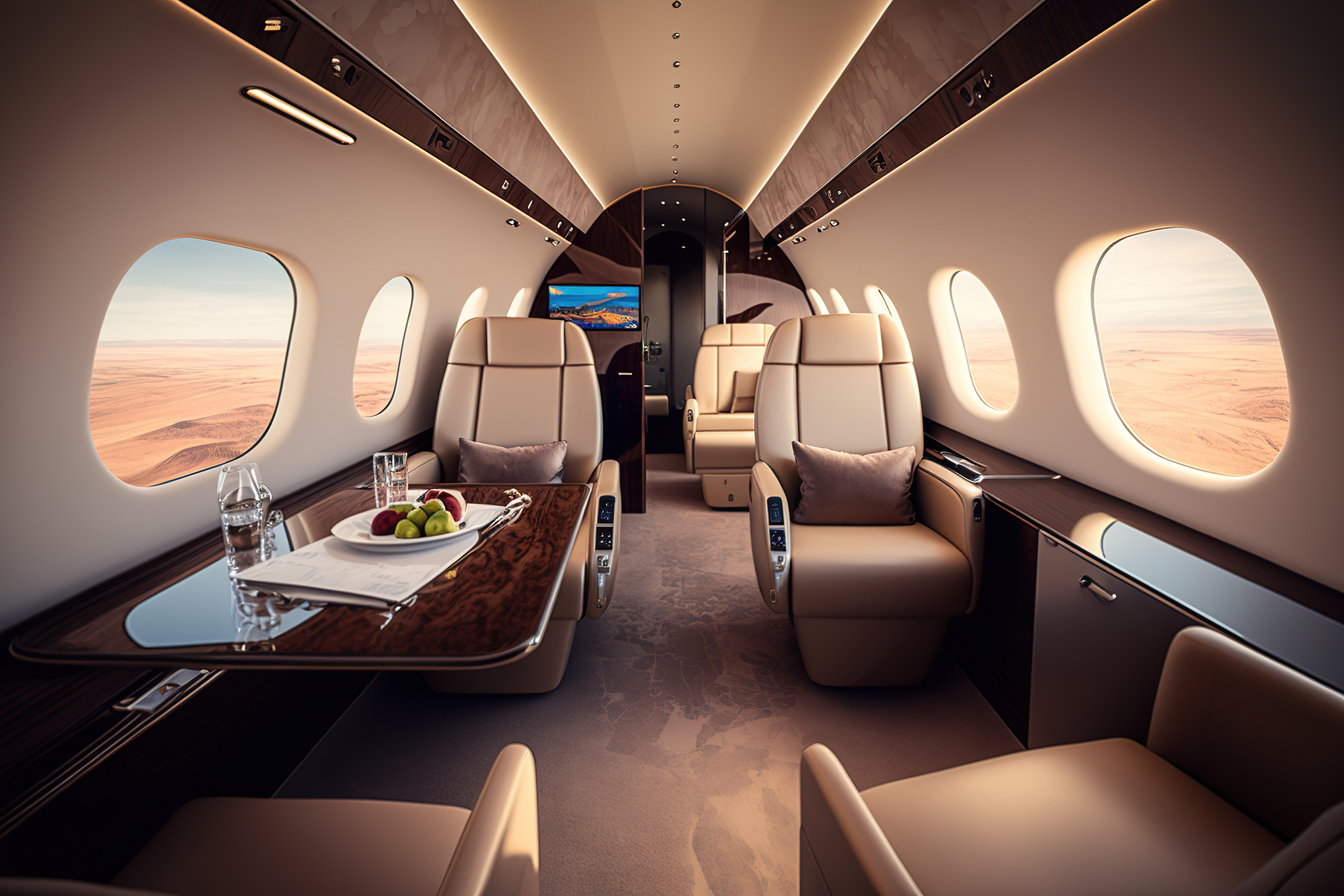
Michael Jordan’s move from a legacy Gulfstream G550 to a new Gulfstream G650ER wasn’t about prestige—it was disciplined asset management. By exiting an aging airframe before heavy maintenance cycles, his flight department locked in reliability, range, and predictable operating economics. The G650ER’s nonstop global reach reduces downtime, crew inefficiencies, and long-term cost volatility. It’s a textbook example of UHNW aviation shifting from status symbols to performance-driven capital strategy.
Read More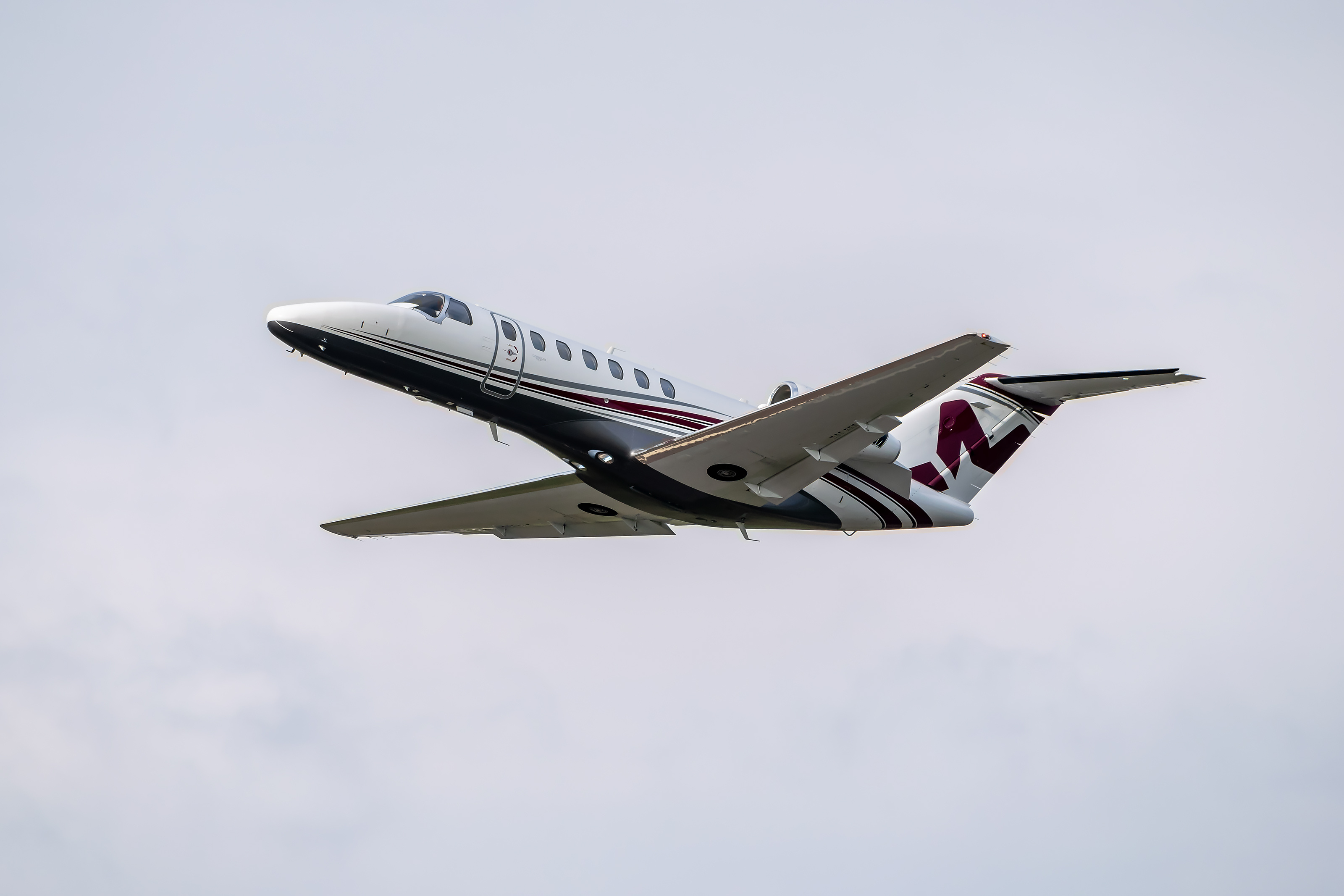
5
min read
Private Jet Inflation Index: How Charter Pricing Really Compares to CPI
In 2025, private jet charter and jet card pricing grew just 1.7%, lagging U.S. inflation for the first time since the pandemic. Stabilizing supply, softer demand, and reduced fuel volatility have cooled the industry’s pricing power. Light jets saw the highest long-term inflation, while large-cabin aircraft remained more stable. For operators, corporations, and HNWIs, private aviation has re-entered a phase of cost predictability.
Read MoreJoin our community and receive the latest blog updates directly in your inbox.
MEMBERSHIPS AND ASSOCIATIONS



Disclaimer: Jettly operates as a charter broker, offering access to a global digital jet charter marketplace. Jettly is not a direct air carrier and does not own or operate aircraft. All advertised flights are conducted by third-party air carriers that are fully licensed and hold the appropriate Part 135 or Part 121 certifications issued by the Federal Aviation Administration (FAA) or equivalent regulatory authorities under U.S. or foreign law. Jettly complies fully with the U.S. Department of Transportation's Part 295 and Part 298 Charter Broker regulations. Jettly does not carry additional liability insurance. Passengers are covered by aircraft operator insurance. TICO: 50023770


