


Login
Get Instant Pricing On 23,000+ Aircraft


Jettly has launched "Special Missions," integrating complex charter categories—including helicopters, group charter (18–200 seats), cargo freighters, medevac flights, and VIP airliners—into its instant-pricing digital marketplace. Supported by a network of over 23,000 aircraft and 24/7 flight operations, the feature replaces slow, offline sourcing with transparent digital access for high-stakes, specialized flying.
Roz C
Sep 29, 2026
|
5
min read



View all
A $15 million private jet typically includes new light or super-light jets, or late-model midsize and super-midsize aircraft, suitable for transcontinental travel with luxurious amenities for 8-12 passengers. Many travelers are opting for charter services like Jettly instead of ownership due to lower financial commitments and flexibility, especially for those flying under 200-250 hours annually. Operating costs can reach $800,000 to $1.5 million per year, significantly exceeding the initial purchase price, making chartering a more economical choice for infrequent flyers. Additionally, sustainability initiatives, such as Sustainable Aviation Fuel and carbon offset programs, are increasingly integrated into private aviation, allowing travelers to reduce their carbon footprint while enjoying the benefits of private jet travel.
Jay Franco Serevilla
Apr 14, 2026
|
5
min read

View all
The Florida Keys offer a unique vacation experience with diverse activities, including snorkeling, fishing, and cultural exploration across its 1,700 islands. Key regions such as Key Largo, Islamorada, Marathon, the Lower Keys, and Key West provide distinct attractions, from world-class diving to vibrant nightlife. Jettly's private jet charter services streamline travel by providing direct access to key airports, significantly reducing travel time compared to driving. Ideal for both short getaways and extended stays, the Florida Keys cater to various preferences, making it a perfect destination for families and adventure seekers alike.
Jay Franco Serevilla
Apr 14, 2026
|
5
min read
View all
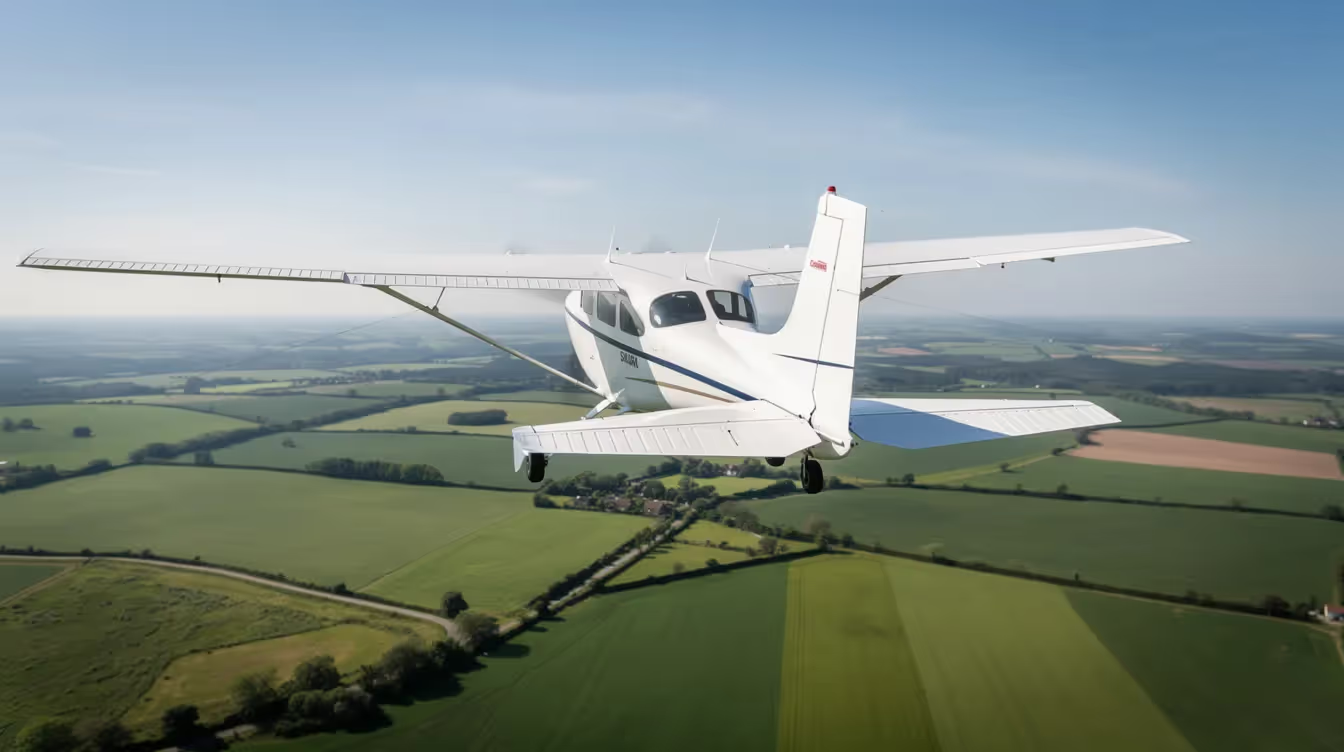
The price of a new Cessna 182 Skylane for the 2026-2027 model years ranges from approximately $600,000 to $780,000, depending on configuration and options. This popular aircraft is known for its reliability and versatility, making it a common choice among pilots. Buyers should also consider additional costs such as operating expenses, maintenance, and insurance, which can significantly impact overall ownership costs. For those who fly infrequently, chartering options may provide a more cost-effective alternative to ownership.
Jay Franco Serevilla
Apr 14, 2026
|
5
min read

View all
Corporate aircraft have revolutionized business travel by providing efficient alternatives to commercial aviation, allowing for greater productivity and flexibility. This guide details various types of corporate aircraft, including turboprops and ultra-long-range jets, and explains how businesses can access them through ownership or on-demand charter services like Jettly. Key benefits include significant time savings, access to smaller airports, and the ability to tailor travel to specific mission profiles. As digital platforms streamline the booking process, many companies are opting for charter services to convert fixed aviation costs into variable expenses, enhancing financial flexibility and operational efficiency.
Jay Franco Serevilla
Apr 14, 2026
|
5
min read
View all
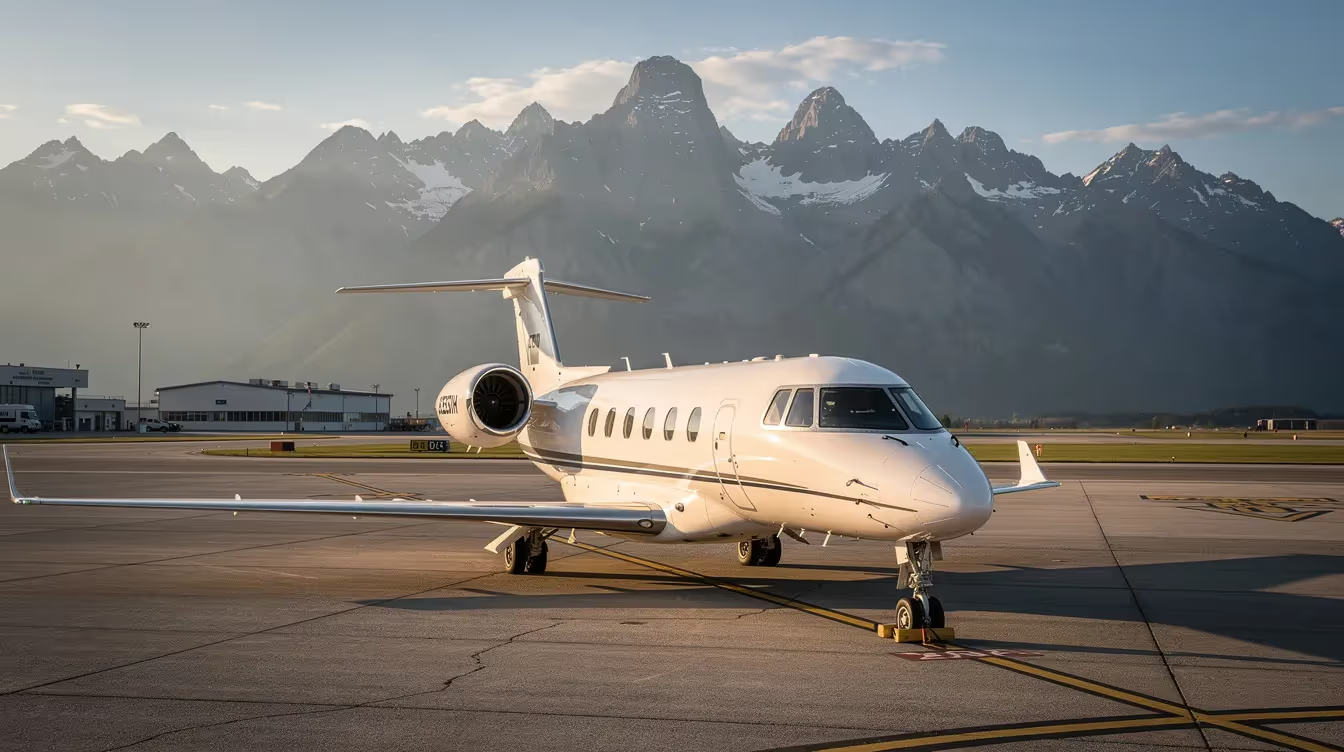
Small aircraft, including single-engine pistons, turboprops, and light jets, offer flexible and efficient private travel, significantly reducing travel times compared to commercial airlines. With the ability to access over 5,000 smaller airports, these aircraft cater to business and leisure travelers seeking convenience and privacy. Jettly provides on-demand access to a global fleet of over 20,000 aircraft, allowing users to charter flights without the commitments of ownership or jet cards. The guide emphasizes the advantages of small aircraft, including time savings, safety features, and cost-effective chartering options, making it a practical choice for frequent travelers.
Jay Franco Serevilla
Apr 14, 2026
|
5
min read

View all
Jettly offers private jet charter services to Vienna, Austria's capital, providing a luxurious and efficient travel experience for both business and leisure travelers. With Vienna International Airport as the primary hub, travelers benefit from exclusive terminals and streamlined procedures, allowing for quick access to the city and its cultural attractions. Pricing for private flights varies based on aircraft type and route, with options available for different budgets and group sizes. Jettly's platform enables instant pricing and booking, making it easy to arrange tailored travel itineraries to and from Vienna.
Jay Franco Serevilla
Apr 14, 2026
|
5
min read
Explore our latest articles and updates.
5
min read
Budget Travels with Private Jets: How to Save Money on Smarter Trips
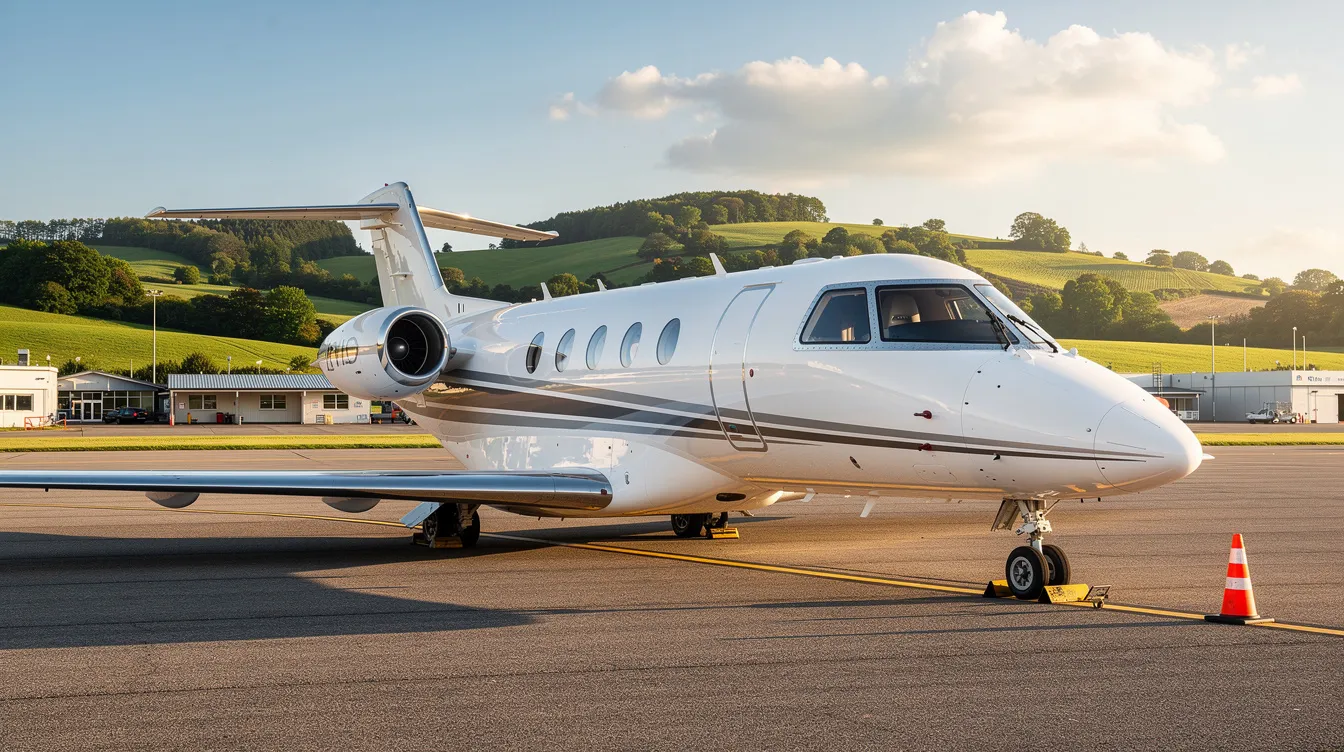
Budget travel in 2026 emphasizes maximizing value through strategic planning, including the use of private jets. Platforms like Jettly make private aviation accessible for cost-conscious travelers, allowing groups to share costs effectively. This guide provides insights on saving money while ensuring comfort and convenience during trips.
Read More
5
min read
Boeing 777‑200LR Seating Capacity: Configurations, Airlines, and Charter Insights
This article explores the significance of SEO in digital marketing, emphasizing its role in enhancing online visibility and driving traffic to websites. It discusses various strategies and techniques that can be employed to optimize content for search engines, ultimately leading to improved rankings and user engagement.
Read MoreJoin our community and receive the latest blog updates directly in your inbox.
MEMBERSHIPS AND ASSOCIATIONS



Disclaimer: Jettly operates as a charter broker, offering access to a global digital jet charter marketplace. Jettly is not a direct air carrier and does not own or operate aircraft. All advertised flights are conducted by third-party air carriers that are fully licensed and hold the appropriate Part 135 or Part 121 certifications issued by the Federal Aviation Administration (FAA) or equivalent regulatory authorities under U.S. or foreign law. Jettly complies fully with the U.S. Department of Transportation's Part 295 and Part 298 Charter Broker regulations. Jettly does not carry additional liability insurance. Passengers are covered by aircraft operator insurance. TICO: 50023770


