


Login
Get Instant Pricing On 23,000+ Aircraft


The aviation industry encompasses a wide range of operators, from major airlines like American and Delta to private jet charter services such as Jettly, each catering to different traveler needs. Major airlines focus on high-volume scheduled routes, while private charters offer flexibility and access to smaller airports, making them ideal for time-sensitive or complex itineraries. Understanding the strengths and limitations of each option allows travelers to make informed decisions based on their priorities, whether they prioritize cost, convenience, or unique destinations. As digital platforms evolve, the integration of commercial and private aviation is expected to enhance travel experiences further.
Jay Franco Serevilla
Jun 29, 2026
|
5
min read


View all
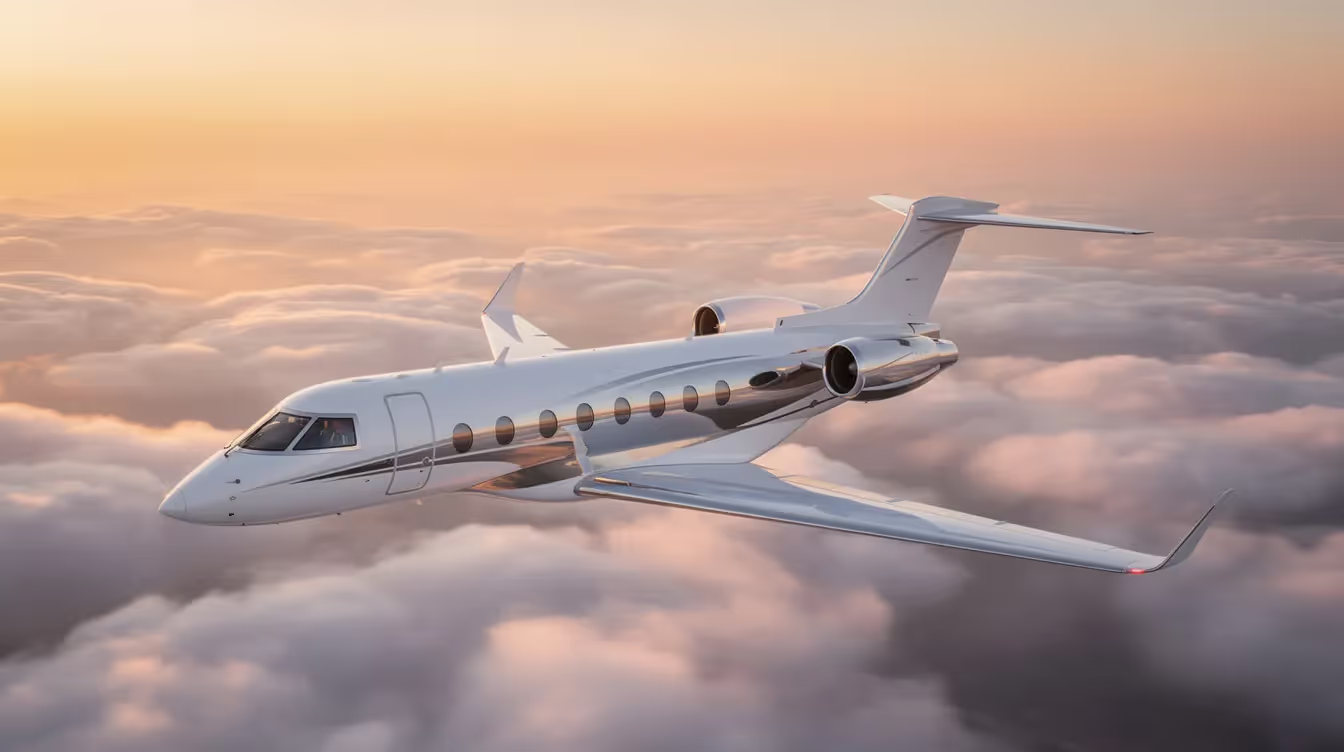
Chartering a private jet to Florida typically costs between $5,000 for short regional flights and over $80,000 for long-haul or luxury heavy jet missions, with hourly rates ranging from $1,800 to $18,000 depending on aircraft type and distance. Factors influencing the final price include flight duration, aircraft category, seasonal demand, and additional fees such as taxes and landing charges. Popular aircraft for Florida travel include turboprops and light jets for shorter trips, while heavy jets are preferred for longer distances and larger groups. Travelers can optimize costs by being flexible with travel dates, using smaller airports, and exploring options like empty-leg flights.
Jay Franco Serevilla
Mar 11, 2026
|
5
min read
View all
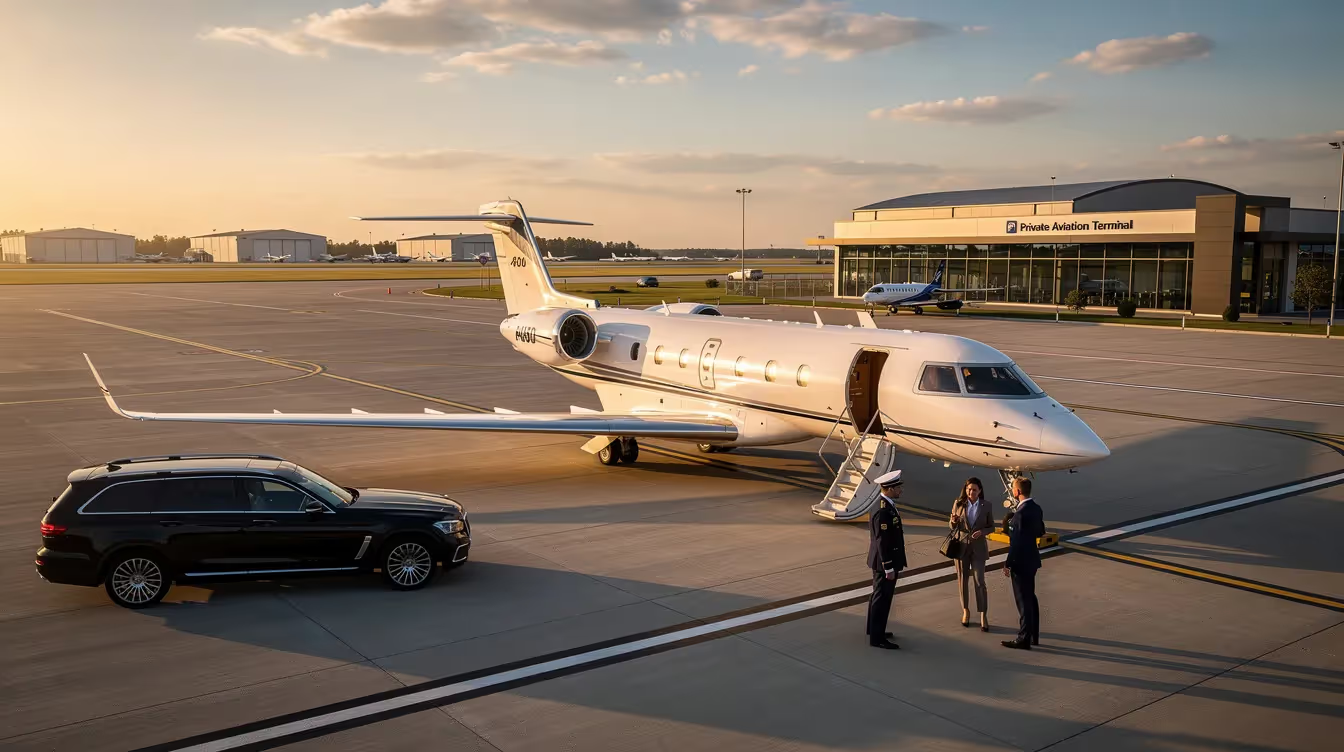
The Chicago to Miami private jet route is a highly frequented corridor in the U.S., catering to business executives, seasonal travelers, and sports teams, with flight durations typically around three hours. Private jet travel offers significant advantages over commercial flights, including flexible scheduling, access to smaller airports, and reduced wait times, making it particularly appealing during the winter months when demand peaks. Charter costs vary based on aircraft type, with light jets starting around $12,350 and heavy jets exceeding $40,000, influenced by factors such as seasonal demand and fuel prices. For optimal pricing and availability, booking 1-2 weeks in advance is recommended, and travelers can explore options like empty-leg flights for potential savings.
Jay Franco Serevilla
Mar 10, 2026
|
5
min read
View all
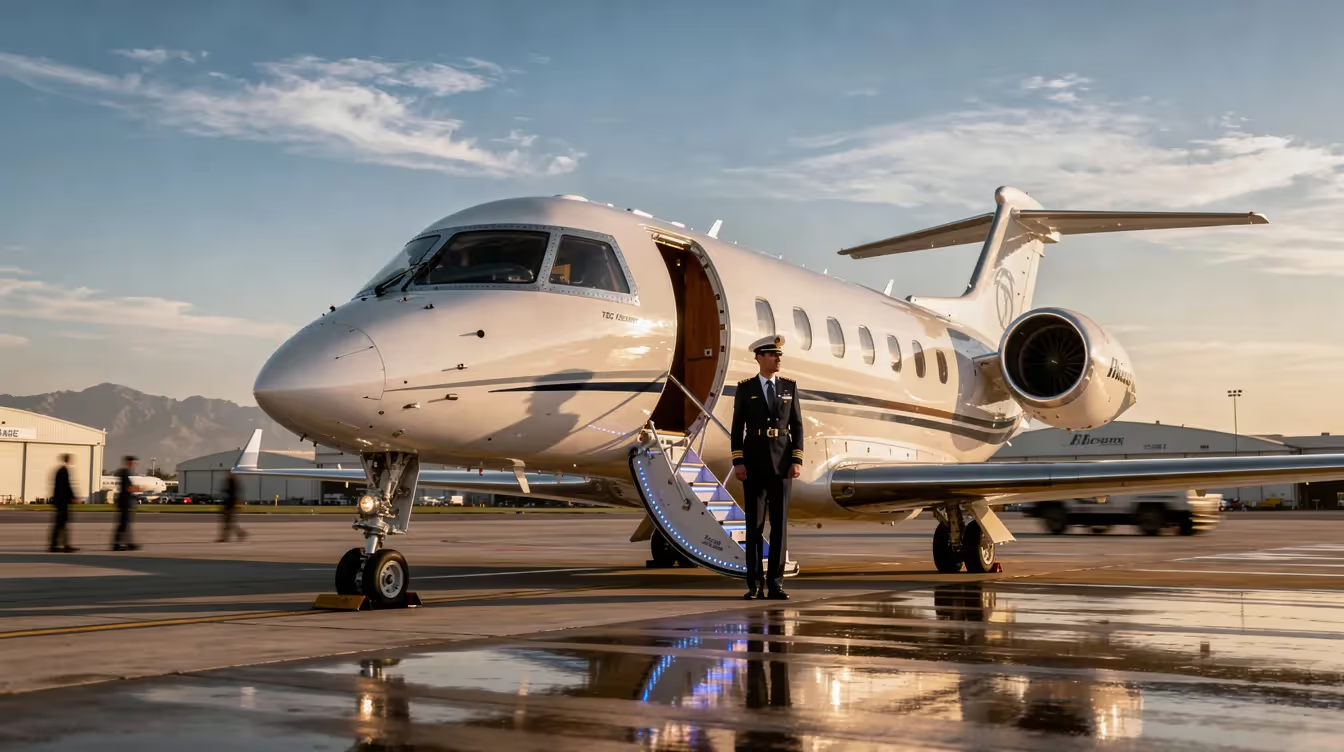
Puerto Vallarta is a popular destination for private jet travelers seeking convenience and flexibility, particularly during peak seasons like winter and spring break. The primary airport for private flights is Licenciado Gustavo Díaz Ordaz International Airport (PVR), which offers modern facilities and dedicated services for private aviation. Charter prices vary widely based on aircraft type and distance, typically ranging from $2,600 to over $14,000 per hour, with options for cost-saving strategies such as empty leg flights. Travelers can easily book private jets through platforms like Jettly, which streamline the process and provide access to a global network of aircraft operators.
Jay Franco Serevilla
Mar 10, 2026
|
5
min read
View all
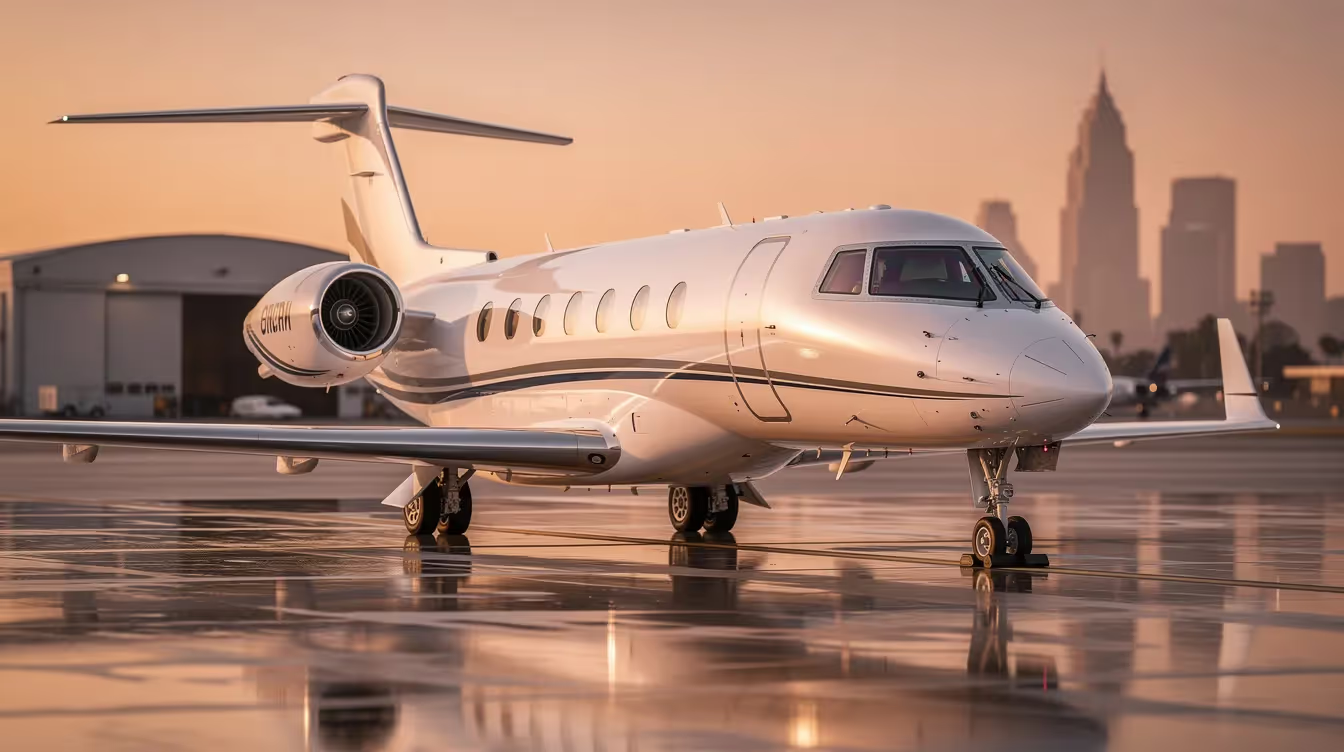
Chartering a private plane to Ibiza offers travelers a flexible and efficient way to access the island's renowned beaches, vibrant nightlife, and luxury accommodations, especially during the peak summer season when commercial flights are often crowded. Private aviation allows for shorter airport procedures, direct access to Ibiza Airport, and the ability to customize travel itineraries, making it an attractive option for both leisure and business travelers. Platforms like Jettly streamline the booking process, providing transparent pricing and a wide network of aircraft options. Additionally, cost-saving strategies such as empty leg flights and jet sharing can make private travel more affordable.
Jay Franco Serevilla
Mar 10, 2026
|
5
min read
View all
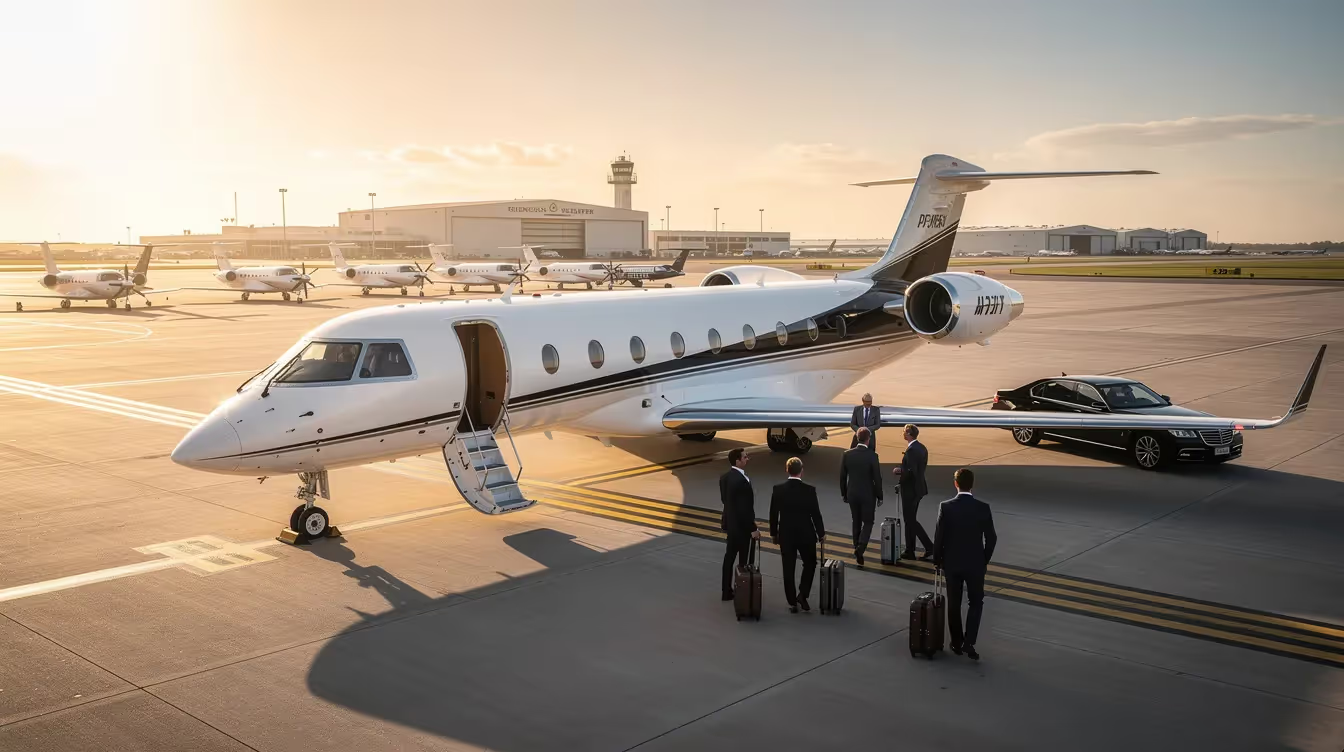
Travelers heading to Carson, California, must use nearby airports, as the city lacks a commercial airport; Long Beach Airport (LGB) is the most convenient option, located just 8 miles away. Los Angeles International Airport (LAX) offers the most extensive flight options but involves longer transfer times. For those seeking flexibility, private aviation services like Jettly provide alternatives to traditional airlines, allowing for quicker access to Carson and reduced travel times. To secure the best fares, travelers should book early, consider off-peak travel times, and utilize price comparison tools.
Jay Franco Serevilla
Mar 10, 2026
|
5
min read

View all
Travelers planning flights to Lake Superior typically fly into Duluth International Airport (DLH), the main gateway for the region, located about 17 miles from Superior, Wisconsin. Major airlines servicing this area include United, Delta, Sun Country, and American Airlines, with April often being the cheapest month to book flights due to lower demand. For budget-conscious travelers, flexible travel dates and monitoring fare changes can lead to significant savings, while private aviation offers a quicker alternative without the constraints of commercial schedules. Platforms like Jettly facilitate private jet charters, providing transparent pricing and easy booking options for those seeking more flexibility.
Jay Franco Serevilla
Mar 10, 2026
|
5
min read
Explore our latest articles and updates.
5
min read
How Far in Advance to Book Flight for Best Price (and When Private Jets Make Sense)
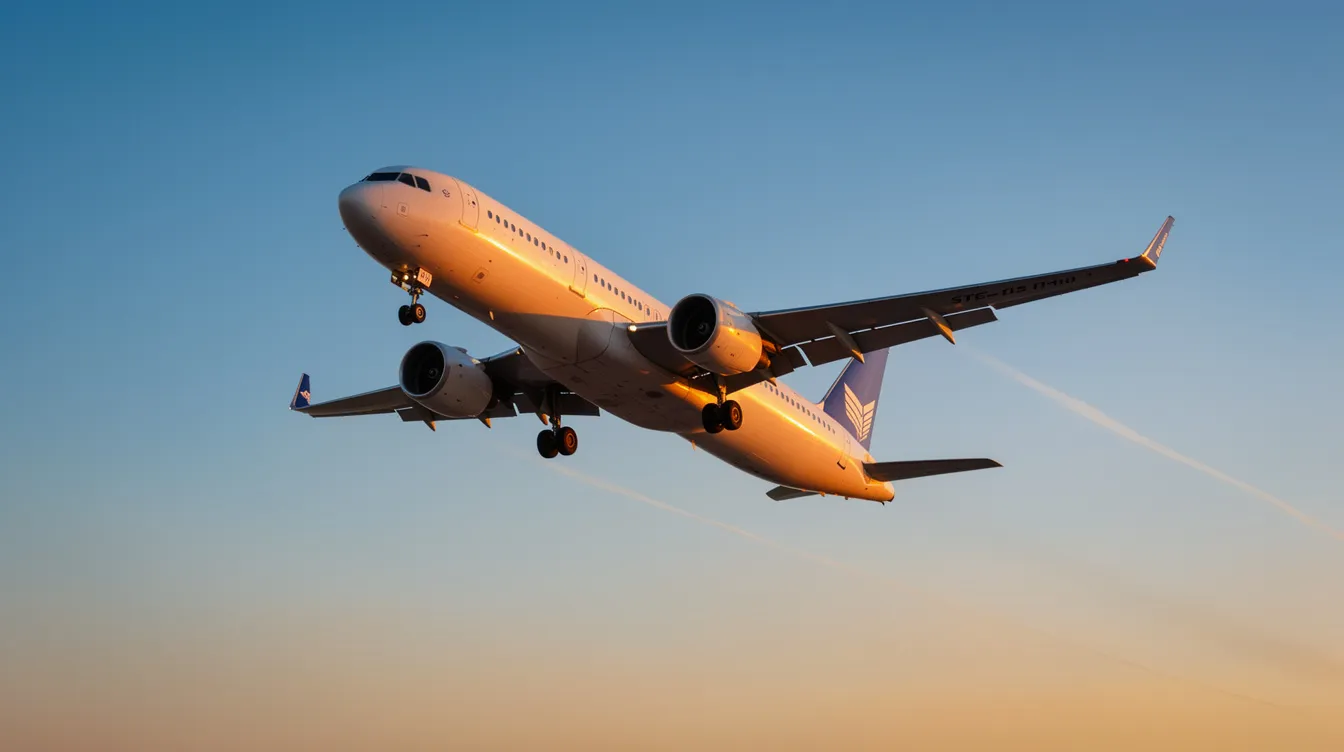
Booking flights at the right time can save you money, with domestic flights best booked 1 to 3 months in advance and international flights 2 to 8 months ahead. Understanding pricing dynamics and using tools like fare alerts can help you find the best deals. For those needing flexibility or last-minute travel, private jets may offer better value despite higher upfront costs.
Read More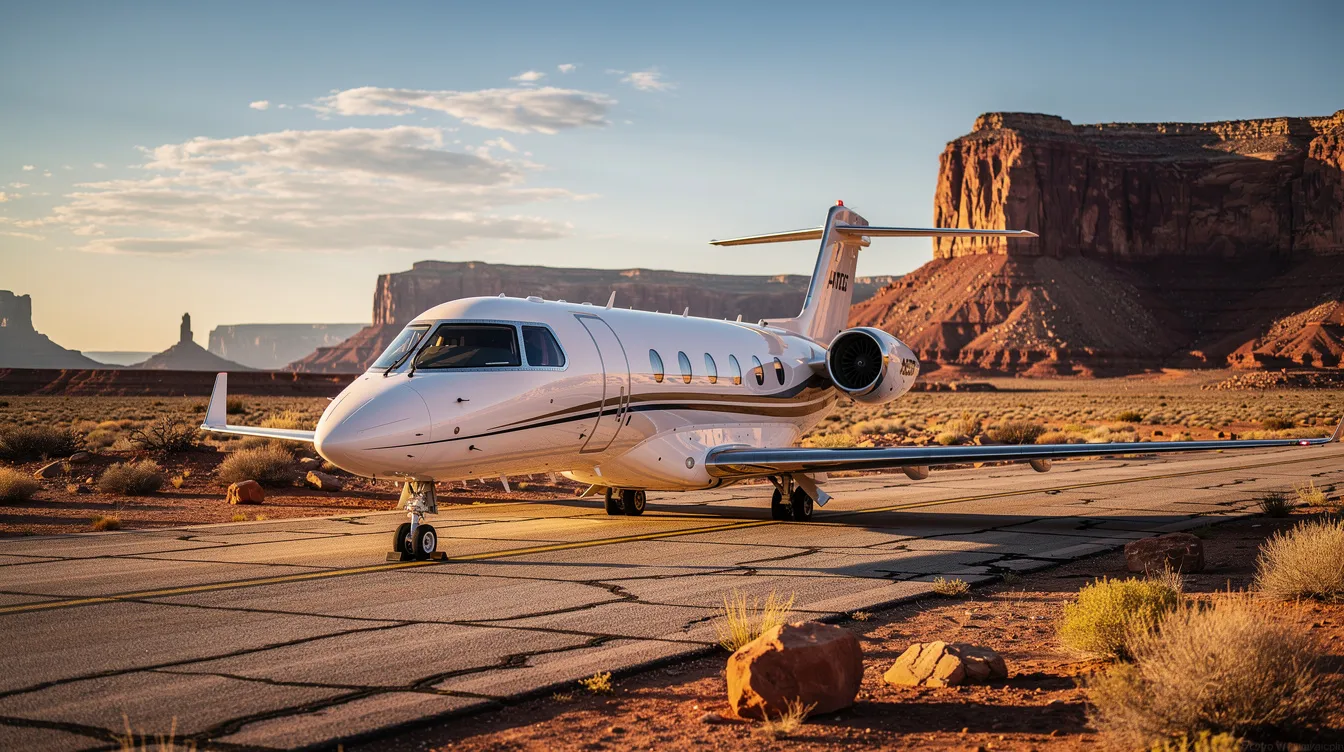
5
min read
How Far Is Las Vegas to Arizona? Distance, Driving Times, and Scenic Private Jet Options
Traveling from Las Vegas to Arizona varies significantly based on your destination, with distances ranging from 35 miles to over 420 miles. Popular spots like the Grand Canyon and Hoover Dam are easily accessible, making for memorable day trips. Whether you choose to drive, take a guided tour, or fly privately, each option offers unique experiences and scenic views along the way.
Read MoreJoin our community and receive the latest blog updates directly in your inbox.
MEMBERSHIPS AND ASSOCIATIONS



Disclaimer: Jettly operates as a charter broker, offering access to a global digital jet charter marketplace. Jettly is not a direct air carrier and does not own or operate aircraft. All advertised flights are conducted by third-party air carriers that are fully licensed and hold the appropriate Part 135 or Part 121 certifications issued by the Federal Aviation Administration (FAA) or equivalent regulatory authorities under U.S. or foreign law. Jettly complies fully with the U.S. Department of Transportation's Part 295 and Part 298 Charter Broker regulations. Jettly does not carry additional liability insurance. Passengers are covered by aircraft operator insurance. TICO: 50023770


